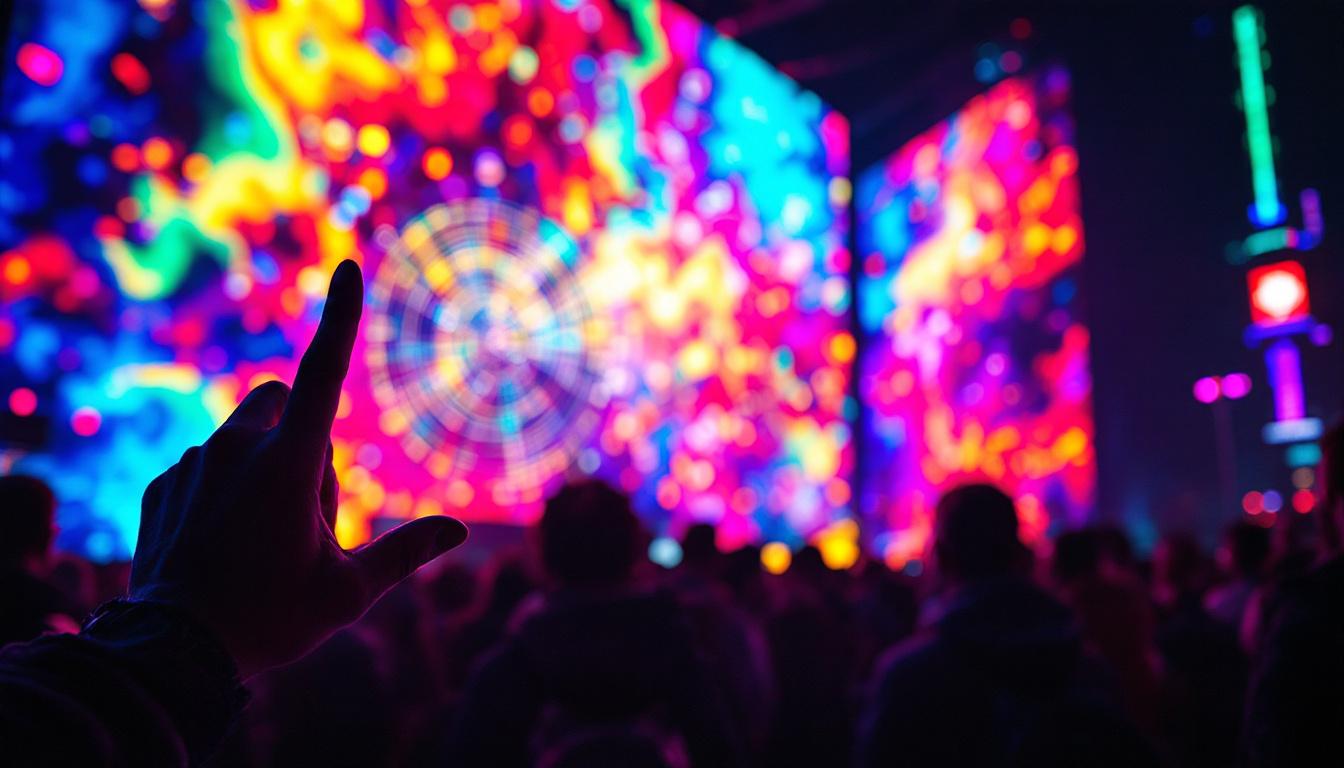
In the rapidly evolving world of digital signage and visual communication, LED displays have become a cornerstone technology. From vibrant billboards and stadium screens to indoor advertising and control rooms, LED displays offer unparalleled brightness, flexibility, and durability. This article delves into the technology behind LED displays, their types, applications, and the factors driving their widespread adoption.
Understanding LED Display Technology
What is an LED Display?
LED stands for Light Emitting Diode, a semiconductor device that emits light when an electric current passes through it. An LED display is essentially a flat panel or screen that uses an array of these tiny LEDs to produce images, videos, or text. Unlike traditional LCD or plasma screens, LED displays rely on direct light emission from each pixel, resulting in higher brightness and better contrast ratios.
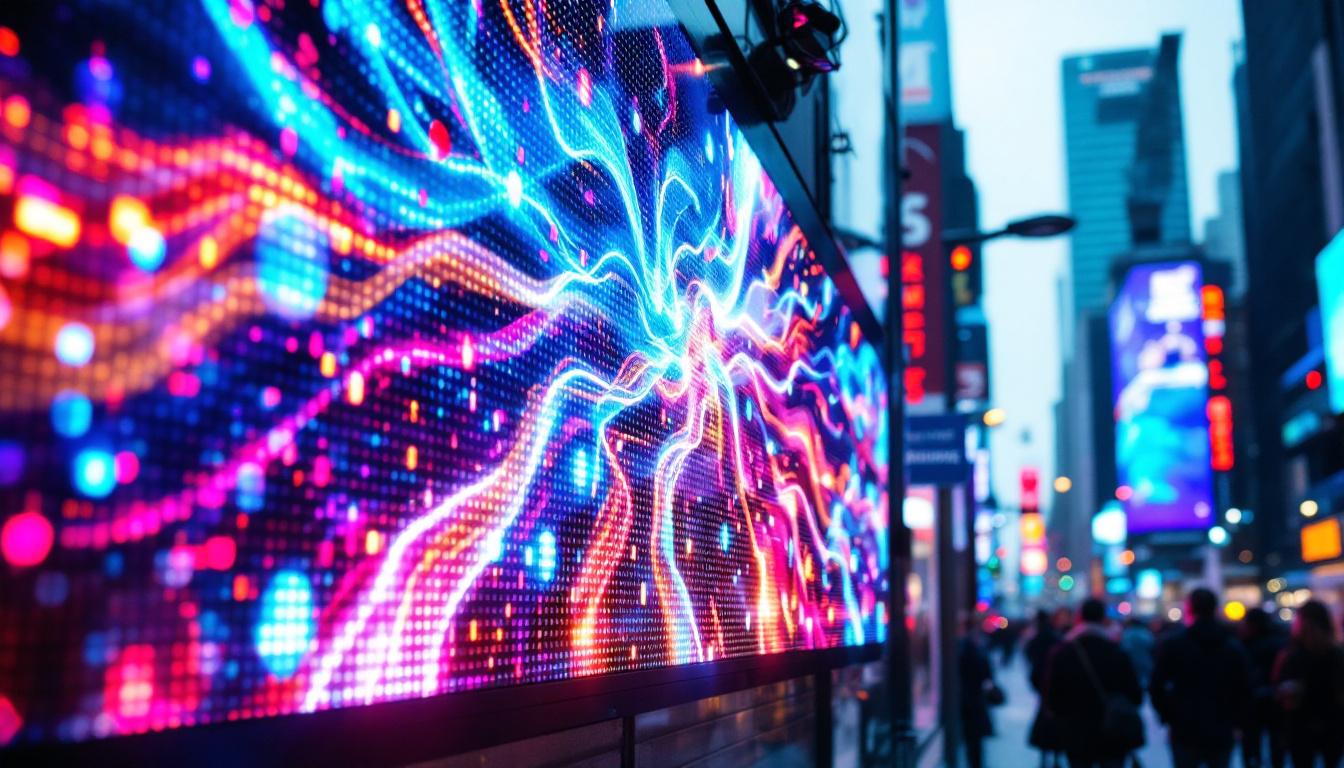
Each pixel in an LED display is composed of one or more LEDs, typically red, green, and blue (RGB), which combine to create a full spectrum of colors. By controlling the intensity of each LED, the display can render detailed and vibrant visuals that are visible even in bright daylight conditions. This capability makes LED displays particularly popular for outdoor advertising and large-scale events, where visibility is paramount. Furthermore, the longevity of LED technology means that these displays can operate for tens of thousands of hours without significant degradation, making them a cost-effective solution in the long run.
How Do LED Displays Work?
The core principle behind LED displays is the modulation of light intensity at the pixel level. When an electrical signal is sent to the display, it controls the current flowing through each LED, adjusting its brightness and color output. This process happens thousands of times per second, enabling smooth video playback and dynamic content. The rapid response time of LEDs also allows for high refresh rates, which is crucial for applications such as gaming and live sports broadcasts where motion clarity is essential.
Modern LED displays use sophisticated driver circuits and control systems to synchronize the LEDs, ensuring uniform color and brightness across the screen. Additionally, technologies like pulse-width modulation (PWM) are employed to fine-tune brightness levels without compromising energy efficiency. This not only enhances the viewing experience but also helps in reducing power consumption, making LED displays more environmentally friendly. Moreover, advancements in LED technology have led to the development of flexible and transparent displays, opening up new possibilities for innovative applications in architecture and design, where screens can be seamlessly integrated into various environments without obstructing the aesthetic appeal.
Types of LED Displays
Indoor vs. Outdoor LED Displays
LED displays are broadly categorized into indoor and outdoor types, each designed to meet specific environmental and performance requirements.
Indoor LED Displays are optimized for close viewing distances and controlled lighting environments. They typically have higher pixel density (smaller pixel pitch), which allows for sharper images and finer detail. These displays are commonly used in retail stores, conference rooms, and event venues.
Outdoor LED Displays are built to withstand harsh weather conditions such as rain, wind, and extreme temperatures. They feature higher brightness levels, often exceeding 5,000 nits, to ensure visibility in direct sunlight. Outdoor LED screens are popular for advertising billboards, sports arenas, and public information displays.
Fixed vs. Rental LED Displays
Another important distinction is between fixed and rental LED displays. Fixed LED displays are permanently installed in a location and designed for long-term use. They offer robust construction and are often customized to fit specific spaces.
Rental LED displays, on the other hand, are modular and portable, allowing for easy assembly and disassembly. These are ideal for concerts, exhibitions, and temporary events where flexibility and quick deployment are crucial.
Direct View LED vs. LED-Backlit LCD
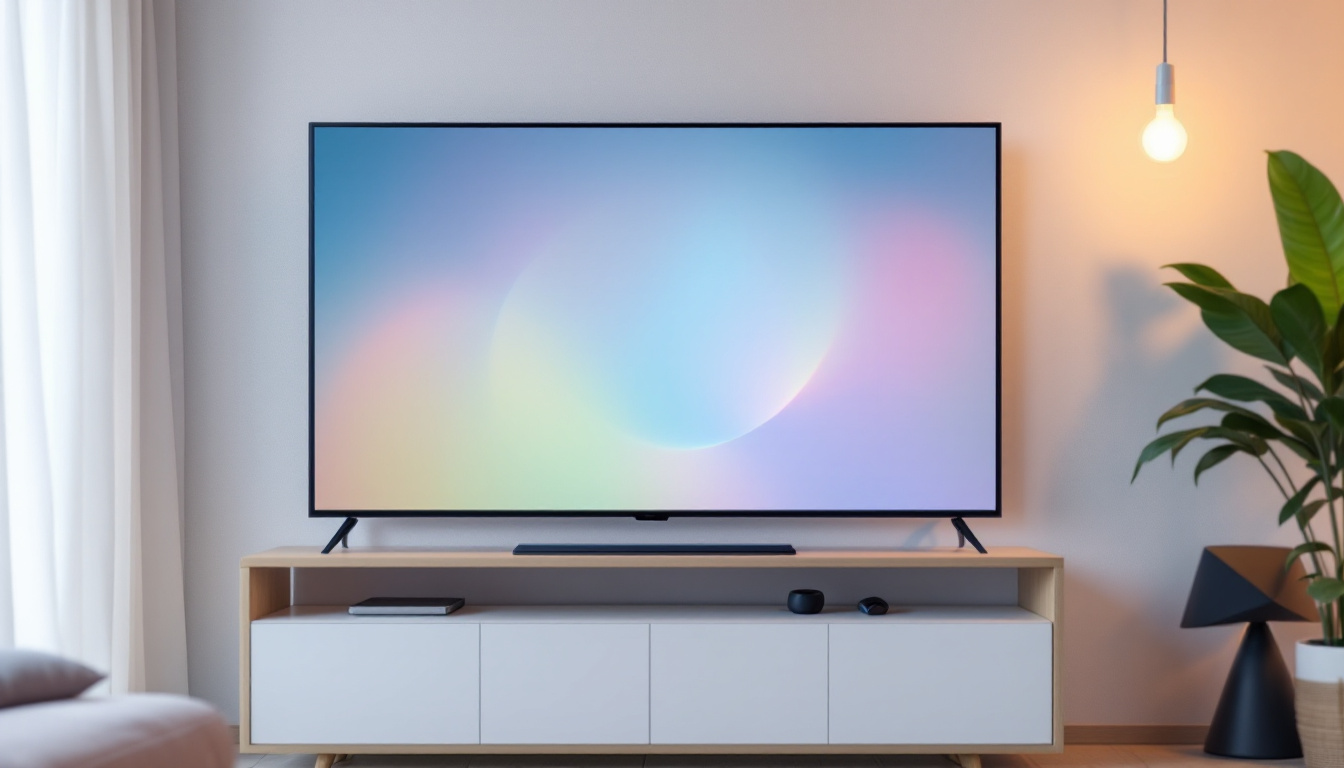
It is important to differentiate between direct view LED displays and LED-backlit LCD screens. Direct view LED displays use LEDs as the actual pixels emitting light, whereas LED-backlit LCDs use LEDs only as a backlight behind an LCD panel. Direct view LED displays provide superior brightness, contrast, and viewing angles, making them the preferred choice for large-scale and outdoor applications.
Key Features and Advantages of LED Displays
Brightness and Visibility
One of the standout features of LED displays is their exceptional brightness. Outdoor LED screens can reach brightness levels of up to 10,000 nits, making them clearly visible even under direct sunlight. This high luminance ensures that messages and visuals are delivered effectively regardless of ambient lighting conditions.
In contrast, traditional display technologies such as LCDs typically max out at around 500-700 nits, which can be insufficient for outdoor use. The superior visibility of LED displays makes them indispensable for advertising, traffic signage, and sports broadcasting.
Energy Efficiency and Longevity
LED technology is inherently energy-efficient because it converts electrical energy directly into light with minimal heat loss. This efficiency translates into lower operating costs over time, especially for large installations that operate continuously.
Moreover, LED displays boast impressive lifespans, often exceeding 100,000 hours of operation. This durability reduces maintenance needs and replacement frequency, providing long-term value for businesses and organizations.
Color Accuracy and Contrast
Thanks to the precise control of individual LEDs, LED displays deliver vibrant colors and deep blacks, resulting in high contrast ratios. This capability enhances image clarity and makes content more engaging to viewers.
Advanced calibration techniques and color management systems further improve color consistency across the display surface, ensuring a uniform and professional appearance.
Flexibility and Customization
LED displays can be manufactured in various shapes and sizes, including curved, flexible, and transparent panels. This versatility allows designers and advertisers to create unique installations that fit architectural features or artistic concepts.
Modular designs also enable easy scaling, so displays can be expanded or reconfigured as needed. This adaptability is particularly valuable for events and retail environments where content and layout requirements frequently change.
Applications of LED Displays
Advertising and Digital Signage
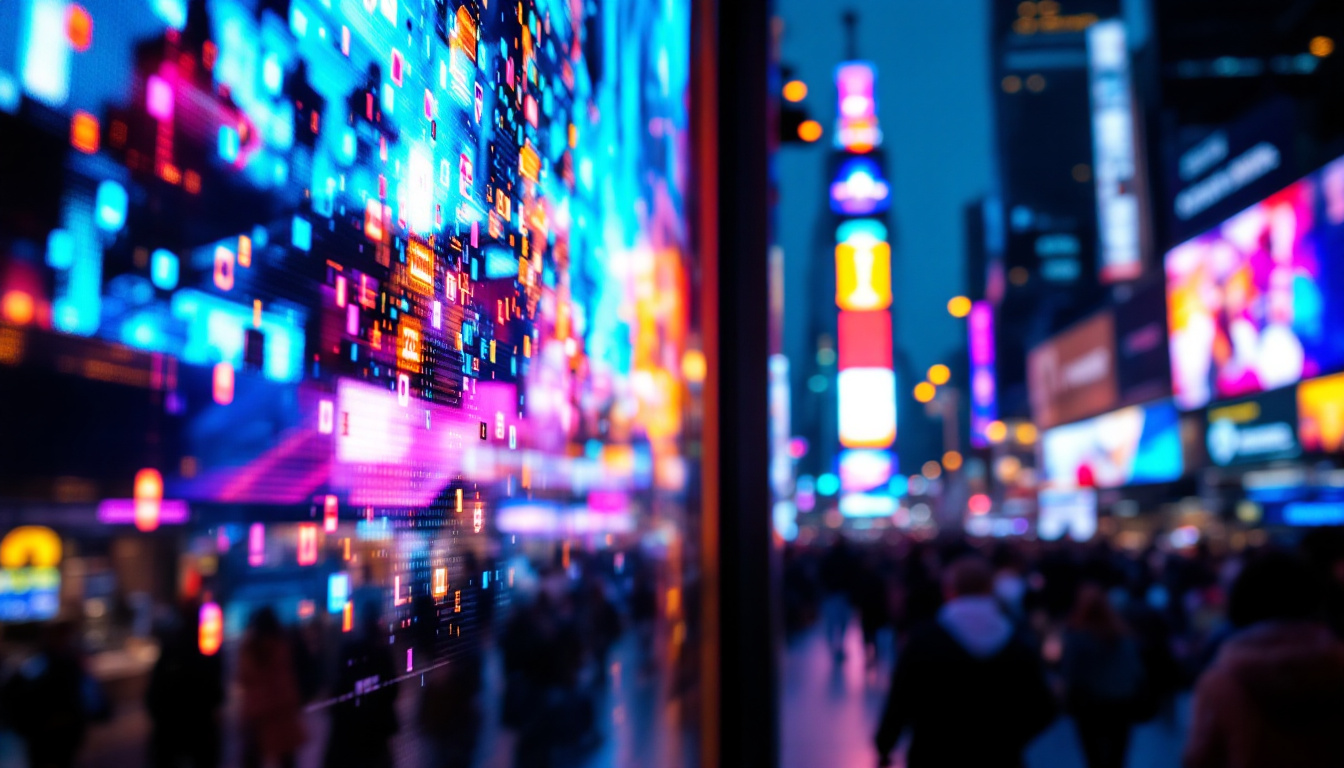
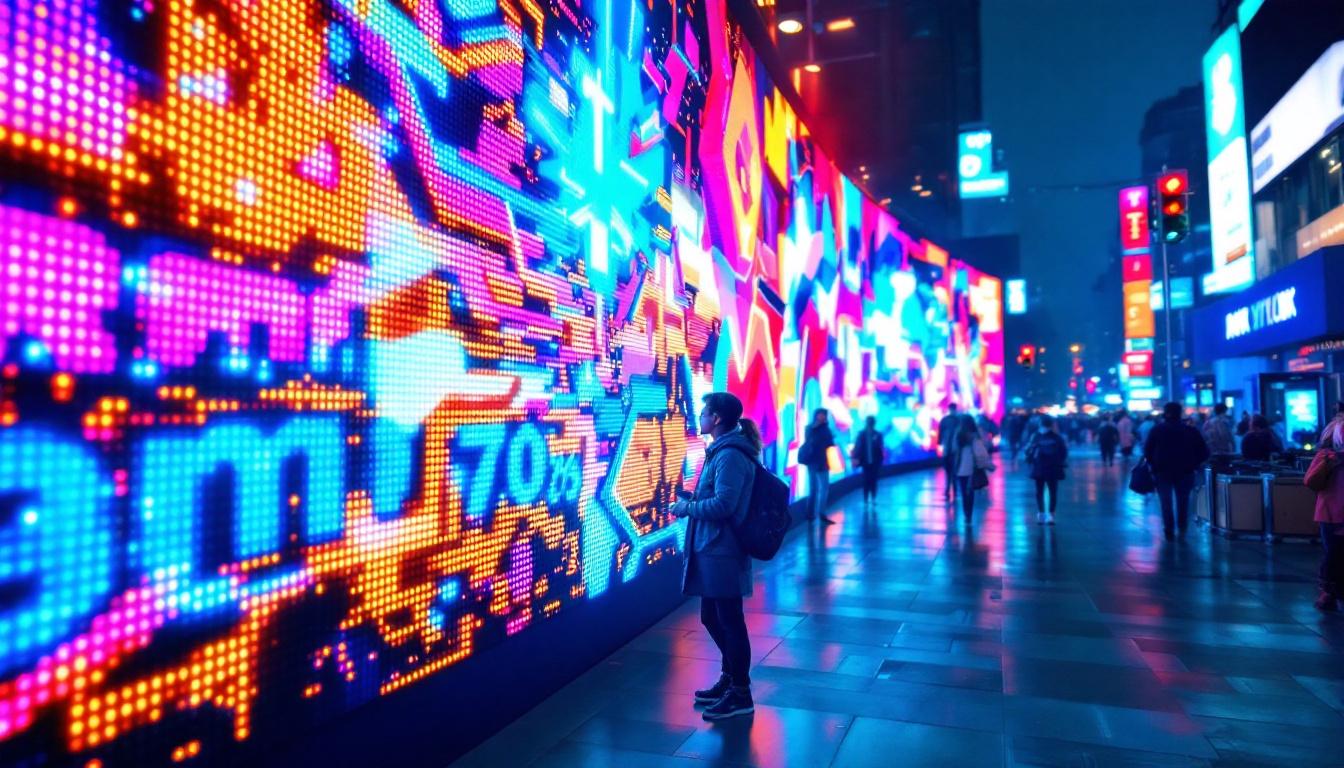
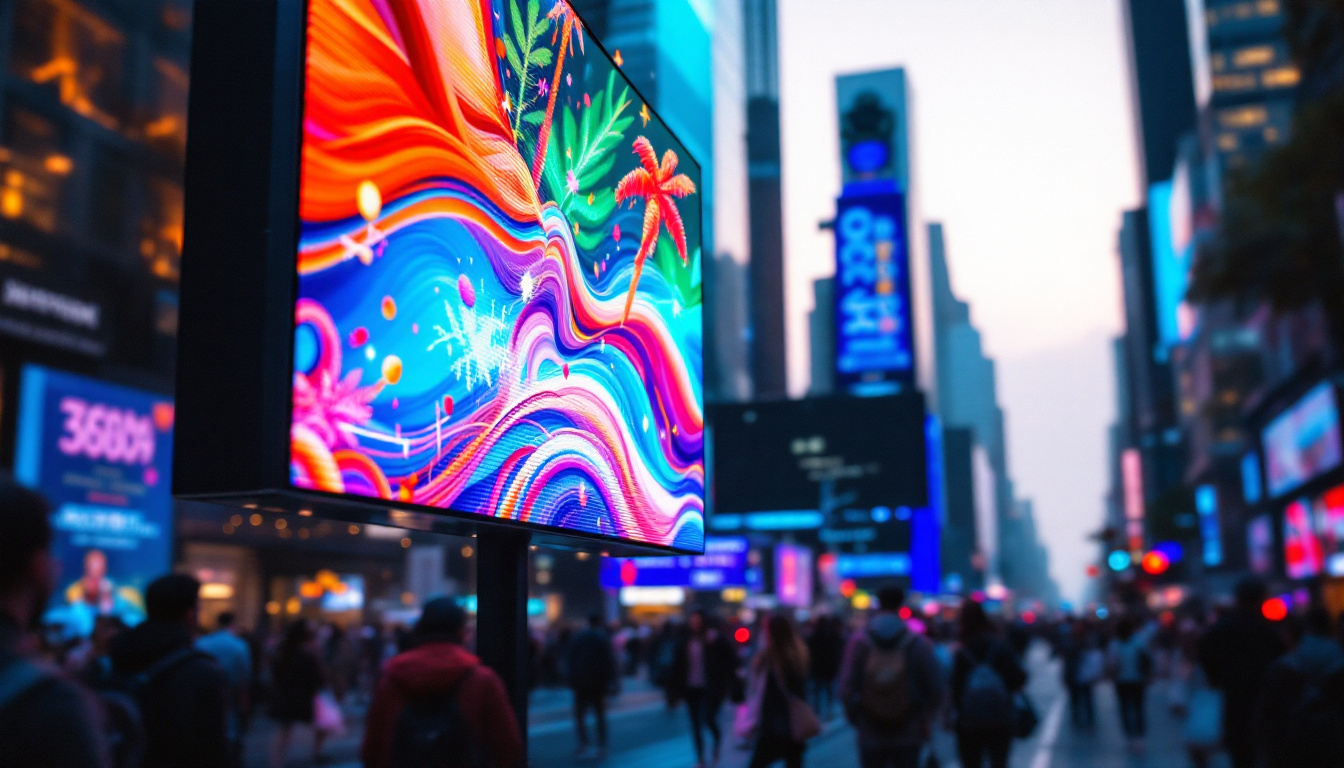
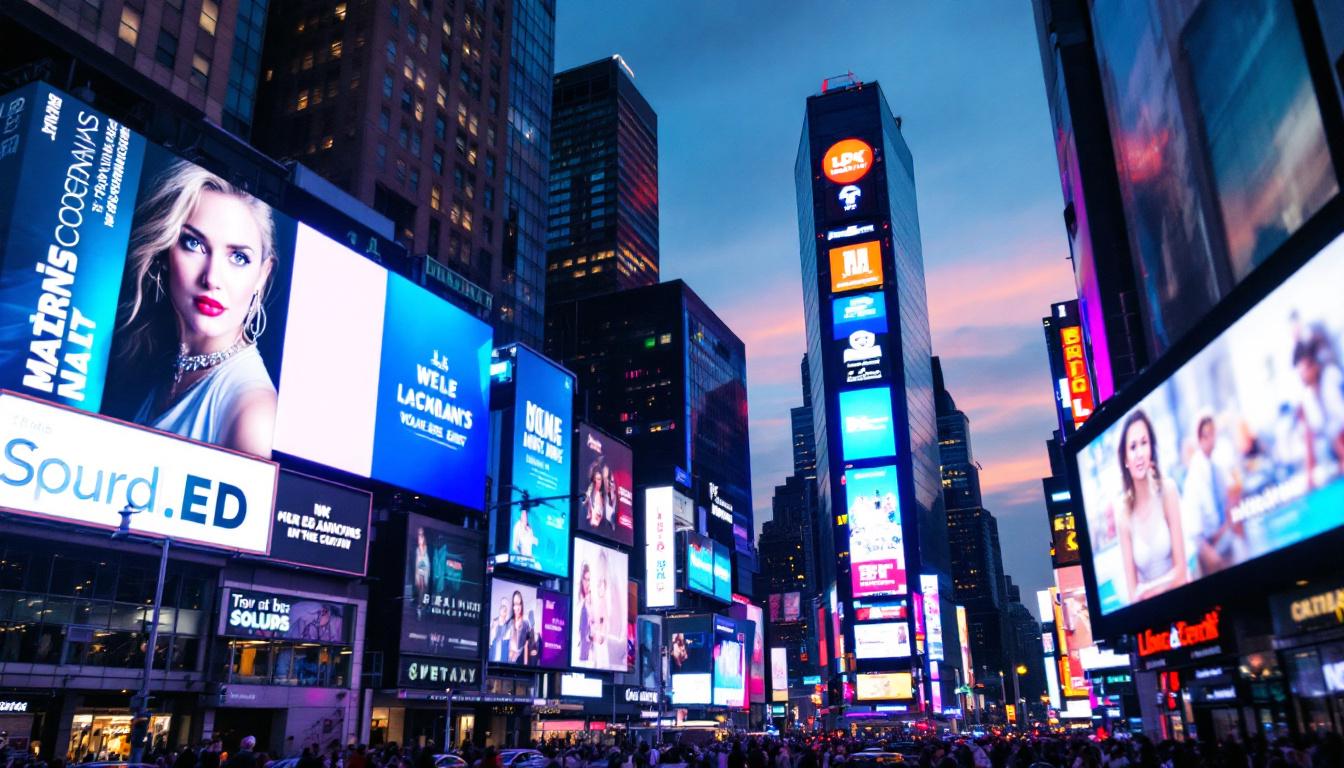
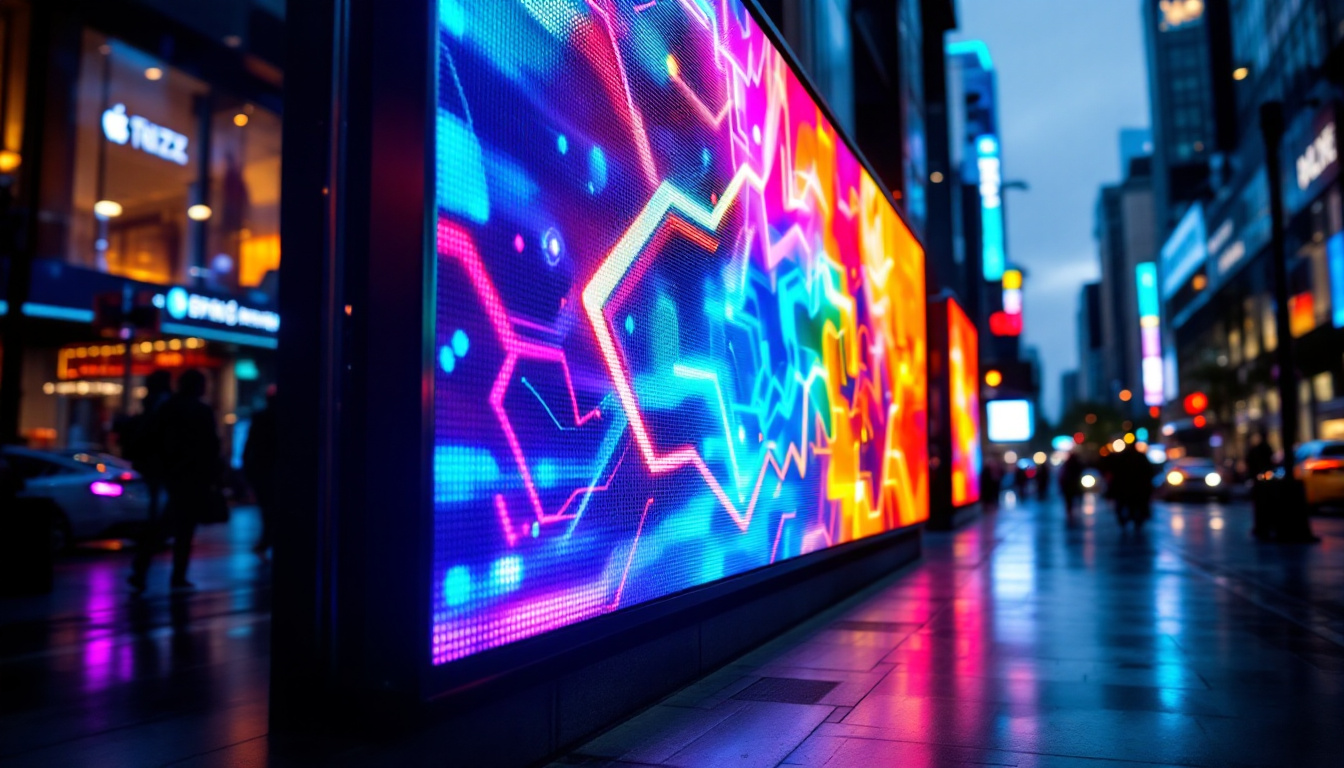
LED displays have revolutionized outdoor and indoor advertising by enabling dynamic, eye-catching content that can be updated in real-time. High-profile locations such as Times Square in New York City and Piccadilly Circus in London showcase massive LED billboards that attract millions of viewers daily.
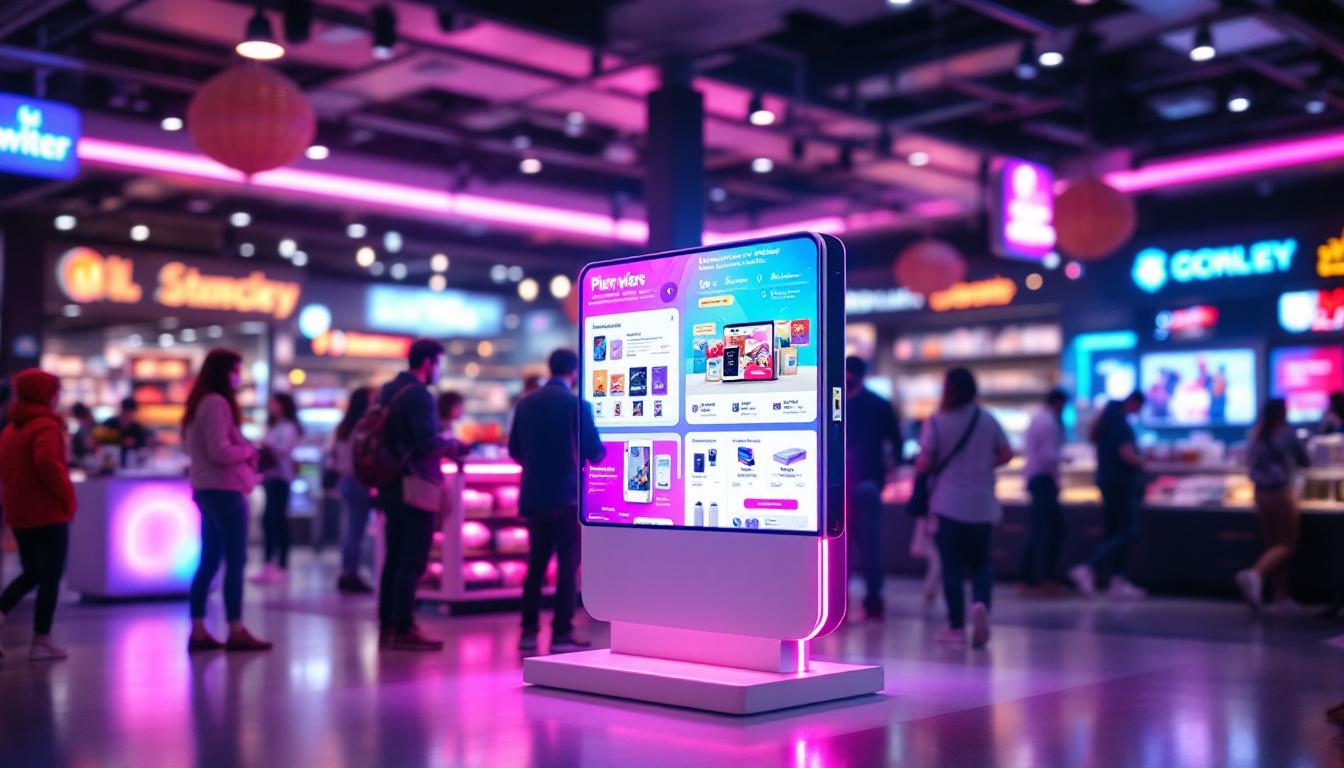
Retailers leverage LED displays to promote products, announce sales, and enhance customer engagement. The ability to display video, animations, and interactive content makes LED signage a powerful marketing tool.
Sports and Entertainment Venues
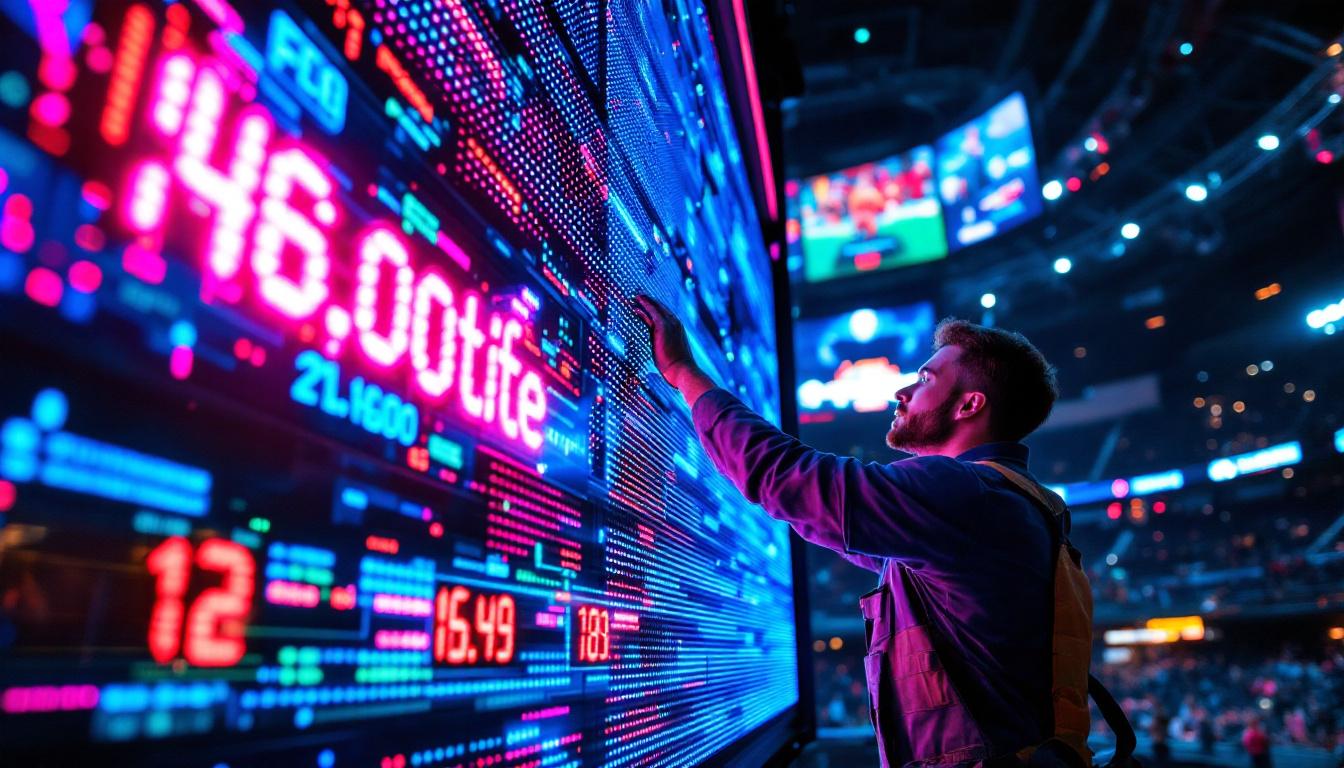
Stadiums and arenas use large LED screens to provide spectators with live video feeds, replays, and interactive content. These displays enhance the fan experience by delivering clear visuals regardless of seating location or lighting conditions.
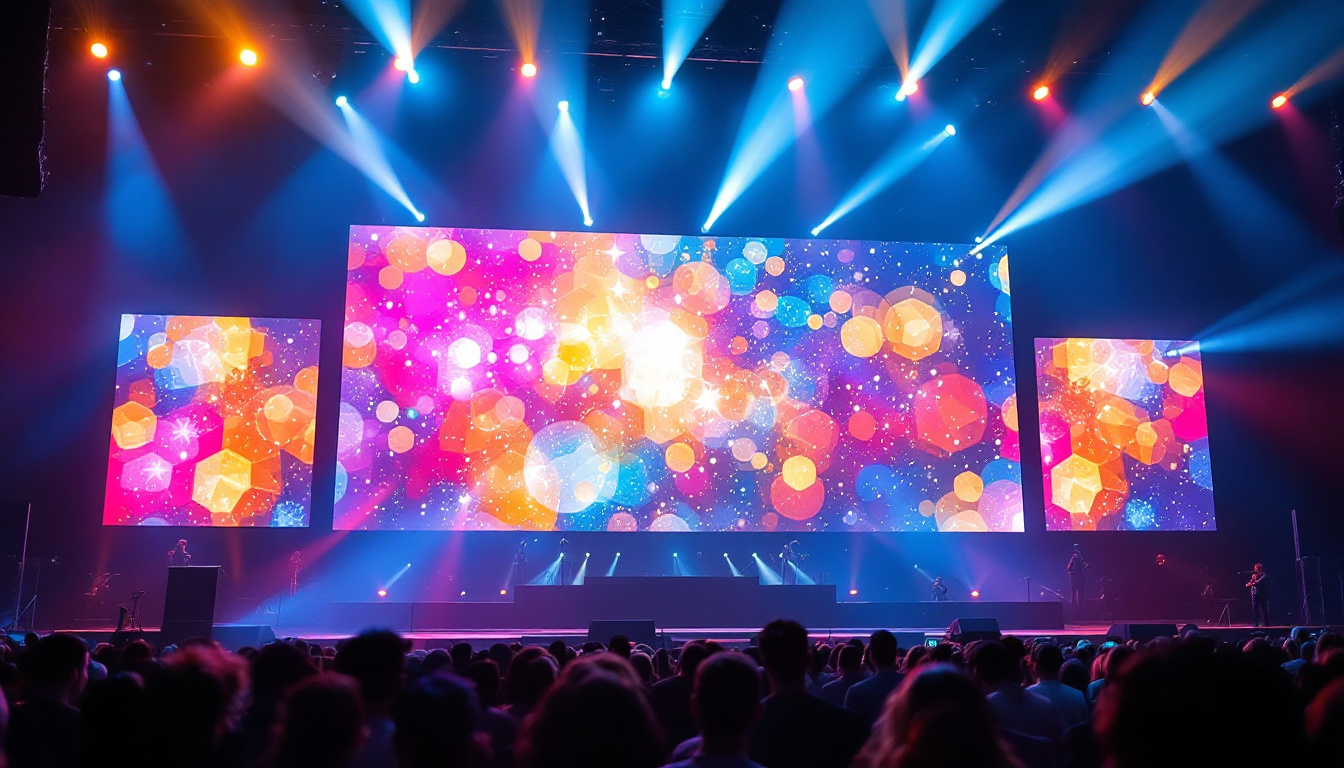
Concerts and festivals also utilize rental LED displays for stage backdrops and audience engagement, offering vibrant visuals that complement live performances.
Transportation and Public Information
LED displays are widely used in transportation hubs such as airports, train stations, and bus terminals to provide real-time schedules, alerts, and wayfinding information. Their high visibility and reliability make them ideal for critical communication in busy environments.
Smart city initiatives incorporate LED signage for traffic management, public safety messages, and environmental monitoring, contributing to more efficient urban living.
Corporate and Control Rooms
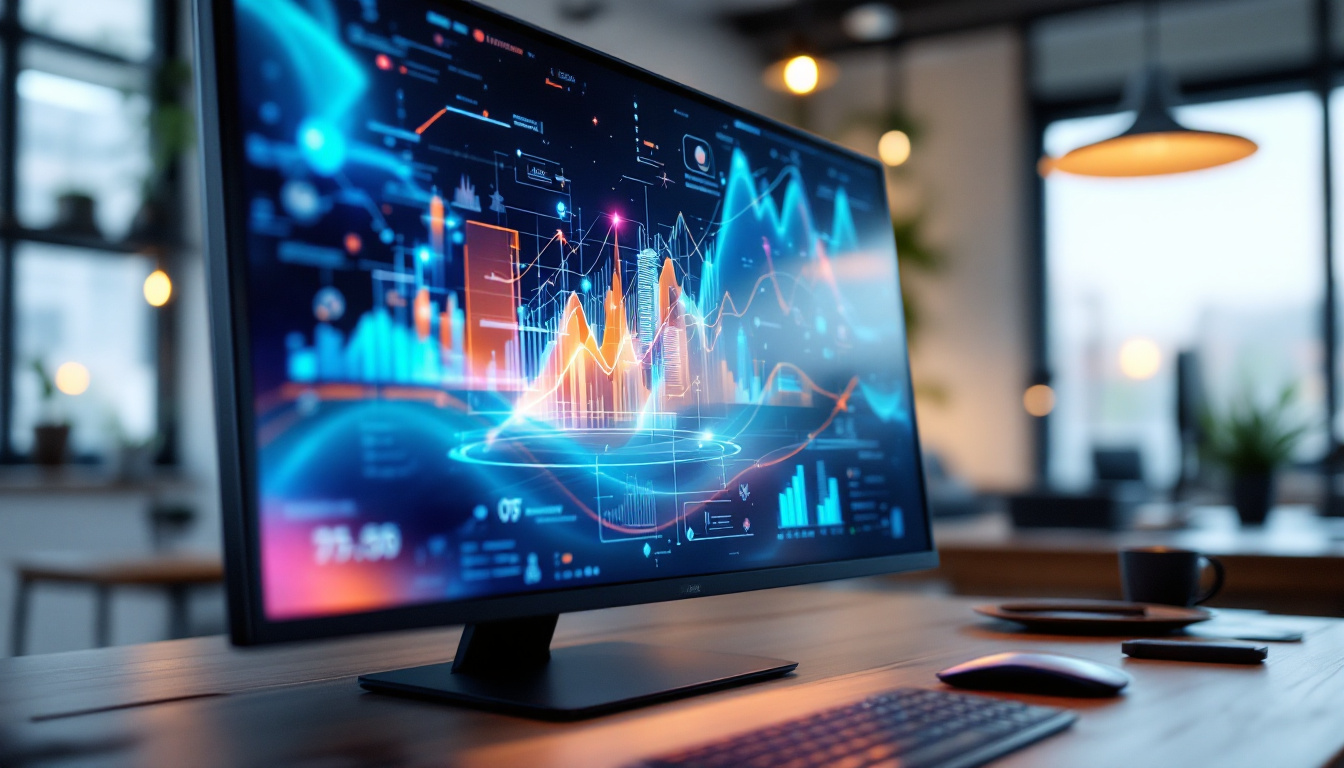
In corporate settings, LED video walls are employed for presentations, video conferencing, and digital dashboards. Their sharp image quality and scalability support effective communication and collaboration.
Control rooms in industries like utilities, transportation, and security rely on LED displays for monitoring systems and situational awareness, where clarity and uptime are paramount.
Factors to Consider When Choosing an LED Display
Pixel Pitch and Resolution
Pixel pitch, the distance between the centers of adjacent LEDs, directly impacts image resolution and viewing distance. Smaller pixel pitches yield higher resolution and are suitable for close viewing, while larger pitches are cost-effective for distant viewing scenarios.
For example, indoor LED displays often feature pixel pitches as low as 1.2mm, delivering crisp images at short distances. Outdoor displays typically have pixel pitches ranging from 4mm to 20mm, optimized for visibility from tens of meters away.
Brightness and Environmental Conditions
Assessing the ambient lighting and weather conditions where the display will be installed is crucial. Outdoor displays require higher brightness and robust weatherproofing to maintain performance and longevity.
Indoor environments may benefit from lower brightness to reduce eye strain and energy consumption, but the display should still be bright enough to compete with indoor lighting.
Installation and Maintenance
The complexity of installation depends on the display size, weight, and mounting requirements. Modular LED panels simplify installation and future maintenance by allowing individual modules to be replaced without dismantling the entire screen.
Consideration should also be given to accessibility for routine cleaning and repairs, especially for outdoor or elevated installations.
Content Management and Control Systems
A robust content management system (CMS) is essential for scheduling, updating, and monitoring display content. Many modern LED displays support remote management via cloud platforms, enabling centralized control of multiple screens across different locations.
Compatibility with various media formats and integration with sensors or interactive technologies can enhance the display’s functionality and user engagement.
Future Trends in LED Display Technology
MicroLED and MiniLED Innovations
Emerging technologies like MicroLED and MiniLED promise to push the boundaries of LED display performance. MicroLEDs are significantly smaller than conventional LEDs, enabling ultra-high resolution, improved brightness, and energy efficiency in compact form factors.
These advancements are expected to impact consumer electronics, such as TVs and smartphones, as well as professional displays, offering superior image quality and durability.
Flexible and Transparent LED Displays
Flexible LED panels allow for curved or foldable displays, opening new possibilities in design and application. Transparent LED displays, which integrate seamlessly into glass surfaces, are gaining traction in retail and architectural installations, blending digital content with physical environments.
Artificial Intelligence and Interactivity
Integration of AI technologies is enhancing LED displays with features like facial recognition, audience analytics, and personalized content delivery. Interactive LED screens equipped with touch or gesture controls are creating immersive experiences in retail, education, and entertainment.
Conclusion
LED displays have transformed the landscape of visual communication by combining brightness, durability, and versatility. Understanding the technology, types, and key considerations helps businesses and organizations select the right LED solutions to meet their needs.
As innovations continue to emerge, LED displays will play an increasingly prominent role in advertising, entertainment, public information, and beyond, delivering vibrant and engaging content to audiences worldwide.
Explore Cutting-Edge LED Display Solutions with LumenMatrix
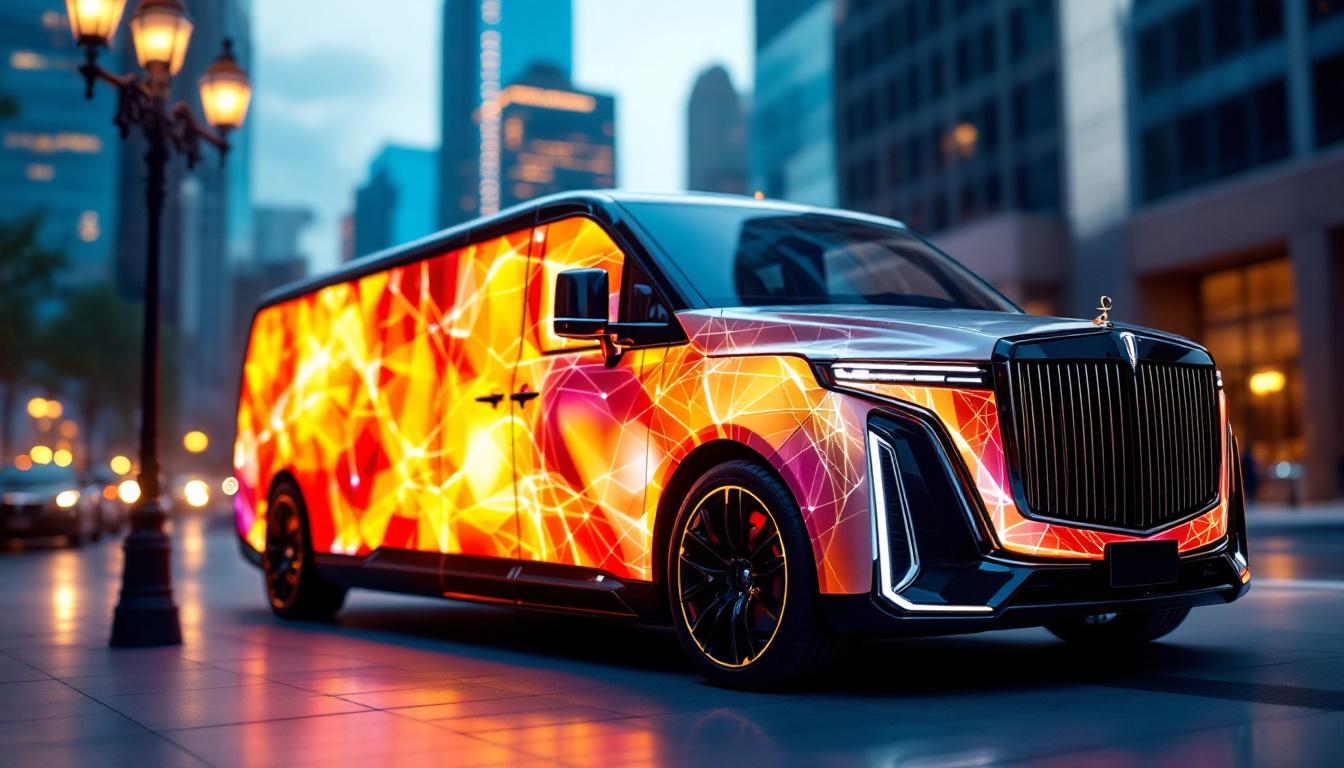
Ready to elevate your visual communication strategy with the latest in LED display technology? LumenMatrix is at the forefront of innovation, offering a diverse range of LED display modules tailored to your unique needs. From Indoor and Outdoor LED Wall Displays to specialized solutions like Vehicle, Sports, and Floor LED Displays, our products are designed to captivate and engage your audience. Discover the transformative power of Custom, All-in-One, and Transparent LED Displays and see how our commitment to excellence can enhance your brand’s visibility. Check out LumenMatrix LED Display Solutions today and join the revolution in digital signage.