The world of display technology is constantly evolving, with innovations that enhance visual experiences across various devices. Among the most prevalent and widely used display types are LCD and LED displays. While these terms are often used interchangeably, understanding the nuances between them is crucial for consumers, designers, and technology enthusiasts alike. This article delves into the fundamentals of Model LCD and LED displays, explaining their technology, differences, advantages, and practical applications.
Understanding LCD Technology
LCD stands for Liquid Crystal Display, a technology that has revolutionized the way screens are designed and manufactured. At its core, an LCD consists of liquid crystals sandwiched between two layers of polarized glass. These crystals do not emit light themselves but manipulate light passing through them to create images.
Liquid crystals have a unique property: they can change orientation when an electric current is applied. This change affects how light passes through the crystals, allowing the display to control the brightness and color of each pixel. To illuminate the screen, LCDs rely on a backlight, traditionally a Cold Cathode Fluorescent Lamp (CCFL), but more commonly now, LEDs.
The introduction of LCD technology in the late 20th century marked a significant shift from older cathode ray tube (CRT) displays, offering thinner, lighter, and more energy-efficient screens. Today, LCDs are found in everything from smartphones and laptops to televisions and digital signage.
How LCDs Work
In an LCD panel, each pixel is made up of three subpixels—red, green, and blue—that combine to produce the full spectrum of colors. The liquid crystals act as shutters that either block or allow light to pass through each subpixel. By controlling the voltage applied to each pixel, the display can adjust the light intensity, thereby creating images.
Because LCDs do not emit light themselves, the quality of the backlight greatly influences the display’s brightness, contrast, and color accuracy. This dependency on backlighting is a key factor in understanding the differences between LCD and LED displays.
Moreover, advancements in LCD technology have led to the development of various types, such as IPS (In-Plane Switching) and TN (Twisted Nematic) panels. IPS panels are known for their superior color reproduction and wider viewing angles, making them ideal for graphic design and professional photography. On the other hand, TN panels are often favored for gaming due to their faster response times, despite having narrower viewing angles and less vibrant colors. This diversity allows consumers to choose displays that best fit their specific needs, whether for entertainment, work, or creative projects.
Another fascinating aspect of LCD technology is its application in emerging fields such as augmented reality (AR) and virtual reality (VR). As these technologies continue to evolve, the demand for high-resolution, fast-refresh-rate LCDs is increasing. Manufacturers are now focusing on enhancing pixel density and minimizing response times to create immersive experiences that blur the lines between the digital and physical worlds. This ongoing innovation ensures that LCD technology remains at the forefront of display solutions, adapting to the ever-changing landscape of visual technology.
What is an LED Display?
LED stands for Light Emitting Diode, a semiconductor device that emits light when an electric current passes through it. LED displays utilize these diodes as the light source, either as backlighting for LCD panels or as individual pixels in a direct-view LED display.
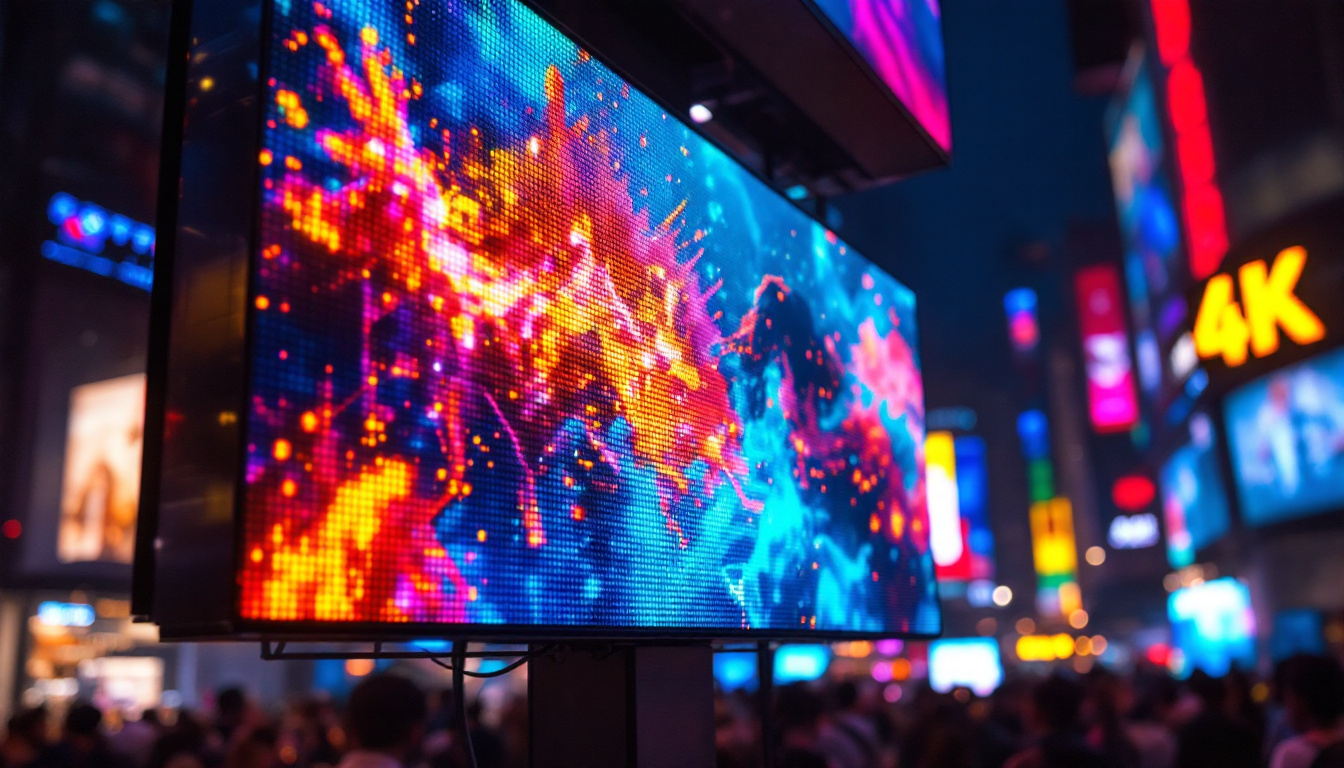
There are two primary types of LED displays: LED-backlit LCDs and direct-view LED displays. The former uses LEDs to illuminate an LCD panel, improving brightness and energy efficiency compared to traditional CCFL backlights. The latter, often seen in large outdoor screens and digital billboards, uses tiny LEDs as pixels themselves, producing very bright and vivid images.
LED-Backlit LCDs: The Hybrid Approach
Most modern LCD screens are actually LED-backlit LCDs, meaning they combine the liquid crystal technology with LED backlighting. This hybrid design offers several advantages over older LCDs with CCFL backlights:
- Improved Energy Efficiency: LEDs consume less power, contributing to longer battery life in portable devices.
- Better Brightness and Contrast: LED backlights can produce brighter images and deeper blacks, enhancing picture quality.
- Thinner Panels: LEDs are smaller and more flexible, allowing manufacturers to design slimmer and lighter displays.
- Longer Lifespan: LEDs generally last longer and are more durable than CCFLs.
These benefits have made LED-backlit LCDs the standard in televisions, monitors, and mobile devices. Furthermore, the integration of smart technology into these displays has led to features such as adaptive brightness and color calibration, which further enhance the viewing experience. As a result, consumers can enjoy a more immersive and tailored visual experience, whether they are watching movies, playing video games, or working on graphic design projects.
Direct-View LED Displays
Direct-view LED displays differ fundamentally from LCDs. Instead of relying on liquid crystals and backlights, these displays use arrays of tiny LEDs as individual pixels. Each LED emits its own light, allowing for exceptional brightness and color vibrancy.
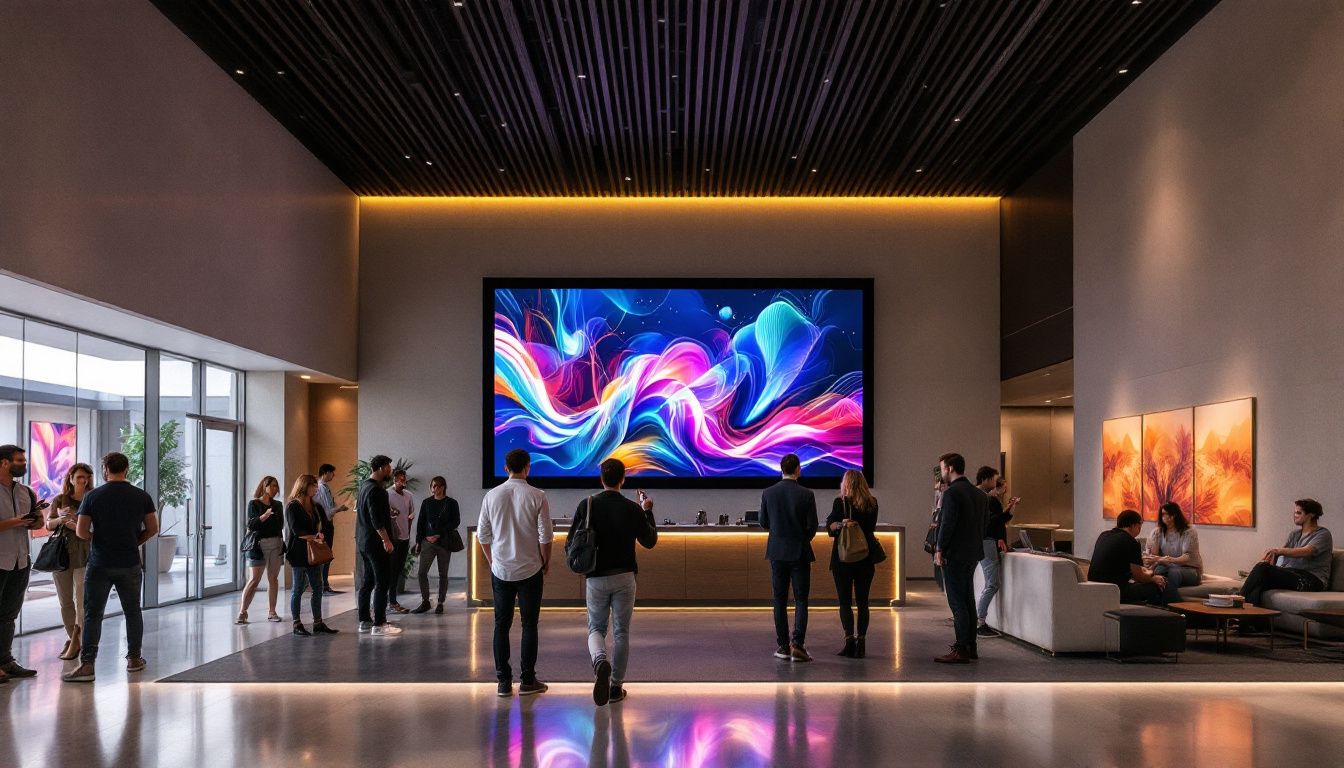
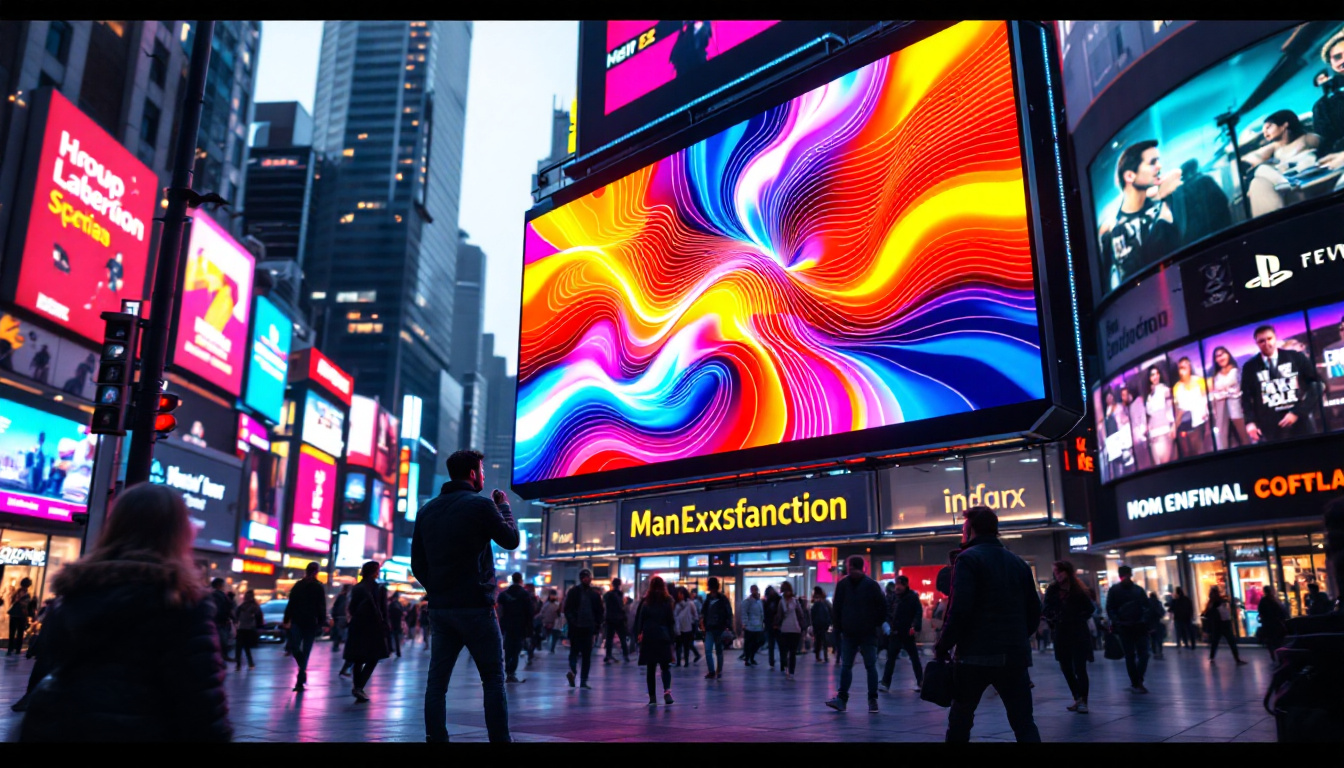
This technology is commonly used in large-scale applications such as stadium screens, advertising billboards, and public information displays. Direct-view LEDs can be configured in various pixel pitches, which determine the resolution and viewing distance. Advances in miniaturization have also enabled their use in indoor settings, including conference rooms and retail environments. The flexibility of direct-view LED technology allows for creative installations, such as curved or irregularly shaped screens, which can enhance the aesthetic appeal of a venue while delivering dynamic content. Moreover, the ability to display high-definition video and real-time information makes these displays invaluable for businesses looking to engage customers and convey messages effectively.
Comparing LCD and LED Displays
Despite the frequent confusion between LCD and LED, it is essential to recognize that LED is not a replacement for LCD but rather a component or alternative technology. Understanding their differences helps consumers make informed decisions based on their needs.
Backlighting vs. Emissive Technology
LCDs require a backlight to function, as liquid crystals themselves do not emit light. LED-backlit LCDs use LEDs as their light source, whereas traditional LCDs use CCFLs. In contrast, direct-view LED displays are emissive, meaning each pixel produces its own light.
Image Quality and Viewing Experience
LED-backlit LCDs generally offer better brightness and contrast than CCFL-backlit LCDs. However, direct-view LED displays provide superior brightness levels, making them ideal for outdoor and high-ambient-light environments.
Color accuracy and black levels tend to be better on OLED displays, but among LCD and LED-backlit LCDs, LED technology has narrowed the gap significantly. Advanced techniques such as local dimming further enhance contrast by selectively dimming backlights in darker areas of the screen.
Energy Consumption and Lifespan
LED-backlit LCDs are more energy-efficient than traditional LCDs with CCFL backlights, reducing power consumption by up to 40% in some cases. LEDs also have a longer operational lifespan, often exceeding 50,000 hours, compared to around 20,000 hours for CCFLs.
Cost and Availability
LED-backlit LCDs have become the industry standard, making them widely available and competitively priced. Direct-view LED displays, while more expensive, are cost-effective solutions for large-format and outdoor applications due to their durability and visibility.
Applications of LCD and LED Displays
The choice between LCD and LED display technologies depends largely on the intended application, environmental conditions, and user requirements.
Consumer Electronics
In smartphones, tablets, laptops, and televisions, LED-backlit LCDs dominate the market. Their balance of image quality, energy efficiency, and cost makes them ideal for everyday use. For instance, the latest 4K and 8K televisions utilize LED backlighting with local dimming to deliver stunning visuals.
Commercial and Industrial Use
Direct-view LED displays are prevalent in commercial settings such as retail stores, airports, and stadiums. Their high brightness and scalability allow for impactful advertising and information dissemination. Additionally, LED-backlit LCD monitors are common in offices and control rooms due to their clarity and reliability.
Specialized Applications
Medical imaging, aviation, and automotive industries often require displays with precise color reproduction and high contrast. Advanced LED-backlit LCDs with wide color gamuts and fast response times are preferred in these sectors.
Future Trends in LCD and LED Display Technology
Display technology continues to advance rapidly, with ongoing research focused on improving performance, efficiency, and user experience.
Mini-LED and Micro-LED Innovations
Mini-LED technology uses thousands of tiny LEDs as backlights, enabling finer local dimming zones and enhanced contrast. This approach bridges the gap between traditional LED-backlit LCDs and direct-view LED displays.
Micro-LED, on the other hand, represents a breakthrough emissive technology where microscopic LEDs form each pixel. Promising superior brightness, color accuracy, and energy efficiency, micro-LEDs are poised to revolutionize displays in the coming years, although commercial adoption is still emerging.
Quantum Dot Enhancements
Quantum dot technology is often integrated with LED-backlit LCDs to improve color accuracy and brightness. By using nanoscale semiconductor particles, quantum dots emit precise wavelengths of light when illuminated, enhancing the display’s color gamut and efficiency.
Flexible and Transparent Displays
Emerging LED and LCD technologies are enabling flexible, foldable, and even transparent displays. These innovations open new possibilities for device design, from rollable televisions to heads-up displays in vehicles.
Conclusion
Model LCD and LED displays form the backbone of modern visual technology, each with distinct characteristics and applications. Understanding the differences between traditional LCDs, LED-backlit LCDs, and direct-view LED displays empowers consumers and professionals to select the right technology for their needs.
As advancements like mini-LED, micro-LED, and quantum dot integration continue to evolve, the future promises even more vibrant, efficient, and versatile displays. Staying informed about these developments ensures that users can fully appreciate and leverage the capabilities of the screens that shape our digital world.
Discover Cutting-Edge LED Display Solutions with LumenMatrix
As you consider the advancements and applications of Model LCD and LED displays, LumenMatrix stands at the forefront of this technological evolution. Our commitment to innovation ensures that whether you’re looking for an Indoor LED Wall Display, an eye-catching Outdoor LED Wall Display, or specialized solutions like Vehicle LED Displays and LED Sports Displays, we have the state-of-the-art technology to meet your needs. From enhancing brand visibility to creating immersive environments with Floor LED Displays and Custom LED Solutions, our mission is to transform visual communication. Experience the future of display technology and Check out LumenMatrix LED Display Solutions to see how we can help you captivate your audience and deliver your message with unparalleled impact and clarity.