In the rapidly evolving world of visual technology, LED displays have emerged as a dominant force across various industries. From advertising billboards to stadium screens, and from corporate presentations to home entertainment systems, LED displays offer unparalleled brightness, clarity, and versatility. This article explores the fundamentals of LED display technology, its applications, benefits, and considerations, providing a comprehensive understanding for businesses, tech enthusiasts, and decision-makers alike.
What is an LED Display?
LED stands for Light Emitting Diode, a semiconductor device that emits light when an electric current passes through it. An LED display is a flat panel display that uses an array of these tiny LEDs to create images, videos, or text. Unlike traditional LCD or plasma screens, LED displays can produce their own light, enabling higher brightness and deeper contrast. This capability allows for vibrant colors and clear visibility even in bright environments, making them ideal for both indoor and outdoor applications.
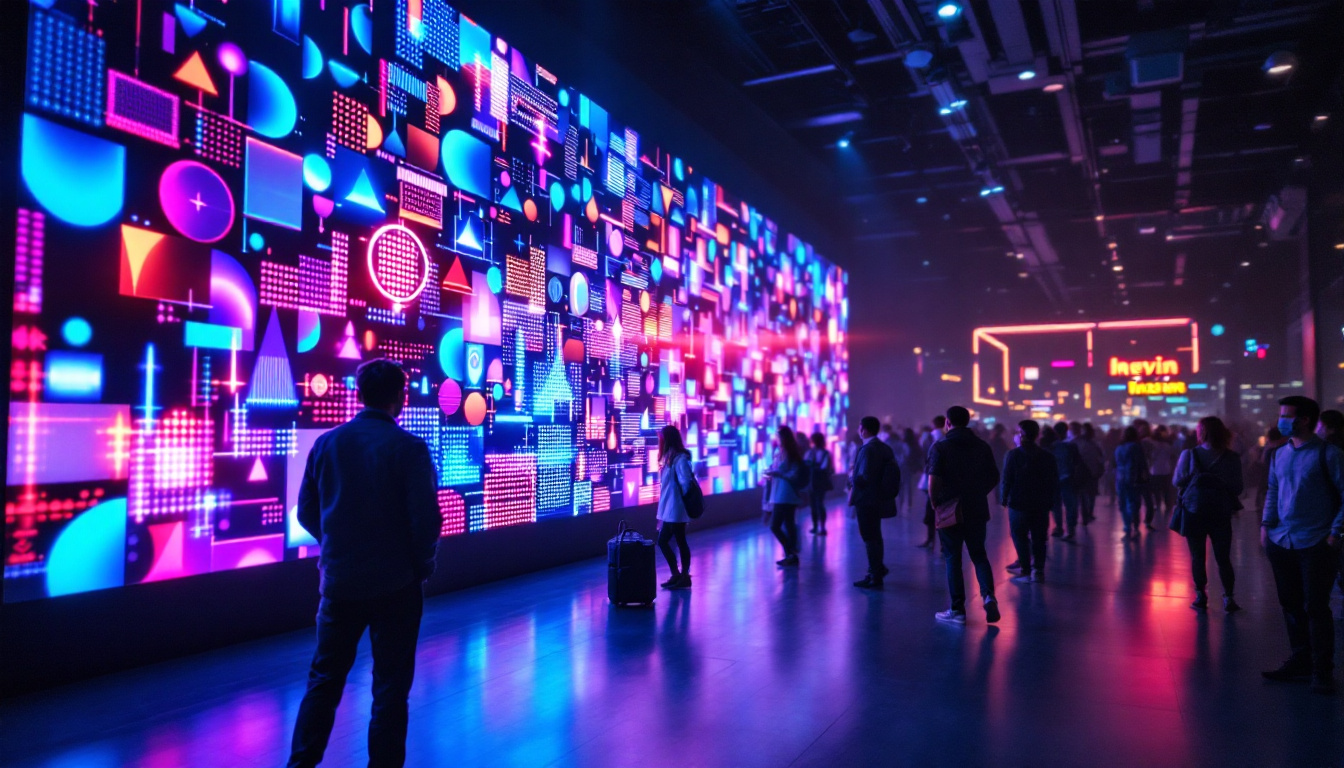
LED displays can be categorized broadly into two types: direct-view LED displays and LED-backlit LCD displays. Direct-view LED displays consist of individual LEDs that form the pixels, while LED-backlit LCDs use LEDs as a light source behind an LCD panel. This article focuses primarily on direct-view LED displays, which are commonly used in large-format screens and outdoor signage. The versatility of LED technology has led to its adoption in various fields, from advertising billboards to sports arenas, enhancing the visual experience for audiences everywhere.
The Basics of LED Pixels and Resolution
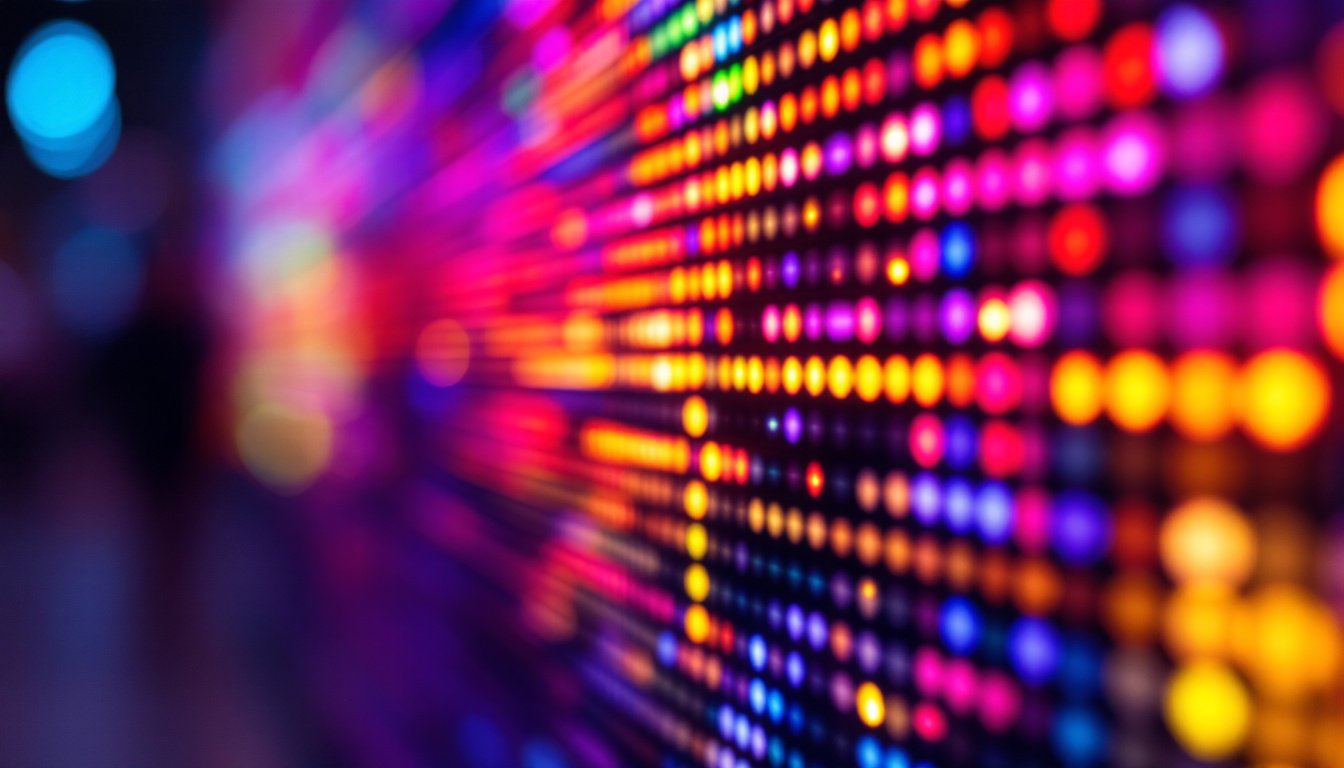
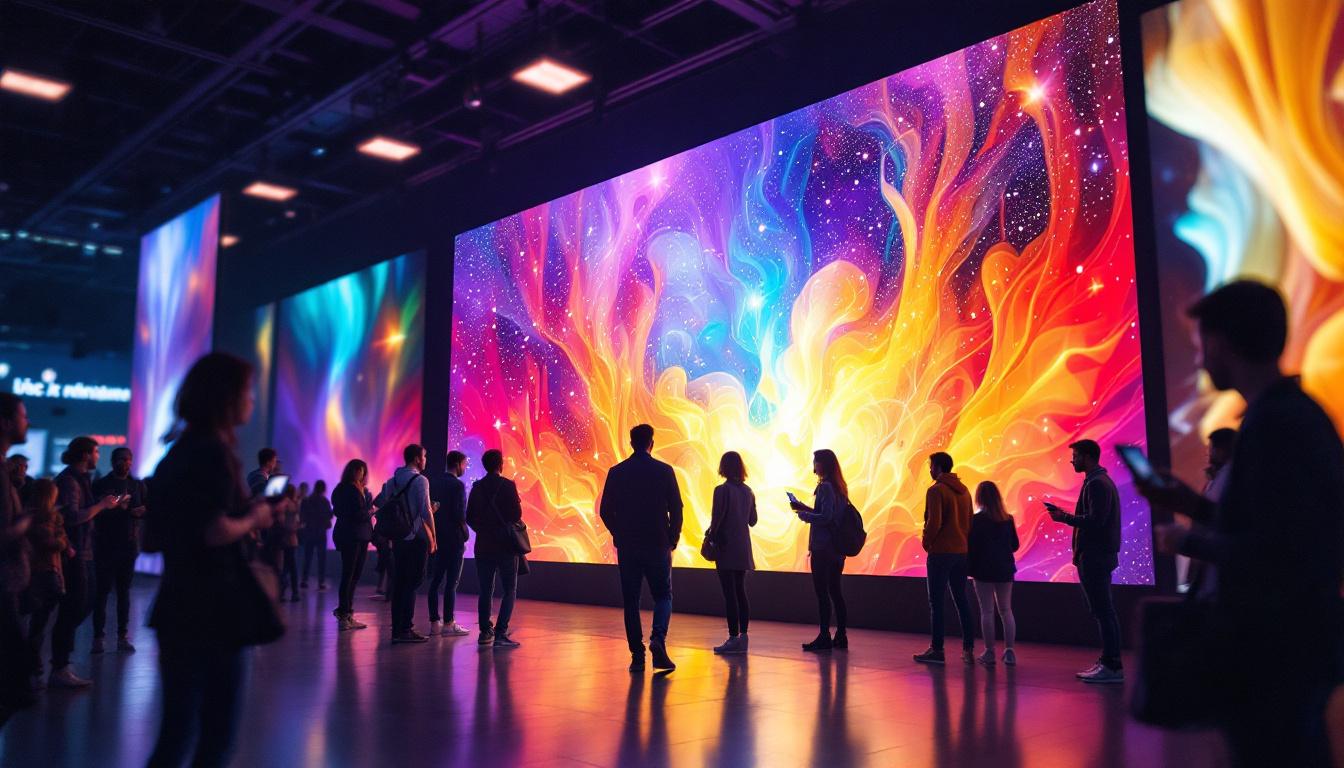
Each pixel on an LED display is made up of one or more LEDs, typically red, green, and blue (RGB). By varying the intensity of each color, the display can produce a wide spectrum of colors and render detailed images. The resolution of an LED display depends on the pixel pitch—the distance between the centers of two adjacent pixels. A smaller pixel pitch means higher resolution and sharper images, which is crucial for close-viewing applications like indoor displays. For instance, in a concert setting, the audience can enjoy crisp visuals from a distance, enhancing their overall experience.
Furthermore, advancements in LED technology have led to the development of high-definition (HD) and ultra-high-definition (UHD) displays, which offer even greater clarity and detail. These displays are particularly beneficial for applications that require precision, such as medical imaging or digital art installations. Additionally, the modular nature of LED displays allows for seamless scaling, enabling designers to create large video walls or customized shapes that fit specific environments. This flexibility has revolutionized how information is presented, making LED displays a popular choice for modern advertising and communication strategies.
How LED Displays Work
LED displays operate by controlling the brightness of individual LEDs to form images. The process involves several components working in harmony:
1. LED Modules
LED modules are the building blocks of a display, consisting of a matrix of LEDs arranged in a grid. These modules are assembled to create larger screens of various sizes and shapes. Each module is responsible for displaying a portion of the overall image. The arrangement of LEDs within these modules can vary, allowing for different pixel pitches, which refers to the distance between the centers of two adjacent pixels. A smaller pixel pitch results in higher resolution and sharper images, making it ideal for close viewing distances, such as in indoor environments. Conversely, larger pixel pitches are often used for outdoor displays, where visibility from a distance is more critical.
2. Control System
The control system manages the input signal, processes the image data, and sends commands to the LED modules. It ensures synchronization and color accuracy across the entire display. Modern LED displays use advanced control systems capable of handling high-definition video streams, real-time content updates, and remote management. These systems often incorporate sophisticated software that allows users to schedule content, monitor performance, and adjust settings remotely. Additionally, many control systems support various input formats, enabling seamless integration with different media sources, such as computers, cameras, and streaming devices, which enhances the versatility of LED displays in various applications.
3. Power Supply
LED displays require a stable power source to maintain consistent brightness and performance. The power supply converts electrical current to the appropriate voltage and current levels needed by the LEDs. Efficient power management is critical to reduce energy consumption and extend the lifespan of the display. Moreover, many modern LED displays are designed with energy efficiency in mind, utilizing technologies such as pulse-width modulation (PWM) to control brightness levels without wasting power. This not only helps in lowering operational costs but also contributes to a more sustainable approach to display technology, as energy-efficient designs minimize the environmental impact associated with high-energy consumption.
Applications of LED Displays
LED displays have become ubiquitous due to their versatility and performance advantages. Their applications span multiple sectors, each leveraging unique benefits of LED technology.
Outdoor Advertising and Digital Billboards
One of the most visible uses of LED displays is in outdoor advertising. Digital billboards equipped with high-brightness LEDs can be seen clearly even in direct sunlight, making them ideal for roadside advertising. According to industry reports, digital out-of-home advertising using LED displays has grown by over 15% annually worldwide, driven by their dynamic content capabilities and ability to target audiences in real-time.
Sports and Entertainment Venues
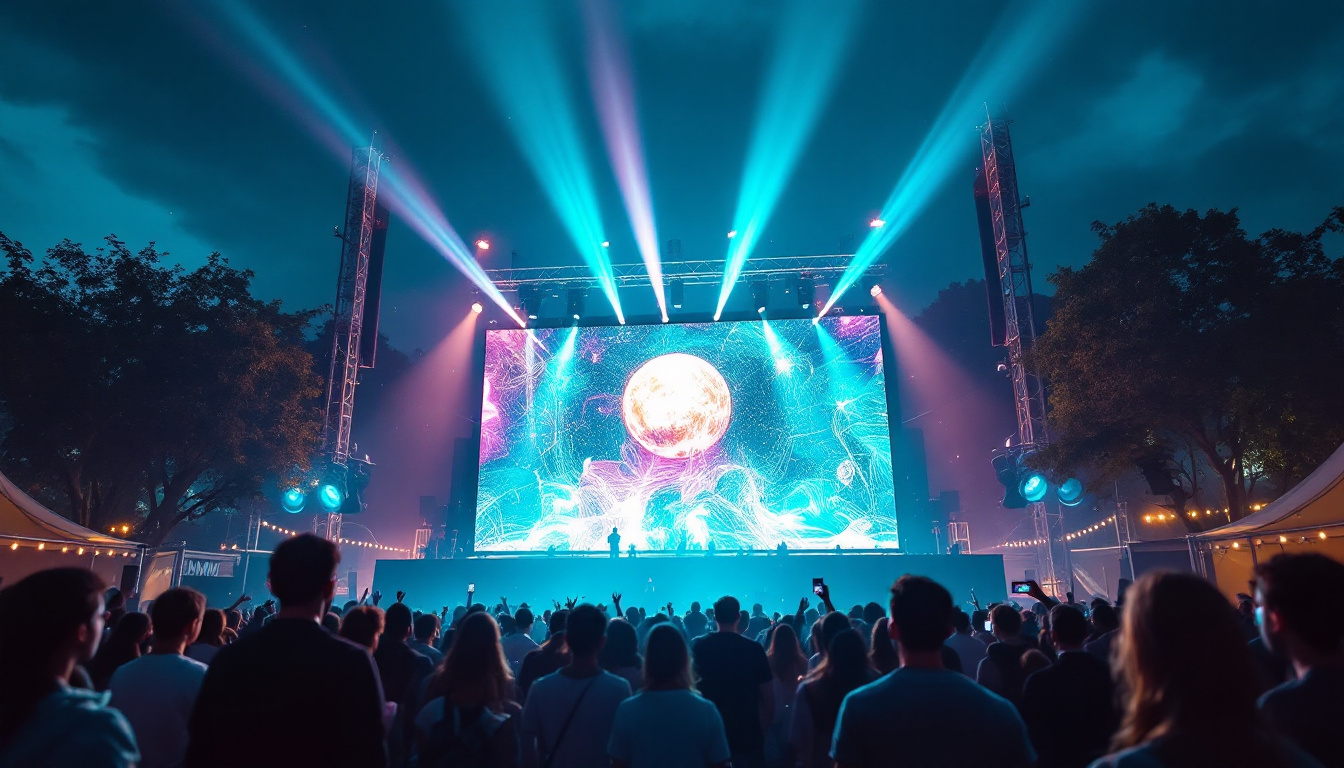
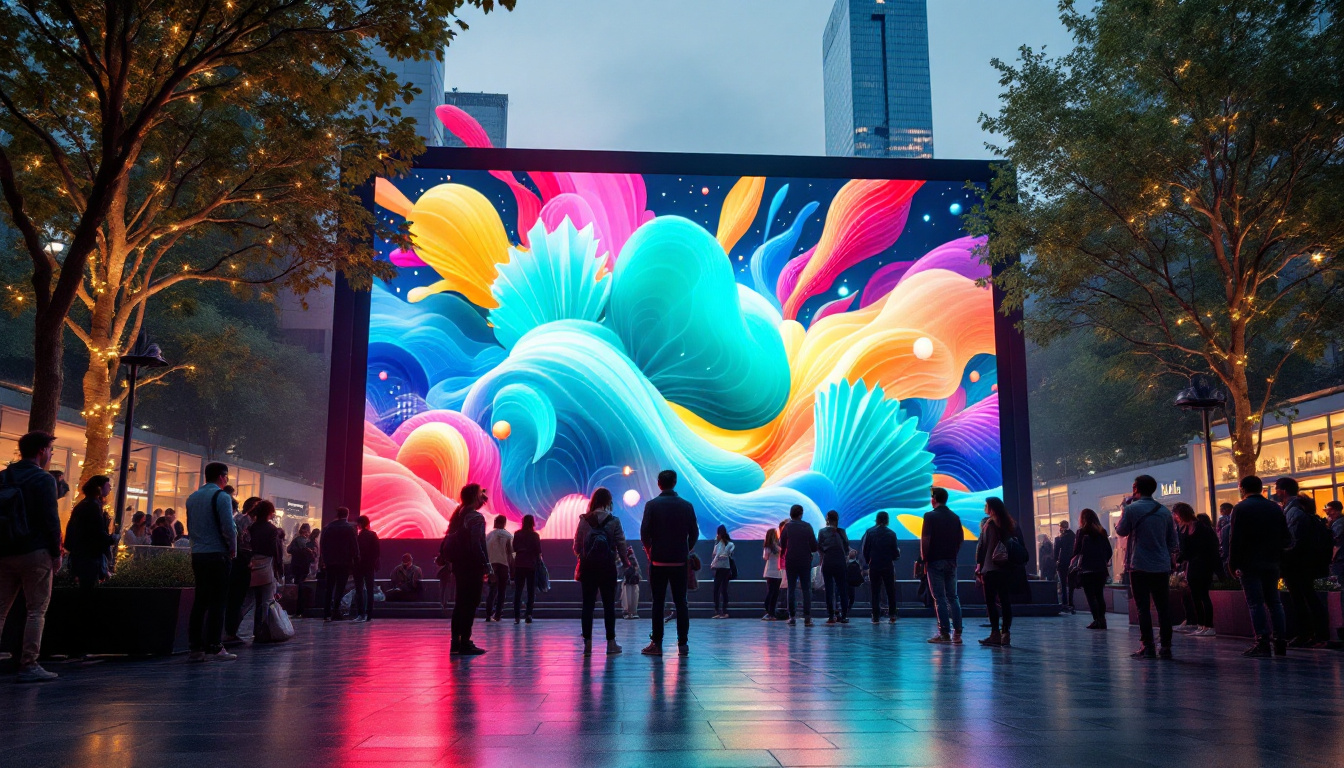
Stadiums and arenas use massive LED screens to enhance the spectator experience. These displays show live action replays, scores, and interactive content. Their ability to deliver vivid images to large crowds, even in varying lighting conditions, makes them indispensable in modern sports facilities.
Corporate and Retail Environments
Businesses utilize LED displays for presentations, digital signage, and branding. Retail stores employ LED screens to showcase promotions and engage customers with dynamic content. The high resolution and color accuracy of indoor LED displays contribute to creating immersive environments that capture attention and drive sales.
Transportation and Public Information Systems
LED displays are widely used in airports, train stations, and bus terminals to provide real-time information. Their reliability and visibility ensure passengers receive timely updates, improving overall transit experiences.
Advantages of LED Displays
Understanding the benefits of LED displays helps explain their widespread adoption and why they often outperform alternative display technologies.
Superior Brightness and Visibility
LED displays offer brightness levels that can exceed 5,000 nits, far surpassing traditional LCD screens. This makes them highly visible in outdoor environments and under direct sunlight, a critical factor for advertising and public information displays.
Energy Efficiency
Compared to older display technologies like plasma, LEDs consume significantly less power. Advances in LED chip design and power management have further improved their energy efficiency, reducing operational costs and environmental impact.
Longevity and Durability
LEDs have a long operational lifespan, often exceeding 100,000 hours. They are also robust, capable of withstanding harsh weather conditions, making them suitable for outdoor installations without frequent maintenance.
Flexibility in Design
LED displays can be manufactured in various shapes and sizes, including curved and flexible panels. This adaptability allows for creative installations that can conform to architectural features or provide unique visual effects.
Key Considerations When Choosing an LED Display
Selecting the right LED display involves evaluating several factors to ensure it meets specific needs and delivers optimal performance.
Pixel Pitch and Viewing Distance
Choosing the appropriate pixel pitch depends largely on the intended viewing distance. For example, a pixel pitch of 1.2mm to 2.5mm is typical for indoor displays viewed from a few feet away, while outdoor billboards may use pitches of 10mm or more, as viewers are much farther away. Incorrect pixel pitch selection can result in pixelation or unnecessary cost.
Brightness and Contrast Requirements
Outdoor displays require higher brightness to combat sunlight, whereas indoor displays prioritize contrast and color accuracy. Understanding the ambient lighting conditions helps in specifying the right LED modules.
Installation Environment
Environmental factors such as temperature, humidity, and exposure to elements must be considered. Outdoor LED displays need weatherproof enclosures and often have higher IP (Ingress Protection) ratings to resist dust and water.
Content Management and Connectivity
Modern LED displays often integrate with content management systems (CMS) that allow remote control, scheduling, and real-time updates. Compatibility with existing IT infrastructure and ease of content delivery are important for efficient operation.
Budget and Total Cost of Ownership
While LED displays can be a significant investment, considering the total cost of ownership—including installation, maintenance, energy consumption, and lifespan—is essential. Sometimes a higher upfront cost is justified by lower operational expenses and better performance.
Emerging Trends in LED Display Technology
The LED display market continues to innovate, driven by advancements in materials, manufacturing, and digital integration.
MicroLED and MiniLED Technologies
MicroLED and MiniLED are next-generation display technologies that offer even higher resolution, improved contrast, and better energy efficiency. MicroLEDs, in particular, consist of microscopic LEDs that can be assembled into displays with exceptional image quality, rivaling OLED screens but with longer lifespans and higher brightness.
Transparent and Flexible LED Displays
Transparent LED displays allow viewers to see through the screen, making them ideal for retail windows and architectural applications. Flexible LED panels enable curved or irregular shapes, expanding creative possibilities in design and advertising.
Integration with IoT and AI
Smart LED displays connected to the Internet of Things (IoT) can adapt content based on environmental data, audience demographics, or real-time analytics. Artificial intelligence (AI) enhances content personalization and operational efficiency, making LED displays more interactive and effective.
Conclusion
LED displays have revolutionized the way visual content is presented across numerous sectors. Their brightness, durability, and flexibility make them a preferred choice for outdoor advertising, entertainment venues, corporate environments, and public information systems. Understanding the technology behind LED displays, along with the key factors influencing their performance and selection, empowers businesses and organizations to make informed decisions that maximize impact and return on investment.
As LED technology continues to advance with innovations like MicroLED and smart connectivity, the future promises even more dynamic and immersive visual experiences. Staying informed about these developments ensures that users can leverage LED displays to their fullest potential in an increasingly digital world.
Discover LumenMatrix LED Display Solutions
Ready to elevate your visual presentation to the next level? LumenMatrix, a pioneer in LED display technology, offers a comprehensive range of innovative solutions tailored to your needs. Whether you’re looking for Indoor LED Wall Displays, Outdoor LED Wall Displays, or specialized options like Vehicle LED Displays and LED Sports Displays, LumenMatrix has the expertise to bring your vision to life. Experience the transformative power of our LED Poster Displays, Floor LED Displays, Custom LED Displays, All-in-One LED Displays, and LED Transparent Displays. Embrace the future of visual communication with LumenMatrix and create unforgettable experiences that captivate your audience. Check out LumenMatrix LED Display Solutions today and see your message shine with unparalleled clarity and impact.