In today’s world of home entertainment and digital signage, LED displays have become the gold standard for vibrant, energy-efficient screens. Whether you’re considering upgrading your living room TV or outfitting a commercial space with a digital billboard, understanding how LED technology works and what sets it apart is essential. This article dives deep into the world of LED displays, explaining the technology, benefits, and practical considerations to help you make an informed decision.
What Is an LED Display?
LED stands for Light Emitting Diode, a semiconductor device that emits light when an electric current passes through it. An LED display uses thousands, sometimes millions, of these tiny diodes to create images and video. Unlike traditional LCD screens that rely on a backlight, LED displays produce their own light, offering superior brightness and contrast. This inherent capability allows for vibrant colors and deeper blacks, making LED displays particularly appealing for both commercial and personal use.
There are two primary types of LED displays: direct-view LED and LED-backlit LCD. Direct-view LED displays consist entirely of LEDs that form the image, commonly used in large-scale applications like stadium screens or outdoor billboards. These displays can be seen from great distances and in various lighting conditions, making them ideal for advertising and public announcements. LED-backlit LCDs, on the other hand, are the most common in consumer televisions and monitors, where LEDs provide the backlight behind an LCD panel. This combination allows for a more energy-efficient design while still delivering high-quality visuals.
The Evolution from LCD to LED
Before LED technology became mainstream, LCD (Liquid Crystal Display) screens dominated the market. LCDs require a fluorescent backlight, which can be bulky and less energy-efficient. The introduction of LED backlighting revolutionized display technology by enabling thinner, lighter screens with improved color accuracy and energy savings. This shift not only enhanced the viewing experience but also contributed to the development of sleek, modern designs that fit seamlessly into contemporary lifestyles.
Today, LED displays have evolved further with advancements like OLED (Organic LED) and MicroLED, pushing the boundaries of picture quality and design flexibility. OLED technology, for instance, offers even greater contrast ratios and color depth by allowing each pixel to emit its own light, which results in true blacks and stunning visuals. MicroLED takes this a step further by using microscopic LEDs to create modular displays that can be scaled to any size, offering endless possibilities for creative installations in both residential and commercial spaces. As these technologies continue to advance, the future of display technology looks incredibly promising, with innovations that could redefine how we interact with visual media.
How LED Displays Work
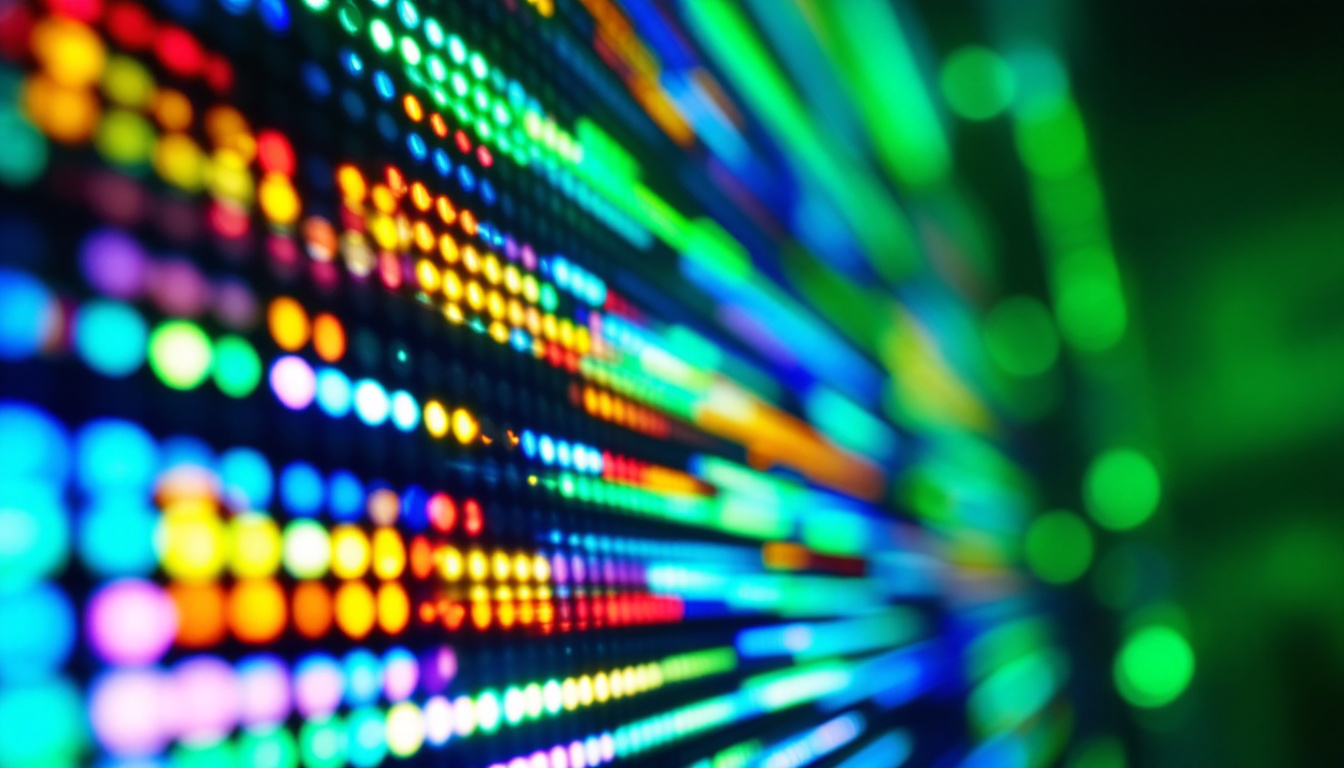
At the core of an LED display is the pixel, the smallest unit of the image. Each pixel is made up of red, green, and blue LEDs. By varying the intensity of each colored LED, the display can produce a full spectrum of colors. This process is called additive color mixing. The precision with which these colors can be controlled allows for stunning visual experiences, whether in a small television or a massive billboard. The technology has evolved significantly, enabling displays to achieve higher brightness levels and deeper contrast ratios, which enhances the overall viewing experience.
Direct-View LED Panels
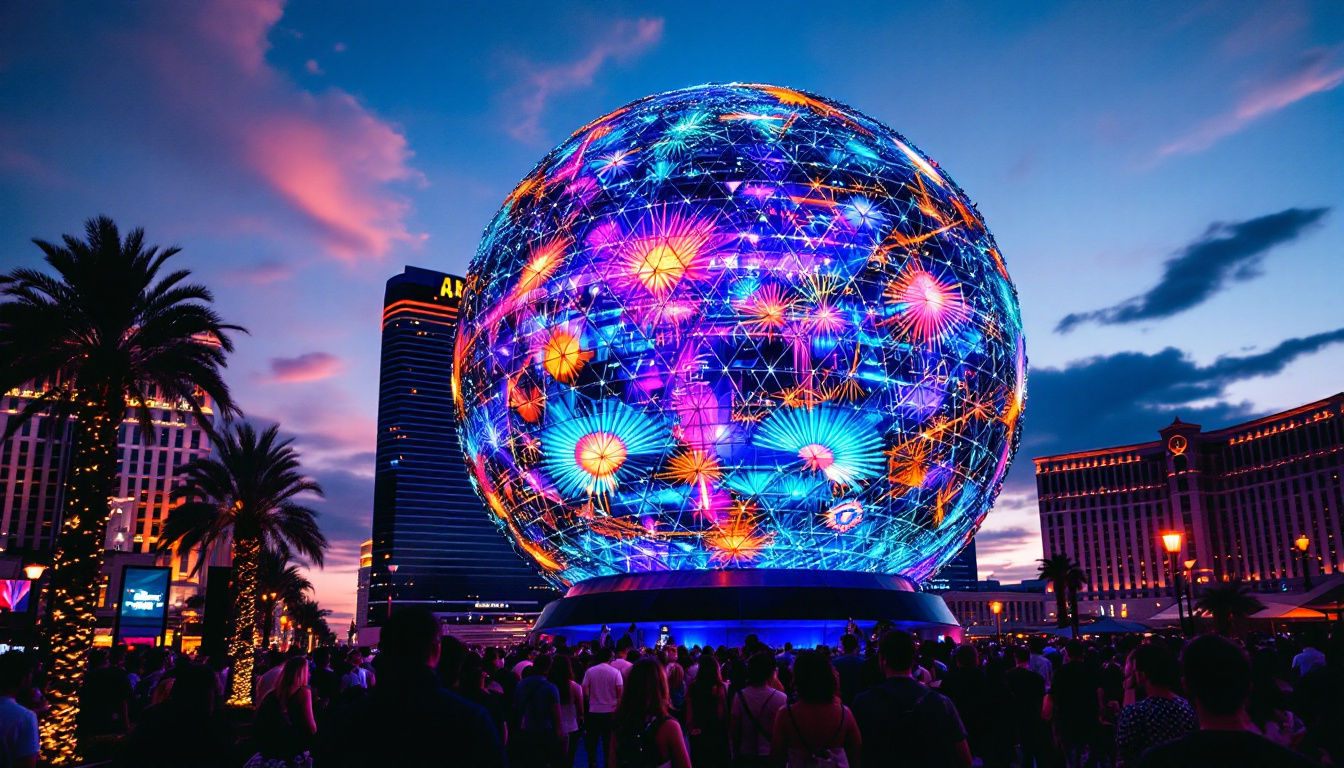
In direct-view LED panels, each pixel is a cluster of LEDs that light up independently. This allows for incredibly bright images visible even in direct sunlight, making them ideal for outdoor advertising and large venues. The spacing between these LEDs, known as pixel pitch, determines the resolution and viewing distance. Smaller pixel pitches mean higher resolution and closer viewing distances. Moreover, these panels are often modular, allowing for flexible configurations and sizes, which can be tailored to fit various applications, from sports arenas to concert stages. The durability of direct-view LED panels also means they can withstand harsh weather conditions, making them a reliable choice for outdoor installations.
LED-Backlit LCD Panels
In LED-backlit LCDs, the LEDs don’t form the image directly but illuminate the liquid crystals. The LCD layer controls how much light passes through each pixel, creating the image. This design combines the advantages of LED lighting with the color control of LCDs, resulting in vibrant and energy-efficient displays. Additionally, advancements in local dimming technology have allowed for improved contrast ratios by selectively dimming the backlight in darker areas of the image, enhancing the depth and richness of colors. This makes LED-backlit LCDs particularly popular for home entertainment systems, where picture quality is paramount. Furthermore, these displays often come equipped with features such as wide viewing angles and fast response times, making them suitable for a variety of settings, from gaming to professional presentations.
Advantages of LED Displays
LED technology offers several compelling benefits over other display types, making it the preferred choice for many applications.
Superior Brightness and Contrast
LED displays can achieve much higher brightness levels than traditional LCDs or plasma screens. This makes them ideal for environments with high ambient light, such as outdoor settings or brightly lit rooms. Additionally, because LEDs can be turned off completely in dark areas, LED displays offer excellent contrast ratios and deeper blacks, enhancing overall image quality.
Energy Efficiency
LEDs consume significantly less power than fluorescent backlights or plasma displays. According to the U.S. Department of Energy, LED-backlit TVs use about 30-50% less energy than comparable LCD TVs with CCFL (cold cathode fluorescent lamp) backlighting. This energy efficiency translates to lower electricity bills and a reduced environmental footprint.
Longevity and Durability
LEDs have a longer lifespan compared to other light sources, often rated for 50,000 hours or more. This means LED displays can last many years without significant degradation in brightness or color accuracy. They are also more resistant to shock and vibration, making them suitable for both indoor and outdoor use.
Design Flexibility
Because LEDs are small and can be arranged in various configurations, manufacturers can create ultra-thin, curved, or even flexible displays. This flexibility has opened new possibilities for innovative screen designs in both consumer electronics and commercial installations.
Applications of LED Displays
The versatility of LED displays has led to their widespread adoption across many industries and use cases.
Home Entertainment
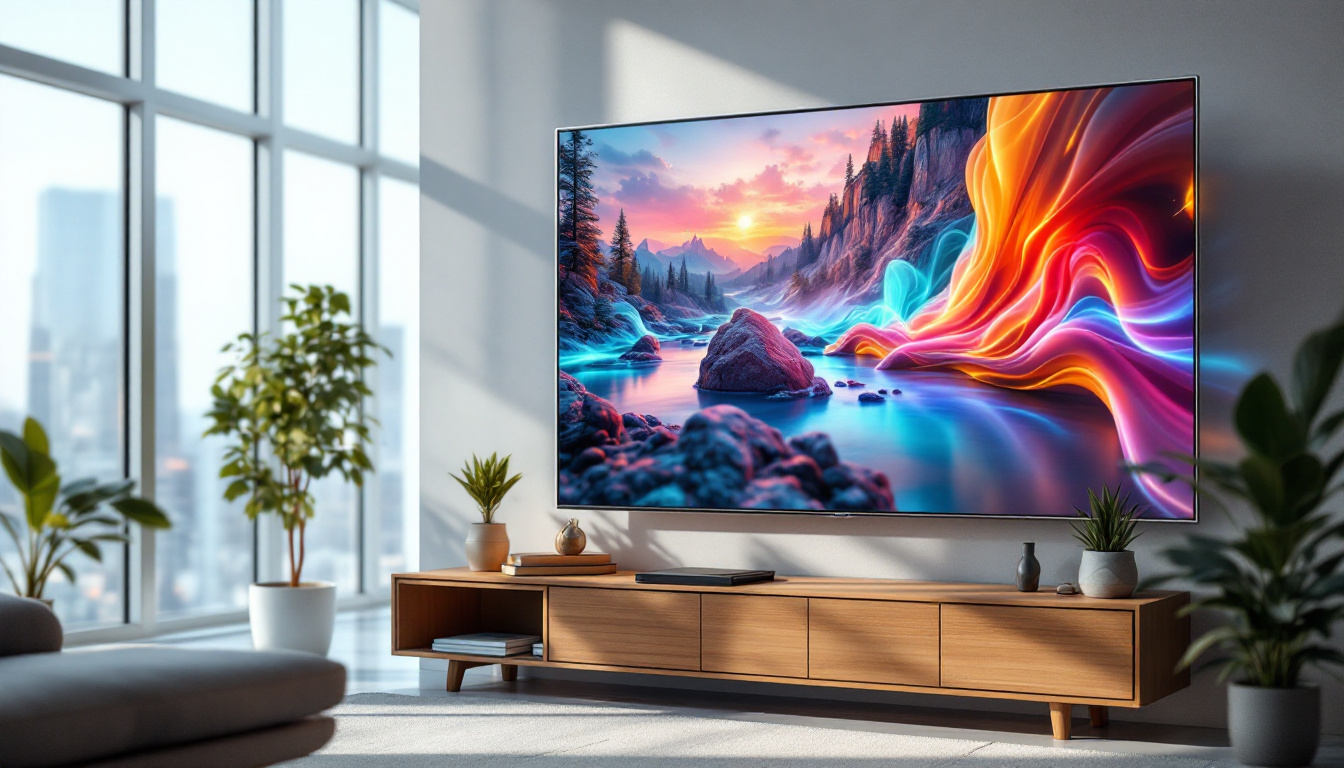
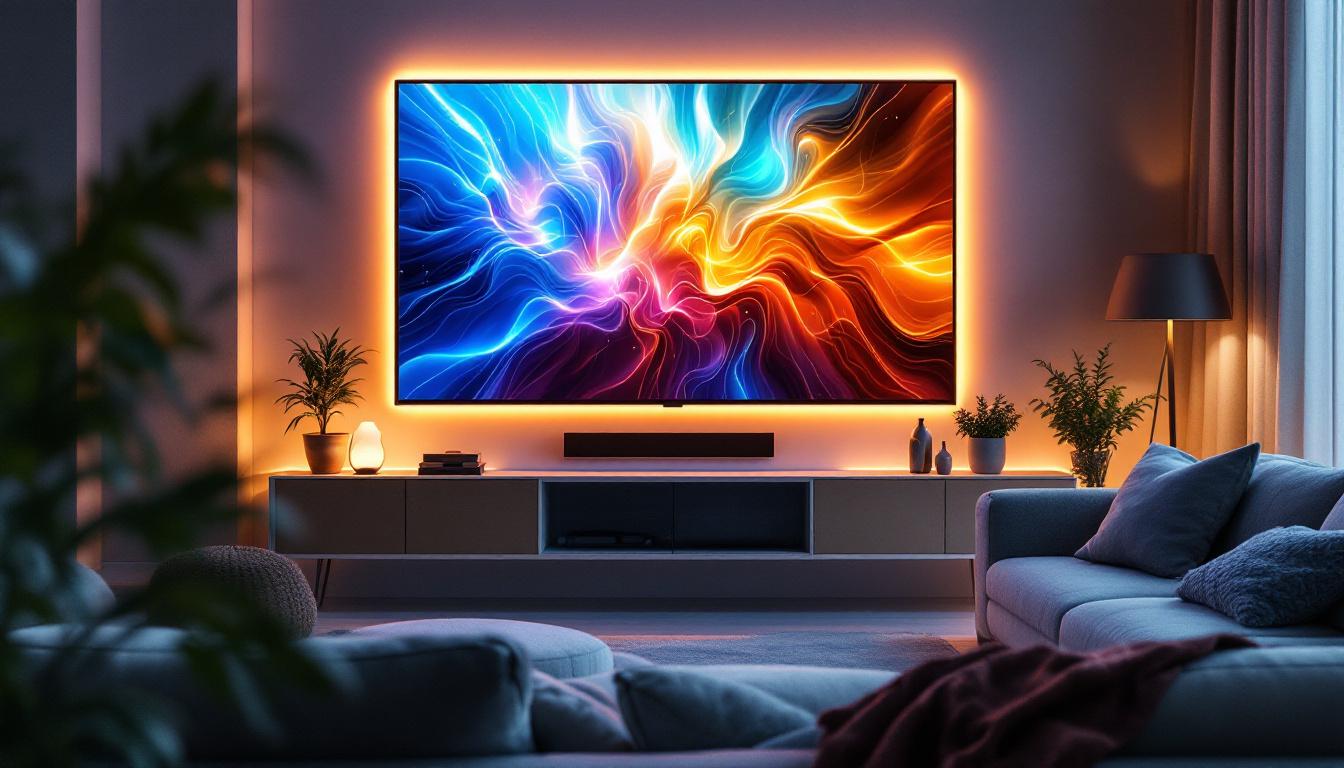
LED-backlit LCD TVs dominate the consumer market, offering excellent picture quality at affordable prices. High-end models incorporate advanced features like local dimming, HDR (High Dynamic Range), and 4K or 8K resolution, delivering cinematic experiences in the home. The slim profiles of LED TVs also make wall mounting an attractive option, saving space and enhancing aesthetics.
Digital Signage and Advertising
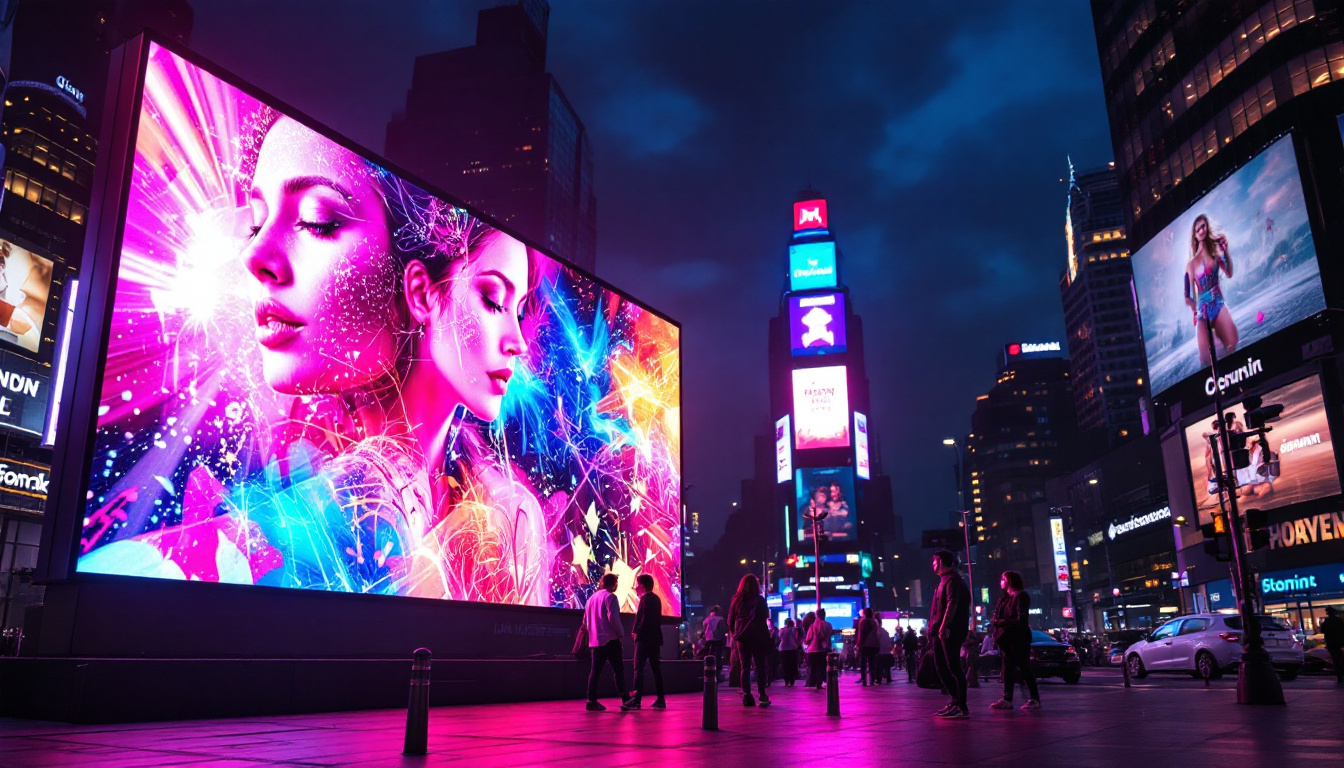
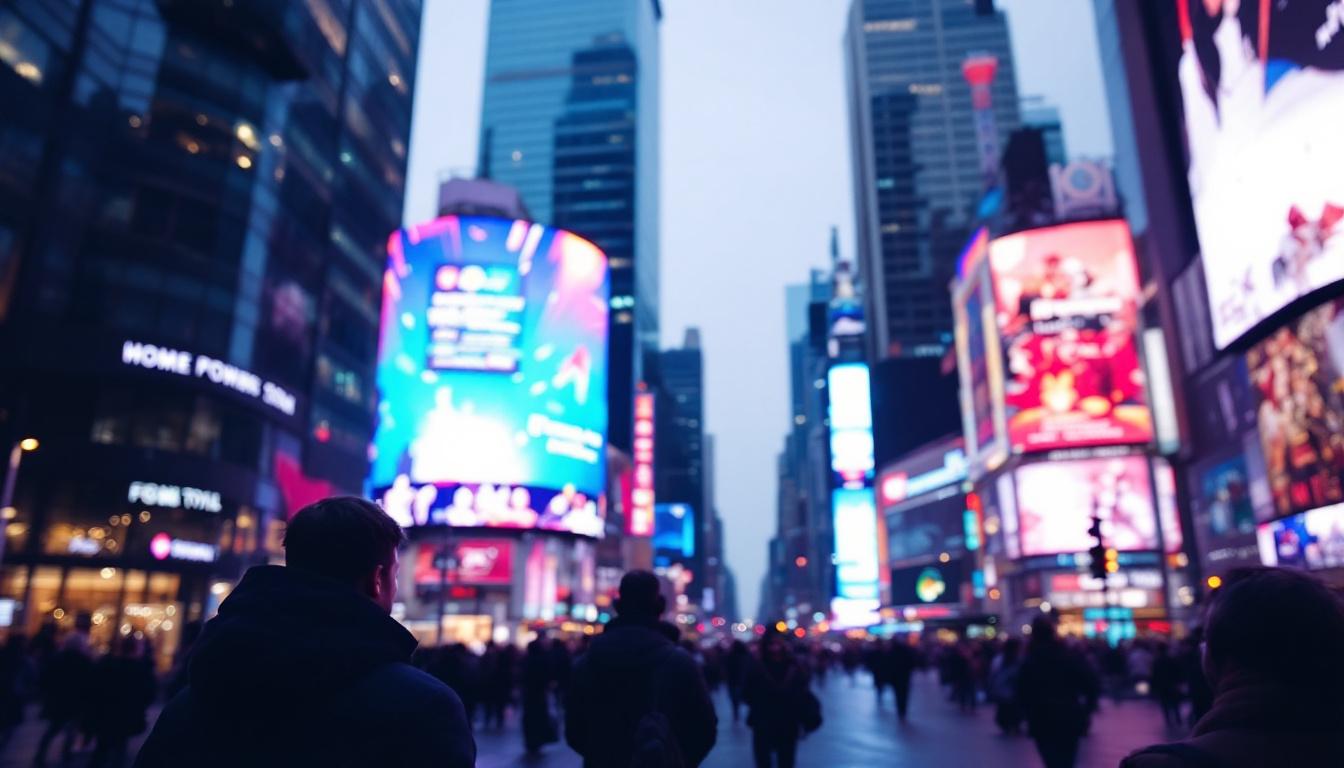
Direct-view LED displays are the backbone of modern digital signage. From Times Square’s giant billboards to airport information screens, LED panels provide bright, eye-catching visuals that can be updated in real time. Their durability and visibility in various lighting conditions make them ideal for outdoor advertising, retail displays, and event venues.
Sports Arenas and Concerts
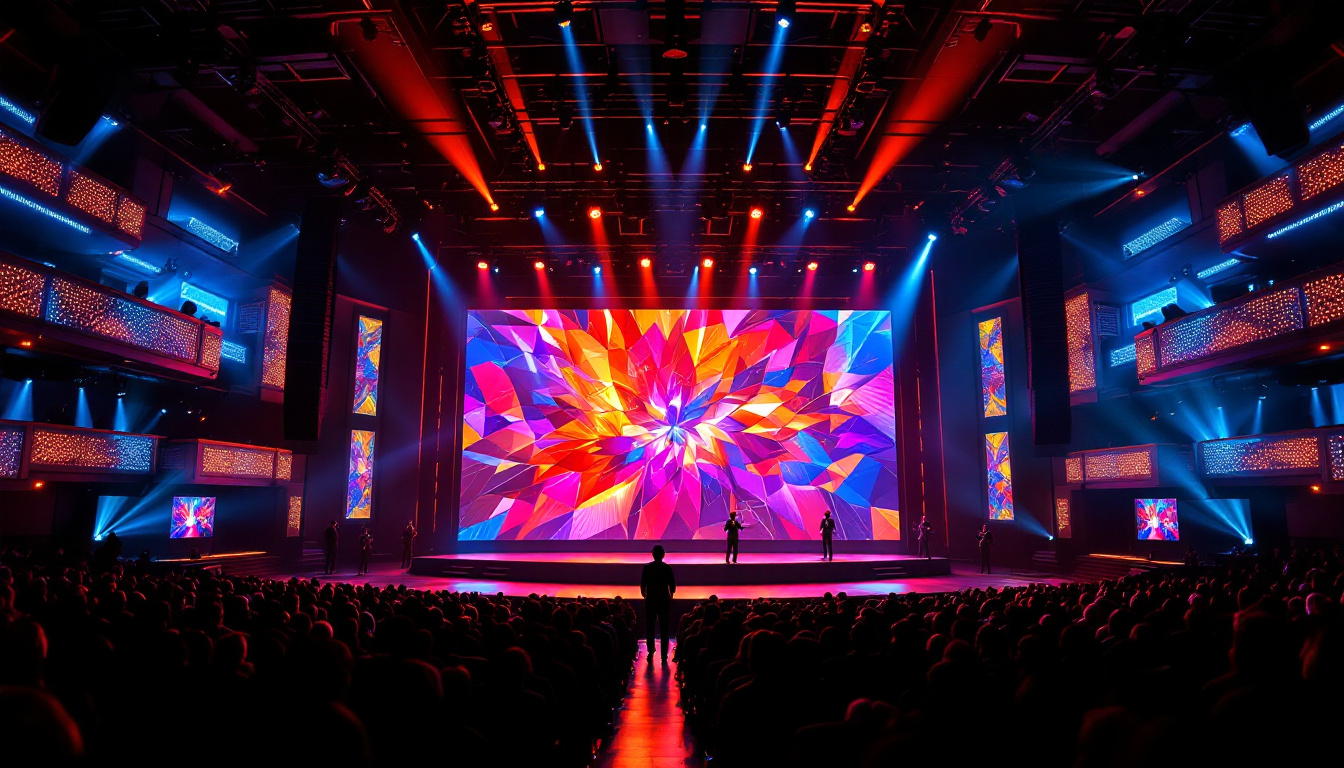
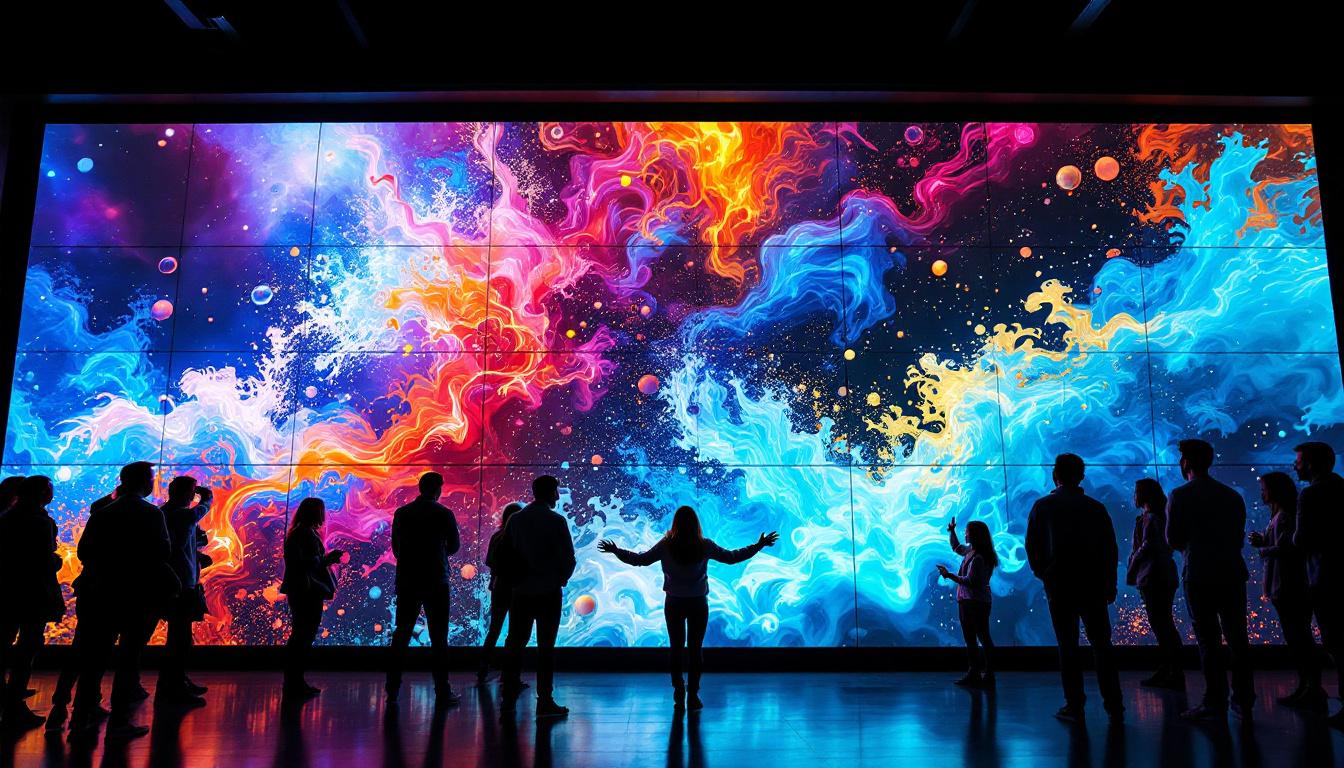
Large-scale LED video walls are common in stadiums and concert halls, providing live video feeds, scores, and immersive visuals. Their ability to deliver high brightness and wide viewing angles ensures that spectators have a great experience no matter where they sit.
Corporate and Educational Settings
LED displays are increasingly used in conference rooms, classrooms, and auditoriums for presentations and interactive learning. Their clarity and responsiveness support effective communication and engagement.
Choosing the Right LED Display for Your Needs
Selecting an LED display involves considering several factors to ensure the best fit for your environment and purpose.
Resolution and Pixel Pitch
For direct-view LED panels, pixel pitch is a critical specification. Smaller pixel pitches provide sharper images but come at a higher cost. For indoor use with close viewing distances, a pixel pitch of 1.5mm to 2.5mm is common. Outdoor displays often have larger pixel pitches (4mm or more) since viewers are farther away.
Brightness Requirements
Consider the ambient lighting conditions where the display will be installed. Outdoor displays typically require brightness levels of 5,000 nits or more to remain visible in daylight, while indoor screens usually need 300 to 700 nits.
Size and Mounting Options
Think about the available space and how the display will be mounted. LED TVs are designed for wall mounting or stands, while large LED video walls may require custom framing and support structures.
Budget and Maintenance
While LED displays offer long-term savings through energy efficiency and durability, initial costs can vary widely. Factor in installation, calibration, and potential maintenance expenses when budgeting.
Future Trends in LED Display Technology
The LED display industry continues to innovate rapidly, promising even more impressive capabilities in the near future.
MicroLED and MiniLED
MicroLED technology uses microscopic LEDs to create displays with exceptional brightness, contrast, and energy efficiency. Unlike OLEDs, MicroLEDs are inorganic, offering longer lifespans without burn-in issues. MiniLED, a related technology, uses smaller LEDs for backlighting, improving local dimming and HDR performance in LCD panels.
Flexible and Transparent Displays
Advances in flexible LED materials are enabling screens that can bend, fold, or roll up, opening new possibilities for portable devices and innovative architectural applications. Transparent LED displays are also emerging, allowing for digital content to be displayed on glass surfaces without obstructing the view.
Integration with Smart Technologies
LED displays are increasingly integrated with AI, IoT, and interactive technologies. Smart displays can adapt content based on viewer demographics, environmental conditions, or real-time data, enhancing user engagement and operational efficiency.
Conclusion
LED displays represent a remarkable fusion of technology and design that has transformed how people consume visual content. Their superior brightness, energy efficiency, and versatility make them suitable for a wide range of applications—from home entertainment to massive outdoor billboards. As LED technology continues to advance, consumers and businesses alike can look forward to even more stunning and innovative display solutions.
Whether you’re hanging up a flat screen in your living room or installing a digital signage network, understanding the fundamentals of LED displays empowers you to choose the best option for your needs and enjoy vibrant, long-lasting visuals.
Discover LumenMatrix LED Display Solutions
Ready to elevate your visual experience with the latest in LED display technology? Look no further than LumenMatrix, a pioneer in crafting LED display modules designed to make your brand shine and captivate your audience. From the comfort of your home to the grandeur of outdoor billboards, our diverse range of solutions, including Indoor and Outdoor LED Wall Displays, Vehicle LED Displays, and more, are tailored to meet your unique needs. Embrace the future of visual communication with LumenMatrix and check out our LED Display Solutions today to share your message with unparalleled impact and precision.