In the rapidly evolving world of digital signage and display technology, LED displays have emerged as a dominant force, transforming how information is presented in public spaces, advertising, entertainment, and more. Among the various technical aspects that influence LED display performance, the concept of “active pitch” plays a crucial role in determining image quality, viewing experience, and overall effectiveness. This article delves into the fundamentals of active pitch in LED displays, exploring its significance, technical details, applications, and future trends.
Understanding Active Pitch in LED Displays
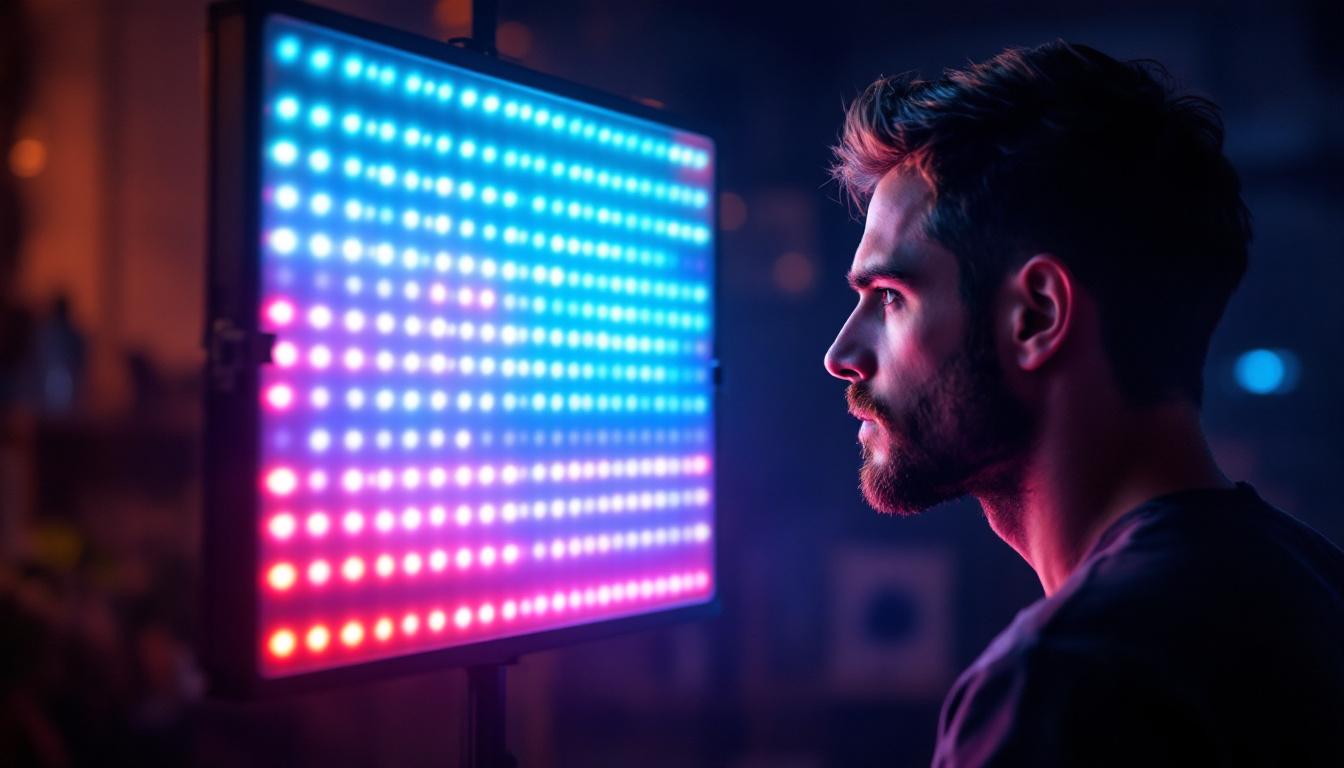
At its core, the term “pitch” in LED display technology refers to the distance between the centers of two adjacent LED pixels, typically measured in millimeters. This measurement is critical because it directly affects the resolution, clarity, and viewing distance of the display. However, the concept of “active pitch” goes a step further, focusing specifically on the distance between the active light-emitting elements within the LED module.
Unlike traditional pitch, which might consider the physical spacing of LED packages, active pitch zeroes in on the actual light-emitting area that contributes to image formation. This distinction is important because some LED modules may have LEDs spaced apart but use optical techniques or pixel arrangements that affect the perceived resolution and brightness.
How Active Pitch Differs from Pixel Pitch
Pixel pitch is the more commonly referenced term in LED display specifications. It defines the distance from the center of one pixel to the center of the next pixel, encompassing the entire pixel structure, which may include multiple LEDs. Active pitch, on the other hand, measures the distance between the active elements that emit light within each pixel. This subtle difference can influence the display’s sharpness and color accuracy.
For example, in a display where each pixel contains multiple sub-pixels (red, green, and blue LEDs), the active pitch might refer to the spacing between these sub-pixels rather than the overall pixel pitch. Understanding this helps manufacturers optimize display designs for better visual performance.
Moreover, the implications of active pitch extend beyond just resolution; they also play a significant role in the overall viewing experience. A smaller active pitch can lead to higher pixel density, which is particularly beneficial for applications requiring close viewing distances, such as in retail displays or high-end home theaters. This increased density allows for finer detail and smoother gradients, enhancing the visual richness of the content being displayed. Conversely, a larger active pitch may be more suitable for larger outdoor displays, where viewers are typically positioned at greater distances, making the finer details less perceptible.
Additionally, advancements in LED technology have led to the development of various pixel configurations, such as RGBW (Red, Green, Blue, White) systems, which utilize active pitch to improve brightness and color performance. These innovations not only enhance the visual output but also contribute to energy efficiency, as they allow displays to produce vibrant images while consuming less power. As the demand for high-quality visual content continues to grow, understanding the nuances of active pitch becomes increasingly essential for both manufacturers and consumers alike.
Why Active Pitch Matters: Impact on Image Quality and Viewing Experience
Active pitch is a key determinant of image resolution and quality in LED displays. A smaller active pitch means that the LEDs are closer together, allowing the display to render finer details and smoother images. This is particularly important for applications where viewers are close to the screen, such as indoor advertising, retail displays, or control rooms. In these settings, the clarity of images can significantly influence consumer engagement and decision-making, making the choice of active pitch a crucial factor for businesses aiming to capture attention effectively.
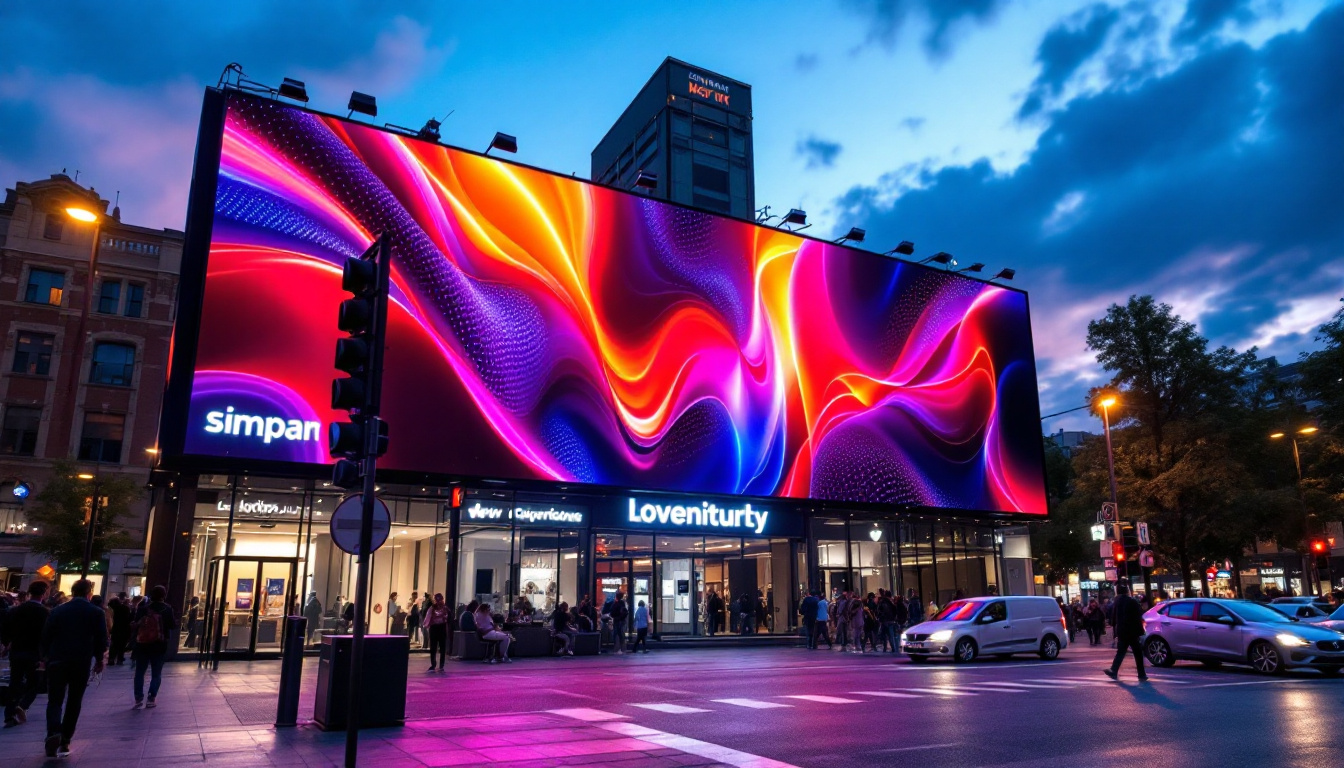
Conversely, a larger active pitch is acceptable for displays intended to be viewed from a distance, such as stadium screens or billboards. In these cases, the human eye cannot distinguish the individual LEDs at typical viewing distances, so a larger pitch helps reduce manufacturing costs without compromising perceived image quality. However, it’s important to note that while larger pitches may save money, they can also limit the display’s ability to convey intricate details, which can be a disadvantage in competitive advertising environments where every visual element counts.
Balancing Resolution and Cost
One of the challenges in LED display manufacturing is balancing resolution with cost and power consumption. Smaller active pitches require more LEDs per square meter, which increases production costs and energy usage. Therefore, understanding the target viewing distance and application is essential to selecting an appropriate active pitch. This balance is not just a technical consideration; it also reflects broader trends in sustainability and energy efficiency, as manufacturers strive to create displays that are not only visually appealing but also environmentally responsible.
For instance, a 1.5mm active pitch LED display is ideal for close-up viewing environments like conference rooms or retail stores, delivering crisp images and text. Such displays can enhance the overall aesthetic of a space, creating an immersive experience that captivates audiences. Meanwhile, a 10mm active pitch display is better suited for outdoor advertising where viewers are farther away, offering visibility without unnecessary expense. However, advancements in technology are continually pushing the boundaries of what is possible, with innovations such as pixel pitch reduction and improved LED efficiency, which allow for high-quality displays even in larger formats, thus expanding the possibilities for both indoor and outdoor applications.
Technical Aspects of Active Pitch in LED Displays
Active pitch is influenced by several technical factors, including LED package size, pixel configuration, and module design. Modern LED displays use surface-mount device (SMD) technology, where tiny LEDs are mounted directly onto circuit boards, enabling smaller pitches and higher resolutions.
Advancements in mini-LED and micro-LED technologies have further pushed the boundaries of active pitch. Mini-LEDs can achieve pitches as small as 0.5mm, while micro-LEDs are even smaller, enabling ultra-high-resolution displays with exceptional brightness and color accuracy.
Pixel Configuration and Sub-Pixel Arrangement
The arrangement of red, green, and blue sub-pixels within each pixel also affects active pitch. Some displays use a traditional RGB stripe layout, while others employ more complex configurations such as pixel sharing or diamond pixel arrangements. These configurations can optimize the perceived resolution and brightness without necessarily reducing the active pitch.
Manufacturers often leverage these designs to balance performance and cost, tailoring displays for specific applications. Understanding these technical nuances helps buyers and designers make informed decisions when selecting LED displays.
Calibration and Uniformity Considerations
Active pitch also impacts calibration and uniformity. Displays with smaller active pitches require more precise calibration to ensure color consistency and brightness uniformity across the screen. This is critical in professional environments such as broadcast studios and control centers, where image fidelity is paramount.
Advanced calibration tools and software are employed to manage these challenges, ensuring that even high-resolution LED displays maintain consistent performance over time.
Applications of Active Pitch LED Displays
Understanding active pitch is essential for selecting the right LED display for various applications. Different industries and use cases demand different specifications to optimize viewer experience and cost efficiency.
Indoor vs. Outdoor LED Displays
Indoor LED displays typically require smaller active pitches to accommodate closer viewing distances. For example, retail stores, corporate lobbies, and museums often use displays with active pitches ranging from 0.9mm to 3mm. These displays deliver sharp images and vibrant colors that attract attention and convey detailed information.
Outdoor LED displays, such as those used in sports arenas, transportation hubs, and roadside billboards, usually have larger active pitches, often between 6mm and 20mm. This allows them to be viewed clearly from greater distances while withstanding environmental factors like sunlight and weather.
Specialized Uses: Control Rooms and Medical Imaging
Control rooms for utilities, transportation, and emergency services demand LED displays with very fine active pitches to present detailed data and video feeds. These environments benefit from high-resolution displays that reduce eye strain and improve situational awareness.
In medical imaging, LED displays with precise active pitch specifications are used for diagnostic monitors and surgical displays, where image accuracy can impact patient outcomes. These applications often require specialized calibration and certification to meet industry standards.
Future Trends and Innovations in Active Pitch Technology
The LED display industry continues to innovate, with active pitch technology at the forefront of these advancements. Emerging trends promise even higher resolutions, improved energy efficiency, and new form factors.
Micro-LED and Beyond
Micro-LED technology represents the next generation of LED displays, featuring active pitches as small as 0.1mm. These displays offer unprecedented brightness, contrast, and color accuracy, making them ideal for premium TVs, augmented reality devices, and wearable displays.
While micro-LED manufacturing remains complex and costly, ongoing research and development are steadily reducing barriers, suggesting widespread adoption in the coming years.
Flexible and Transparent LED Displays
Innovations in active pitch are also enabling flexible and transparent LED displays. These new form factors open up creative possibilities for architectural integration, automotive applications, and interactive signage. Maintaining optimal active pitch in these unconventional designs is critical to ensuring visual quality and durability.
Energy Efficiency and Sustainability
As environmental concerns grow, manufacturers are focusing on reducing power consumption without sacrificing image quality. Optimizing active pitch plays a role in this effort by balancing LED density with brightness requirements. Advances in LED materials and driver electronics further contribute to more sustainable display solutions.
Conclusion: Choosing the Right Active Pitch for Your LED Display Needs
Active pitch is a fundamental specification that influences the performance, cost, and suitability of LED displays across a wide range of applications. Whether selecting a display for a retail environment, outdoor advertising, control room, or cutting-edge micro-LED device, understanding active pitch helps ensure the best balance between image quality and practical considerations.
As LED technology continues to advance, staying informed about active pitch developments will empower businesses and professionals to make smarter investments in digital display solutions that meet their unique needs and captivate their audiences.
Discover the Perfect Active Pitch with LumenMatrix
Ready to elevate your visual communication with an LED display that boasts the ideal active pitch for your specific needs? Look no further than LumenMatrix. As a pioneer in LED display technology, we offer a comprehensive range of solutions, from Indoor and Outdoor LED Walls to innovative Transparent Displays. Each product is crafted to captivate your audience and amplify your message with unparalleled clarity and impact. Don’t just take our word for it; check out LumenMatrix LED Display Solutions today and experience the future of digital signage for yourself.