Digital Signage LCD Screens: LED Display Explained
In the rapidly evolving world of digital communication, digital signage has become a cornerstone for businesses, retailers, and public spaces aiming to capture attention and convey messages effectively. Among the various display technologies available, LCD screens paired with LED backlighting have emerged as a dominant choice. This article dives deep into the technology behind digital signage LCD screens with LED displays, explaining how they work, their advantages, and why they are essential in today’s digital landscape.
Understanding Digital Signage and Its Importance
Digital signage refers to the use of digital displays to present multimedia content such as advertisements, informational messages, and interactive interfaces in public or private spaces. Unlike traditional static signs, digital signage offers dynamic content that can be updated in real-time, tailored to specific audiences, and integrated with other digital systems.
The importance of digital signage lies in its ability to engage viewers more effectively than static signs. According to a 2023 report by Grand View Research, the global digital signage market is expected to reach $32.84 billion by 2028, growing at a compound annual growth rate (CAGR) of 7.5%. This growth underscores the increasing reliance on digital displays for marketing, wayfinding, and communication purposes.
For businesses, digital signage can increase customer engagement, improve brand awareness, and even boost sales. For public spaces, it enhances information dissemination and improves the overall visitor experience. The choice of display technology, therefore, plays a critical role in the effectiveness of digital signage solutions.
What Are LCD Screens with LED Backlighting?
Basics of LCD Technology
LCD stands for Liquid Crystal Display. It is a flat-panel display technology that uses liquid crystals sandwiched between two layers of glass or plastic. These crystals do not emit light themselves but manipulate light passing through them to create images. The liquid crystals align in different ways when an electric current is applied, controlling the amount of light that passes through each pixel.
LCD screens require a light source behind the panel to make the images visible. This is where LED backlighting comes into play.
Role of LED Backlighting
LED, or Light Emitting Diode, backlighting is the illumination source behind an LCD screen. Unlike older LCDs that used cold cathode fluorescent lamps (CCFLs) for backlighting, modern LCD screens use LEDs. These LEDs are small, energy-efficient light sources that provide bright, consistent illumination.
The use of LED backlighting has several advantages:
- Energy Efficiency: LEDs consume less power than CCFLs, making the displays more energy-efficient and cost-effective to operate.
- Improved Brightness and Contrast: LED backlights can be adjusted to provide higher brightness levels and better contrast ratios, enhancing image quality.
- Longer Lifespan: LEDs typically last longer than traditional fluorescent lamps, reducing maintenance costs.
- Slimmer Designs: LED backlighting allows for thinner and lighter display panels, which is critical for sleek digital signage installations.
How Digital Signage LCD Screens with LED Backlighting Work
To understand how these displays function, it is helpful to break down the components and processes involved:
1. The LCD Panel
The LCD panel consists of millions of pixels made up of liquid crystals. Each pixel can be controlled individually to block or allow light to pass through, creating images and videos. The liquid crystals align in response to electric currents, changing the light’s polarization and thus the pixel’s brightness and color.
2. LED Backlight Source
The LED backlight sits behind or along the edges of the LCD panel. It emits white light that passes through the liquid crystal layer. Modern displays use either edge-lit or direct-lit LED configurations:
- Edge-lit LEDs: LEDs are placed along the edges of the screen, and light is distributed evenly across the panel using light guides.
- Direct-lit LEDs: LEDs are positioned directly behind the screen, offering better uniformity and higher brightness but often at a higher cost.
3. Color Filters and Polarizers
After the light passes through the liquid crystals, it goes through color filters that produce the red, green, and blue subpixels. These combine to create the full spectrum of colors seen on the screen. Polarizers help control the light’s orientation, improving image clarity and contrast.
4. Control Electronics
The display is controlled by integrated circuits that process input signals (video, images, animations) and adjust the pixels accordingly. In digital signage, these electronics are often paired with media players or content management systems that enable remote content updates and scheduling.
Advantages of Using LCD Screens with LED Backlighting in Digital Signage
Superior Visual Quality
One of the primary reasons LCD screens with LED backlighting are favored in digital signage is their excellent visual performance. They offer bright, sharp images with vibrant colors and high contrast ratios. This is crucial in environments such as retail stores or outdoor locations where ambient lighting conditions can vary widely.
For example, a retail chain deploying LED-backlit LCD screens in their storefronts can ensure that promotional content remains visible and attractive even under direct sunlight, which is a common challenge for digital signage.
Energy Efficiency and Sustainability
Energy consumption is a significant consideration for businesses operating multiple digital signage displays. LED backlighting reduces power usage by up to 40% compared to older CCFL-backlit LCDs. This not only lowers operating costs but also aligns with sustainability goals.
Many companies are now prioritizing green technologies, and choosing LED-backlit LCD screens supports these initiatives by reducing carbon footprints and energy demand.
Durability and Maintenance
LED backlighting offers a longer lifespan—often exceeding 50,000 hours of operation—meaning digital signage installations require less frequent maintenance and replacement. This reliability is especially important for high-traffic areas such as airports, hospitals, and transportation hubs where downtime can disrupt communication and operations.
Design Flexibility
The slim profile of LED-backlit LCD screens allows for versatile installation options. Whether wall-mounted, embedded into kiosks, or suspended from ceilings, these displays can fit seamlessly into various environments without bulky hardware.
Moreover, the ability to produce large-format LCD screens with LED backlighting means businesses can create impactful visual experiences that attract and retain viewer attention.
Comparing LED Displays and LED-Backlit LCD Screens
It is important to clarify the distinction between LED displays and LCD screens with LED backlighting, as the terms are sometimes used interchangeably but refer to different technologies.
What Are LED Displays?
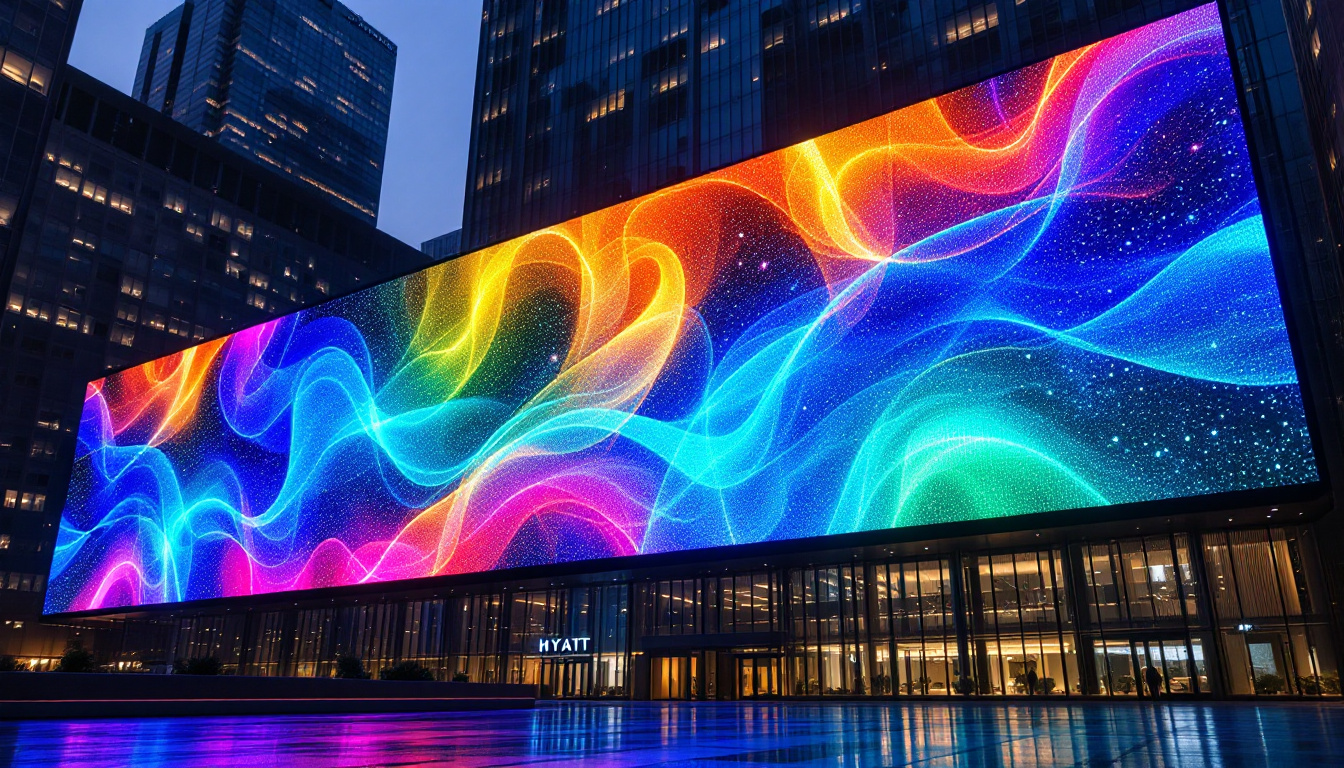
True LED displays, often called direct-view LED displays, consist of arrays of tiny LEDs that emit light individually to form images. These are commonly used in large outdoor billboards, stadium screens, and some indoor video walls. They offer extremely high brightness and are capable of displaying vibrant colors without the need for a backlight.
How They Differ from LCD with LED Backlighting
LCD screens with LED backlighting rely on a liquid crystal panel that modulates light from an LED source behind it. In contrast, direct-view LED displays generate light at each pixel independently. This fundamental difference impacts performance, cost, and application suitability.
- Brightness: Direct-view LED displays can reach much higher brightness levels, making them ideal for outdoor use in direct sunlight.
- Cost: LED displays tend to be more expensive, especially at smaller sizes, whereas LED-backlit LCDs offer a cost-effective solution for indoor digital signage.
- Resolution: LCD screens typically offer higher resolution at smaller sizes, making them suitable for detailed content and close viewing distances.
- Installation: LCD screens are easier to install and integrate into existing infrastructure, while LED displays require more complex mounting and calibration.
Applications of LED-Backlit LCD Screens in Digital Signage
Retail Environments
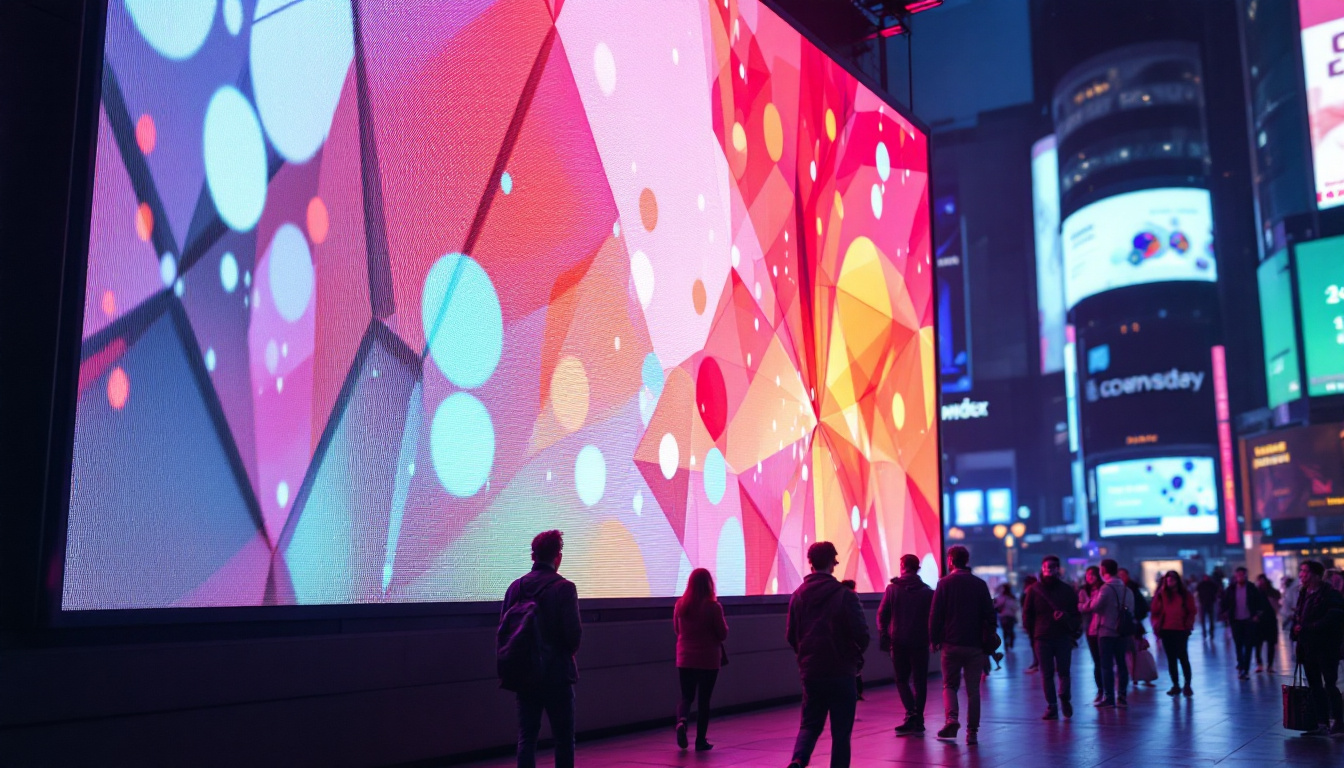
Retailers use LED-backlit LCD screens to display dynamic advertisements, product information, and promotional videos. These displays help create engaging shopping experiences and influence purchasing decisions. For instance, interactive kiosks with LCD screens can provide customers with personalized recommendations based on browsing history.
Corporate Communications
In corporate settings, digital signage enhances internal communication by displaying real-time updates, announcements, and event information. LED-backlit LCD screens are often installed in lobbies, meeting rooms, and break areas to keep employees informed and connected.
Transportation Hubs
Airports, train stations, and bus terminals rely on digital signage for wayfinding, schedule updates, and emergency alerts. The brightness and clarity of LED-backlit LCD screens ensure that critical information is visible even in well-lit environments.
Healthcare Facilities
Hospitals and clinics use digital signage to provide patient information, health tips, and directions. The reliability and low maintenance of LED-backlit LCD screens make them ideal for these settings where uptime is critical.
Future Trends in Digital Signage Display Technology
The digital signage industry continues to evolve with advancements in display technologies. While LCD screens with LED backlighting currently dominate the market, emerging trends are shaping the future:
Mini-LED and Micro-LED Technologies
Mini-LED and Micro-LED represent next-generation display backlighting and pixel technologies. Mini-LEDs use thousands of tiny LEDs for more precise local dimming, resulting in improved contrast and brightness. Micro-LED displays, on the other hand, consist of microscopic LEDs that serve as individual pixels, combining the benefits of LED displays and LCDs.
These technologies promise better image quality, energy efficiency, and thinner form factors, which will further enhance digital signage applications.
Integration with AI and IoT
Artificial intelligence (AI) and the Internet of Things (IoT) are transforming digital signage by enabling personalized content delivery and interactive experiences. LED-backlit LCD screens integrated with sensors and AI algorithms can adapt content based on audience demographics, weather conditions, or time of day.
Flexible and Transparent Displays
Innovations in flexible and transparent LCD and LED displays open new possibilities for digital signage. Retailers and designers can incorporate screens into windows, curved surfaces, or unconventional shapes, creating immersive environments that blend digital content with physical spaces.
Conclusion
Digital signage LCD screens with LED backlighting represent a powerful and versatile technology that drives effective communication in numerous industries. Their combination of superior visual quality, energy efficiency, durability, and design flexibility makes them an ideal choice for indoor digital signage applications.
Understanding the technology behind these displays helps businesses make informed decisions when selecting digital signage solutions that meet their specific needs. As display technologies continue to advance, LED-backlit LCD screens will remain a foundational component of engaging, dynamic, and impactful digital signage experiences.
Explore Cutting-Edge LED Display Solutions with LumenMatrix
Ready to elevate your digital signage with unparalleled visual quality and innovation? Discover LumenMatrix’s comprehensive range of LED display modules, designed to captivate and engage your audience. From vibrant Indoor and Outdoor LED Wall Displays to dynamic Vehicle and Sports LED Displays, and even customizable solutions like Floor LED Displays and All-in-One LED Displays, LumenMatrix is at the forefront of transforming visual communication. Experience the future of digital signage by visiting LumenMatrix LED Display Solutions and take the first step towards creating unforgettable visual experiences for your brand.