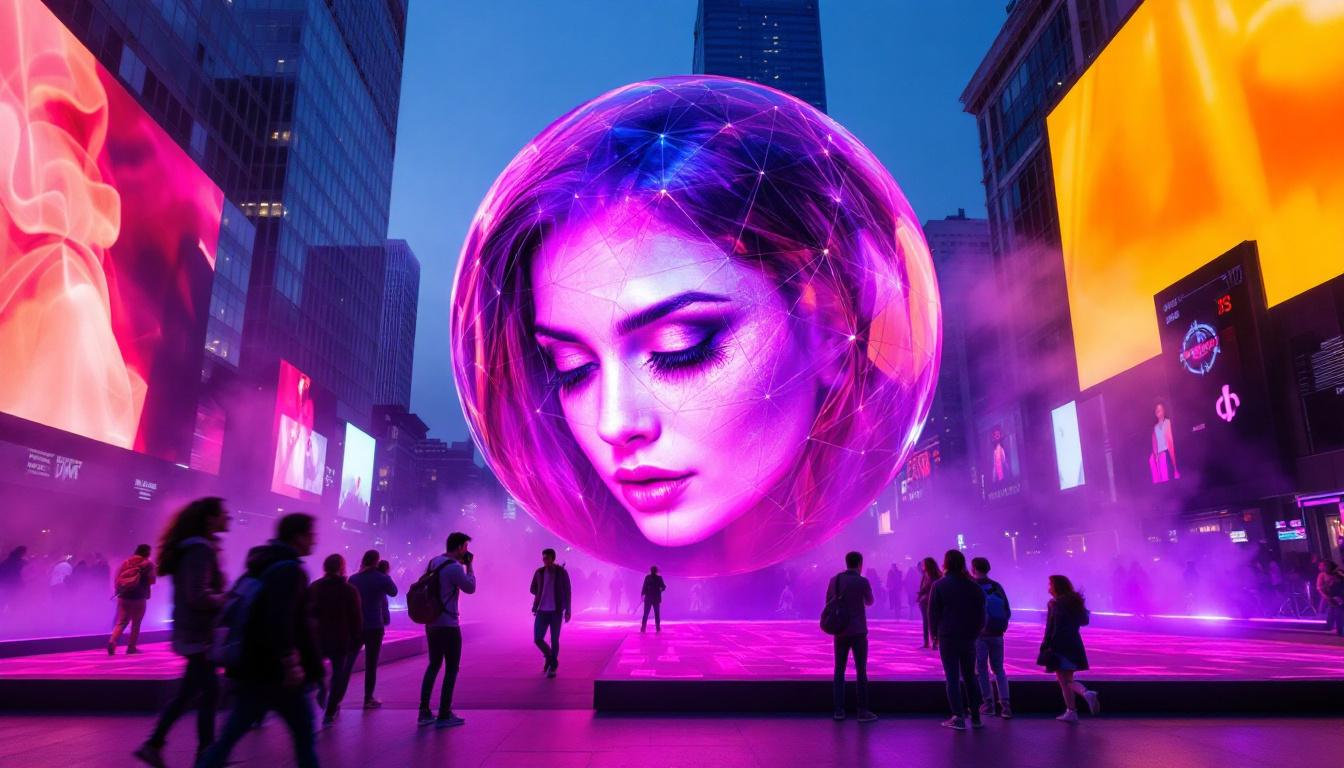
In today’s fast-paced commercial environment, capturing customer attention is more challenging than ever. Traditional static signage, while still useful, often falls short in delivering dynamic, eye-catching content that can adapt in real time. This is where digital signs, particularly LED displays, come into play. They offer businesses a versatile and impactful way to communicate with their audience, promote products, and enhance brand visibility.
This article delves into the world of LED digital signage for businesses, explaining what LED displays are, how they work, and why they have become an essential marketing tool. It also explores practical applications, benefits, and considerations for businesses looking to invest in this technology.
Understanding LED Digital Signage
What is an LED Display?
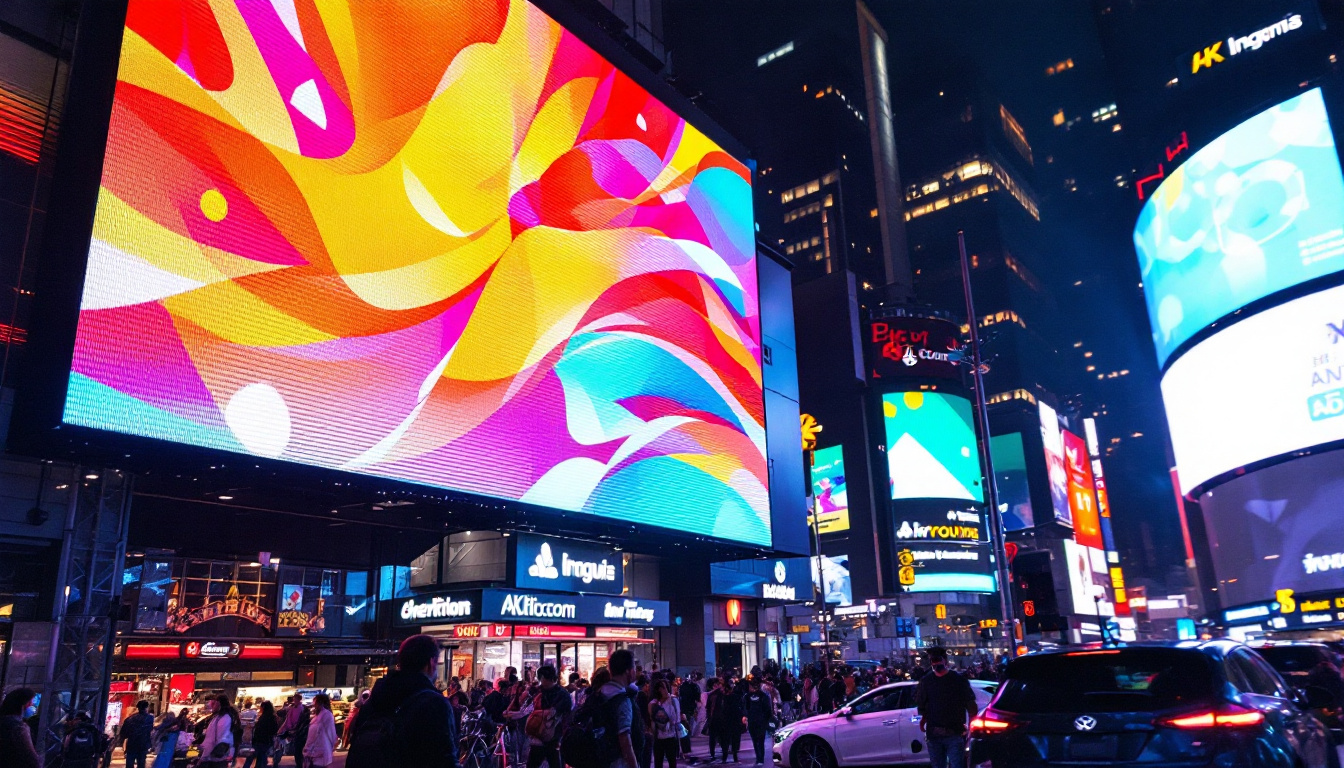
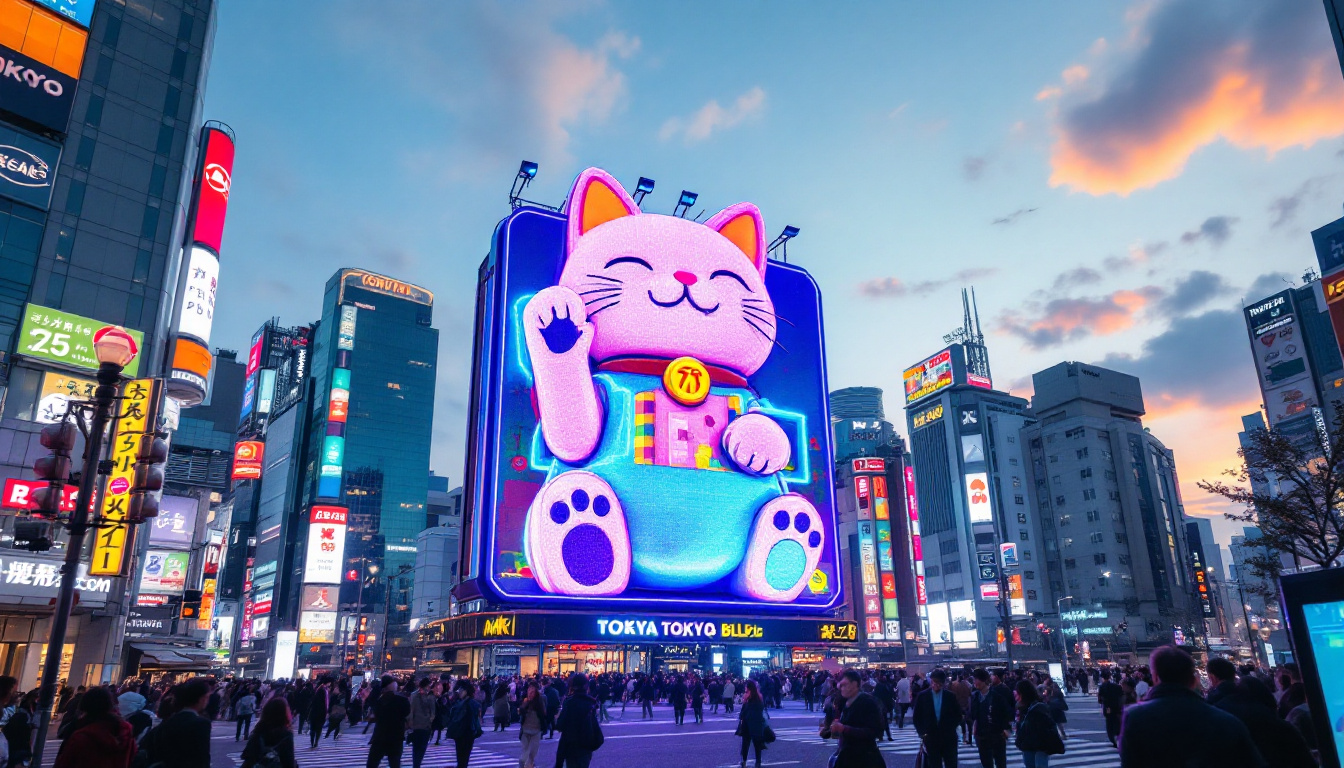
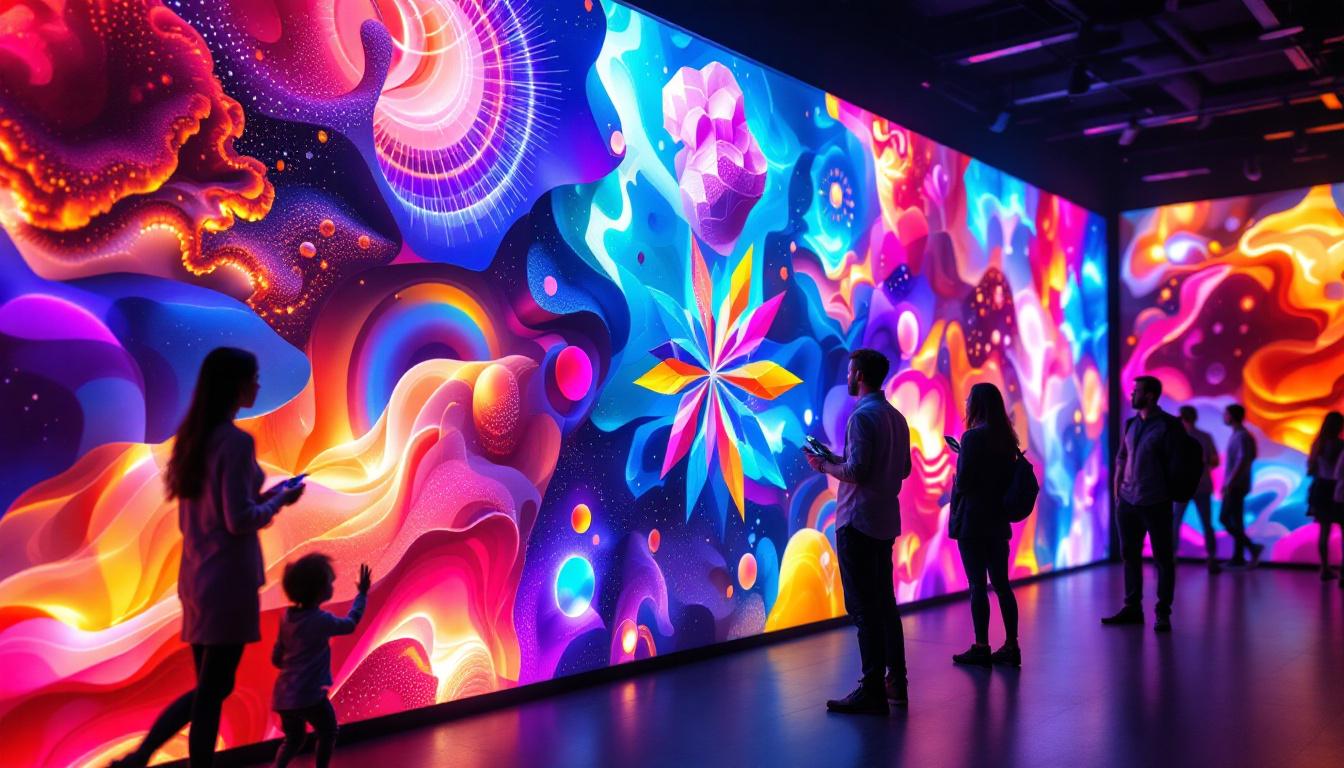
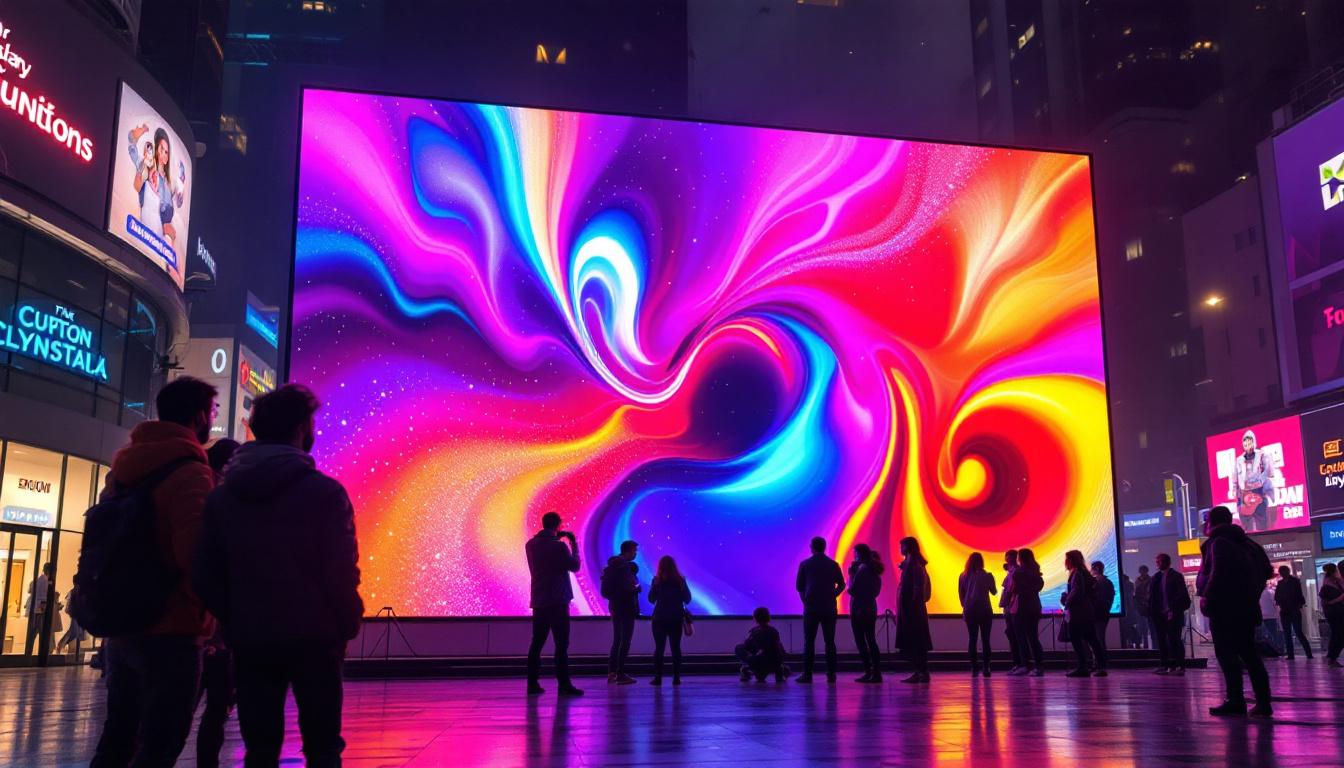
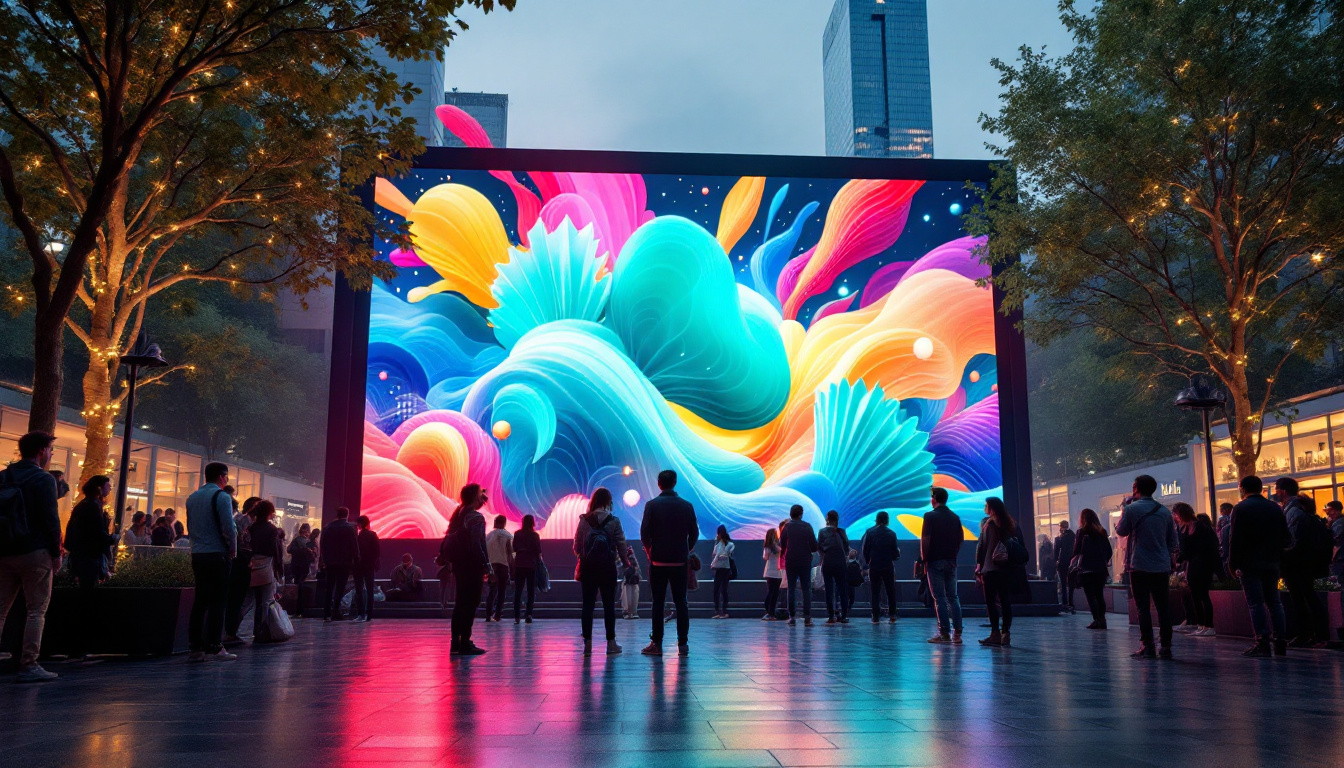
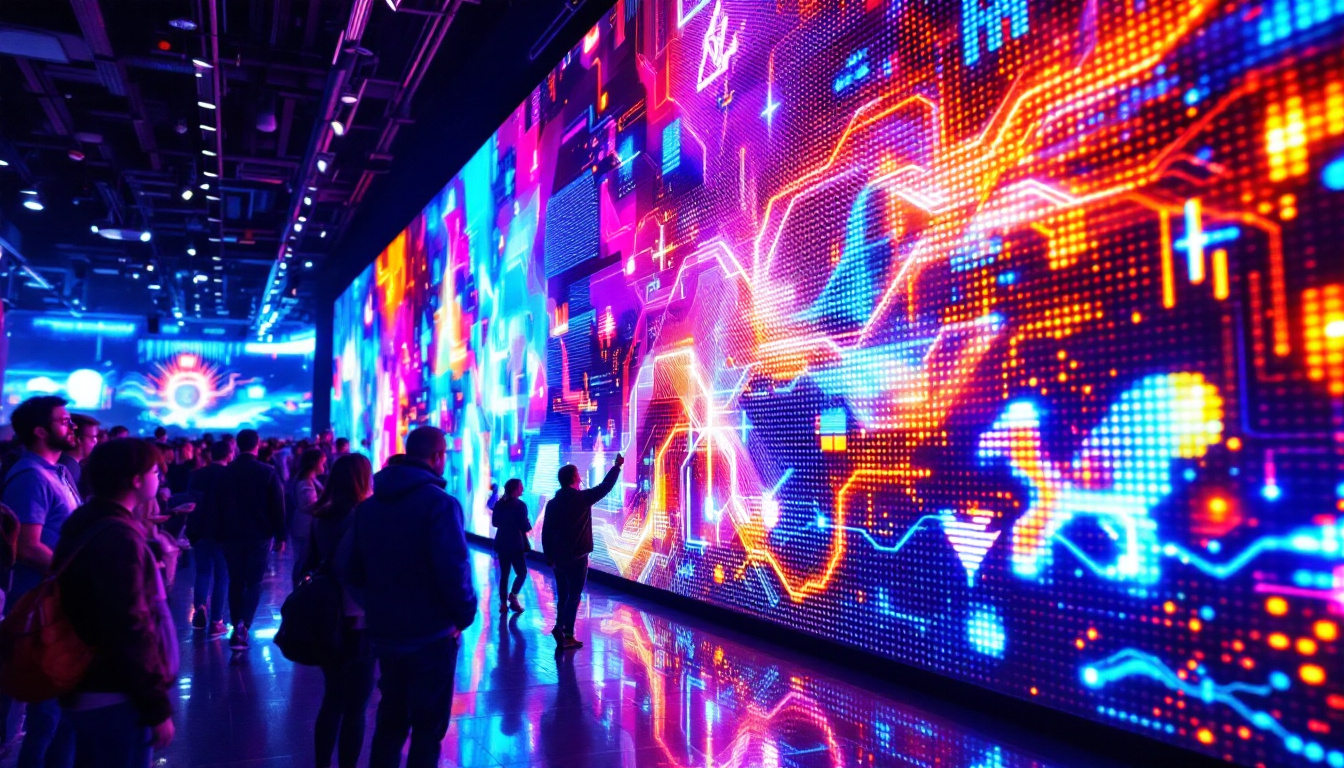
LED stands for Light Emitting Diode, a semiconductor device that emits light when an electric current passes through it. An LED display is a flat panel that uses an array of tiny LEDs to create images, videos, or text. These displays can range from small indoor screens to massive outdoor billboards. The versatility of LED technology allows for a wide range of applications, from advertising and public information to artistic installations and event displays.
Unlike traditional LCD or plasma screens, LED displays use individual light-emitting diodes as pixels, which allows for greater brightness, energy efficiency, and durability. This makes them particularly suited for business environments where visibility and reliability are crucial. Additionally, LED displays are often designed to withstand various weather conditions, making them ideal for outdoor advertising and events, where they can capture attention even in direct sunlight or inclement weather.
How Do LED Displays Work?
LED displays operate by controlling the intensity and color of each diode to form images. Each pixel on the screen consists of red, green, and blue LEDs that combine to produce a wide spectrum of colors through a process called additive color mixing. By adjusting the brightness of these diodes, the display can render detailed and vibrant visuals. This capability not only enhances the viewing experience but also allows for dynamic content that can change in real-time, such as live updates or interactive elements.
The resolution of an LED display depends on the pixel pitch, which is the distance between the centers of two adjacent LEDs. Smaller pixel pitches mean higher resolution and sharper images, which is important for close-viewing applications like indoor signage. Conversely, larger pixel pitches are common in outdoor displays where viewers are farther away. Furthermore, advancements in technology have led to the development of fine-pitch LED displays, which enable high-definition visuals even in compact spaces. This evolution has opened up new possibilities for creative advertising, allowing brands to engage audiences with stunning imagery and captivating animations that were previously unattainable.
Why Businesses Choose LED Digital Signs
Enhanced Visibility and Engagement
One of the primary reasons businesses adopt LED digital signage is its superior visibility. LED displays can achieve brightness levels up to 5,000 nits or more, making them easily readable even in direct sunlight. This is a significant advantage over traditional signs that can fade or become illegible in bright conditions.
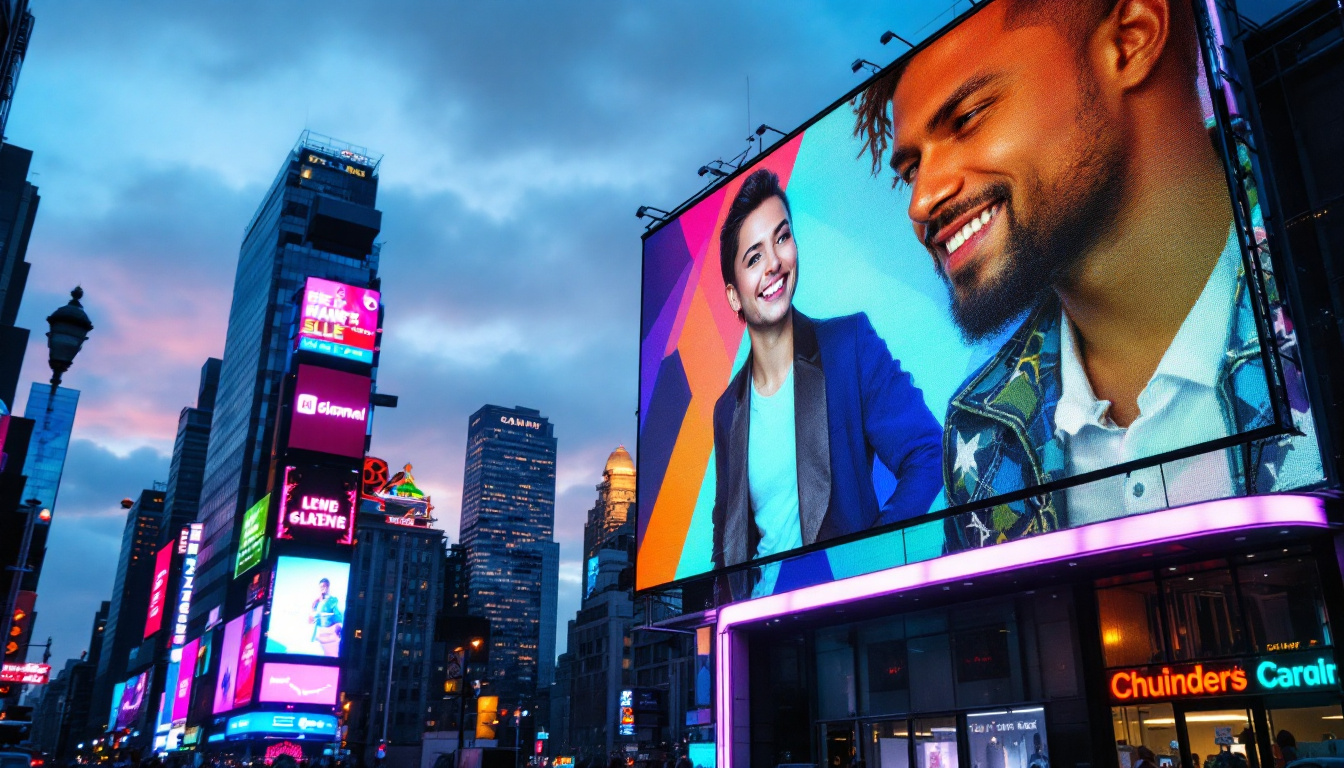
Moreover, the dynamic nature of LED signs allows businesses to present animated content, videos, and real-time updates. This dynamic content is proven to capture attention more effectively than static images. According to a study by the Digital Signage Federation, digital signs can boost customer engagement by up to 400% compared to traditional signage. The ability to showcase promotions, events, or even customer testimonials in an engaging format can create a more immersive experience for potential customers, encouraging them to spend more time in front of the display and, ultimately, in the store.
Additionally, LED digital signs can be strategically placed in high-traffic areas, maximizing exposure and ensuring that messages reach a larger audience. With the integration of social media feeds or QR codes, businesses can further enhance interaction, allowing customers to engage with content on their mobile devices. This level of interactivity not only keeps the audience informed but also fosters a sense of community and connection with the brand.
Cost-Effectiveness Over Time
While the initial investment in LED digital signage can be higher than traditional signs, the long-term benefits often outweigh the upfront costs. LED displays have a long lifespan, typically lasting 50,000 to 100,000 hours, which translates to years of use with minimal maintenance.
Additionally, digital signs reduce the need for printing and installation costs associated with static signage updates. Businesses can instantly change messaging, promotions, or branding without additional expenses, allowing for greater flexibility and cost savings. This adaptability is particularly valuable during seasonal promotions or special events, enabling businesses to respond quickly to market trends or customer preferences without the hassle of redesigning and reprinting materials.
Furthermore, the ability to schedule content in advance means that businesses can automate their marketing efforts, ensuring that the right message is displayed at the right time without requiring constant oversight. This not only saves labor costs but also allows for a more strategic approach to advertising, ensuring that promotions are timely and relevant.
Energy Efficiency and Sustainability
Energy consumption is a critical consideration for many businesses, especially those committed to sustainability. LED technology is highly energy-efficient compared to other display types, consuming up to 80% less power than traditional incandescent lighting. This efficiency not only reduces operating costs but also aligns with environmentally responsible business practices.
Moreover, the reduced energy consumption of LED signs contributes to a lower carbon footprint, making them an attractive option for eco-conscious companies. Many businesses are now looking to enhance their sustainability credentials, and investing in energy-efficient signage is a tangible step in that direction. By choosing LED digital signage, companies can not only save on utility bills but also promote their commitment to sustainability to their customers, potentially attracting a more environmentally aware clientele.
In addition, many LED displays are designed with recyclable materials, further minimizing their environmental impact. As businesses increasingly prioritize sustainable practices, the choice of signage becomes a reflection of their values, reinforcing their brand image as forward-thinking and responsible. This alignment with eco-friendly initiatives can resonate with consumers, fostering loyalty and trust in the brand.
Applications of LED Digital Signage in Business
Retail Environments
Retailers use LED digital signs to attract foot traffic, promote sales, and enhance the shopping experience. For example, fashion stores often display vibrant video content showcasing new collections or seasonal promotions. Grocery stores utilize digital price tags and promotional boards to update offers in real time, improving operational efficiency and customer satisfaction.
Interactive LED displays are also gaining popularity in retail, allowing customers to engage with products through touchscreens or motion sensors, creating immersive shopping experiences that drive sales.
Hospitality and Entertainment
Hotels, restaurants, and entertainment venues leverage LED signage to communicate with guests effectively. Digital menu boards in restaurants enable quick updates to menus and specials, reducing printing costs and wait times. Hotels use LED displays for wayfinding, event schedules, and promotional content, enhancing guest convenience.
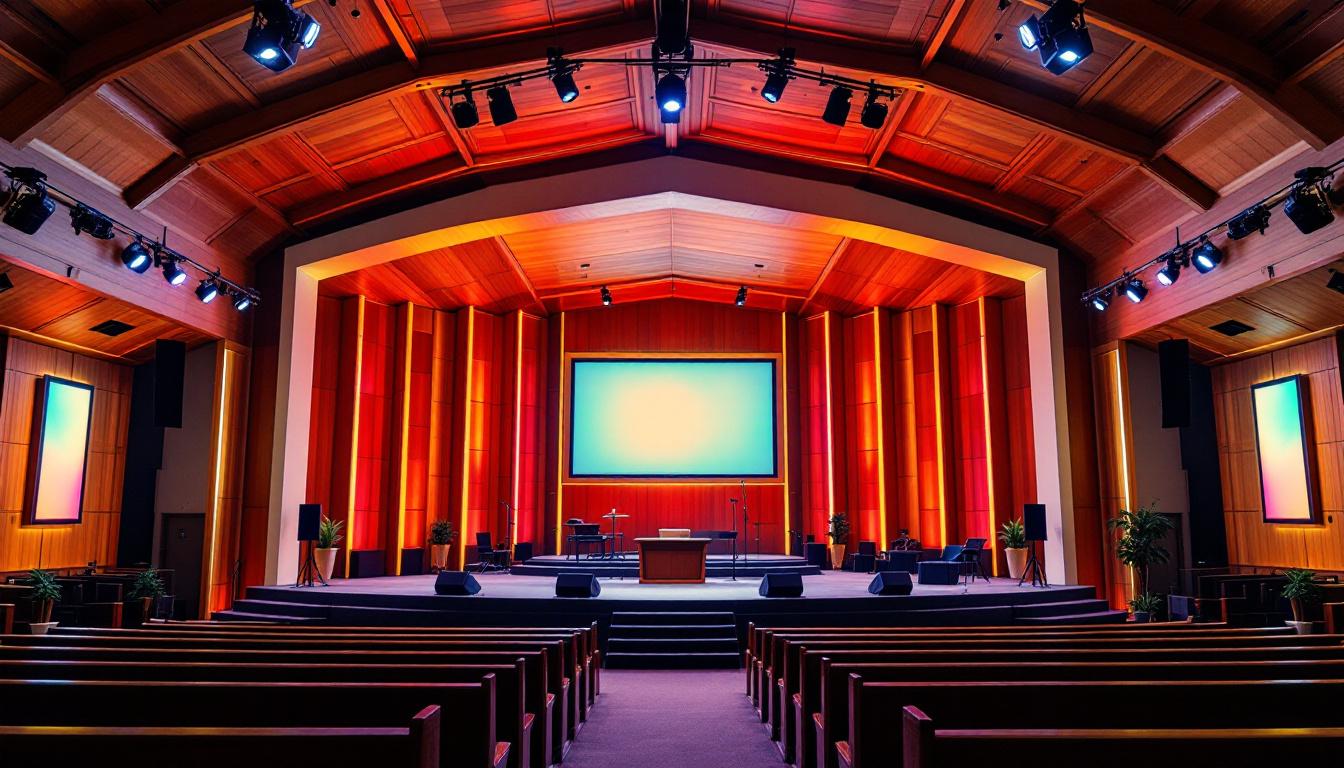
In entertainment venues such as theaters and stadiums, large LED screens provide high-impact visuals for advertising, live event broadcasting, and audience engagement, creating memorable experiences that encourage repeat visits.
Corporate and Office Settings
Corporate offices utilize LED digital signs for internal communications, such as displaying company news, performance metrics, and event announcements. These signs foster a connected workplace culture and improve information dissemination.
Additionally, LED displays in lobbies and reception areas serve as branding tools, impressing visitors with dynamic content that reflects the company’s identity and values.
Transportation and Public Spaces
LED digital signage is widely used in transportation hubs like airports, train stations, and bus terminals for real-time schedule updates, wayfinding, and safety messages. The high brightness and clarity of LED displays ensure that critical information is visible even in challenging lighting conditions.
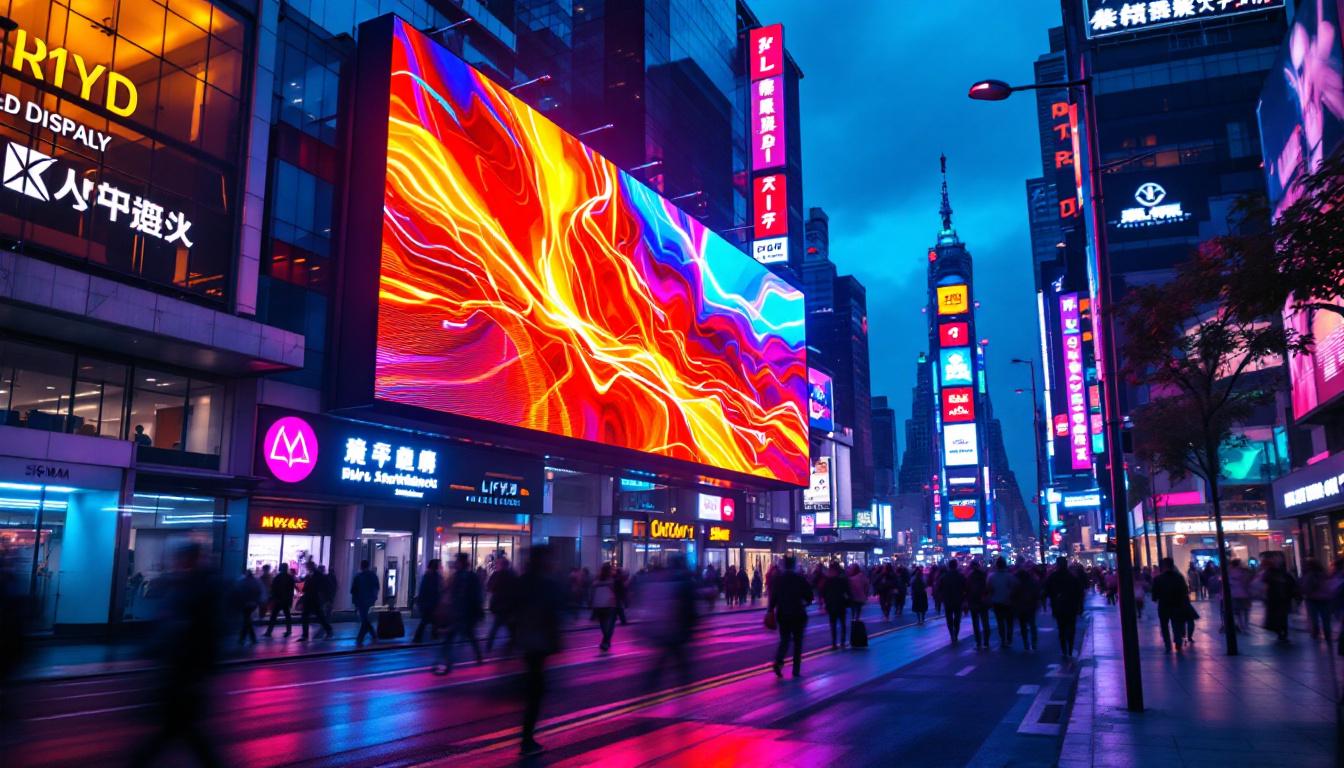
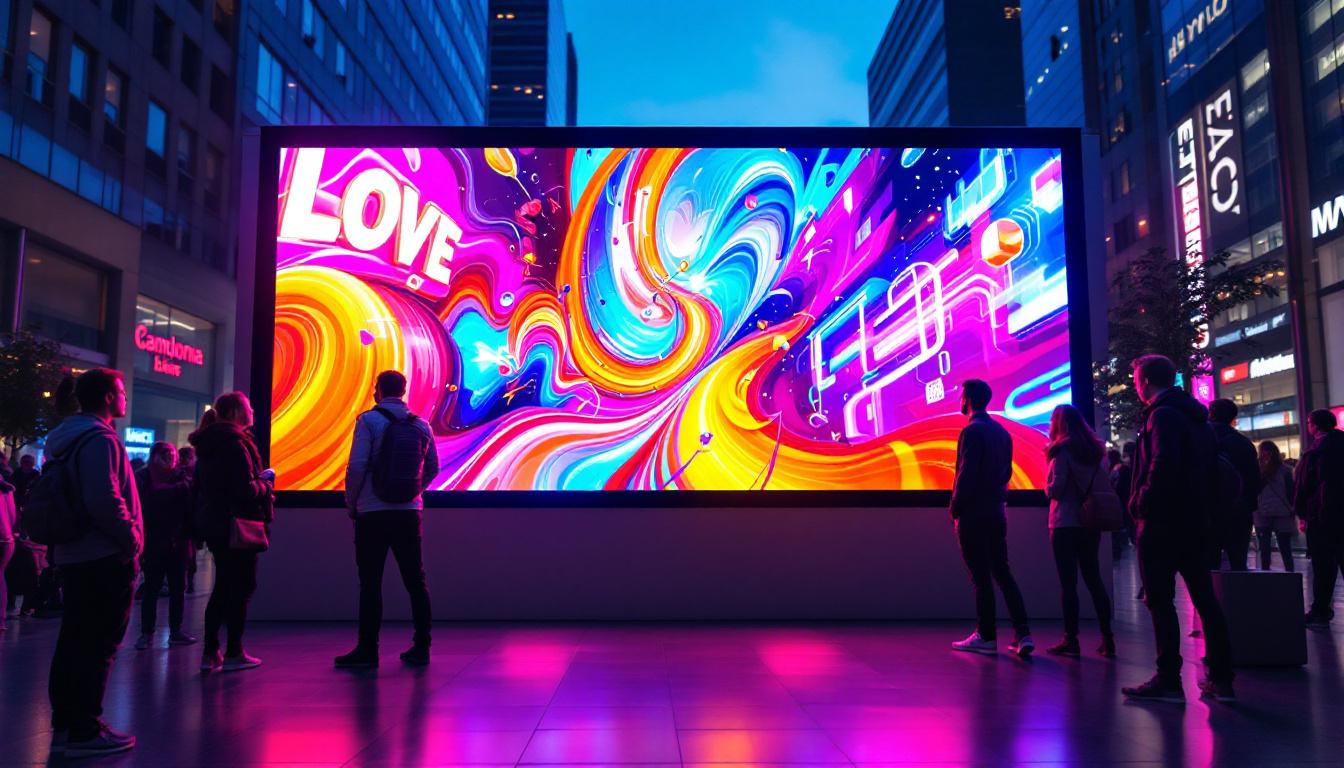
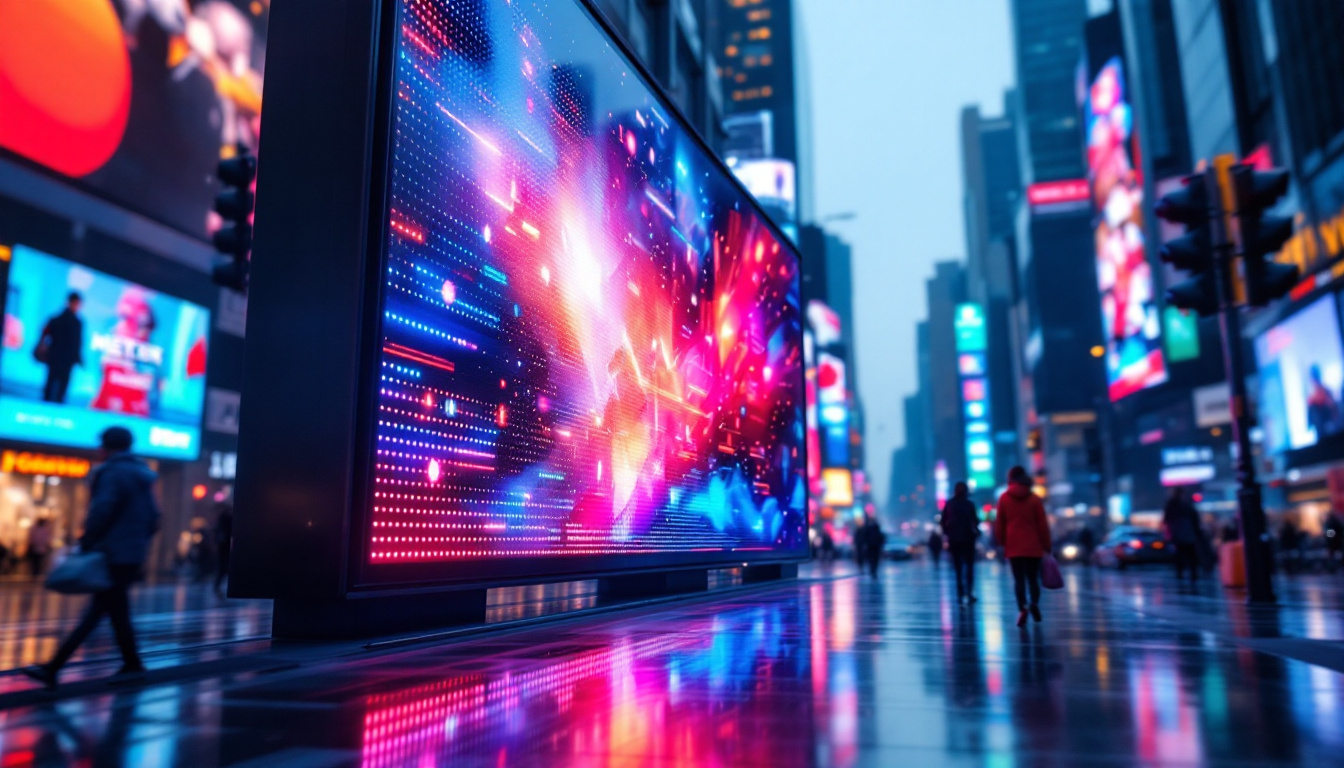
Public spaces such as city centers and sports arenas also use LED billboards for advertising and public announcements, capitalizing on the technology’s ability to reach large, diverse audiences effectively.
Key Considerations When Investing in LED Digital Signage
Choosing the Right Type of LED Display
Selecting the appropriate LED display depends on the intended application, viewing distance, and environment. Indoor LED displays typically have a smaller pixel pitch (1-4 mm) to provide high resolution at close range, while outdoor displays have larger pixel pitches (6-20 mm) to maintain visibility from a distance.
Businesses should also consider factors such as weather resistance, brightness levels, and mounting options to ensure the display meets operational needs and environmental challenges.
Content Management and Software
Effective digital signage relies on compelling content and seamless management. Many LED display systems come with content management software (CMS) that allows users to schedule, update, and customize content remotely. Choosing a user-friendly CMS with robust features is essential for maximizing the impact of the digital sign.
Integration with other business systems, such as inventory or social media feeds, can further enhance content relevance and engagement.
Installation and Maintenance
Proper installation is critical to ensure optimal performance and longevity of LED displays. This includes selecting the right location, ensuring structural support, and providing adequate power and data connections. Professional installation services are recommended to avoid common pitfalls.
Maintenance considerations include regular cleaning, software updates, and prompt repairs. Many LED displays are modular, allowing for easy replacement of individual panels or components, minimizing downtime and repair costs.
The Future of LED Digital Signage in Business
Advancements in Technology
LED digital signage continues to evolve with advancements such as micro-LED technology, which promises even higher resolution and improved energy efficiency. Flexible and transparent LED displays are opening new possibilities for creative signage solutions that blend seamlessly into architectural designs.
Artificial intelligence and data analytics integration are also enhancing digital signage by enabling personalized content delivery based on audience demographics and behavior, increasing relevance and effectiveness.
Growing Market Trends
The global digital signage market is projected to grow at a compound annual growth rate (CAGR) of over 8% through 2028, driven by increasing demand across retail, transportation, healthcare, and corporate sectors. Businesses that adopt LED digital signage early stand to gain a competitive edge by leveraging this dynamic communication tool.
As consumer expectations shift towards more interactive and engaging experiences, LED digital signage will play a pivotal role in shaping how businesses connect with their audiences.
Conclusion
LED digital signage represents a powerful and versatile solution for businesses seeking to enhance visibility, engage customers, and communicate effectively. Its superior brightness, energy efficiency, and dynamic content capabilities make it an attractive investment across a wide range of industries.
By understanding the technology, applications, and key considerations involved, businesses can make informed decisions that maximize the return on investment and future-proof their marketing and communication strategies. As LED technology continues to advance, its role in business digital signage is set to become even more integral and impactful.
Illuminate Your Brand with LumenMatrix
Ready to elevate your business’s visibility and captivate your audience with vibrant, dynamic displays? LumenMatrix is at the forefront of LED display innovation, offering a comprehensive range of solutions tailored to your unique needs. From Indoor and Outdoor LED Walls to specialized displays for Vehicles, Sports, and even Custom configurations, our mission is to transform your visual communication. Experience the future of digital signage and create unforgettable visual experiences with LumenMatrix. Check out LumenMatrix LED Display Solutions today and bring your brand’s message to life with clarity and impact.