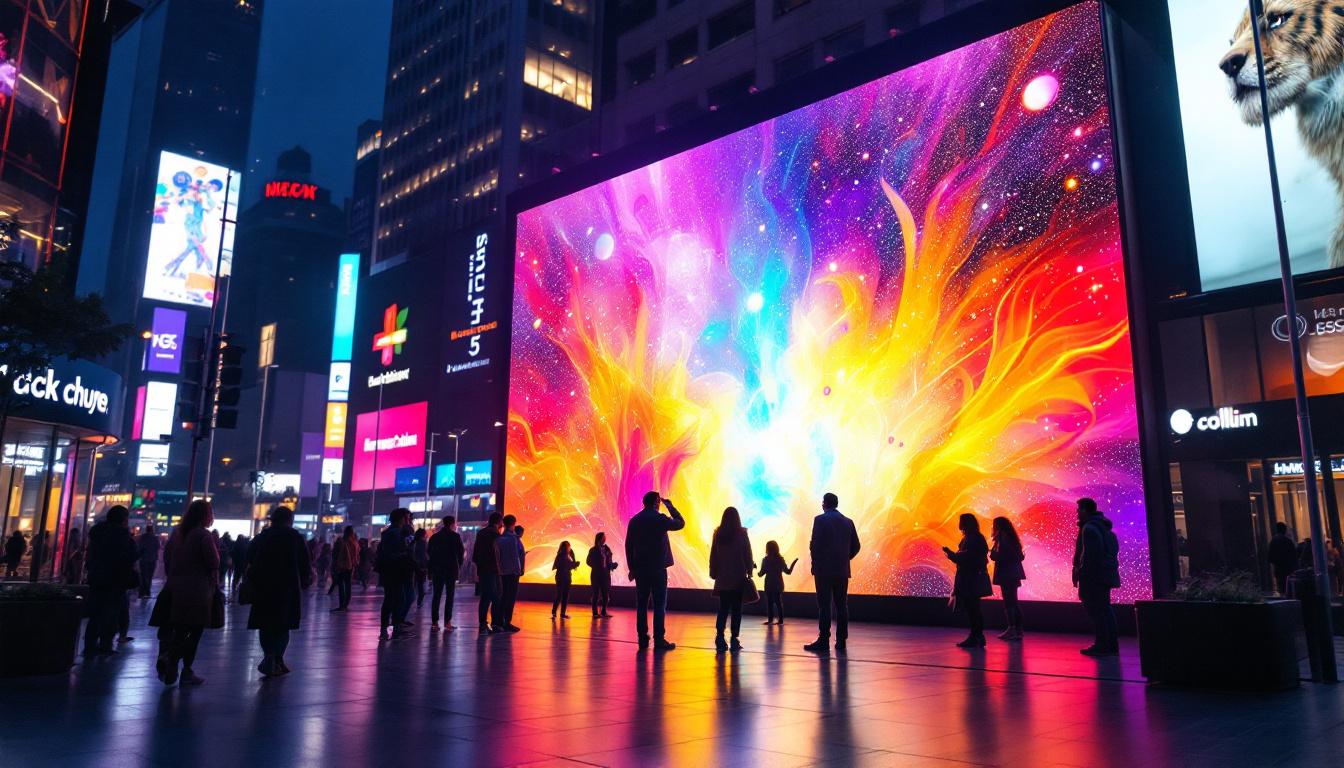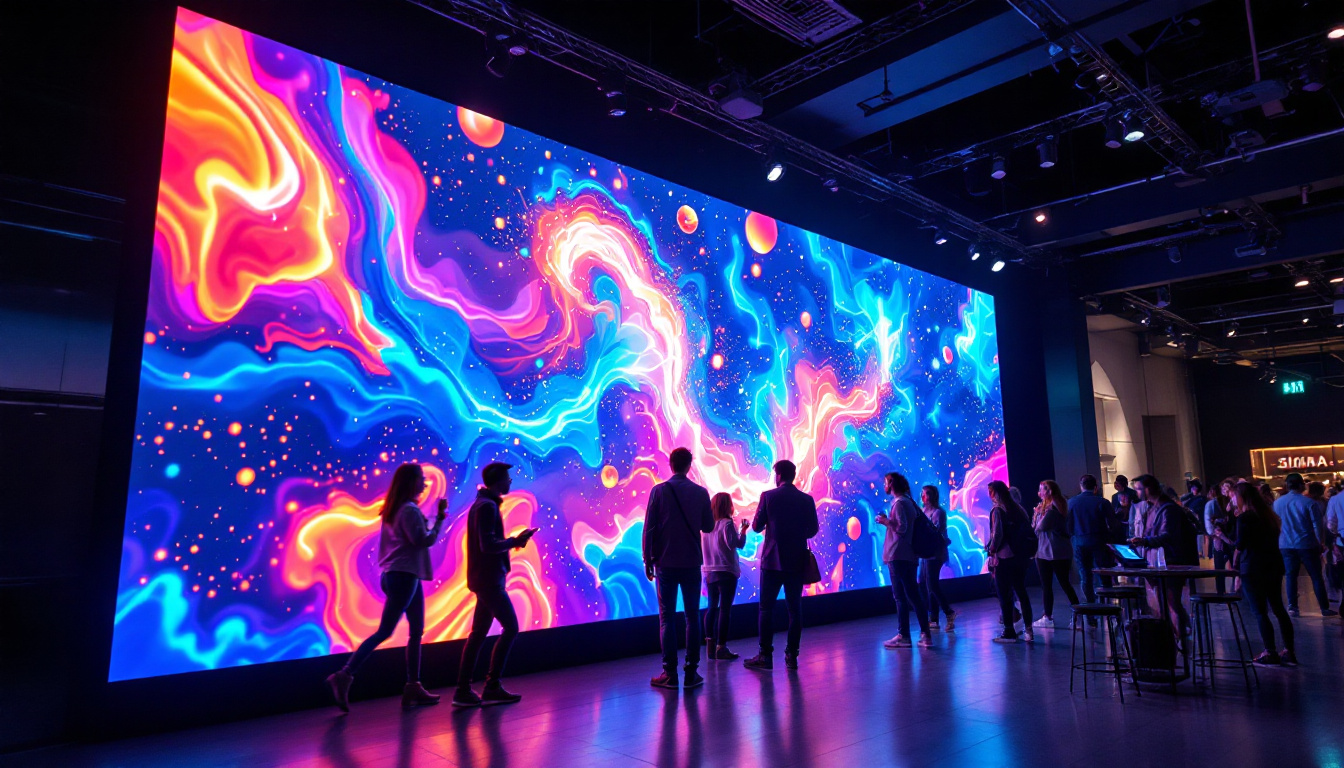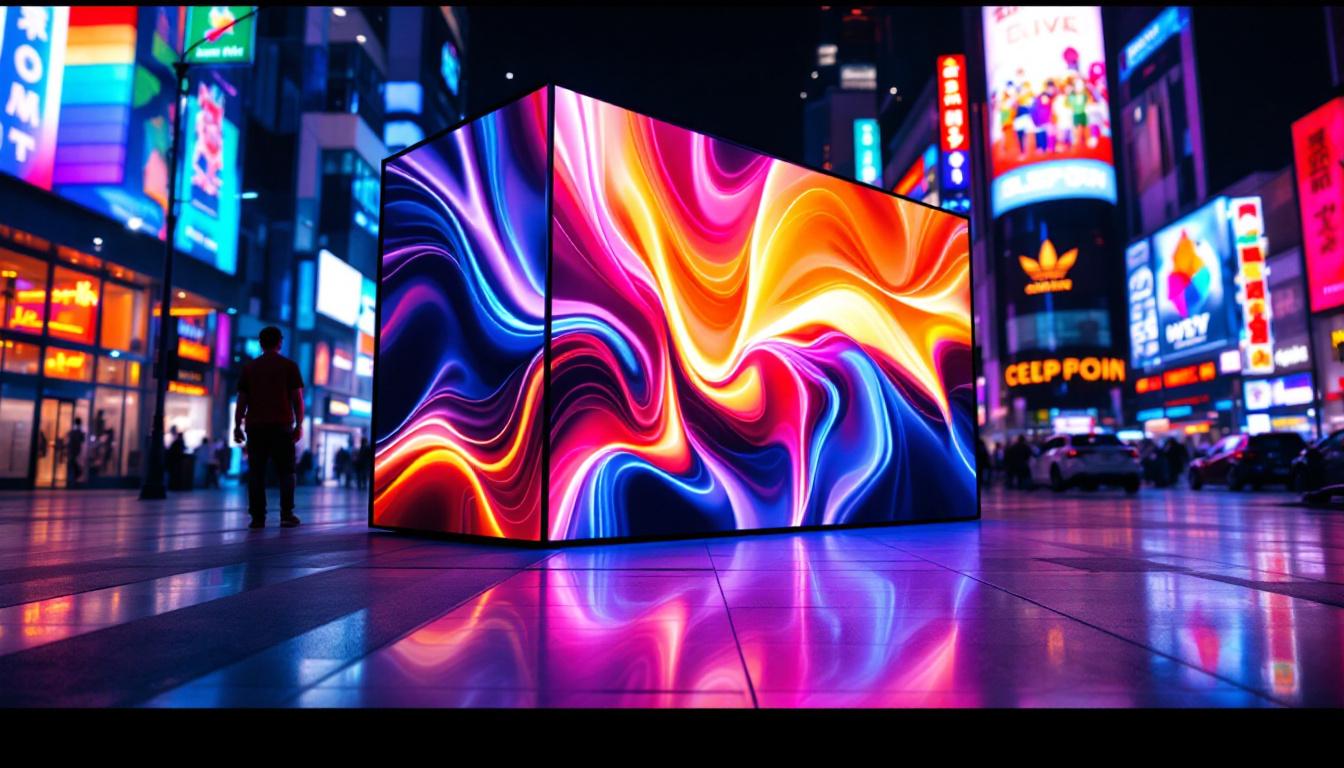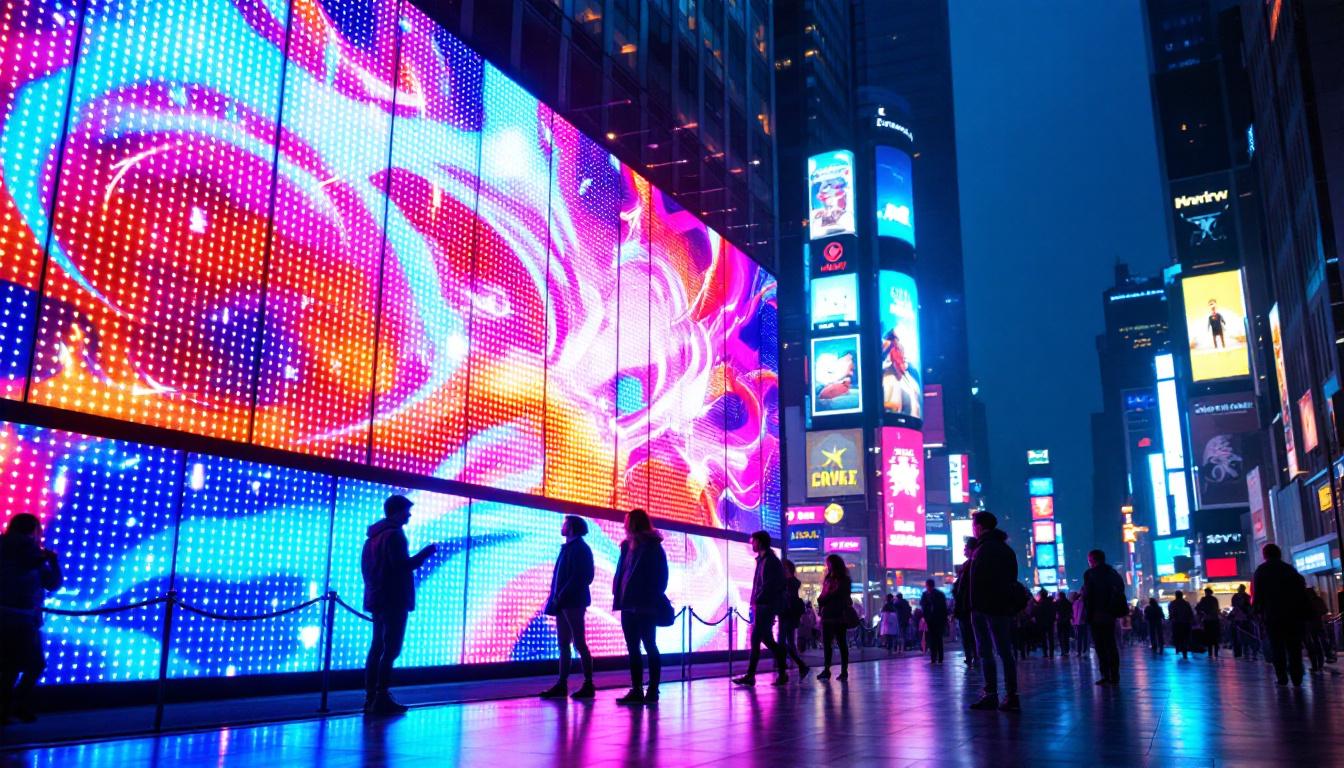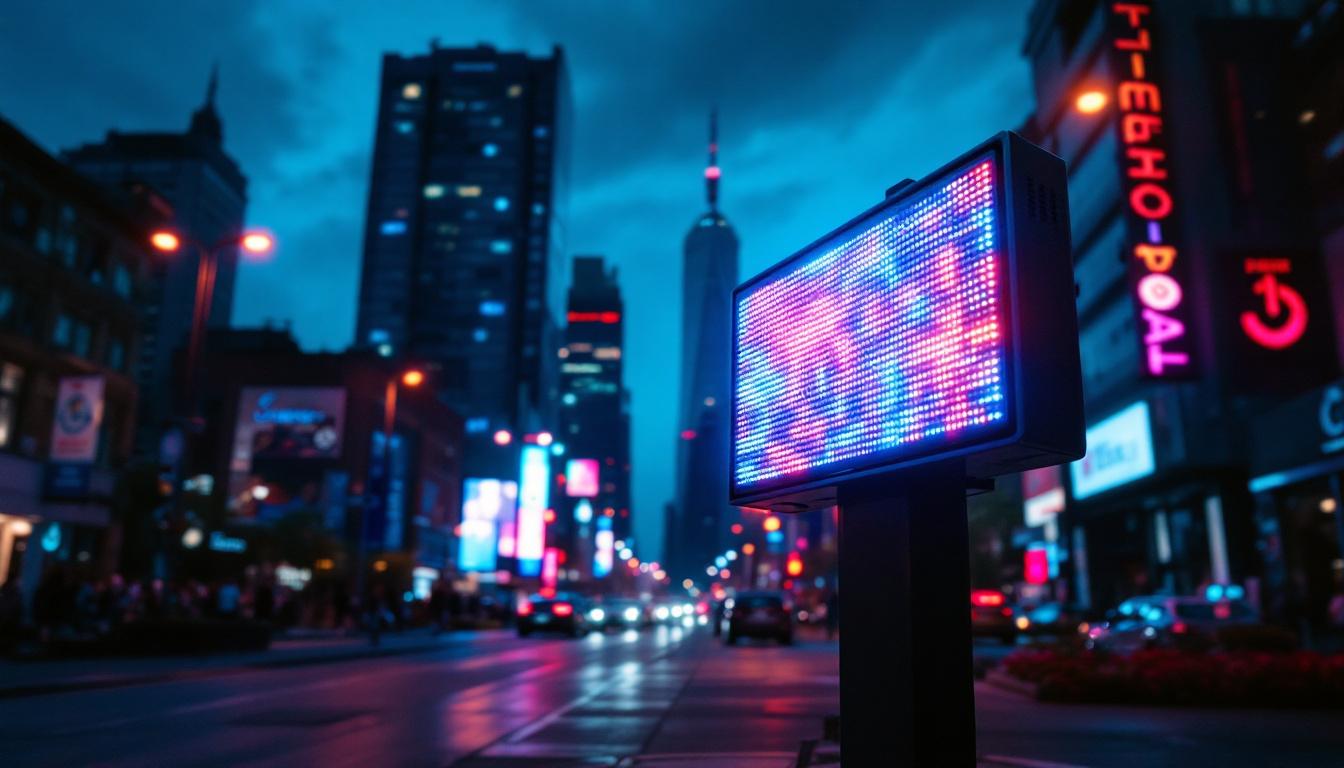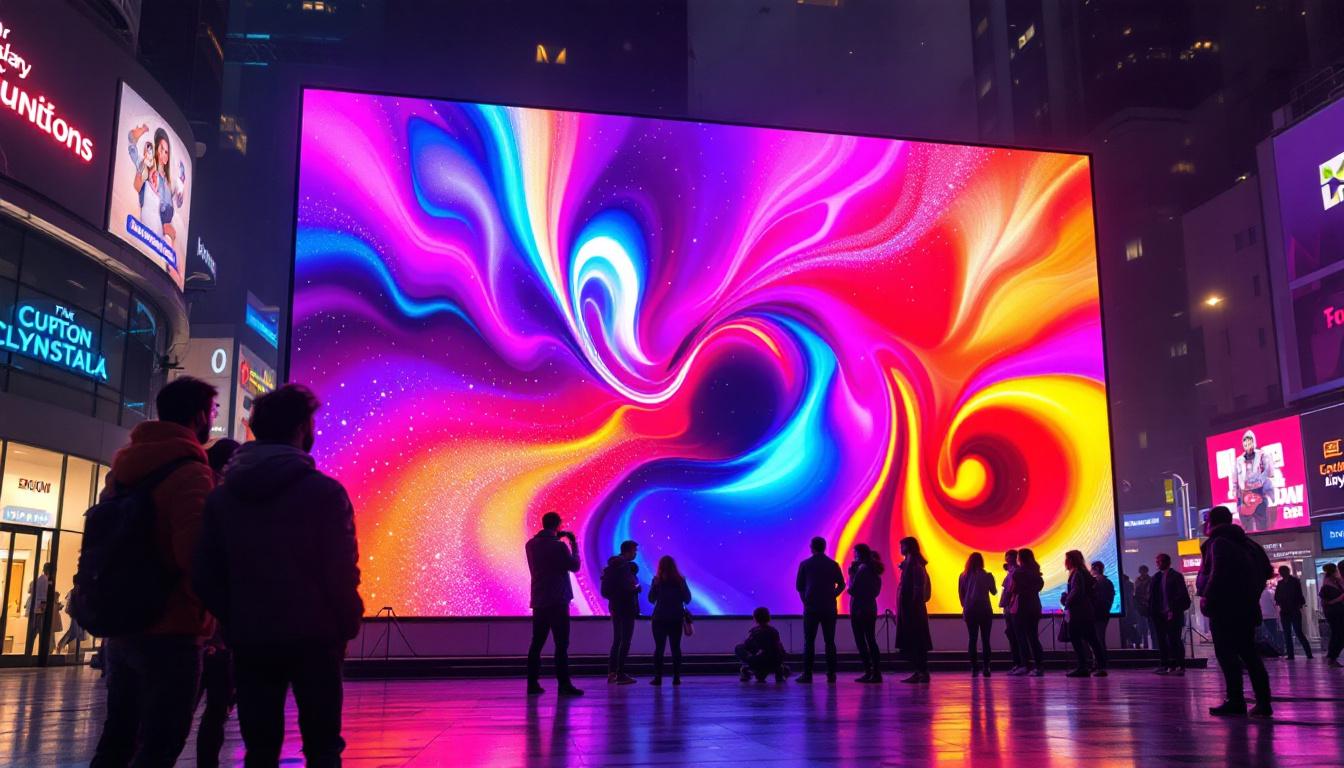
In today’s fast-paced digital world, LED display signs have become a cornerstone of visual communication. From bustling city centers to retail storefronts and transportation hubs, these vibrant, dynamic screens capture attention and convey messages with unmatched clarity and impact. But what exactly is an LED display, how does it work, and why has it become the preferred choice for businesses and advertisers worldwide? This comprehensive guide dives deep into the technology, applications, benefits, and future trends of LED display signs.
Understanding LED Display Technology
What is an LED Display?
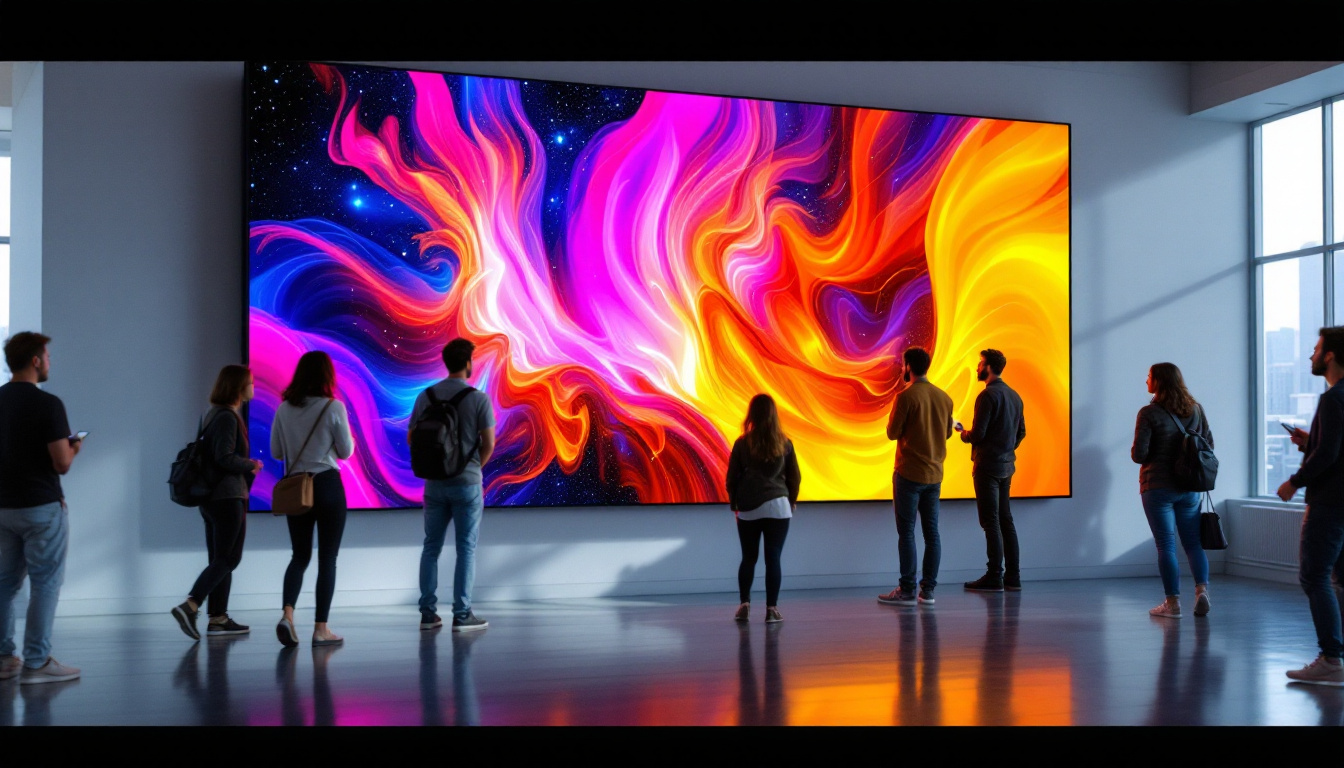
LED stands for Light Emitting Diode, a semiconductor device that emits light when an electric current passes through it. An LED display is essentially a flat panel that uses an array of these tiny LEDs to produce images, videos, and text. Unlike traditional signage that relies on static materials, LED displays can dynamically change content in real-time, making them incredibly versatile.
These displays come in various sizes and resolutions, from small indoor screens used in conference rooms to massive outdoor billboards towering over city streets. The basic principle involves controlling each LED’s brightness and color to create a composite image visible from a distance. This adaptability allows businesses to showcase promotions, announcements, or artistic visuals that can be updated instantaneously, capturing the attention of passersby in a way that static displays simply cannot.
Moreover, the energy efficiency of LED technology contributes to its growing popularity. Compared to traditional incandescent bulbs, LEDs consume significantly less power, which not only reduces operational costs but also minimizes environmental impact. As cities and businesses strive to become more sustainable, the shift towards LED displays aligns with broader initiatives aimed at reducing carbon footprints and promoting green technologies.
How Do LED Displays Work?
Each LED in a display acts as a pixel, and by combining thousands or millions of these pixels, the screen can render detailed visuals. Modern LED displays use Red, Green, and Blue (RGB) LEDs to mix colors and produce a full spectrum of hues. The intensity of each color LED is adjusted to create the desired color at each pixel. This color mixing technique is crucial for achieving high-quality images, as it allows for a broad range of shades and tones, enhancing the overall visual experience.
The display is controlled by a sophisticated processing unit that sends signals to the LEDs based on the input content. This allows for smooth video playback, animation, and real-time updates. The refresh rate, pixel pitch (distance between LEDs), and resolution determine the image quality and viewing distance. For instance, a smaller pixel pitch results in a higher resolution, making it ideal for close-up viewing, such as in retail environments where customers are likely to be just a few feet away from the screen. In contrast, larger pixel pitches are more suited for outdoor advertising, where viewers may be at a greater distance.
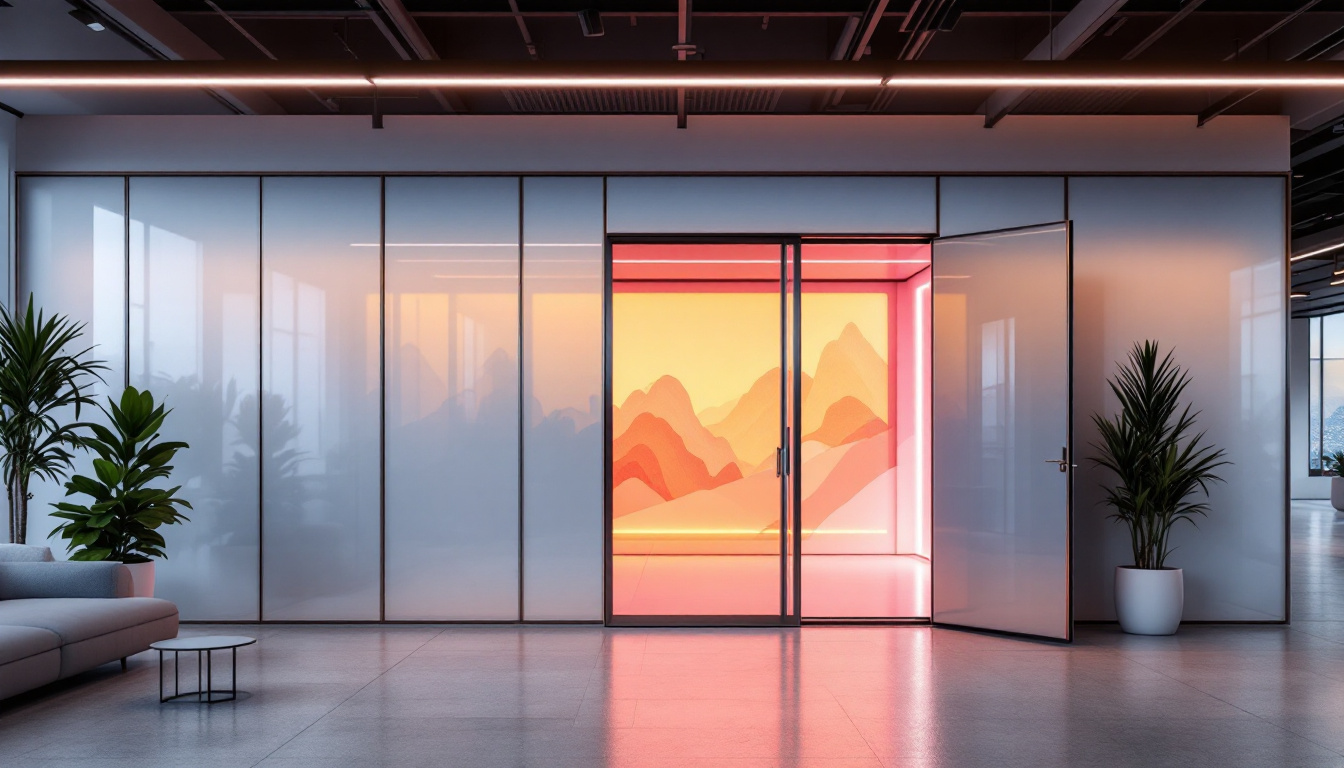
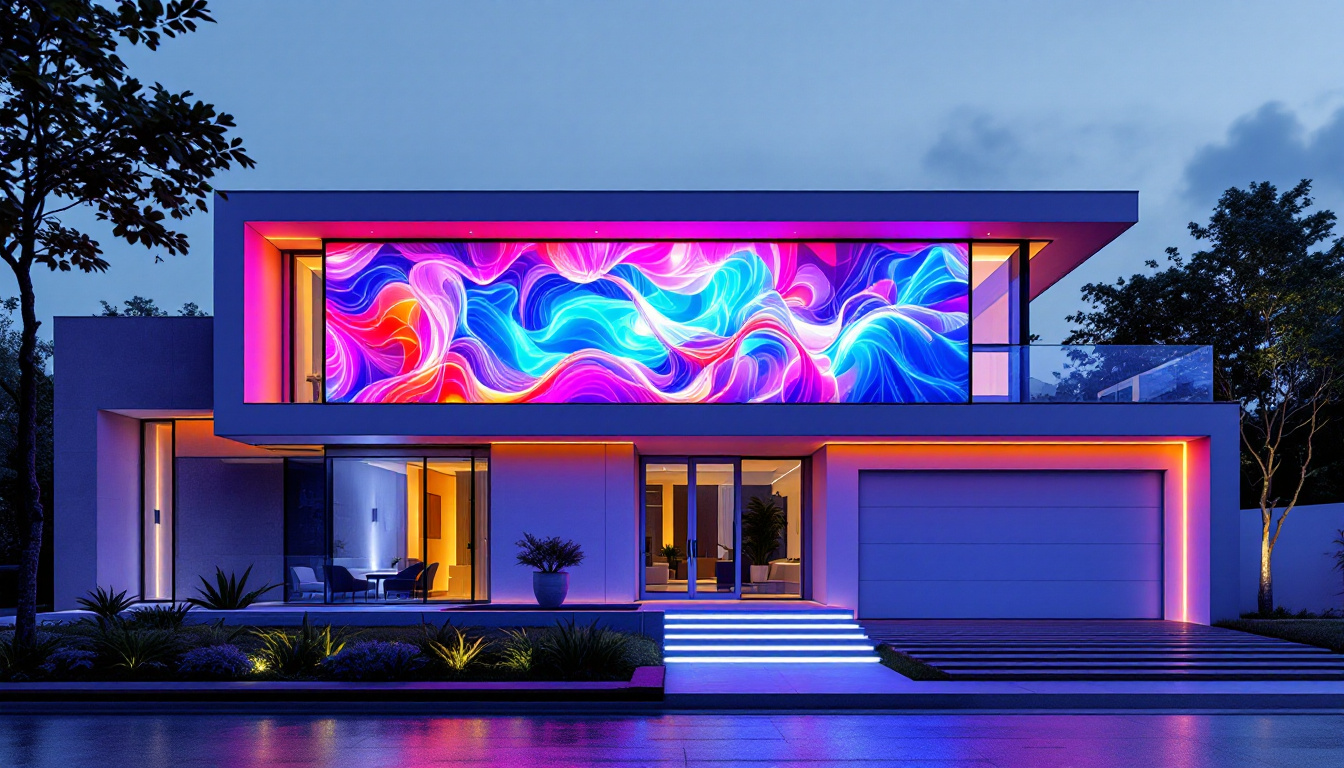
Additionally, advancements in LED technology have led to the development of flexible and transparent displays, opening up new possibilities for creative applications. These innovations allow for unique installations that can blend seamlessly into architectural designs or be used in unconventional settings, such as retail windows or art installations. As the technology continues to evolve, the potential for LED displays to transform how we communicate and interact with information is boundless, paving the way for a more visually engaging future.
Types of LED Displays and Their Applications
Indoor vs. Outdoor LED Displays
One of the primary distinctions in LED signage is whether the display is designed for indoor or outdoor use. Indoor LED displays typically have a smaller pixel pitch, meaning the LEDs are packed closer together, allowing for higher resolution and sharper images at close viewing distances. These are common in retail stores, conference halls, and sports arenas.
Outdoor LED displays, on the other hand, are built to withstand harsh weather conditions such as rain, wind, and extreme temperatures. They have a larger pixel pitch because they are meant to be viewed from greater distances, such as on billboards or stadium scoreboards. Additionally, outdoor LEDs are much brighter to combat sunlight glare, often reaching brightness levels of 5,000 to 8,000 nits or more.
Fixed vs. Rental LED Displays
Fixed LED displays are permanently installed at a location and are ideal for businesses looking for long-term signage solutions. Examples include storefront signs, digital billboards, and information boards in transportation hubs. These displays are often custom-built to fit specific dimensions and branding requirements.
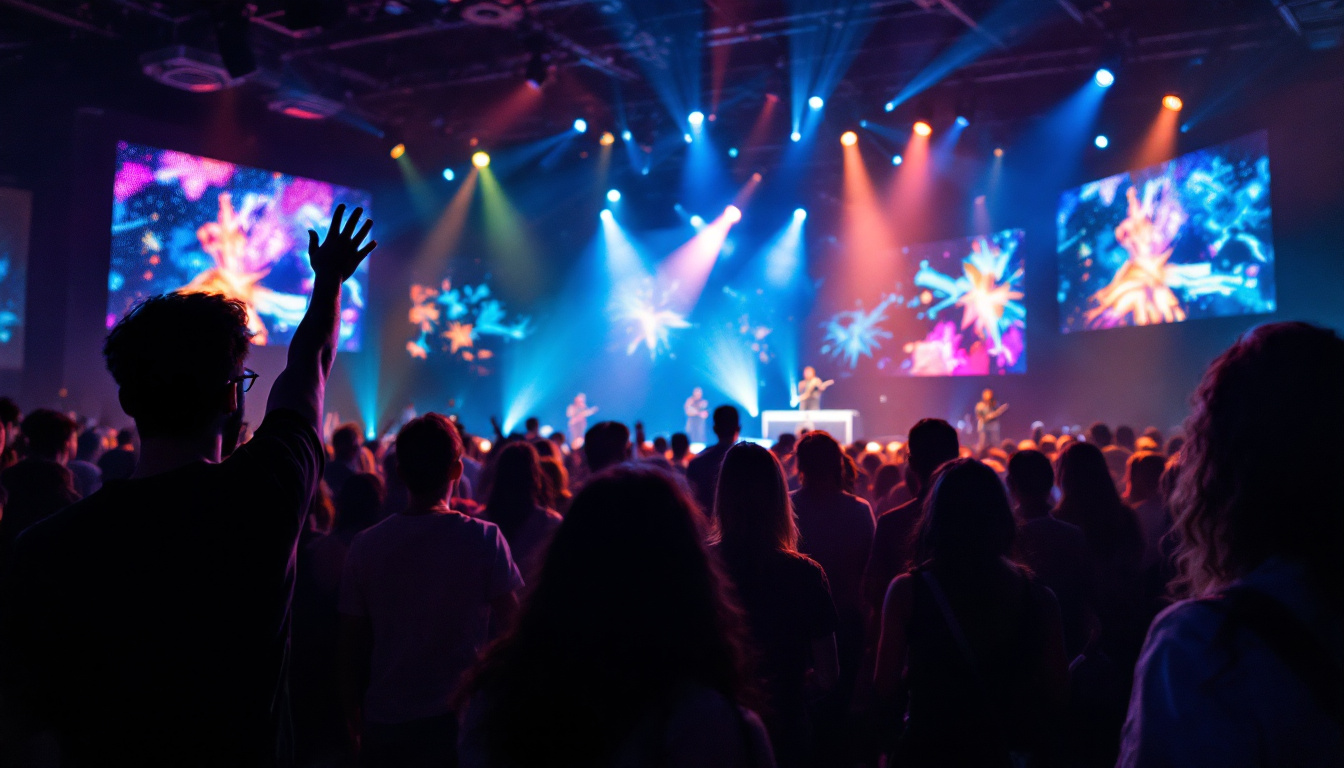
Rental LED displays, meanwhile, are portable and designed for temporary use at events such as concerts, trade shows, and sports competitions. Their modular design allows for quick assembly and disassembly, making them highly flexible for various event sizes and locations.
Specialized LED Displays
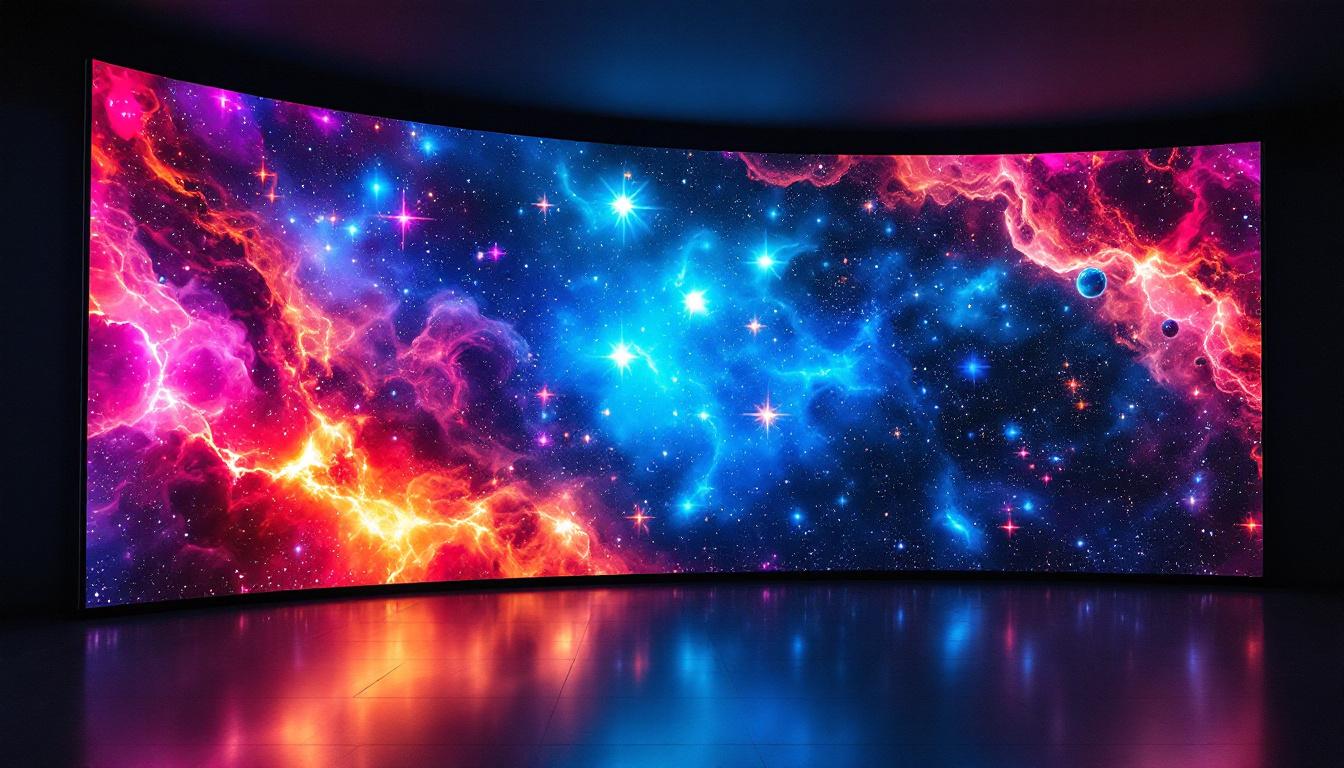
Beyond conventional flat panels, LED technology has evolved to support unique formats such as curved, transparent, and flexible LED displays. Transparent LED screens, for example, allow light to pass through, making them perfect for retail windows where visibility both inside and outside is important. Flexible LED displays can wrap around surfaces, opening creative possibilities for architectural installations and immersive advertising.
Benefits of LED Display Signs
High Visibility and Brightness
One of the most significant advantages of LED displays is their exceptional brightness. Unlike LCD or projection screens, LEDs maintain vivid visibility even under direct sunlight. This makes them ideal for outdoor advertising, where capturing attention is critical. Brightness levels can be adjusted automatically based on ambient light, ensuring optimal visibility at any time of day.
Energy Efficiency and Longevity
LEDs are renowned for their energy efficiency compared to traditional lighting and display technologies. They consume significantly less power, which translates to lower operating costs for businesses. Additionally, LED displays have a long lifespan, often rated between 50,000 to 100,000 hours, reducing the need for frequent replacements and maintenance.
Dynamic Content and Real-Time Updates
Unlike static signs, LED displays allow businesses to change their messaging instantly. This flexibility is invaluable for promotions, announcements, or emergency alerts. Content can be scheduled, animated, or interactive, providing a richer experience for viewers and increasing engagement.
Durability and Weather Resistance
Outdoor LED displays are engineered to withstand environmental challenges, including moisture, dust, and temperature fluctuations. High-quality LED signs are sealed with protective coatings and built with robust materials to ensure reliable performance over many years.
Key Considerations When Choosing an LED Display
Pixel Pitch and Resolution
Pixel pitch is a critical factor that influences image clarity and viewing distance. A smaller pixel pitch means higher resolution and better image quality at closer distances, but it also increases the cost. For example, a pixel pitch of 1.5mm is ideal for indoor displays viewed from a few feet away, while a 10mm pitch suits large outdoor billboards viewed from hundreds of feet.
Brightness and Contrast Ratio
Brightness is measured in nits, and selecting the right level depends on the display environment. Outdoor displays require higher brightness to remain visible under sunlight, whereas indoor displays can operate at lower brightness levels to reduce eye strain. Contrast ratio, the difference between the darkest black and brightest white, also affects image quality and color vibrancy.
Viewing Angle
The viewing angle determines how well the display can be seen from different positions. Wider viewing angles are essential in public spaces where audiences may be spread out. LED displays typically offer viewing angles of 120 degrees or more horizontally and vertically.
Control Systems and Connectivity
Modern LED displays support various control options including wired, wireless, and cloud-based systems. This allows for remote content management and integration with other digital platforms. Choosing a display with a user-friendly control system can simplify operation and enable timely content updates.
Popular Applications of LED Display Signs
Advertising and Marketing
LED billboards and signage dominate the outdoor advertising landscape due to their ability to display eye-catching, dynamic content. Retailers use LED signs to showcase promotions, new products, and brand messages, driving foot traffic and sales. According to recent market research, digital out-of-home advertising, which includes LED displays, is expected to grow at a compound annual growth rate (CAGR) of over 10% through 2027, reflecting its increasing importance.
Transportation and Public Information
Airports, train stations, and bus terminals rely on LED displays to provide travelers with real-time schedules, alerts, and wayfinding information. The clarity and brightness of LED screens ensure that critical information is accessible even in crowded or dimly lit environments.
Sports and Entertainment Venues
LED displays are integral to modern stadiums and arenas, delivering live game scores, replays, advertisements, and interactive fan experiences. Their ability to cover large surfaces and produce vibrant visuals enhances the atmosphere and engagement during events.
Corporate and Educational Settings
Businesses and educational institutions use LED displays for presentations, digital signage, and event broadcasting. The technology supports collaboration and communication, making meetings and lectures more effective and engaging.
The Future of LED Display Technology
Advancements in MicroLED and MiniLED
Emerging technologies like MicroLED and MiniLED are pushing the boundaries of LED displays. MicroLED offers even smaller pixel sizes and higher brightness with lower power consumption, promising superior image quality. MiniLED backlighting enhances LCD displays by improving contrast and brightness, bridging the gap between traditional LCD and LED technologies.
Integration with IoT and AI
Smart LED displays integrated with Internet of Things (IoT) devices and artificial intelligence (AI) are enabling personalized and context-aware content delivery. For example, facial recognition and environmental sensors can adjust messaging based on the audience or weather conditions, maximizing relevance and impact.
Sustainability and Eco-Friendly Innovations
As environmental concerns grow, manufacturers are focusing on sustainable LED display solutions. This includes using recyclable materials, reducing energy consumption, and designing displays for easier maintenance and longer lifespans. These efforts align with global trends toward greener technology adoption.
Conclusion
LED display signs have revolutionized the way businesses and organizations communicate visually. Their combination of brightness, flexibility, durability, and energy efficiency makes them an indispensable tool across numerous industries. Understanding the technology behind LED displays, their various types, and key selection criteria empowers decision-makers to choose the right solution for their needs.
As LED technology continues to advance, the future promises even more innovative and immersive display experiences. Whether for advertising, public information, entertainment, or corporate communication, LED displays will remain at the forefront of digital signage, illuminating messages that captivate and inform audiences worldwide.
Discover Cutting-Edge LED Display Solutions with LumenMatrix
Ready to elevate your visual communication strategy with the latest in LED display technology? LumenMatrix is at the forefront of innovation, offering a diverse range of LED display modules designed to captivate and engage your audience. From Indoor and Outdoor LED Wall Displays to specialized solutions like Vehicle LED Displays, LED Posters, and Transparent LED Displays, we have the tools to revolutionize your brand’s presence. Experience the future of digital signage with LumenMatrix and let us help you create unforgettable visual experiences. Check out LumenMatrix LED Display Solutions today and see your message shine like never before.