In recent years, the use of LED displays in church environments has grown exponentially, transforming how congregations engage with worship services. From projecting lyrics and sermon notes to live video feeds and multimedia presentations, LED screens have become an indispensable tool for modern churches. This article explores the technology behind church LED screens, their benefits, installation considerations, and how they can enhance the overall worship experience.
Understanding LED Display Technology
LED, or Light Emitting Diode, displays consist of numerous tiny light sources that emit light when an electric current passes through them. Unlike traditional projection systems, LED screens produce their own light, resulting in brighter images and higher contrast ratios. This fundamental difference makes LED displays particularly well-suited for environments with varying lighting conditions, such as churches.
How LED Displays Work
Each LED pixel is made up of red, green, and blue diodes that combine to create a full spectrum of colors. By controlling the intensity of each diode, the screen can display millions of colors with remarkable precision. The pixels are arranged in a grid, and the density of these pixels—measured in pixel pitch—determines the screen’s resolution and image clarity.
Pixel pitch is critical in church settings because it affects how close viewers can be to the screen without noticing individual pixels. For example, a pixel pitch of 2.5mm or less is ideal for indoor church screens where the audience is close to the display, ensuring crisp and clear visuals.
Types of LED Displays Suitable for Churches
There are two primary types of LED displays used in churches: indoor and outdoor LED screens. Indoor LED screens are designed for environments with controlled lighting and typically have a smaller pixel pitch for higher resolution. Outdoor LED screens, on the other hand, are built to withstand weather conditions and have higher brightness levels to combat sunlight glare.
Most churches opt for indoor LED panels installed in the sanctuary or fellowship hall. These panels can be configured as a single large screen or multiple screens arranged in creative layouts to fit architectural constraints and aesthetic preferences.
Benefits of LED Screens in Church Settings
LED screens offer numerous advantages over traditional projection systems and static displays, making them a popular choice for churches of all sizes.
Enhanced Visibility and Engagement
One of the most significant benefits of LED displays is their superior brightness and clarity. Unlike projectors that can struggle in well-lit rooms, LED screens maintain vibrant colors and sharp images regardless of ambient light. This ensures that song lyrics, sermon points, and multimedia content are easily readable from anywhere in the sanctuary.
Improved visibility directly contributes to higher congregational engagement. When attendees can clearly see and follow along with the service, they are more likely to participate actively, enhancing the communal worship experience.
Durability and Longevity
LED screens are known for their durability and long lifespan. High-quality LED panels can last upwards of 100,000 hours, significantly outlasting traditional projection bulbs, which typically require replacement every 2,000 to 4,000 hours. This longevity reduces maintenance costs and downtime, making LED displays a cost-effective investment for churches.
Versatility and Customization
LED displays are highly versatile and can be customized to fit the unique needs of a church. Whether it’s a large video wall behind the altar, side screens for overflow rooms, or portable LED panels for outdoor events, the flexibility of LED technology allows churches to tailor their visual presentation to their specific worship style and space.
Additionally, LED screens support a wide range of multimedia content, including live video, animations, scripture verses, announcements, and even interactive elements. This versatility helps churches create dynamic services that resonate with diverse congregations.
Key Considerations When Choosing a Church LED Screen
Selecting the right LED display for a church involves more than just picking the biggest or brightest screen. Several factors must be considered to ensure the display meets the church’s needs and budget.
Screen Size and Viewing Distance
The size of the LED screen should be proportional to the sanctuary’s dimensions and the typical viewing distance of the congregation. A general rule of thumb is that the screen height should be approximately 1/6 to 1/8 of the distance from the screen to the farthest viewer. For example, if the farthest seat is 60 feet away, the screen should be around 7.5 to 10 feet tall.
Proper sizing ensures that text and images are legible without straining the eyes, promoting inclusivity for attendees of all ages and visual abilities.
Resolution and Pixel Pitch
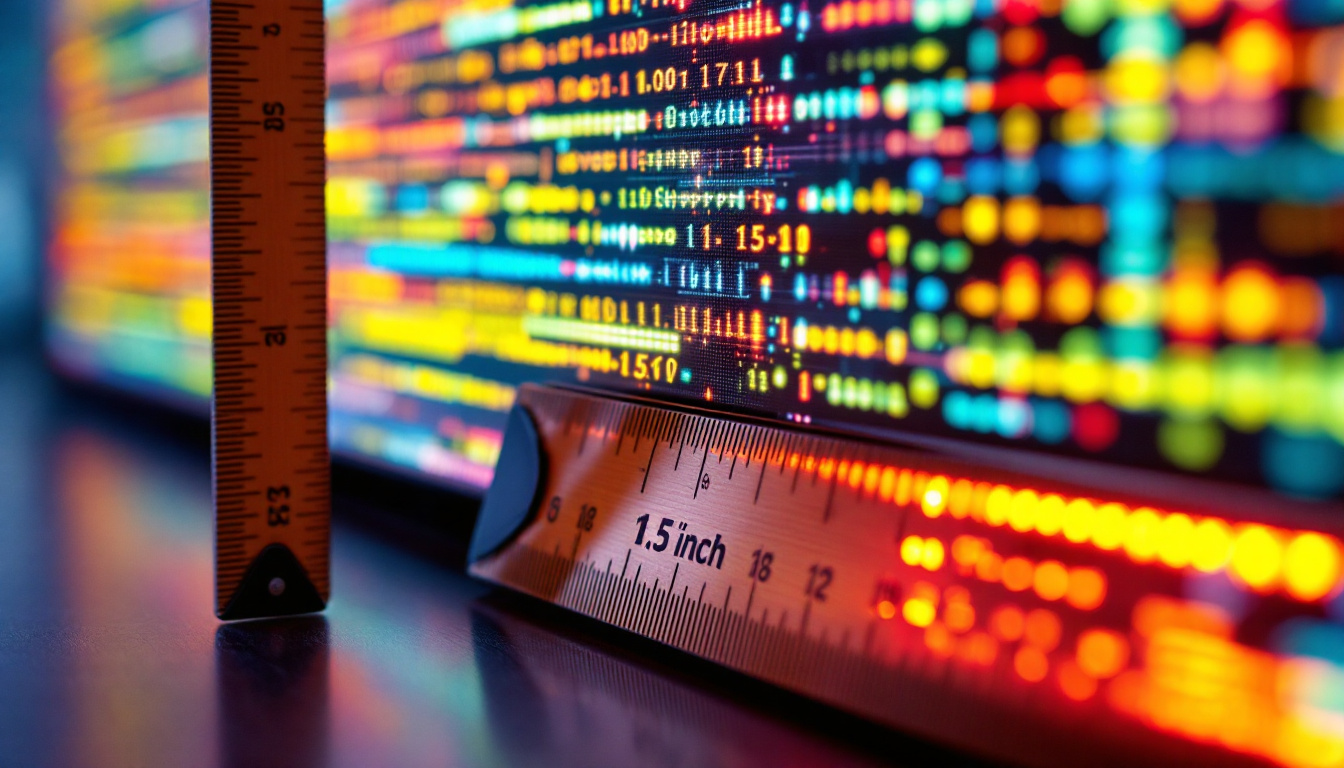
Resolution is directly related to pixel pitch, which is the distance between the centers of two adjacent pixels. A smaller pixel pitch means higher resolution and clearer images, especially important for close viewing distances. For indoor church displays, pixel pitches between 1.5mm and 4mm are common. Churches with smaller sanctuaries or closer seating arrangements benefit from the finer resolution of smaller pixel pitches.
Brightness and Ambient Lighting
Brightness is measured in nits (cd/m²), and the required brightness depends on the lighting conditions of the church. Indoor LED screens typically range from 800 to 1,500 nits, sufficient for most sanctuary environments. However, if the church has large windows or bright lighting, higher brightness levels may be necessary to maintain image clarity.
Installation and Maintenance
LED screen installation requires careful planning, including structural support, electrical requirements, and cable management. Many churches work with professional AV integrators experienced in church environments to ensure seamless installation and integration with existing audio-visual systems.
Maintenance considerations include ease of access for repairs, availability of replacement parts, and software updates. Modular LED panels that can be individually replaced are preferred for minimizing downtime and repair costs.
Integrating LED Screens into Church Worship
Beyond the technical specifications, the true value of LED screens lies in how they are integrated into worship services to enhance communication and community connection.
Displaying Worship Lyrics and Scripture
One of the most common uses of church LED screens is to display song lyrics and scripture verses. This practice helps congregants participate fully in worship without the distraction of handling physical hymnals or Bibles. It also allows for spontaneous worship moments where lyrics or verses can be projected in real-time.
Multimedia Sermon Presentations
Modern sermons often incorporate multimedia elements such as slideshows, videos, and graphics to illustrate key points. LED screens provide a vibrant platform for these presentations, making sermons more engaging and memorable. Pastors can use visuals to reinforce messages, share testimonies, or provide context that deepens understanding.
Live Video and Event Coverage
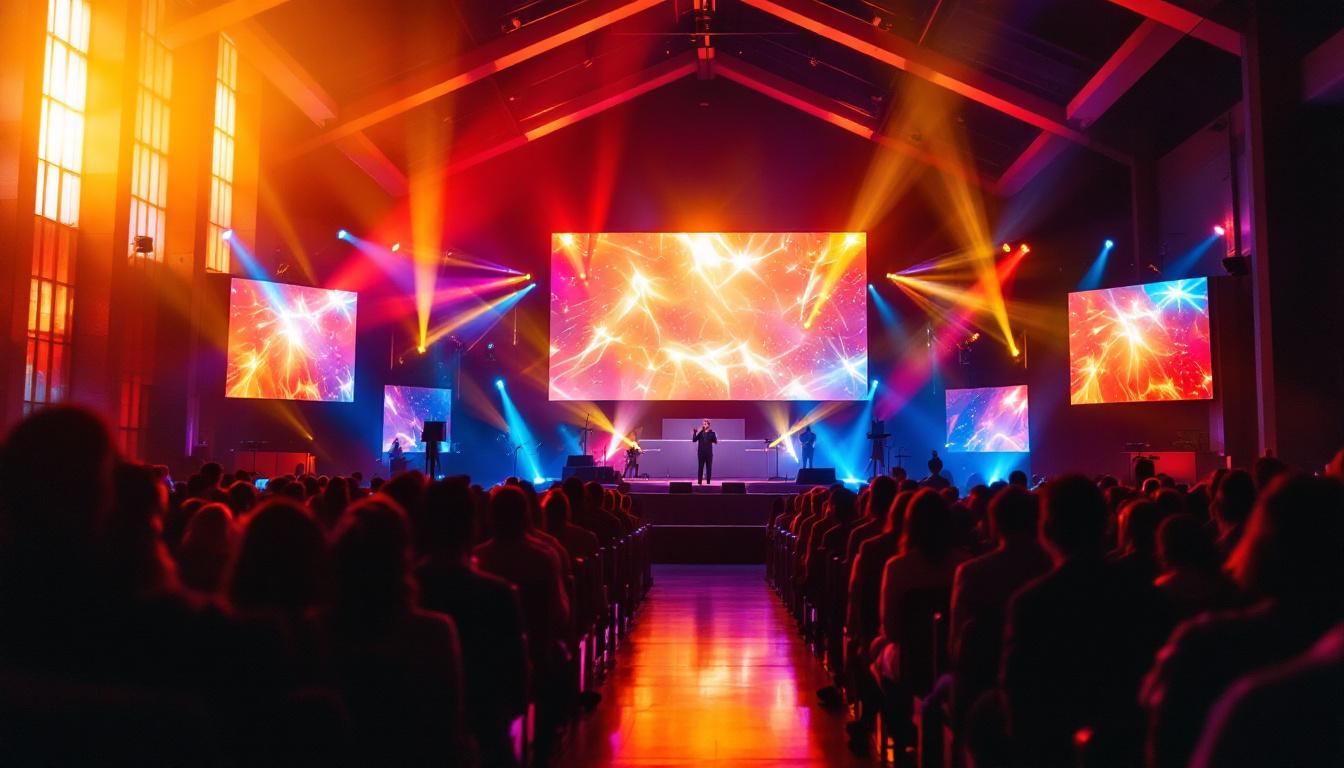
LED screens can also be used to broadcast live video feeds of the service, especially in larger churches where some attendees may be seated far from the stage. This ensures that everyone has a clear view of the speaker and worship team, fostering a sense of intimacy despite the size of the congregation.
Additionally, LED screens are invaluable during special events such as weddings, baptisms, or conferences, where dynamic visual content enhances the overall experience.
Cost Considerations and Budgeting
While LED screens offer many advantages, they represent a significant investment. Understanding the cost factors involved can help churches plan effectively.
Initial Purchase and Installation Costs
The price of LED screens varies widely based on size, resolution, and brand. For example, a high-quality indoor LED display with a 2.5mm pixel pitch and 10-foot diagonal size can range from $20,000 to $50,000 or more, including installation. Larger or more complex video walls will increase costs accordingly.
Installation costs can include structural modifications, electrical work, and integration with existing AV equipment, which should be factored into the budget.
Ongoing Maintenance and Operation
Maintenance costs for LED screens are generally lower than for projectors, but churches should budget for occasional repairs, software updates, and cleaning. Energy consumption is another consideration; however, LED technology is energy-efficient compared to other display types.
Funding and Financing Options
Many churches fund LED screen projects through capital campaigns, donations, or grants. Some vendors offer financing plans or leasing options to spread costs over time. Careful financial planning ensures that the investment aligns with the church’s long-term vision and resources.
Future Trends in Church LED Displays
The technology behind LED displays continues to evolve, offering exciting possibilities for churches looking to stay at the forefront of worship technology.
Higher Resolution and Mini-LED Technology
Emerging mini-LED and micro-LED technologies promise even higher resolution and improved color accuracy. These advancements will allow for more immersive and visually stunning worship experiences, particularly in smaller sanctuaries where screen proximity is close.
Interactive and Touch-Enabled Screens
Interactive LED screens are becoming more accessible, enabling congregants to engage directly with content during services or events. This could include interactive Bible studies, voting on community issues, or engaging with sermon materials in real-time.
Integration with Streaming and Remote Worship
As hybrid and online worship models become more prevalent, LED screens will play a vital role in bridging in-person and remote experiences. Integration with live streaming platforms and remote control capabilities will allow worship leaders to manage content seamlessly across multiple venues.
Conclusion
LED displays have revolutionized the way churches communicate and engage with their congregations. Their brightness, clarity, and versatility make them ideal for enhancing worship services, from displaying lyrics and scriptures to delivering dynamic multimedia sermons. While the initial investment can be substantial, the long-term benefits in engagement, durability, and flexibility make LED screens a valuable asset for churches seeking to enrich their worship environment.
By carefully considering factors such as screen size, resolution, brightness, and installation logistics, churches can select the right LED display solution that meets their unique needs and budget. As technology advances, LED screens will continue to open new possibilities for interactive and immersive worship experiences, helping churches connect more deeply with their communities.
Discover LumenMatrix LED Solutions for Your Church
Ready to elevate your worship experience with cutting-edge LED technology? LumenMatrix specializes in a wide array of LED display solutions tailored to meet the unique needs of your church. From indoor and outdoor LED walls to custom configurations that fit your space perfectly, our displays are designed to engage your congregation with vibrant visuals and seamless integration. Check out LumenMatrix LED Display Solutions today and witness how we can transform your worship services into immersive, dynamic events that resonate with every attendee.