In today’s fast-paced advertising landscape, outdoor digital billboards have emerged as a powerful medium for brands to capture attention and engage audiences. These vibrant LED displays offer dynamic content capabilities that traditional billboards simply cannot match. However, understanding the cost structure of outdoor digital billboards—especially LED displays—can be complex. This article breaks down the key factors influencing cost, explores the technology behind LED billboards, and offers insights to help businesses make informed decisions about investing in this impactful advertising tool.
Understanding Outdoor Digital Billboards and LED Technology
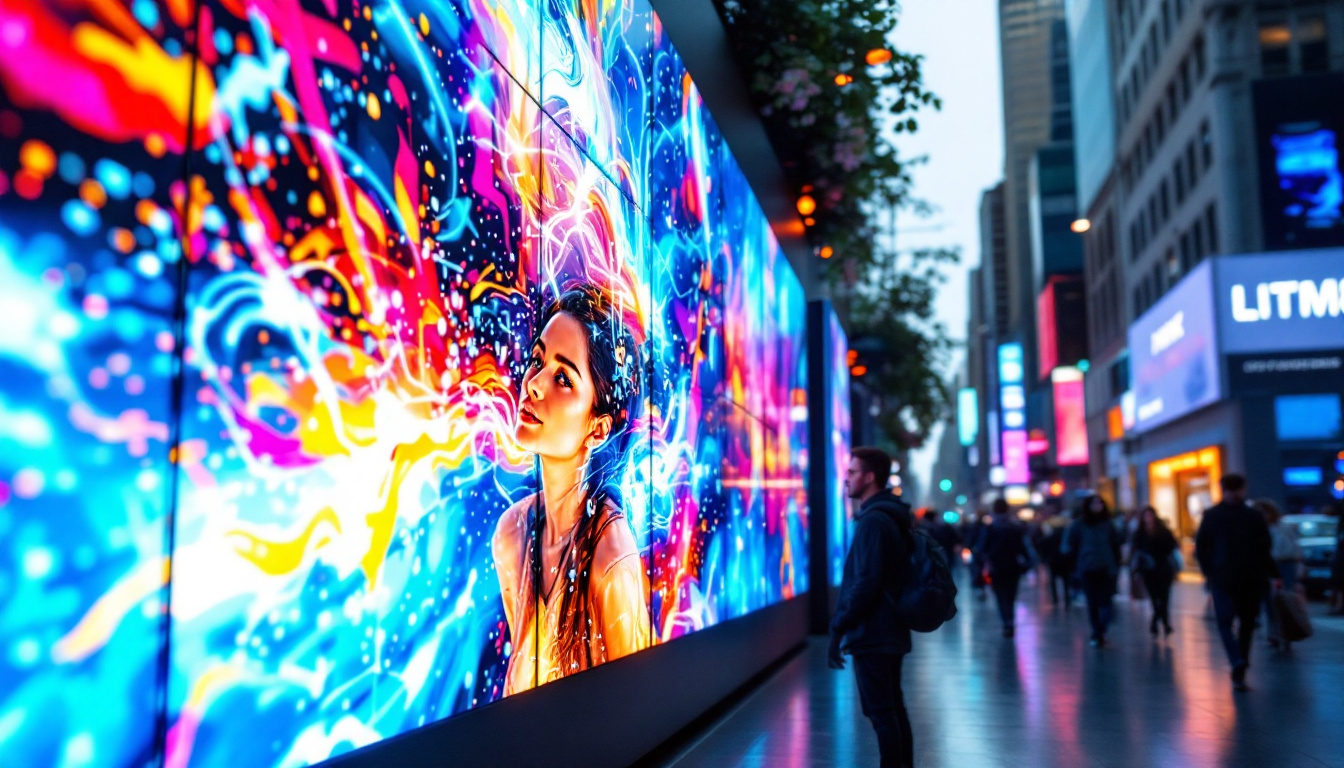
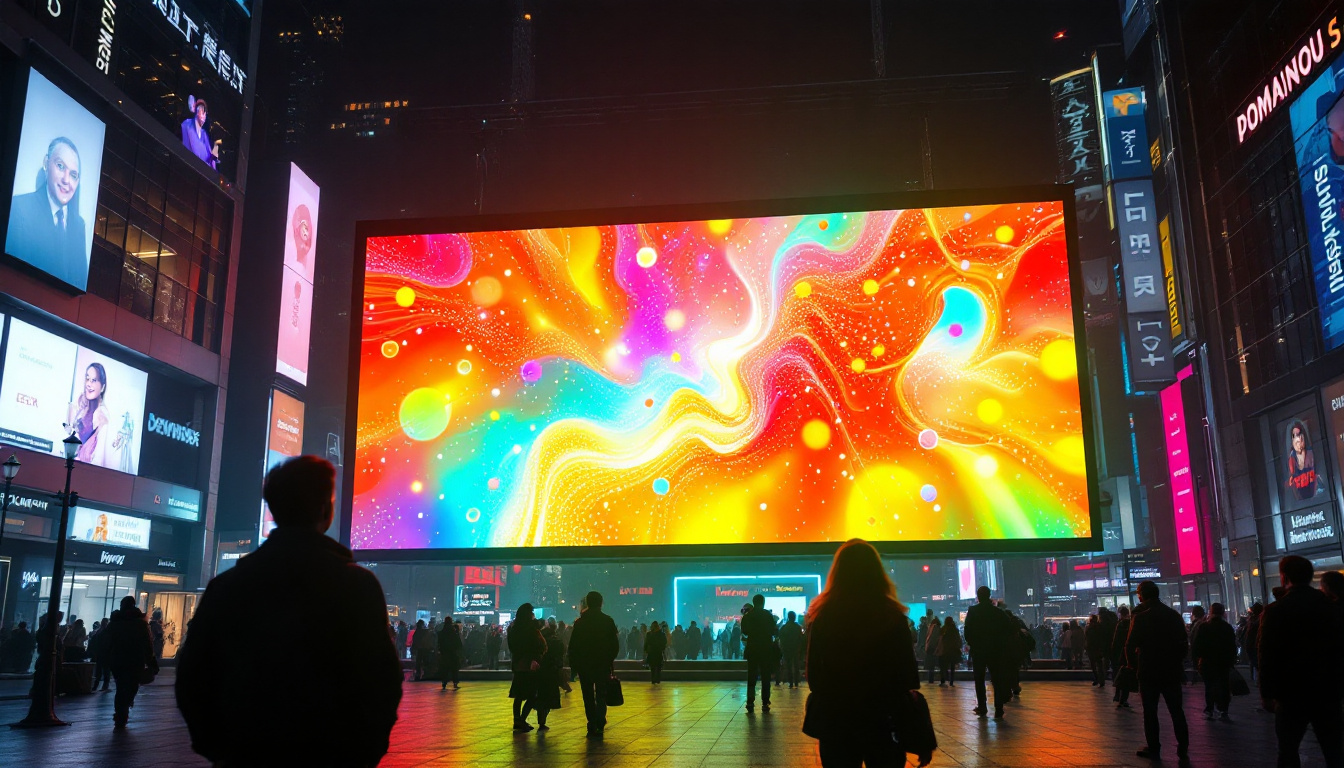
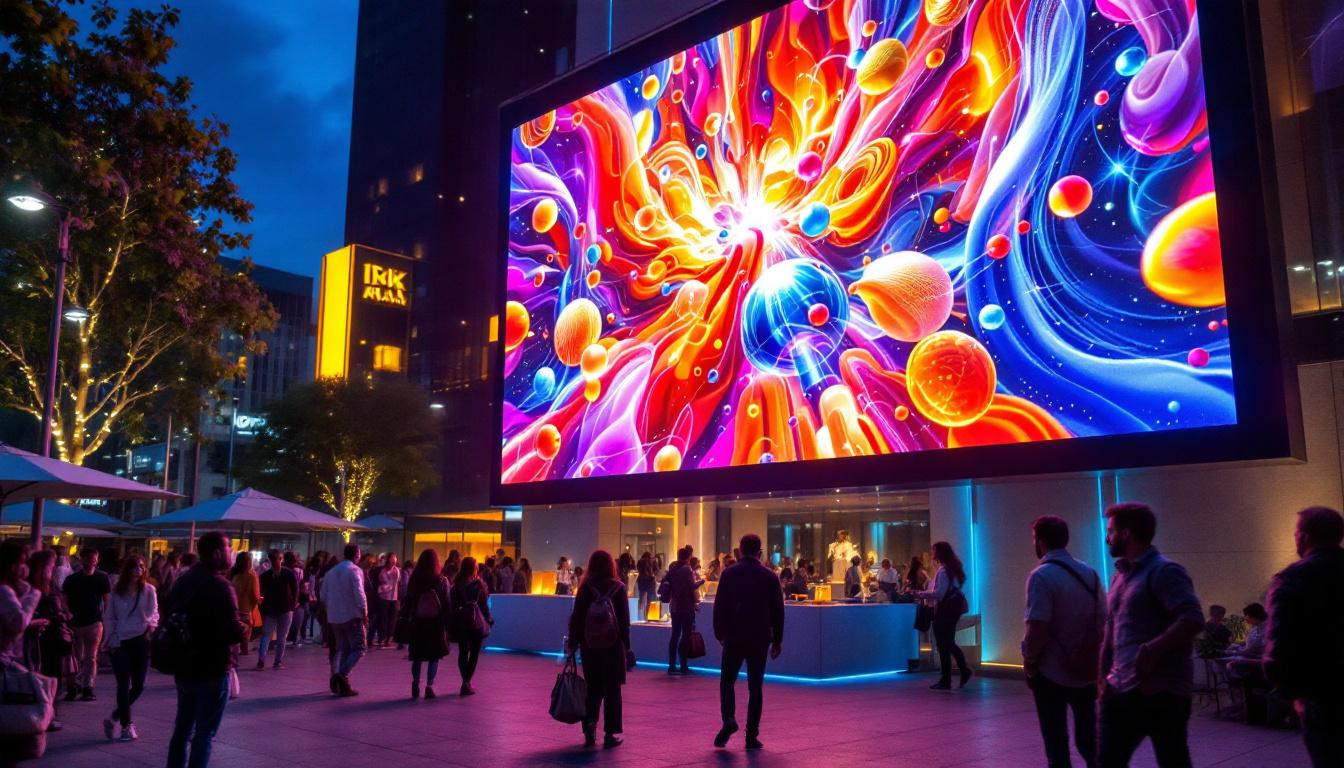
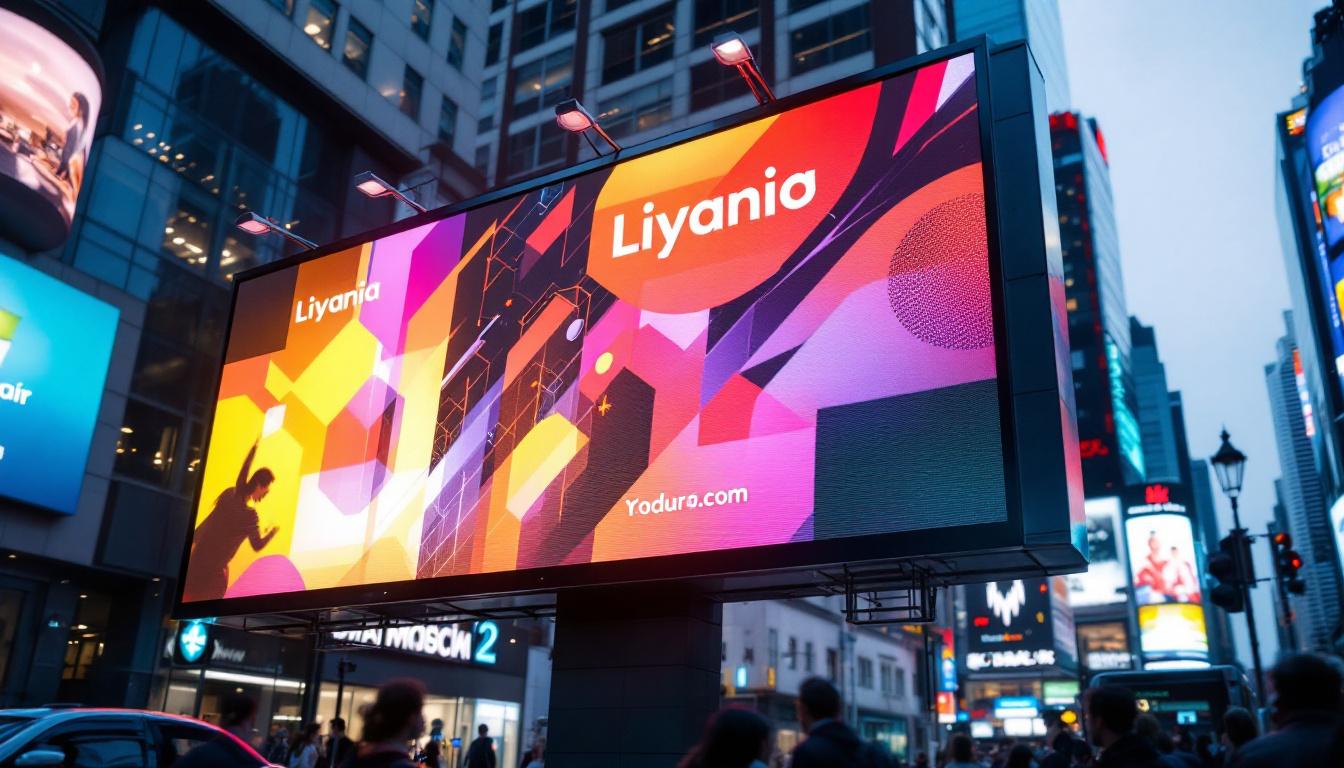
Outdoor digital billboards use LED (Light Emitting Diode) technology to display bright, colorful images and videos. Unlike static billboards, digital billboards can rotate multiple advertisements, update content in real time, and incorporate animations or interactive elements. This flexibility makes them highly effective for advertisers aiming to reach diverse audiences with timely messages. The ability to change advertisements based on time of day, weather conditions, or even local events allows businesses to tailor their marketing strategies dynamically, ensuring that their messages resonate with viewers at the right moment.
The core of an LED billboard is its pixel pitch—the distance between individual LEDs. A smaller pixel pitch means higher resolution and sharper images, but it also increases the cost. For outdoor applications, pixel pitches typically range from 10mm to 20mm, balancing visibility from a distance with cost efficiency. Advertisers often consider the location of the billboard when choosing pixel pitch; for instance, a billboard situated close to a busy urban intersection may benefit from a smaller pixel pitch to ensure clarity for drivers and pedestrians alike.
How LED Displays Work
LED displays consist of thousands of tiny diodes arranged in a grid. Each diode emits light in red, green, or blue, and by varying the intensity of these colors, the display can produce a full spectrum of colors. This technology allows for vivid, eye-catching visuals that remain clear even in direct sunlight. The advanced technology behind these displays also includes sophisticated software that manages the content, ensuring that transitions between advertisements are smooth and visually appealing. This capability enhances viewer engagement, as the dynamic nature of the content can capture attention more effectively than traditional static displays.
Moreover, LED billboards are designed to withstand harsh weather conditions, making them durable and reliable for outdoor use. Their energy efficiency and long lifespan also contribute to their growing popularity in the advertising industry. Many modern LED billboards are equipped with sensors that adjust brightness based on ambient light, further optimizing energy consumption and ensuring that the visuals remain striking at all times. Additionally, some billboards now integrate smart technology, allowing for real-time analytics on viewer engagement and impressions, which can provide valuable insights for advertisers looking to refine their campaigns.
Factors Influencing the Cost of Outdoor LED Billboards
Understanding what drives the cost of an outdoor digital billboard is essential for advertisers and businesses planning to invest in this medium. Several factors come into play, from the size and resolution of the display to installation and ongoing maintenance expenses.
Size and Resolution
The most significant cost driver is the physical size of the billboard. Larger displays require more LED modules, increasing both material and manufacturing costs. For example, a 10×20-foot billboard will cost substantially less than a 20×40-foot display.
Resolution, determined by pixel pitch, also affects cost. Higher resolution means more LEDs per square foot, which enhances image quality but raises the price. Advertisers targeting viewers at close range might opt for finer resolution, while those focusing on highway traffic may prioritize size over pixel density. Moreover, the choice of resolution can influence the type of content displayed; high-resolution billboards are ideal for intricate graphics and videos, while lower resolutions may suffice for simple text messages or basic imagery.
Location and Installation
Where the billboard is installed greatly impacts cost. Urban areas with high traffic and visibility typically command higher rental fees for billboard space. Additionally, installation complexity varies depending on site conditions, such as the need for structural supports, electrical hookups, and permits.
For instance, installing a billboard on a rooftop in a busy city center may require specialized equipment and adherence to strict regulations, increasing both time and expense. Conversely, roadside billboards in less congested areas might be simpler and more affordable to install. Furthermore, local zoning laws can influence the feasibility of billboard placement, with some municipalities imposing restrictions on digital displays to minimize light pollution or visual clutter, thus affecting overall costs.
Content Management and Software
Digital billboards require software to schedule and manage content. Many providers offer cloud-based platforms that allow advertisers to update messages remotely and in real time. Subscription fees for these services can range from a few hundred to several thousand dollars annually, depending on features and support levels.
Advanced content management systems may include analytics tools, audience targeting capabilities, and integration with mobile devices, adding value but also increasing cost. Businesses should assess their content strategy needs to choose the right software package. Additionally, the ability to run multiple campaigns simultaneously and track their performance can significantly enhance the return on investment, making it crucial for advertisers to select a system that aligns with their marketing goals.
Maintenance and Operating Costs
While LED billboards are durable, they require regular maintenance to ensure optimal performance. This includes cleaning, software updates, and occasional repairs of LED modules or power supplies. Maintenance contracts typically cost between 5% and 10% of the initial installation price annually.
Energy consumption is another ongoing expense. Modern LED displays are energy efficient, but large billboards can still draw significant power, especially when operating continuously. Energy costs vary by location and usage patterns but should be factored into the total cost of ownership. Additionally, as technology evolves, businesses may need to consider the potential costs associated with upgrading their systems to keep pace with advancements in display technology, ensuring their advertising remains competitive and visually appealing to audiences.
Typical Cost Ranges for Outdoor LED Billboards
To provide a clearer picture, here are typical cost estimates based on billboard size and specifications. Keep in mind that prices fluctuate based on region, vendor, and project complexity.
Small to Medium-Sized Billboards (10×20 to 14×48 feet)
These are common sizes for local businesses or regional campaigns. The initial investment for a small to medium LED billboard generally ranges from $50,000 to $150,000. This includes the display, installation, and basic content management software.
Monthly rental fees for billboard space can add $1,000 to $5,000, depending on location. Maintenance and electricity might add another $500 to $1,000 monthly. Overall, advertisers should budget around $2,000 to $6,000 per month to operate a medium-sized outdoor LED billboard.
Large Billboards (20×60 feet and above)
Larger billboards are typically used by national brands or for high-impact campaigns in major metropolitan areas. The upfront cost can exceed $250,000, with some premium installations reaching $500,000 or more.
Monthly rental fees for prime locations can surpass $10,000, reflecting the high visibility and audience reach. Operating expenses, including maintenance and electricity, may also be higher due to the billboard’s size and complexity.
Additional Cost Considerations
Some projects may incur extra costs such as:
- Permitting and zoning fees: Local governments often require permits for billboard installation, which can range from a few hundred to several thousand dollars.
- Structural engineering: For unique or large installations, engineering assessments and reinforcements may be necessary.
- Creative production: Designing high-quality digital content or animations may require hiring specialized agencies or freelancers.
Benefits and ROI of Investing in Outdoor LED Billboards
Despite the significant upfront and ongoing costs, outdoor digital billboards offer compelling advantages that can justify the investment.
High Visibility and Engagement
LED billboards are bright and dynamic, making them hard to ignore. Studies show that digital billboards can increase brand recall by up to 47% compared to static billboards. Their ability to display multiple ads and update content frequently allows advertisers to tailor messages to different times of day or audience segments.
Flexibility and Real-Time Updates
Unlike traditional billboards, digital displays enable advertisers to respond quickly to market changes, promotions, or events. This agility can improve campaign effectiveness and reduce wasted impressions.
Measurable Impact
Modern LED billboard platforms often integrate with analytics tools that track impressions, engagement, and even foot traffic. This data-driven approach helps advertisers optimize campaigns and demonstrate return on investment (ROI) more clearly.
How to Budget and Plan for an Outdoor LED Billboard
Careful planning is essential to maximize the benefits of an outdoor LED billboard while controlling costs.
Define Clear Objectives
Start by identifying the campaign goals—whether it’s brand awareness, product launches, or event promotion. This clarity will guide decisions about billboard size, location, and content strategy.
Research Locations Thoroughly
Location is critical to success. High-traffic areas yield greater exposure but come with higher costs. Balance budget constraints with audience reach to select the most effective sites.
Evaluate Vendors and Technology
Not all LED billboards are created equal. Compare vendors based on display quality, warranty terms, software capabilities, and customer service. Investing in reliable technology can reduce maintenance headaches and downtime.
Plan for Content Creation and Updates
Develop a content calendar and budget for professional design services if needed. Engaging, well-crafted content is key to capturing attention and driving results.
Include Contingency Funds
Unexpected expenses such as permitting delays, equipment repairs, or creative revisions can arise. Setting aside 10-15% of the budget for contingencies helps avoid project disruptions.
Conclusion
Outdoor digital billboards powered by LED technology represent a dynamic and impactful advertising medium. While the costs can be substantial, understanding the factors that influence pricing—from size and resolution to location and maintenance—enables advertisers to make strategic investments.
By carefully balancing budget considerations with campaign objectives and leveraging the unique advantages of LED displays, businesses can achieve high visibility, engagement, and measurable ROI. As digital billboard technology continues to evolve, staying informed and planning thoughtfully will remain essential for maximizing advertising success in the outdoor space.
Illuminate Your Brand with LumenMatrix
Ready to elevate your advertising strategy with high-impact LED displays? LumenMatrix is at the forefront of LED display technology, offering a diverse range of solutions tailored to your unique needs. From vibrant outdoor billboards that captivate passersby to versatile indoor displays that engage customers, our products are designed to make your brand shine. Experience the difference with our Indoor and Outdoor LED Wall Displays, Vehicle LED Displays, and more. Check out LumenMatrix LED Display Solutions today and transform your visual communication into an unforgettable experience.