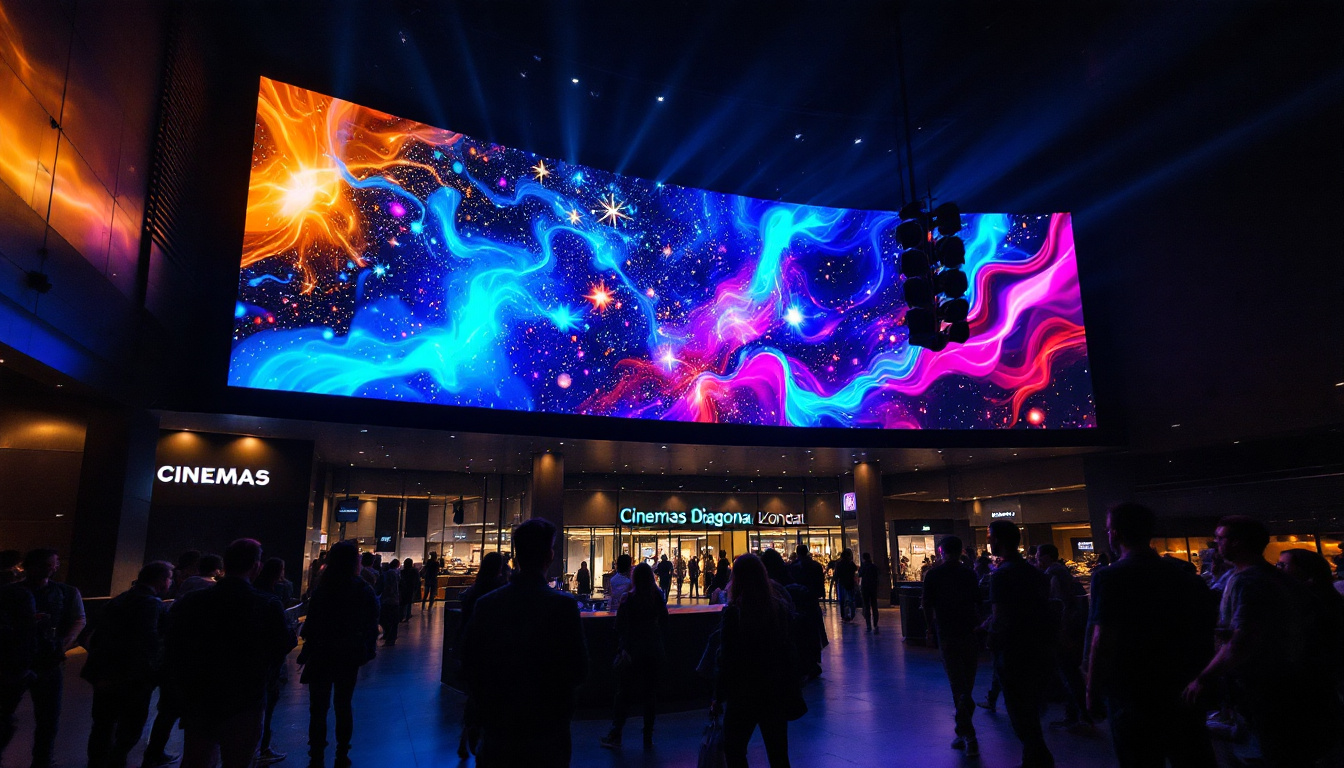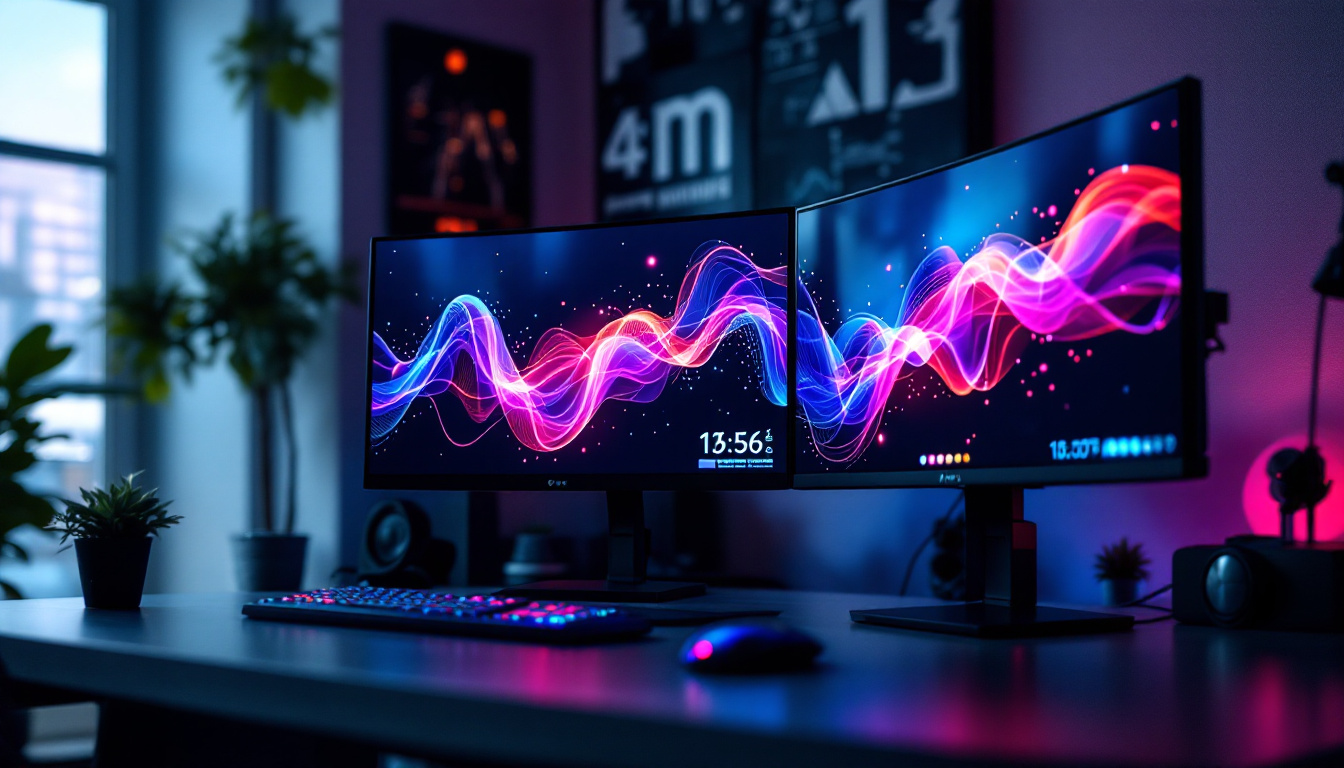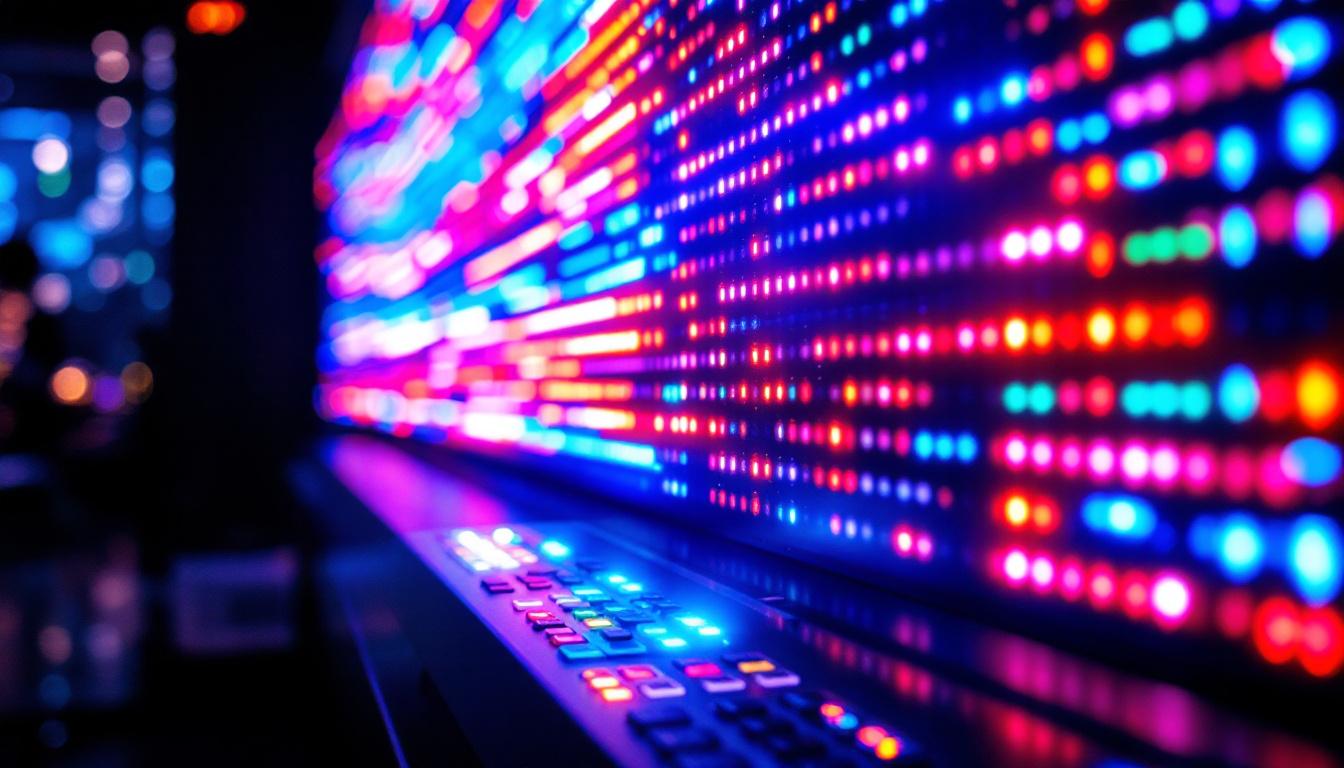
In the rapidly evolving world of digital displays, LED technology has become a cornerstone for vibrant, energy-efficient, and versatile screens. The phrase “6.3 to the power of 3” might initially evoke mathematical curiosity, but in the context of LED displays, it symbolizes the exponential growth and layered complexity of modern LED technology. This article delves into the intricacies of LED displays, exploring their technological foundations, practical applications, and the innovations driving the industry forward.
Understanding LED Display Technology
What is an LED Display?
LED stands for Light Emitting Diode, a semiconductor device that emits light when an electric current passes through it. LED displays use arrays of these tiny diodes to create images, videos, and text by controlling the intensity and color of each diode. Unlike traditional LCD or plasma screens, LED displays offer superior brightness, contrast, and energy efficiency. This technology has revolutionized the way we experience visual content, making it possible to enjoy vibrant colors and sharp images even in brightly lit environments.
The term “6.3 to the power of 3” can metaphorically represent the three-dimensional advancement of LED technology—combining size, resolution, and brightness in a way that multiplies their impact exponentially. For instance, a 6.3 mm pixel pitch LED screen cubed (6.3³) could be interpreted as a reference to the volume of detail or the scale of display capabilities in modern setups. This advancement is not just about the technical specifications; it also reflects a shift in how we engage with digital content, whether through immersive advertising experiences or interactive installations that captivate audiences in public spaces.
Types of LED Displays
LED displays come in various forms, each suited for different environments and purposes:
- Indoor LED Displays: Designed with higher pixel density and smaller pixel pitches (often 1.2mm to 4mm), these displays offer crisp images suitable for close viewing distances, such as conference rooms, retail stores, and control centers. Their versatility allows for dynamic content that can be easily updated, making them ideal for environments where information needs to be communicated quickly and effectively.
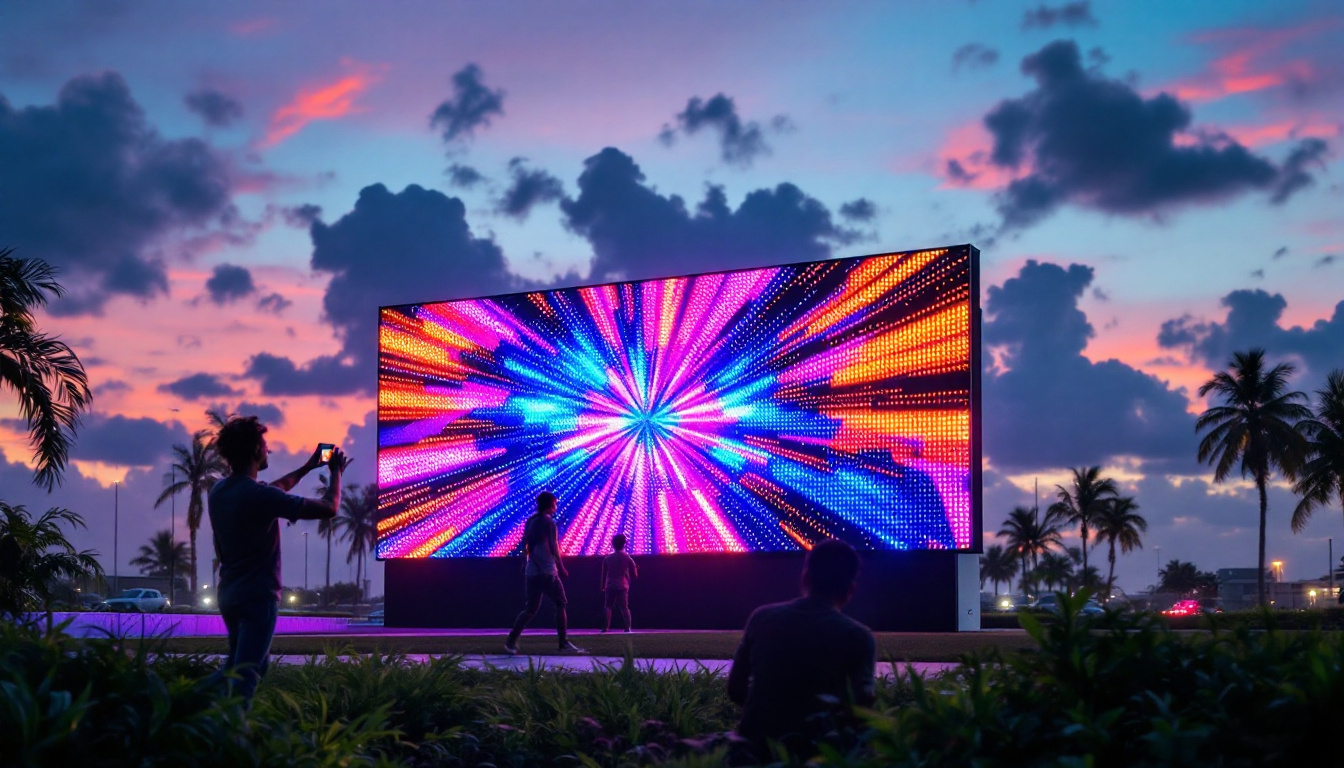
- Outdoor LED Displays: Built to withstand harsh weather conditions, these displays have larger pixel pitches (typically 6mm to 20mm) to ensure visibility from greater distances. They are commonly used for billboards, stadium screens, and public information boards. The robust construction of outdoor displays ensures they remain operational in rain, snow, or intense sunlight, providing reliable communication in any situation.
- Flexible and Transparent LED Displays: Emerging technologies now allow LED panels to be flexible or see-through, opening new possibilities in architecture and design, including curved screens and window displays. These innovative designs not only enhance aesthetic appeal but also integrate seamlessly into various environments, allowing for creative advertising solutions that do not obstruct views or natural light.
As the technology continues to evolve, we can expect to see even more advancements in LED display capabilities. For instance, the integration of smart technology into LED displays allows for real-time data updates and interactivity, enhancing user engagement. Additionally, developments in energy efficiency and sustainability are making LED displays a more environmentally friendly option, further solidifying their place in both commercial and residential applications. The future of LED technology promises to be as dynamic as the displays themselves, with potential applications in virtual reality, augmented reality, and beyond.
Technical Aspects: Pixel Pitch, Resolution, and Brightness
Pixel Pitch and Its Impact
Pixel pitch is the distance from the center of one LED cluster (or pixel) to the next, measured in millimeters. It is a critical factor that determines the resolution and viewing distance of an LED display. A smaller pixel pitch means more pixels per square meter, resulting in higher resolution and finer image detail.
For example, a 6.3 mm pixel pitch means that each pixel is spaced 6.3 millimeters apart. Cubing this value (6.3³) could be a conceptual way to understand the volume of pixels in a three-dimensional space or the increase in pixel density when scaling displays. While not a standard measurement, this metaphor highlights how pixel pitch influences the overall display quality exponentially.
Resolution and Viewing Distance
The resolution of an LED display is directly tied to its pixel pitch and physical size. Higher resolution screens with smaller pixel pitches are ideal for close-range viewing, such as indoor advertising or control rooms. Conversely, larger pixel pitches are acceptable for outdoor displays viewed from a distance, where individual pixels blend into a cohesive image.
Industry standards suggest that the optimal viewing distance (in meters) is roughly 1.5 to 2 times the pixel pitch in millimeters. For a 6.3 mm pitch, this equates to approximately 9.45 to 12.6 meters, making it suitable for medium-range viewing scenarios like conference halls or shopping malls.
Brightness and Color Accuracy
Brightness is measured in nits (cd/m²) and is a vital parameter for LED displays, especially for outdoor use where ambient light levels are high. Modern LED displays can achieve brightness levels exceeding 5,000 nits, ensuring clear visibility even under direct sunlight.
Color accuracy and consistency are achieved through precise control of the red, green, and blue LEDs within each pixel. Advances in calibration technology and LED materials have significantly improved color gamut and uniformity, making LED displays suitable for high-end broadcasting, digital art installations, and immersive experiences.
Applications of LED Displays in Various Industries
Advertising and Marketing
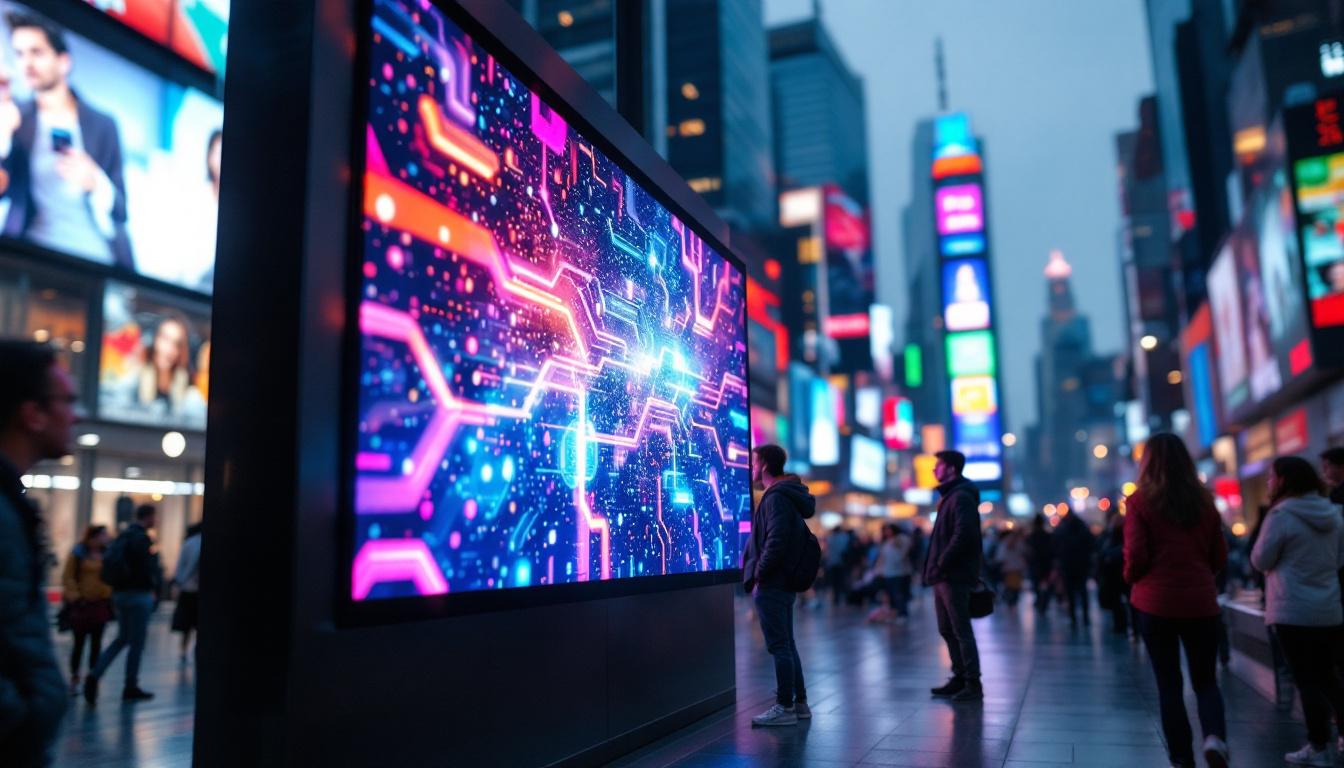
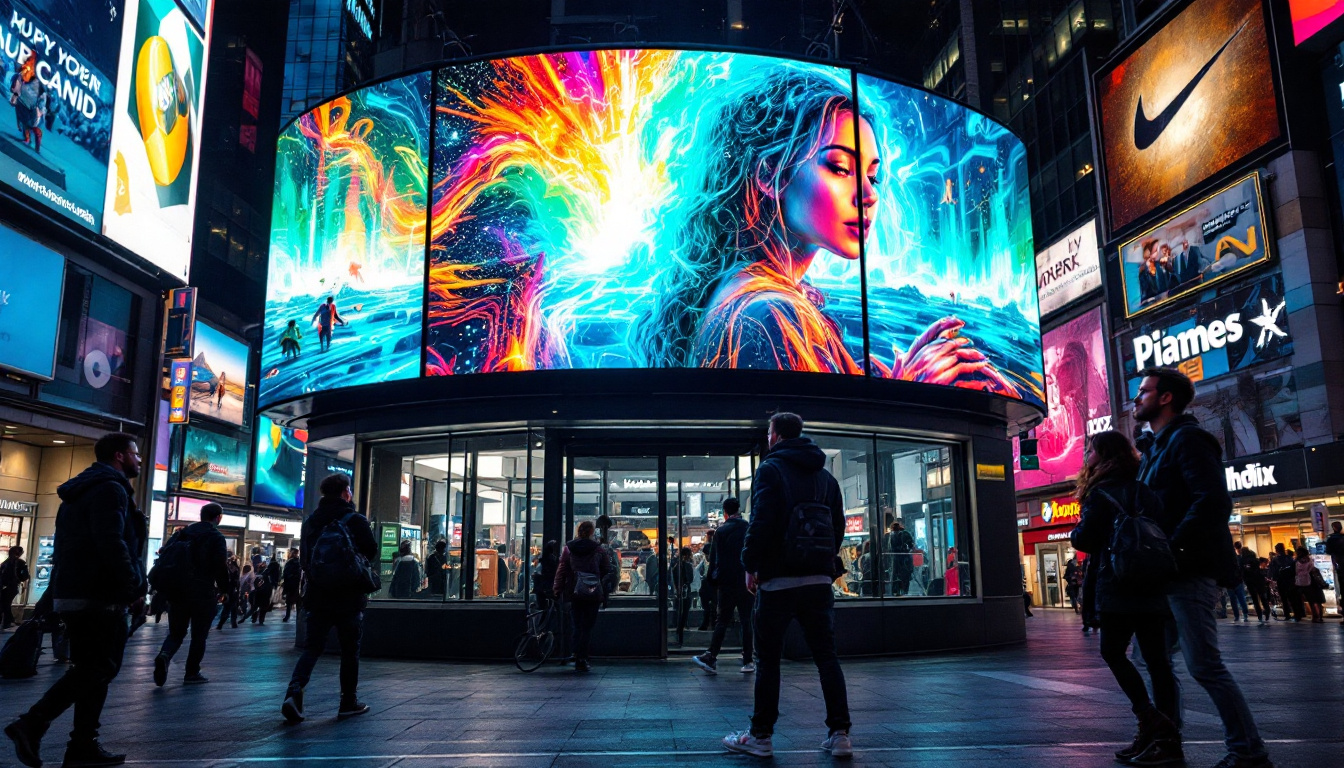
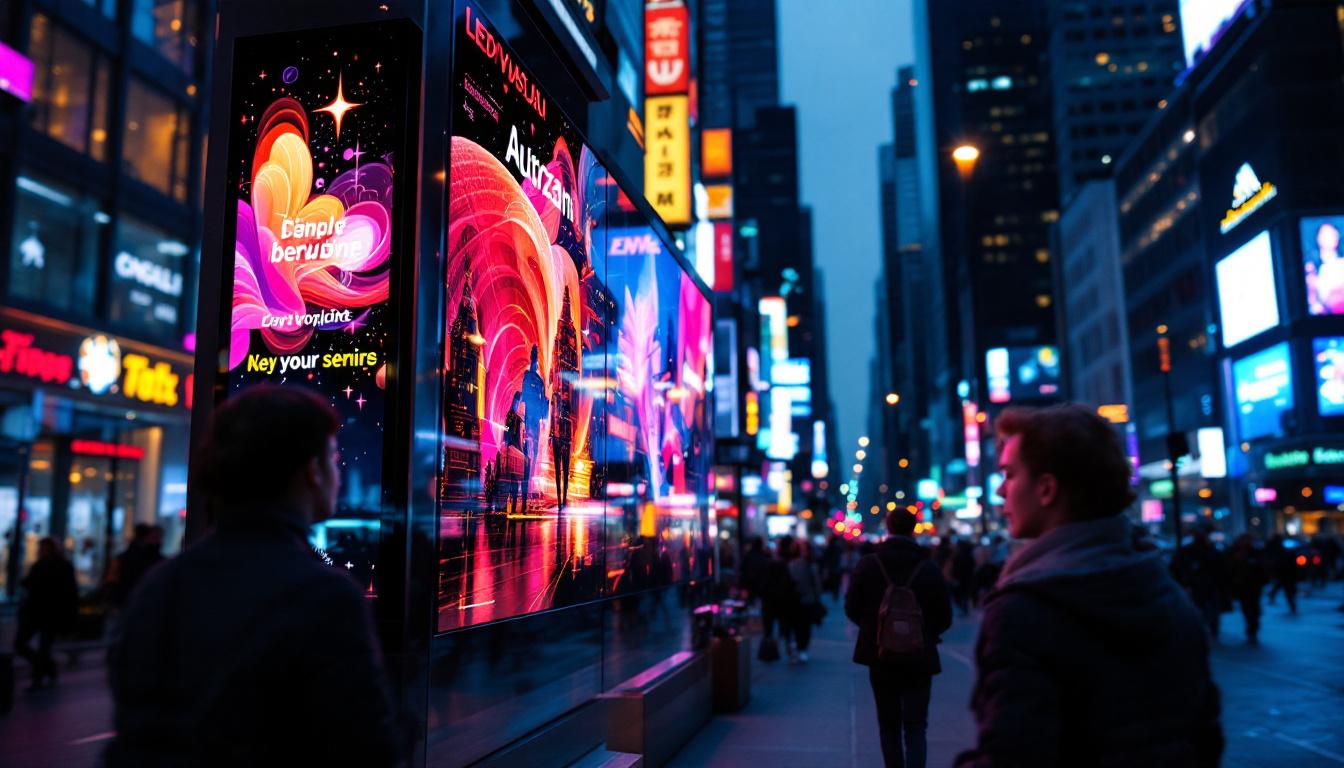
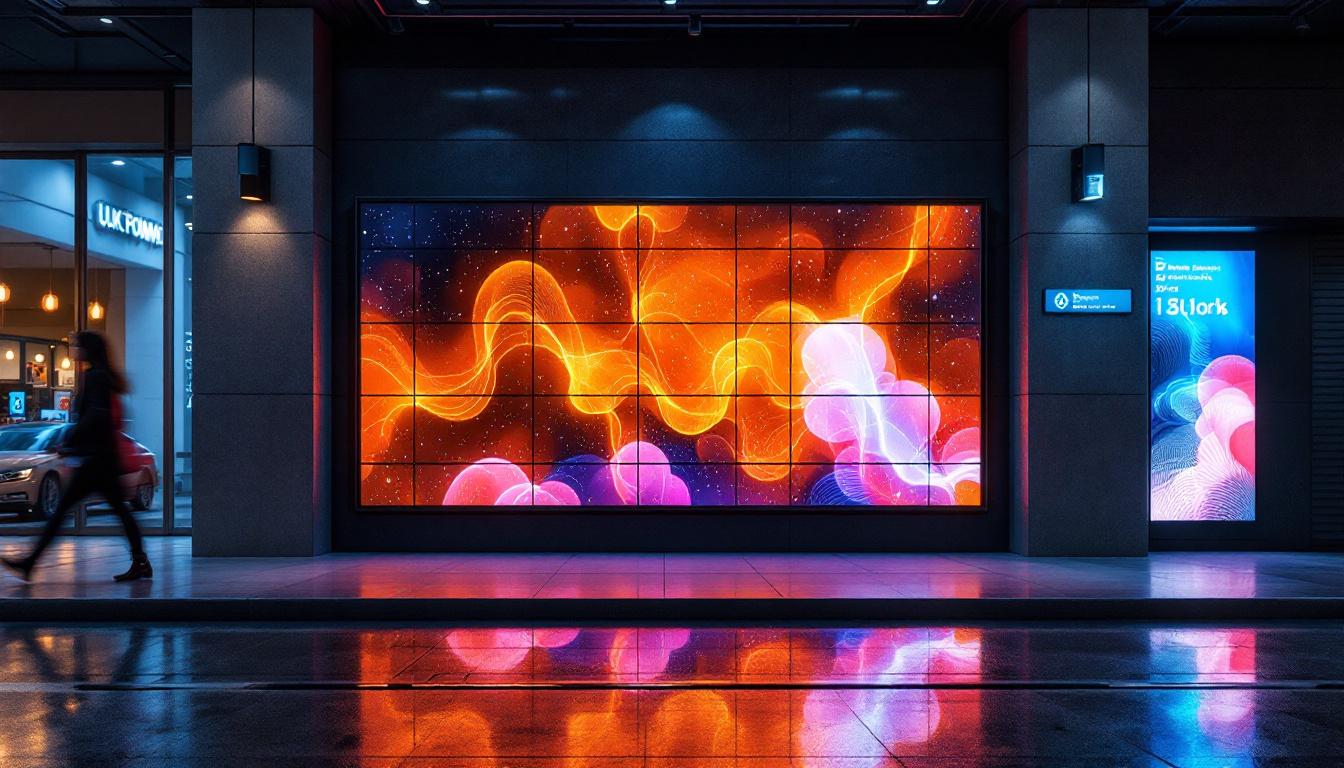
LED displays have revolutionized advertising by offering dynamic, eye-catching visuals that can be updated in real-time. The Times Square billboards in New York City, for instance, utilize massive LED screens with pixel pitches as low as 4 mm, delivering vibrant advertisements to millions of viewers daily.
With the ability to display video content, animations, and interactive elements, LED displays provide marketers with unparalleled flexibility. The scalability of LED technology, from small indoor panels to gigantic outdoor installations, allows brands to tailor their messaging to diverse audiences effectively.
Sports and Entertainment Venues
Stadiums and arenas rely heavily on LED displays for scoreboards, live video feeds, and advertising. The FIFA World Cup and the Olympic Games have showcased some of the most advanced LED screen setups, featuring ultra-high resolution and seamless integration with broadcast systems.
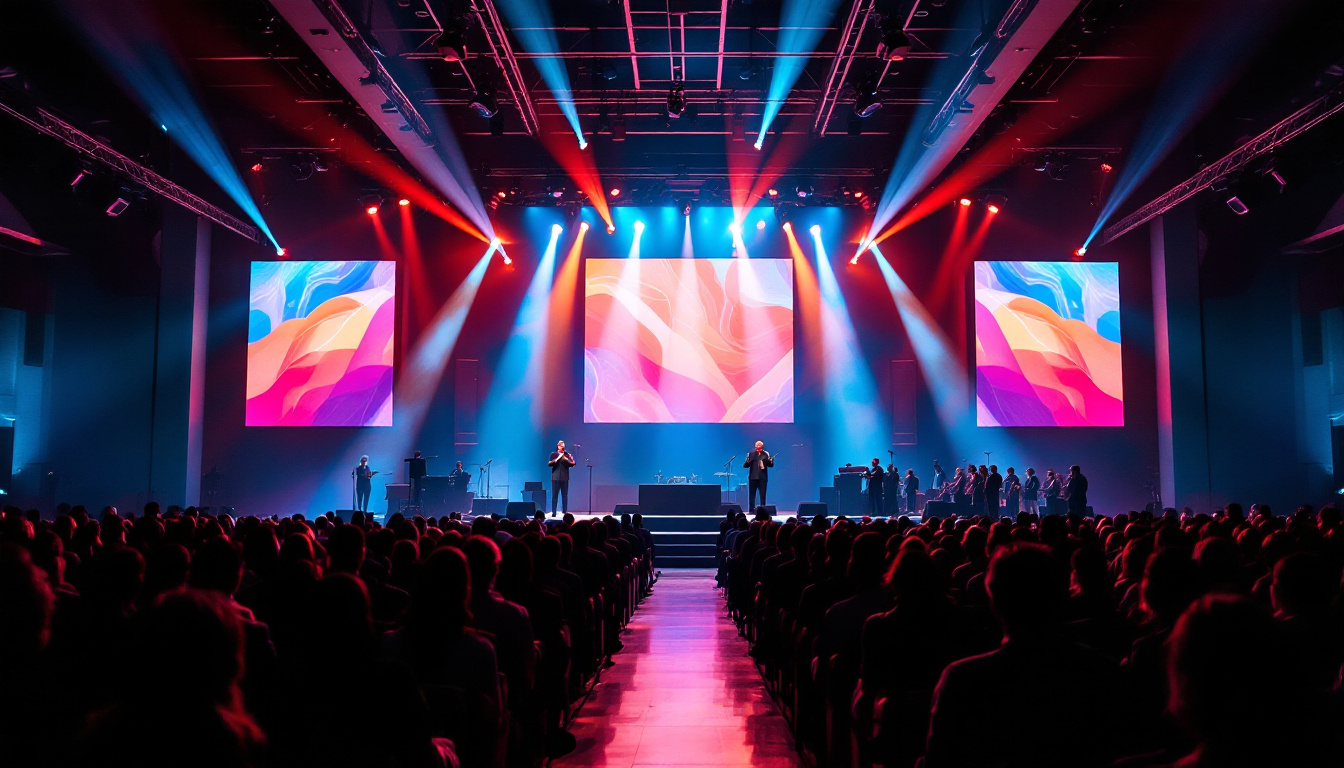
In concert venues, LED walls create immersive backdrops that enhance performances with synchronized visuals. The modular nature of LED panels enables creative configurations, including curved and 3D displays, enriching the audience experience.
Corporate and Control Rooms
In corporate environments, LED displays serve as digital whiteboards, video conferencing screens, and data visualization tools. Control rooms in utilities, transportation, and emergency services utilize large LED video walls to monitor real-time information, ensuring efficient and timely decision-making.
The precision and clarity of LED displays facilitate complex data analysis and collaboration, making them indispensable in mission-critical settings.
Innovations Driving the Future of LED Displays
MicroLED and MiniLED Technologies
MicroLED and MiniLED represent the next frontier in LED display technology. MicroLEDs are microscopic LEDs that offer incredible brightness, contrast, and energy efficiency without the burn-in issues associated with OLED displays. MiniLEDs, slightly larger, provide enhanced backlighting for LCD screens, improving contrast and color performance.
These technologies promise thinner, lighter, and more durable displays with superior image quality, suitable for smartphones, TVs, and large-scale digital signage.
Integration with AI and IoT
Artificial intelligence (AI) and the Internet of Things (IoT) are increasingly integrated with LED display systems to enable smarter content management and interactivity. AI algorithms can analyze audience demographics and behavior to tailor advertising content dynamically, maximizing engagement and ROI.
IoT connectivity allows LED displays to communicate with other devices and sensors, enabling features like environmental responsiveness, remote diagnostics, and synchronized multi-screen setups.
Sustainability and Energy Efficiency
As environmental concerns grow, LED display manufacturers focus on sustainability by developing energy-efficient components and recyclable materials. Advances in LED chip design and power management have reduced energy consumption significantly compared to older display technologies.
Moreover, the long lifespan of LED displays minimizes waste and maintenance costs, aligning with corporate social responsibility goals and regulatory requirements.
Choosing the Right LED Display: Key Considerations
Assessing Environmental Conditions
When selecting an LED display, understanding the installation environment is crucial. Outdoor displays require weatherproofing, high brightness, and anti-glare features, while indoor displays prioritize resolution and viewing angles.
Factors such as ambient light, temperature fluctuations, and exposure to dust or moisture influence the choice of LED modules and protective enclosures.
Determining Viewing Distance and Audience Size
The pixel pitch and screen size should correspond to the typical viewing distance and the number of viewers. For large audiences viewing from afar, a larger pixel pitch and bigger screen are appropriate. For close-up viewing, higher resolution and smaller pixel pitch are necessary to maintain image clarity.
Budget and Maintenance
LED displays vary widely in cost depending on size, resolution, and technology. It is essential to balance initial investment with long-term operational expenses, including power consumption and maintenance.
Choosing reputable manufacturers and service providers ensures access to warranties, technical support, and replacement parts, safeguarding the display’s longevity and performance.
Conclusion
The metaphorical expression “6.3 to the power of 3” encapsulates the exponential advancements and multi-dimensional nature of LED display technology. From pixel pitch and brightness to innovative applications and future trends, LED displays continue to transform how information and entertainment are delivered worldwide.
Understanding the technical details and practical considerations behind LED displays empowers businesses and organizations to make informed decisions, leveraging this dynamic technology to captivate audiences and enhance communication effectively.
As LED technology evolves, embracing innovations like MicroLED, AI integration, and sustainable design will be key to unlocking new possibilities and maintaining a competitive edge in the digital display landscape.
Discover the Future of Visual Experience with LumenMatrix
As you consider the vast potential of LED display technology to revolutionize your visual communication, LumenMatrix stands at the forefront, ready to illuminate your brand’s message with unparalleled clarity and vibrancy. With our comprehensive suite of LED display solutions, including Indoor and Outdoor LED Wall Displays, Vehicle LED Displays, LED Poster Displays, and more, we are committed to transforming environments into dynamic visual experiences. We invite you to check out LumenMatrix LED Display Solutions and join us in shaping the future of digital engagement.