In an age where digital privacy is increasingly vital, protecting sensitive information displayed on monitors has become a priority for individuals and businesses alike. Monitor privacy protectors, particularly those designed for LED displays, offer an effective solution to safeguard on-screen data from prying eyes. This article delves into the technology behind LED displays, the necessity of privacy protectors, and how these devices function to enhance security without compromising display quality.
Understanding LED Displays: The Foundation of Modern Monitors
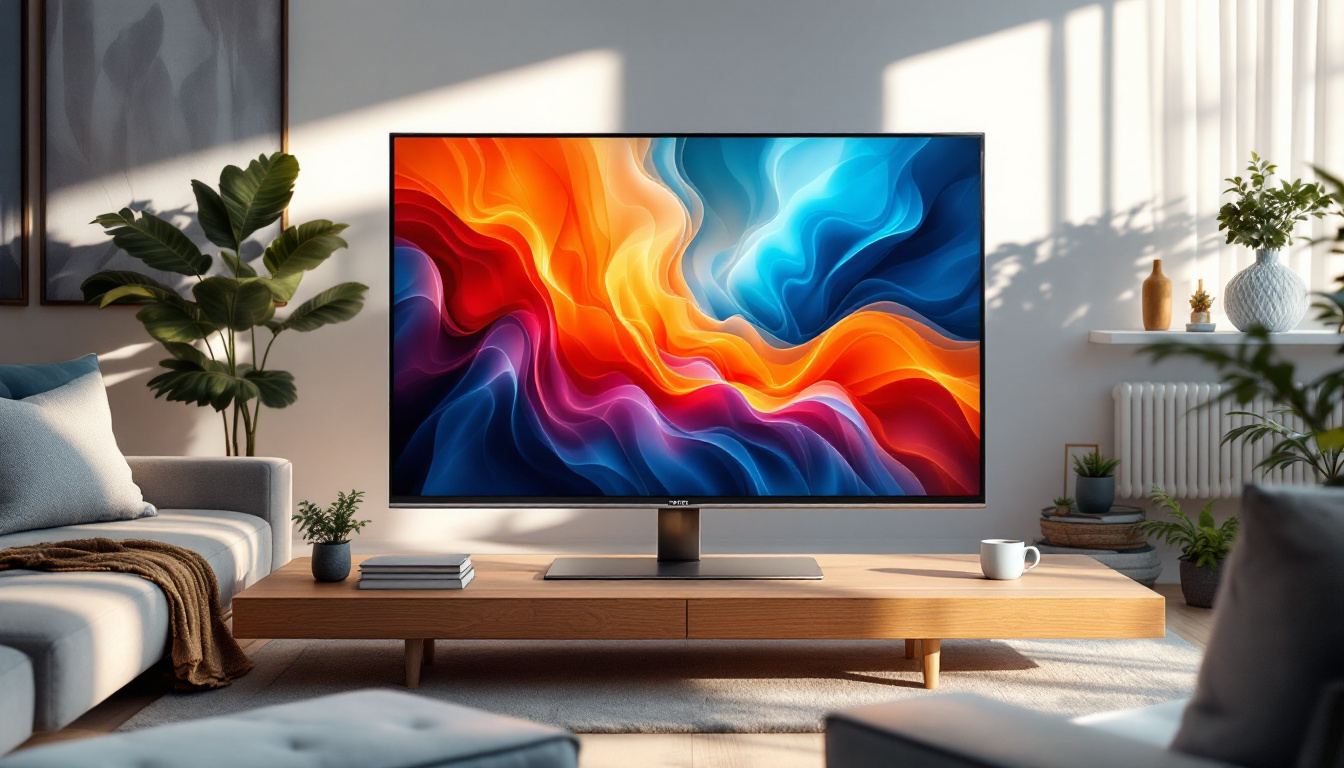
Light Emitting Diode (LED) technology has revolutionized the way screens display images. Unlike traditional LCDs that rely on cold cathode fluorescent lamps (CCFLs) for backlighting, LED displays use light-emitting diodes to illuminate the screen. This shift has brought several advantages, including improved energy efficiency, thinner panels, and better color accuracy.
LED displays are ubiquitous in laptops, desktop monitors, televisions, and even smartphones. Their ability to produce bright, vibrant images with high contrast ratios makes them ideal for professional and personal use. However, the very clarity and brightness that make LED displays appealing can also expose sensitive information to unintended viewers, especially in public or shared environments.
How LED Displays Work
At their core, LED displays consist of a matrix of pixels, each containing subpixels in red, green, and blue. These subpixels emit light at varying intensities to create the full spectrum of colors seen on the screen. The LEDs themselves are either used as the backlight source behind an LCD panel or, in the case of OLED displays, as the individual light-emitting elements.
This precise control over light emission allows LED displays to offer high resolution and sharp image quality. However, the wide viewing angles and brightness levels also mean that anyone nearby can potentially see what’s on the screen, which raises privacy concerns. To combat this, manufacturers have developed various technologies such as privacy filters and anti-glare coatings, which can help mitigate the visibility of the display from off-angles. Additionally, innovations in screen technology, such as the advent of curved displays, aim to enhance user experience while providing a more immersive viewing angle, further addressing privacy issues.
Moreover, the evolution of LED technology has led to the introduction of features like HDR (High Dynamic Range), which enhances the contrast and color range of images, making them appear more lifelike. This advancement is particularly beneficial for graphic designers, photographers, and gamers who require precise color representation and depth in their visuals. As the demand for higher quality displays continues to grow, researchers are exploring new materials and methods to further enhance LED technology, potentially leading to even thinner, more energy-efficient displays that can adapt to various lighting conditions and user preferences.
The Growing Need for Monitor Privacy Protectors
With the rise of remote work, open office layouts, and mobile computing, the risk of visual hacking—where unauthorized individuals view confidential information on screens—has increased dramatically. According to a 2023 study by Cybersecurity Ventures, visual hacking incidents have surged by over 30% in the past five years, emphasizing the importance of physical privacy measures.
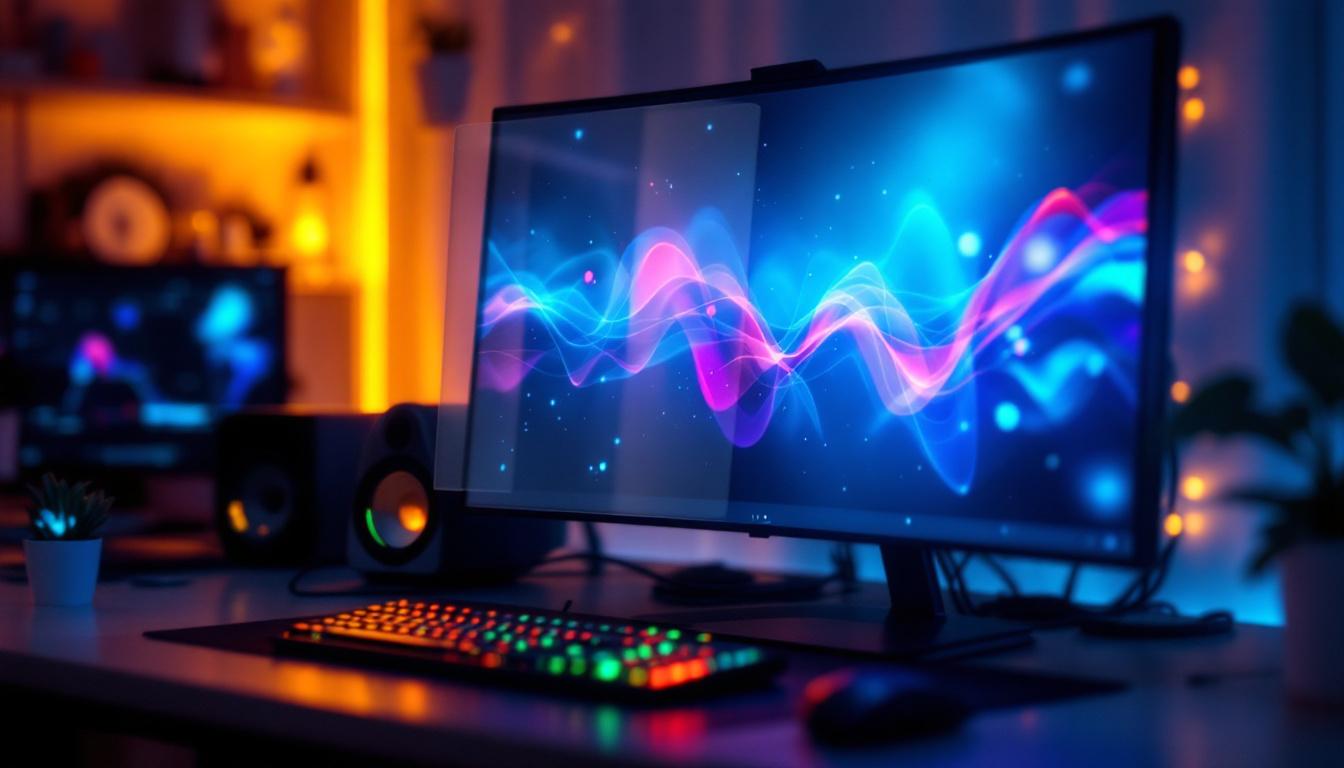
Privacy protectors are physical filters placed over a monitor’s screen to restrict the viewing angle, ensuring that only the person directly in front of the display can see the content clearly. This is particularly crucial for professionals handling sensitive data such as financial information, medical records, or proprietary business documents. The technology behind these privacy filters has evolved significantly, with many modern protectors utilizing advanced optical technologies to enhance clarity while blocking visibility from the sides, making them an essential tool in today’s digital landscape.
Who Benefits Most from Privacy Protectors?
Privacy protectors are valuable across various sectors:
- Corporate Environments: Open-plan offices and shared workspaces increase the likelihood of accidental data exposure. Privacy filters help maintain confidentiality during meetings or collaborative work, allowing employees to focus on their tasks without the distraction of potential prying eyes. Furthermore, as companies adopt more flexible work arrangements, the need for portable privacy solutions has become paramount, ensuring that employees can work securely from any location.
- Healthcare: Medical professionals often access patient records on computer screens. Privacy protectors help comply with regulations like HIPAA by preventing unauthorized viewing. In addition to safeguarding patient information, these filters also contribute to a more secure environment, allowing healthcare providers to concentrate on delivering quality care without the worry of breaches or data leaks.
- Financial Services: Bankers, accountants, and financial advisors handle sensitive client information that requires protection from visual hacking. The financial sector, known for its stringent compliance requirements, benefits greatly from these privacy measures, as they not only protect client data but also enhance trust and credibility in client relationships.
- Remote Workers and Travelers: Using laptops in public spaces such as cafes or airports exposes screens to onlookers. Privacy protectors provide an added layer of security in these situations, allowing remote workers to maintain productivity without compromising sensitive information. As the trend of digital nomadism grows, the demand for effective privacy solutions continues to rise, ensuring that professionals can work confidently in any environment.
Moreover, the increasing prevalence of cyber threats has led to a heightened awareness of the need for comprehensive security measures. Many organizations are now incorporating privacy protectors as part of their overall cybersecurity strategy. By combining physical security measures with digital protections, businesses can create a robust defense against a wide array of threats. This holistic approach not only mitigates the risk of visual hacking but also fosters a culture of security awareness among employees, encouraging them to take proactive steps in safeguarding sensitive information.
As technology continues to advance, the design and functionality of privacy protectors are also evolving. Manufacturers are now offering a variety of options, including anti-glare and blue light filtering features, which not only enhance user comfort but also promote eye health during extended screen time. This innovation reflects a growing understanding of the importance of ergonomics in the workplace, ensuring that privacy solutions do not compromise the well-being of users. With the ongoing shift towards more flexible work environments, the demand for effective and versatile privacy protectors is likely to continue rising, making them an indispensable tool for professionals across all sectors.
How Monitor Privacy Protectors Work on LED Displays
Privacy protectors designed for LED displays employ advanced micro-louver technology to control the direction of light emitted from the screen. This technology is akin to the slats of window blinds, which limit visibility from side angles while allowing a clear view from directly in front.
Micro-Louver Technology Explained
Micro-louvers are microscopic vertical blinds embedded within the privacy filter. They block light at angles beyond a certain threshold, typically around 30 to 60 degrees from the center. This means that when someone tries to view the screen from the side, the display appears dark or black, effectively obscuring the content.
The precision of micro-louver technology ensures that the image remains crisp and bright for the primary user, with minimal color distortion or brightness loss. Modern privacy protectors are engineered to maintain the high contrast and vivid colors characteristic of LED displays, preserving the user experience.
Installation and Compatibility
Privacy protectors for LED monitors come in various forms, including adhesive films, magnetic attachments, and slide-on panels. Installation is generally straightforward, requiring minimal tools or expertise. It is crucial to select a protector that matches the monitor’s size and aspect ratio to avoid gaps or misalignment that could compromise privacy.
Compatibility extends beyond size; some protectors are optimized for specific screen types, such as matte or glossy finishes, to enhance effectiveness. Additionally, users should consider whether the protector supports touch functionality if applied to touchscreen LED displays.
Advantages and Limitations of LED Monitor Privacy Protectors
While privacy protectors offer significant benefits, understanding their advantages and potential drawbacks is essential for informed decision-making.
Advantages
- Enhanced Privacy: The primary benefit is the prevention of visual hacking, protecting sensitive information from unintended viewers.
- Screen Protection: Many privacy filters also serve as a physical shield against scratches, dust, and fingerprints, extending the lifespan of the monitor.
- Improved Focus: By limiting peripheral distractions, privacy protectors can help users maintain concentration in busy environments.
- Compliance Support: For industries governed by privacy regulations, these protectors aid in meeting legal requirements regarding data confidentiality.
Limitations
- Reduced Brightness: Some privacy filters slightly dim the screen, which may require users to adjust brightness settings, potentially impacting battery life on portable devices.
- Viewing Angle Constraints: While intentional, the restricted viewing angles can be inconvenient when sharing the screen with colleagues during collaborative work.
- Cost Considerations: High-quality privacy protectors can be relatively expensive, especially for larger or specialized monitors.
- Potential Compatibility Issues: Not all protectors are compatible with every LED display, particularly ultra-wide or curved monitors, necessitating careful selection.
Choosing the Right Privacy Protector for Your LED Monitor
Selecting an appropriate privacy protector involves evaluating several factors to ensure optimal performance and user satisfaction.
Screen Size and Aspect Ratio
Accurate measurement of the monitor’s diagonal size and aspect ratio is fundamental. Privacy protectors are typically sold by size categories (e.g., 15.6-inch, 24-inch), and mismatched sizes can lead to ineffective coverage or installation difficulties.
Type of Attachment
Consider whether a permanent adhesive, magnetic frame, or removable slide-on protector best suits your usage patterns. For example, mobile professionals may prefer removable options for flexibility, while office setups might benefit from more secure adhesive filters.
Touchscreen Compatibility
If the LED display supports touch input, ensure the privacy protector does not interfere with touch sensitivity. Some filters are specifically designed to maintain responsiveness while providing privacy.
Anti-Glare and Blue Light Filtering Features
Many privacy protectors incorporate additional features such as anti-glare coatings to reduce reflections and blue light filters to minimize eye strain. These enhancements can improve comfort during extended screen use.
Brand Reputation and Reviews
Choosing products from reputable manufacturers with positive user feedback can help avoid common pitfalls such as poor image quality or durability issues. Independent reviews and professional evaluations provide valuable insights.
Maintaining Privacy and Security Beyond Physical Protectors
While monitor privacy protectors are a crucial component in safeguarding visual information, comprehensive security strategies should also include digital and behavioral measures.
Screen Locking and Password Protection
Ensuring that devices automatically lock after periods of inactivity and require strong passwords helps prevent unauthorized access when the user is away from the screen.
Encrypted Communication and Data Storage
Using encrypted channels for data transmission and secure storage solutions protects information even if visual privacy is compromised.
Awareness and Training
Educating employees and users about the risks of visual hacking and best practices for screen privacy fosters a culture of security mindfulness.
Conclusion
Monitor privacy protectors designed for LED displays play a vital role in protecting sensitive information from visual hacking in today’s interconnected world. By leveraging micro-louver technology, these devices restrict viewing angles without sacrificing display quality, making them indispensable tools for professionals across various industries.
Choosing the right privacy protector requires careful consideration of screen size, attachment type, and additional features to balance privacy, usability, and comfort. Coupled with robust digital security practices, privacy protectors contribute significantly to a comprehensive approach to safeguarding data privacy in both office and mobile environments.
As privacy concerns continue to evolve alongside technology, investing in effective monitor privacy solutions remains a proactive step toward maintaining confidentiality and protecting valuable information.
Discover LumenMatrix’s Advanced LED Display Solutions
As you consider the importance of safeguarding your digital privacy with monitor protectors, why not also enhance your visual display capabilities? LumenMatrix, a pioneer in LED display technology, offers a wide array of innovative solutions that promise not only to protect your sensitive information but also to transform your visual communication. From captivating Indoor LED Walls to dynamic Outdoor LED Displays and beyond, LumenMatrix is committed to revolutionizing the way businesses connect with their audience. Check out LumenMatrix LED Display Solutions today and experience the power of advanced LED technology tailored to your needs.