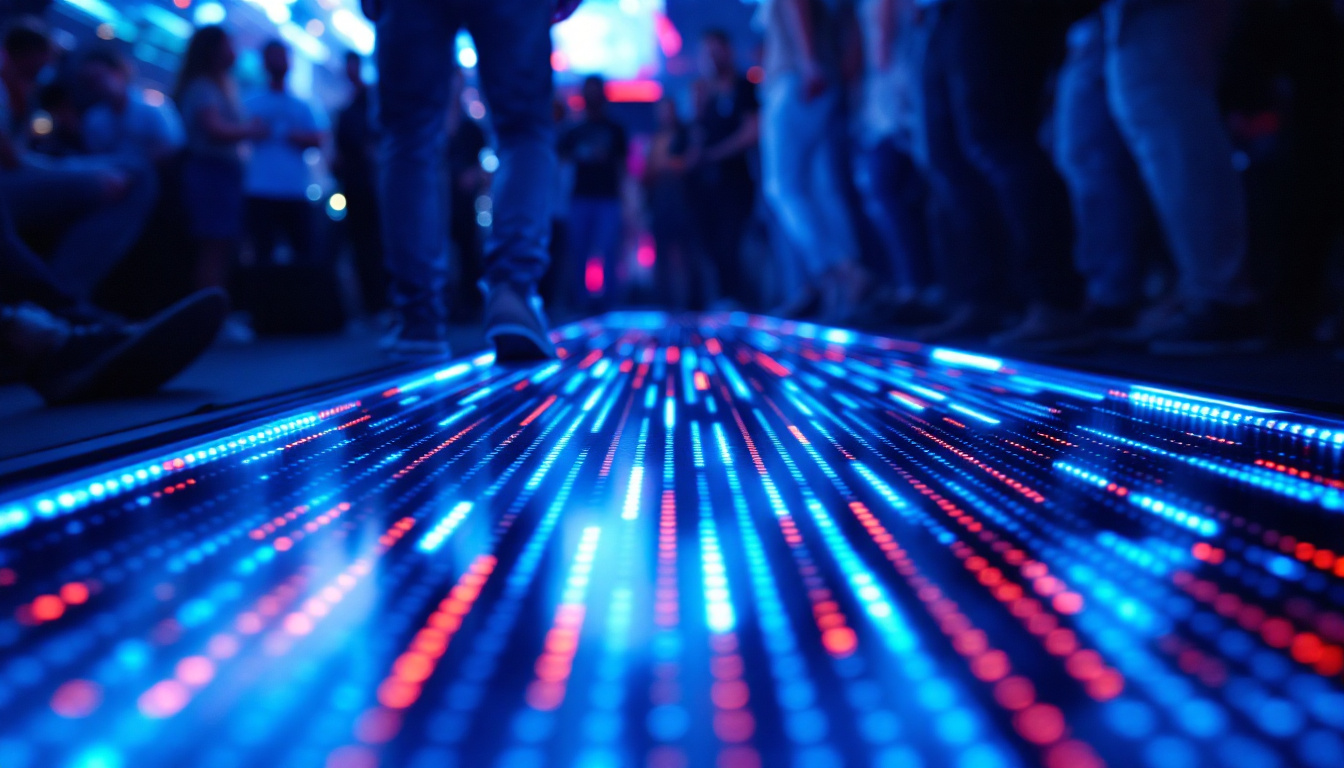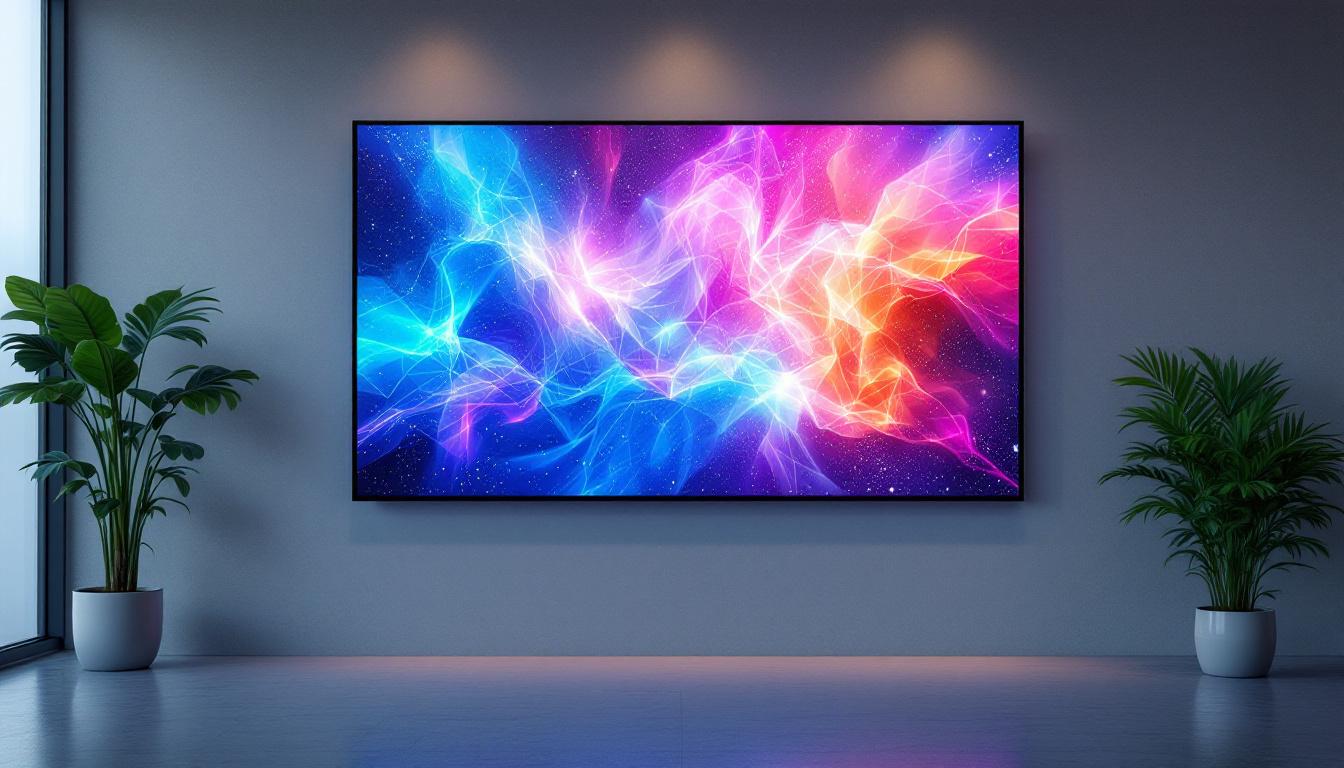
In today’s fast-paced digital world, wall digital displays have become a cornerstone of modern communication, advertising, and information sharing. Among the various technologies available, LED displays stand out due to their brightness, versatility, and energy efficiency. This article explores the fundamentals of LED wall displays, their applications, benefits, and what to consider when choosing one for your business or venue.
Understanding LED Wall Displays: The Basics
LED, or Light Emitting Diode, technology has revolutionized the way visual content is presented on large scales. Unlike traditional LCD or projection systems, LED displays use tiny diodes that emit light individually, creating vivid and dynamic images visible even in bright environments. This capability has made LED displays the go-to choice for a variety of applications, from advertising to live events, where visibility and impact are paramount.
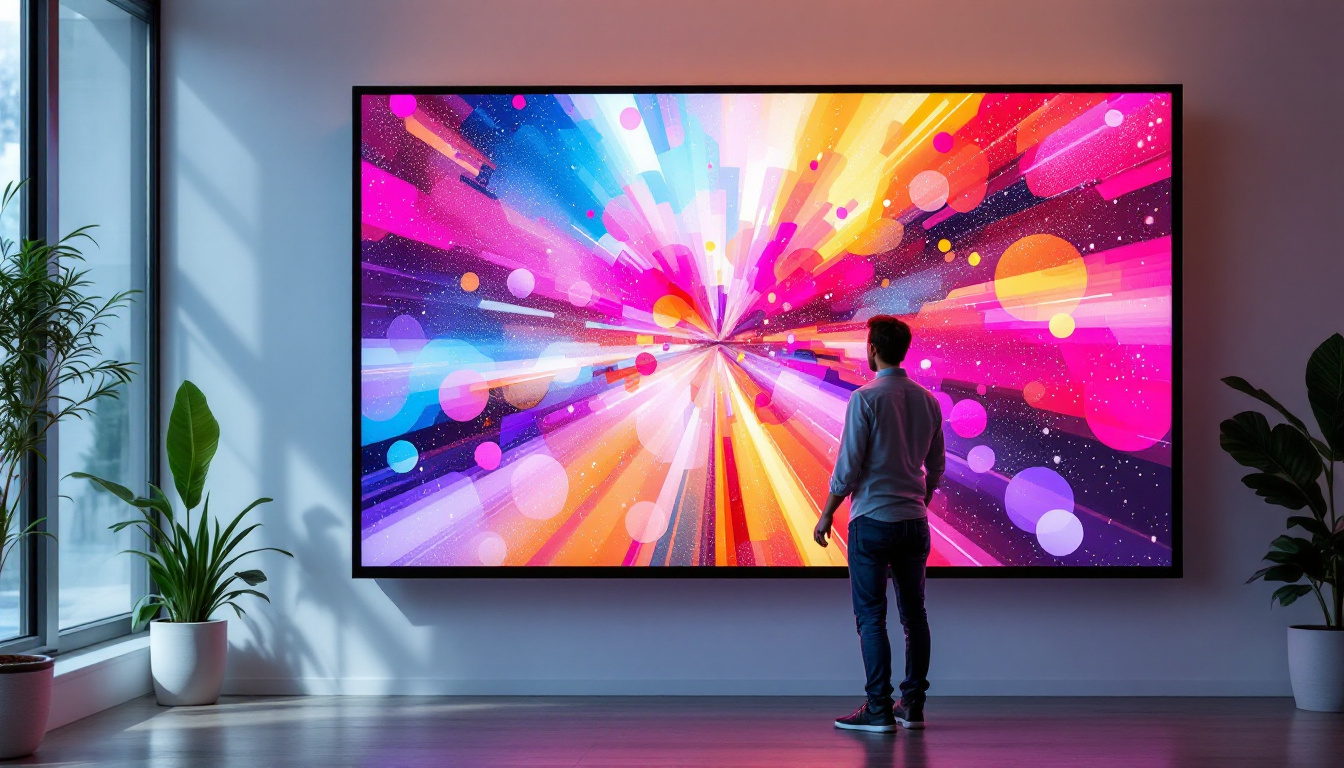
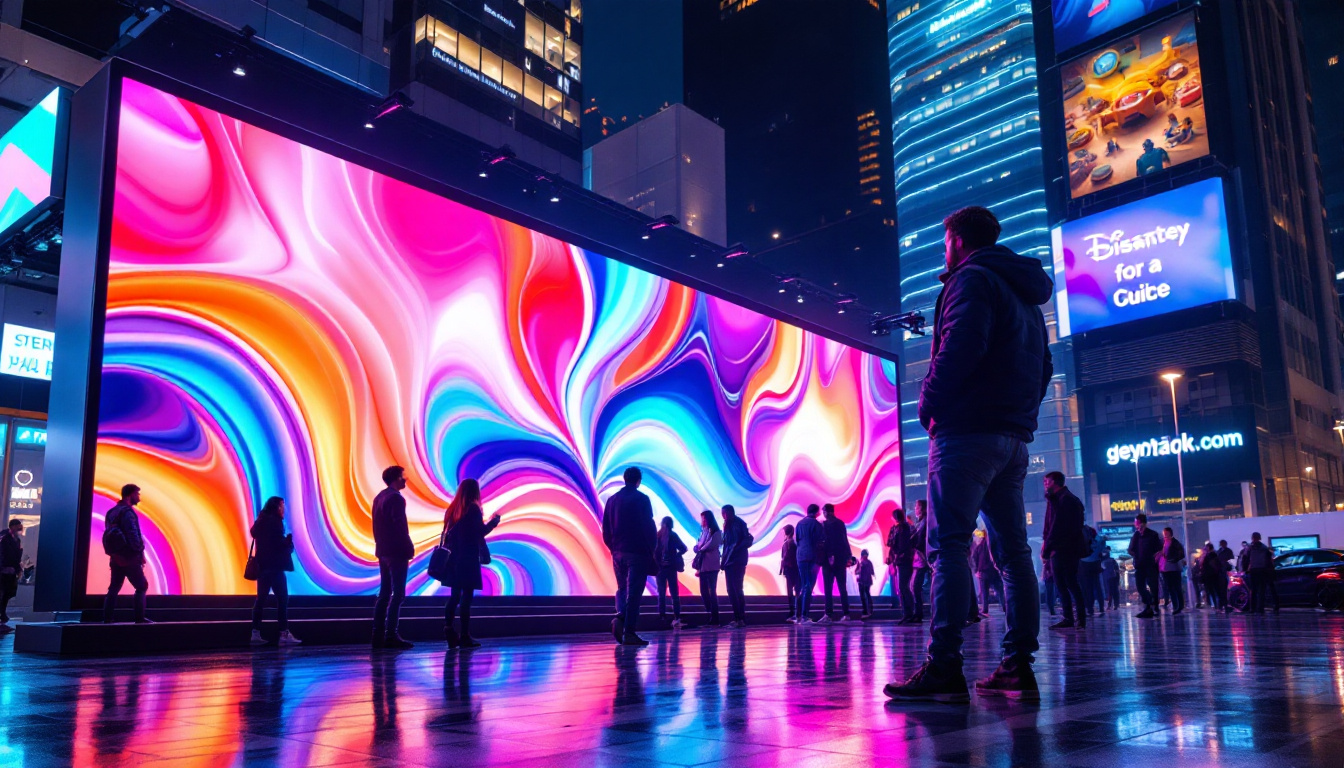
LED wall displays are essentially large screens composed of multiple LED modules tiled together. These modules contain thousands of LEDs arranged in a grid, which collectively form the pixels of the display. The result is a seamless, high-resolution image that can be customized in size and shape to fit any wall or space. This flexibility allows for creative installations that can enhance architectural features or serve as focal points in public spaces, transforming ordinary environments into immersive visual experiences.
How LED Technology Works
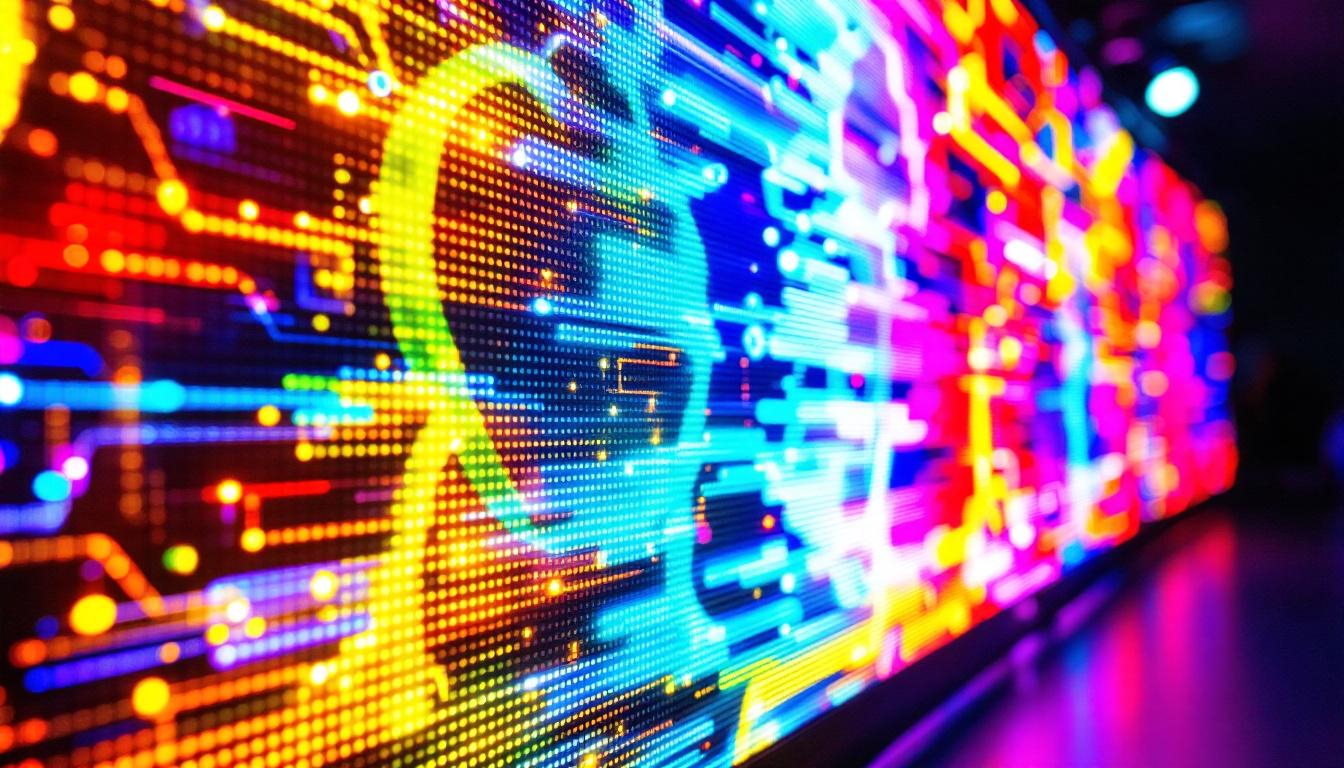
Each LED in the display emits light when an electric current passes through it. By controlling the intensity and color of each diode, the display can produce a full spectrum of colors. Modern LED displays use red, green, and blue (RGB) diodes to create millions of colors through a process called additive color mixing. This precise control over color and brightness not only enhances the visual appeal but also allows for dynamic content that can change in real-time, making LED displays ideal for advertising campaigns and live broadcasts.
This technology allows for extremely bright images that maintain clarity and contrast even under direct sunlight, making LED wall displays ideal for both indoor and outdoor use. Furthermore, advancements in LED technology have led to improvements in energy efficiency, reducing operational costs and making these displays more environmentally friendly. As a result, businesses can enjoy lower energy bills while still delivering stunning visual content that captures the attention of their audience.
Types of LED Displays
There are two primary types of LED displays used for walls:
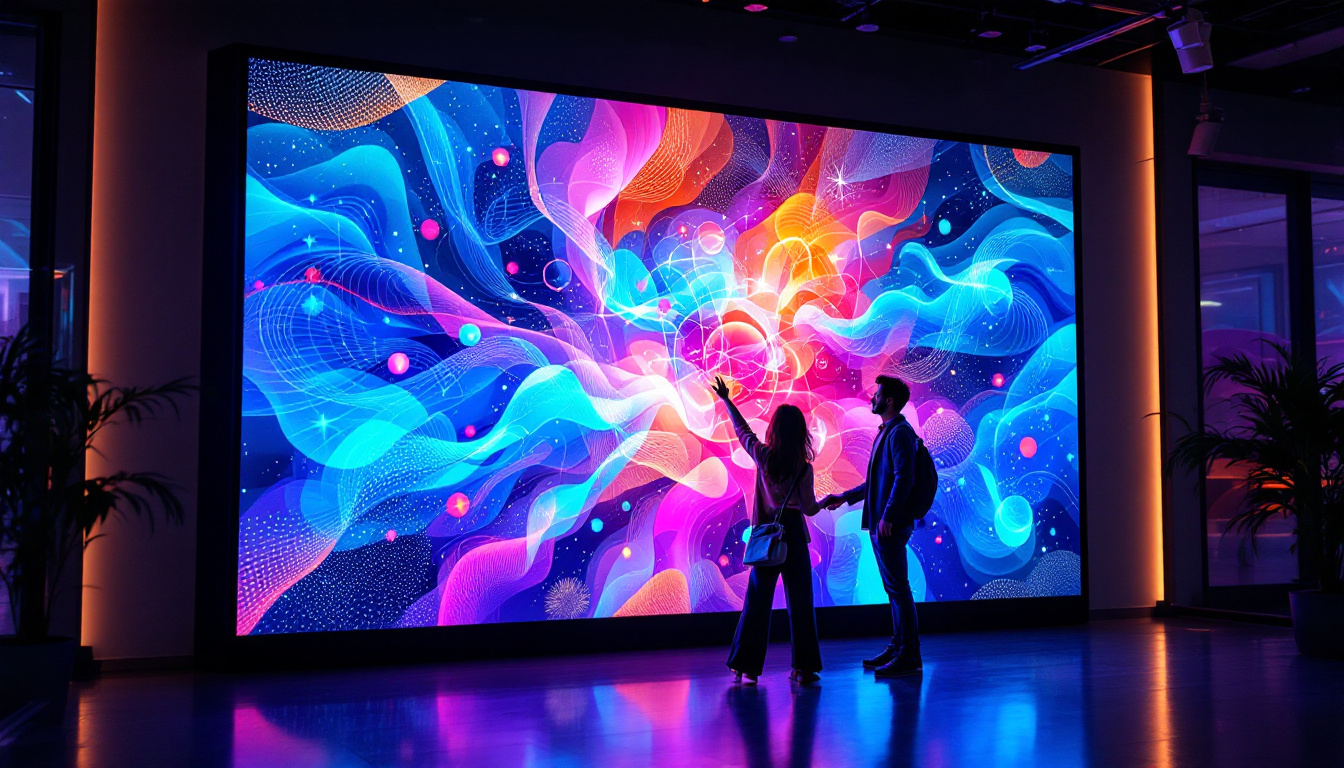
- Indoor LED Displays: Designed for controlled lighting environments, these displays have a higher pixel density, resulting in sharper images and finer detail. They are commonly used in conference rooms, retail stores, and event venues. The ability to display high-definition video and graphics makes them perfect for presentations, advertisements, and even artistic installations that require a high level of detail and color accuracy.
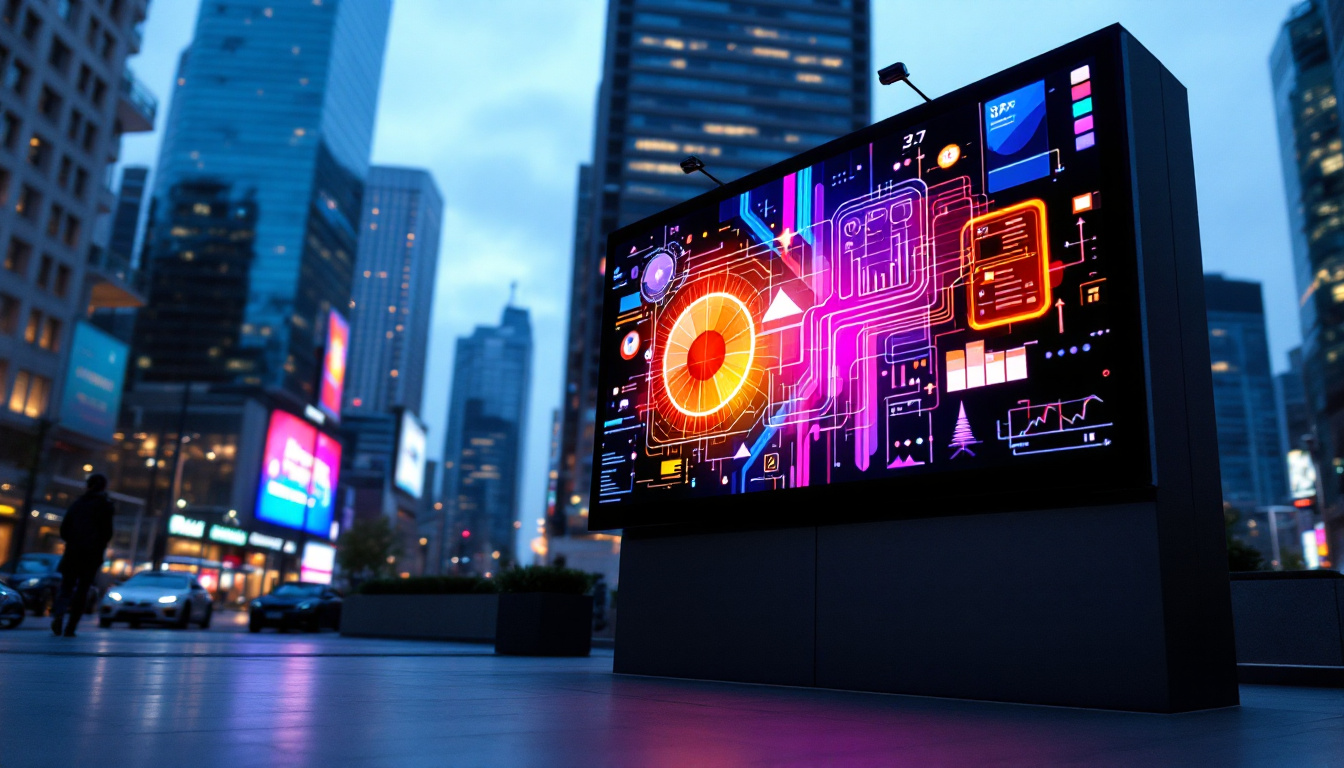
- Outdoor LED Displays: Built to withstand weather conditions, these displays are brighter and more robust. They are often used for billboards, stadium screens, and public information boards. Outdoor displays are engineered to resist rain, wind, and temperature fluctuations, ensuring that they remain operational and effective in a variety of climates. Their high brightness levels and wide viewing angles make them particularly effective for capturing the attention of passersby, whether during the day or at night.
In addition to these primary types, there are also specialized LED displays, such as transparent LED screens that allow for visibility through the display itself, and flexible LED panels that can be curved or shaped to fit unique architectural designs. These innovations open up new possibilities for creative advertising and artistic expression, further expanding the versatility and appeal of LED wall displays in various settings.
Applications of LED Wall Displays
LED wall displays have a wide range of applications across various industries. Their flexibility and high impact make them an essential tool for communication and engagement.
Advertising and Marketing
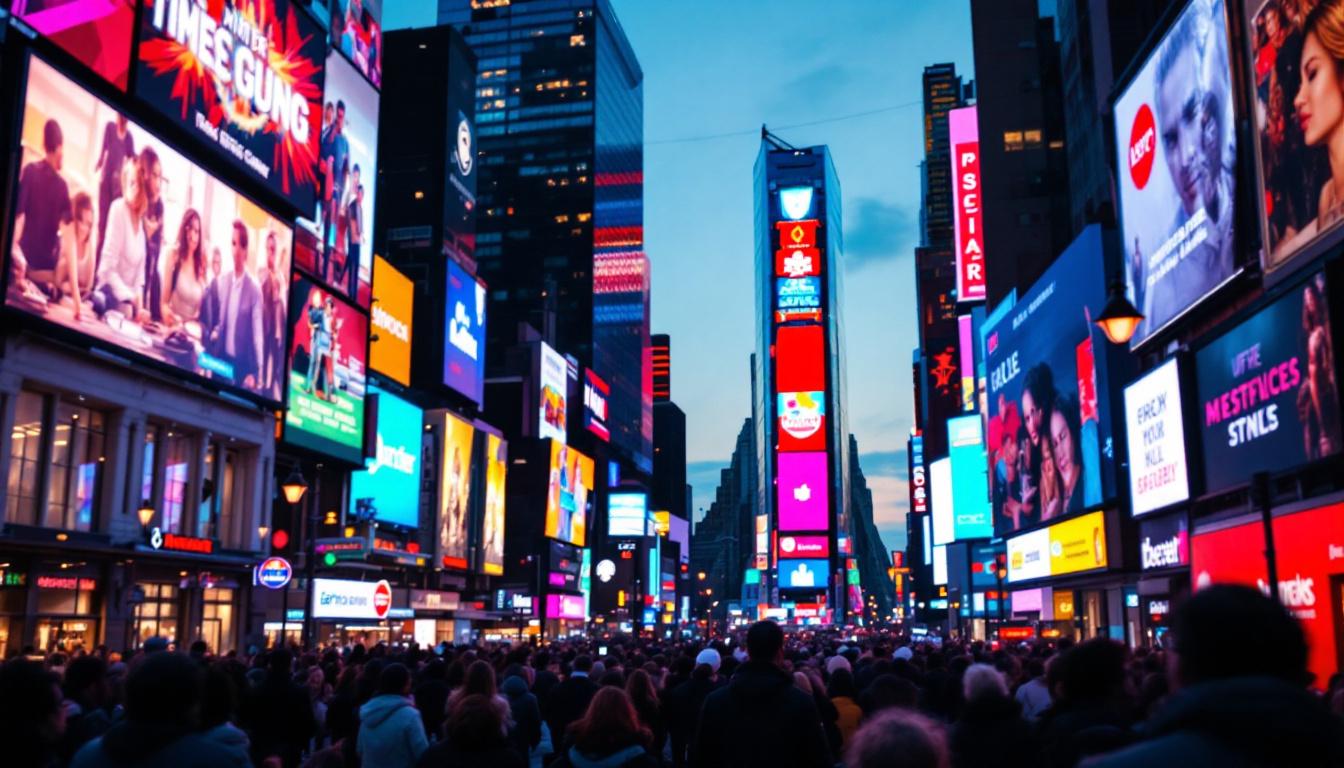
One of the most prominent uses of LED wall displays is in advertising. Digital billboards and retail displays attract attention with dynamic content that can be updated in real-time. According to a 2023 report by the Digital Signage Federation, LED digital signage can increase customer engagement by up to 30% compared to static signs.
Brands use LED walls to showcase promotions, product launches, and interactive campaigns, often integrating social media feeds or live event coverage to enhance viewer interaction. The ability to display vibrant colors and high-definition visuals allows brands to create eye-catching advertisements that resonate with their target audience. Moreover, the flexibility of LED technology enables advertisers to tailor content based on real-time data, such as weather conditions or audience demographics, ensuring that the messaging is relevant and timely.
Corporate and Event Use
In corporate settings, LED wall displays are used for presentations, video conferencing, and digital whiteboards. Their large size and high resolution make them ideal for delivering impactful messages during meetings and conferences. The seamless integration of multimedia content, including videos, graphics, and live data feeds, allows presenters to convey complex information in an engaging manner, fostering better understanding and retention among participants.
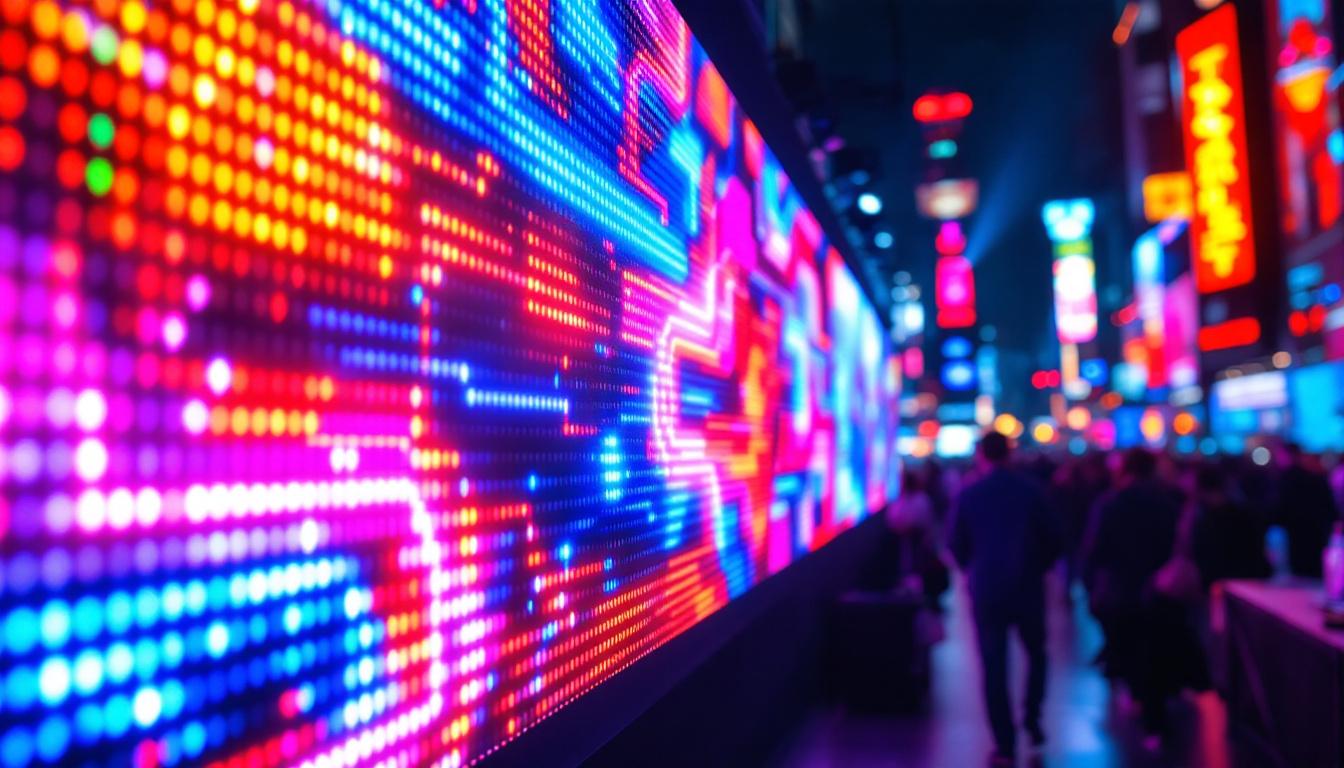
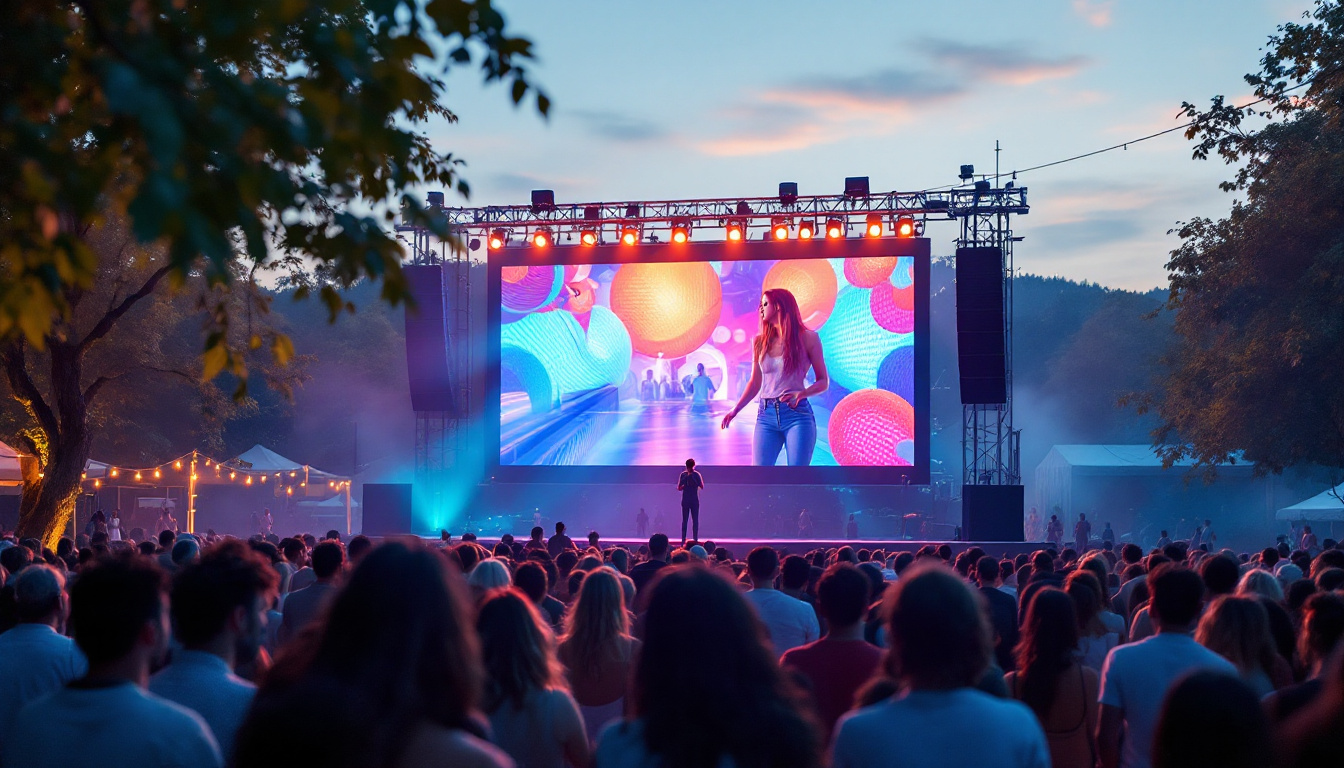
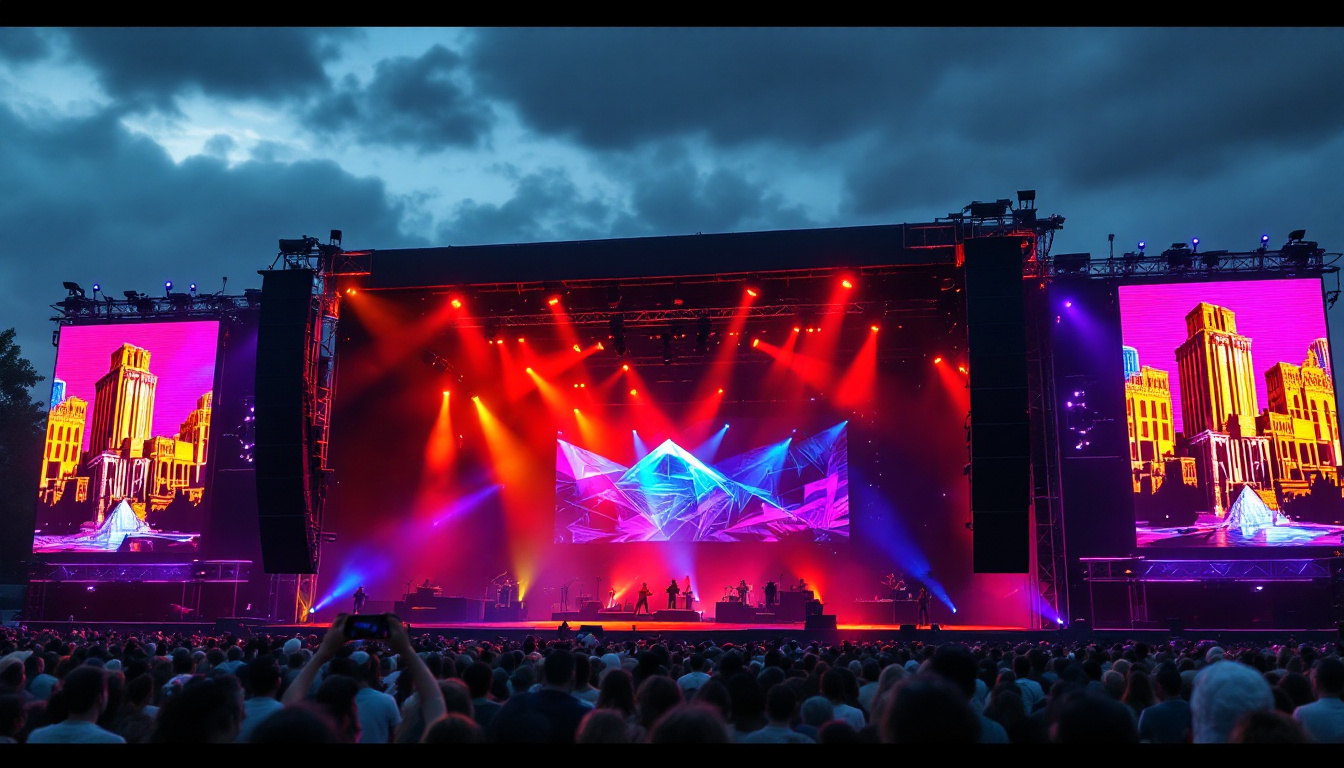
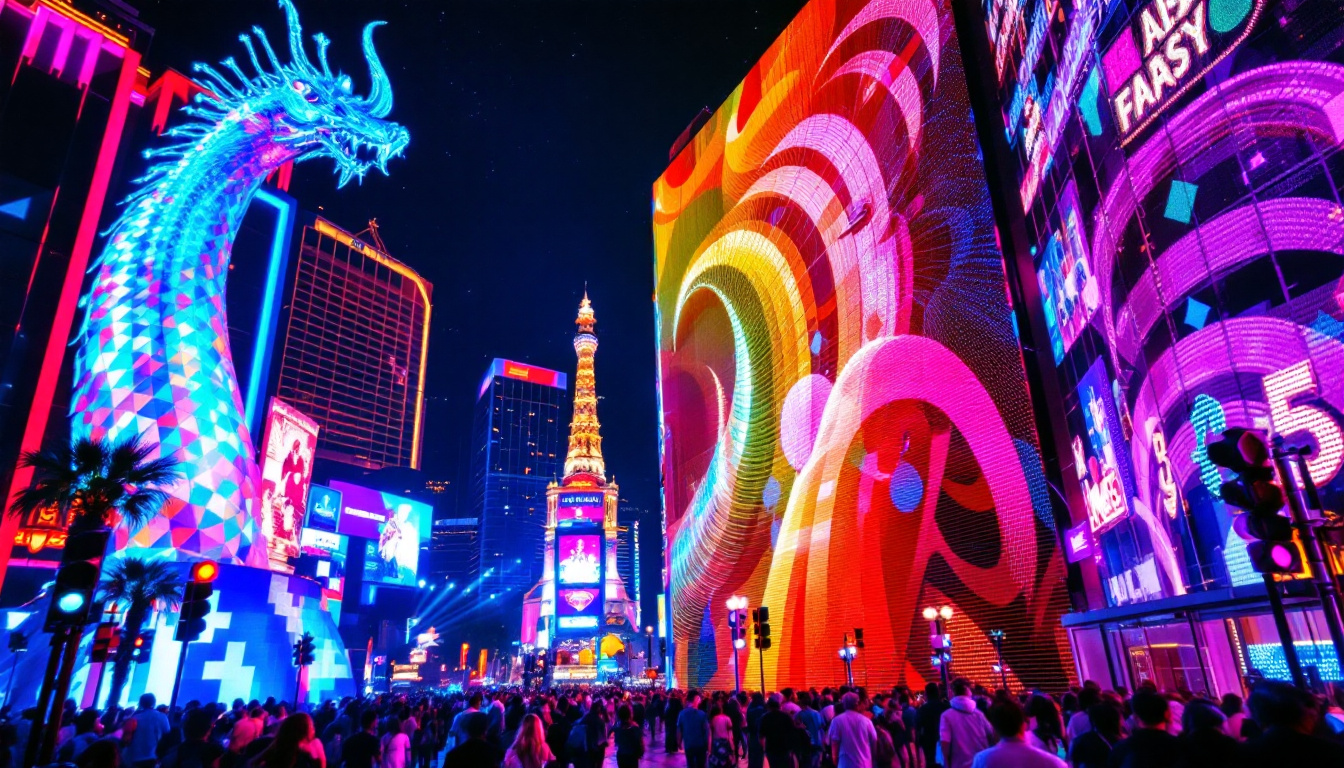
Event organizers leverage LED walls to create immersive experiences, from concerts to trade shows. The ability to display high-definition video content and live feeds enhances audience engagement and creates memorable experiences. Additionally, LED walls can be configured in various shapes and sizes, allowing for creative setups that transform any venue into a dynamic visual environment. This adaptability not only captivates audiences but also provides opportunities for sponsors and exhibitors to showcase their brands in innovative ways, further enhancing the overall event experience.
Public Information and Transportation Hubs
Airports, train stations, and city centers utilize LED wall displays to provide real-time information such as schedules, alerts, and advertisements. The high visibility and reliability of LED technology ensure that critical information is accessible to large crowds. These displays are often strategically placed in high-traffic areas, ensuring that travelers can easily access important updates, such as flight changes or delays, enhancing the overall efficiency of transportation systems.
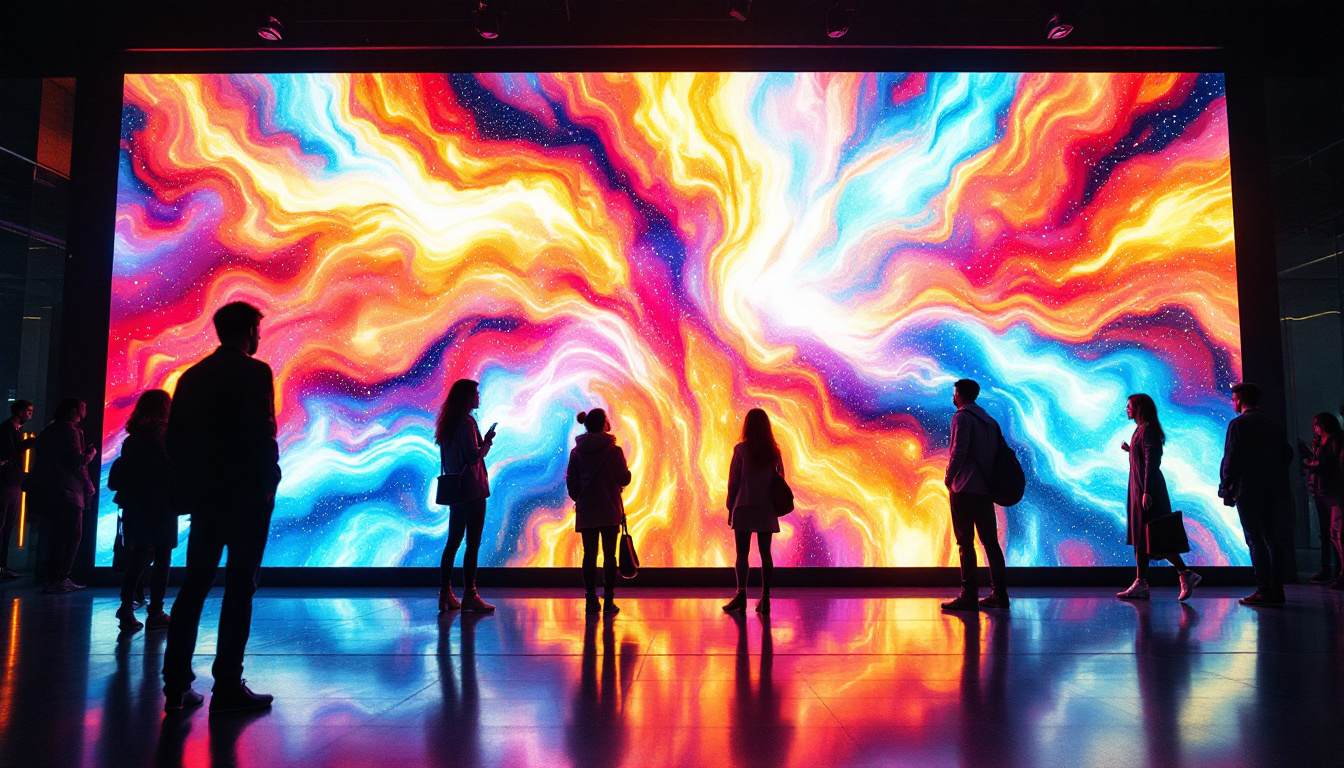
Furthermore, the use of LED displays in public spaces extends beyond mere information dissemination. They can serve as platforms for community engagement, showcasing local events, public service announcements, and even art installations. This not only enriches the urban landscape but also fosters a sense of community by keeping citizens informed and connected to local happenings. As cities continue to evolve, the role of LED wall displays in shaping public spaces and enhancing communication will undoubtedly grow, making them an integral part of modern infrastructure.
Benefits of LED Wall Displays
Choosing an LED wall display offers numerous advantages over other display technologies, making them a preferred choice for many applications.
Brightness and Visibility
LED displays can achieve brightness levels exceeding 5,000 nits, far surpassing traditional LCD screens. This ensures clear visibility even in direct sunlight or brightly lit indoor environments, which is crucial for outdoor advertising and public displays.
Energy Efficiency and Longevity
Modern LED technology is energy efficient, consuming significantly less power than projection or LCD systems. Additionally, LED displays have a long operational lifespan, often exceeding 100,000 hours of use, reducing maintenance costs and downtime.
Customization and Scalability
LED wall displays can be customized to almost any size or shape, from small video walls in retail stores to massive stadium screens. Their modular design allows for easy scalability and maintenance, as individual modules can be replaced without dismantling the entire display.
High Refresh Rates and Color Accuracy
LED displays support high refresh rates, which is essential for smooth video playback and reducing motion blur. Advances in LED technology have also improved color accuracy and contrast ratios, delivering vibrant and lifelike images.
Key Considerations When Choosing an LED Wall Display
Investing in an LED wall display requires careful consideration of several factors to ensure it meets your specific needs and budget.
Pixel Pitch and Resolution
Pixel pitch refers to the distance between the centers of two adjacent LEDs and is measured in millimeters. A smaller pixel pitch means higher resolution and sharper images, which is especially important for indoor displays viewed up close.
For example, a pixel pitch of 1.5mm or less is ideal for close viewing distances, while outdoor displays with larger viewing distances can have pixel pitches of 10mm or more.
Brightness and Viewing Environment
Consider the ambient lighting conditions where the display will be installed. Outdoor displays require higher brightness levels to remain visible under sunlight, while indoor displays can operate at lower brightness to reduce eye strain and energy consumption.
Durability and Weather Resistance
For outdoor installations, ensure the display has an appropriate Ingress Protection (IP) rating, which indicates resistance to dust and water. An IP65 rating or higher is typically recommended for outdoor LED walls.
Installation and Maintenance
LED wall displays can be heavy and complex to install. It is important to work with experienced professionals who can ensure proper mounting, cabling, and calibration. Additionally, consider the ease of access for maintenance and repairs, as modular designs simplify servicing.
Content Management System (CMS)
A robust CMS allows you to control and schedule content remotely, ensuring your display remains dynamic and relevant. Look for systems that support multiple media formats, real-time updates, and integration with other digital platforms.
Future Trends in LED Wall Displays
The LED display industry continues to evolve rapidly, driven by advancements in technology and changing user demands.
MicroLED and MiniLED Technologies
Emerging technologies like MicroLED and MiniLED promise even higher resolution, improved color accuracy, and better energy efficiency. These displays use smaller diodes, allowing for thinner, lighter screens with enhanced image quality.
Flexible and Transparent LED Displays
Innovations in flexible LED panels enable curved or irregularly shaped displays, opening new possibilities for creative installations. Transparent LED displays are also gaining traction, allowing digital content to be displayed on glass surfaces without obstructing the view.
Integration with AI and IoT
Artificial intelligence and the Internet of Things (IoT) are being integrated into LED display systems to enable smarter content delivery, audience analytics, and automated adjustments based on environmental conditions.
Conclusion
LED wall digital displays represent a powerful medium for communication, blending cutting-edge technology with practical versatility. Their superior brightness, energy efficiency, and customizable nature make them suitable for a wide range of applications, from advertising and corporate events to public information systems.
When selecting an LED display, understanding the technical specifications and environmental requirements is crucial to maximizing the investment’s value. As LED technology advances, the possibilities for innovative and impactful digital displays will continue to expand, shaping the future of visual communication.
Discover LumenMatrix’s Innovative LED Display Solutions
Ready to elevate your visual communication with the latest in LED technology? LumenMatrix is at the forefront of creating immersive and dynamic visual experiences tailored to your needs. From Indoor and Outdoor LED Wall Displays to specialized solutions like Vehicle LED Displays, LED Sports Displays, and Custom LED Displays, we have the expertise to bring your vision to life. Embrace the future of digital signage with LumenMatrix’s state-of-the-art LED display modules. Check out LumenMatrix LED Display Solutions today and transform your space into a captivating showcase of innovation.