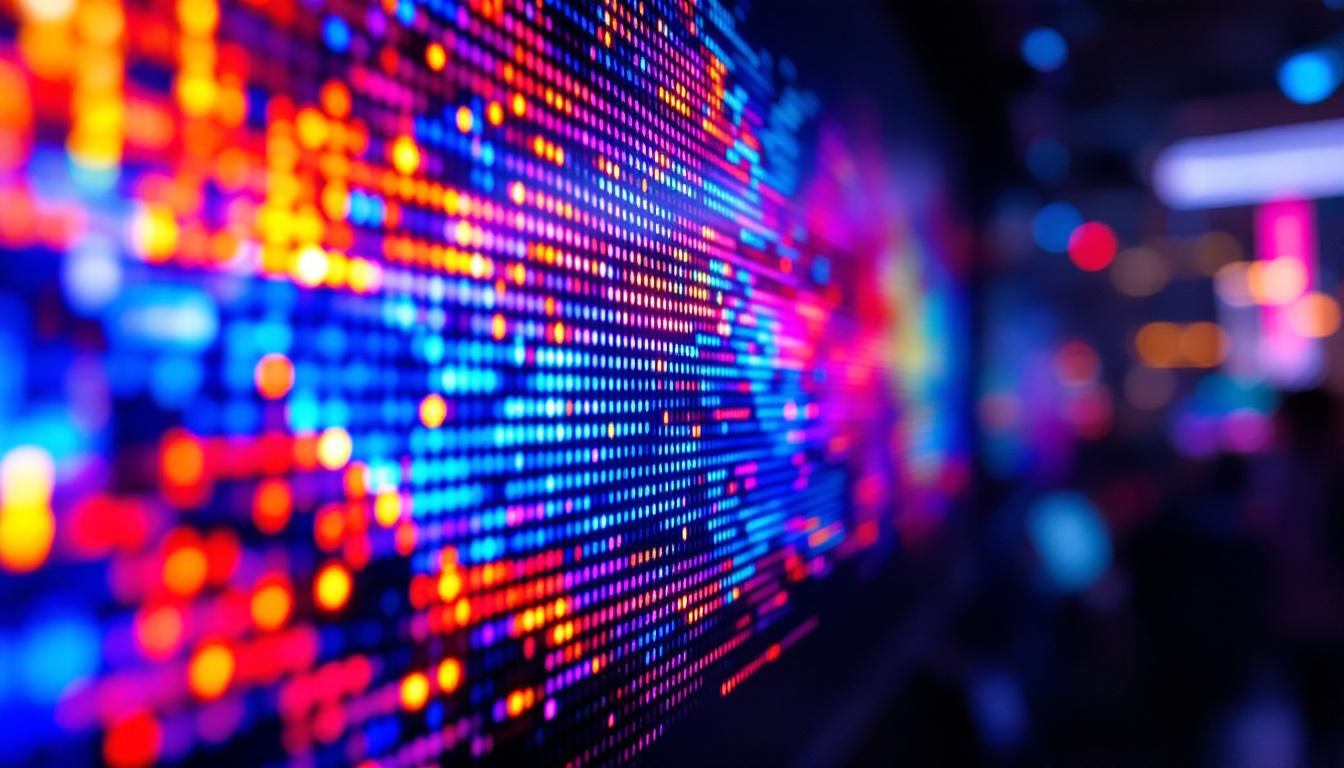
In the rapidly evolving world of digital signage and visual technology, LED displays have become a cornerstone for delivering vibrant, high-impact visuals across various industries. From massive outdoor billboards to indoor video walls and stadium screens, pixel LED screens are transforming how information and advertising are presented. This article delves into the fundamentals of pixel LED screens, explaining how they work, their key components, types, and why they are increasingly preferred over other display technologies.
Understanding Pixel LED Screens: The Basics
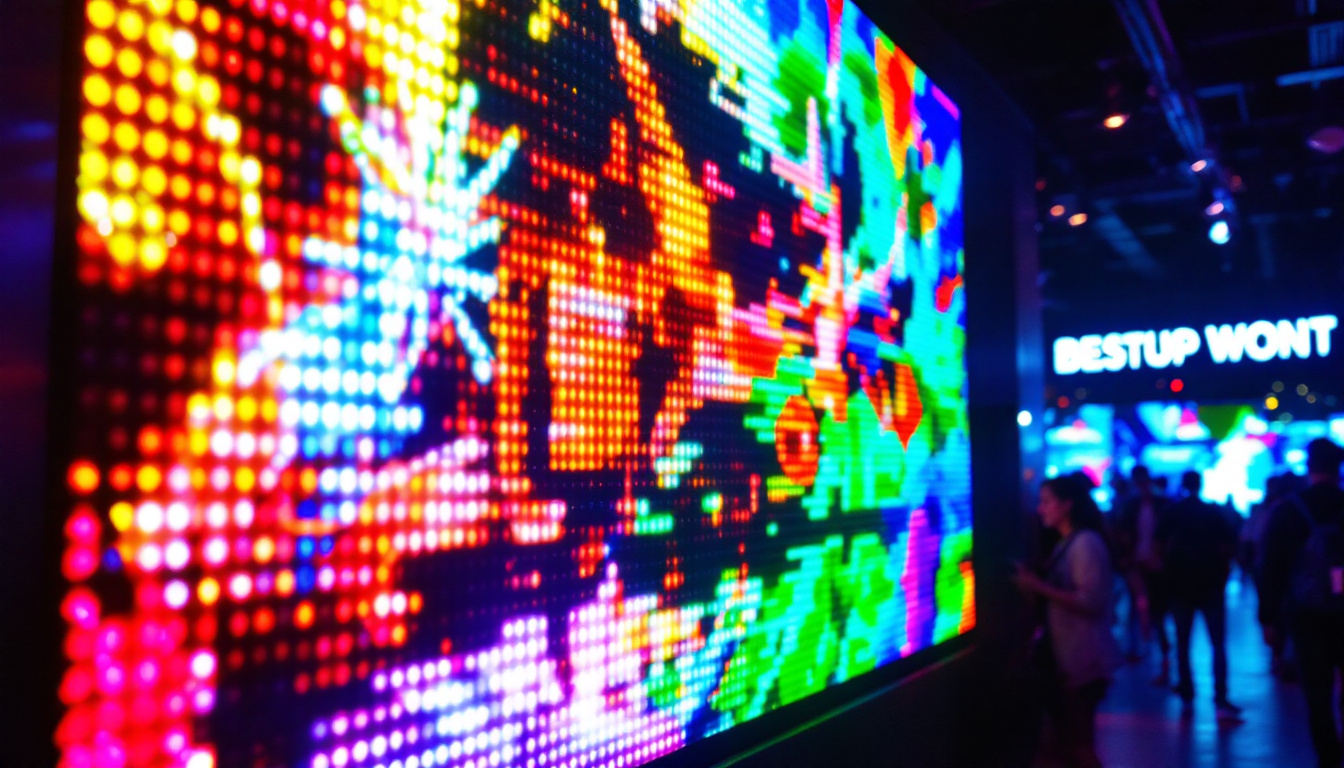
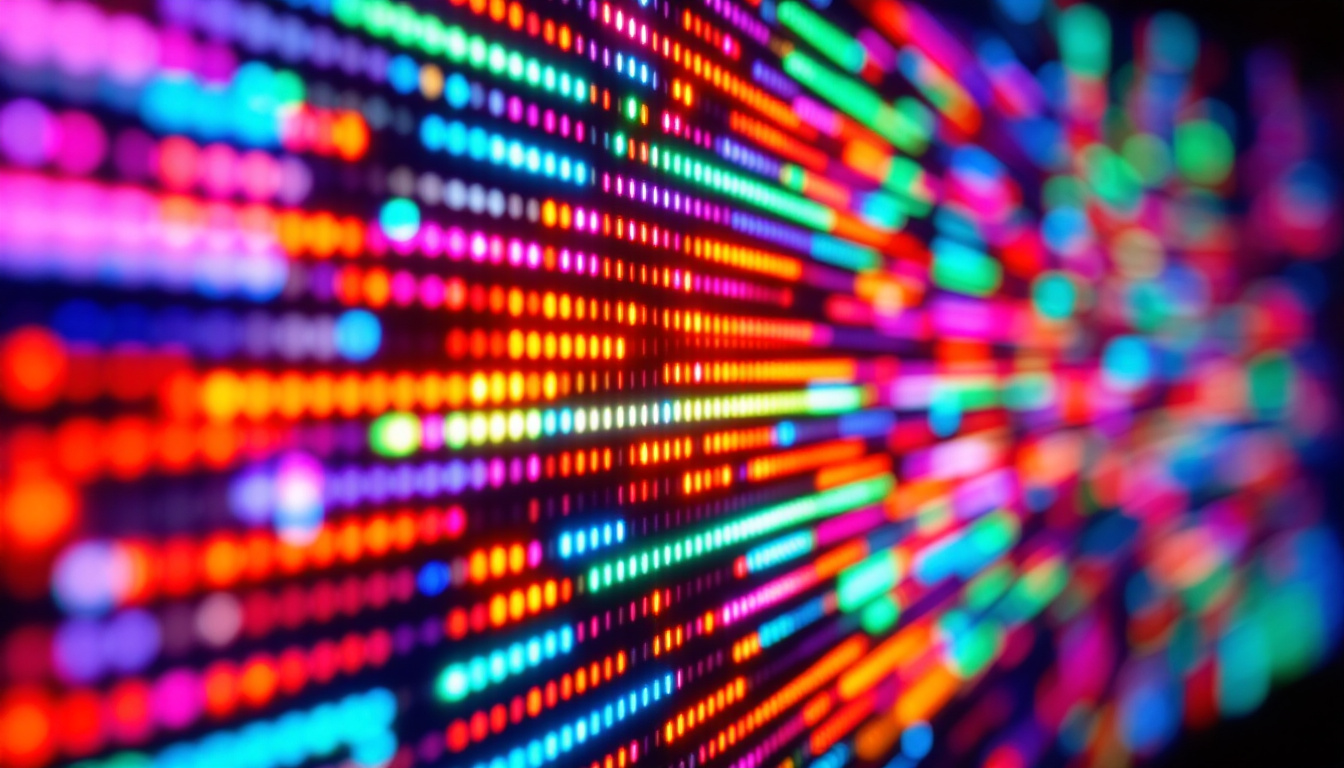
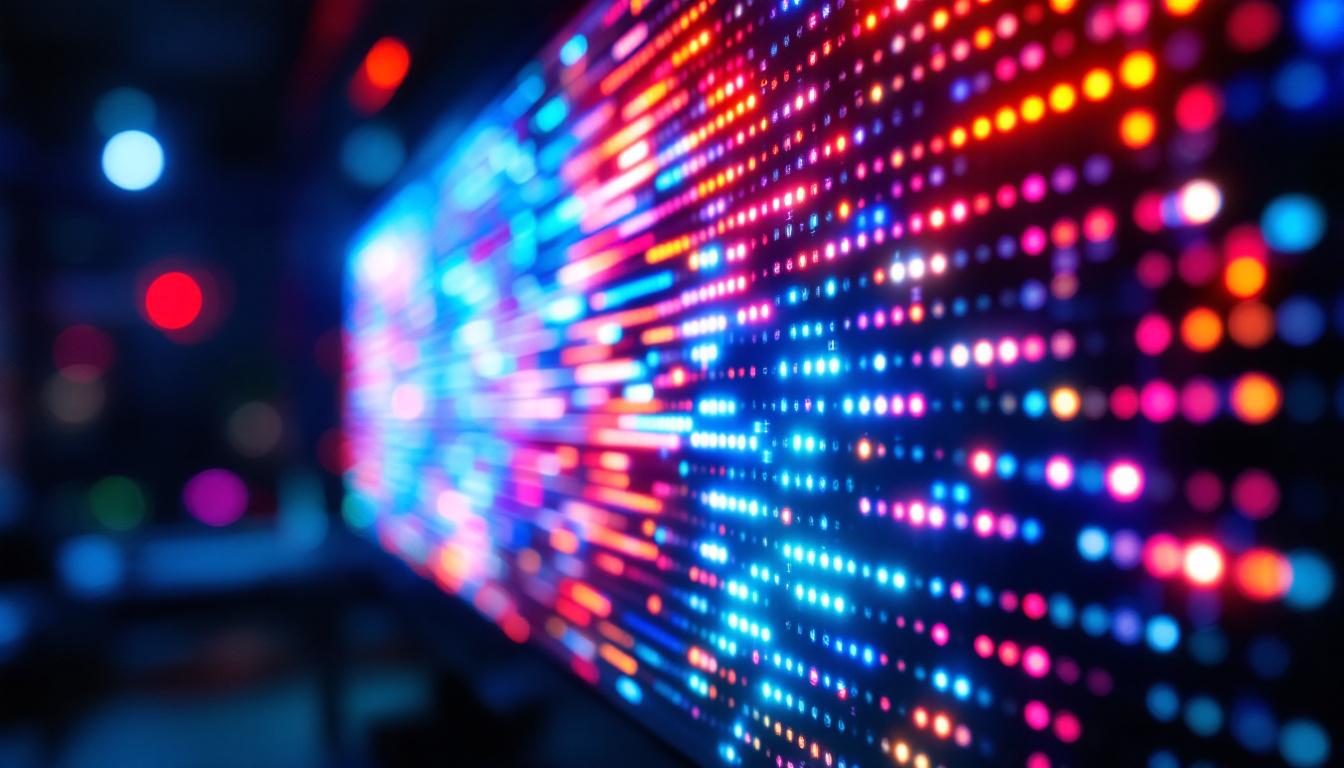
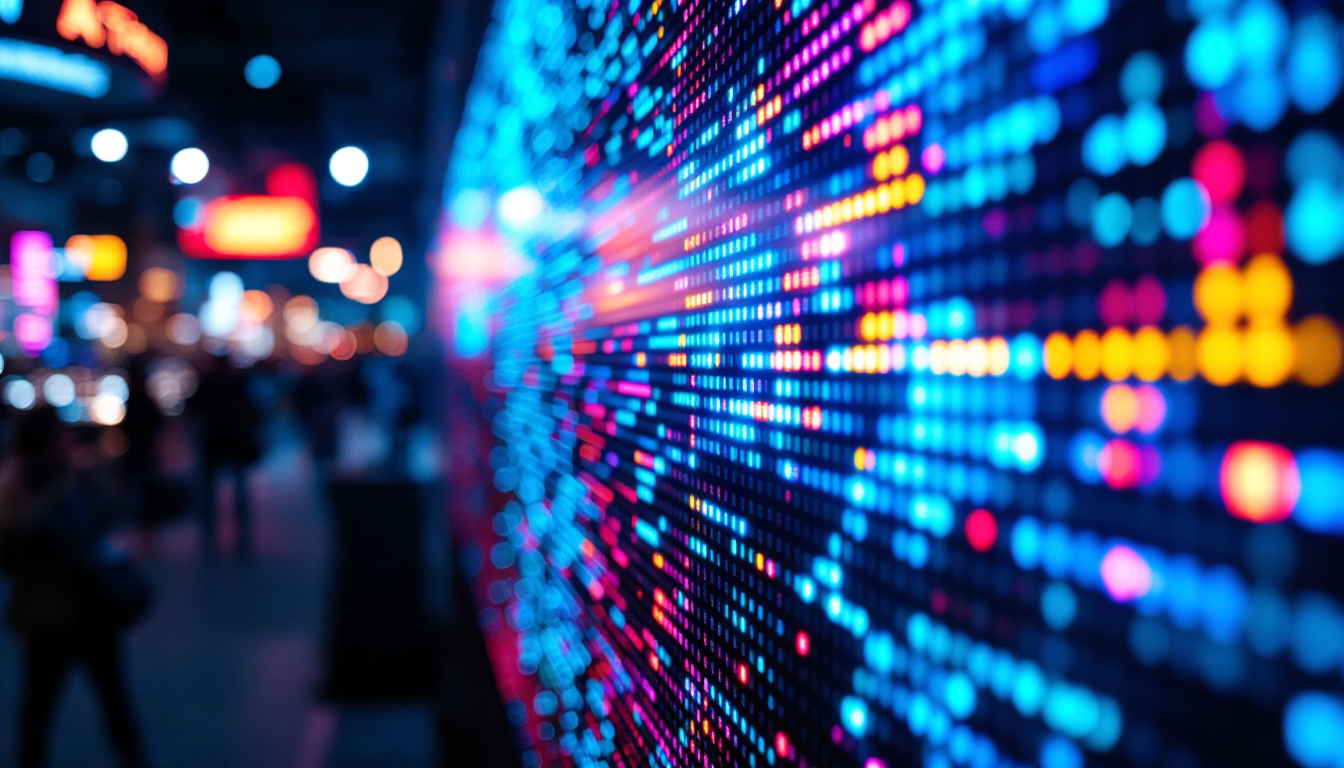
At its core, a pixel LED screen is a digital display composed of numerous tiny light-emitting diodes (LEDs) arranged in a grid pattern. Each LED functions as a single pixel or part of a pixel, emitting light in specific colors to create images and videos. The combination of thousands or even millions of these pixels results in a seamless, high-resolution display.
The term “pixel” in pixel LED screen refers to the smallest controllable element of the display that can emit light independently. Unlike traditional LCD screens, which rely on backlighting and liquid crystals to modulate light, LED screens generate their own light, offering superior brightness and contrast.
How Pixel LED Screens Work
Each pixel in an LED screen typically consists of three subpixels: red, green, and blue (RGB). By adjusting the intensity of each subpixel, the screen can reproduce a wide spectrum of colors. This RGB color model is foundational to most digital displays, enabling the creation of full-color images.
The LEDs are controlled by a driver circuit that receives input signals from a video source, such as a computer or media player. These signals dictate which LEDs light up and at what intensity, refreshing the image many times per second to ensure smooth motion and clear visuals.
Pixel Pitch: The Key to Resolution and Clarity
One of the most critical specifications of a pixel LED screen is its pixel pitch, defined as the distance between the centers of two adjacent pixels, usually measured in millimeters. A smaller pixel pitch means pixels are packed more tightly together, resulting in higher resolution and sharper images, especially at close viewing distances.
For example, a pixel pitch of 1.5 mm is common in high-resolution indoor LED displays, suitable for close-up viewing in retail stores or control rooms. Conversely, outdoor LED billboards might have a pixel pitch of 10 mm or more, as they are designed to be viewed from greater distances.
Types of Pixel LED Screens
Pixel LED screens come in various configurations tailored to specific applications and environments. Understanding these types helps in selecting the right display solution based on factors like viewing distance, ambient lighting, and content type.
Indoor LED Displays
Indoor LED screens are designed for environments such as conference rooms, shopping malls, airports, and broadcast studios. They typically feature a small pixel pitch (ranging from 0.9 mm to 4 mm) to ensure crisp, detailed images at close range.
These displays are optimized for controlled lighting conditions and often include features like high refresh rates and color calibration to maintain image quality. Because indoor environments are less exposed to weather, indoor LED panels tend to be lighter and more delicate compared to their outdoor counterparts.
Outdoor LED Displays
Outdoor LED screens are built to withstand harsh environmental conditions, including rain, dust, and extreme temperatures. They usually have a larger pixel pitch (from 6 mm to 20 mm or more) because they are viewed from longer distances, such as on highways or stadiums.
Brightness is a key factor for outdoor LED displays, often exceeding 5,000 nits to ensure visibility even under direct sunlight. Additionally, these screens incorporate weatherproofing measures like IP65 or higher ratings to protect against moisture and debris.
Flexible and Transparent LED Screens
Recent advancements have introduced flexible LED screens that can bend and curve, opening new creative possibilities for architectural integration and immersive experiences. These screens use smaller, lightweight modules that can be shaped to fit unusual surfaces.
Transparent LED screens are another innovation, allowing viewers to see through the display while still delivering vibrant visuals. These are popular in retail storefronts and museums, where maintaining visibility through glass is important while showcasing dynamic content.
Advantages of Pixel LED Screens Over Other Display Technologies
LED displays offer several advantages compared to LCD, OLED, and projection technologies, making them a preferred choice across many sectors.
Superior Brightness and Contrast
Because each pixel in an LED screen emits its own light, these displays can achieve much higher brightness levels than LCDs, which rely on backlighting. This makes LED screens highly effective in bright environments, including outdoor settings where sunlight can wash out other types of displays.
Additionally, LED technology provides excellent contrast ratios. True blacks are achieved by turning off individual LEDs, unlike LCDs that always have some backlight bleed. This results in more vivid and lifelike images.
Energy Efficiency and Longevity
Modern LEDs are highly energy-efficient, consuming less power than traditional display technologies for equivalent brightness levels. This efficiency translates into lower operational costs, especially for large-scale installations that run continuously.
LEDs also have a longer lifespan, often rated for 50,000 to 100,000 hours of use, reducing maintenance and replacement frequency. This durability is particularly beneficial for outdoor displays exposed to constant environmental stress.
Scalability and Customization
Pixel LED screens are modular by design, allowing for flexible sizing and shapes. This modularity enables the creation of massive video walls or uniquely shaped displays that can be tailored to specific architectural or branding needs.
Moreover, LED screens can be seamlessly integrated with interactive technologies, sensors, and software platforms, enhancing their functionality beyond simple image display.
Applications of Pixel LED Screens
The versatility of pixel LED screens has led to widespread adoption across many industries, each leveraging the technology to meet unique communication and entertainment needs.
Advertising and Digital Signage
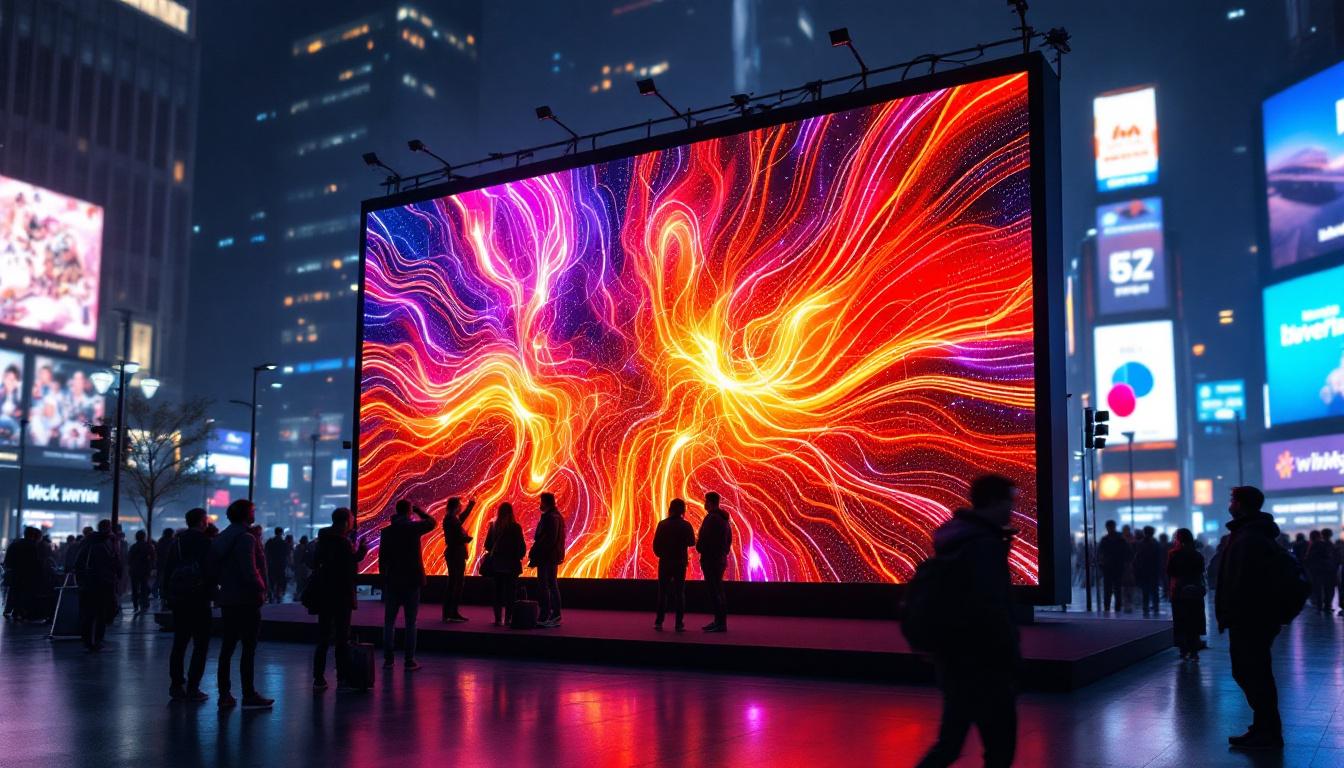
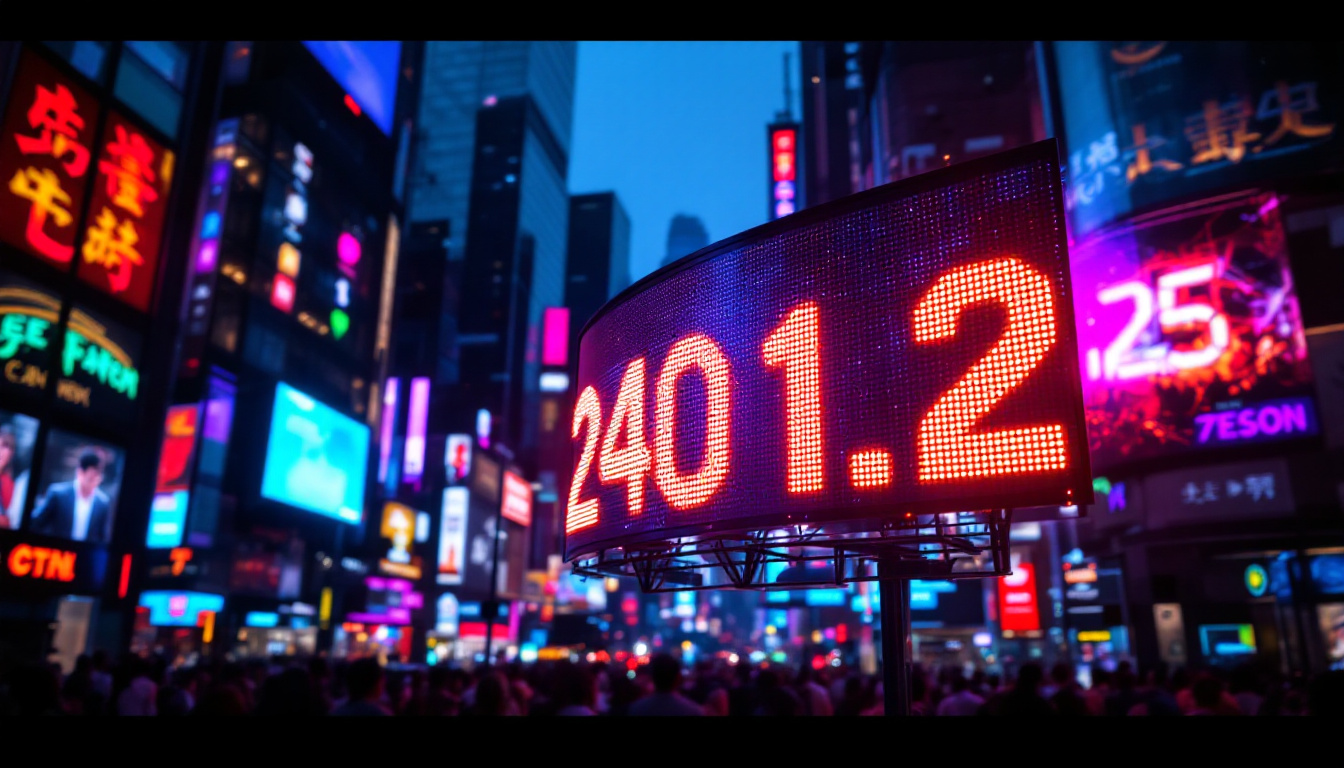
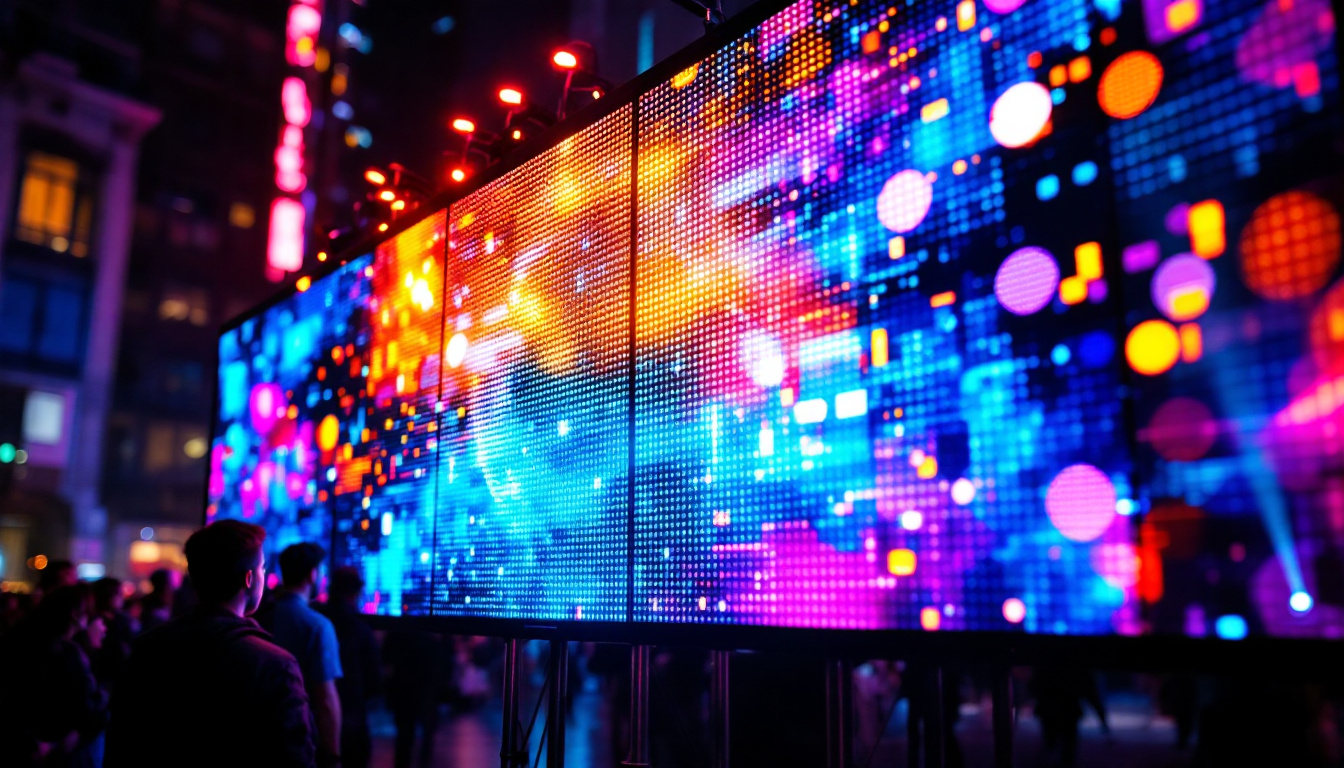
One of the most prominent uses of pixel LED screens is in outdoor advertising. Digital billboards featuring LED technology can display dynamic content that captures attention more effectively than static posters. The ability to change ads remotely and in real-time offers marketers unprecedented flexibility.
Indoor digital signage in retail environments also benefits from LED displays, providing bright, eye-catching visuals that enhance customer engagement and promote products.
Sports and Entertainment Venues
Stadiums and arenas utilize large pixel LED screens to deliver live game footage, replays, and interactive content to thousands of spectators. These screens must be bright and high-resolution to ensure visibility from every seat.
Concerts and events often use LED walls as backdrops, creating immersive visual experiences that synchronize with performances.
Corporate and Control Room Environments
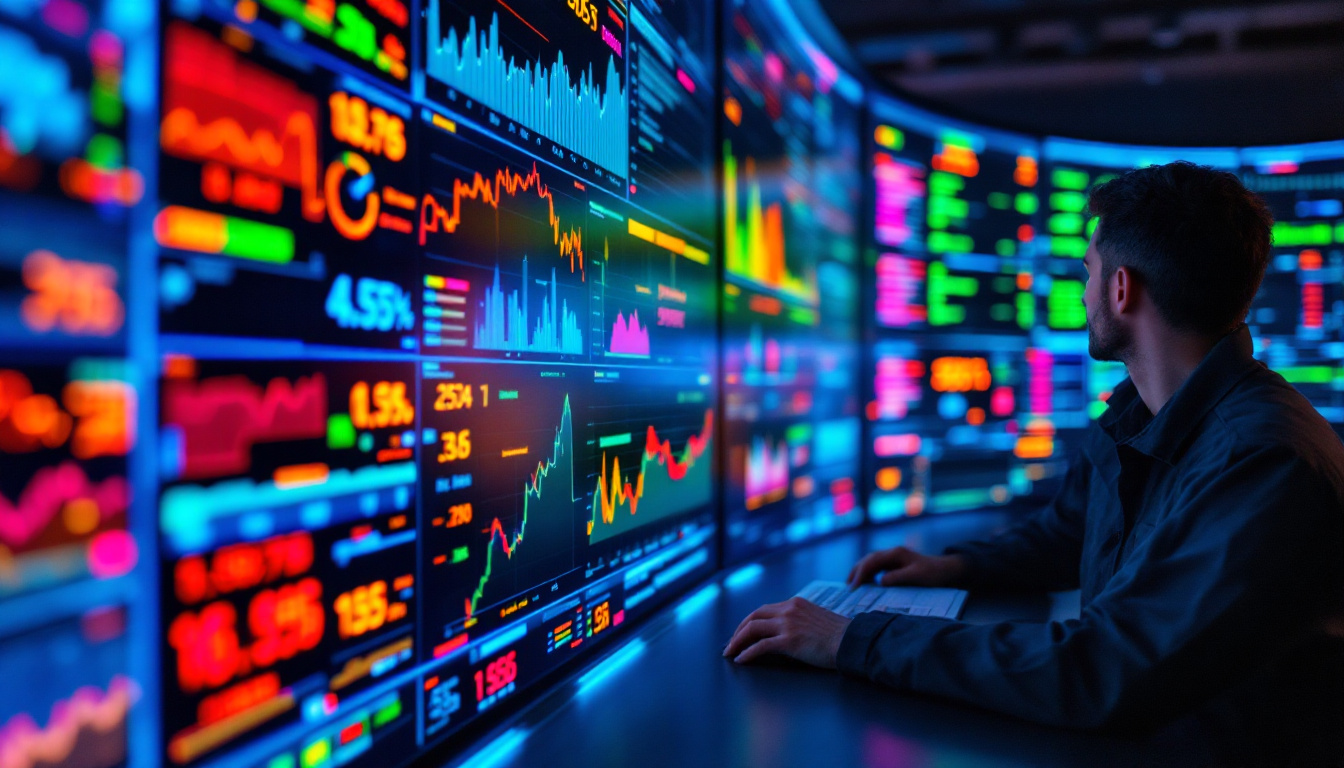
In corporate settings, LED video walls serve as powerful communication tools for presentations, video conferencing, and data visualization. Control rooms in industries like transportation, utilities, and security rely on high-resolution LED displays to monitor critical information in real-time.
Choosing the Right Pixel LED Screen
Selecting an appropriate pixel LED screen requires careful consideration of several factors to ensure optimal performance and return on investment.
Viewing Distance and Pixel Pitch
The intended viewing distance directly influences the choice of pixel pitch. A general rule is that the viewing distance (in meters) should be at least ten times the pixel pitch (in millimeters). For example, a 3 mm pixel pitch screen is best viewed from about 3 meters or more.
Choosing a pixel pitch that is too large for close viewing results in visible pixelation, while an unnecessarily small pixel pitch for distant viewing increases costs without perceptible image quality gains.
Brightness and Environmental Conditions
Consider the ambient lighting conditions where the screen will be installed. Outdoor screens require higher brightness levels to combat sunlight, whereas indoor screens can operate at lower brightness to reduce power consumption and eye strain.
Environmental factors such as humidity, temperature fluctuations, and exposure to dust or water also dictate the choice of screen type and protective features.
Resolution and Content Type
The resolution needed depends on the type of content displayed. High-definition video and detailed graphics require higher resolution screens with smaller pixel pitches. For simple text or basic images, a lower resolution may suffice.
Understanding content requirements helps balance quality and cost effectively.
Future Trends in Pixel LED Screen Technology
The pixel LED screen market continues to innovate rapidly, with several emerging trends shaping the future of display technology.
Mini-LED and Micro-LED Advancements
Mini-LED and Micro-LED technologies represent the next generation of LED displays. Mini-LEDs use thousands of tiny LEDs as backlighting for LCD panels, improving contrast and brightness. Micro-LEDs, on the other hand, are self-emissive like traditional LEDs but much smaller, enabling even higher resolution and efficiency.
These technologies promise to combine the best features of OLED and LED displays, such as perfect blacks, high brightness, and long lifespan.
Integration with Smart Technologies
Pixel LED screens are increasingly integrated with artificial intelligence, IoT devices, and interactive sensors. This integration allows for personalized content delivery, real-time analytics, and enhanced user engagement.
For instance, smart LED billboards can adjust content based on audience demographics or weather conditions, maximizing advertising effectiveness.
Sustainability and Energy Efficiency
As environmental concerns grow, manufacturers are focusing on developing more sustainable LED displays. Innovations include using recyclable materials, reducing power consumption, and improving manufacturing processes to minimize carbon footprints.
Energy-efficient LED screens not only reduce operational costs but also align with corporate social responsibility goals.
Conclusion
Pixel LED screens have revolutionized the way visual content is displayed across various sectors. Their superior brightness, flexibility, and durability make them an ideal choice for applications ranging from advertising and entertainment to corporate communication and public information systems.
Understanding the technical aspects such as pixel pitch, brightness, and environmental suitability is crucial for selecting the right LED display solution. With ongoing advancements like Micro-LED technology and smart integration, pixel LED screens are poised to become even more versatile and impactful in the years ahead.
For businesses and organizations looking to enhance their visual communication, investing in high-quality pixel LED screens offers a compelling combination of performance, reliability, and future-proofing.
Discover LumenMatrix’s Innovative LED Display Solutions
Ready to elevate your visual communication strategy with the latest in LED technology? Look no further than LumenMatrix, a pioneer in crafting LED display modules that bring your brand to life. Whether you need an Indoor LED Wall Display for your corporate headquarters, an Outdoor LED Wall Display for impactful advertising, or any of our specialized solutions like Vehicle LED Displays, LED Sports Displays, or Custom LED Displays, LumenMatrix has the expertise to transform your space. Experience the future of digital signage with our All-in-One and Transparent LED Displays. Check out LumenMatrix LED Display Solutions today and start creating unforgettable visual experiences.