In the world of outdoor advertising, LED display billboards have revolutionized how brands communicate with their audiences. These vibrant, dynamic screens capture attention like never before, offering advertisers unprecedented flexibility and impact. As traditional static billboards gradually give way to LED technology, understanding how these displays work and why they are so effective is essential for marketers, advertisers, and business owners alike.
What Are LED Display Billboards?
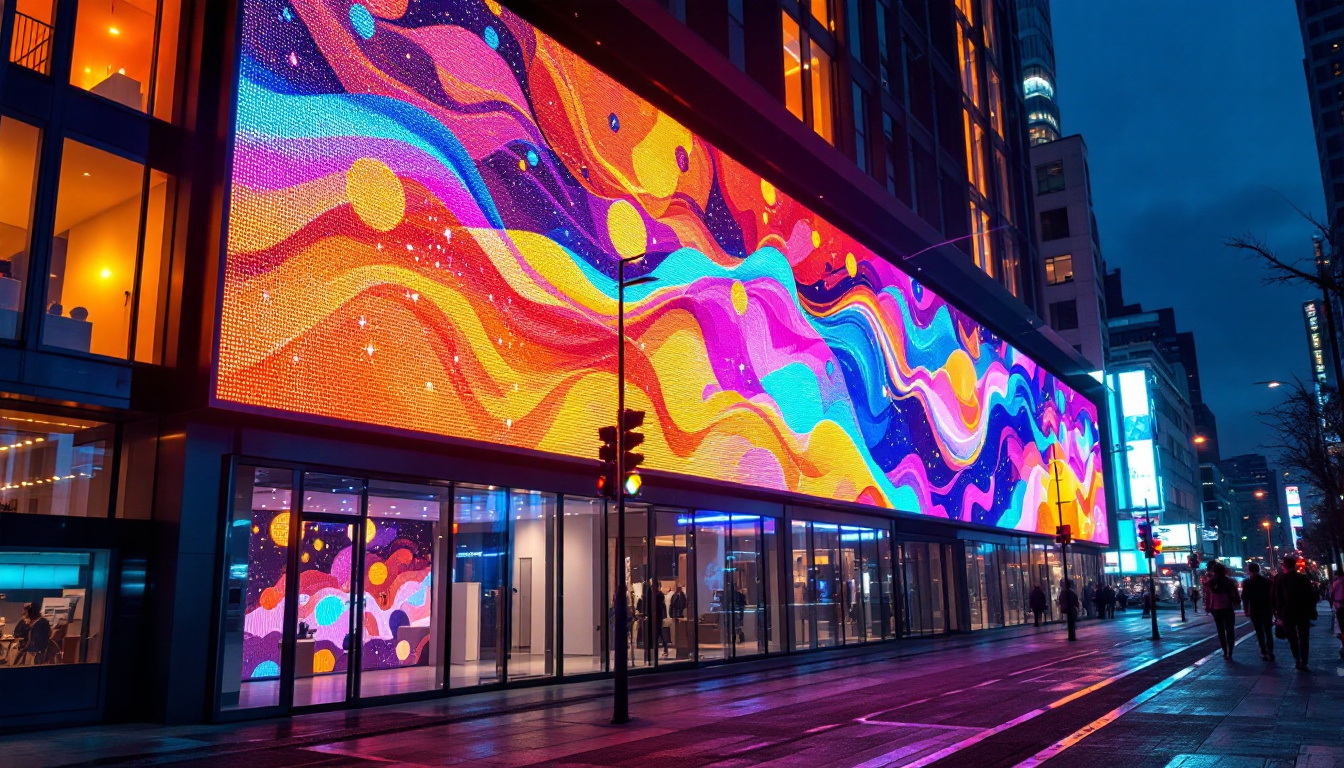
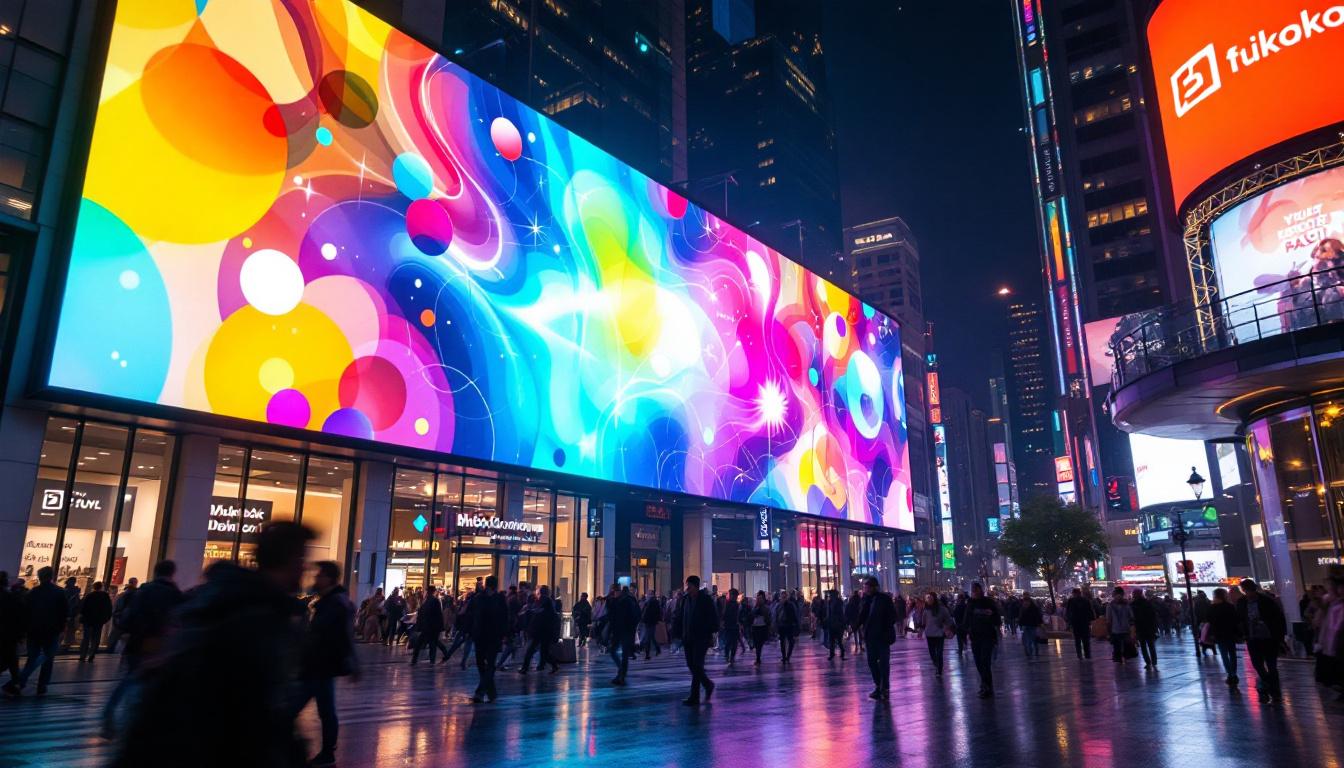
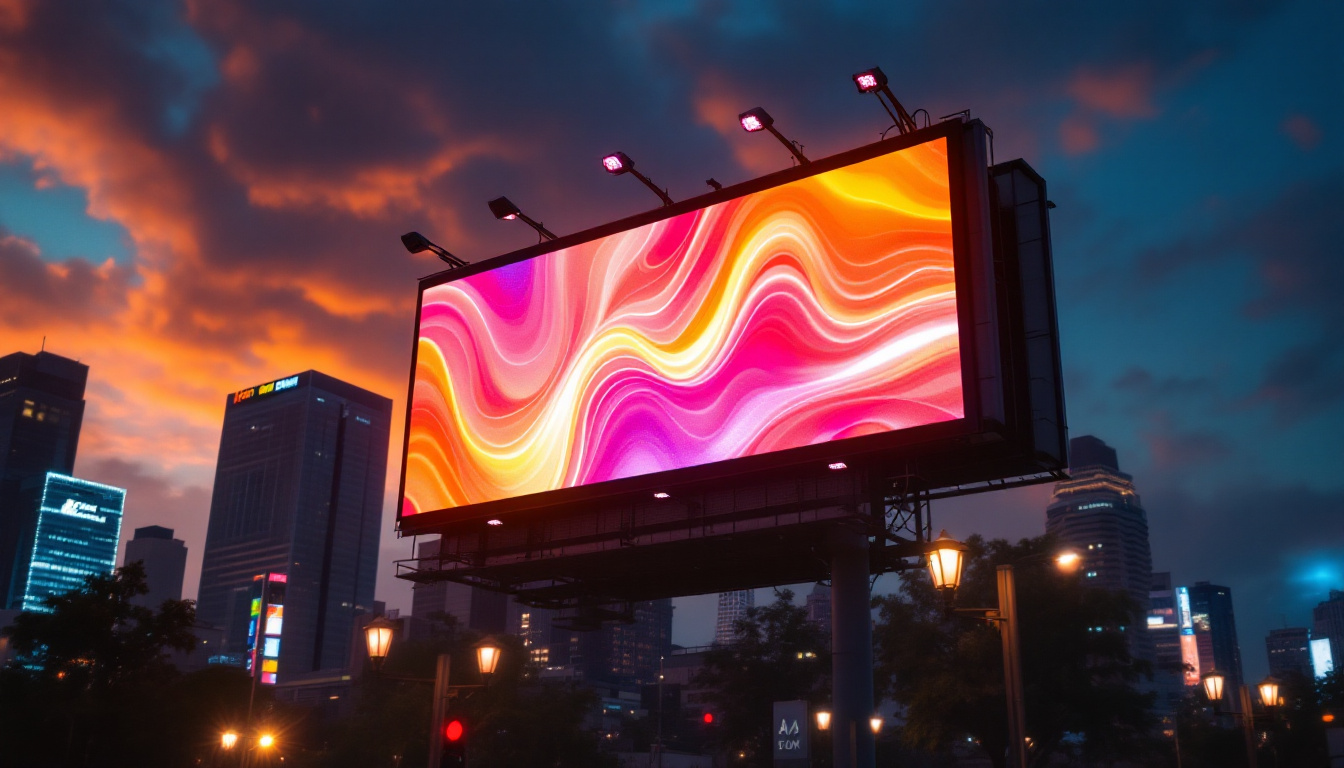
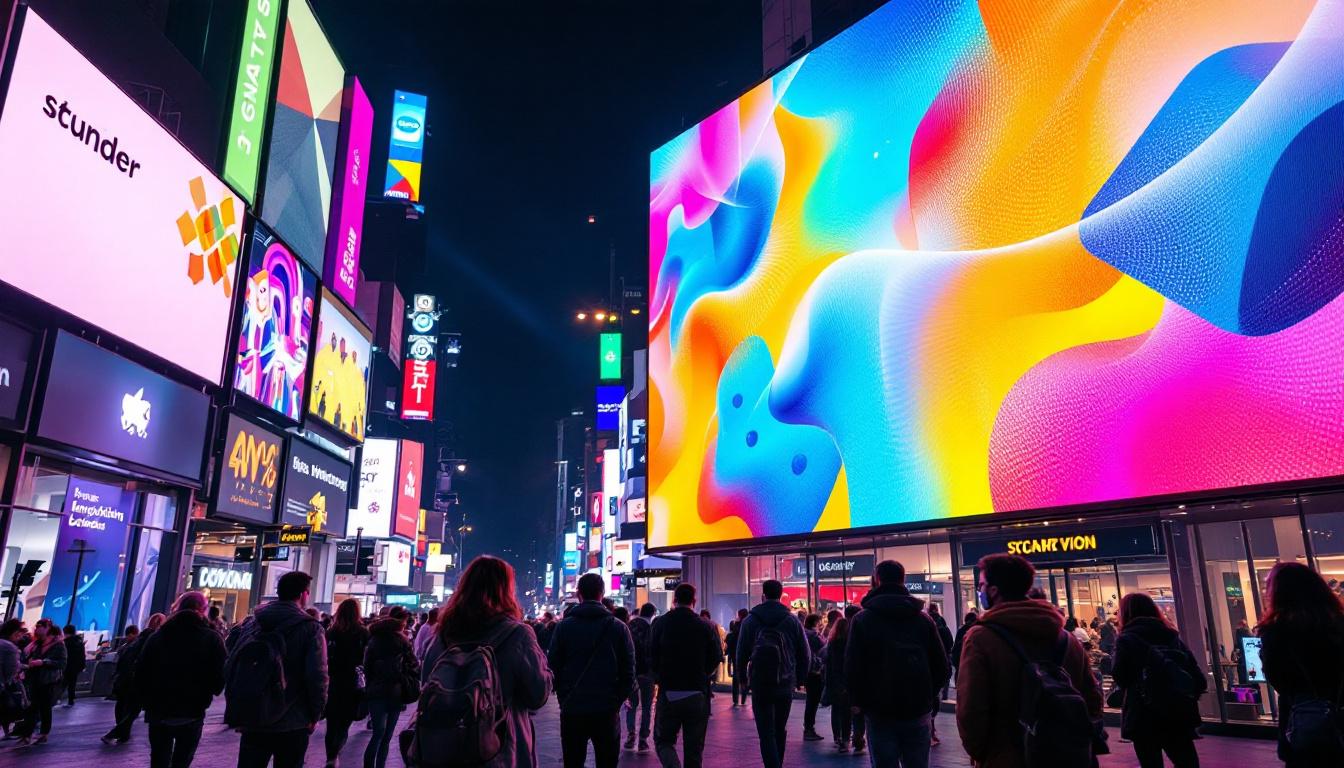
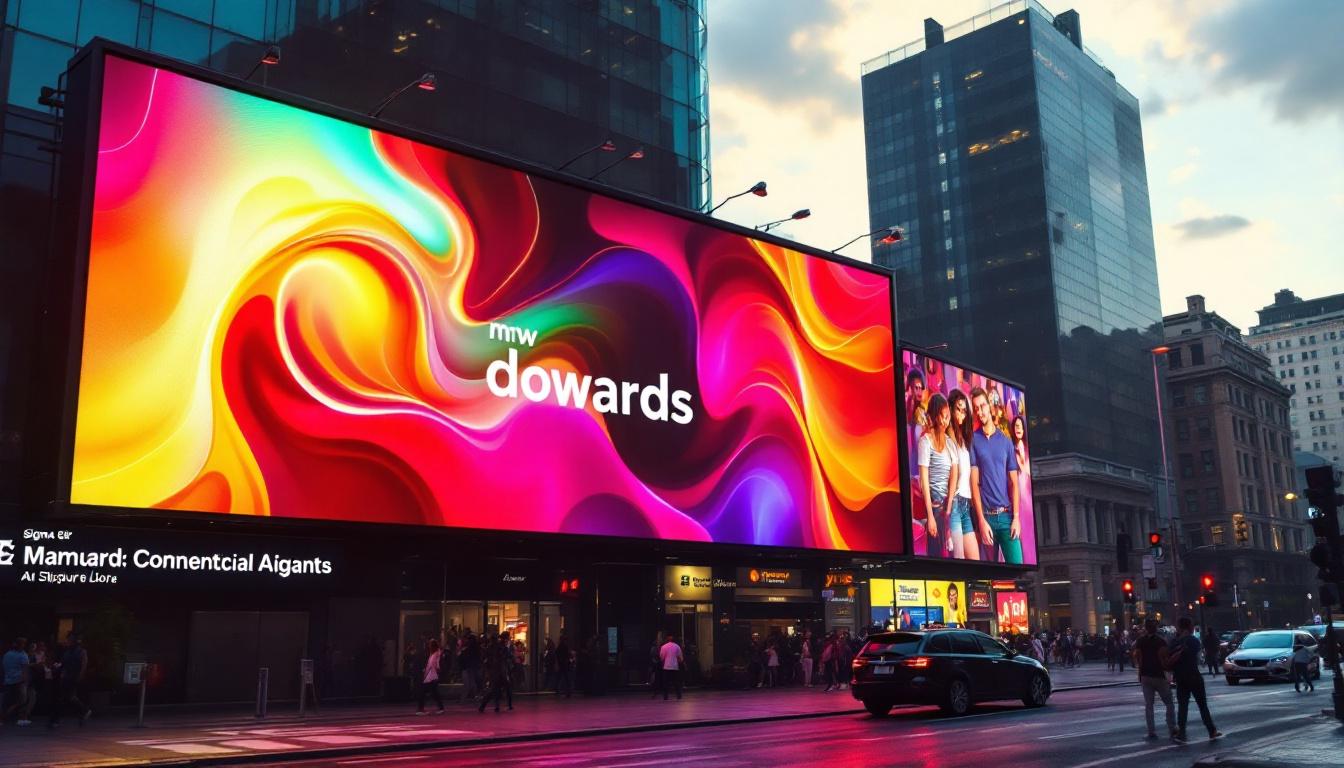
LED display billboards are large-scale digital screens that use light-emitting diodes (LEDs) to present images, videos, and animations. Unlike traditional printed billboards, LED billboards can change their content instantly, allowing multiple advertisements to run sequentially or even display real-time information such as news, weather, or social media feeds.
The core technology behind these billboards involves thousands of tiny LEDs arranged in a grid. Each LED acts as a pixel, emitting light in red, green, and blue to create a full spectrum of colors. By controlling the intensity of each LED, the display produces vivid, high-resolution images visible even in direct sunlight. This capability not only enhances visibility but also allows for creative advertising techniques that can captivate an audience’s attention more effectively than static displays.
In addition to their vibrant displays, LED billboards are often equipped with advanced sensors and connectivity features. These can include ambient light sensors that automatically adjust brightness based on surrounding light conditions, ensuring optimal visibility at all times. Furthermore, many LED billboards are integrated with cloud-based content management systems, allowing advertisers to update their campaigns remotely and in real-time. This flexibility is particularly advantageous for businesses looking to respond quickly to market trends or local events, making their advertising efforts more relevant and timely.
How LED Billboards Differ from Traditional Billboards
Traditional billboards rely on printed vinyl or paper posters that remain static until manually replaced. This process can be costly and time-consuming, limiting the frequency of message updates. In contrast, LED billboards offer dynamic content management, enabling advertisers to tailor messages based on time of day, audience demographics, or special events. This adaptability not only maximizes advertising impact but also allows for targeted marketing strategies that can lead to higher engagement rates.
Moreover, LED billboards often feature higher brightness levels, ensuring visibility in various lighting conditions. Their ability to display motion graphics and video content creates more engaging and memorable advertisements, which can significantly boost brand recall. Studies have shown that dynamic content can increase viewer retention and response rates, making LED billboards a powerful tool in the advertising arsenal. Additionally, the interactive potential of LED displays can be harnessed through QR codes or social media integration, encouraging viewers to engage with brands beyond just passive observation. This interactivity opens up new avenues for consumer connection and brand loyalty, further distinguishing LED billboards from their traditional counterparts.
The Technology Behind LED Display Billboards
Understanding the technology behind LED billboards sheds light on why they have become a preferred medium for outdoor advertising. Several key components and innovations contribute to their effectiveness.
LED Modules and Pixel Pitch
At the heart of an LED billboard are LED modules—small panels composed of multiple LEDs. These modules combine to form the larger display screen. One important specification is the pixel pitch, which refers to the distance between the centers of two adjacent pixels. Pixel pitch affects the resolution and viewing distance of the billboard.
For example, a smaller pixel pitch (e.g., 4mm) means higher resolution and sharper images, suitable for billboards viewed up close. Larger pixel pitches (e.g., 16mm or more) are common for billboards intended to be seen from greater distances, where ultra-high resolution is less critical.
Brightness and Contrast
LED billboards must be bright enough to compete with natural sunlight. Modern LED displays can achieve brightness levels exceeding 5,000 nits, ensuring clear visibility even on the sunniest days. Additionally, high contrast ratios enhance image clarity, making colors pop and text easy to read.
Many LED billboards incorporate ambient light sensors that automatically adjust brightness based on surrounding light conditions. This feature not only improves visibility but also conserves energy and reduces light pollution during nighttime hours.
Control Systems and Software
LED billboards are managed through sophisticated control systems that enable remote content updates and scheduling. Advertisers can upload new ads, set display durations, and even program interactive content. Cloud-based platforms have become increasingly popular, allowing seamless management from anywhere in the world.
Advanced software also supports real-time data integration. For instance, a billboard can display live sports scores, stock market updates, or social media trends, making advertisements more relevant and engaging.
Benefits of Using LED Display Billboards for Advertising
LED billboards offer numerous advantages over traditional advertising methods, making them a compelling choice for brands aiming to maximize their reach and impact.
Enhanced Visibility and Engagement
The dynamic nature of LED billboards naturally draws the eye. Motion graphics and video content are more effective at capturing attention than static images. Studies have shown that digital billboards can increase brand recall by up to 47% compared to static billboards.
Furthermore, the ability to display multiple ads in rotation allows advertisers to target diverse audiences throughout the day, maximizing exposure and engagement.
Flexibility and Real-Time Updates
One of the greatest strengths of LED billboards is their flexibility. Advertisers can instantly change messages to promote sales, events, or new products without the need for physical replacement. This agility is especially valuable in fast-moving industries where timely communication is critical.
For example, during holiday seasons, a retailer can switch from regular promotions to festive-themed ads with ease. Similarly, emergency alerts or public service announcements can be broadcast immediately, enhancing community safety.
Cost-Effectiveness Over Time
Although the initial investment in LED billboards can be higher than traditional billboards, the long-term benefits often outweigh the costs. Savings on printing, installation, and labor add up, especially when content changes frequently.
Additionally, LED billboards typically have long lifespans, with many panels rated for 100,000 hours of use or more. Energy-efficient LEDs also reduce operational expenses compared to older lighting technologies.
Creative Possibilities with LED Billboard Advertising
LED technology opens up exciting creative opportunities for advertisers seeking to stand out in crowded marketplaces.
Dynamic Content and Storytelling
With the ability to display videos and animations, advertisers can tell richer stories that resonate emotionally with viewers. For instance, a car manufacturer might showcase a vehicle in action, highlighting features through dynamic visuals rather than static images.
Moreover, sequential storytelling is possible by running a series of related ads that build anticipation or convey a narrative over time, increasing viewer interest and retention.
Interactive and Contextual Advertising
Some LED billboards incorporate sensors and cameras to enable interactive experiences. For example, billboards can detect passing traffic volume or weather conditions and adjust content accordingly. A beverage company might display a refreshing drink ad on hot days, while a movie studio could promote a new release during peak commuting hours.
Interactive billboards can also engage audiences through social media integration, encouraging viewers to participate in contests or share content online, thereby amplifying reach.
Integration with Other Digital Channels
LED billboards are increasingly integrated into broader digital marketing strategies. QR codes, NFC tags, and hashtags displayed on billboards drive offline audiences online, facilitating direct engagement and measurable responses.
For example, a fashion brand might display a QR code linking to an exclusive online collection, turning passersby into potential customers with minimal friction.
Challenges and Considerations in LED Billboard Advertising
While LED billboards offer many advantages, advertisers and operators must also navigate certain challenges to maximize effectiveness.
Regulatory and Zoning Restrictions
Many municipalities regulate the use of digital billboards due to concerns about light pollution, driver distraction, and aesthetics. Regulations may limit brightness levels, content types, or operating hours. Compliance with local laws is essential to avoid fines or forced removal.
Advertisers should work closely with local authorities and billboard operators to ensure their campaigns meet all legal requirements.
Initial Investment and Maintenance Costs
The upfront cost of installing LED billboards can be significant, especially for large, high-resolution displays. While costs have decreased over time due to technological advances, budgeting for installation, infrastructure, and ongoing maintenance remains important.
Maintenance includes cleaning panels, repairing damaged LEDs, and updating software. Partnering with reputable suppliers and service providers can help minimize downtime and extend the lifespan of the billboard.
Content Quality and Design
Effective LED billboard advertising requires high-quality content optimized for digital display. Poorly designed ads with cluttered visuals or unreadable text can diminish impact and waste investment.
Advertisers should collaborate with creative professionals experienced in digital outdoor advertising to develop compelling, clear, and visually appealing messages tailored to the unique characteristics of LED screens.
Future Trends in LED Billboard Advertising
The landscape of LED billboard advertising continues to evolve rapidly, driven by technological innovation and changing consumer behaviors.
Advancements in Display Technology
Emerging technologies such as microLED and OLED promise even higher resolution, improved color accuracy, and greater energy efficiency. These advances will enable more immersive and visually striking advertisements.
Additionally, flexible and transparent LED displays are being developed, opening new possibilities for creative installations on unconventional surfaces like building facades or glass windows.
Artificial Intelligence and Data-Driven Advertising
AI-powered analytics are transforming how advertisers target and optimize billboard content. By analyzing traffic patterns, demographic data, and environmental factors, AI systems can deliver hyper-targeted ads that maximize relevance and engagement.
Real-time data feeds combined with machine learning algorithms enable billboards to adapt content dynamically, ensuring that messages resonate with the right audience at the right moment.
Integration with Smart Cities and IoT
As cities become smarter, LED billboards will play a key role in urban communication networks. Connected billboards can interact with other IoT devices to provide useful information, enhance public safety, and support sustainable urban development.
For example, billboards might display air quality alerts, public transit updates, or emergency notifications, becoming essential tools for city management and citizen engagement.
Conclusion
LED display billboards represent a powerful evolution in outdoor advertising, combining technological sophistication with creative flexibility. Their ability to deliver bright, dynamic, and contextually relevant content makes them invaluable for brands seeking to capture attention in today’s fast-paced environments.
While challenges such as regulatory compliance and upfront costs exist, the long-term benefits of LED billboards—including enhanced engagement, cost savings, and innovative storytelling opportunities—make them a compelling investment. As technology continues to advance, LED billboards will remain at the forefront of advertising innovation, shaping how brands connect with audiences worldwide.
Illuminate Your Brand with LumenMatrix
Ready to elevate your advertising to new heights? LumenMatrix is at the forefront of LED display innovation, offering a wide array of solutions that bring your brand to life. From Indoor and Outdoor LED Wall Displays to dynamic Vehicle and Sports LED Displays, our technology is designed to captivate and engage. Discover the transformative power of LED displays with our Custom, All-in-One, and Transparent options, each tailored to make your message shine. Don’t just advertise—mesmerize with LumenMatrix. Check out LumenMatrix LED Display Solutions today and revolutionize the way you connect with your audience.