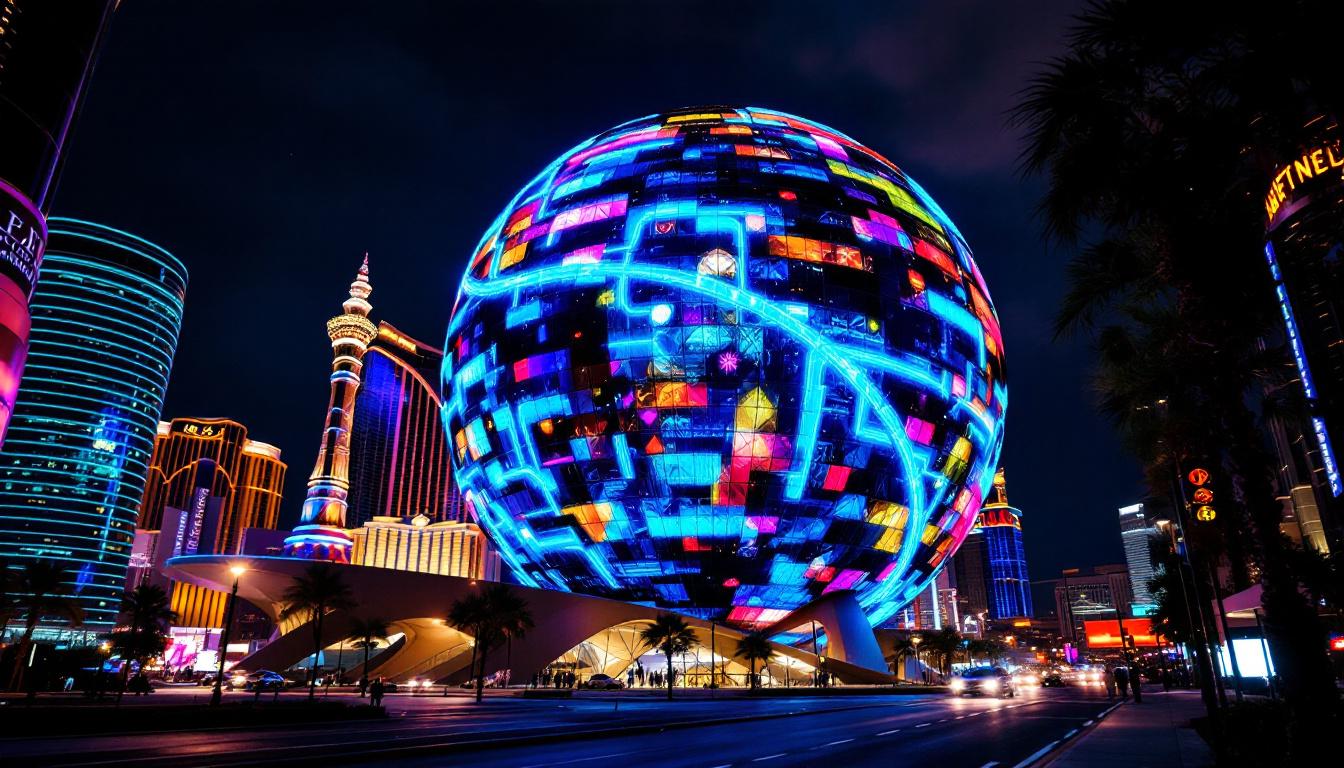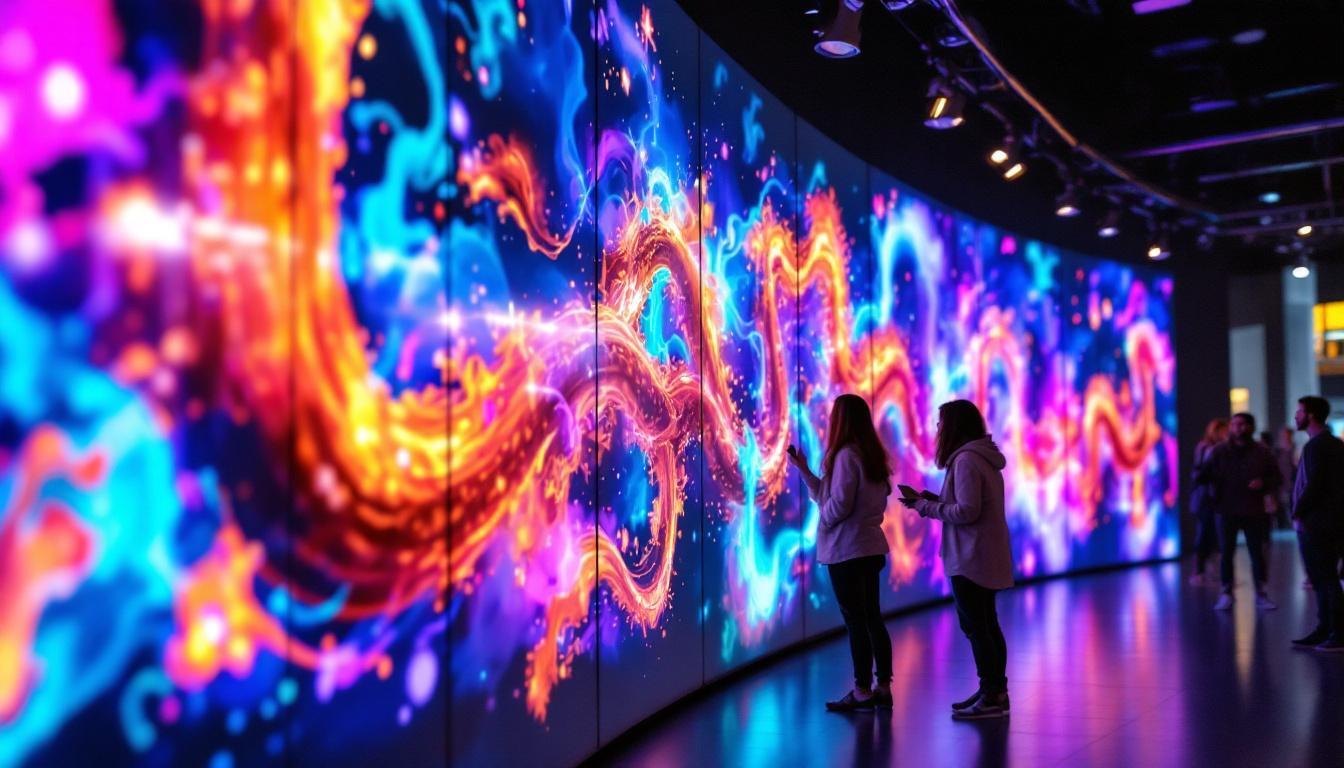
In recent years, LED walls have transformed the way businesses, event organizers, and venues communicate visually with their audiences. Among the various types of LED displays, indoor LED walls have become increasingly popular due to their vibrant colors, high resolution, and versatility. This article explores the fundamentals of indoor LED walls, how they work, their advantages, and practical applications. Whether you are considering investing in an LED wall or simply want to understand the technology better, this comprehensive guide will provide valuable insights.
What is an Indoor LED Wall?
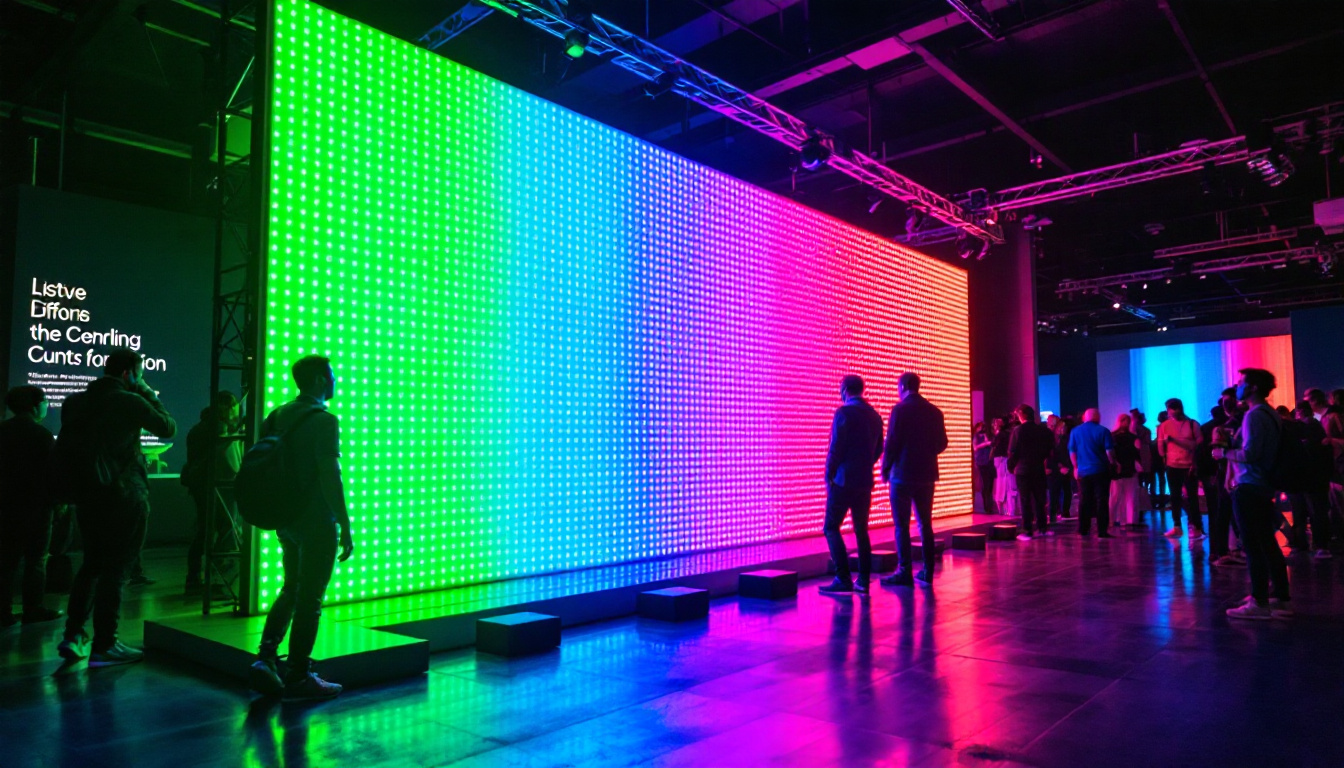
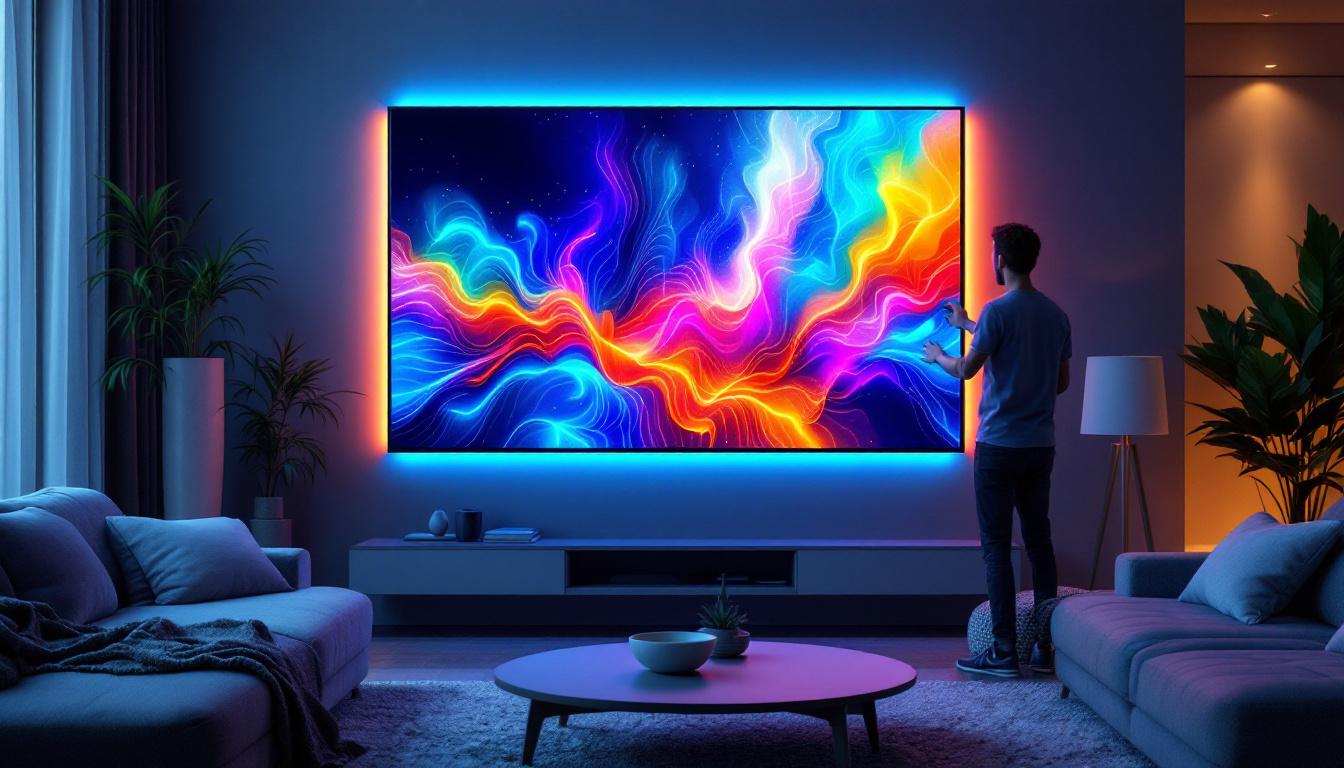
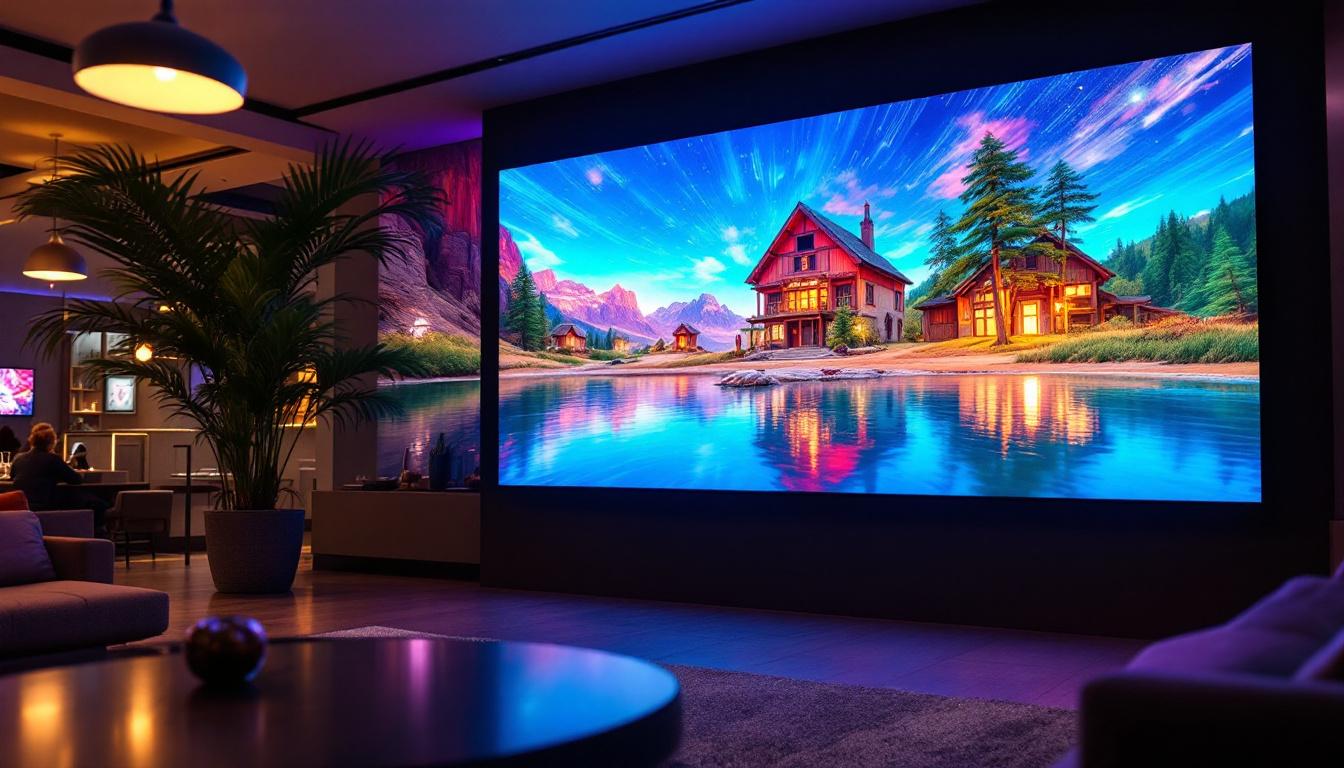
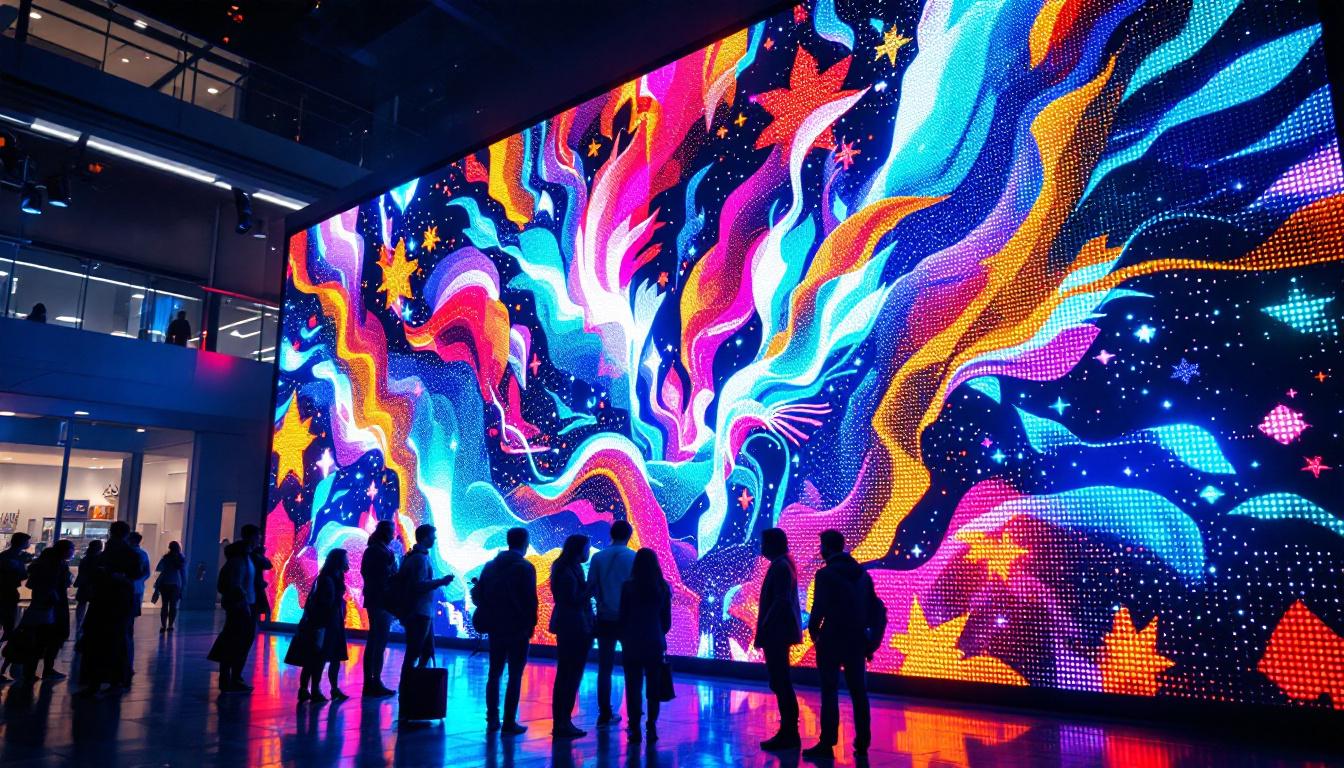
An indoor LED wall is a large-scale display composed of multiple LED panels seamlessly tiled together to form one continuous screen. Unlike traditional LCD screens or projectors, LED walls use light-emitting diodes (LEDs) as pixels, which emit their own light. This characteristic allows for brighter, more vivid images with better contrast and viewing angles. The technology behind LED walls has evolved significantly, leading to enhancements in color accuracy and energy efficiency, making them a popular choice for a variety of applications.
Indoor LED walls are designed specifically for indoor environments such as conference rooms, retail stores, concert halls, and corporate lobbies. They typically feature smaller pixel pitches — the distance between individual LED pixels — to ensure sharp, detailed images at close viewing distances. Common pixel pitches for indoor LED walls range from 0.9mm to 3mm, making them ideal for high-resolution content display. This capability allows businesses to showcase dynamic content, advertisements, or presentations with stunning clarity, engaging their audience effectively.
Key Components of an Indoor LED Wall
Understanding the main components helps clarify how indoor LED walls function:
- LED Modules: These are the building blocks of the display, containing an array of red, green, and blue LEDs that combine to produce full-color images.
- Cabinets: LED modules are mounted on cabinets or frames that provide structural support and facilitate installation.
- Control System: This includes the video processor and software that manage the input signals, image processing, and synchronization across the wall.
- Power Supply: LED walls require stable power sources to ensure consistent brightness and performance.
In addition to these core components, indoor LED walls often incorporate advanced features such as modular designs, allowing for easy maintenance and upgrades. This modularity means that if a panel fails or requires servicing, it can be replaced without dismantling the entire display. Furthermore, many modern LED walls come equipped with built-in calibration tools that ensure color consistency and brightness uniformity across the entire screen, enhancing the viewing experience. The integration of smart technology also allows for remote monitoring and control, enabling operators to adjust settings or troubleshoot issues from a distance.
Another significant aspect of indoor LED walls is their versatility in content management. With the right software, users can display a variety of media types, from static images and videos to live feeds and interactive content. This flexibility makes them an excellent choice for events, exhibitions, and retail environments, where engaging customers and creating memorable experiences is paramount. Additionally, the ability to create multi-screen configurations or video walls opens up even more creative possibilities, allowing for stunning visual displays that can captivate any audience.
How Do Indoor LED Walls Work?
Indoor LED walls operate by illuminating millions of tiny LEDs arranged in a grid. Each LED acts as a pixel that can emit varying intensities of red, green, and blue light. By adjusting these intensities, the display can render millions of colors and produce dynamic images or videos.
Content is fed into the LED wall through a control system, which processes the video signal and distributes it evenly across the LED modules. The synchronization ensures that the entire wall displays a coherent image without distortion or lag.
Pixel Pitch and Resolution
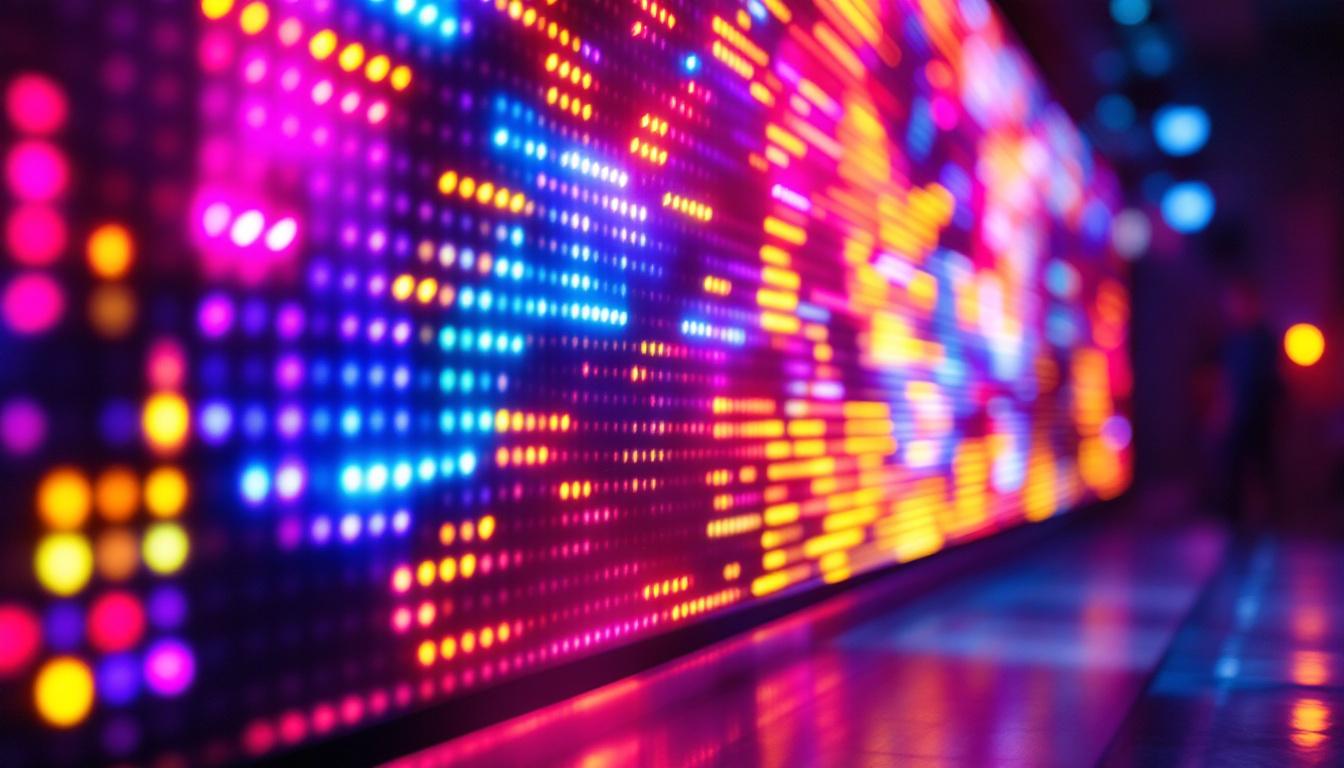
Pixel pitch is a critical factor in determining the image quality of an indoor LED wall. It refers to the distance between the centers of two adjacent pixels, measured in millimeters. A smaller pixel pitch means more pixels per square meter, which translates to higher resolution and finer image detail.
For indoor applications where viewers are close to the screen, pixel pitches between 0.9mm and 2.5mm are common. For example, a 1.2mm pixel pitch LED wall can deliver ultra-high-definition content suitable for corporate presentations or broadcast studios. On the other hand, larger pixel pitches are more suitable for venues where viewers are farther away.
Brightness and Viewing Angle
Indoor LED walls typically offer brightness levels between 800 and 1,500 nits, which is sufficient to overcome ambient indoor lighting without causing eye strain. The LEDs emit light directly, providing excellent brightness uniformity across the display surface.
Another advantage is the wide viewing angle, often exceeding 160 degrees horizontally and vertically. This means the image remains clear and vibrant even when viewed from sharp angles, making LED walls ideal for large rooms and auditoriums.
Advantages of Indoor LED Walls Over Other Display Technologies
LED walls offer several benefits compared to traditional display technologies like LCD panels or projection systems. These advantages make them a preferred choice for many indoor applications.
Superior Image Quality
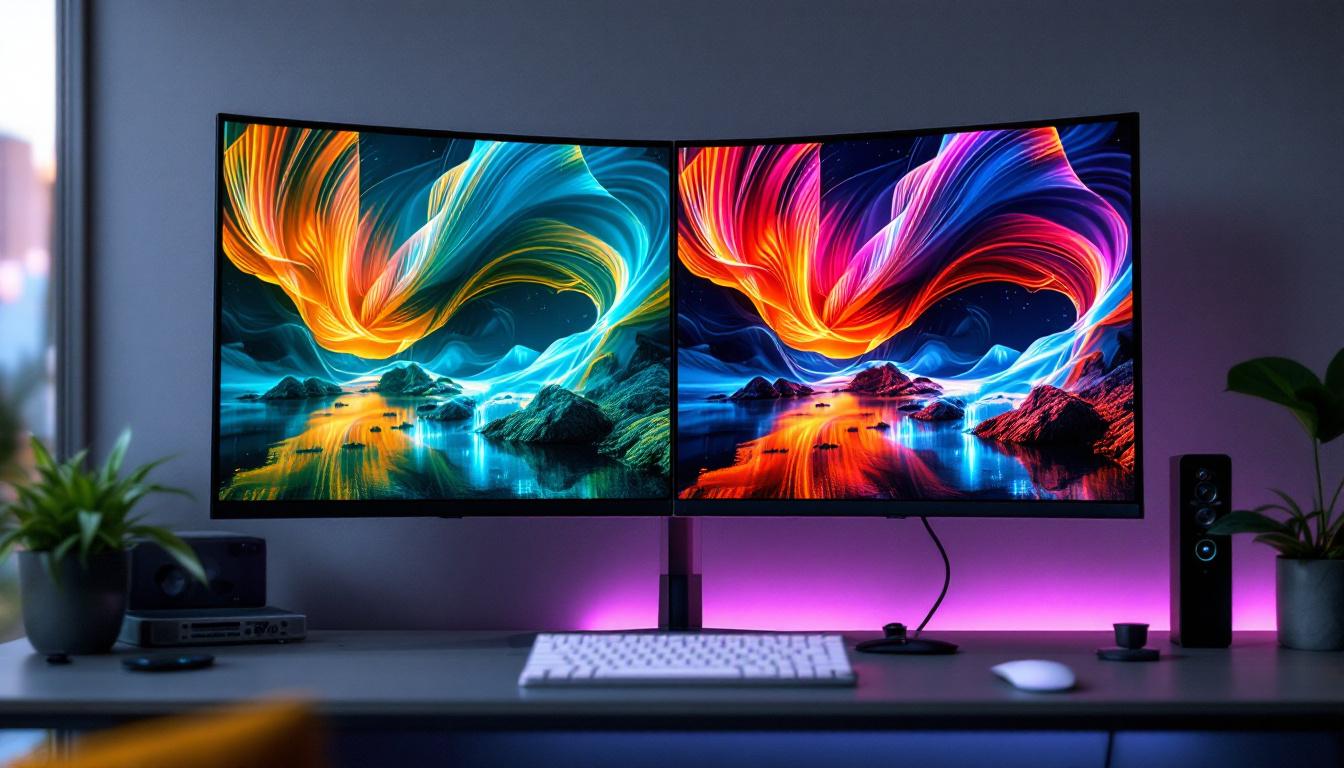
LED walls provide higher contrast ratios and more vivid colors than LCD screens. Because LEDs emit their own light, they can achieve true blacks and brighter whites, resulting in a richer viewing experience. This is particularly important for environments like retail stores or exhibitions where visual impact drives engagement.
Scalability and Customization
Indoor LED walls can be built to virtually any size or shape by combining multiple LED modules. This scalability allows for creative and customized installations that fit unique architectural spaces. Curved or irregularly shaped LED walls are also possible, expanding design possibilities.
Durability and Longevity
LED technology is known for its durability and long lifespan. Indoor LED walls can operate continuously for tens of thousands of hours with minimal maintenance. Unlike projectors, they do not rely on bulbs that degrade over time, reducing operational costs.
Energy Efficiency
Modern LED walls are energy-efficient compared to other large-format displays. Advances in LED technology have reduced power consumption while maintaining high brightness levels, making them more sustainable and cost-effective in the long run.
Easy Maintenance and Repair
LED walls are designed with modular panels that can be individually replaced or repaired without dismantling the entire system. This modularity simplifies maintenance and minimizes downtime, which is crucial for commercial environments.
Applications of Indoor LED Walls
Indoor LED walls have found widespread use across various industries due to their versatility and performance. Below are some of the most common applications.
Corporate and Conference Settings
Companies use indoor LED walls in boardrooms, auditoriums, and trade show booths to deliver presentations, video conferencing, and digital signage. The high resolution and brightness ensure that content is clear and engaging, even in well-lit rooms.
Retail and Advertising
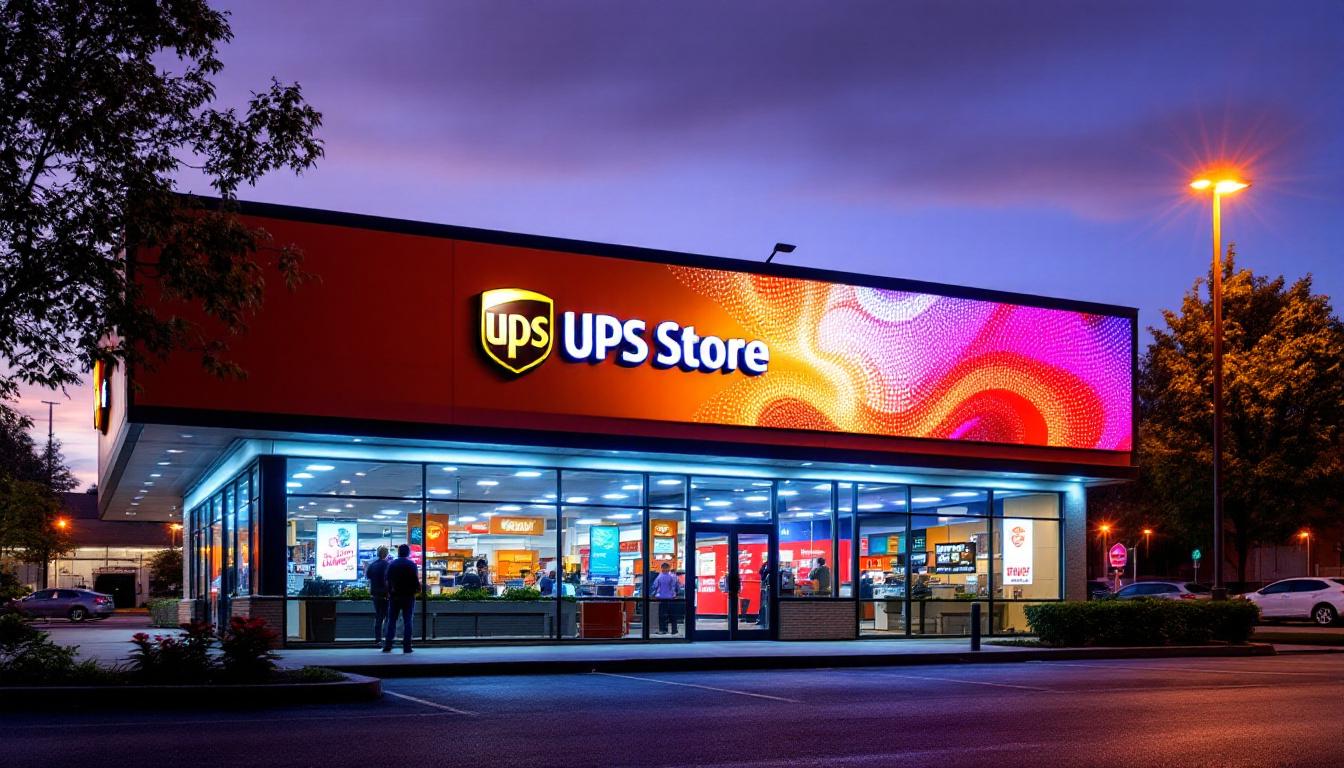
Retailers leverage LED walls to create dynamic window displays and in-store promotions. The ability to display eye-catching visuals and videos helps attract customers and enhance brand awareness. According to a 2023 study by the Digital Signage Federation, businesses that use digital signage, including LED walls, report a 30% increase in customer engagement.
Entertainment and Events
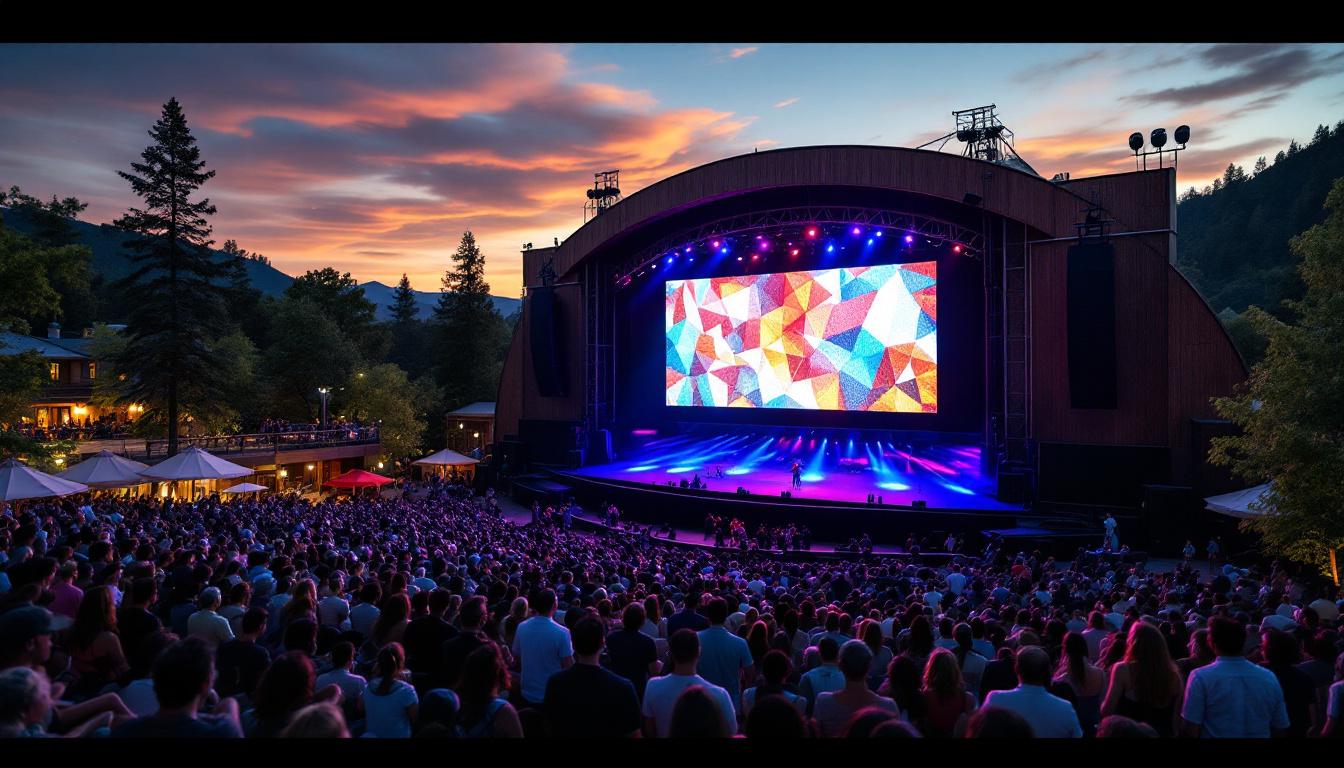
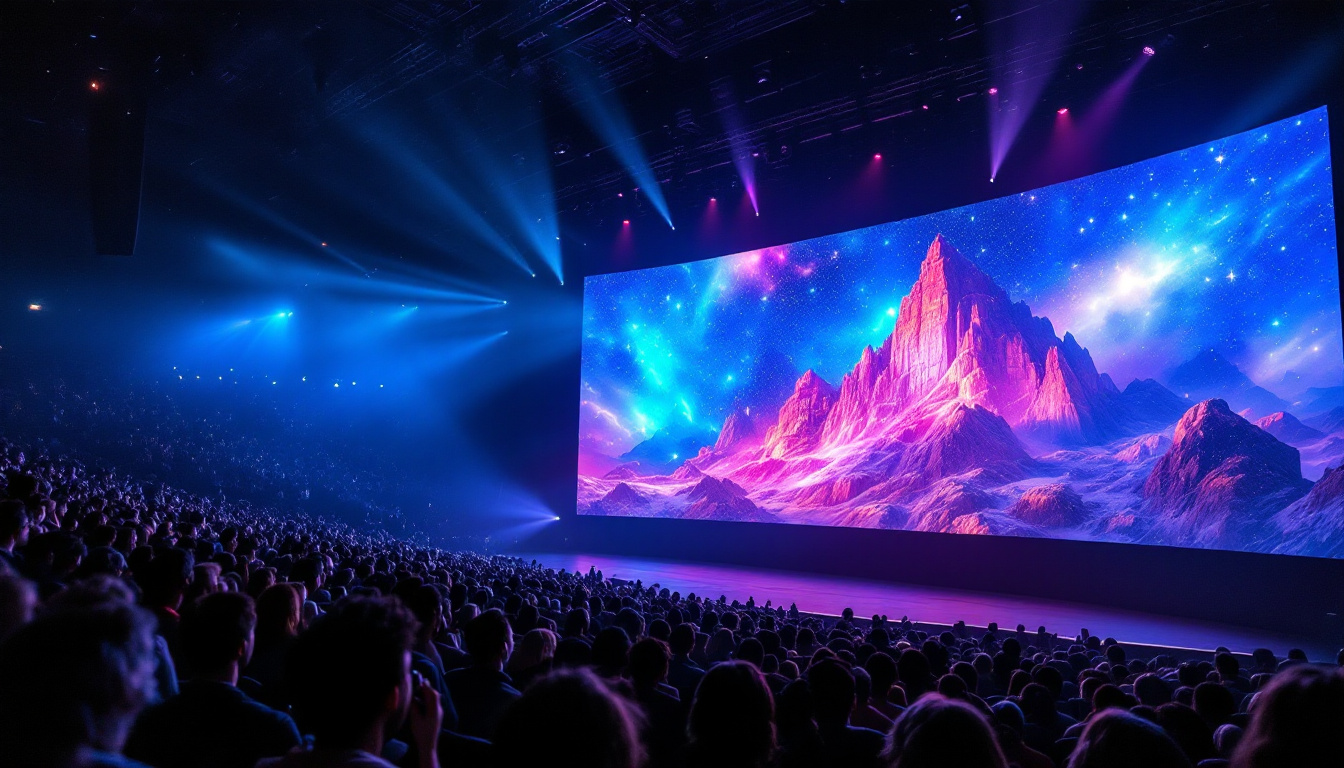
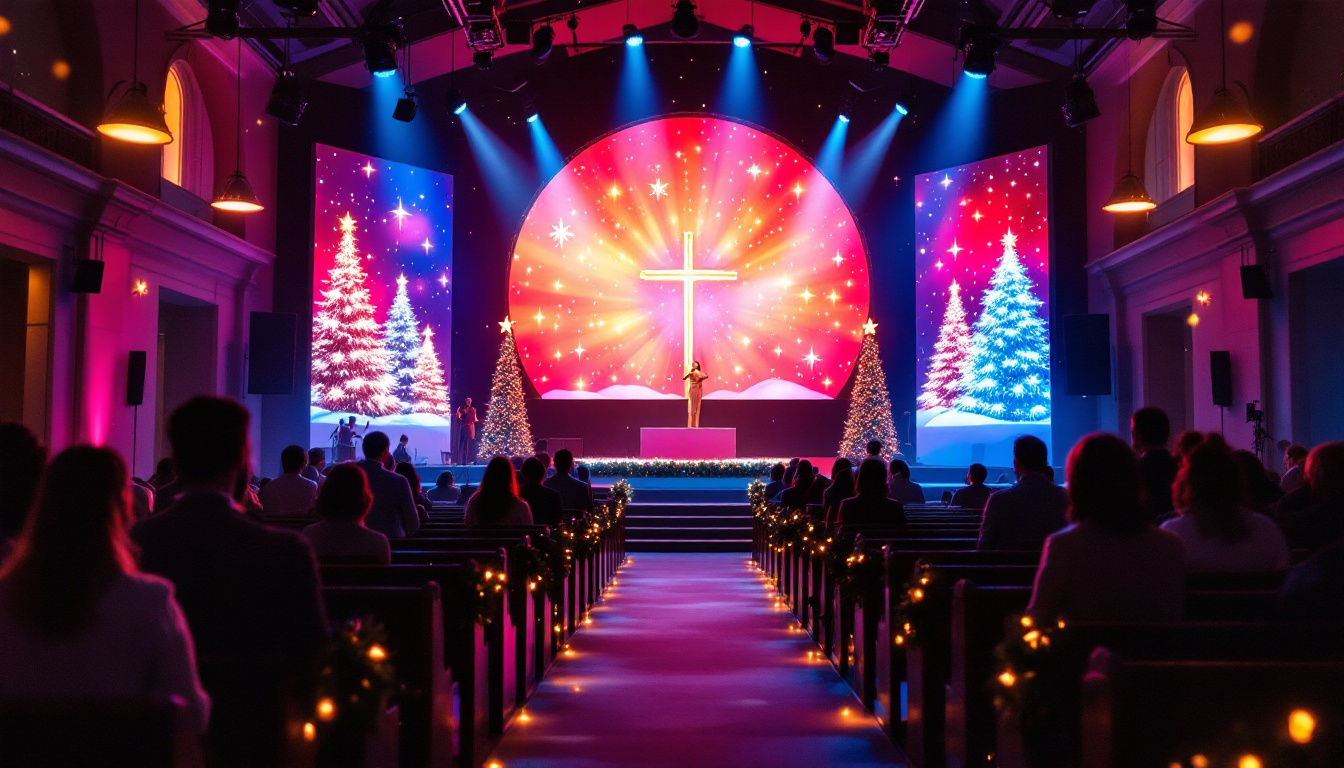
Concerts, theaters, and event venues use indoor LED walls as backdrops and immersive screens. Their flexibility allows for creative stage designs and real-time content changes, enhancing the audience experience. For example, major music festivals have adopted LED walls to display live feeds, animations, and interactive visuals.
Broadcast and Studios
Television studios and newsrooms employ indoor LED walls for virtual sets and background displays. The high resolution and color accuracy make them ideal for professional broadcasting environments where image quality is paramount.
Education and Museums
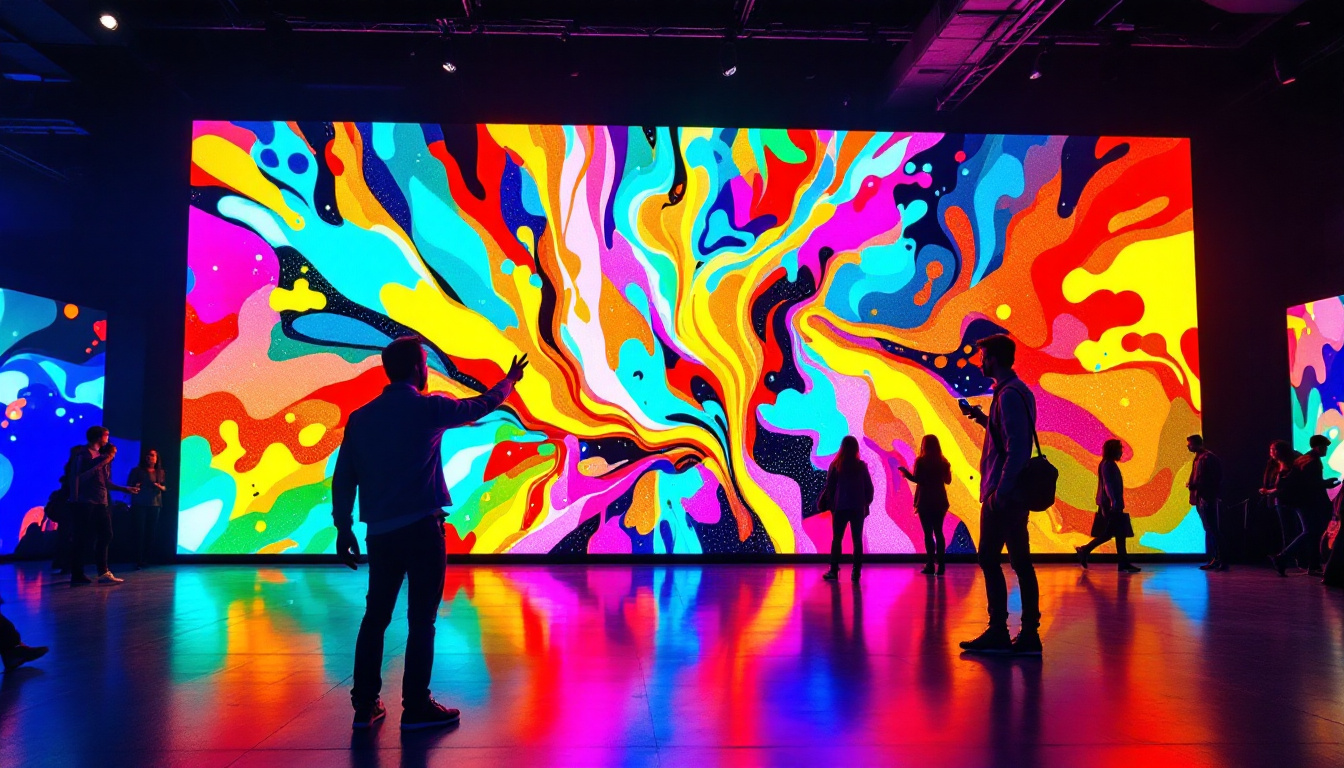
Educational institutions and museums use LED walls for interactive exhibits and digital classrooms. The ability to display detailed images and videos supports immersive learning and engaging storytelling.
Choosing the Right Indoor LED Wall
Selecting an indoor LED wall requires careful consideration of several factors to ensure it meets the specific needs of the environment and application.
Pixel Pitch and Viewing Distance
Determine the typical viewing distance to choose an appropriate pixel pitch. For close viewing, smaller pixel pitches (under 2mm) are necessary to avoid visible pixelation. For larger rooms where viewers are farther away, larger pixel pitches may suffice.
Brightness Requirements
Consider the ambient lighting conditions of the installation site. Brighter environments require higher brightness levels to maintain image clarity. Most indoor LED walls offer adjustable brightness settings to adapt to changing conditions.
Resolution and Content Type
Match the LED wall resolution with the type of content you plan to display. High-definition videos and detailed graphics demand higher resolution panels. For simpler text-based content, lower resolution may be acceptable.
Installation and Maintenance
Evaluate the installation complexity and maintenance support. Modular designs and front-serviceable panels can simplify upkeep. Also, consider the weight and mounting options to ensure compatibility with the venue.
Budget and Total Cost of Ownership
While initial costs for LED walls can be significant, factor in long-term savings from energy efficiency, durability, and reduced maintenance. Obtain quotes from reputable manufacturers and compare warranties and service agreements.
Future Trends in Indoor LED Wall Technology
The LED display industry is continuously evolving, driven by advancements in technology and changing user demands. Several trends are shaping the future of indoor LED walls.
MicroLED and MiniLED Innovations
MicroLED and MiniLED technologies are pushing the boundaries of pixel density and brightness. These smaller LEDs enable even finer pixel pitches and improved color accuracy, opening new possibilities for ultra-high-definition indoor displays.
Integration with Augmented Reality (AR)
Combining LED walls with AR technology can create immersive environments where digital content interacts with physical spaces. This integration is gaining traction in retail, entertainment, and education sectors.
Energy-Efficient and Sustainable Designs
Manufacturers are focusing on reducing the environmental impact of LED walls by developing more energy-efficient components and recyclable materials. Smart power management systems also contribute to sustainability.
Enhanced Control and Interactivity
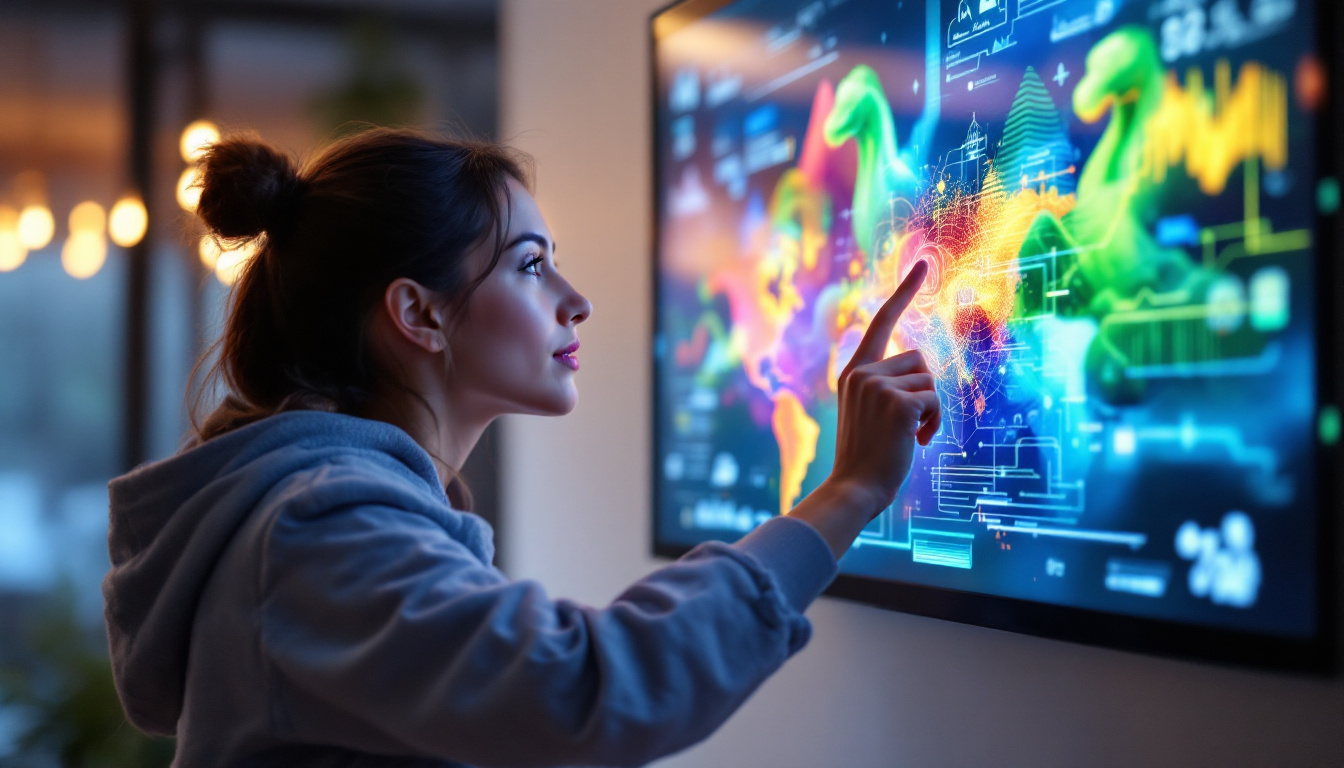
Future indoor LED walls will offer more sophisticated control systems, including AI-driven content management and interactive touch capabilities. These features will enable more personalized and engaging user experiences.
Conclusion
Indoor LED walls represent a powerful and versatile display technology that continues to redefine visual communication across numerous industries. Their superior image quality, scalability, and durability make them an excellent investment for businesses and organizations seeking to captivate audiences and enhance environments.
Understanding the technical aspects such as pixel pitch, brightness, and resolution is essential to selecting the right LED wall for your needs. As technology advances, indoor LED walls will become even more immersive, energy-efficient, and interactive, offering exciting opportunities for creative and impactful visual experiences.
Whether for corporate presentations, retail advertising, entertainment, or education, indoor LED walls provide a dynamic platform to showcase content with unparalleled clarity and vibrancy.
Discover LumenMatrix LED Display Solutions
Ready to elevate your space with the latest in LED display technology? LumenMatrix is at the forefront of innovation, offering a wide range of LED solutions tailored to your needs. From the immersive Indoor LED Wall Display to the dynamic Outdoor LED Wall Display and beyond, our products are designed to make your brand shine and engage your audience like never before. Experience the future of visual communication with LumenMatrix and transform your message into a captivating visual journey. Check out LumenMatrix LED Display Solutions today and see the difference for yourself.