Digital Signage: LED Display Explained
In today’s fast-paced world, capturing attention quickly and effectively is more important than ever. Digital signage, particularly LED displays, has become a cornerstone technology for businesses, public spaces, and advertisers seeking to engage audiences dynamically. This article delves into the world of LED digital signage, exploring what it is, how it works, its benefits, and why it continues to revolutionize visual communication across industries.
What is Digital Signage and How Do LED Displays Fit In?
Digital signage refers to electronic displays that show multimedia content such as images, videos, and information in public or private spaces. These displays replace traditional static signs with dynamic, changeable content, allowing for real-time updates and interactive experiences. The versatility of digital signage means it can be used for a variety of purposes, including advertising, information dissemination, and entertainment, making it an essential tool for businesses looking to engage customers and enhance their brand presence.
Among various digital signage technologies, LED (Light Emitting Diode) displays stand out due to their brightness, durability, and flexibility. Unlike LCD or projection screens, LED displays use an array of tiny LEDs as pixels, which emit their own light. This self-illumination makes LED signage highly visible even in direct sunlight, making it ideal for both indoor and outdoor applications. Furthermore, LED technology has advanced significantly, allowing for thinner profiles and lighter weights, which facilitates easier installation and integration into various environments.
Types of LED Displays in Digital Signage
LED displays come in several forms tailored to different uses:
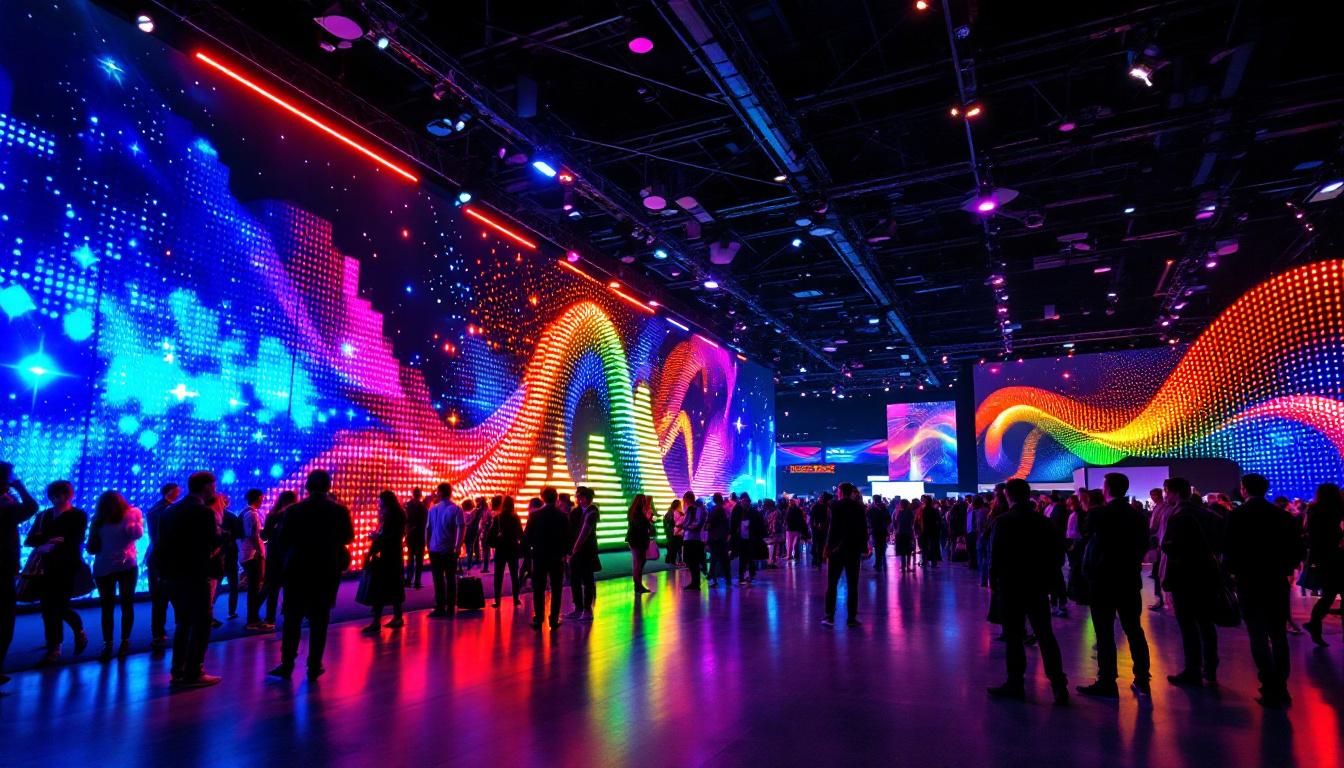
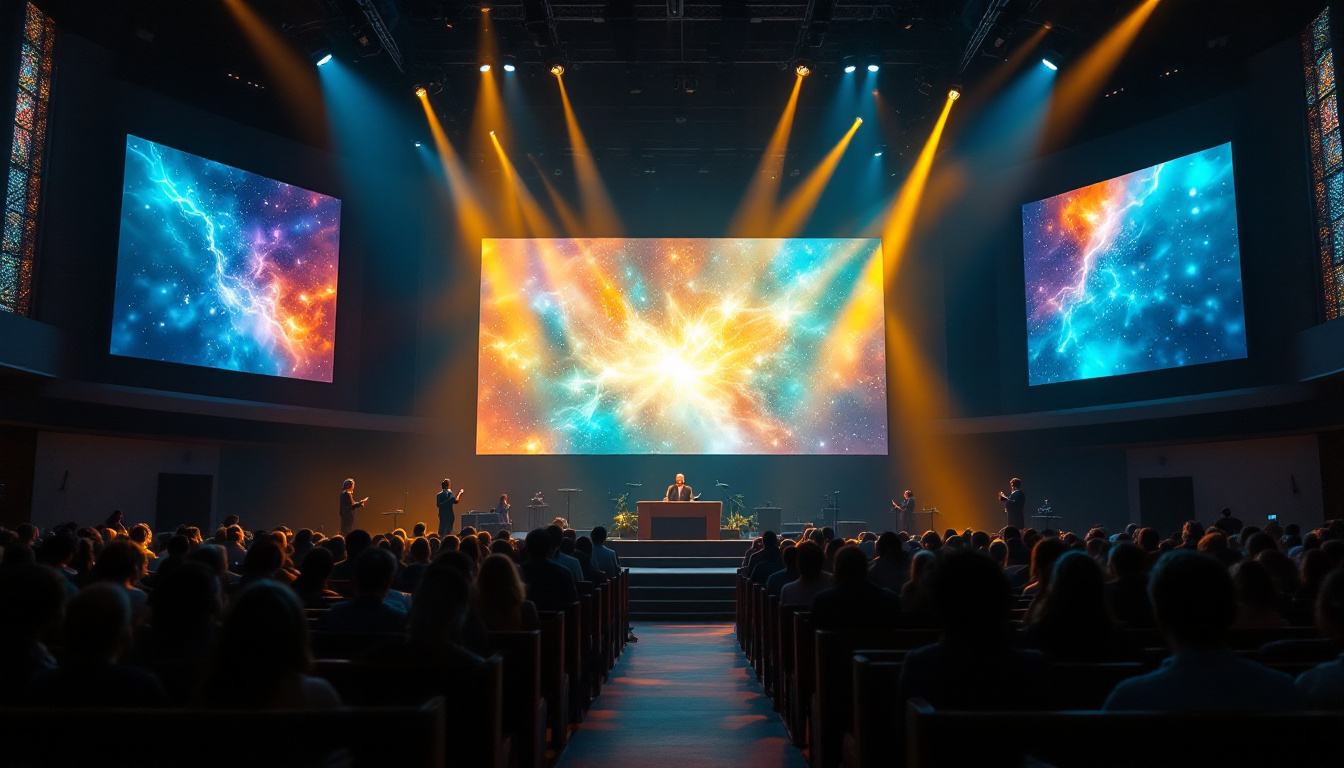
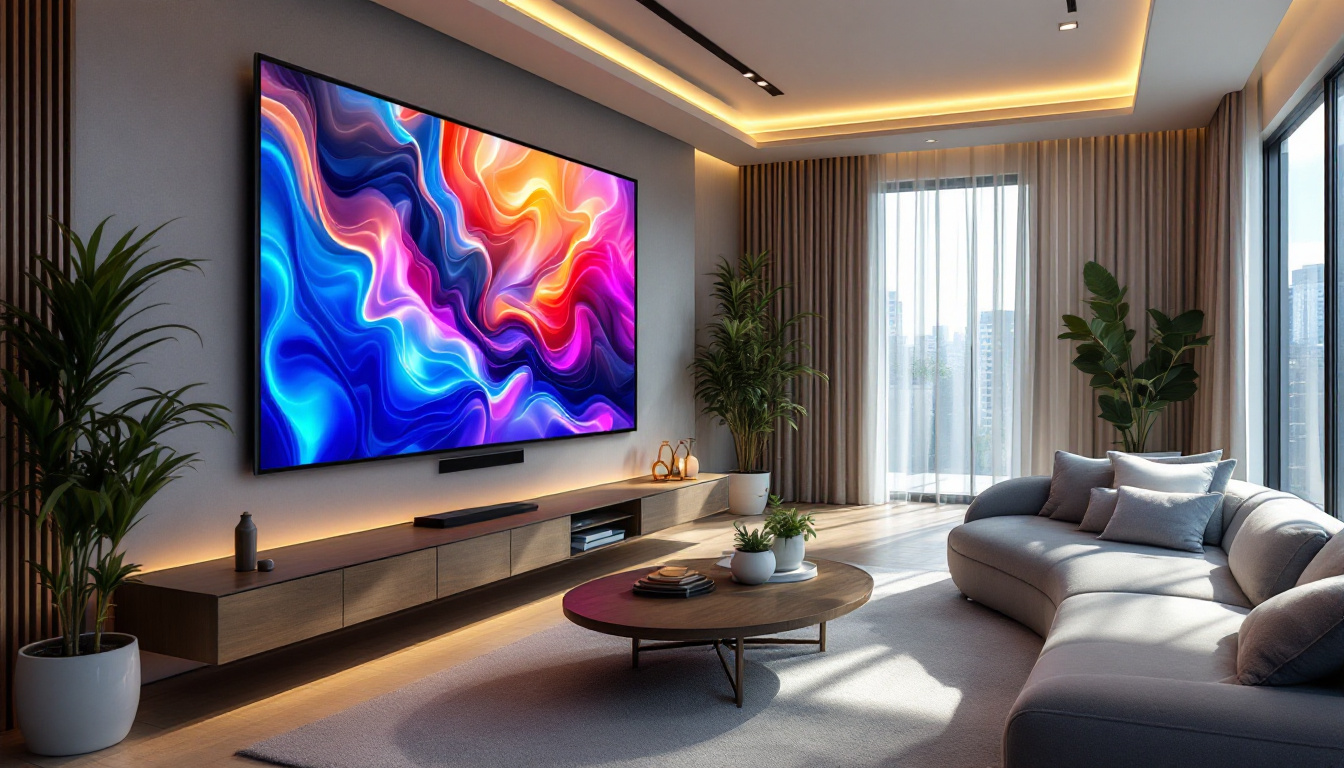
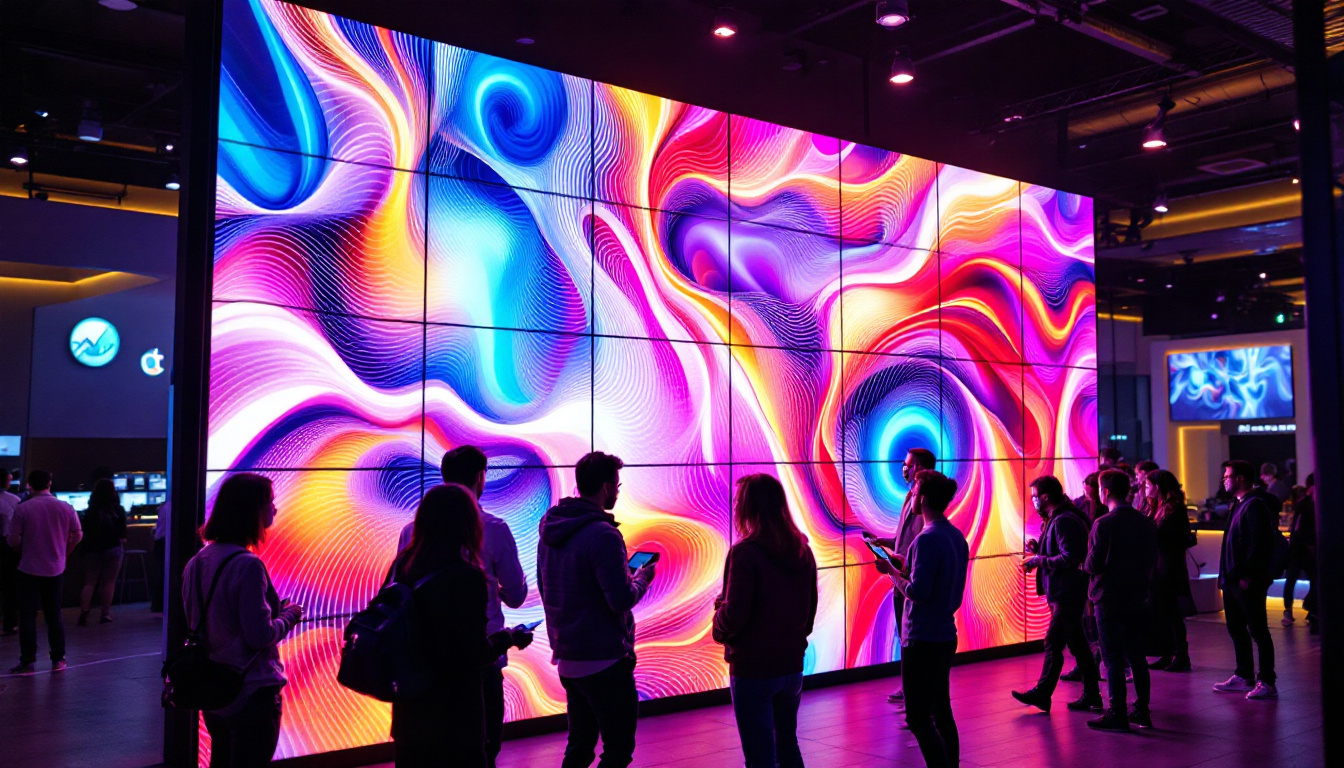
- Indoor LED Displays: Designed for controlled lighting environments such as retail stores, airports, and conference centers. These displays typically have a higher resolution and smaller pixel pitch for close viewing distances. They are often used for promotional content, wayfinding, and even live event broadcasting, creating an immersive experience for viewers.
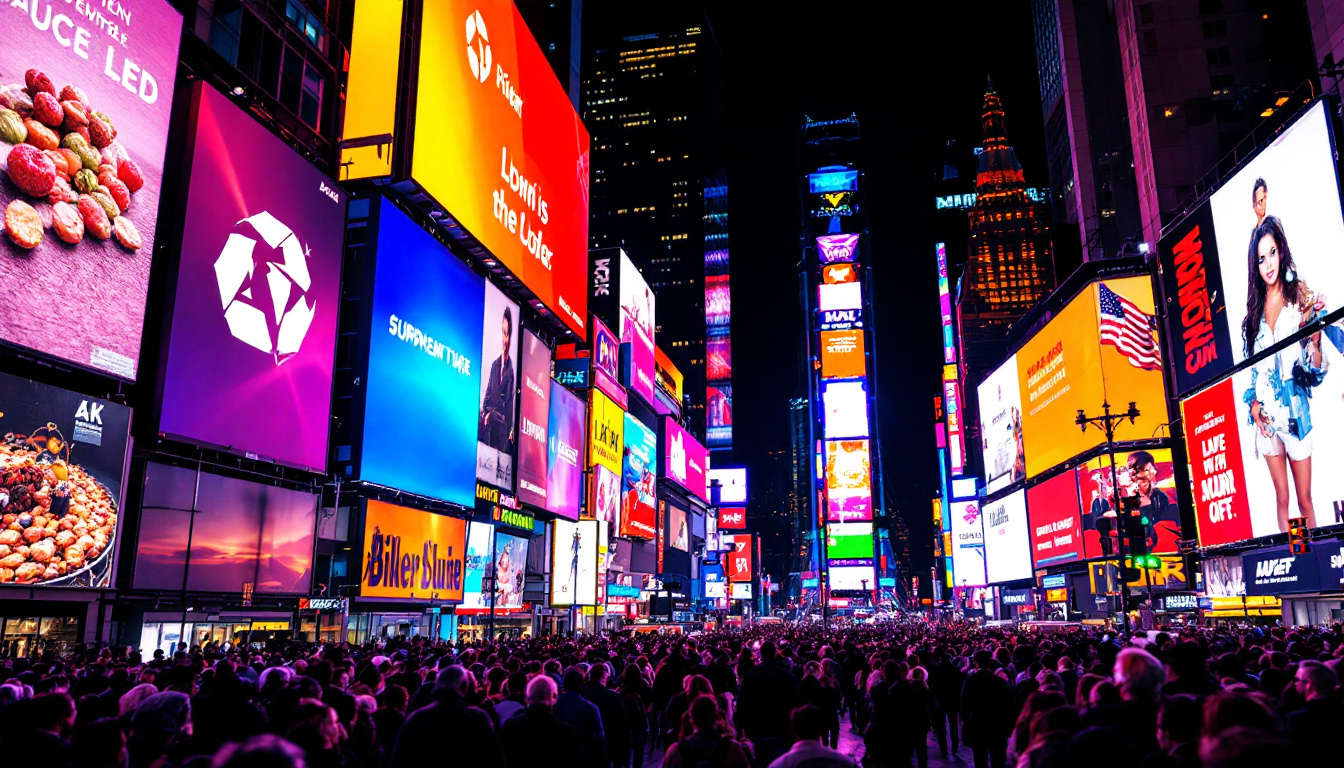
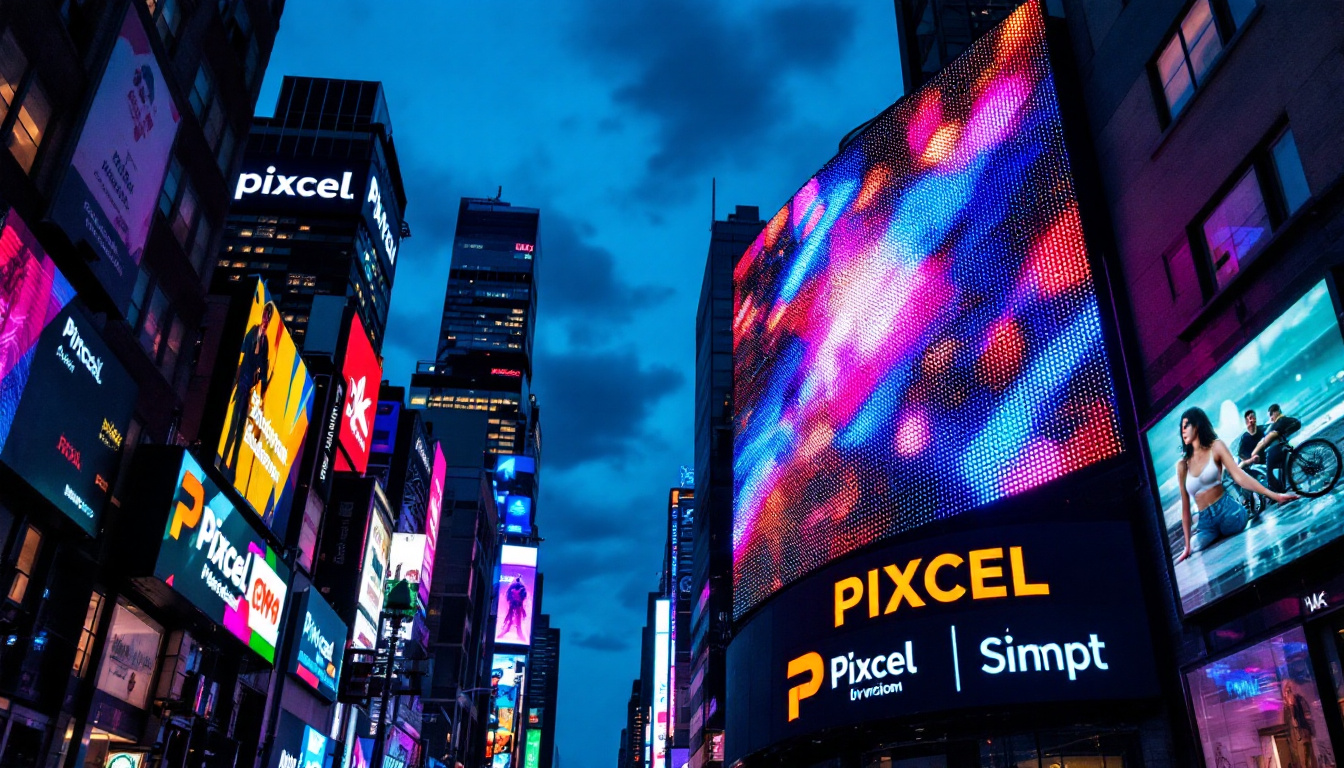
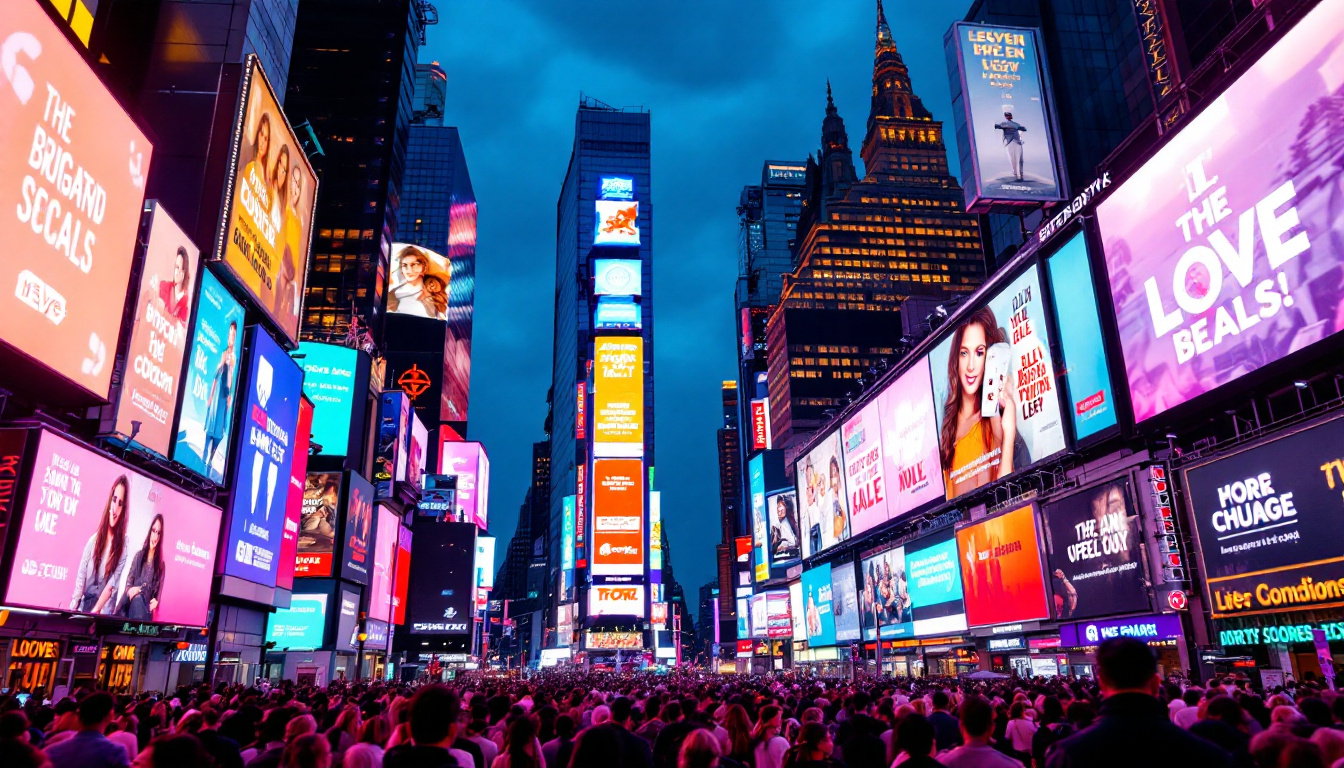
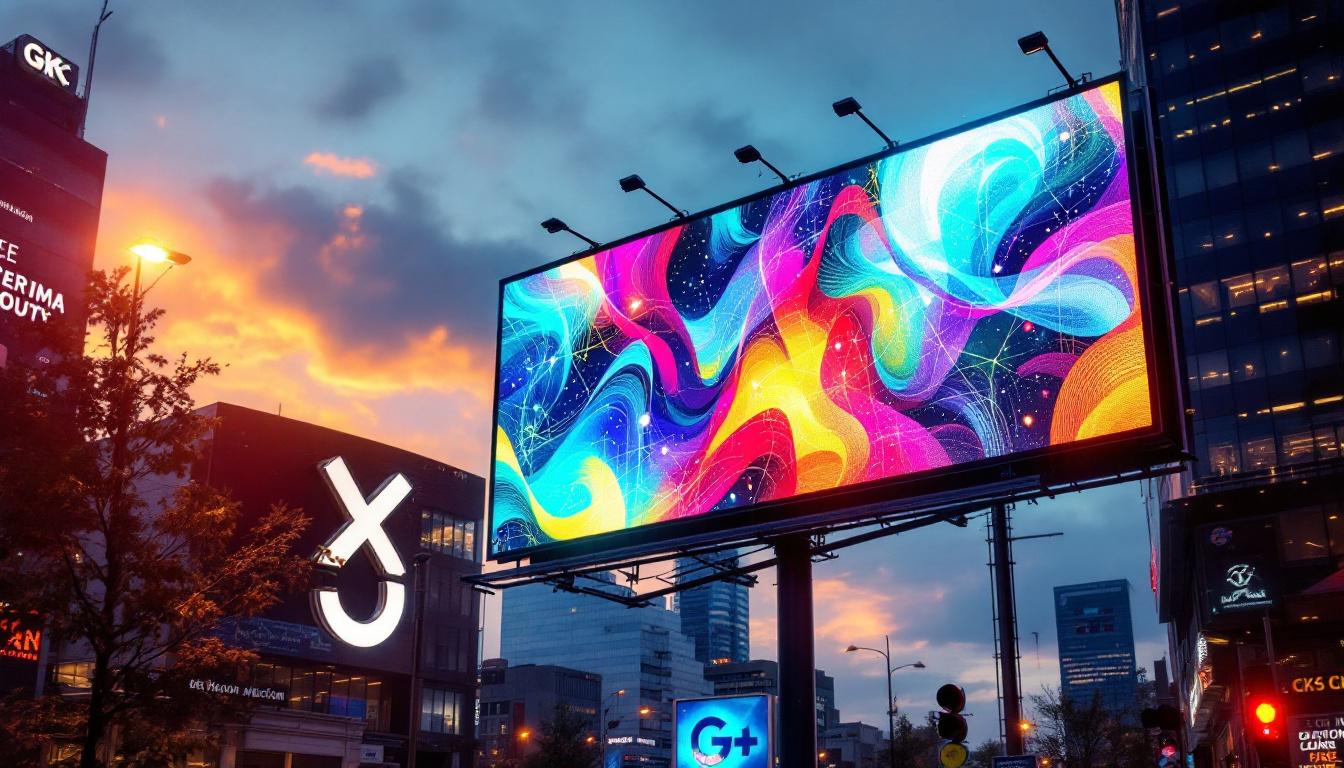
- Outdoor LED Displays: Built to withstand weather conditions and deliver high brightness levels to combat sunlight glare. Commonly found in billboards, stadiums, and transportation hubs. These displays not only serve advertising purposes but can also provide real-time information such as traffic updates, weather forecasts, and emergency alerts, making them valuable for public safety and communication.
- Transparent LED Displays: Innovative screens that allow light to pass through, enabling them to be installed on glass surfaces without obstructing views. These are popular in storefronts and architectural installations. They provide a unique way to showcase products while maintaining visibility into the store, effectively blending marketing with aesthetics.
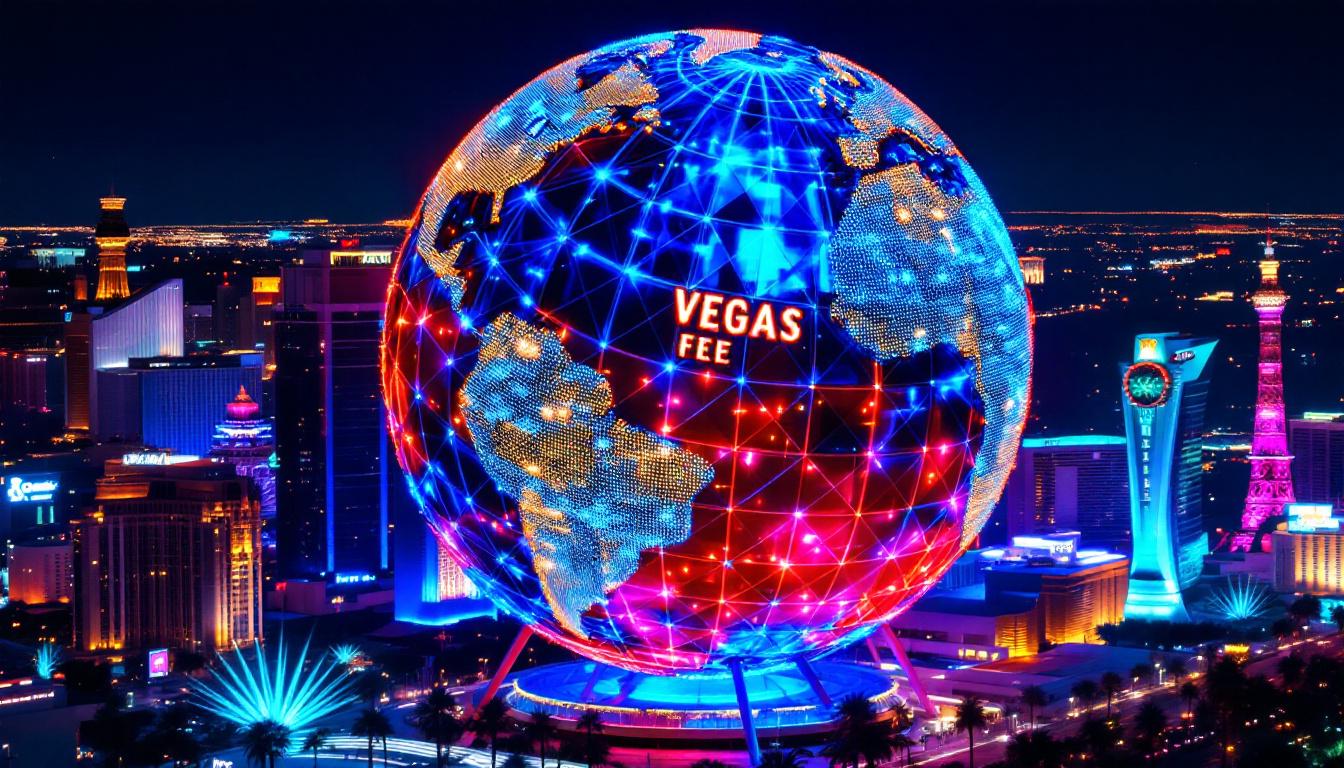
In addition to these types, there are also flexible LED displays that can be curved or bent to fit unconventional spaces, providing even more creative possibilities for digital signage. These displays are particularly useful in environments where traditional rectangular screens may not fit or where a more dynamic visual presentation is desired. As technology continues to evolve, the integration of artificial intelligence and data analytics into digital signage systems is becoming increasingly prevalent, allowing for more targeted messaging based on audience engagement and behavior.
How LED Displays Work: The Technology Behind the Glow
Understanding the technology behind LED displays helps appreciate their advantages and applications. At the core, an LED display is composed of thousands to millions of tiny LEDs arranged in a grid. Each LED acts as a pixel that can emit light in different colors and intensities, combining to form images and videos. This technology has revolutionized the way we experience visual media, providing vibrant colors and sharp images that enhance everything from advertising to entertainment.
Pixel Pitch and Resolution
Pixel pitch, measured in millimeters, is the distance between the centers of two adjacent LEDs. A smaller pixel pitch means more LEDs per square meter, resulting in higher resolution and clearer images, especially at close viewing distances. For example, a 1.5mm pixel pitch display is ideal for indoor use where viewers are near, while a 10mm pitch is sufficient for large outdoor billboards viewed from afar. The choice of pixel pitch is crucial for designers and advertisers, as it directly impacts the viewer’s experience and the effectiveness of the displayed content.
Color and Brightness Control
Each pixel typically contains red, green, and blue LEDs (RGB), which can be combined at varying intensities to produce a broad spectrum of colors. Advanced LED displays use sophisticated controllers to adjust brightness and color balance dynamically, ensuring optimal visibility in different lighting conditions. This capability is particularly important for outdoor displays that must compete with sunlight or for indoor environments where lighting can vary dramatically throughout the day. Moreover, some modern LED displays incorporate technologies like HDR (High Dynamic Range) to enhance color depth and contrast, providing viewers with an even more immersive experience.
Durability and Lifespan
LEDs are solid-state devices, meaning they are highly durable and energy-efficient. Typical LED displays have a lifespan ranging from 50,000 to 100,000 hours, significantly longer than traditional lighting or display technologies. Their robustness makes them suitable for continuous operation in demanding environments. Additionally, many LED displays are designed to withstand harsh weather conditions, making them ideal for outdoor advertising and public information displays. The low power consumption of LED technology also contributes to reduced operational costs, which is a significant advantage for businesses looking to maximize their return on investment.
Applications of LED Displays
LED displays are versatile and find applications across various industries. In retail, they are used to create eye-catching advertisements that attract customers and enhance brand visibility. In sports, stadiums utilize large LED screens to display live action, replays, and advertisements, enriching the spectator experience. Furthermore, LED displays are increasingly used in art installations and public displays, where artists experiment with light and color to create dynamic visual experiences. The integration of LED technology in smart city initiatives is also on the rise, with displays being used for real-time information sharing, such as traffic updates and emergency alerts, contributing to urban efficiency and safety.
Future Trends in LED Technology
As technology advances, the future of LED displays looks promising. Innovations such as flexible LED screens are paving the way for new design possibilities, allowing displays to be integrated into unconventional surfaces and shapes. Additionally, the development of microLED technology, which uses microscopic LEDs to create displays with even higher resolution and efficiency, is set to transform the market. These advancements not only promise to enhance visual quality but also aim to reduce energy consumption further, aligning with global sustainability goals. With ongoing research and development, LED technology is poised to continue its evolution, shaping the future of visual communication.
Benefits of LED Digital Signage for Businesses and Organizations
The adoption of LED digital signage has surged due to its numerous advantages over traditional signage solutions. These benefits impact marketing effectiveness, operational efficiency, and customer engagement.
Enhanced Visibility and Impact
LED displays offer unparalleled brightness and color vibrancy, ensuring messages stand out even in bright daylight or large venues. Studies show that digital signage can increase customer engagement by up to 30%, with LED displays being particularly effective in grabbing attention.
Flexibility and Real-Time Content Updates
One of the most compelling reasons to choose LED digital signage is the ability to update content instantaneously. Whether it’s promoting a flash sale, displaying emergency information, or showcasing live social media feeds, LED signage allows businesses to remain agile and responsive.
Cost Efficiency Over Time
While the initial investment in LED displays may be higher than static signage, the long-term savings are substantial. Reduced printing costs, lower maintenance, and energy efficiency contribute to a lower total cost of ownership. Additionally, the ability to run multiple campaigns on the same display maximizes marketing ROI.
Customization and Interactivity
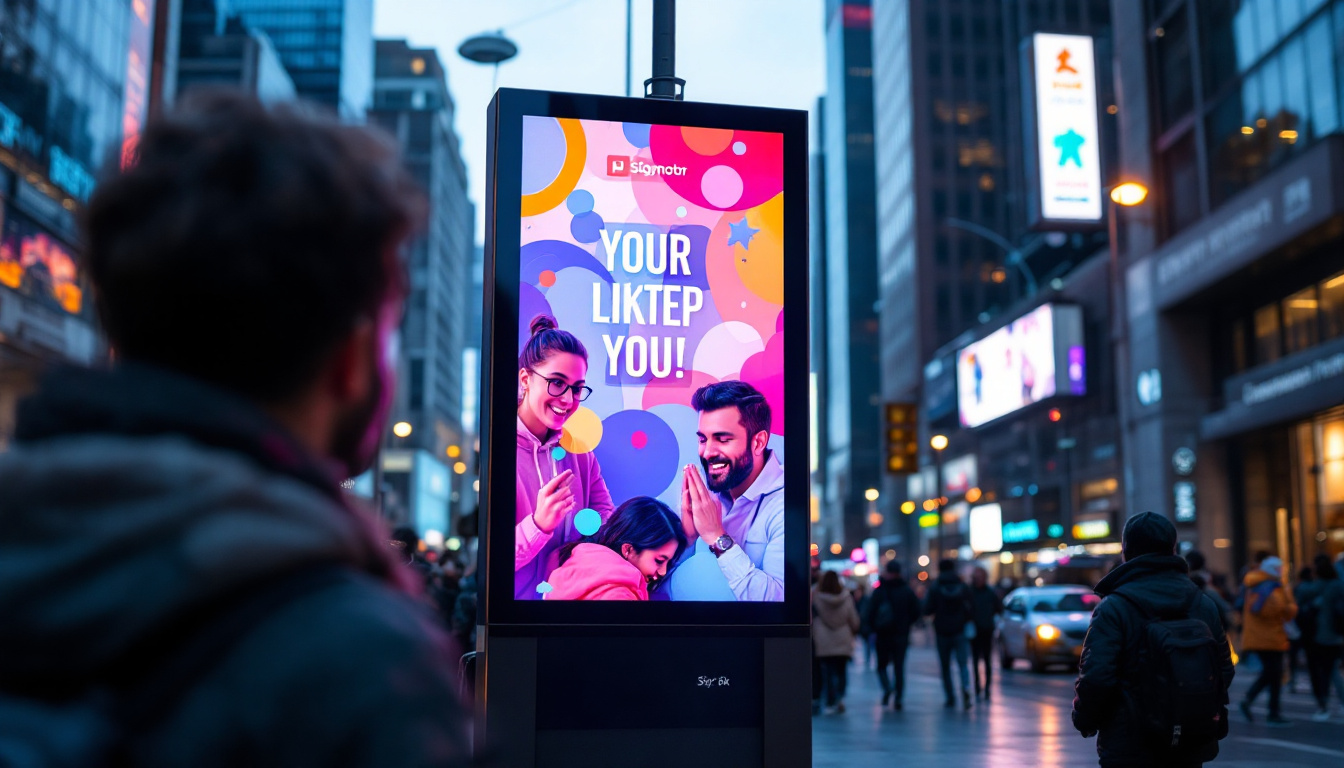
Modern LED signage can be integrated with sensors, cameras, and touchscreens to create interactive experiences. For example, retail stores use interactive LED displays to personalize advertising based on customer demographics or behavior, enhancing engagement and sales potential.
Applications of LED Digital Signage Across Industries
LED digital signage is versatile and has found applications in numerous sectors, each leveraging the technology’s unique strengths to meet specific needs.
Retail and Advertising
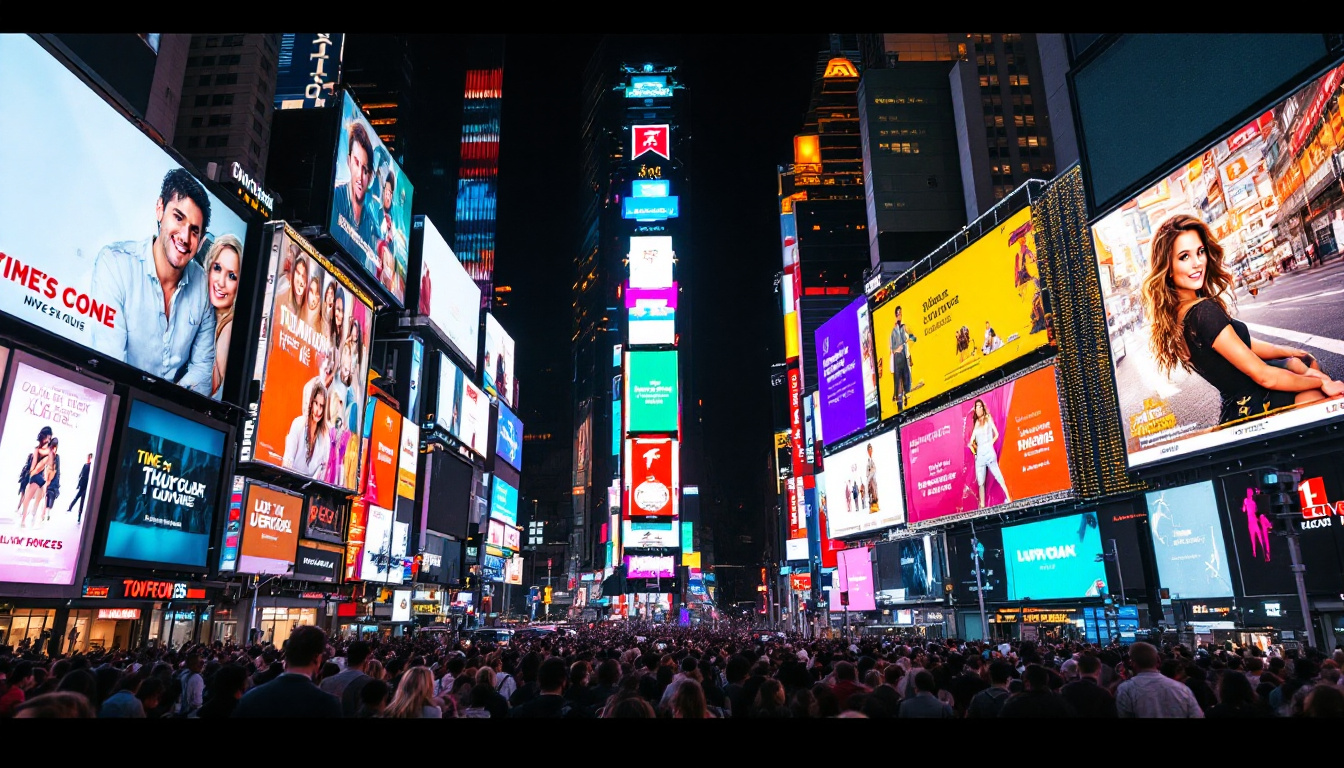
Retailers use LED displays to attract customers, highlight promotions, and enhance store ambiance. Outdoor LED billboards have become a staple in urban advertising, with global digital out-of-home (DOOH) advertising revenues expected to surpass $40 billion by 2025.
Transportation and Public Spaces
Airports, train stations, and bus terminals rely on LED signage for real-time information such as schedules, alerts, and wayfinding. The clarity and brightness of LED displays improve passenger experience and operational communication.
Sports and Entertainment Venues
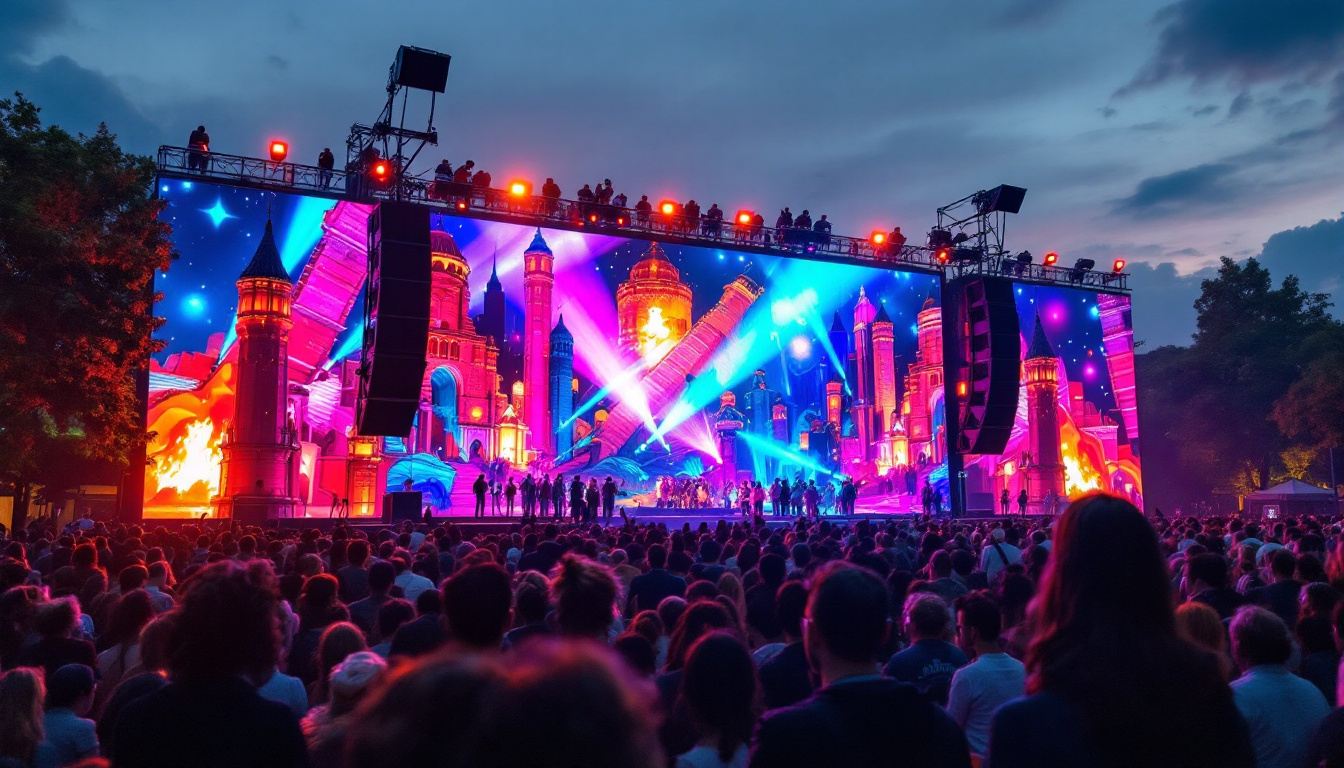
Stadiums and arenas use massive LED screens for live game broadcasts, replays, and advertisements. The immersive visual experience enhances fan engagement and opens new revenue streams through targeted advertising.
Corporate and Educational Environments
LED digital signage supports internal communications, event information, and branding within corporate campuses and educational institutions. The ability to display dynamic content fosters better information dissemination and engagement.
Choosing the Right LED Display: Factors to Consider
Selecting the appropriate LED digital signage solution requires careful evaluation of several factors to ensure it meets the intended purpose and environment.
Viewing Distance and Resolution
Understanding the typical distance between the display and the audience is crucial. Higher resolution displays with smaller pixel pitches are necessary for close-range viewing, while larger pixel pitches suffice for distant viewing.
Brightness and Environmental Conditions
Outdoor installations demand higher brightness levels (often exceeding 5,000 nits) to combat sunlight, whereas indoor displays can operate effectively at lower brightness, conserving energy and reducing eye strain.
Size and Aspect Ratio
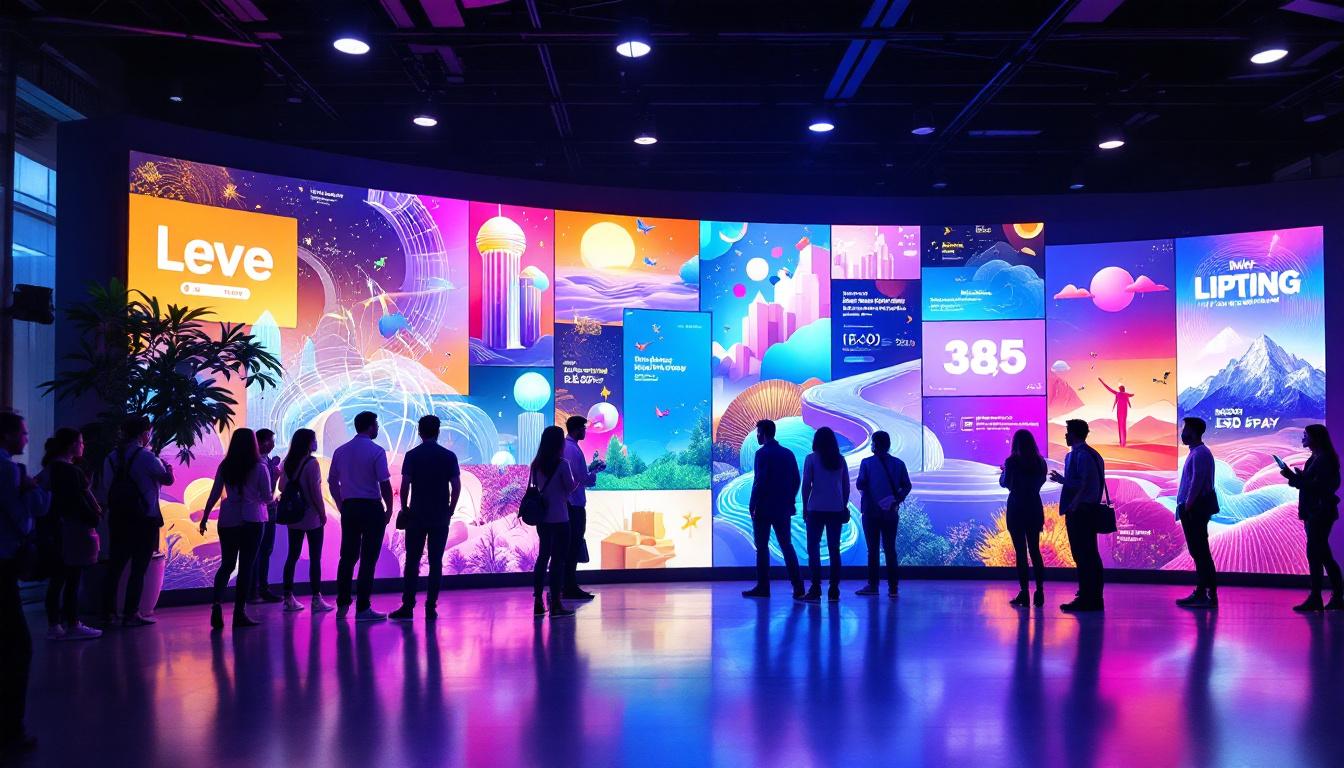
The physical size of the display should align with the space available and the content format. Customizable aspect ratios allow for creative display configurations, including video walls and curved installations.
Installation and Maintenance
Considerations such as mounting options, accessibility for maintenance, and weatherproofing are essential, especially for outdoor or large-scale installations.
The Future of LED Digital Signage
As technology advances, LED digital signage continues to evolve, integrating with emerging trends such as artificial intelligence, 5G connectivity, and augmented reality.
AI-Driven Content Personalization
Artificial intelligence enables LED signage to analyze audience data and tailor content in real-time, increasing relevance and engagement. For example, digital billboards can change advertisements based on demographic insights or weather conditions.
Seamless Integration with IoT
Internet of Things (IoT) connectivity allows LED displays to communicate with other devices and systems, facilitating automated updates and interactive experiences. Smart cities are increasingly deploying LED signage as part of integrated urban infrastructure.
Energy Efficiency and Sustainability
Innovations in LED technology continue to improve energy efficiency, reducing environmental impact. Sustainable digital signage solutions are becoming a priority for organizations committed to green initiatives.
Conclusion
LED digital signage represents a powerful tool for modern communication, combining technological sophistication with practical benefits. Its ability to deliver vibrant, dynamic content in a durable and flexible format makes it indispensable across various industries. As innovation propels the technology forward, LED displays will undoubtedly play an even greater role in shaping how information and advertising are experienced worldwide.
Businesses and organizations looking to enhance their visual communication strategies should consider LED digital signage not only for its immediate impact but also for its long-term value and adaptability in an ever-changing digital landscape.
Illuminate Your Message with LumenMatrix
Ready to elevate your visual communication and make a lasting impression? Discover the innovative world of LumenMatrix LED display solutions. From vibrant Indoor LED Walls to dynamic Outdoor LED Displays, and from sleek LED Posters to immersive LED Sports Displays, LumenMatrix offers a wide range of cutting-edge products designed to captivate your audience and amplify your brand. Embrace the future of digital signage with our state-of-the-art LED technology that promises to transform your message into an unforgettable visual experience. Check out LumenMatrix LED Display Solutions today and see your vision come to life.