Thin Bezel TV: LED Display Explained
In today’s rapidly evolving world of television technology, the term “thin bezel TV” has become increasingly popular among consumers looking for sleek, modern designs without compromising picture quality. Coupled with LED display technology, thin bezel TVs offer a viewing experience that is both immersive and aesthetically pleasing. This article delves into what thin bezel TVs are, how LED displays work, and why this combination is shaping the future of home entertainment.
Understanding Thin Bezel TVs: Design and Benefits
What Is a Thin Bezel TV?
The bezel of a television refers to the frame that surrounds the screen. Traditionally, older TV models had thick bezels that were necessary to house internal components and provide structural support. However, advances in manufacturing and materials have enabled manufacturers to drastically reduce bezel size, giving rise to thin bezel TVs.
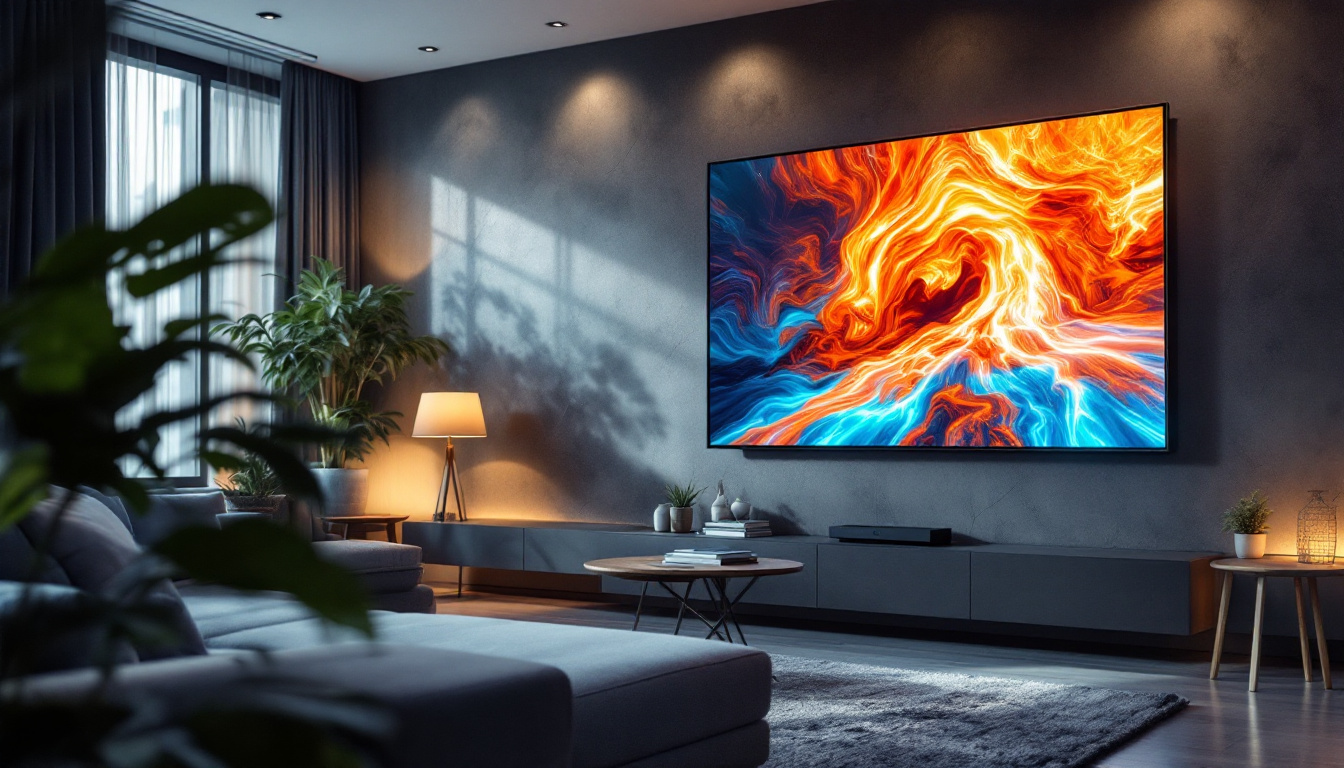
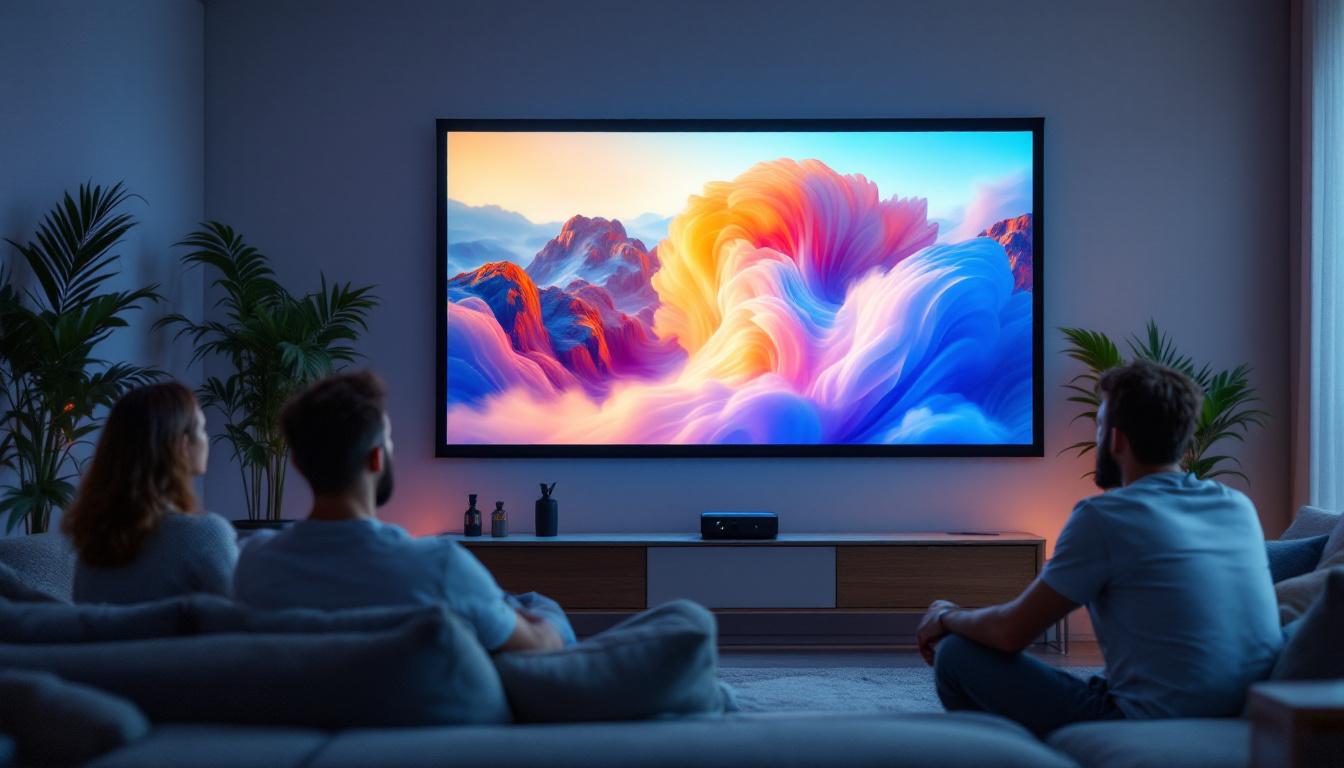
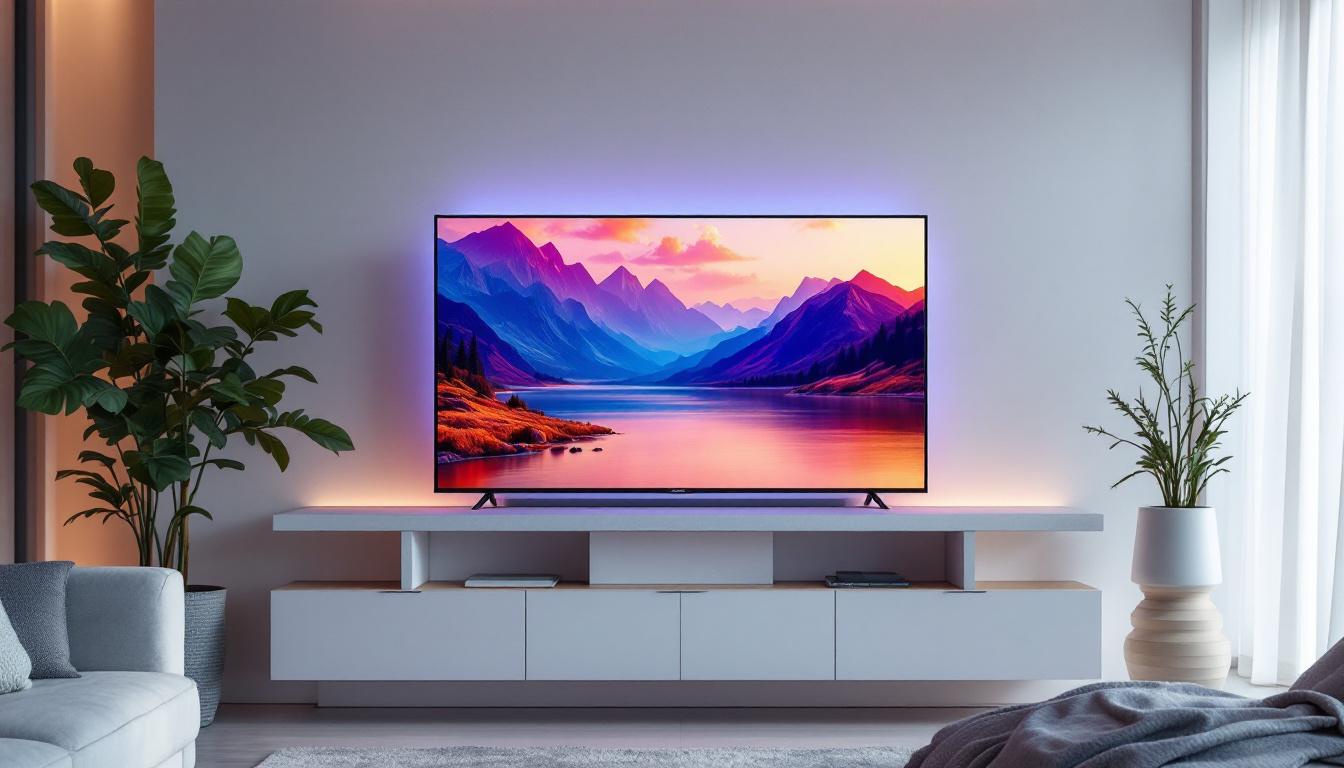
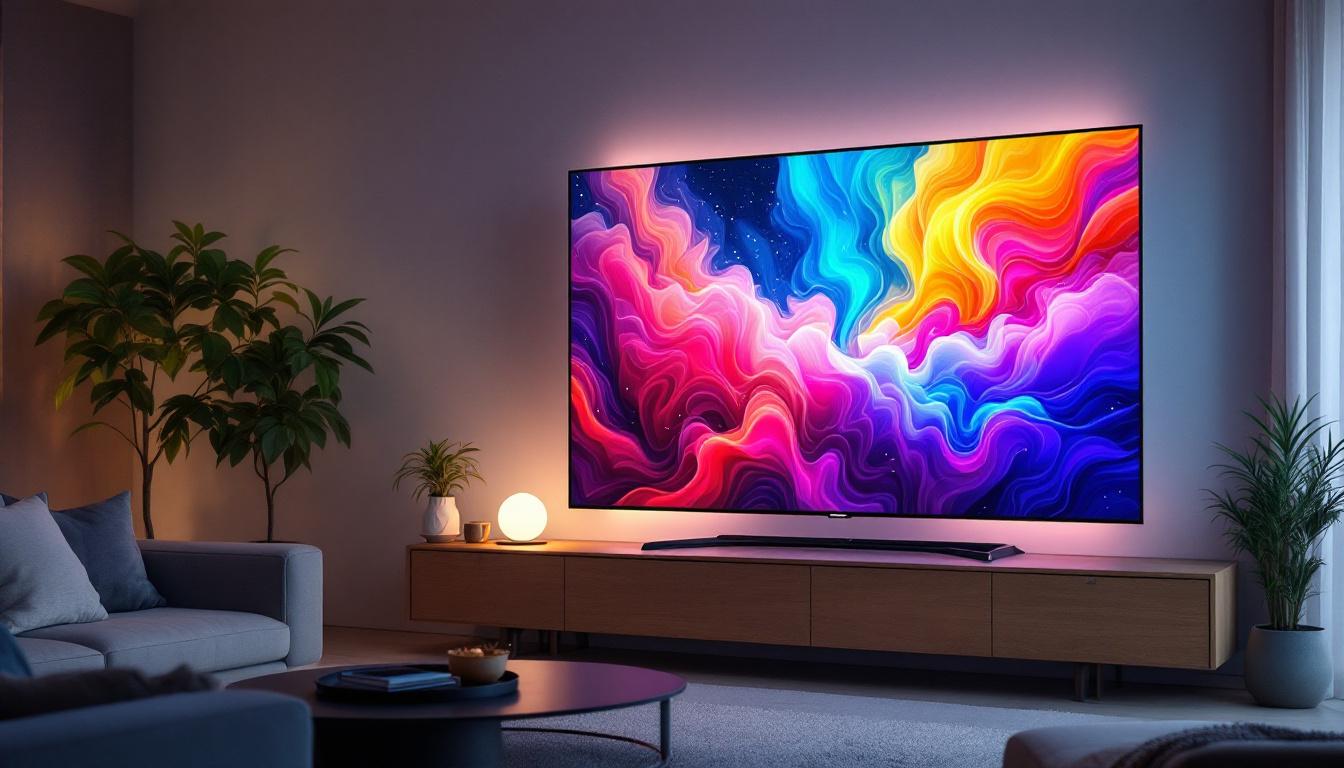
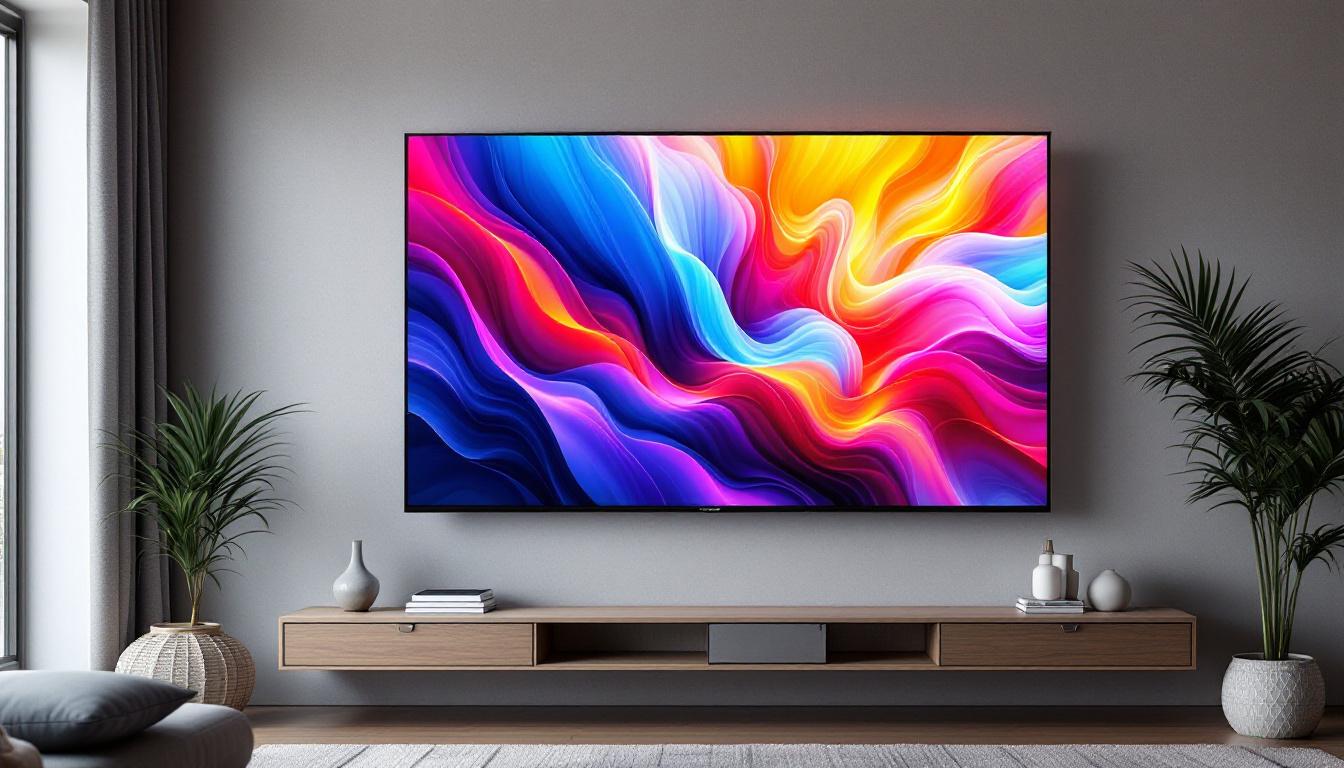
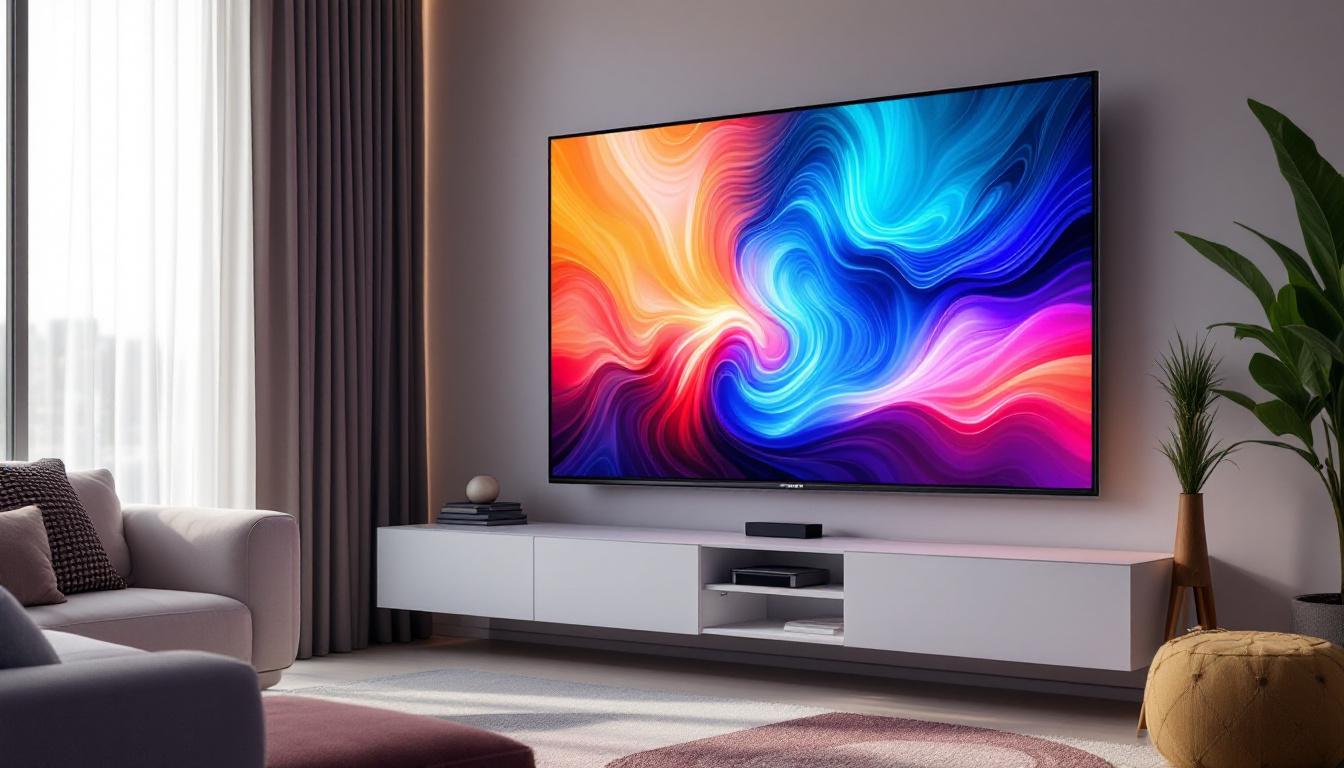
Thin bezel TVs feature ultra-narrow borders, often measuring just a few millimeters. This design maximizes the screen-to-body ratio, meaning more of the front surface is dedicated to the display itself rather than framing it. This not only enhances the visual appeal but also contributes to a more immersive viewing experience. The aesthetic benefit of thin bezels is particularly pronounced in modern designs, where sleek lines and minimalistic features are highly sought after. As a result, these TVs can blend seamlessly into any decor, making them an attractive addition to contemporary living spaces.
Why Thin Bezels Matter
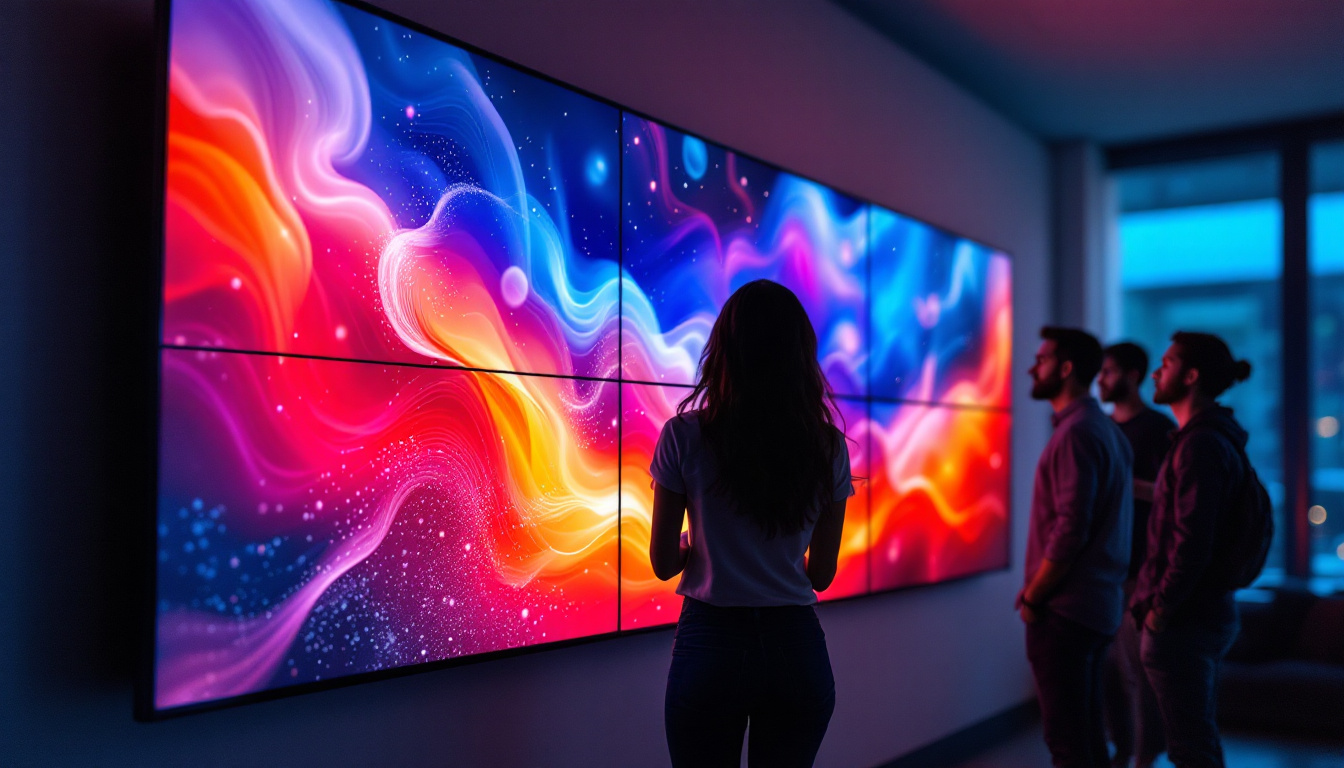
Thin bezels are more than just a cosmetic upgrade. They play a crucial role in multi-screen setups, such as video walls or gaming stations, where multiple TVs are placed side by side. Narrow bezels minimize the visual interruption between screens, creating a near-seamless display that is perfect for professional environments and home theaters alike. This is particularly beneficial for gamers who desire an uninterrupted field of view, enhancing their overall gaming experience and allowing for more immersive gameplay.
Moreover, thin bezel TVs tend to be lighter and more compact, making them easier to mount on walls or fit into tight spaces. This has become a significant selling point as consumers increasingly prefer minimalist interiors and flexible installation options. The reduced weight and size not only simplify the mounting process but also open up a range of possibilities for creative interior design. For instance, homeowners can now experiment with unique placements, such as floating shelves or innovative media centers, without the constraints imposed by bulkier models. Additionally, many thin bezel TVs come equipped with advanced technologies like OLED or QLED, which further enhance picture quality, ensuring that the visual experience is as stunning as the design itself.
LED Display Technology: The Heart of Modern TVs
What Is an LED Display?
LED stands for Light Emitting Diode, a semiconductor device that emits light when an electric current passes through it. In the context of TVs, LED displays use an array of these tiny diodes to illuminate the screen, producing bright and vibrant images.
It’s important to clarify that most LED TVs are actually LCD (Liquid Crystal Display) TVs that use LED backlighting instead of the older cold cathode fluorescent lamps (CCFLs). This distinction is key because the LED backlighting significantly improves picture quality, energy efficiency, and design flexibility. The use of LED technology not only enhances brightness but also allows for a wider color gamut, resulting in more lifelike images that can captivate viewers. As a result, LED TVs have become the standard for home entertainment, offering a viewing experience that is both immersive and visually stunning.
Types of LED Backlighting
There are two primary types of LED backlighting used in TVs: edge-lit and full-array.
- Edge-lit LED: LEDs are placed along the edges of the screen, and light is distributed across the display using light guides. This design allows for thinner panels and is common in many thin bezel TVs. While edge-lit technology enables manufacturers to create sleek, lightweight models, it can sometimes lead to uneven brightness across the screen, particularly in scenes with high contrast.
- Full-array LED: LEDs are positioned directly behind the screen in a grid-like pattern. This allows for more precise control of brightness and contrast through local dimming zones, enhancing picture quality, especially in dark scenes. Full-array LED technology excels in delivering deep blacks and vibrant highlights, making it a favorite among cinema enthusiasts who appreciate the nuances of shadow detail and color accuracy.
Full-array LED TVs generally offer superior contrast and black levels but can be thicker and more expensive than edge-lit models. However, advances in technology are closing this gap, allowing thin bezel TVs to incorporate full-array backlighting without sacrificing slimness. Moreover, some manufacturers are now integrating advanced features such as HDR (High Dynamic Range) support, which takes advantage of the enhanced capabilities of full-array LED backlighting to produce stunning visuals with a broader range of brightness levels. This means that viewers can enjoy a more dynamic and realistic picture, making their favorite movies and shows come to life like never before.
How Thin Bezels and LED Displays Work Together
Enabling Sleek Designs Without Compromise
The integration of LED technology has been instrumental in enabling the development of thin bezel TVs. Unlike older CCFL backlighting, LEDs are smaller, generate less heat, and consume less power, which allows manufacturers to design slimmer panels with minimal borders.
This synergy between thin bezels and LED displays means consumers no longer have to choose between style and performance. Modern thin bezel LED TVs deliver stunning visuals with vibrant colors, sharp contrasts, and high brightness levels, all wrapped in a sleek, contemporary form factor.
Enhancing Immersion and Viewing Experience
One of the primary reasons viewers appreciate thin bezel LED TVs is the immersive experience they provide. With the screen dominating the front surface, distractions are minimized, allowing viewers to focus entirely on the content.
This is particularly valuable for applications such as gaming, sports, and cinematic viewing, where edge-to-edge visuals enhance the sense of realism and engagement. Additionally, thin bezels reduce glare and reflections that can occur on wider frames, improving visibility in various lighting conditions.
Key Features to Consider When Buying a Thin Bezel LED TV
Resolution and Screen Size
Resolution remains a critical factor in determining picture quality. Most thin bezel LED TVs today support at least Full HD (1080p), with 4K Ultra HD becoming the standard for mid-range and premium models. 8K TVs are also emerging but remain niche due to limited content availability and high costs.
Screen size preferences vary depending on room dimensions and viewing distance. Thin bezel designs allow larger screen sizes without significantly increasing the overall footprint, making them ideal for living rooms and dedicated home theaters.
Refresh Rate and Motion Handling
Refresh rate, measured in Hertz (Hz), indicates how many times the TV updates the image per second. Higher refresh rates (120Hz or more) contribute to smoother motion, which is essential for fast-paced content like sports and gaming.
Many thin bezel LED TVs incorporate motion interpolation technologies that reduce blur and judder, further enhancing the viewing experience.
Smart TV Capabilities
Modern thin bezel LED TVs often come equipped with smart features, including built-in streaming apps, voice assistants, and connectivity options such as Wi-Fi and Bluetooth. These features add convenience and versatility, allowing users to access a wide range of content without additional devices.
HDR Support
High Dynamic Range (HDR) technology enhances contrast and color accuracy, delivering more lifelike images. Popular HDR formats include HDR10, Dolby Vision, and HLG. When paired with LED displays, HDR can significantly improve picture quality, especially in scenes with bright highlights and deep shadows.
Market Trends and Consumer Preferences
Growing Demand for Minimalist Aesthetics
Consumer preferences have shifted towards minimalist and modern home designs, driving demand for thin bezel TVs. According to a 2023 report by a leading market research firm, over 65% of TV buyers prioritize slim profiles and narrow bezels when selecting a new television.
This trend is especially pronounced among younger demographics who value sleek technology that complements their living spaces.
Advancements in Manufacturing and Materials
Innovations in materials such as ultra-thin glass, flexible circuits, and advanced adhesives have enabled manufacturers to push the boundaries of bezel thinness without compromising durability or performance.
Additionally, improvements in LED technology, including mini-LED and micro-LED, promise even thinner panels with enhanced brightness and color accuracy, suggesting that the future of thin bezel LED TVs is bright.
Challenges and Considerations
Durability and Repairability
While thin bezel TVs are visually appealing, their slim designs can sometimes make them more fragile and challenging to repair. Consumers should consider warranty options and handle these devices with care, especially during installation.
Price Premium
Thin bezel TVs, particularly those with advanced LED backlighting and smart features, often come at a higher price point compared to traditional models. However, the price gap has been narrowing as technology becomes more widespread and production costs decrease.
Conclusion: The Future of Thin Bezel LED TVs
Thin bezel TVs with LED displays represent a harmonious blend of form and function, offering consumers an immersive viewing experience wrapped in a stylish, modern package. As LED technology continues to evolve and manufacturing techniques improve, these TVs will become even thinner, brighter, and more energy-efficient.
Whether for casual viewing, gaming, or professional use, thin bezel LED TVs are poised to dominate the market, reflecting broader trends in consumer electronics that prioritize aesthetics without sacrificing performance.
For anyone looking to upgrade their home entertainment system, understanding the nuances of thin bezel and LED display technology is essential to making an informed purchase that delivers both visual excellence and design sophistication.
Explore the Future of Visual Experience with LumenMatrix
Ready to elevate your viewing experience with the sleek design and superior performance of thin bezel LED TVs? LumenMatrix, a pioneer in LED display technology, invites you to discover our extensive range of innovative LED display solutions. From immersive Indoor LED Wall Displays to dynamic Outdoor LED Wall Displays, and from versatile Vehicle LED Displays to cutting-edge LED Sports Displays, our products are designed to transform your space and captivate your audience. Experience the revolution in visual communication and make a lasting impression with LumenMatrix’s advanced digital signage and LED displays. Check out LumenMatrix LED Display Solutions today and step into the future of home entertainment and professional display technology.