In today’s digital age, LED displays have become an integral part of how information is presented and consumed across various industries. From advertising billboards to indoor signage and even home entertainment systems, LED technology offers vibrant visuals, energy efficiency, and versatility. This article delves into the world of ledpaneel (LED panels), explaining what they are, how they work, their applications, and why they have become the preferred choice for display technology worldwide.
What is a Ledpaneel?
A ledpaneel is essentially a flat panel display that uses light-emitting diodes (LEDs) as its primary light source. Unlike traditional LCD or plasma screens, LED panels consist of an array of tiny LEDs that emit light directly, allowing for superior brightness, contrast, and color accuracy. This technology not only enhances the viewing experience but also contributes to energy efficiency, making LED panels a popular choice for both commercial and residential applications.
LED panels can be found in various sizes and resolutions, from small indoor screens used for digital signage to massive outdoor billboards that can be seen from miles away. The modular nature of LED panels allows manufacturers and installers to create custom-sized displays by assembling multiple panels seamlessly. This flexibility means that businesses can tailor their advertising and information displays to fit specific spaces and requirements, maximizing impact and engagement.
Types of LED Panels
There are primarily two types of LED panels based on their design and application:
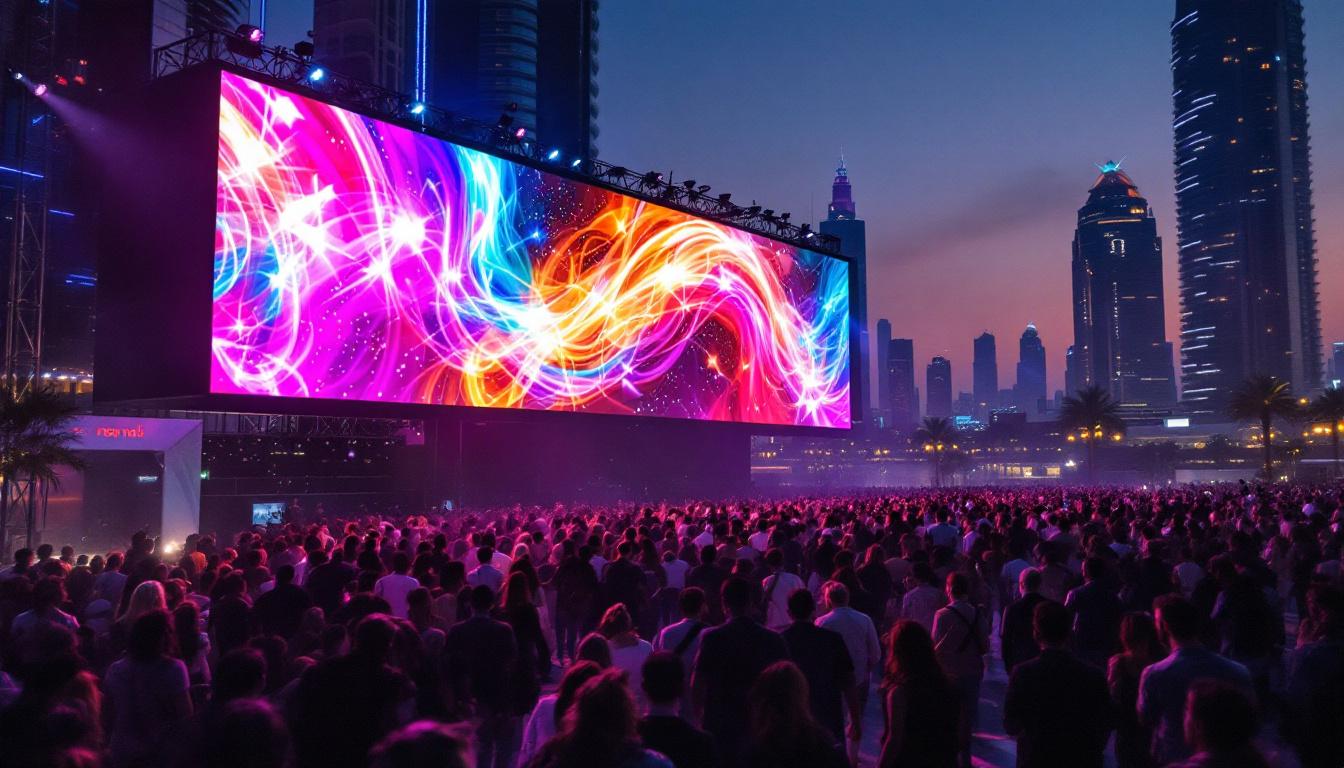
- Direct View LED Panels: In these panels, each pixel is made up of individual LEDs that emit light directly to the viewer. This design results in high brightness and excellent visibility even in direct sunlight, making them ideal for outdoor use. These panels are commonly used in stadiums, concerts, and large-scale events where visibility from a distance is crucial.
- LED-Backlit LCD Panels: These panels use LEDs as a backlight behind an LCD screen. While they benefit from LED technology’s energy efficiency and color range, the light is diffused through the LCD layer, resulting in slightly different visual characteristics compared to direct view LED panels. This type is often found in televisions and computer monitors, providing a balance between performance and cost-effectiveness.
In addition to these primary types, there are also specialized LED panels designed for specific applications. For instance, transparent LED panels are gaining popularity in retail environments, allowing for captivating displays that do not obstruct the view of the merchandise behind them. Furthermore, flexible LED panels are emerging, which can be bent and shaped to fit unconventional spaces, opening up new possibilities for creative installations in architecture and design. These innovations continue to push the boundaries of what is possible with LED technology, making it an exciting field to watch as it evolves.
How Do LED Panels Work?
Understanding the working principle of LED panels helps appreciate their advantages and potential limitations. At the core, LED panels rely on light-emitting diodes that produce light when an electrical current passes through them.
The Role of Pixels and Subpixels
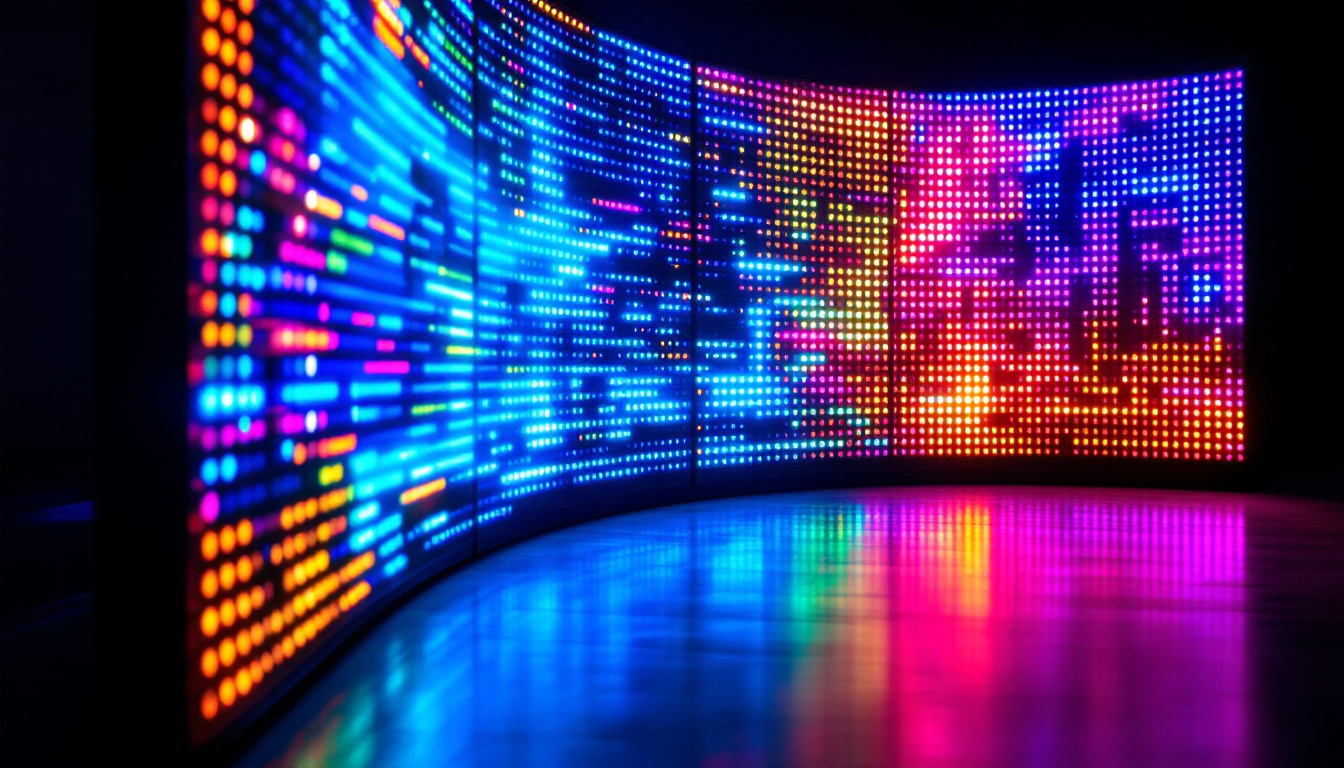
Each pixel on an LED panel is composed of subpixels, usually red, green, and blue LEDs. By varying the intensity of these subpixels, the panel can produce a wide spectrum of colors. This RGB color mixing is fundamental to how images and videos are displayed with rich and accurate colors.
Pixel Pitch and Resolution
Pixel pitch refers to the distance between the centers of two adjacent pixels on the panel, usually measured in millimeters. A smaller pixel pitch means pixels are closer together, resulting in higher resolution and sharper images. For example, a 1.5mm pixel pitch panel is ideal for close viewing distances such as indoor displays, whereas a 10mm pitch panel is better suited for large outdoor screens viewed from afar.
Brightness and Contrast
LED panels are known for their high brightness levels, often exceeding 1,000 nits for indoor panels and reaching up to 5,000 nits or more for outdoor models. This brightness ensures visibility even under direct sunlight, a key advantage over other display technologies. Additionally, the ability of LEDs to switch on and off quickly contributes to excellent contrast ratios, enhancing image clarity and depth.
Applications of Ledpanels
LED panels have revolutionized the way visual content is delivered across numerous sectors. Their adaptability and performance make them suitable for a wide range of applications.
Outdoor Advertising and Digital Billboards
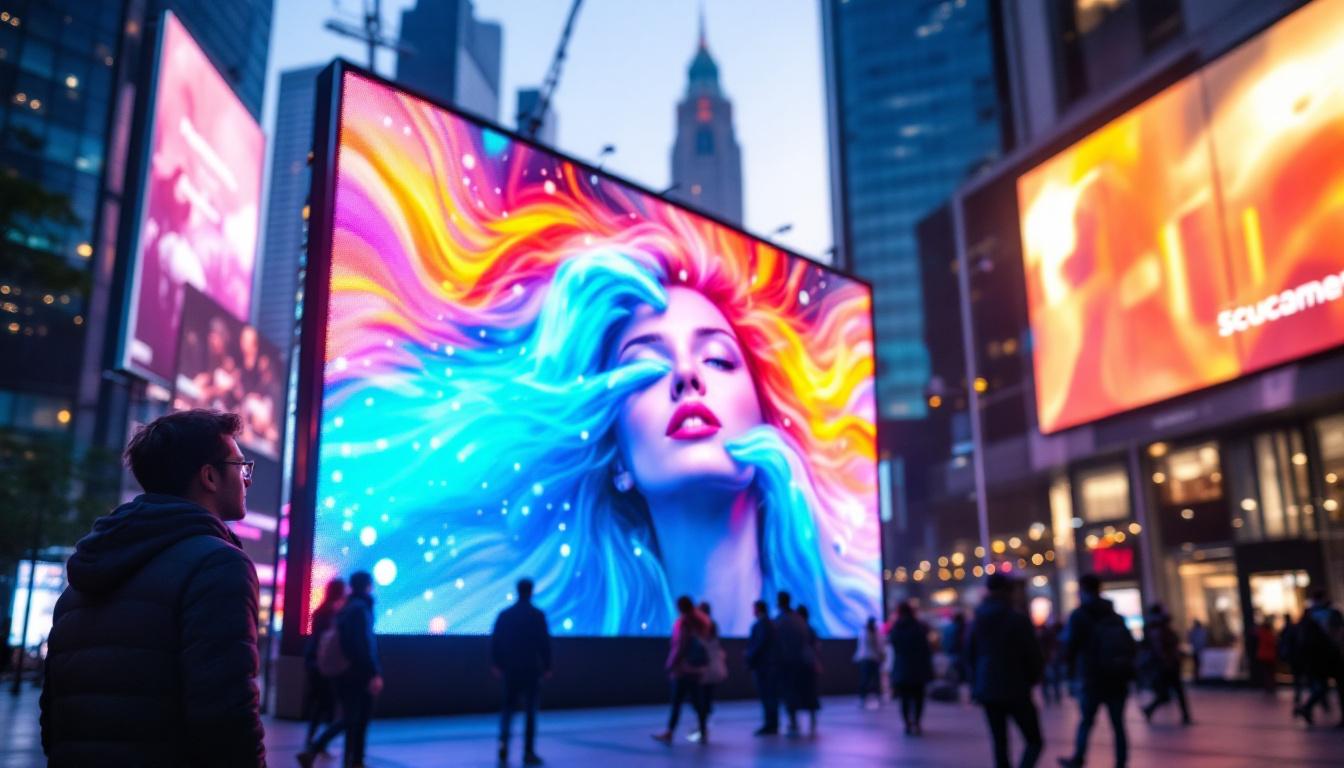
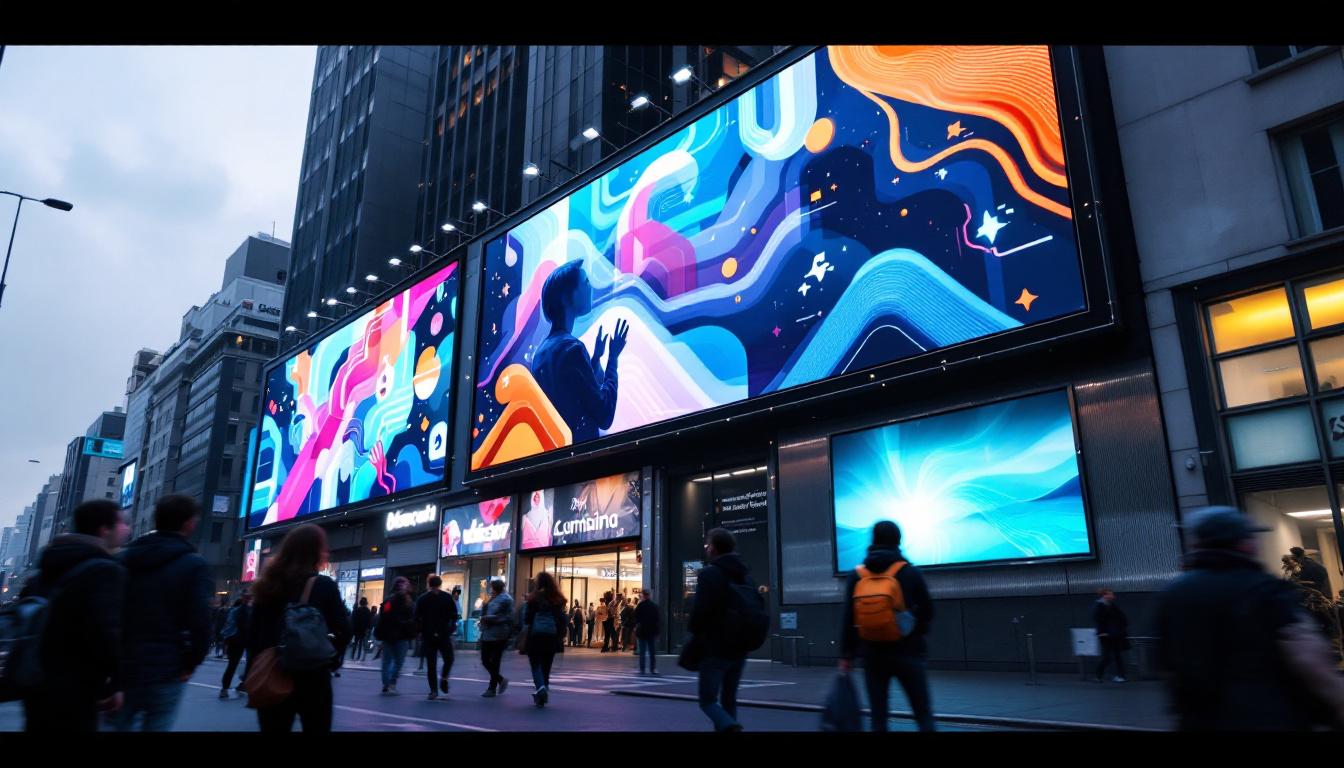
One of the most prominent uses of LED panels is in outdoor advertising. Digital billboards equipped with LED panels offer dynamic content that can be updated remotely and instantly. According to recent industry reports, the global digital out-of-home (DOOH) advertising market is expected to grow at a compound annual growth rate (CAGR) of over 12% through 2027, highlighting the increasing demand for LED-based signage.
LED billboards provide advertisers with the flexibility to display multiple ads throughout the day, incorporate animations, and target specific audiences based on time or location. Their high brightness ensures that messages remain visible in various weather conditions and lighting environments.
Indoor Displays and Retail Signage
In retail environments, LED panels are used for digital signage, promotional displays, and interactive kiosks. Their vibrant colors and sharp images help attract customers’ attention and enhance the shopping experience. Indoor LED panels typically have a smaller pixel pitch to accommodate closer viewing distances, ensuring crisp visuals.
Events, Concerts, and Sports Arenas
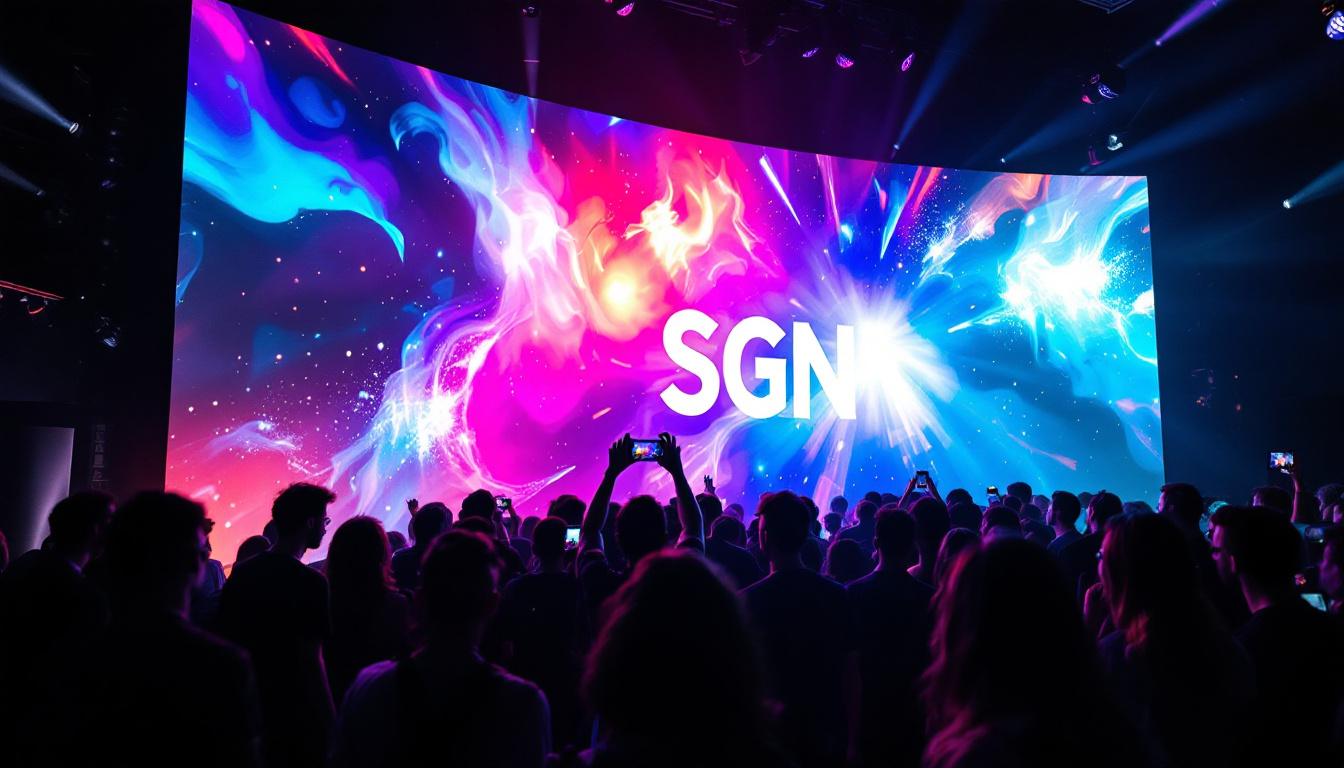
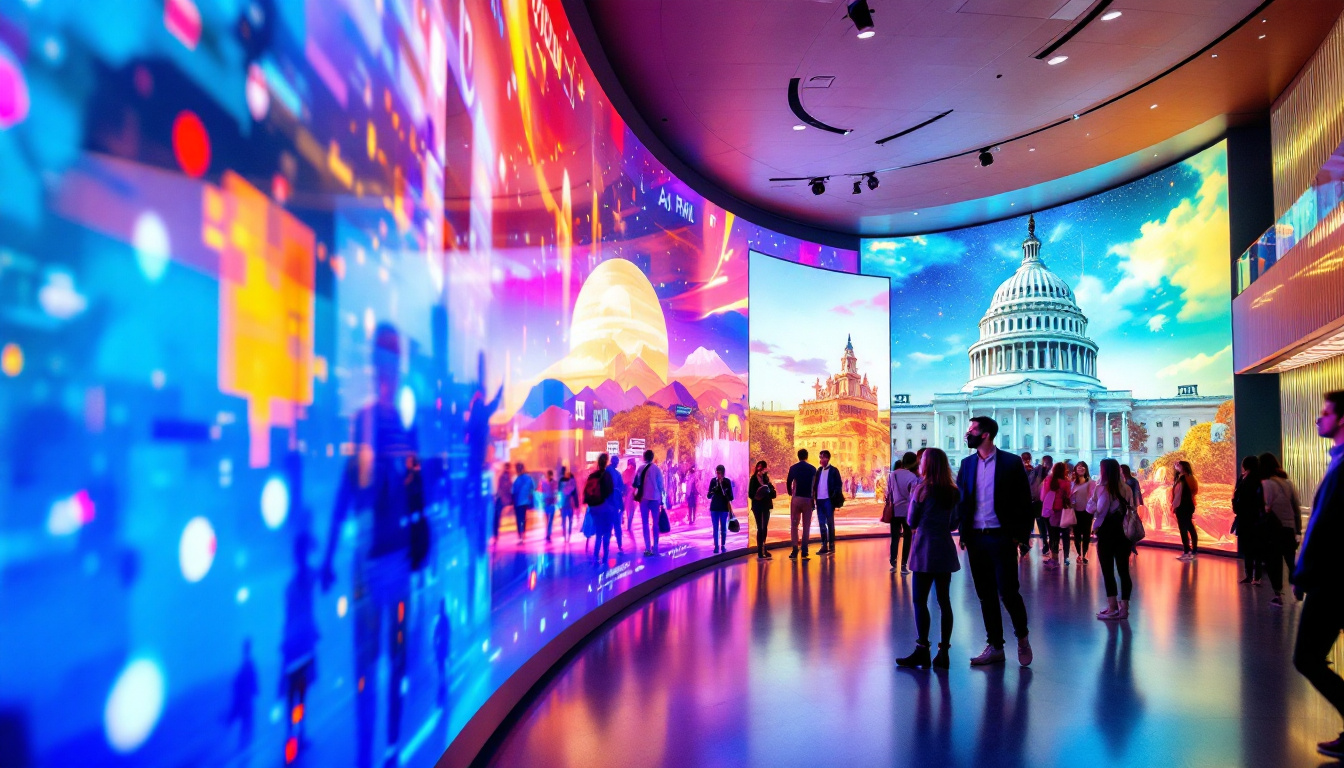
Large-scale events and venues rely heavily on LED panels to deliver live video feeds, advertisements, and information to audiences. The scalability of LED panels allows for the creation of massive screens that can be customized to fit various stage designs and arena layouts.
For example, the use of LED walls in concerts enables dynamic stage backdrops that can change instantly, adding to the immersive experience. Similarly, sports arenas use LED panels for scoreboards, replays, and fan engagement displays.
Corporate and Educational Environments
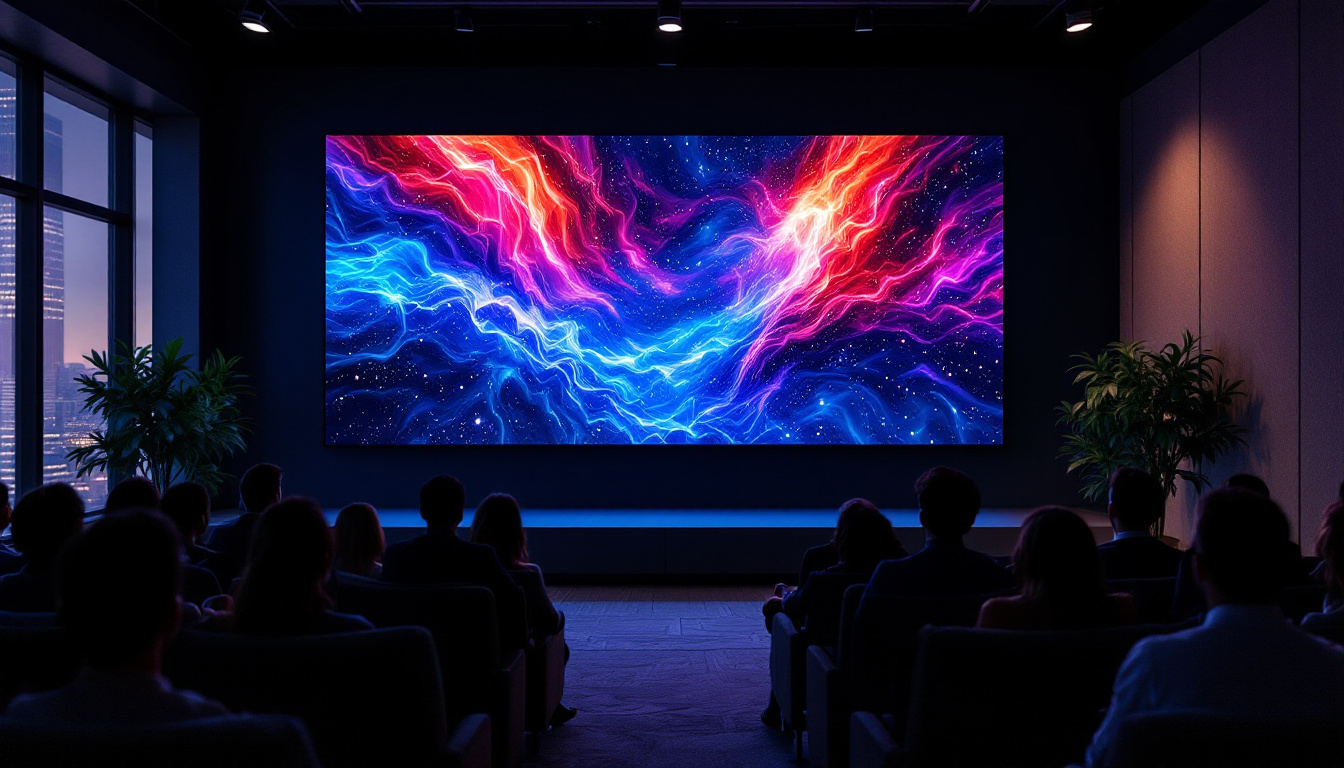
LED panels are increasingly used in corporate boardrooms, conference centers, and educational institutions. Their ability to display high-quality presentations, video conferencing content, and interactive materials makes them valuable tools for communication and collaboration.
Advantages of LED Panels
LED panels offer several benefits that have contributed to their widespread adoption across industries.
Energy Efficiency
Compared to traditional display technologies such as incandescent or fluorescent lighting, LEDs consume significantly less power. This energy efficiency translates to lower operational costs and a reduced environmental footprint. For businesses managing large digital signage networks, this can result in substantial savings over time.
Durability and Longevity
LED panels are known for their robust construction and long lifespan. Many panels are rated to operate for over 50,000 hours before significant brightness degradation occurs. Additionally, LEDs are solid-state devices, making them less susceptible to damage from shocks or vibrations compared to fragile LCD or plasma screens.
High Brightness and Visibility
The intense brightness of LED panels ensures visibility in various lighting conditions, including direct sunlight. This feature is particularly important for outdoor applications where ambient light levels can vary dramatically throughout the day.
Customization and Scalability
The modular design of LED panels allows for flexible configurations. Panels can be combined to create displays of virtually any size and shape, accommodating unique architectural or design requirements. This scalability is a significant advantage for event organizers and advertisers who need tailored solutions.
Fast Refresh Rates and Smooth Motion
LED panels typically support high refresh rates, reducing flicker and motion blur. This capability is essential for displaying fast-moving content such as sports broadcasts or video games, ensuring a smooth and enjoyable viewing experience.
Considerations When Choosing an LED Panel
While LED panels offer many benefits, selecting the right panel requires careful consideration of various factors to ensure optimal performance and return on investment.
Viewing Distance and Pixel Pitch
Choosing the appropriate pixel pitch is critical based on the intended viewing distance. A panel with too large a pixel pitch may appear pixelated when viewed up close, while an unnecessarily small pixel pitch can increase costs without visible benefits at longer distances.
Indoor vs. Outdoor Use
Outdoor LED panels must be weatherproof and capable of withstanding temperature extremes, moisture, and dust. They also require higher brightness levels to combat sunlight glare. Indoor panels, on the other hand, can prioritize higher resolution and color accuracy without the need for extreme brightness.
Resolution and Content Requirements
The resolution of the LED panel should align with the type of content to be displayed. For detailed graphics or text-heavy content, higher resolution panels are preferable. For video playback or simple messaging, lower resolution panels may suffice.
Installation and Maintenance
Consider the ease of installation and maintenance when selecting LED panels. Some panels offer front-access designs, simplifying repairs and reducing downtime. Additionally, evaluating the availability of technical support and warranty terms is essential.
The Future of LED Display Technology
LED technology continues to evolve, with ongoing innovations aimed at improving performance, reducing costs, and expanding applications.
MicroLED and MiniLED Advancements
Emerging technologies such as MicroLED and MiniLED promise even higher resolution, better contrast, and enhanced energy efficiency. MicroLED displays use microscopic LEDs as individual pixels, enabling ultra-thin, flexible, and highly durable screens. These advancements are expected to impact consumer electronics, automotive displays, and large-format signage in the coming years.
Integration with Smart Technologies
LED panels are increasingly integrated with smart systems, including IoT connectivity, AI-driven content management, and interactive features. This integration allows for real-time data-driven advertising, personalized messaging, and enhanced user engagement.
Sustainability and Eco-Friendly Designs
Manufacturers are focusing on sustainable materials and energy-efficient designs to reduce the environmental impact of LED displays. Innovations in recycling and end-of-life management are also gaining attention as the adoption of LED technology grows globally.
Conclusion
Ledpanels represent a transformative technology in the realm of digital displays, offering unparalleled brightness, versatility, and energy efficiency. Whether used for advertising, entertainment, or communication, LED panels provide vibrant and dynamic visual experiences that capture attention and convey messages effectively.
Understanding the technical aspects, applications, and future trends of LED panels equips businesses, event organizers, and technology enthusiasts with the knowledge to make informed decisions. As LED technology continues to advance, its role in shaping the visual landscape will only become more prominent and exciting.
Discover LumenMatrix’s Innovative LED Solutions
Ready to elevate your visual display capabilities? LumenMatrix is at the forefront of LED display technology, offering a comprehensive range of solutions tailored to meet your needs. From Indoor and Outdoor LED Wall Displays to specialized options like Vehicle Displays, LED Posters, and even Custom LED Designs, our products are designed to make your brand shine. Experience the future of visual communication with our LED Sports Displays, Floor LEDs, All-in-One, and Transparent Displays. Embrace the power of LED technology with LumenMatrix and transform how you connect with your audience. Check out LumenMatrix LED Display Solutions today and start creating unforgettable visual experiences.