In the rapidly evolving world of digital technology, LED displays have emerged as a cornerstone in visual communication. From towering billboards in bustling city centers to the sleek screens of smartphones, LED (Light Emitting Diode) technology has revolutionized how images and information are presented. This article delves into the fundamentals of LED displays, exploring their technology, applications, advantages, and future trends.
Understanding LED Display Technology
What is an LED Display?
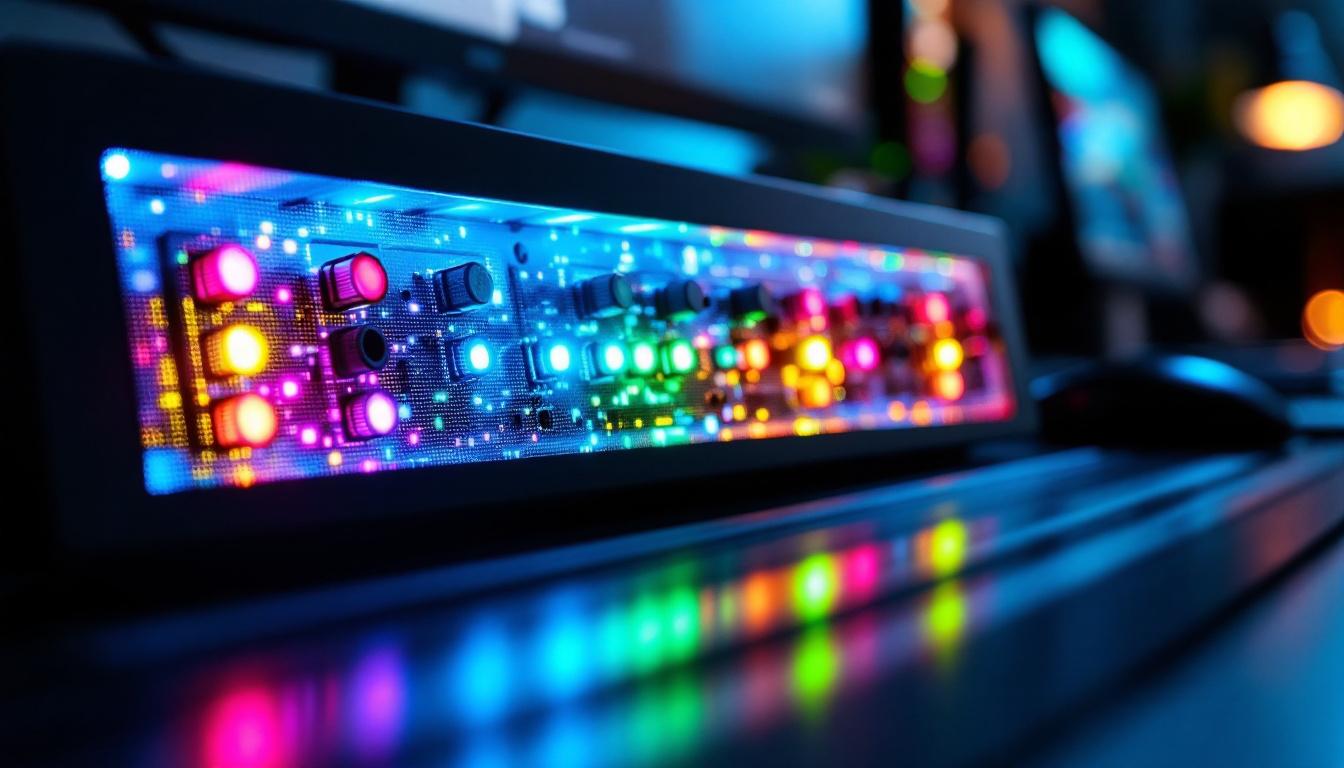
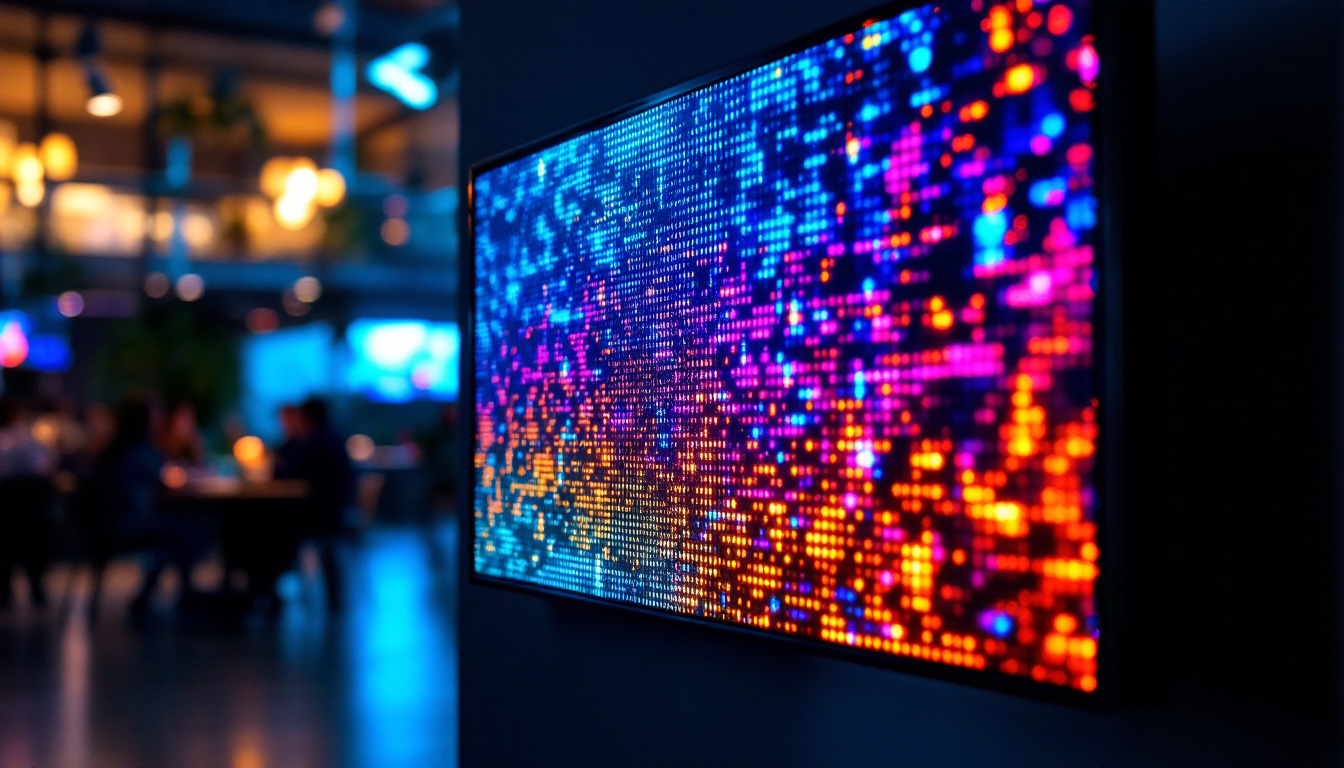
An LED display is a flat panel or flexible display that uses an array of light-emitting diodes as pixels for a video display. Unlike traditional LCD screens that rely on backlighting, LED displays produce their own light, which results in brighter images and better contrast ratios. The basic building block of an LED display is the LED itself—a semiconductor device that emits light when an electric current passes through it.
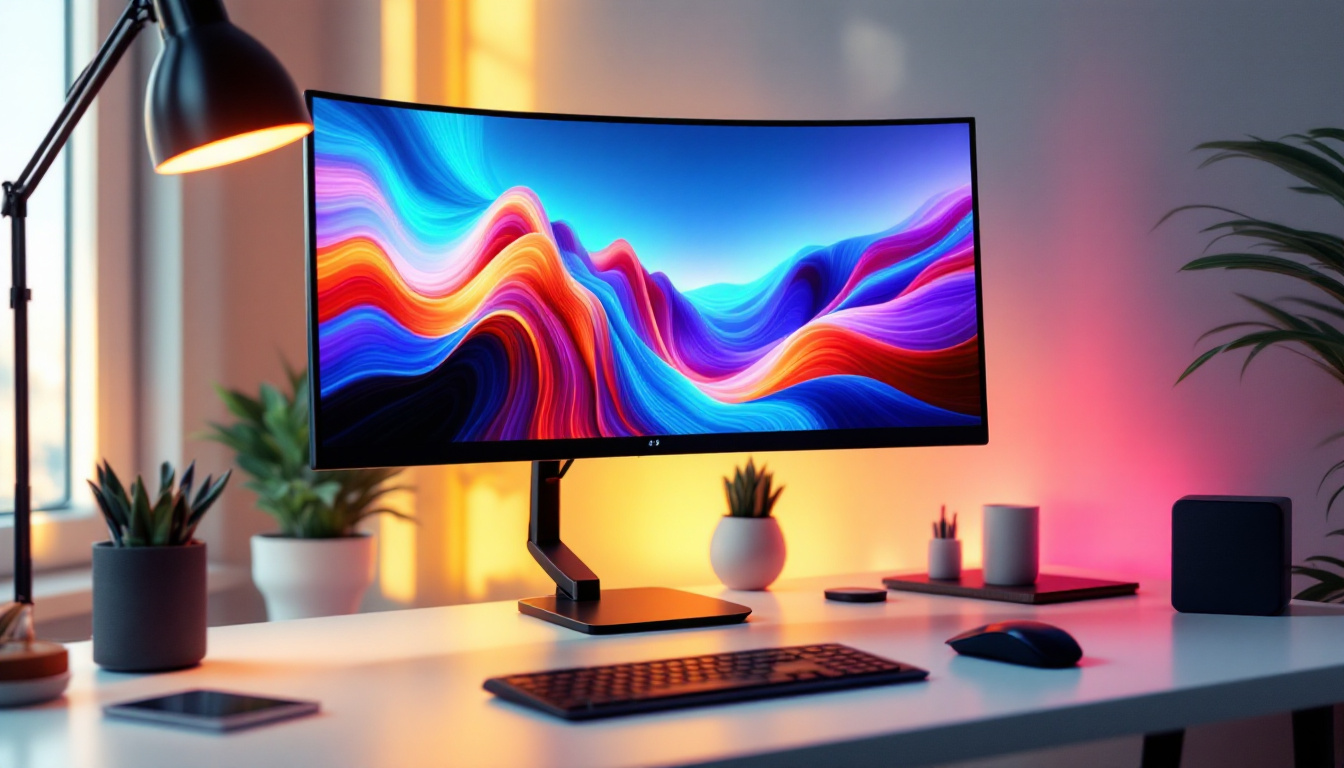
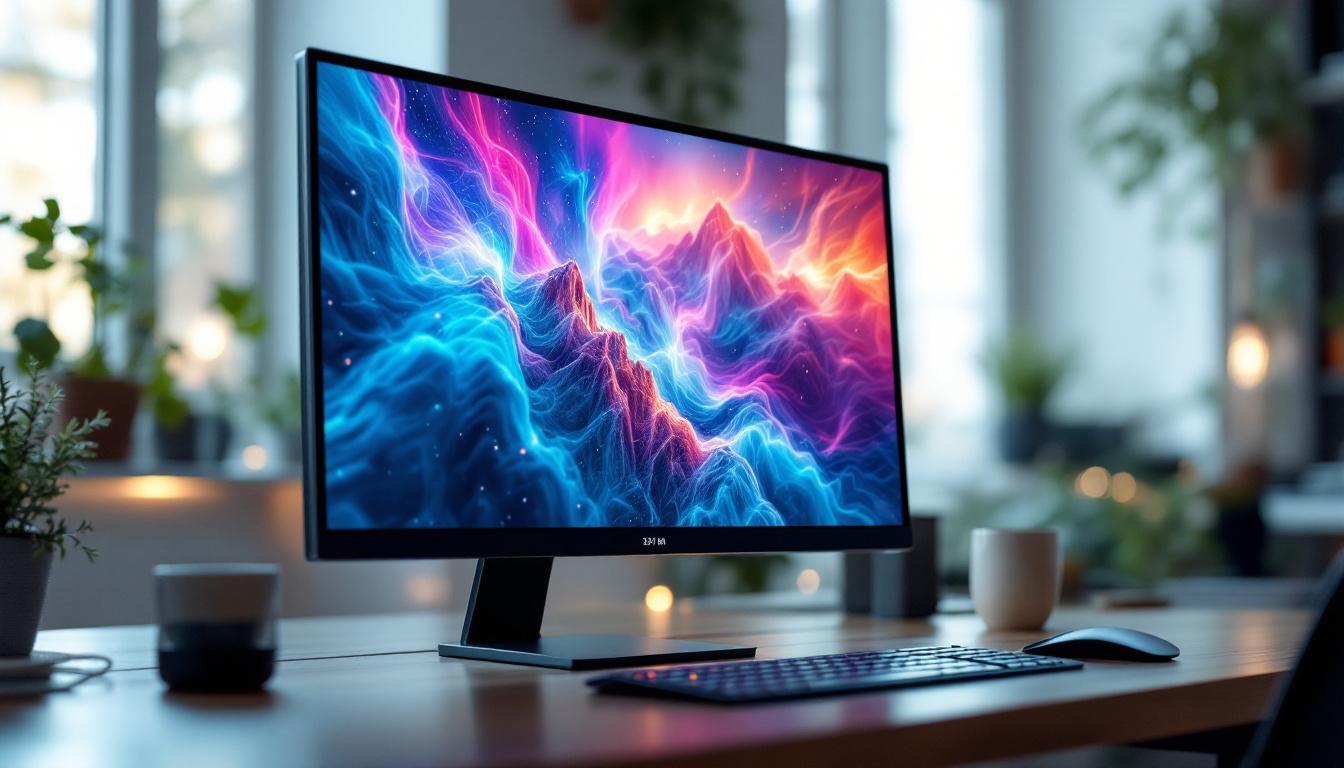
LED displays can be categorized primarily into two types: direct-view LED displays and LED-backlit LCD displays. Direct-view LED displays consist of tiny LEDs arranged in a matrix, each acting as an individual pixel. These are commonly used in large-scale outdoor screens and digital signage. In contrast, LED-backlit LCD displays use LEDs as a backlight source behind an LCD panel, which is typical in televisions and computer monitors. The versatility of LED technology allows for a wide range of applications, from billboards and sports arenas to retail displays and even wearable technology, showcasing its adaptability across various industries.
How Do LED Displays Work?
At the core of LED display operation is the principle of electroluminescence, where an electric current excites electrons within the LED material, causing them to emit photons—visible light. Each pixel in an LED display is made up of one or more LEDs that can emit red, green, and blue light. By varying the intensity of these three colors, the display can render a full spectrum of colors. This color mixing capability is what allows LED displays to create vibrant and dynamic visuals that captivate audiences.
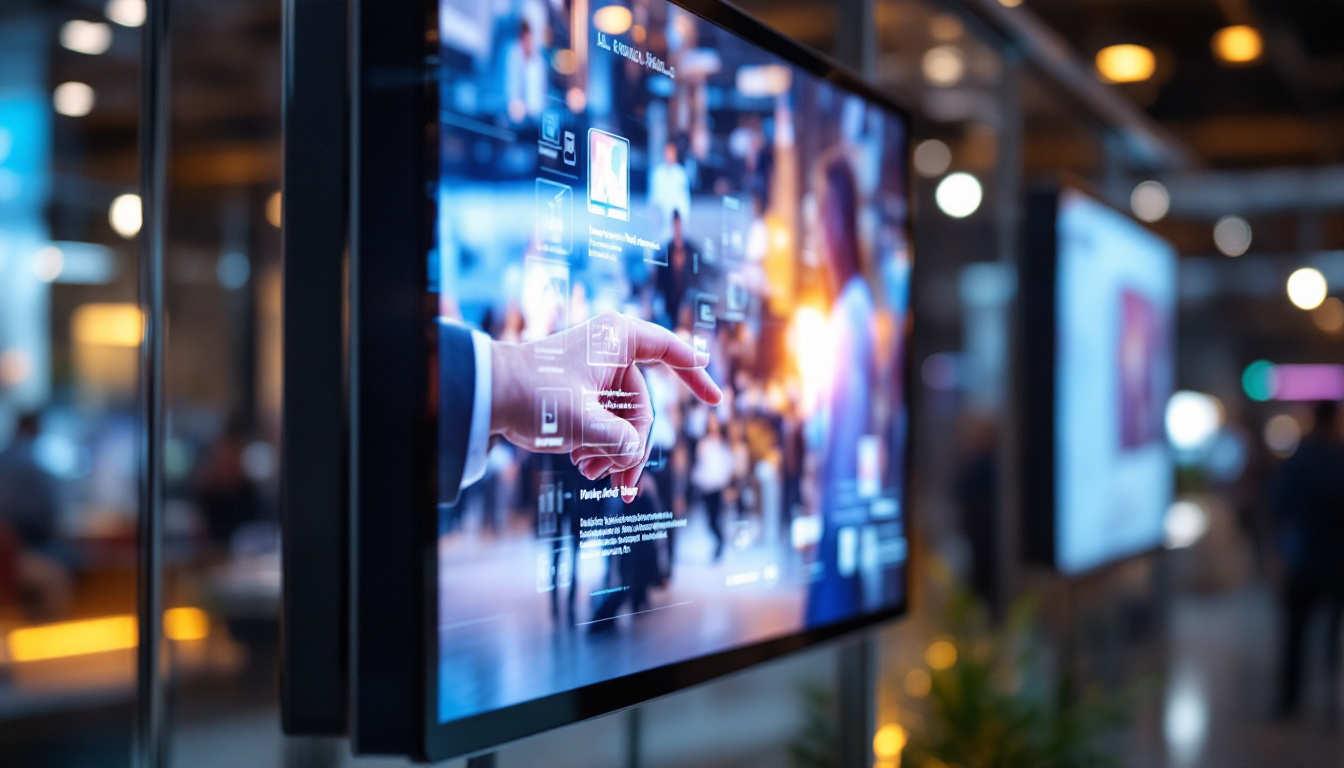
Advanced LED displays use surface-mounted device (SMD) technology, where tiny LEDs are mounted directly onto the circuit board. This allows for higher pixel density and better image resolution. Additionally, technologies such as fine-pitch LEDs have enabled displays with pixel pitches as small as 0.7 millimeters, making them suitable for close viewing distances like indoor environments. The innovation doesn’t stop there; recent advancements in LED technology have introduced features like high dynamic range (HDR) and wide color gamut (WCG), enhancing the viewing experience by providing more vivid colors and improved contrast. Furthermore, the integration of smart technology in LED displays allows for real-time content updates and interactivity, making them an essential tool for modern advertising and communication strategies.
Applications of LED Displays
Outdoor Advertising and Public Information
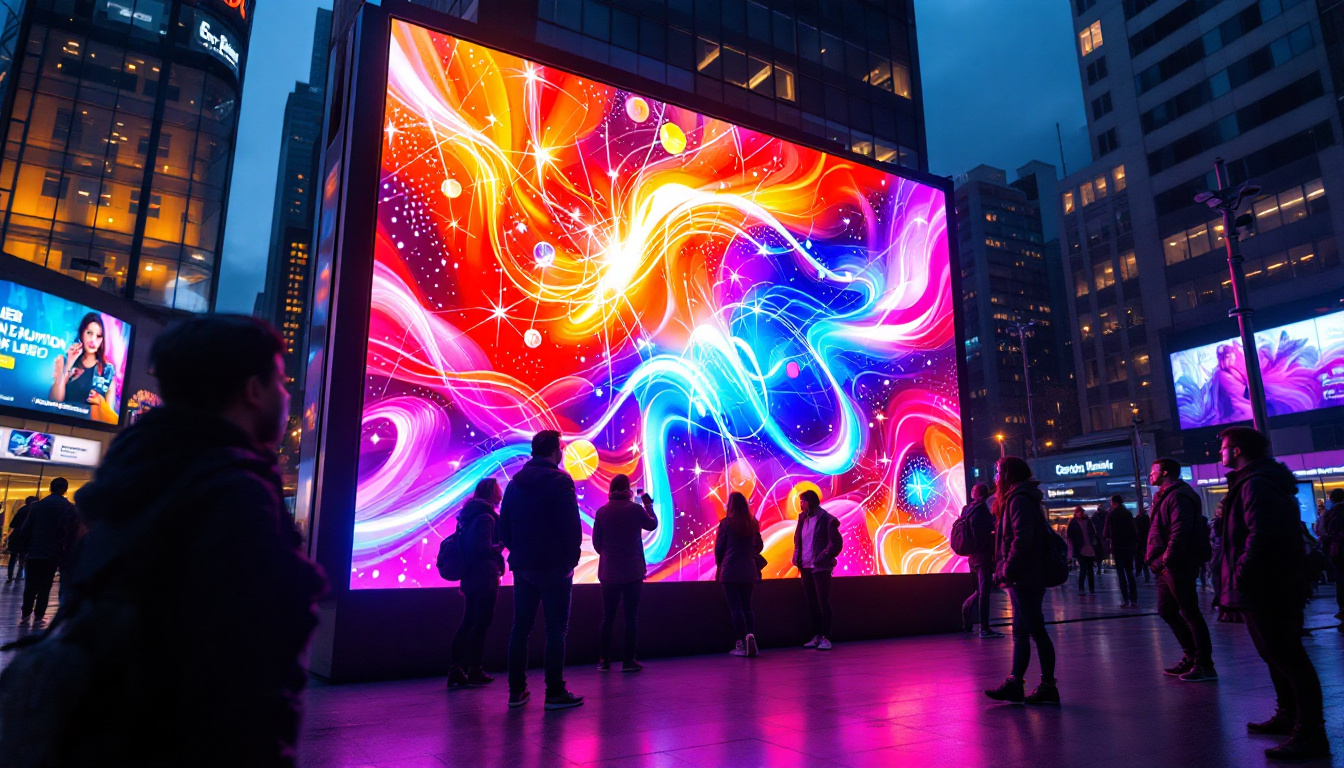
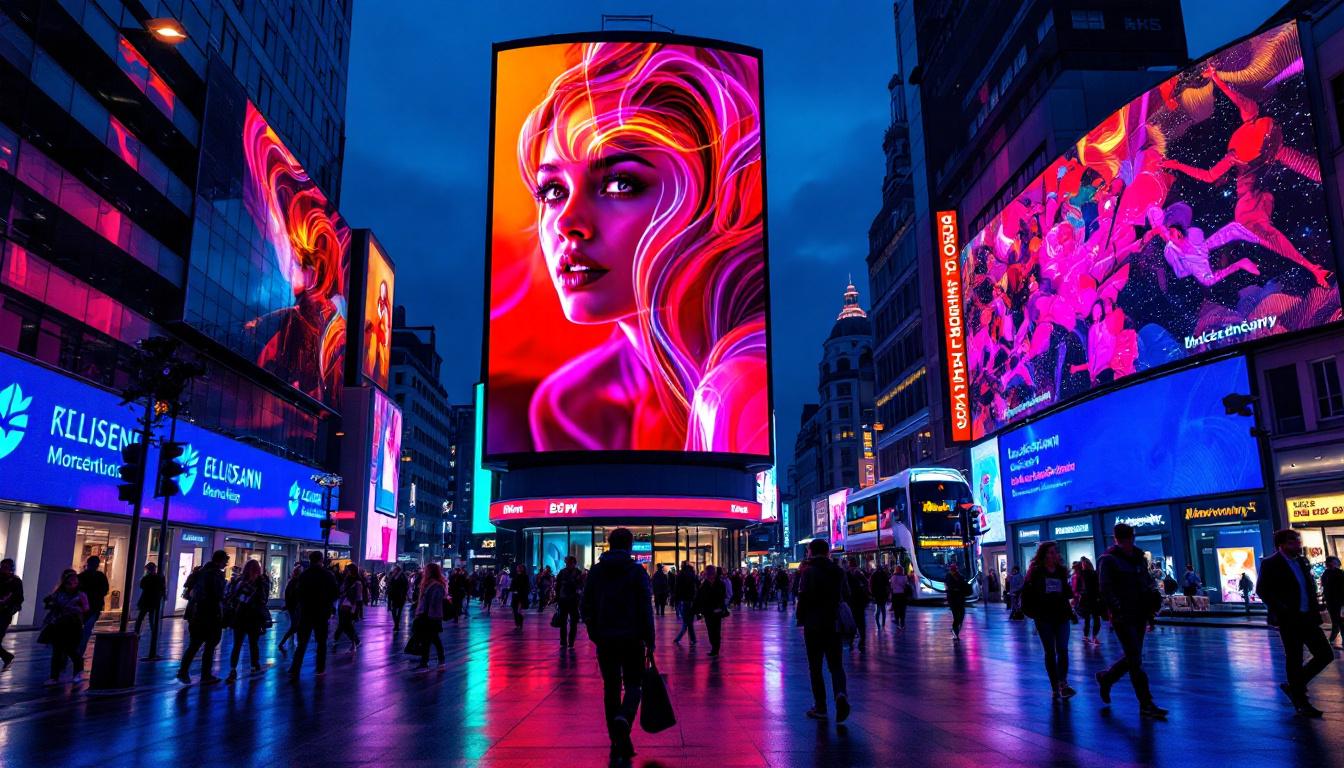
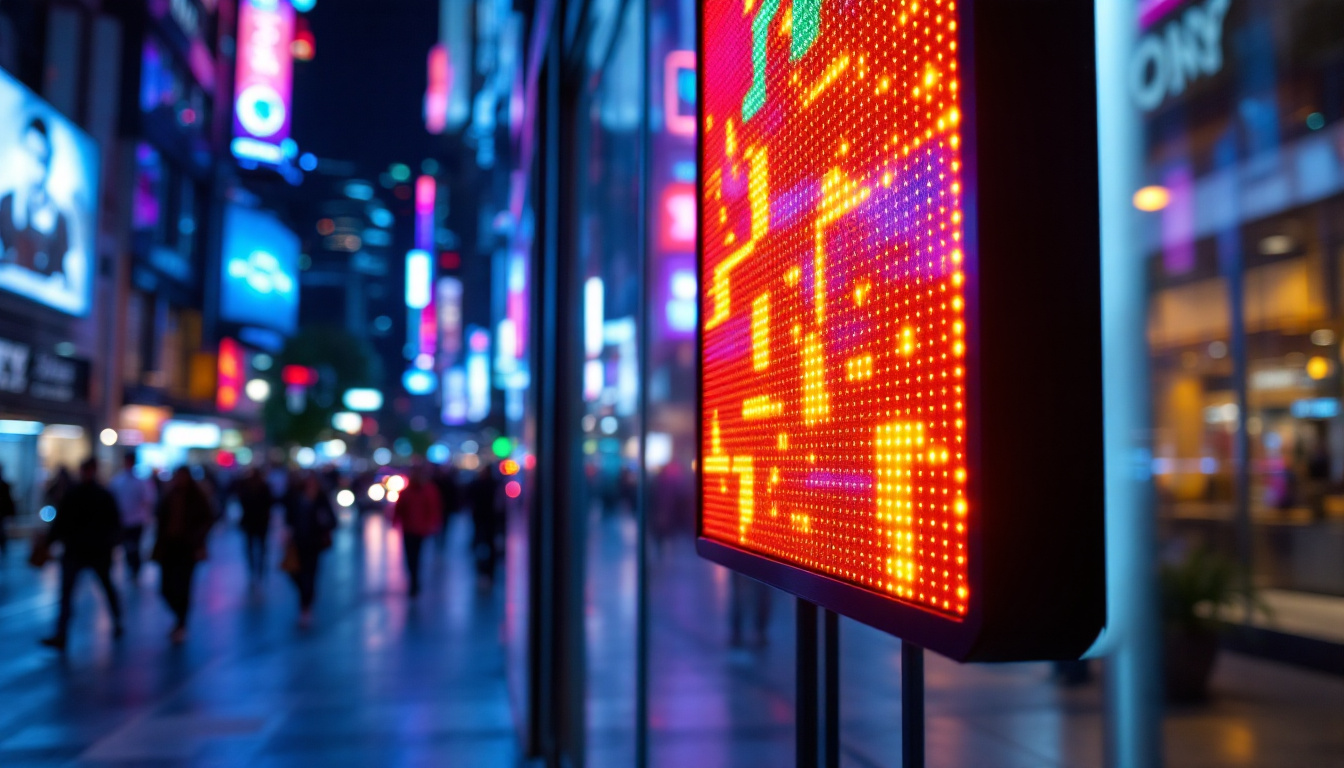
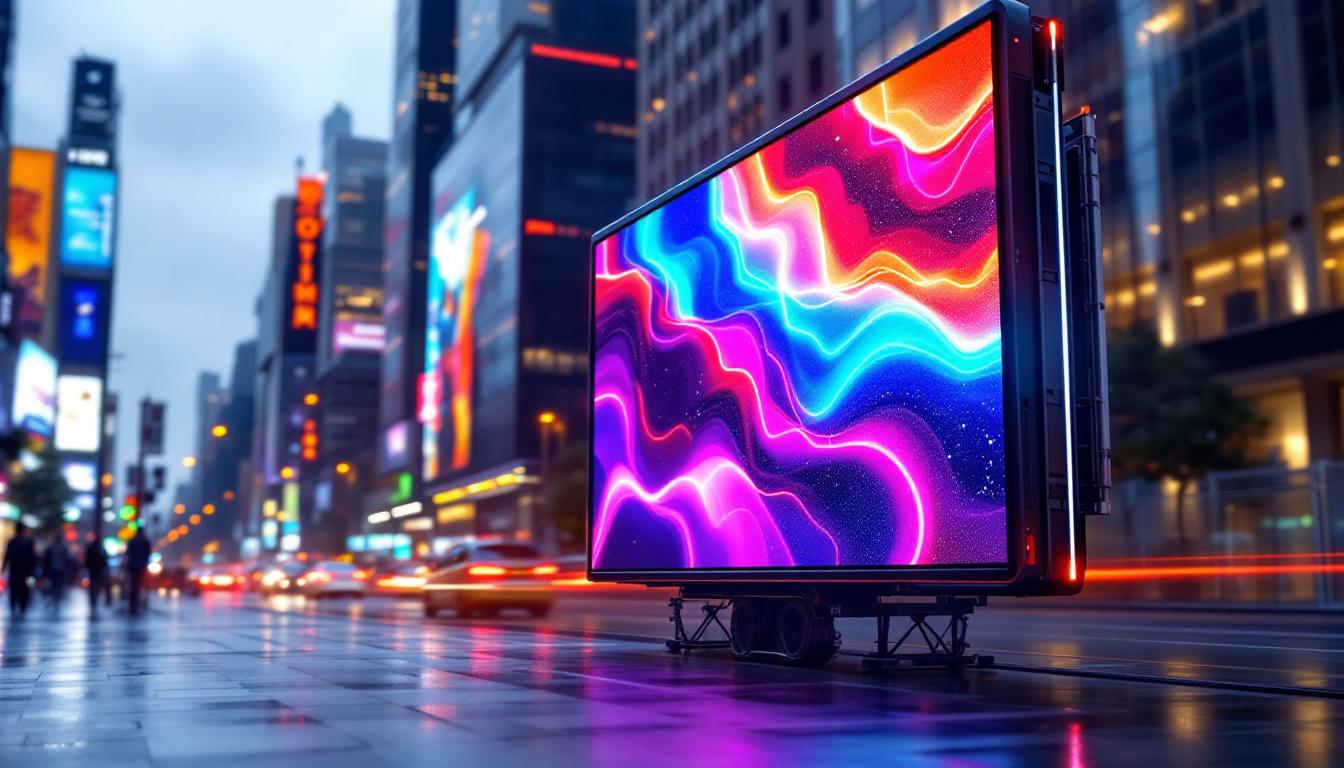
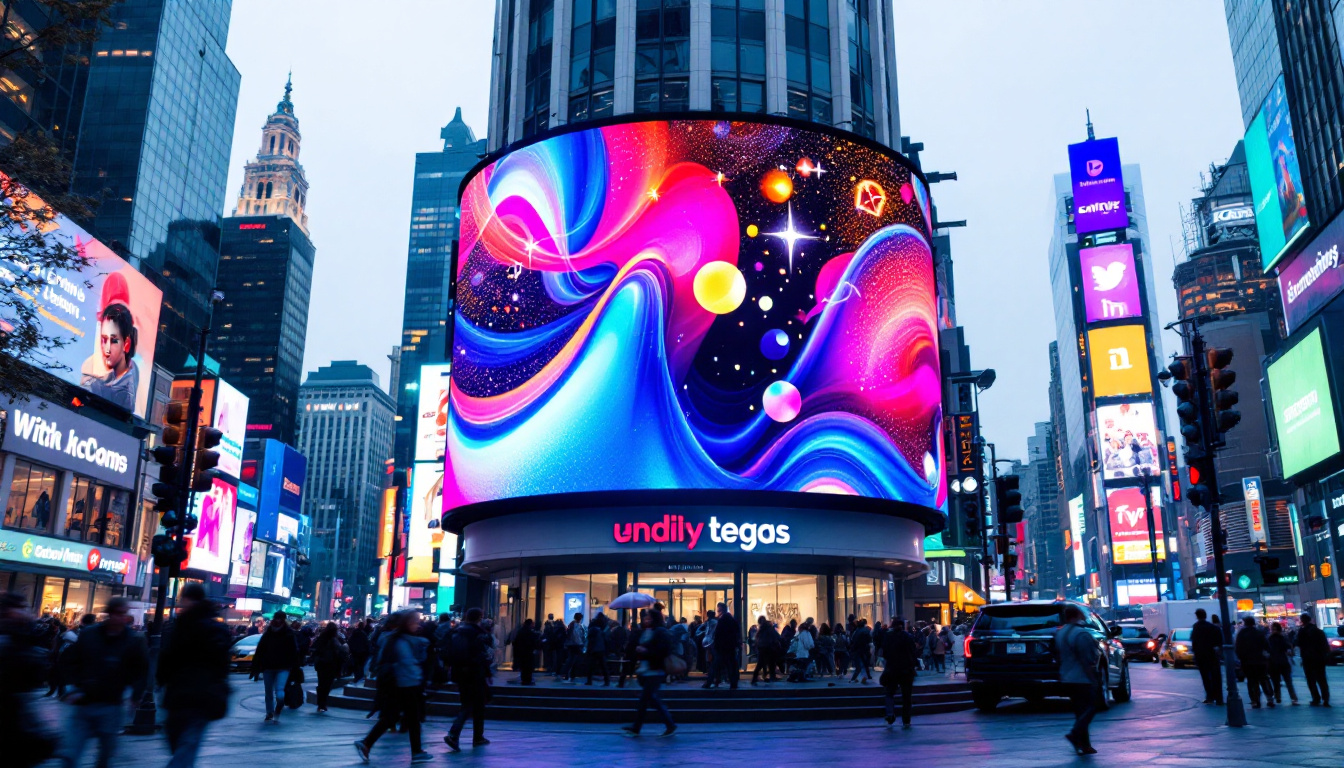
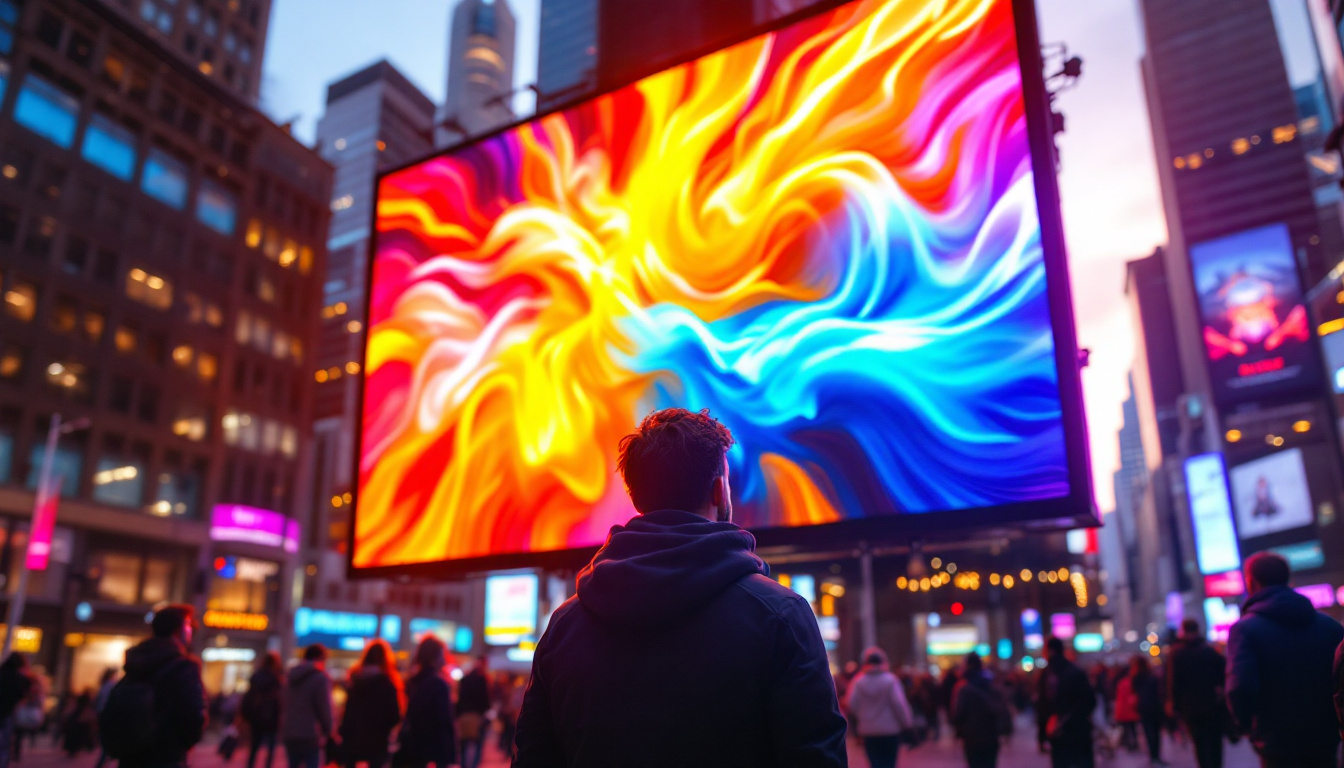
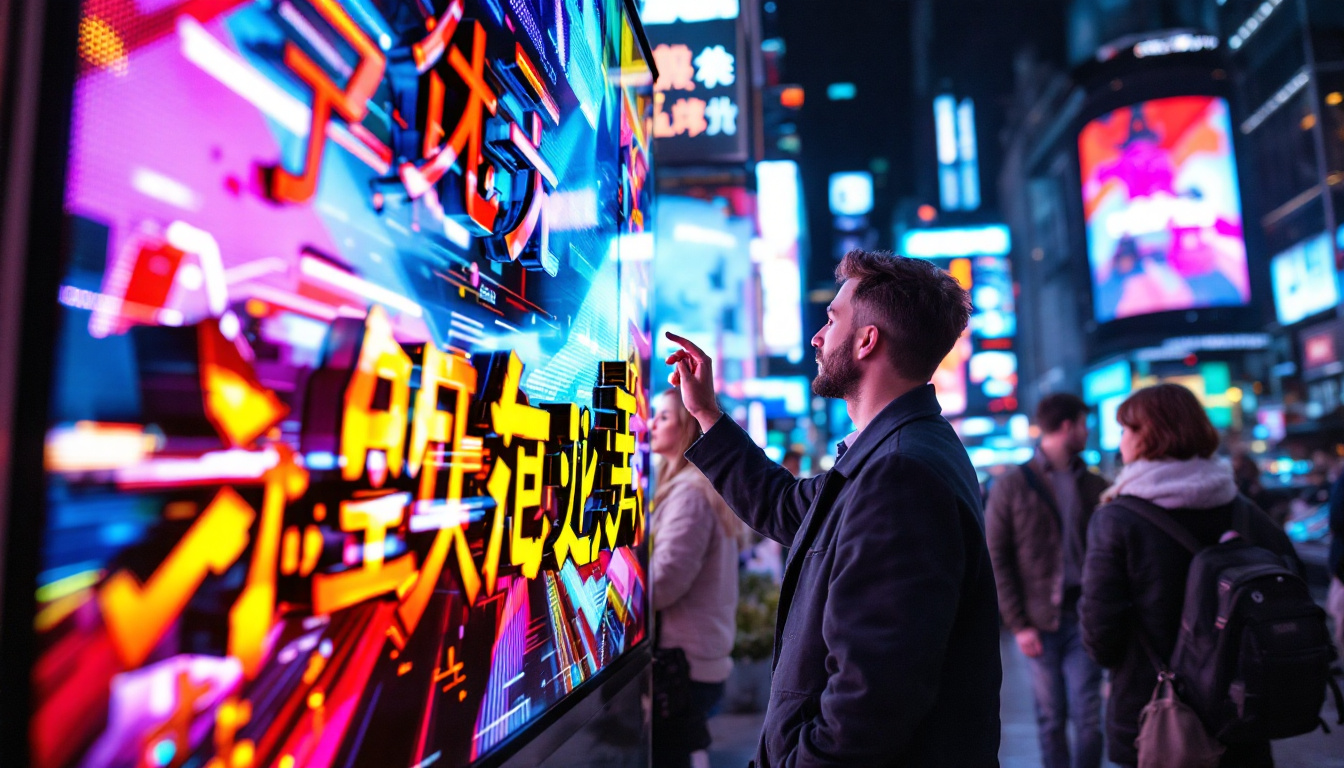
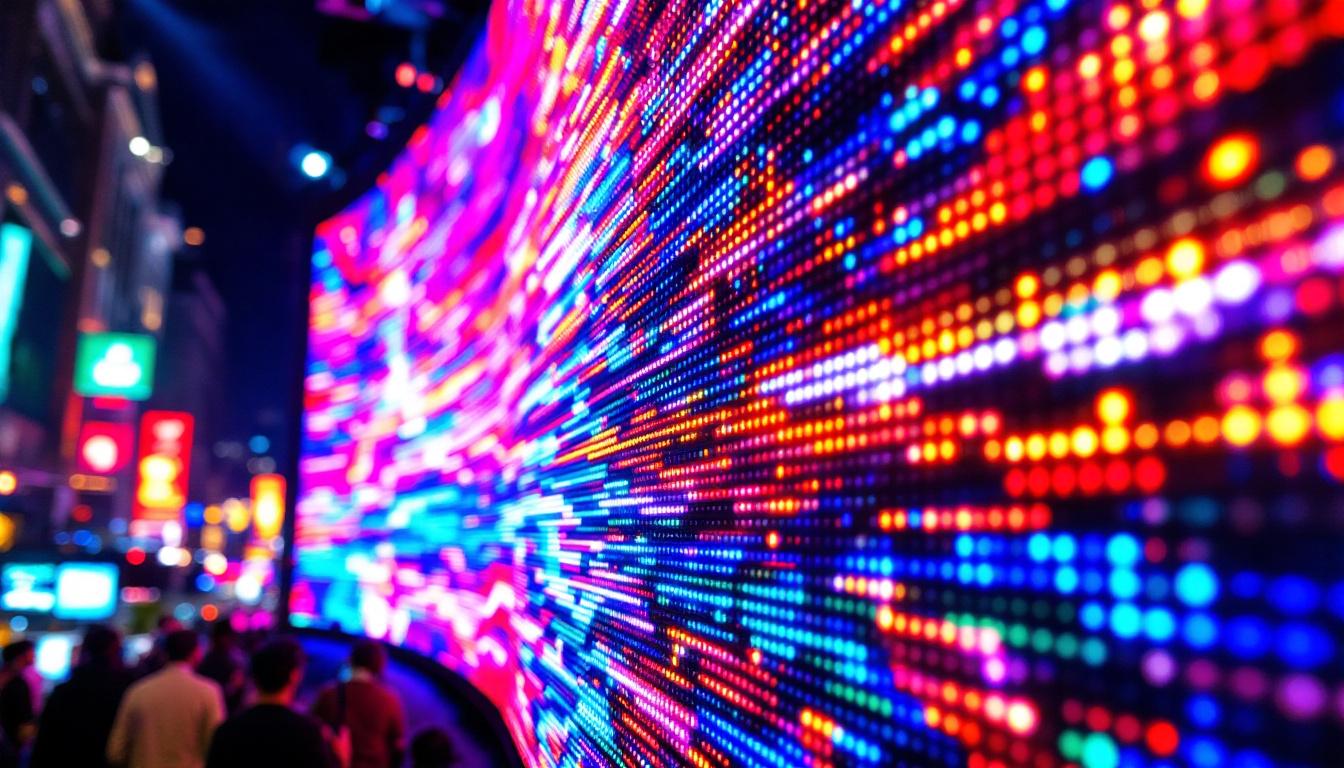
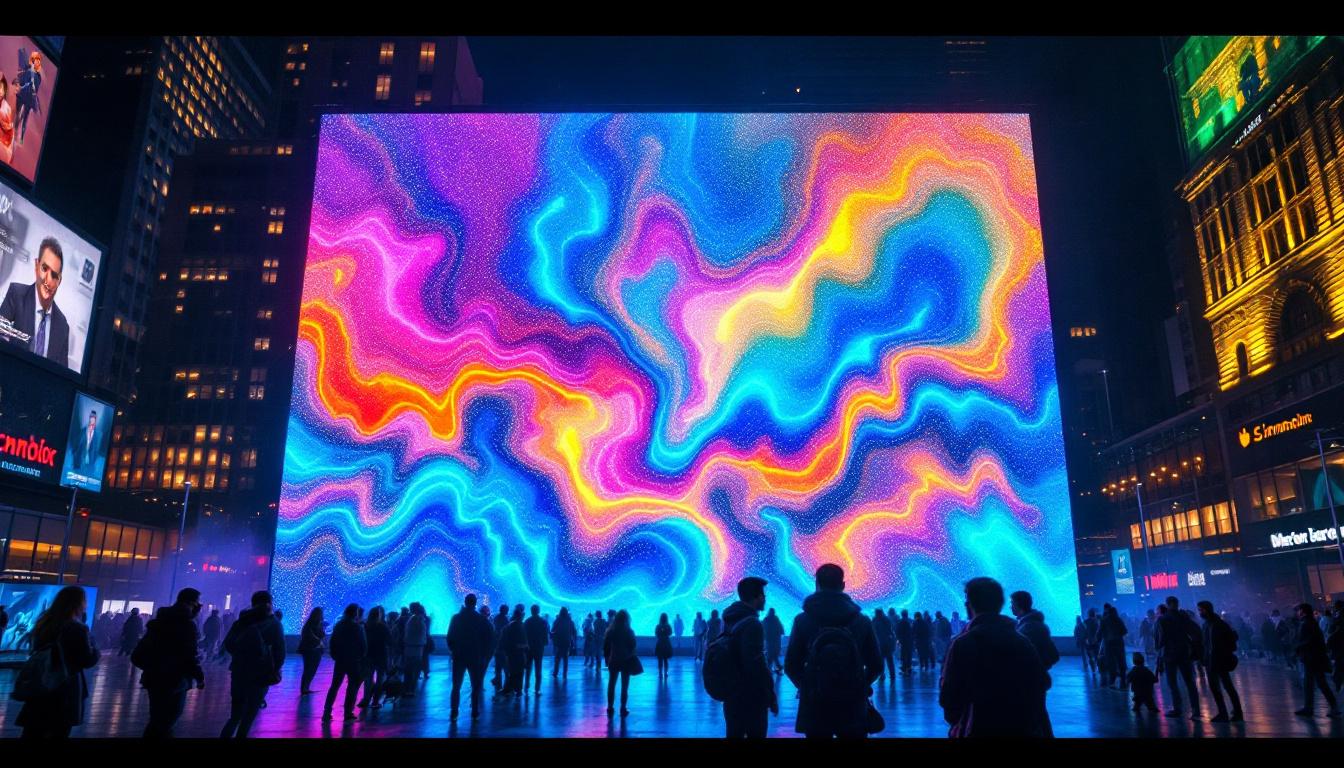
One of the most visible uses of LED displays is in outdoor advertising. LED billboards are favored for their brightness, durability, and ability to display dynamic content that can be updated in real-time. According to recent market research, the global digital signage market, heavily driven by LED technology, is projected to reach over $32 billion by 2028, growing at a compound annual growth rate (CAGR) of around 7%.
Public spaces such as transportation hubs, stadiums, and city squares utilize LED displays to provide real-time information, from train schedules to emergency alerts. Their high visibility in various lighting conditions makes them indispensable for effective communication in crowded environments. Additionally, the interactive capabilities of modern LED displays allow for engaging advertisements that can respond to viewer behavior, creating a more personalized experience. For instance, some installations use facial recognition technology to tailor content based on the demographics of the audience, enhancing the effectiveness of marketing campaigns.
Consumer Electronics and Entertainment
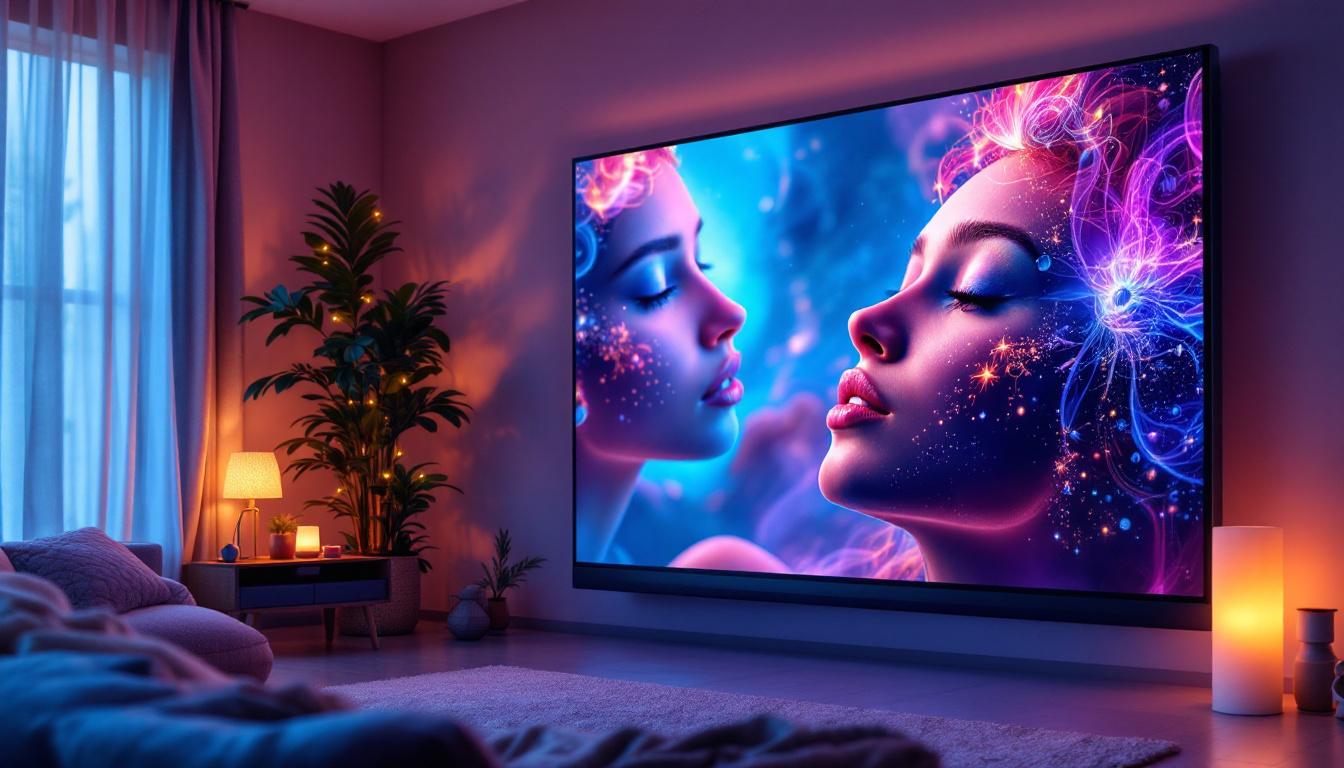
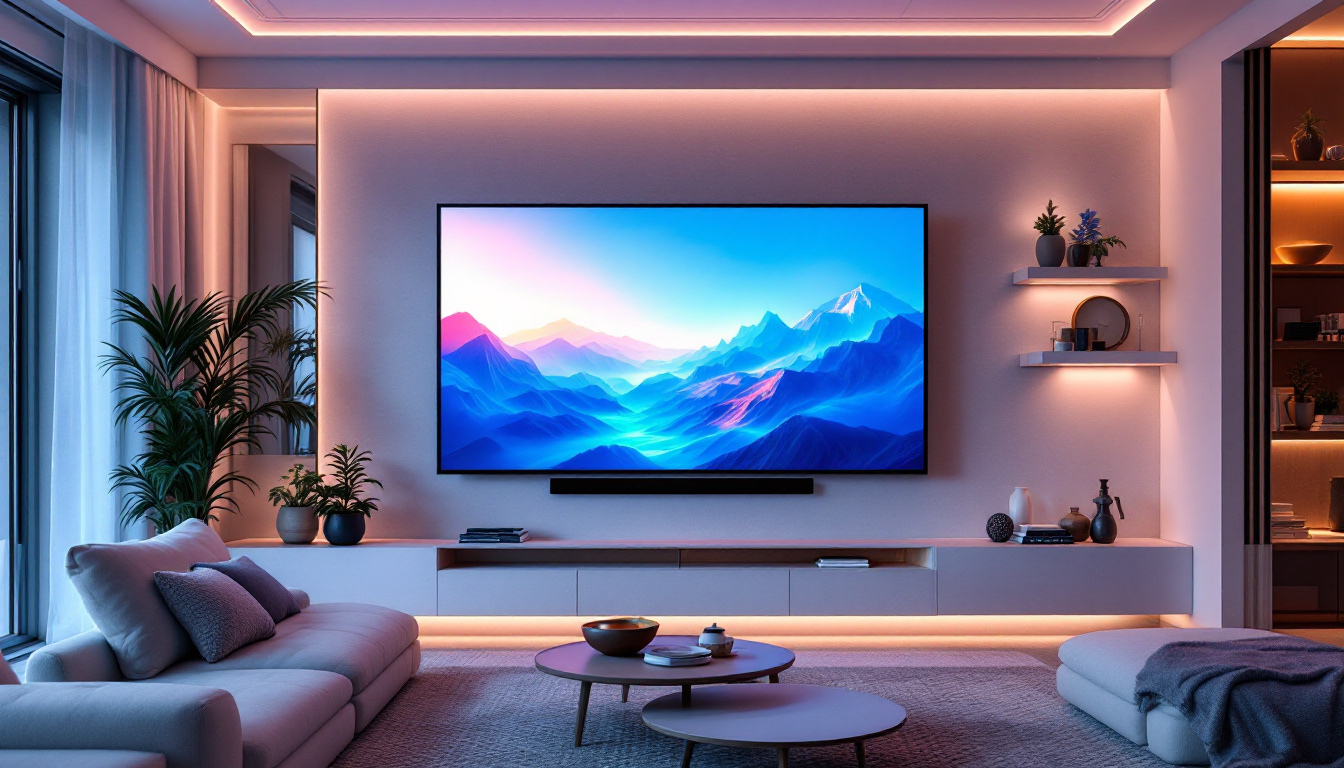
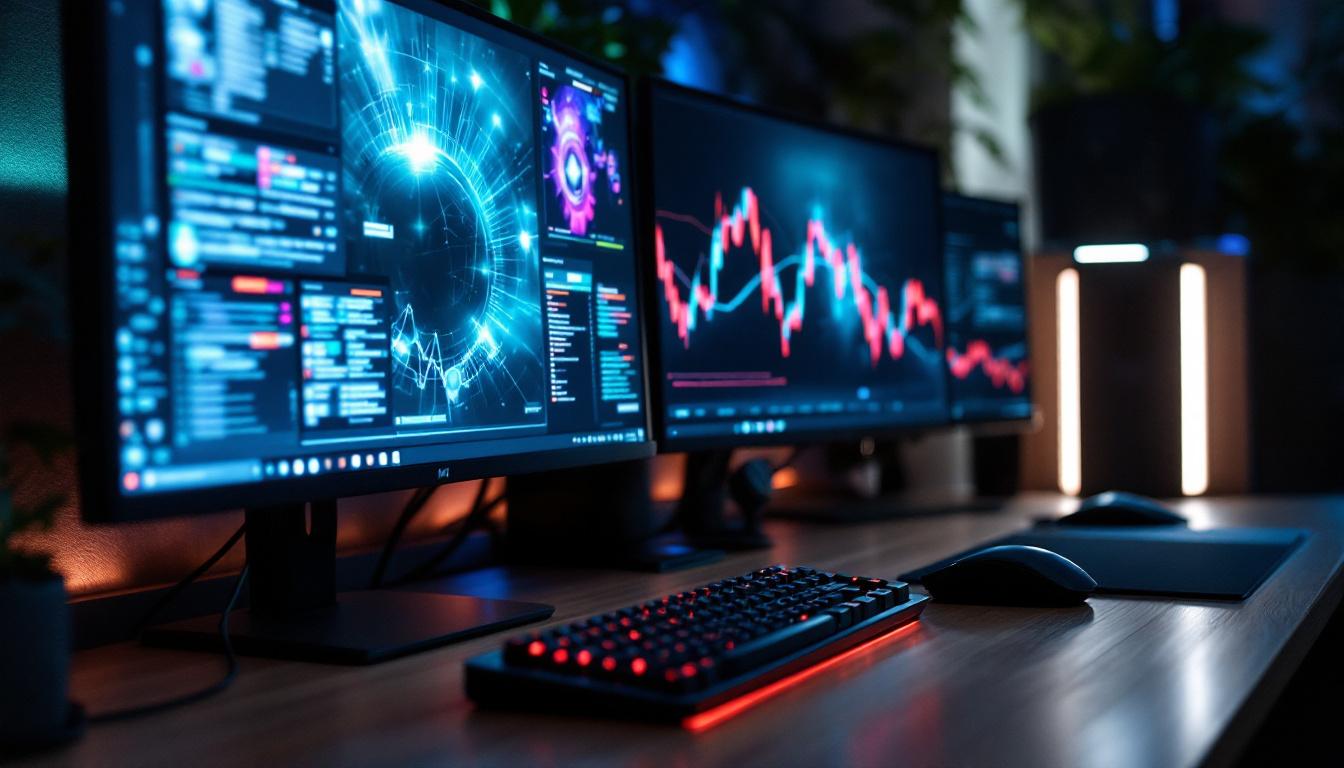
LED technology has also transformed consumer electronics. Televisions and monitors with LED backlighting offer improved energy efficiency and image quality compared to older CCFL (cold cathode fluorescent lamp) backlit LCDs. Moreover, the advent of OLED (organic LED) technology, a derivative of LED, has pushed the boundaries of display quality with deeper blacks and more vibrant colors. This has led to a surge in demand for high-definition displays in homes, with consumers increasingly seeking out models that provide an immersive viewing experience.
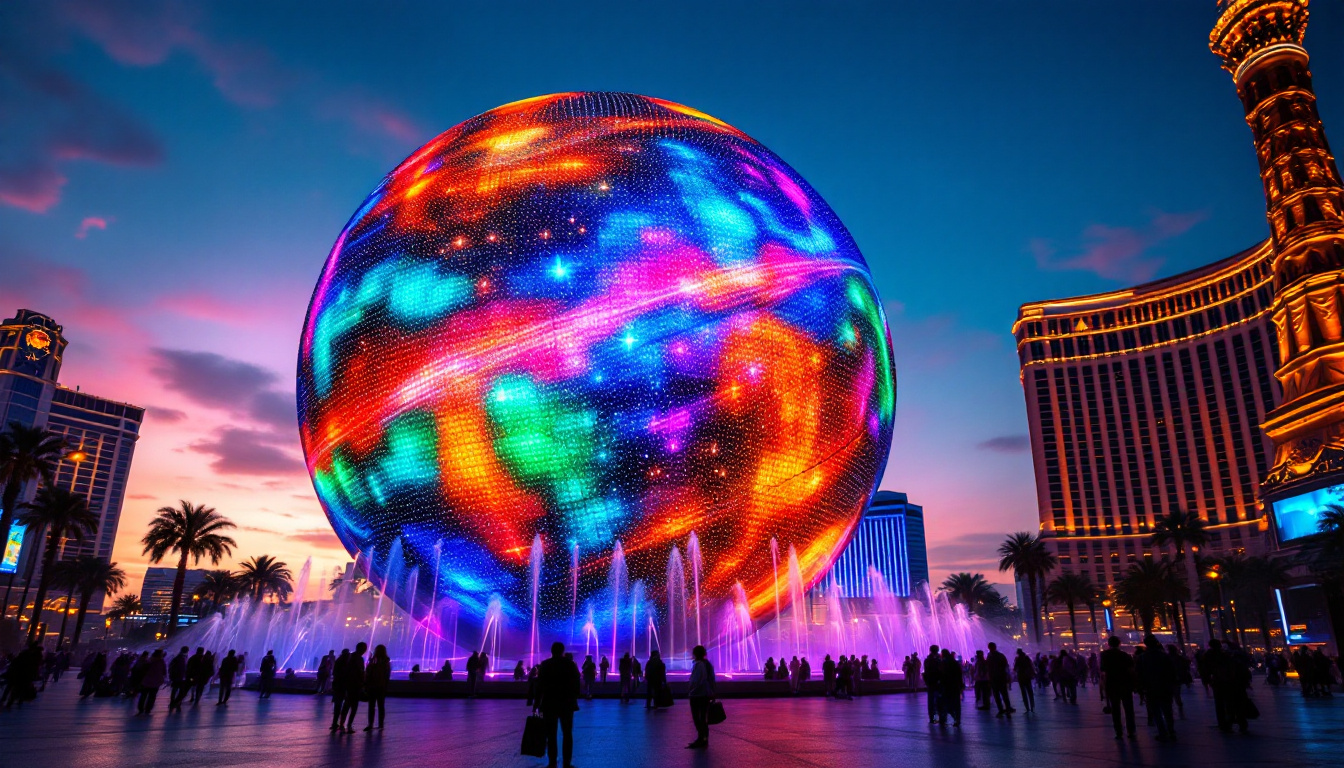
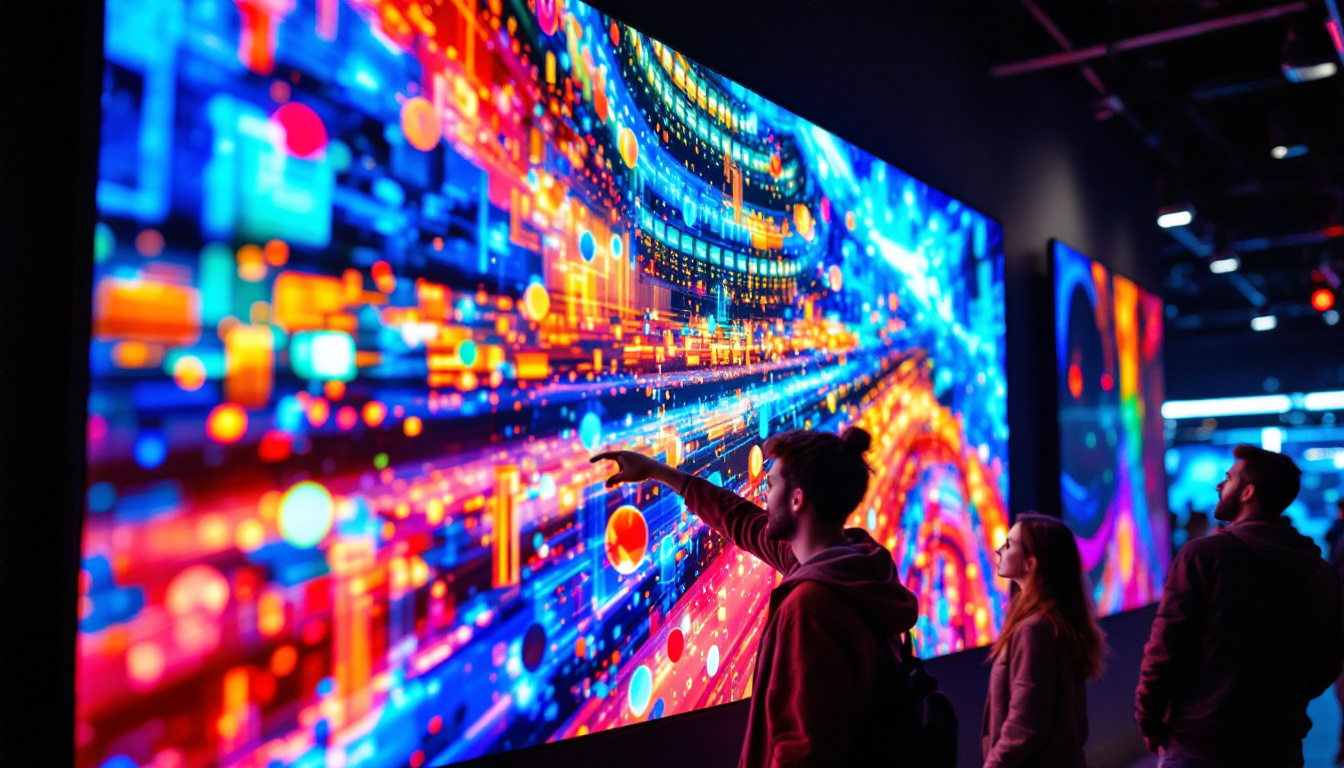
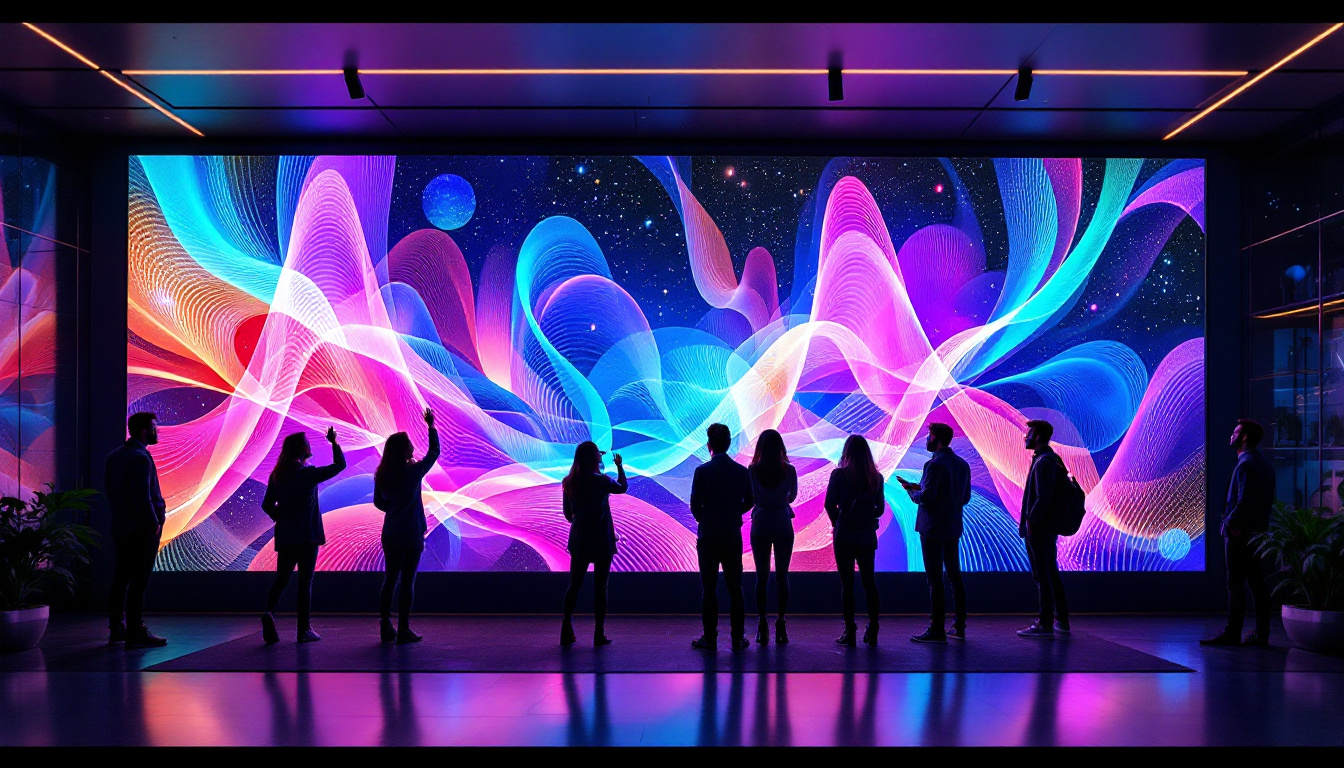
In the entertainment industry, LED walls and screens are widely used in concerts, theaters, and live events. Their flexibility and brightness enable immersive visual experiences that captivate audiences. For example, the use of massive LED video walls in events like the Super Bowl halftime show demonstrates their capability to deliver stunning, large-scale visuals. Furthermore, the integration of LED technology in theme parks has revolutionized the way attractions are experienced, with dynamic displays enhancing storytelling and creating enchanting atmospheres that transport visitors into fantastical realms.
Industrial and Medical Uses
Beyond advertising and entertainment, LED displays find applications in industrial and medical fields. In manufacturing, they are used for machine status indicators, control panels, and real-time data visualization, enhancing operational efficiency. Medical devices employ LED displays for diagnostic imaging and patient monitoring, benefiting from their clarity and reliability. In surgical environments, LED screens are crucial for displaying patient vitals and imaging data, allowing medical professionals to make informed decisions quickly and accurately.
Moreover, in the realm of industrial automation, LED displays are integral to the Internet of Things (IoT) systems, where they can provide instant feedback on system performance and alerts for maintenance needs. This real-time data visualization not only streamlines operations but also minimizes downtime, ultimately leading to cost savings and improved productivity. As industries continue to embrace smart technologies, the role of LED displays is likely to expand, paving the way for innovative applications that enhance both safety and efficiency in various sectors.
Advantages of LED Displays Over Other Technologies
Energy Efficiency and Longevity
LED displays are renowned for their energy efficiency. Compared to traditional incandescent or fluorescent lighting, LEDs consume significantly less power. For instance, an LED display can use up to 80% less energy than a comparable LCD with CCFL backlighting. This efficiency translates into lower operating costs and reduced environmental impact.
Furthermore, LEDs have a longer lifespan, often exceeding 50,000 hours of operation. This durability reduces maintenance costs and downtime, especially critical for large-scale installations where access for repairs can be challenging.
Superior Brightness and Contrast
The inherent brightness of LEDs allows displays to perform well even under direct sunlight, making them ideal for outdoor applications. LED displays can achieve brightness levels upwards of 5,000 nits, far surpassing conventional screens. Additionally, because LEDs emit light directly, they offer superior contrast ratios and deeper blacks, enhancing image quality.
Design Flexibility and Scalability
LED displays are highly versatile in design. They can be manufactured in various shapes and sizes, including curved or flexible formats, enabling creative architectural integrations. Modular LED panels can be combined to create displays of virtually any dimension, from small indoor screens to massive stadium displays.
This scalability and adaptability make LED technology suitable for a wide range of environments and purposes, from compact retail signage to expansive public installations.
Challenges and Considerations in LED Display Deployment
Cost Factors
Despite their advantages, LED displays can involve significant upfront costs, particularly for high-resolution or large-scale installations. The price of fine-pitch LED modules and advanced control systems may be prohibitive for some budgets. However, the total cost of ownership often balances out due to energy savings and reduced maintenance.
Heat Management and Durability
LEDs generate heat during operation, which must be effectively managed to maintain performance and longevity. High-quality LED displays incorporate heat sinks and cooling systems to dissipate heat. Environmental factors such as humidity, dust, and temperature extremes also require robust protective measures, especially for outdoor installations.
Color Accuracy and Calibration
Achieving consistent color accuracy across an LED display is critical, especially for applications like broadcasting or retail where visual fidelity matters. LED displays require precise calibration and ongoing maintenance to ensure uniform brightness and color balance. Advances in software and sensor technology have improved calibration processes, but it remains a key consideration.
The Future of LED Displays
Emerging Technologies and Innovations
The LED display industry continues to innovate rapidly. MicroLED technology, which uses microscopic LEDs to create displays, promises even higher resolution, better brightness, and longer lifespans while reducing power consumption. This technology is poised to challenge OLED in premium display markets.
Flexible and transparent LED displays are also gaining traction, enabling new applications in wearable devices, automotive heads-up displays, and smart windows. These innovations will expand the role of LED displays in everyday life and commercial settings.
Sustainability and Environmental Impact
As sustainability becomes a global priority, LED displays offer an environmentally friendly alternative to traditional lighting and display technologies. Their energy efficiency contributes to lower carbon footprints, and manufacturers are increasingly adopting recyclable materials and eco-friendly production methods.
Integration with Smart Technologies
LED displays are becoming integral components of smart cities and the Internet of Things (IoT). Connected LED signage can adapt content dynamically based on real-time data, such as weather conditions, traffic flow, or audience demographics. This interactivity enhances user engagement and optimizes communication strategies.
Conclusion
LED displays have transformed the landscape of digital visualization, offering unmatched brightness, energy efficiency, and versatility. Their applications span advertising, entertainment, industrial, and medical fields, underscoring their broad impact. While challenges like cost and calibration exist, ongoing technological advancements continue to enhance their performance and accessibility.
Looking ahead, innovations such as microLED and flexible displays, coupled with sustainability initiatives and smart integration, position LED technology at the forefront of visual communication. For businesses and consumers alike, understanding the capabilities and potential of LED displays is essential in navigating the future of digital media.
Discover LumenMatrix’s Innovative LED Solutions
As you consider the future of digital media and the role of LED displays in transforming visual communication, LumenMatrix stands at the forefront with our advanced LED display modules. Our commitment to innovation ensures that whether you need an Indoor LED Wall Display, a vibrant Outdoor LED Wall Display, or specialized solutions like Vehicle LED Displays and LED Sports Displays, we have the technology to bring your vision to life. Experience the power of enhanced engagement and clear messaging with LumenMatrix’s range of LED display solutions, from Floor LED Displays to Custom and All-in-One LED Displays, including our cutting-edge LED Transparent Display. Check out LumenMatrix LED Display Solutions today and see how we can help you captivate your audience and elevate your brand.