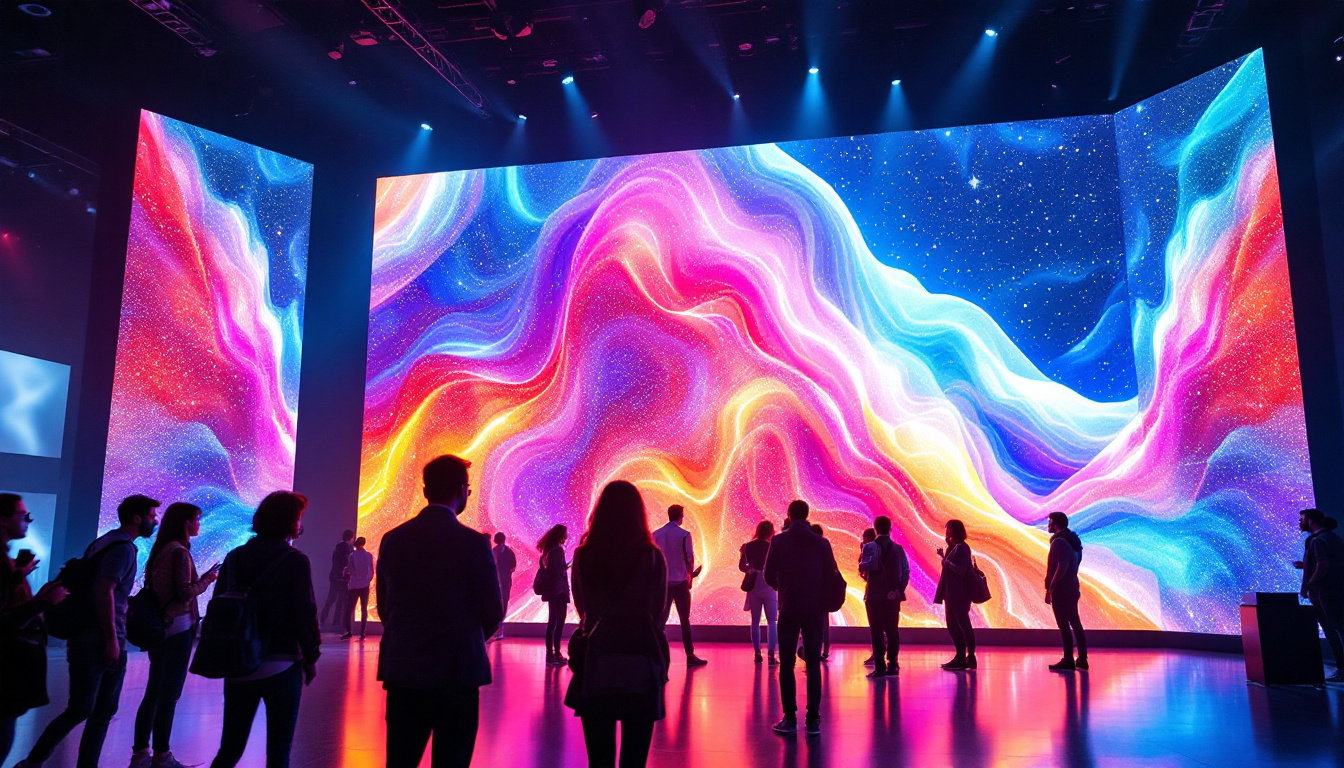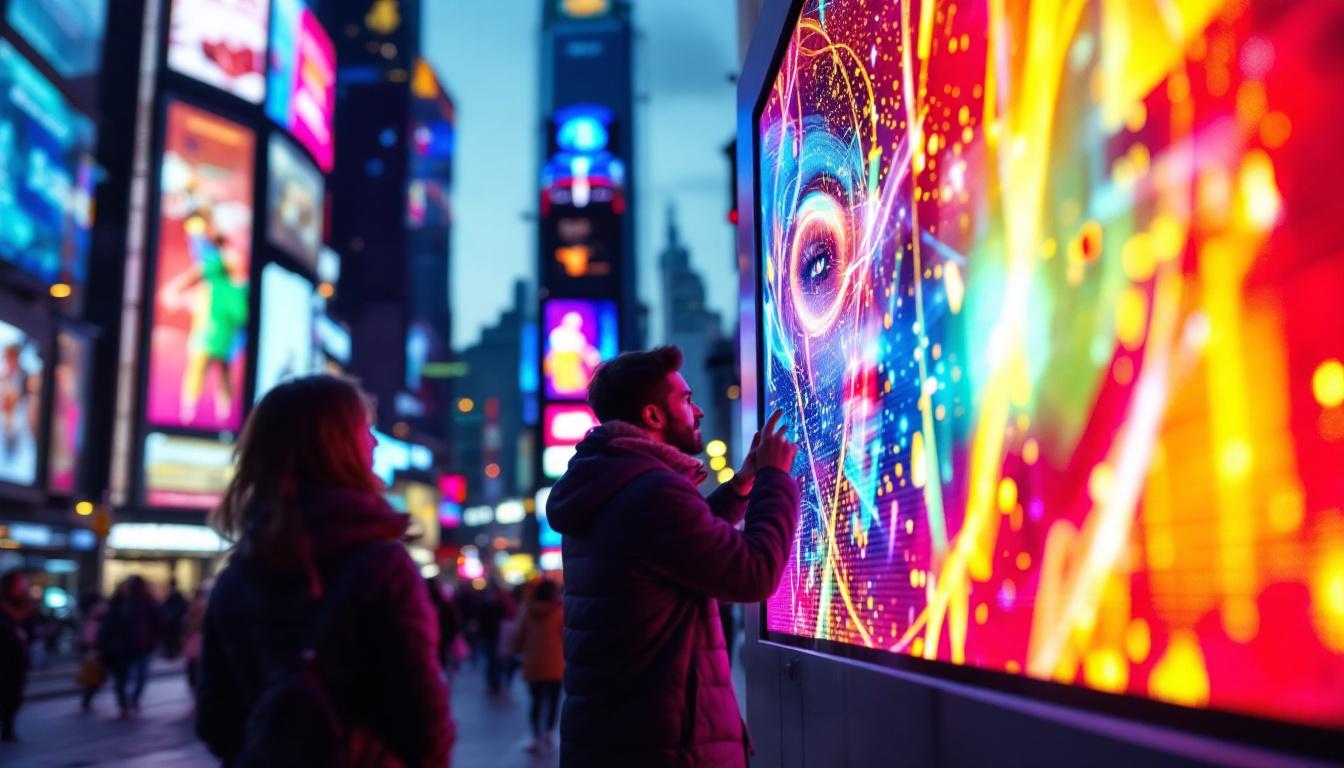
In today’s fast-paced world, outdoor advertising and information dissemination have evolved dramatically. One of the most impactful technologies driving this evolution is the LED display. From vibrant billboards on city streets to dynamic information boards at transportation hubs, LED displays have become an essential tool for businesses, governments, and event organizers alike. This article delves into the world of outdoor LED displays, explaining their technology, benefits, applications, and considerations for choosing the right display for your needs.
Understanding LED Display Technology
LED stands for Light Emitting Diode, a semiconductor device that emits light when an electric current passes through it. Unlike traditional display technologies such as LCD or plasma, LEDs produce their own light, which makes them exceptionally bright and energy-efficient. Outdoor LED displays leverage thousands of these tiny diodes arranged in a matrix to create vivid images and videos visible even under direct sunlight.
How Outdoor LED Displays Work
At the core of an LED display are the individual diodes, which typically come in red, green, and blue colors. By varying the intensity of each color diode, the display can produce a full spectrum of colors through a process known as additive color mixing. These diodes are grouped into pixels, and the density of these pixels—measured in pixels per inch (PPI) or pixel pitch—determines the resolution and clarity of the display.
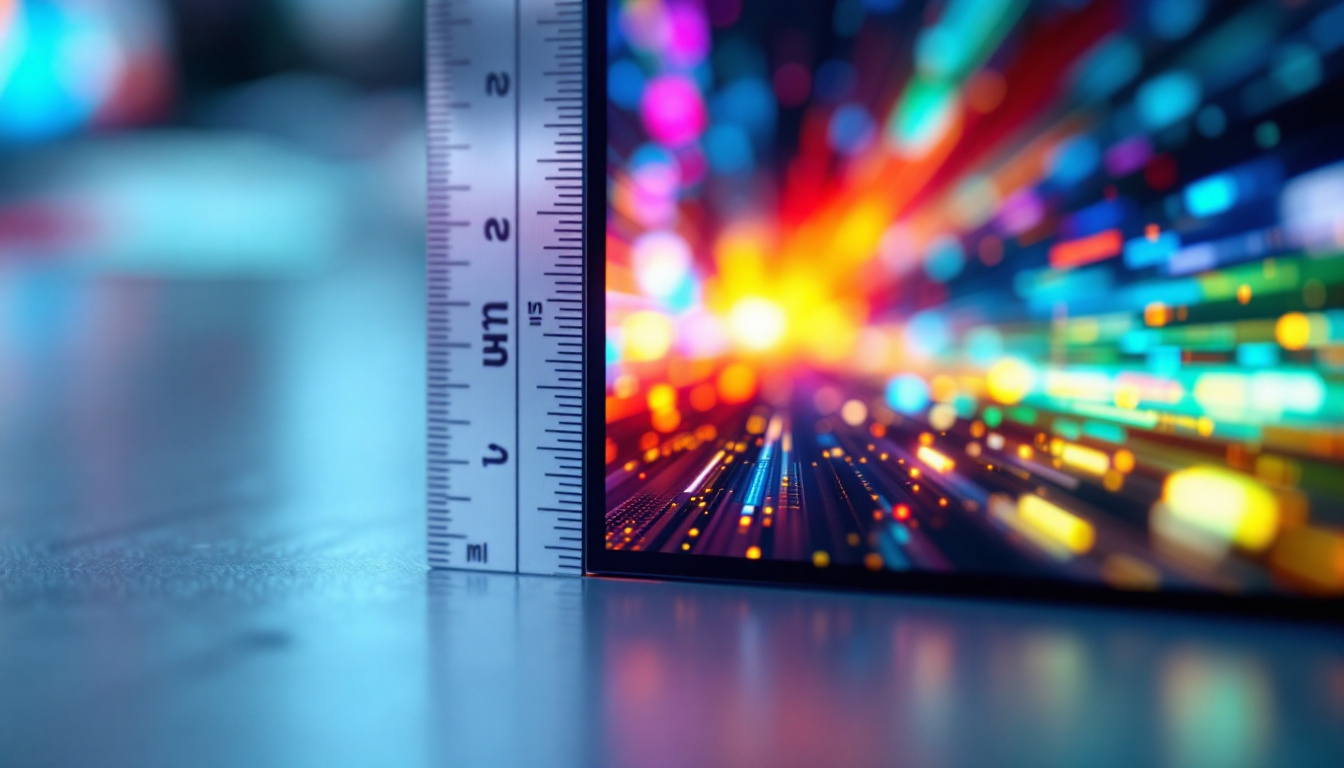
Outdoor LED displays usually have a larger pixel pitch compared to indoor displays to accommodate viewing distances that are often tens or hundreds of meters away. For example, a pixel pitch of 10mm means each pixel is spaced 10 millimeters apart. The larger the pitch, the lower the resolution, but the higher the brightness and durability, which is crucial for outdoor environments. This design consideration allows for a more efficient display that can maintain visibility without overwhelming the viewer, ensuring that the content is easily digestible from afar.
Brightness and Weather Resistance
One of the defining features of outdoor LED displays is their high brightness levels, often exceeding 5,000 nits (a unit of luminance), allowing them to remain visible even in direct sunlight. This brightness is essential for outdoor visibility but requires careful engineering to balance energy consumption and heat dissipation. Advanced technologies, such as automatic brightness adjustment sensors, are often employed to optimize performance based on ambient light conditions, ensuring that the display remains effective at all times of the day.
Additionally, outdoor LED displays are designed to withstand harsh weather conditions. They are typically housed in waterproof, dustproof enclosures rated with IP65 or higher, ensuring protection against rain, snow, and dust ingress. Temperature control systems, such as built-in fans or air conditioning units, are often integrated to maintain optimal operating temperatures in extreme climates. These systems not only prolong the lifespan of the display but also enhance the reliability of the technology, allowing it to function seamlessly in a variety of environments—from bustling urban centers to remote outdoor venues. Moreover, the materials used in the construction of these displays are often resistant to UV radiation, preventing color fading and ensuring that the visuals remain vibrant over time, even with prolonged exposure to sunlight.
Key Benefits of Outdoor LED Displays
Outdoor LED displays offer numerous advantages over traditional signage and other digital display technologies. These benefits have made them a popular choice for advertisers, municipalities, and event planners worldwide.
High Visibility and Impact
The intense brightness and vivid colors of LED displays guarantee high visibility, day or night. This ensures that messages, advertisements, or information are seen clearly by a broad audience, maximizing engagement and impact. Studies have shown that digital billboards with LED technology can increase brand recall by up to 47% compared to static billboards. Furthermore, the ability to display high-resolution images and videos captivates viewers, making it easier for brands to convey their messages effectively and creatively. The visual appeal of these displays can also draw in foot traffic, making them a powerful tool for businesses located in high-traffic areas.
Dynamic Content and Flexibility
Unlike static signs, LED displays allow for dynamic content that can be updated instantly. This flexibility enables real-time messaging, such as live news updates, weather alerts, or promotional campaigns that change throughout the day. Businesses can tailor their advertising to specific times or events, improving relevance and effectiveness. Additionally, the capability to schedule content in advance means that businesses can plan their marketing strategies around peak hours or special occasions, ensuring that their messages reach the right audience at the right time. This adaptability not only enhances customer engagement but also allows for creative storytelling that can evolve throughout a campaign.
Energy Efficiency and Longevity
Modern LED technology is highly energy-efficient compared to older lighting and display solutions. LEDs consume less power while providing higher brightness, reducing operational costs over time. Moreover, high-quality outdoor LED displays have lifespans ranging from 50,000 to 100,000 hours, translating to years of reliable service with minimal maintenance. This longevity is particularly beneficial for municipalities and organizations that invest in large-scale displays, as they can enjoy the benefits of their investment without frequent replacements. Additionally, many LED displays are designed with eco-friendly materials and are recyclable, aligning with the growing demand for sustainable advertising solutions.
Cost-Effectiveness Over Time
While the initial investment for an outdoor LED display can be significant, the long-term benefits often outweigh the costs. Reduced maintenance, energy savings, and the ability to run multiple campaigns without additional printing or installation expenses make LED displays a cost-effective advertising medium in the long run. Furthermore, the potential for increased customer engagement and higher sales conversion rates can lead to a quicker return on investment. As businesses increasingly recognize the value of digital advertising, outdoor LED displays are becoming an essential part of marketing strategies, allowing companies to stay competitive in a rapidly evolving marketplace. The ability to analyze viewer engagement through data analytics also provides businesses with insights that can refine their advertising strategies, making each campaign more effective than the last.
Applications of Outdoor LED Displays
Outdoor LED displays have a wide range of applications across various industries and settings. Their versatility and effectiveness make them suitable for many different purposes.
Advertising and Marketing
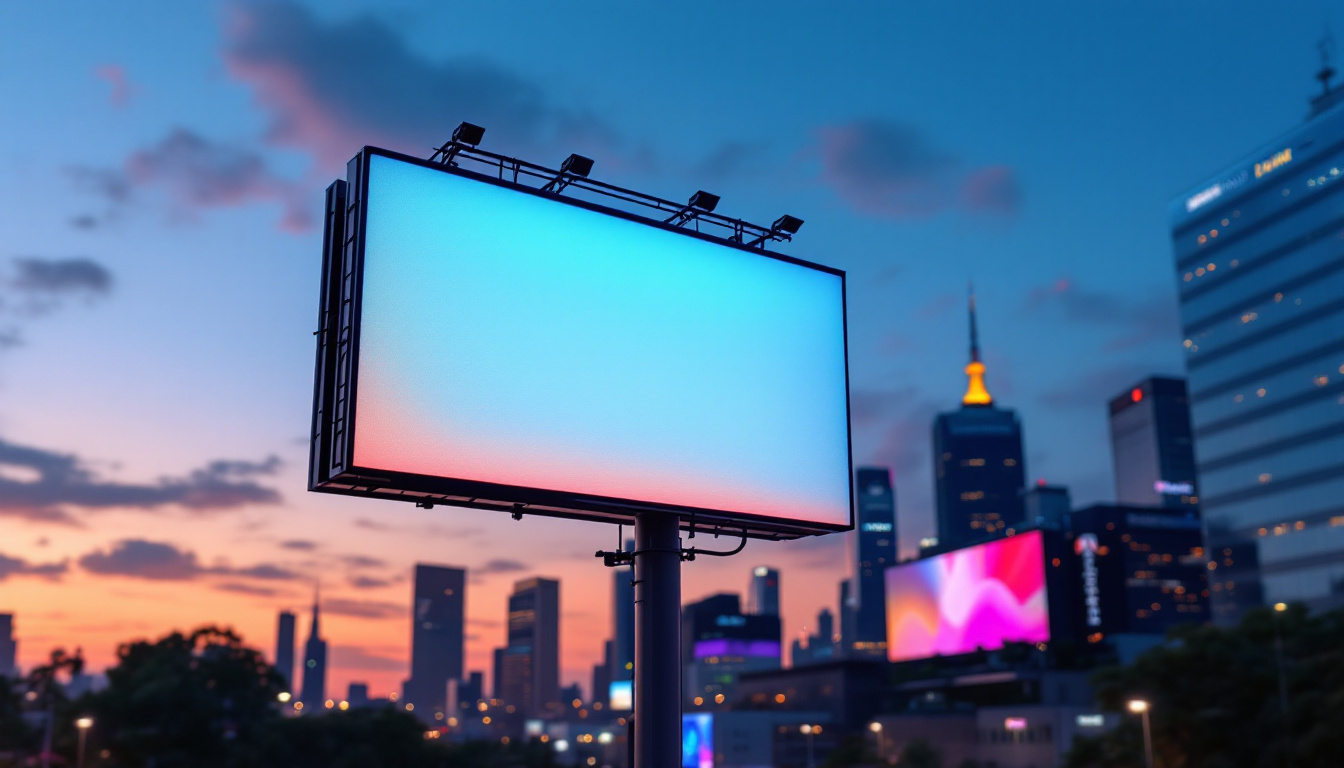
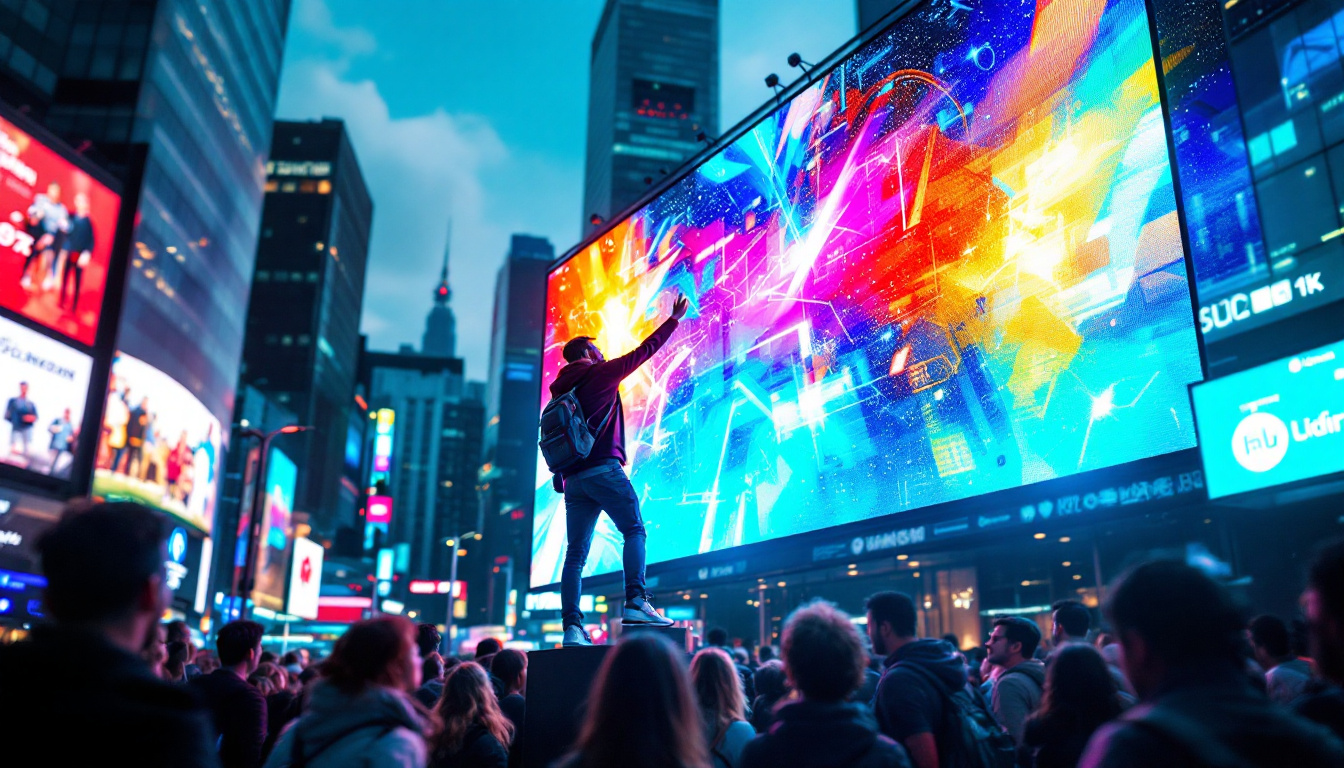
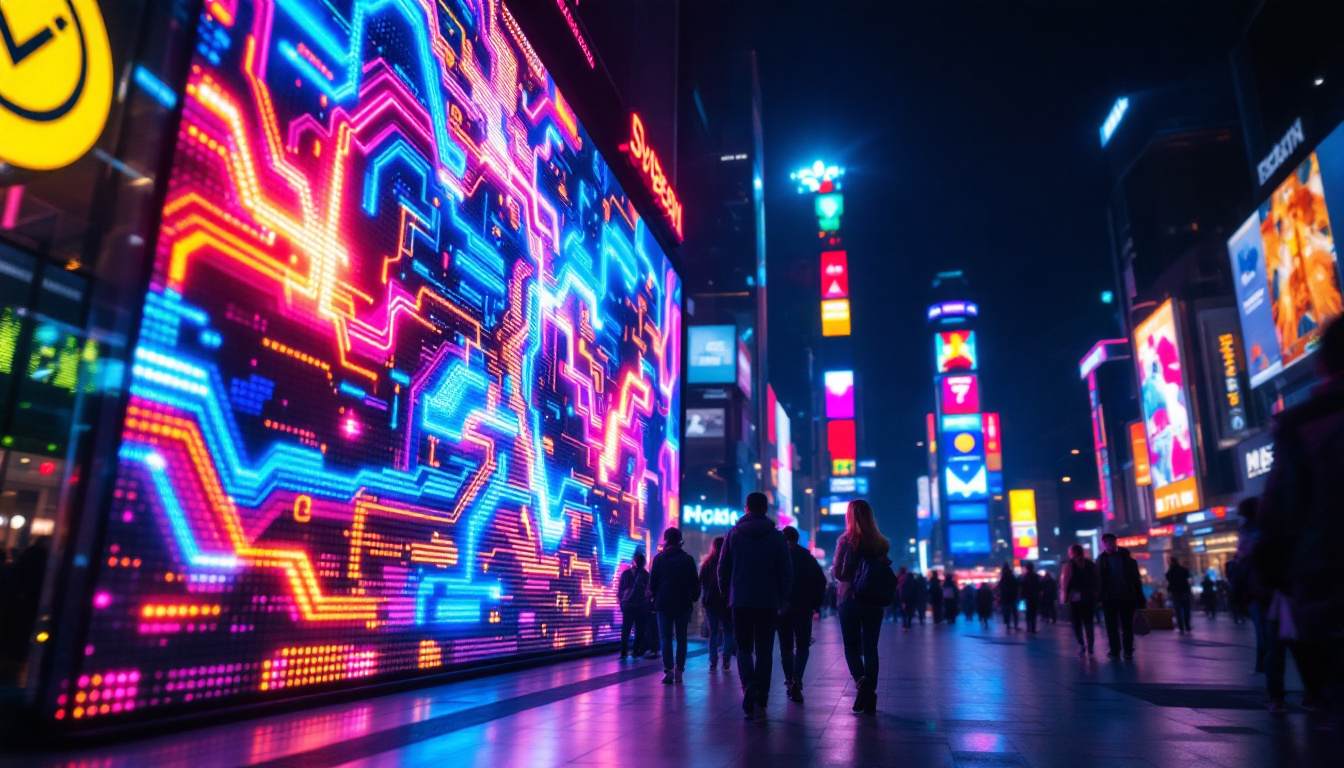
One of the most common uses of outdoor LED displays is in advertising. Digital billboards along highways, in city centers, and at shopping malls attract attention with their bright, moving images. Brands leverage these displays to launch new products, promote sales, and build brand awareness. The ability to target different audiences at different times of the day enhances campaign effectiveness.
Public Information and Safety
Municipalities and transportation authorities use outdoor LED displays to provide real-time information to the public. Examples include traffic updates, public transit schedules, emergency alerts, and weather warnings. During emergencies, these displays can broadcast critical instructions quickly, helping to ensure public safety.
Sports and Entertainment Venues
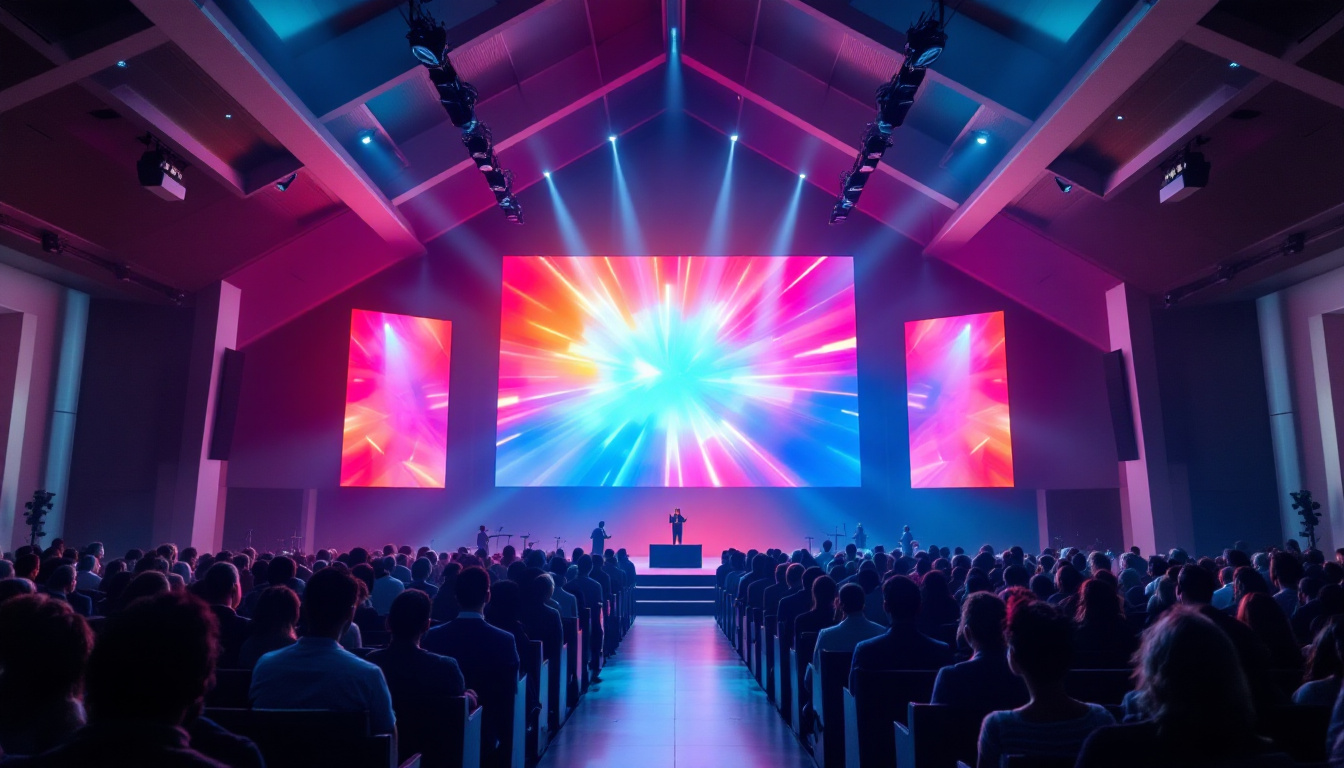
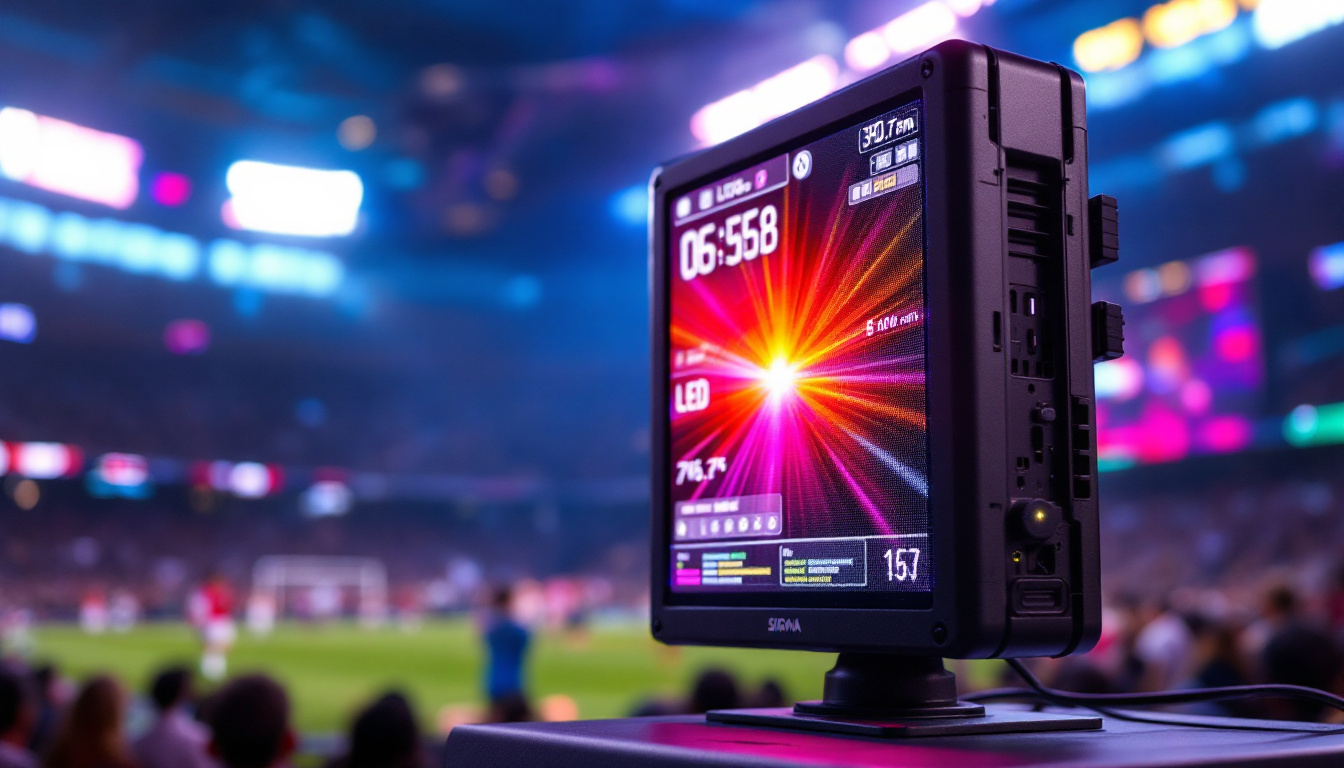
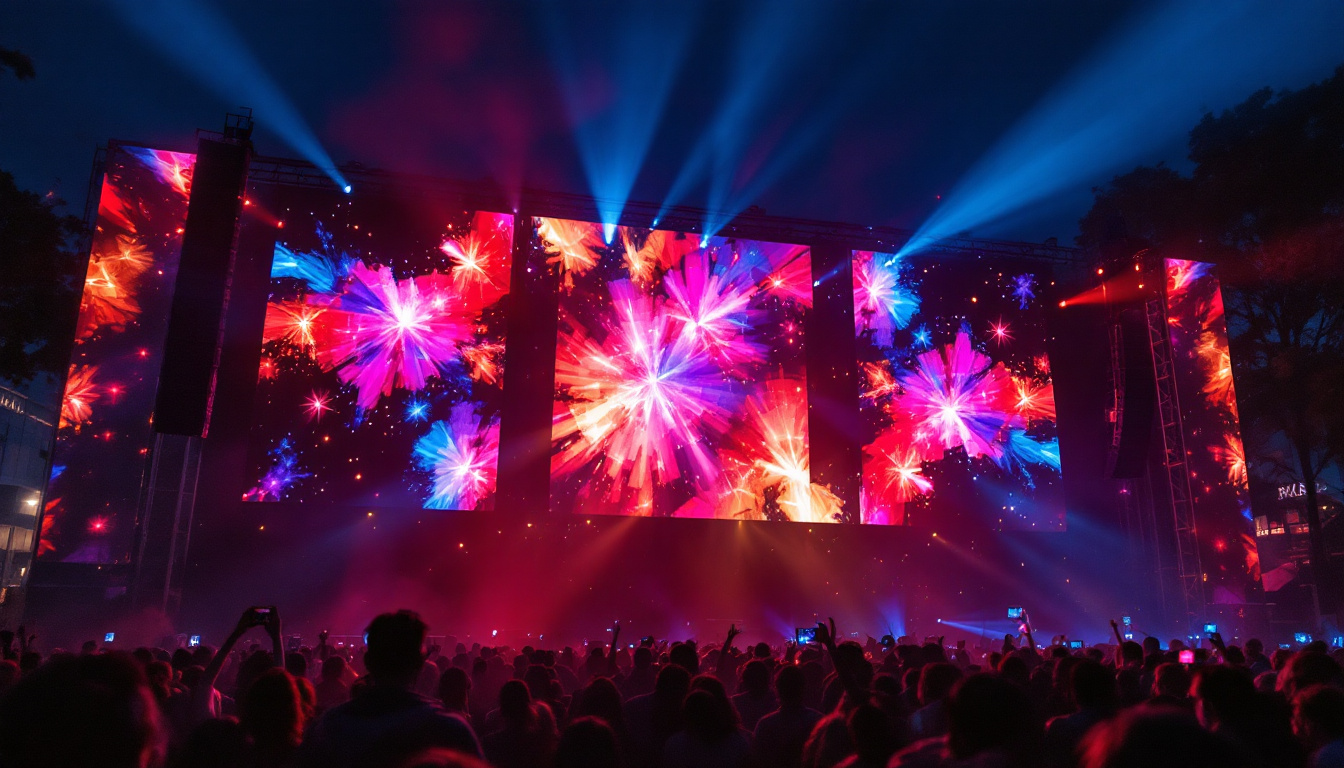
Stadiums and concert venues utilize large outdoor LED screens to enhance the spectator experience. These displays show live action, replays, scores, and advertisements, engaging audiences and creating a dynamic atmosphere. Their ability to deliver high-resolution content even in bright daylight is crucial for outdoor events.
Retail and Hospitality
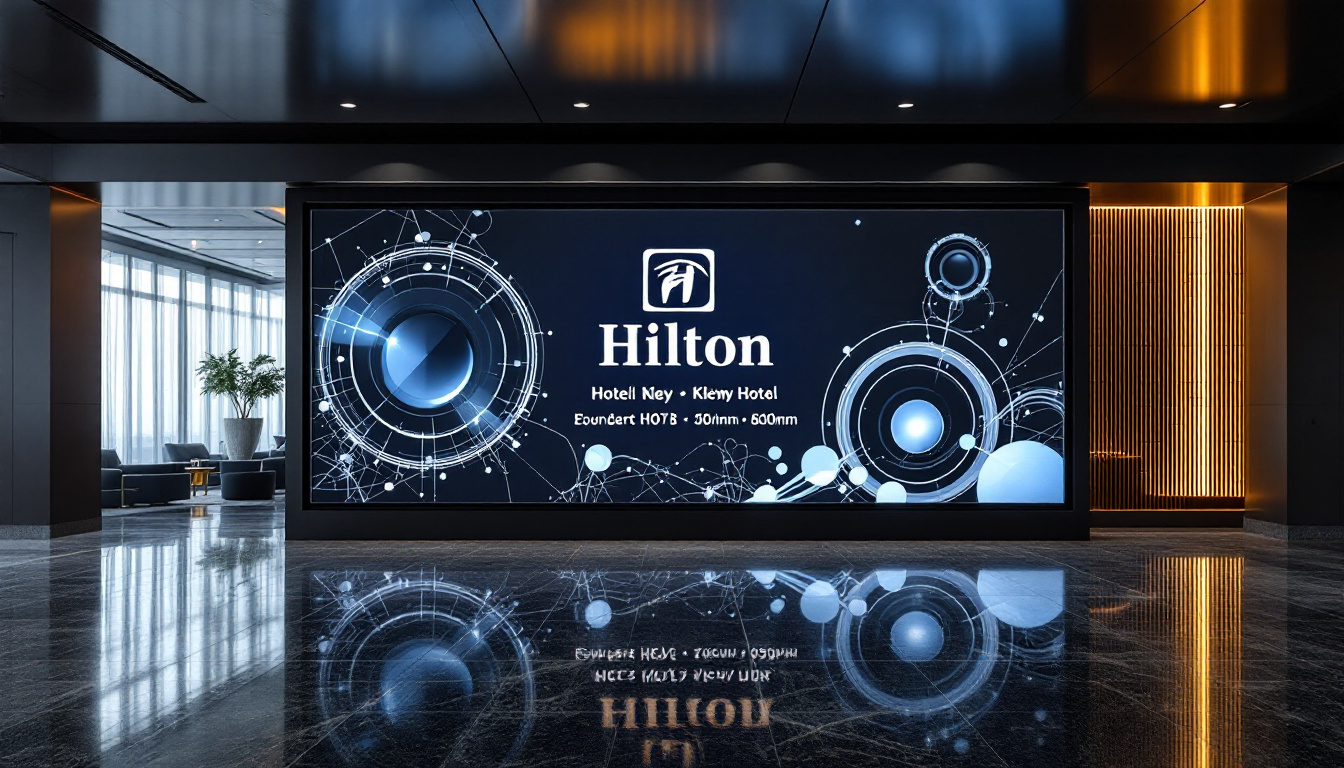
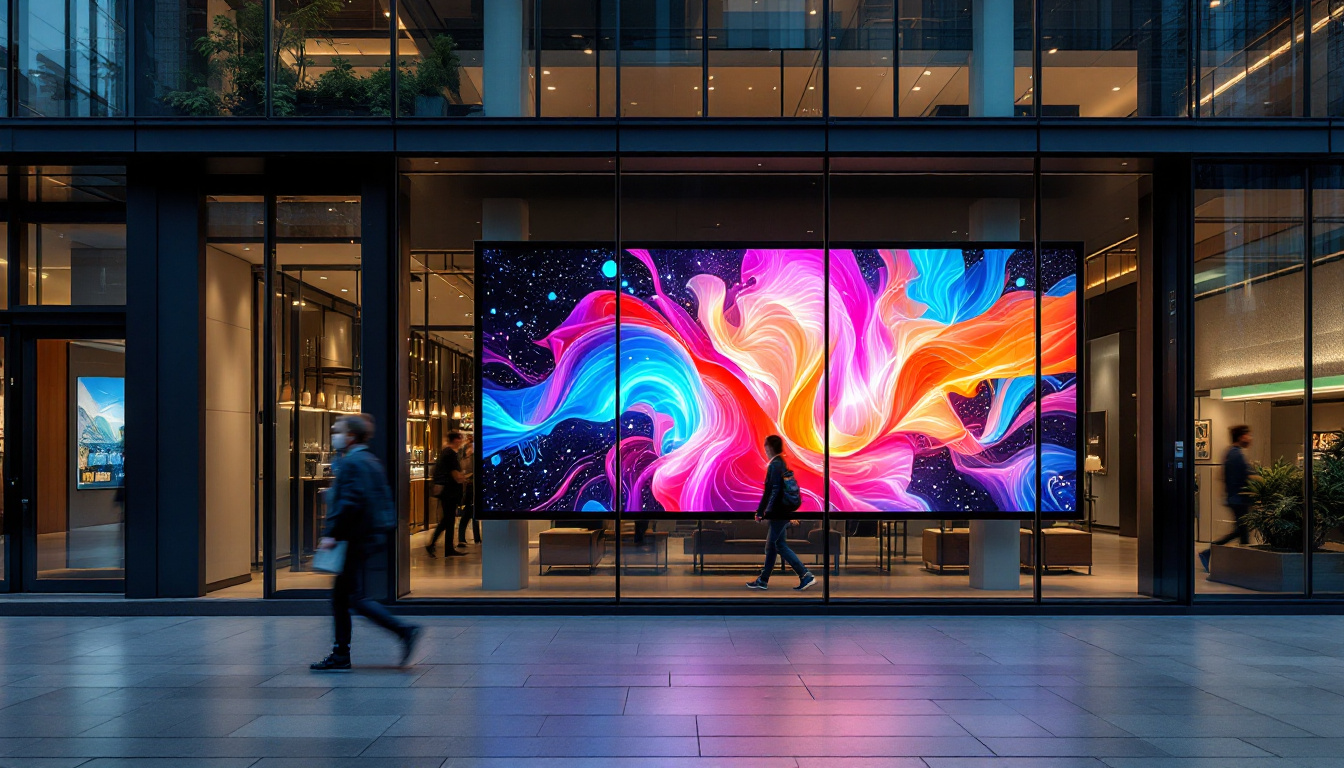
Retail stores and hotels use outdoor LED displays to attract customers and communicate promotions or events. Digital signage outside storefronts can draw foot traffic by showcasing deals or new arrivals. Hotels may use LED displays to welcome guests or advertise amenities and services.
Choosing the Right Outdoor LED Display
Selecting the appropriate outdoor LED display requires careful consideration of several factors to ensure it meets the specific needs of the application.
Pixel Pitch and Resolution
The choice of pixel pitch depends largely on the typical viewing distance. For displays intended to be viewed from a distance of 50 meters or more, a pixel pitch of 10mm to 20mm is common. For closer viewing distances, smaller pixel pitches (down to 4mm or 6mm) provide sharper images but come at a higher cost.
Brightness and Contrast Ratio
Brightness must be sufficient to overcome ambient light conditions, particularly in sunny environments. Contrast ratio, the difference between the darkest black and the brightest white the display can produce, also affects image quality and readability. Higher contrast ratios contribute to better image clarity.
Durability and Environmental Ratings
Ensure the display has an appropriate IP rating for protection against water and dust. In areas with extreme weather, additional features like reinforced enclosures, anti-corrosion coatings, and temperature control systems are essential to maintain performance and longevity.
Control Systems and Connectivity
Modern outdoor LED displays come with sophisticated control systems that allow remote content management via internet or cellular networks. This capability is vital for dynamic content updates and monitoring display health. Compatibility with various media formats and scheduling software enhances operational flexibility.
Installation and Maintenance Considerations
Installation requirements vary depending on the size and location of the display. Structural support, power supply, and accessibility for maintenance should be evaluated during the planning phase. Regular maintenance, including cleaning and component checks, ensures optimal performance and extends the display’s lifespan.
The Future of Outdoor LED Displays
As technology advances, outdoor LED displays continue to evolve, offering new possibilities for engagement and communication.
Higher Resolution and Energy Efficiency
Emerging LED technologies are pushing pixel pitches even lower for outdoor use, delivering near-retina quality images at greater distances. Simultaneously, innovations in LED materials and power management are reducing energy consumption further, making outdoor displays more sustainable.
Integration with Smart City Infrastructure
Outdoor LED displays are increasingly integrated into smart city ecosystems. Connected to sensors and data networks, these displays can provide hyper-localized information, adapt content based on environmental conditions, and interact with mobile devices to deliver personalized experiences.
Interactive and Augmented Reality Features
Future outdoor displays may incorporate interactive elements, such as touch sensitivity or gesture recognition, enabling passersby to engage directly with content. Augmented reality overlays could transform static environments into immersive experiences, blending digital content with the physical world.
Conclusion
Outdoor LED displays represent a powerful convergence of technology, communication, and design. Their ability to deliver bright, dynamic, and durable content in any weather condition makes them indispensable for modern advertising, public information, and entertainment. By understanding the underlying technology, benefits, and key considerations, organizations can make informed decisions to harness the full potential of outdoor LED displays and create impactful visual experiences for their audiences.
Illuminate Your Message with LumenMatrix
Ready to elevate your outdoor advertising and captivate your audience like never before? Discover the innovative world of LumenMatrix LED display solutions. As a leader in LED technology, we offer an extensive range of products from vibrant Outdoor LED Wall Displays to interactive Floor LED Displays, designed to enhance brand visibility and create unforgettable visual experiences. Embrace the future of visual communication with our state-of-the-art displays that promise to engage, captivate, and deliver your message with unparalleled clarity. Check out LumenMatrix LED Display Solutions today and transform the way you connect with your audience.