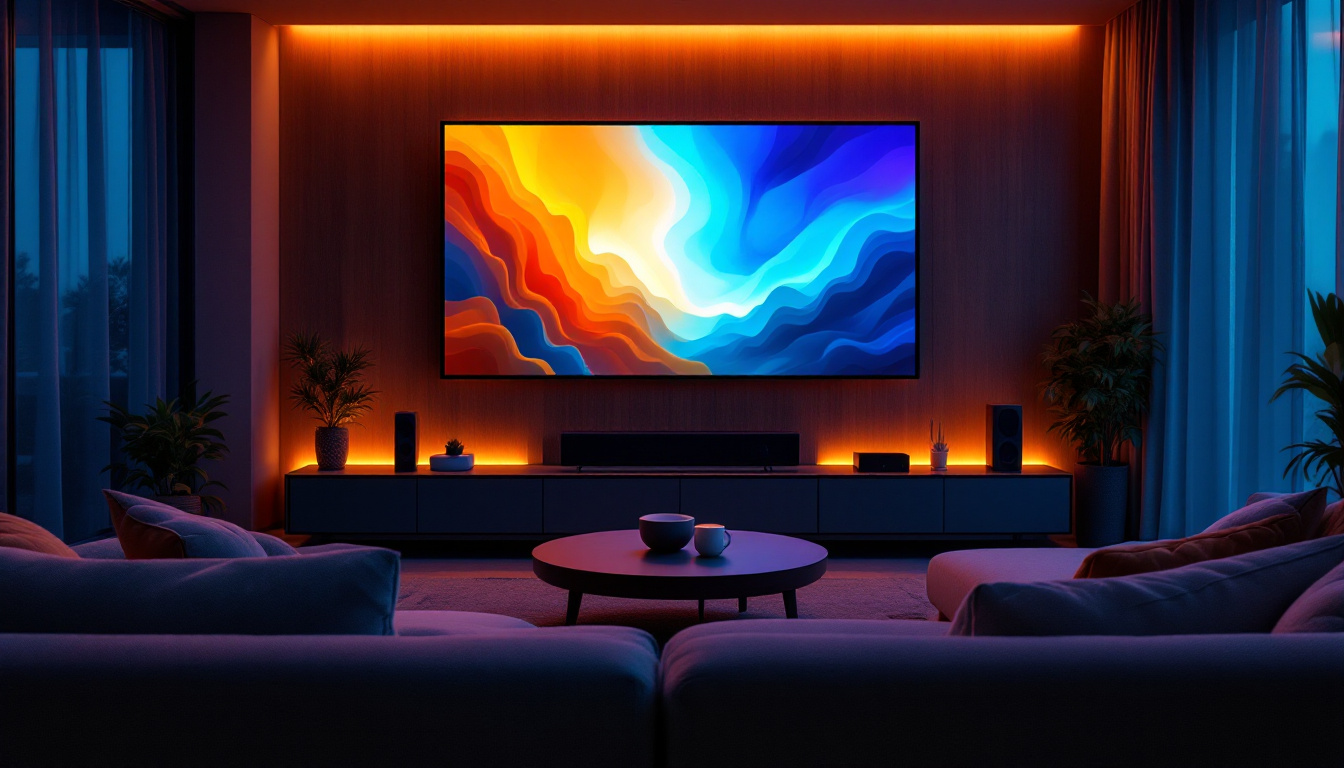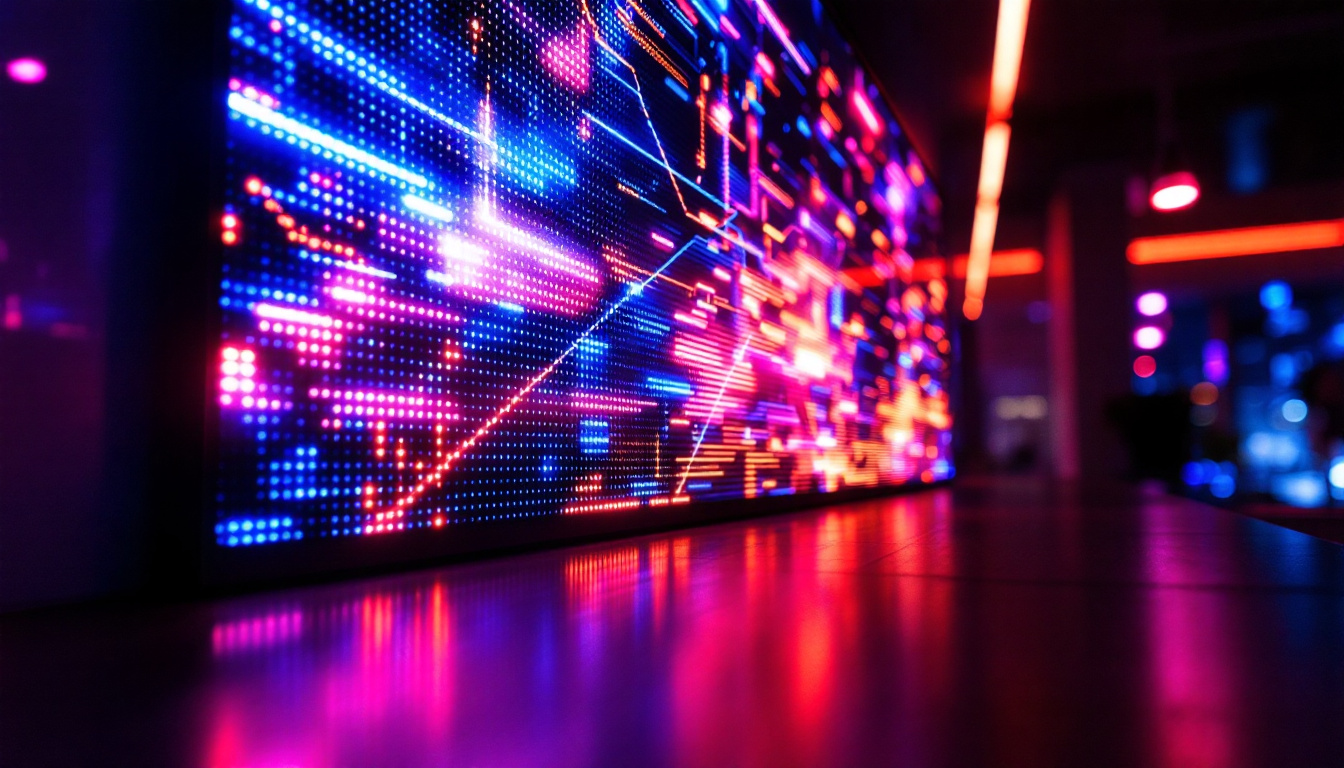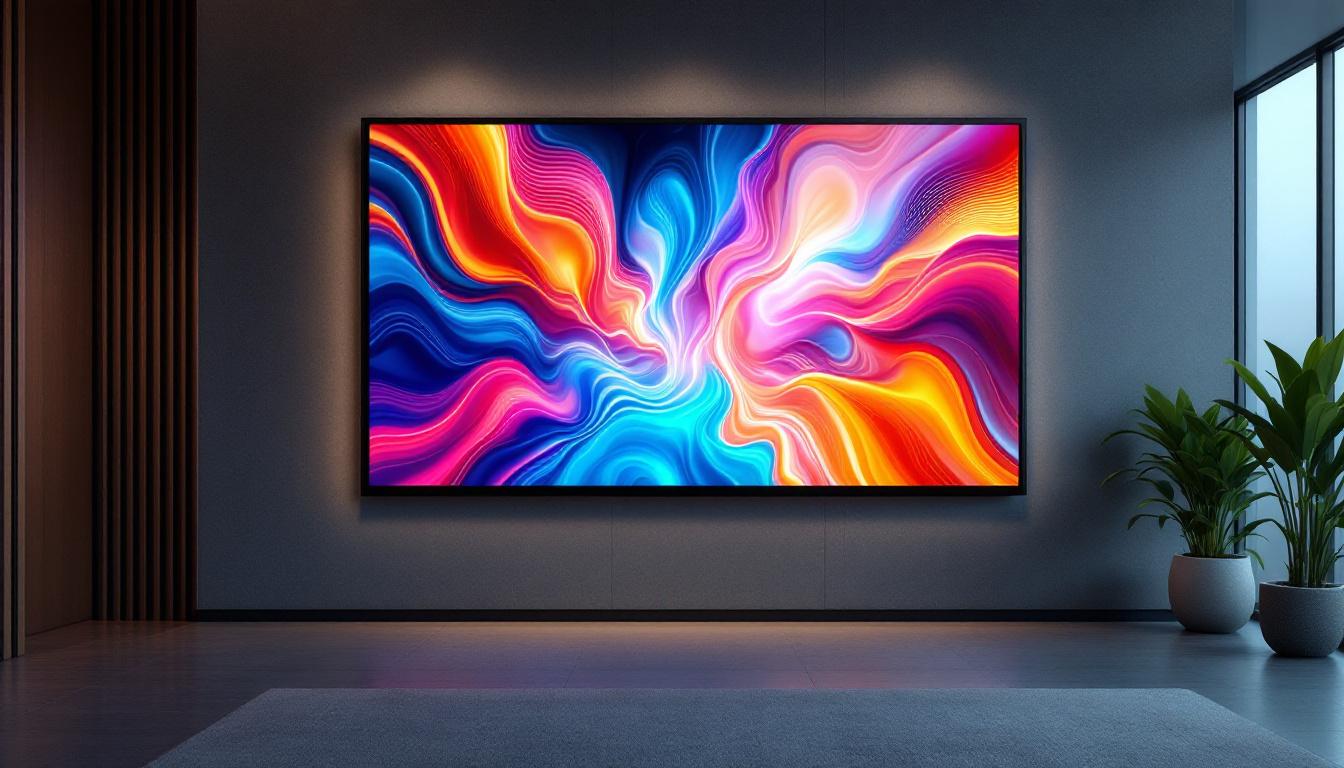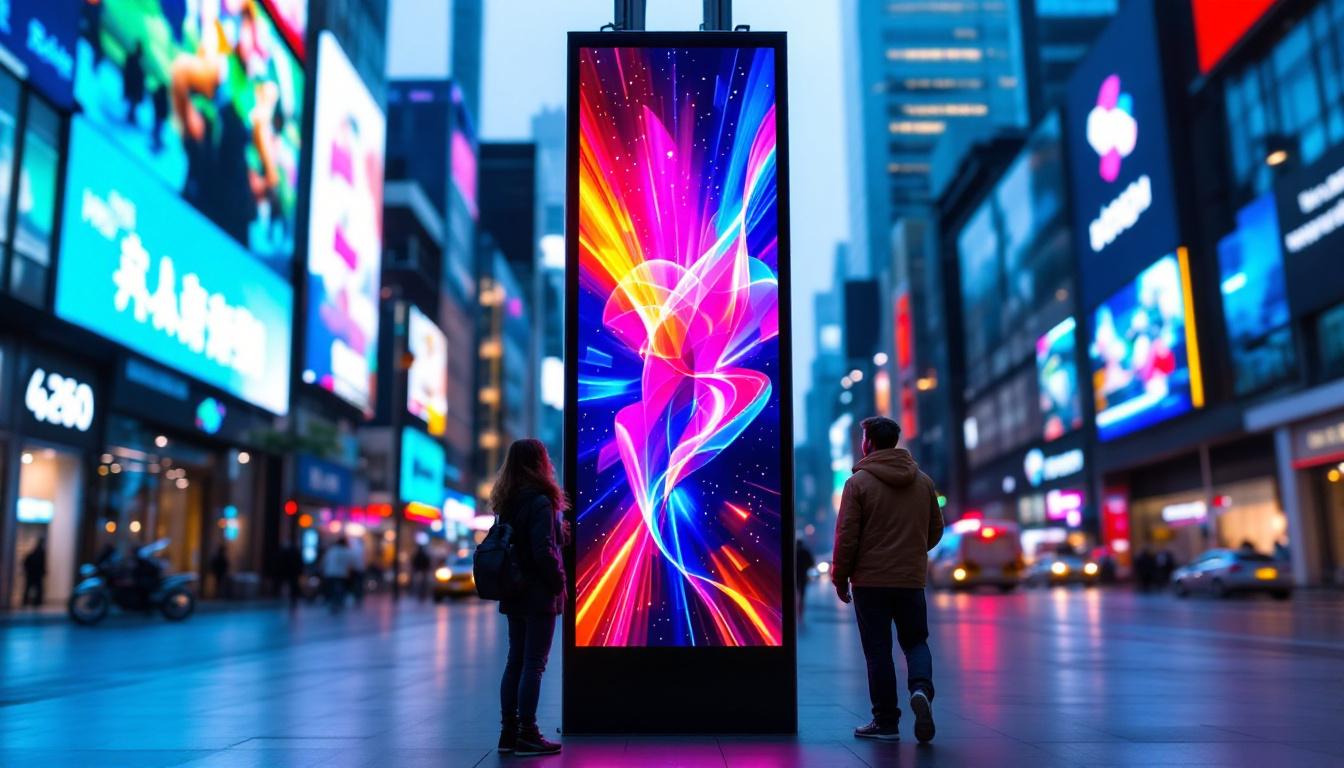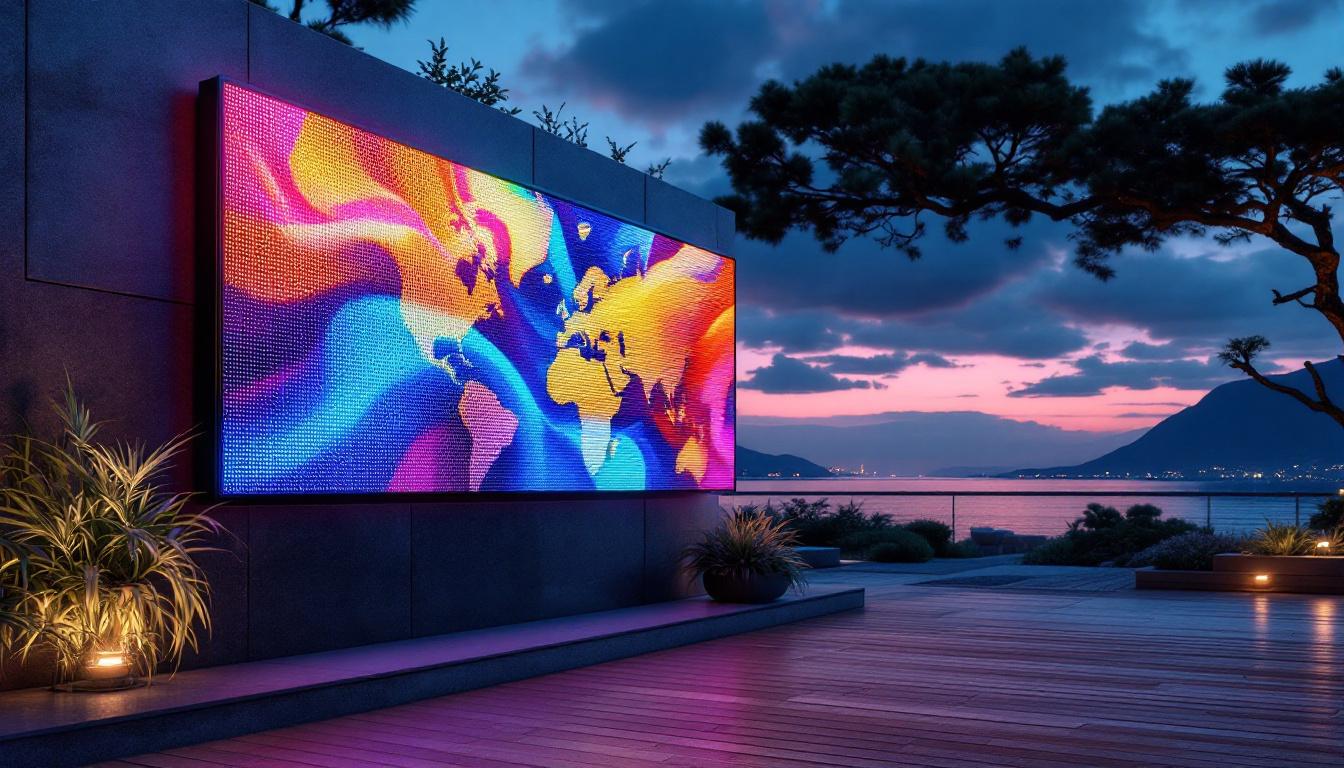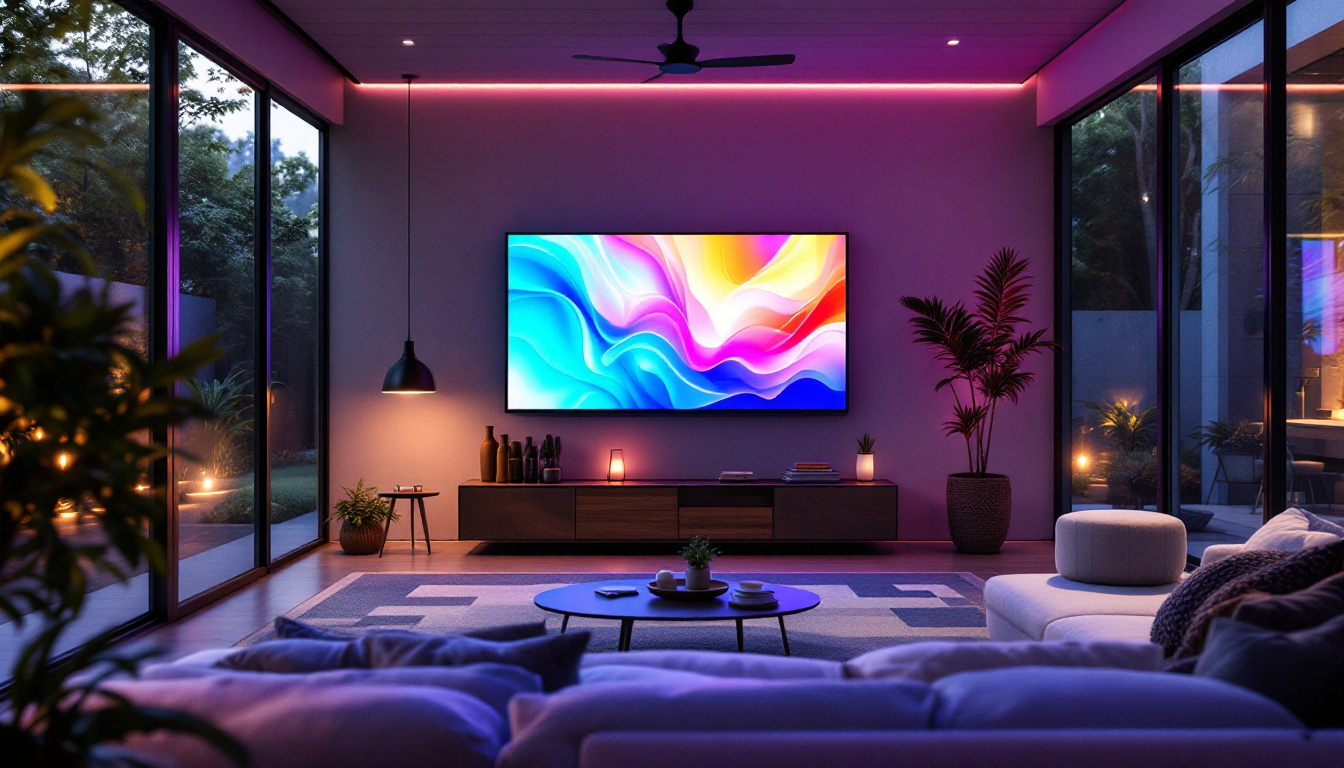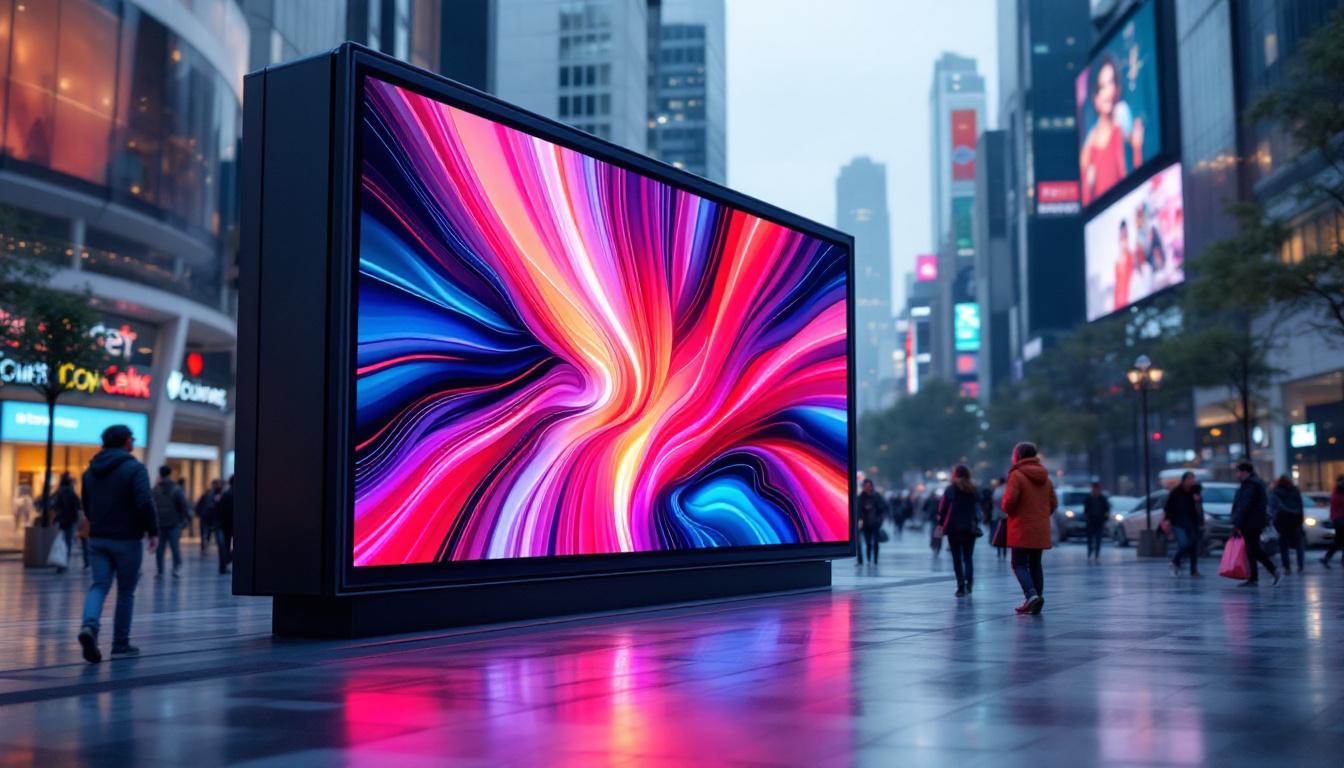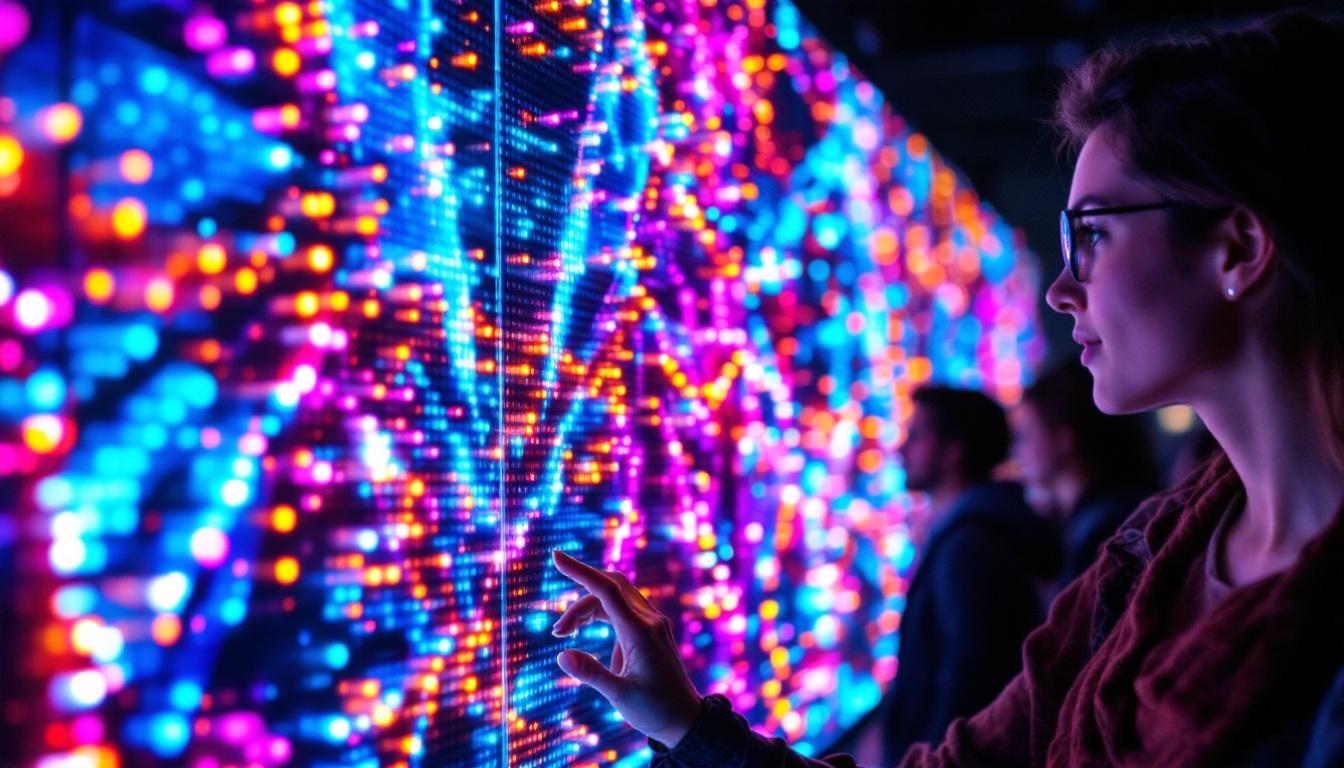
In the evolving world of digital displays, interactive light walls have emerged as a compelling fusion of technology, design, and user engagement. These LED-based installations are transforming public spaces, retail environments, museums, and events by offering immersive visual experiences that respond dynamically to human interaction. This article explores the technology behind interactive light walls, their applications, benefits, and future trends shaping this innovative medium.
Understanding Interactive Light Walls
At its core, an interactive light wall is a large-scale LED display system designed to react to external stimuli such as touch, motion, sound, or environmental changes. Unlike traditional static LED screens, these walls invite users to engage directly with the content, creating a personalized and often memorable experience. This level of interactivity not only captivates audiences but also transforms passive viewers into active participants, enhancing the overall impact of the display in various settings, from art installations to retail environments.
What Is an LED Display?
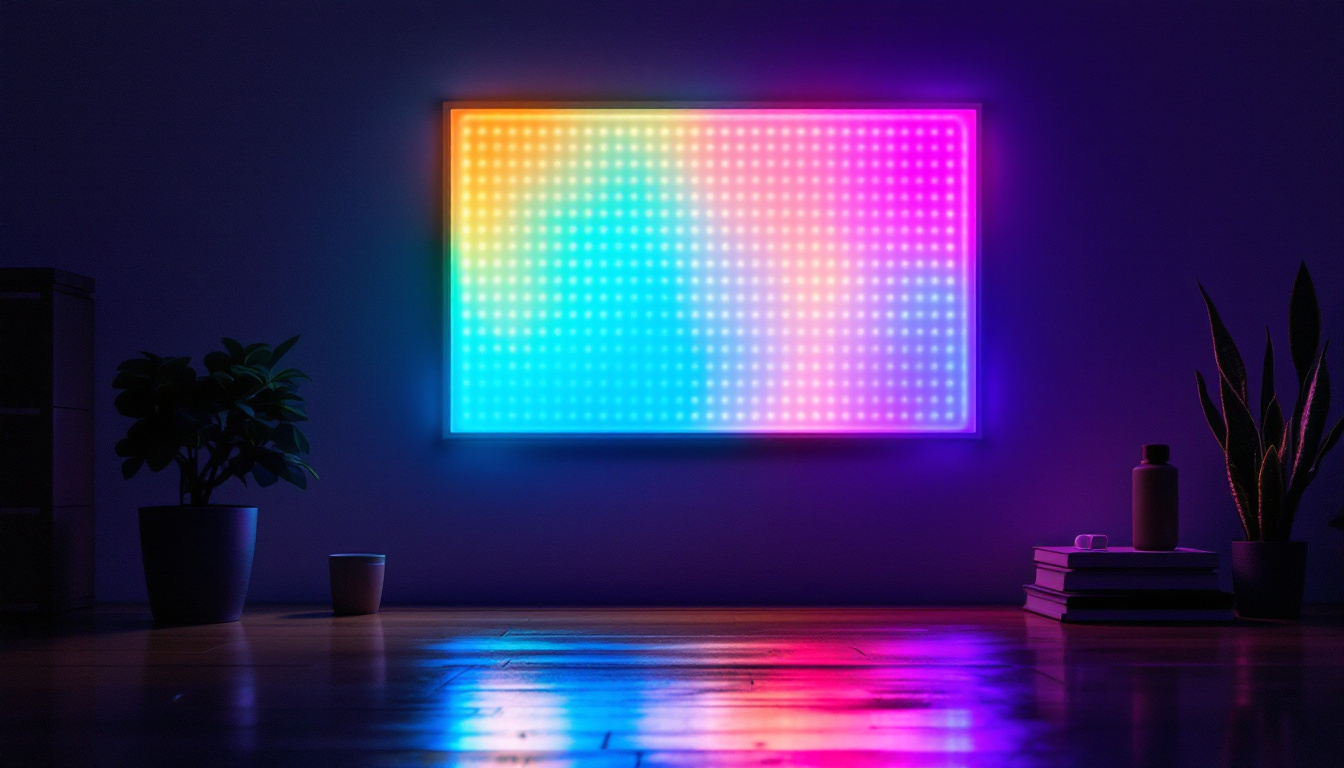
LED, or Light Emitting Diode, displays consist of numerous tiny light sources arranged in a grid. Each diode emits light when an electric current passes through it, allowing for vibrant colors, high brightness, and excellent energy efficiency. LED technology has become the backbone of modern digital signage due to its scalability and visual clarity. The versatility of LED displays enables them to be used in a wide range of applications, from advertising billboards to indoor event screens, making them a staple in both commercial and artistic realms.
LED displays are categorized mainly into two types: surface-mounted device (SMD) LEDs and through-hole LEDs. SMD LEDs are more compact and deliver higher resolution, making them ideal for interactive walls where fine detail and responsiveness are critical. Furthermore, advancements in LED technology have led to the development of flexible LED panels, which can be shaped and curved to fit unique architectural designs, allowing for even more creative possibilities in interactive installations.
How Interactivity Is Integrated
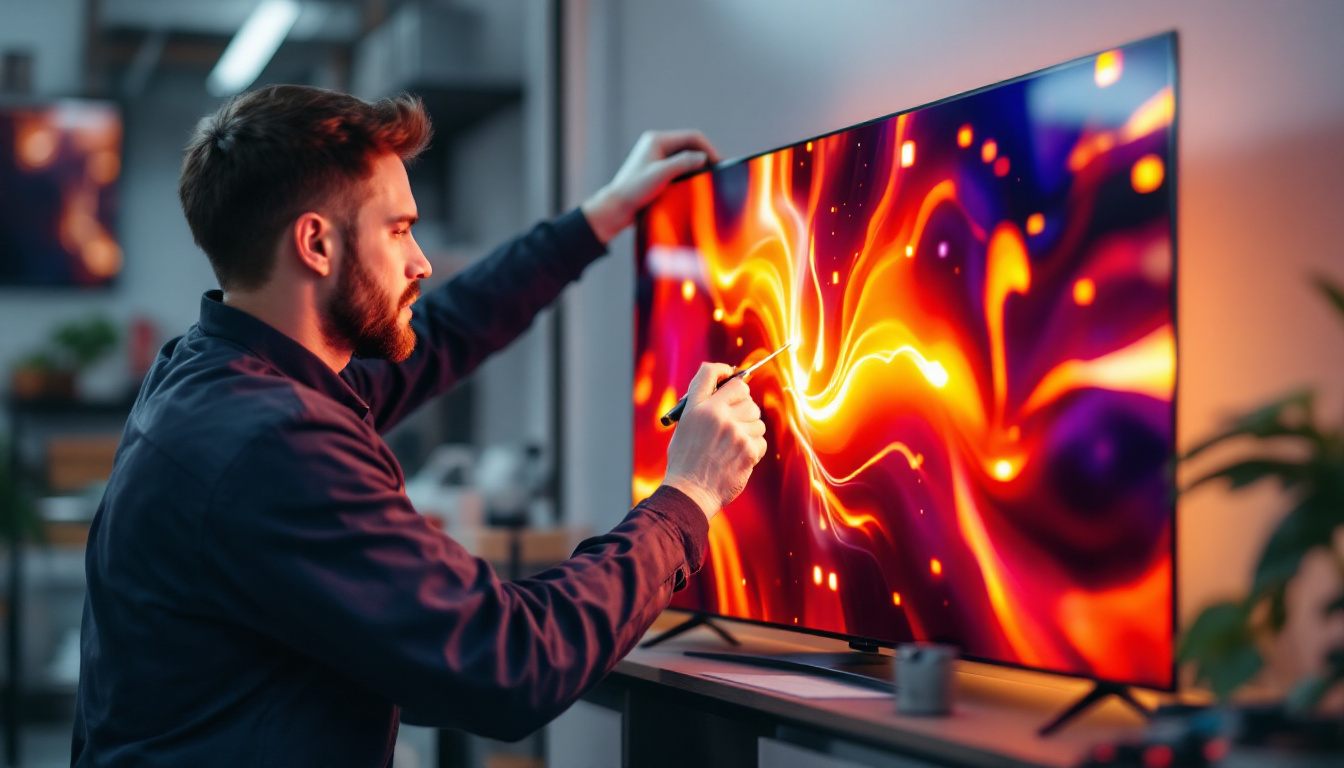
The interactive element is achieved by integrating sensors and software that detect user input. Common sensor technologies include infrared motion detectors, capacitive touch sensors, cameras with computer vision, and even acoustic sensors. These inputs are processed in real-time by software that alters the LED display’s visuals accordingly. This dynamic interaction not only enhances user engagement but also allows for the collection of valuable data on user behavior, which can inform future designs and installations.
For example, a motion sensor might detect a person walking past and trigger a ripple effect across the light wall, or a touch sensor could allow users to “paint” with light on the surface. The seamless integration of hardware and software is essential for creating a responsive and engaging interactive experience. Moreover, these systems can be programmed to adapt to different contexts, such as changing visuals based on the time of day or audience demographics, making them incredibly versatile tools for storytelling and brand engagement. As technology continues to evolve, the potential for more sophisticated interactions, such as augmented reality overlays or AI-driven content personalization, is becoming increasingly feasible, promising even more exciting developments in the realm of interactive light walls.
Applications of Interactive Light Walls
Interactive light walls have found diverse applications across industries, each leveraging the technology’s ability to captivate and engage audiences.
Retail and Advertising
Retailers use interactive light walls to attract customers and enhance brand experiences. These walls can display dynamic advertisements that change based on customer proximity or gestures, increasing engagement and dwell time. According to a 2023 report by Grand View Research, digital signage, including interactive LED displays, is projected to grow at a compound annual growth rate (CAGR) of 11.2% through 2030, driven by demand for immersive advertising.
For instance, a fashion store might install an interactive light wall that allows shoppers to virtually try on outfits or customize products by interacting with the display. This not only creates a memorable shopping experience but also drives sales by blending entertainment with commerce.
Public Spaces and Urban Design
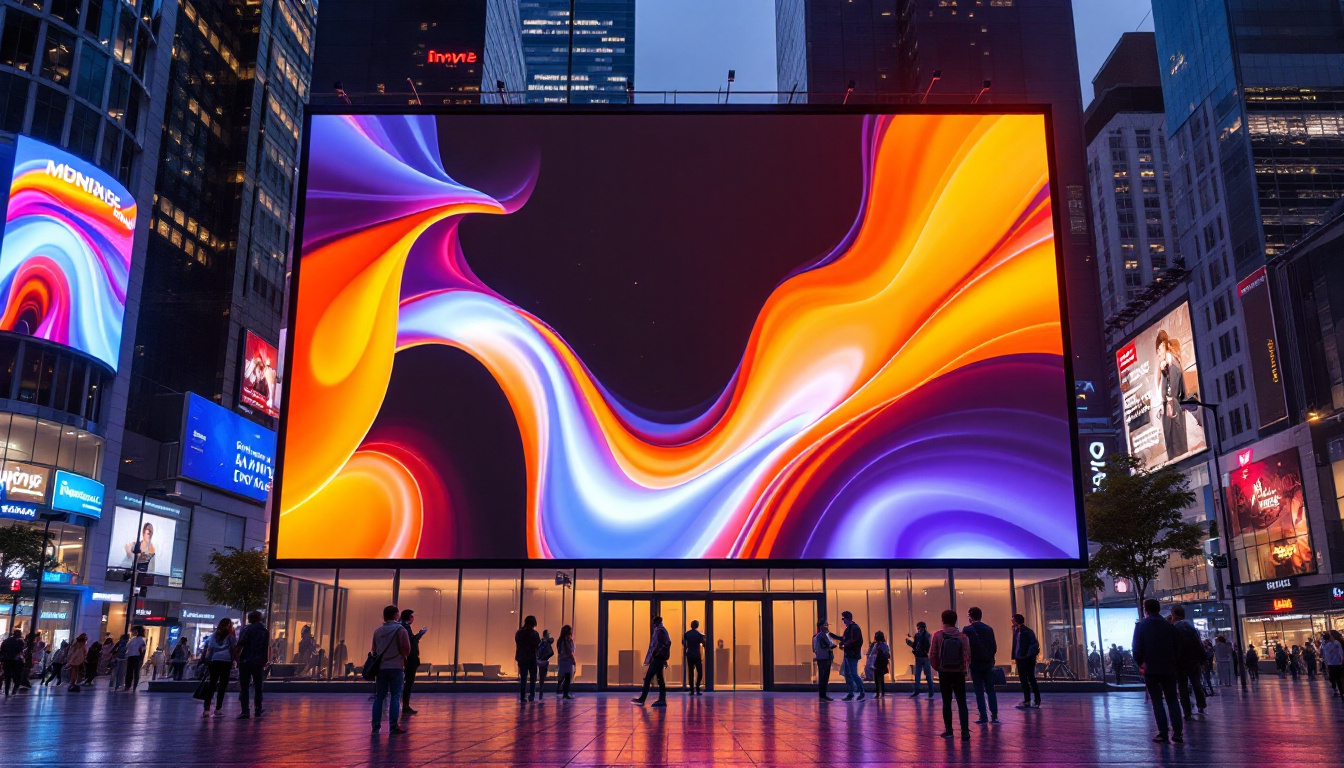
City planners and architects incorporate interactive light walls into public spaces to foster community engagement and enhance urban aesthetics. These installations can respond to environmental data such as weather or foot traffic, creating living artworks that evolve throughout the day.
Examples include interactive light walls in subway stations that brighten as commuters approach or public plazas where passersby can manipulate patterns and colors with their movements. Such installations contribute to placemaking and encourage social interaction in otherwise utilitarian environments.
Museums and Exhibitions
Museums increasingly use interactive light walls to enrich storytelling and educational experiences. By allowing visitors to interact with exhibits through light and motion, these walls make learning more engaging and accessible.
For example, a natural history museum might feature an interactive light wall that visualizes the migration patterns of animals, changing as visitors touch or move near different regions. This hands-on approach helps deepen understanding and retention of information.
Technical Components of Interactive Light Walls
Creating an effective interactive light wall requires careful selection and integration of several technical components, each playing a vital role in the overall performance and user experience.
LED Modules and Pixel Pitch
The quality of the LED modules and the pixel pitch—the distance between the centers of two adjacent pixels—determine the resolution and clarity of the display. Smaller pixel pitches provide higher resolution, which is crucial for close-up interaction where users expect sharp and detailed visuals.
For interactive walls intended for public spaces where viewers may be several feet away, pixel pitches typically range from 2mm to 10mm. Advances in micro-LED technology are pushing these boundaries even further, enabling ultra-high-definition displays with exceptional brightness and color accuracy.
Sensors and Input Devices
Sensor technology is fundamental to interactivity. Capacitive touch sensors detect finger or hand contact, similar to smartphone screens, allowing precise control. Infrared sensors can track motion without direct contact, enabling gesture-based interactions that feel natural and intuitive.
Camera-based systems equipped with computer vision algorithms can analyze complex user behaviors, such as multiple users interacting simultaneously or recognizing specific gestures. This capability opens up possibilities for multi-user experiences and sophisticated content manipulation.
Control Systems and Software
The control system acts as the brain of the interactive light wall, processing sensor data and managing the LED output. Custom software platforms are often developed to handle real-time rendering, user input interpretation, and content management.
Many interactive light walls utilize middleware frameworks that support integration with third-party applications, enabling developers to create bespoke experiences tailored to specific environments or campaigns. The software’s responsiveness and stability are critical to maintaining user engagement and preventing latency issues.
Benefits of Interactive Light Walls
Interactive light walls offer numerous advantages that make them attractive investments for businesses and public institutions alike.
Enhanced User Engagement
By inviting direct interaction, these walls transform passive viewers into active participants. This engagement increases attention span and emotional connection with the displayed content, which is particularly valuable in marketing and educational contexts.
Versatility and Customization
Interactive light walls can be tailored to suit a wide range of environments and objectives. Content can be updated remotely and frequently, allowing for seasonal themes, event-specific messaging, or real-time data visualization. This flexibility ensures that the installation remains relevant and fresh over time.
Energy Efficiency and Durability
LED technology is inherently energy-efficient compared to traditional lighting and display methods. Modern interactive light walls consume less power while delivering superior brightness and color fidelity. Additionally, LEDs have long lifespans and are robust against environmental factors, making them suitable for both indoor and outdoor installations.
Challenges and Considerations
Despite their many benefits, interactive light walls also present certain challenges that must be addressed to maximize their effectiveness.
Cost and Maintenance
Initial installation costs can be significant, especially for large-scale, high-resolution walls with advanced sensor arrays. Ongoing maintenance, including software updates and hardware repairs, requires dedicated resources. However, the long-term benefits often justify the investment, particularly when the installation drives measurable engagement or revenue.
Technical Complexity
Integrating multiple technologies—LED modules, sensors, control systems—demands expertise in hardware and software engineering. Ensuring seamless interaction without lag or errors requires rigorous testing and calibration. Collaboration between designers, engineers, and content creators is essential for success.
Accessibility and Inclusivity
Designers must consider accessibility to ensure that interactive light walls are usable by people with diverse abilities. This includes accommodating different heights, mobility limitations, and sensory impairments. Thoughtful design can make interactive experiences inclusive and enjoyable for all users.
Future Trends in Interactive Light Walls
The interactive light wall landscape continues to evolve rapidly, driven by advances in technology and shifting user expectations.
Integration with Artificial Intelligence
Artificial intelligence (AI) is enabling more sophisticated interactivity by allowing systems to learn from user behavior and adapt content dynamically. AI-powered light walls can personalize experiences based on individual preferences or crowd patterns, creating highly engaging environments.
Augmented Reality (AR) and Mixed Reality (MR)
Combining interactive light walls with AR and MR technologies offers new dimensions of immersion. Users might interact with digital objects projected onto the wall or experience layered content that blends physical and virtual elements seamlessly.
Sustainability and Smart Cities
As cities become smarter, interactive light walls are being integrated into urban infrastructure to provide real-time information, enhance safety, and promote sustainability. For example, walls that adjust brightness based on ambient light or display air quality data contribute to environmental awareness and energy savings.
Conclusion
Interactive light walls represent a dynamic intersection of technology, creativity, and human interaction. By leveraging LED displays combined with sensor-driven interactivity, these installations offer powerful tools for engagement across retail, public spaces, education, and beyond. While challenges remain in cost and technical complexity, ongoing innovations in AI, AR, and sustainable design promise to expand the possibilities and impact of interactive light walls in the years ahead.
For organizations seeking to captivate audiences and create memorable experiences, investing in interactive light walls is a forward-thinking strategy that blends art, technology, and user-centric design into a luminous canvas of opportunity.
Illuminate Your Space with LumenMatrix
Ready to transform your environment with an interactive light wall that blends artistry and cutting-edge technology? LumenMatrix is at the forefront of LED display innovation, offering a diverse range of solutions tailored to your unique needs. From captivating Indoor and Outdoor LED Wall Displays to dynamic Vehicle and Sports LED Displays, our products are designed to elevate your brand and engage your audience. Discover the power of our Custom, All-in-One, and Transparent LED Displays, and take the first step towards revolutionizing your visual communication. Check out LumenMatrix LED Display Solutions today and light up your world with unparalleled clarity and impact.