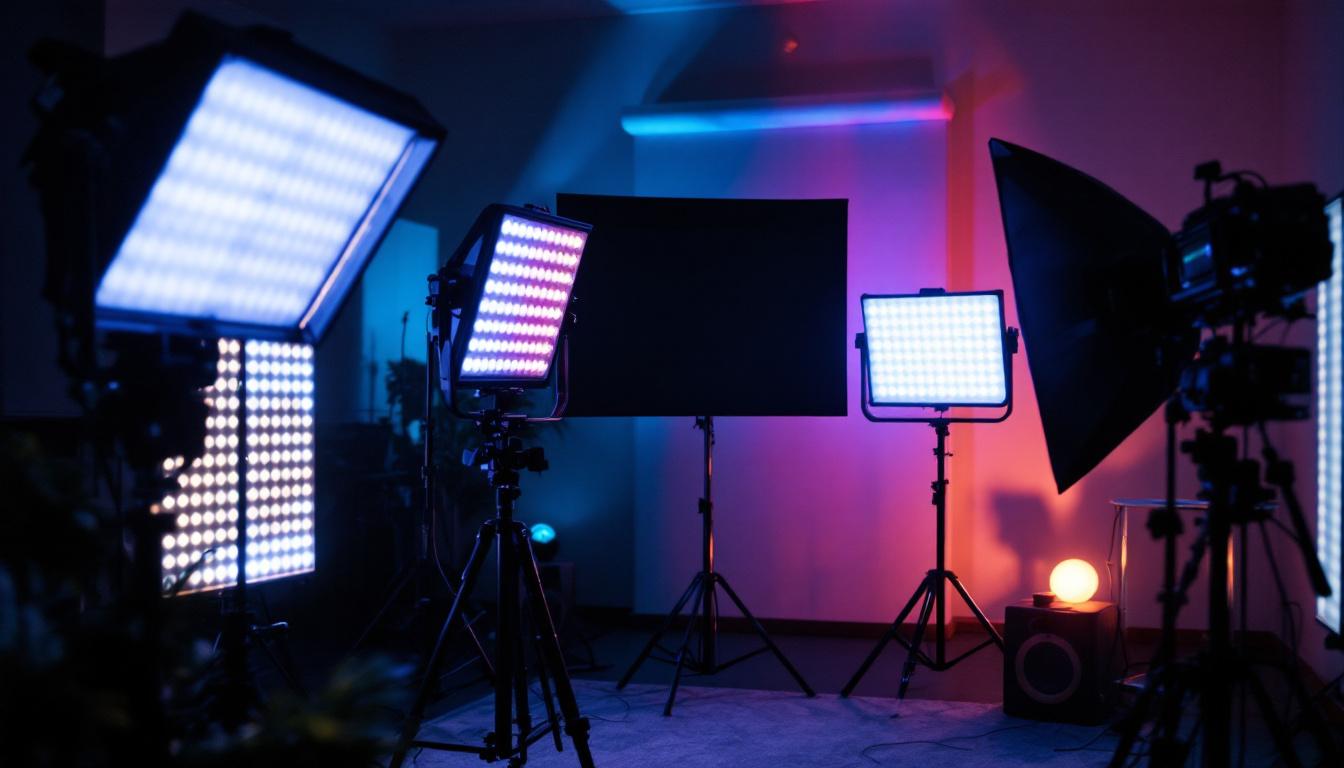
In the world of video production, lighting plays a crucial role in shaping the final image. Among the various lighting technologies available today, LED lighting panels have become a dominant choice for professionals and enthusiasts alike. Their versatility, efficiency, and quality of light make them ideal for a wide range of video applications—from interviews and documentaries to cinematic productions and live broadcasts.
This comprehensive guide explores LED lighting panels for video, explaining what they are, how they work, and why they have revolutionized video lighting. Whether you’re a videographer, filmmaker, or content creator, understanding LED display technology will help you make informed decisions to elevate your visual storytelling.
What Are LED Lighting Panels?
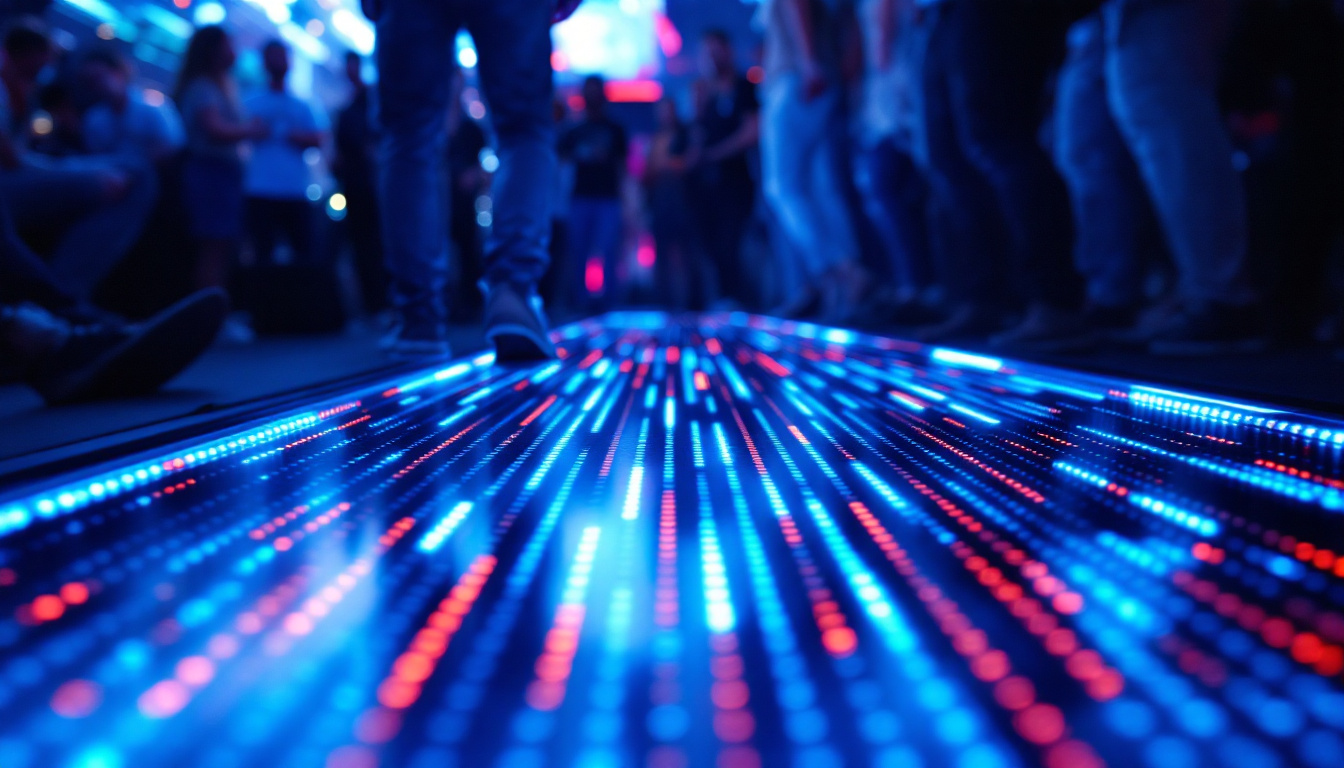
LED lighting panels are flat, rectangular light sources composed of multiple light-emitting diodes (LEDs) arranged in a grid or matrix. Unlike traditional incandescent or fluorescent lights, LEDs produce light through electroluminescence, which is a highly efficient process that generates minimal heat and consumes less power. This efficiency not only reduces energy costs but also contributes to a more sustainable approach to lighting, making LED panels an environmentally friendly choice for both residential and commercial applications.
The design of LED panels allows for even light distribution, reducing harsh shadows and hotspots. This makes them particularly suitable for video work, where consistent and controllable lighting is essential. Additionally, many LED panels are designed with a slim profile, enabling them to fit seamlessly into various settings, from studios to offices, without taking up excessive space or drawing attention away from the overall aesthetic.
How LED Panels Differ from Other Lighting Technologies
Traditional lighting options such as tungsten and fluorescent bulbs have been staples in video production for decades. However, they come with limitations:
- Tungsten lights produce a warm, continuous light but generate significant heat and consume high amounts of electricity.
- Fluorescent lights are cooler and more energy-efficient than tungsten but often suffer from flickering and color inconsistency.
LED panels overcome many of these issues by offering:
- Energy efficiency: LEDs use up to 75% less energy than incandescent bulbs.
- Low heat emission: LEDs remain cool to the touch, making them safer and more comfortable on set.
- Longevity: LED panels can last tens of thousands of hours without significant degradation.
- Color accuracy and control: Many LED panels come with adjustable color temperature and RGB capabilities.
Furthermore, the versatility of LED panels extends beyond just video production. They are increasingly being used in architectural lighting, art installations, and even in healthcare settings, where proper lighting can significantly impact mood and productivity. The ability to customize the intensity and color of LED lighting makes them ideal for creating specific atmospheres, whether it’s a calming environment in a hospital or a vibrant, energetic space in a creative studio. As technology continues to evolve, the potential applications for LED lighting panels seem limitless, paving the way for innovative designs and uses in various fields.
Key Features of LED Lighting Panels for Video
Understanding the features of LED panels is essential to select the right lighting for your video projects. Here are some critical aspects to consider:
Color Temperature and Color Rendering Index (CRI)
Color temperature, measured in Kelvin (K), determines the warmth or coolness of the light. For video, common color temperatures range from 3200K (warm tungsten light) to 5600K (daylight). Many LED panels offer adjustable color temperature, allowing users to match ambient lighting conditions or achieve creative effects. This flexibility is particularly beneficial when shooting in environments with mixed lighting sources, as it enables filmmakers to maintain a consistent look throughout their footage.
Equally important is the Color Rendering Index (CRI), which measures how accurately a light source reveals colors compared to natural light. A CRI of 90 or above is generally recommended for video to ensure skin tones and other colors appear natural and vibrant on camera. Higher CRI values not only enhance the visual quality of the video but also contribute to a more accurate representation of the scene, making it easier for editors to achieve the desired color grading in post-production.
Brightness and Dimming Capabilities
Brightness is measured in lumens or lux, indicating the intensity of light output. LED panels offer a wide range of brightness levels, from small portable units suitable for close-up interviews to powerful panels capable of lighting large studio sets. This versatility allows videographers to tailor their lighting setups to the specific needs of each shoot, whether it’s a tightly framed interview or a broad landscape scene.
Dimming functionality is vital for precise control over exposure and mood. Unlike some older technologies, LED panels typically provide flicker-free dimming, which is essential for high-frame-rate video recording. This capability not only enhances the overall production quality but also allows for creative experimentation with lighting intensity, enabling filmmakers to evoke different emotional responses from their audience through subtle changes in illumination.
Portability and Power Options
Many LED panels are designed to be lightweight and compact, making them easy to transport and set up on location. Battery-powered LED panels have become increasingly popular, enabling videographers to work in remote or outdoor environments without access to mains power. This feature is particularly advantageous for documentary filmmakers and content creators who often find themselves in unpredictable shooting conditions where traditional power sources may not be available.
Some panels support multiple power options, including AC adapters and V-mount or Gold mount batteries, offering flexibility across different shooting scenarios. This adaptability ensures that filmmakers can maintain consistent lighting regardless of the location, allowing for seamless transitions between indoor and outdoor settings without compromising on quality or performance.
Beam Angle and Diffusion
The beam angle determines how widely the light spreads. Narrow beam angles create focused, directional light, while wider angles produce softer, more diffused illumination. LED panels often include built-in diffusion materials or come with attachable softboxes and diffusion gels to modify the light quality. This ability to customize the light output is crucial for achieving the desired aesthetic in video production, as it can significantly affect the mood and tone of the final piece.
Furthermore, understanding the interplay between beam angle and diffusion can enhance storytelling through lighting design. For instance, a narrow beam can be used to highlight a subject dramatically, drawing the viewer’s attention, while a wider beam can create an ambient glow that envelops the scene, contributing to a more immersive experience. By mastering these techniques, videographers can elevate their work and create visually captivating narratives that resonate with their audience.
Applications of LED Lighting Panels in Video Production
LED lighting panels have transformed how lighting is approached in video production, offering solutions tailored to diverse creative needs.
Interview and Documentary Lighting
In interview setups, soft, flattering light is paramount to highlight facial features without harsh shadows. LED panels with adjustable color temperature and high CRI are ideal for this purpose, allowing videographers to match natural light or create a warm, inviting atmosphere.
Battery-powered LED panels enable quick setups in various locations, making them a favorite among documentary filmmakers who often work in unpredictable environments.
Cinematic and Narrative Filmmaking
For narrative films, lighting is a storytelling tool. LED panels offer filmmakers the ability to sculpt light creatively, from subtle fill lights to dramatic key lights. RGB LED panels expand creative possibilities further by allowing precise color control, enabling mood-setting with colored lighting effects.
Moreover, the low heat output of LEDs means actors and crew can work comfortably under lights for extended periods, improving on-set efficiency.
Live Streaming and Broadcast
The rise of live streaming and online video content has increased demand for professional-quality lighting that is easy to use and reliable. LED panels provide consistent, flicker-free light that enhances image quality, even in small home studios or makeshift broadcast setups.
Many LED panels come with remote control options via apps or physical controllers, allowing streamers and broadcasters to adjust lighting on the fly without interrupting the production.
Choosing the Right LED Panel for Your Video Needs
Selecting the appropriate LED lighting panel depends on various factors related to your specific video production requirements.
Consider Your Shooting Environment
Indoor and outdoor shoots have different lighting challenges. For outdoor use, portability and battery life become critical, while indoor studio work may prioritize power and larger panel sizes for broad coverage.
Assess Your Budget and Features Needed
LED panels range from affordable entry-level models to high-end professional units. While budget constraints are real, investing in a panel with high CRI, adjustable color temperature, and reliable build quality will pay dividends in image quality and durability.
Evaluate Compatibility and Accessories
Check for compatibility with existing lighting stands, mounts, and power sources. Accessories such as diffusers, barn doors, and gels can enhance the versatility of your LED panel and allow you to shape light more effectively.
Future Trends in LED Video Lighting
As LED technology advances, several trends are shaping the future of video lighting:
Increased Integration with Smart Technology
Smart LED panels that connect with mobile apps and integrate with lighting control systems are becoming more common. This allows for precise, programmable lighting setups and synchronization with other production elements.
Enhanced Color and Spectral Quality
New LED formulations and multi-chip designs improve spectral output, enabling even more accurate color reproduction and specialized lighting effects tailored to cinematic needs.
Eco-Friendly and Sustainable Solutions
With growing awareness of environmental impact, manufacturers are focusing on energy-efficient designs, recyclable materials, and longer-lasting products to reduce waste and carbon footprints.
Conclusion
LED lighting panels have fundamentally changed the landscape of video production lighting. Their efficiency, flexibility, and quality make them indispensable tools for modern videographers and filmmakers. By understanding the technology behind LED panels and their practical applications, video professionals can enhance their creative control and produce visually compelling content.
Whether shooting a simple interview or a complex cinematic scene, investing in the right LED lighting panel tailored to your needs will elevate your work and ensure consistent, professional results.
Discover LumenMatrix’s Advanced LED Solutions
Ready to take your video production to the next level with the latest in LED lighting technology? Explore LumenMatrix’s comprehensive range of LED display solutions, designed to bring your creative vision to life with unparalleled brightness, clarity, and color accuracy. From Indoor and Outdoor LED Wall Displays to innovative options like Vehicle LED Displays and LED Transparent Displays, LumenMatrix is at the forefront of creating immersive visual experiences. Elevate your projects with our cutting-edge LED panels and discover how our commitment to quality and innovation can transform your visual storytelling. Check out LumenMatrix LED Display Solutions today and see the difference for yourself.