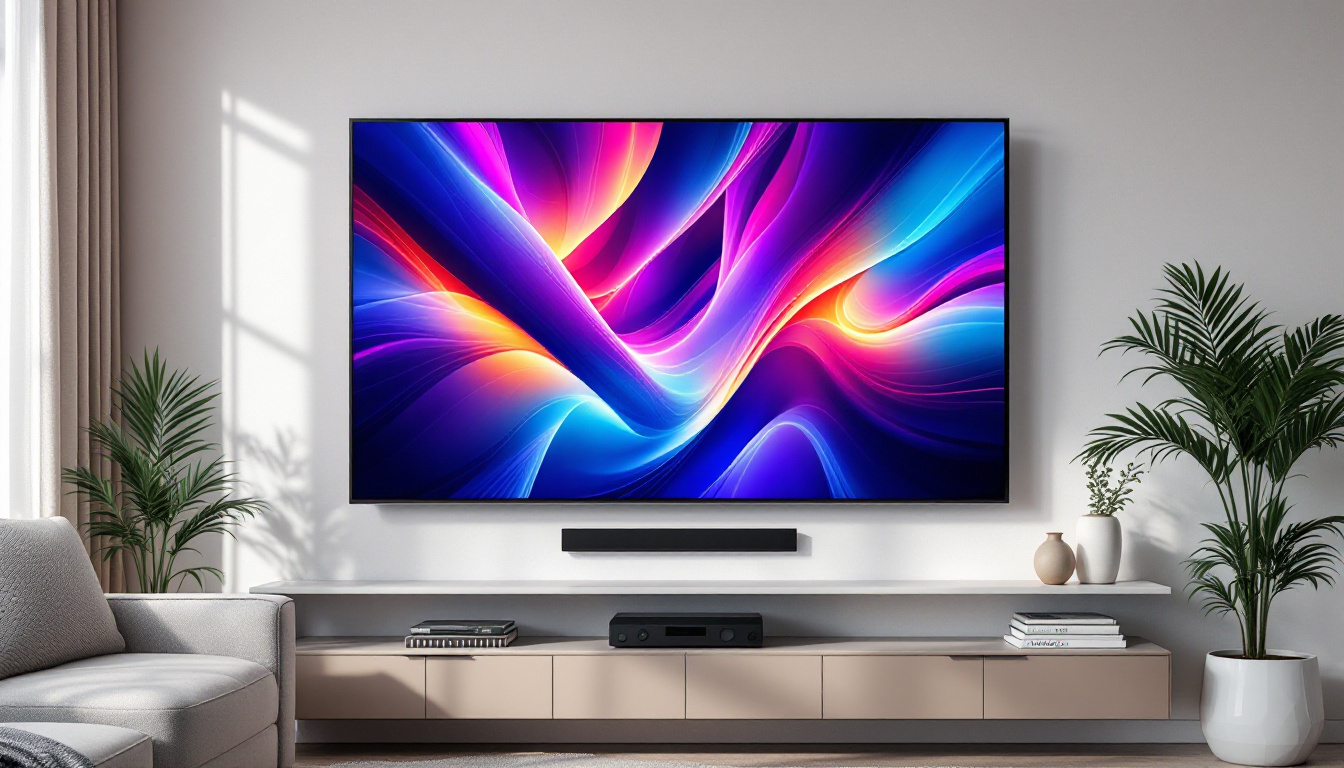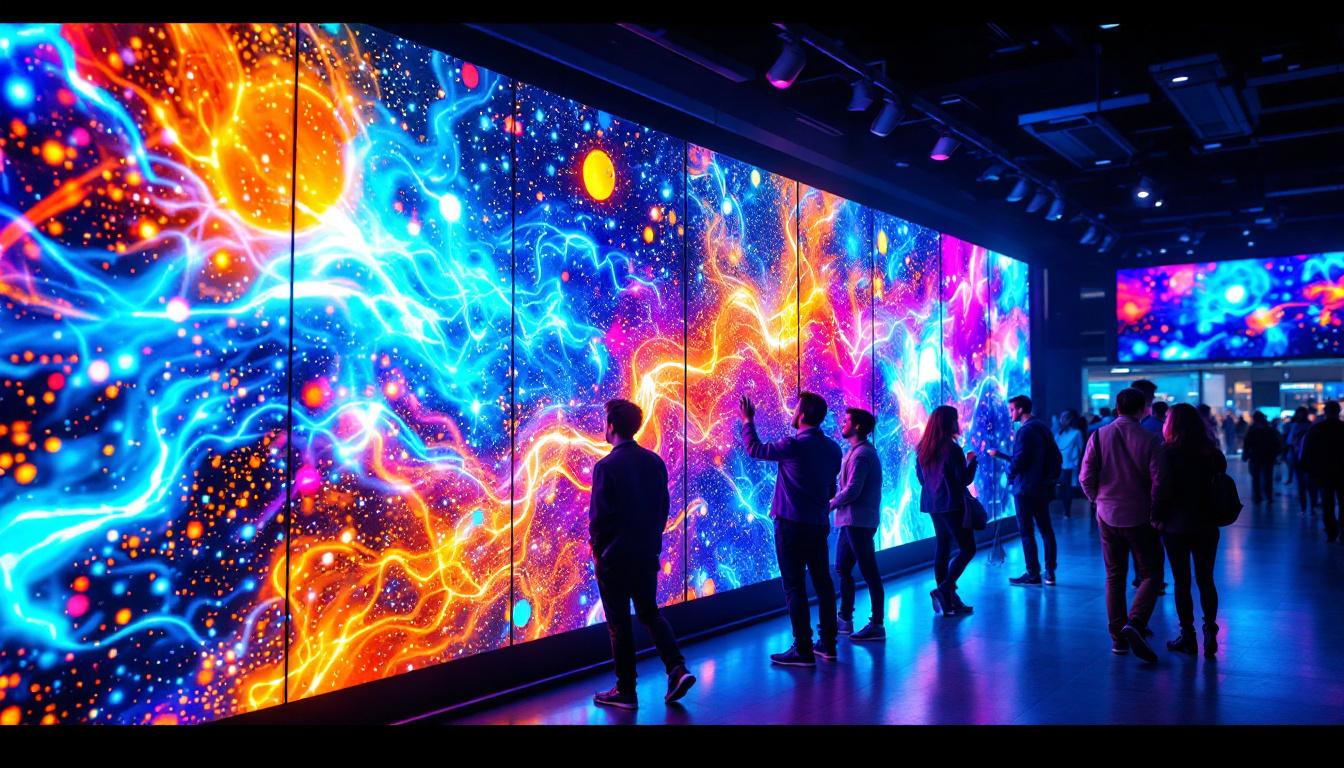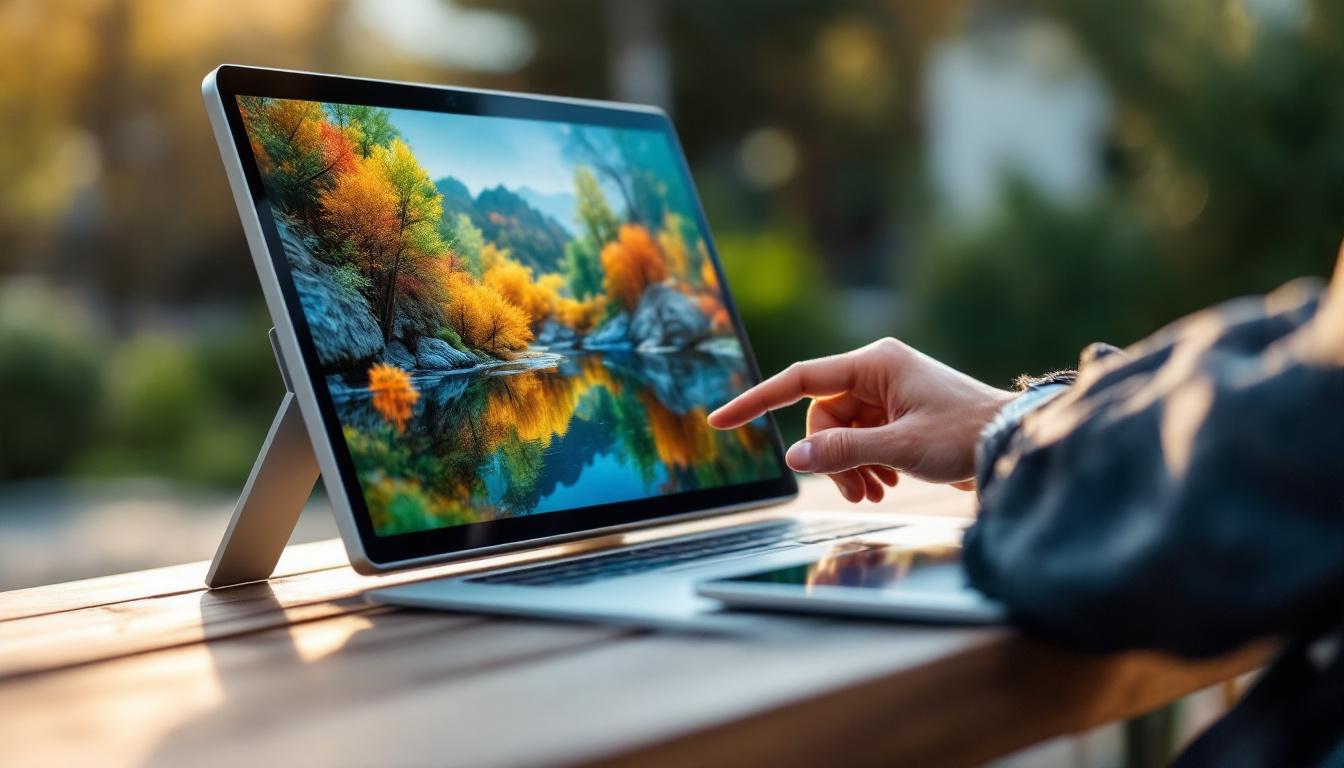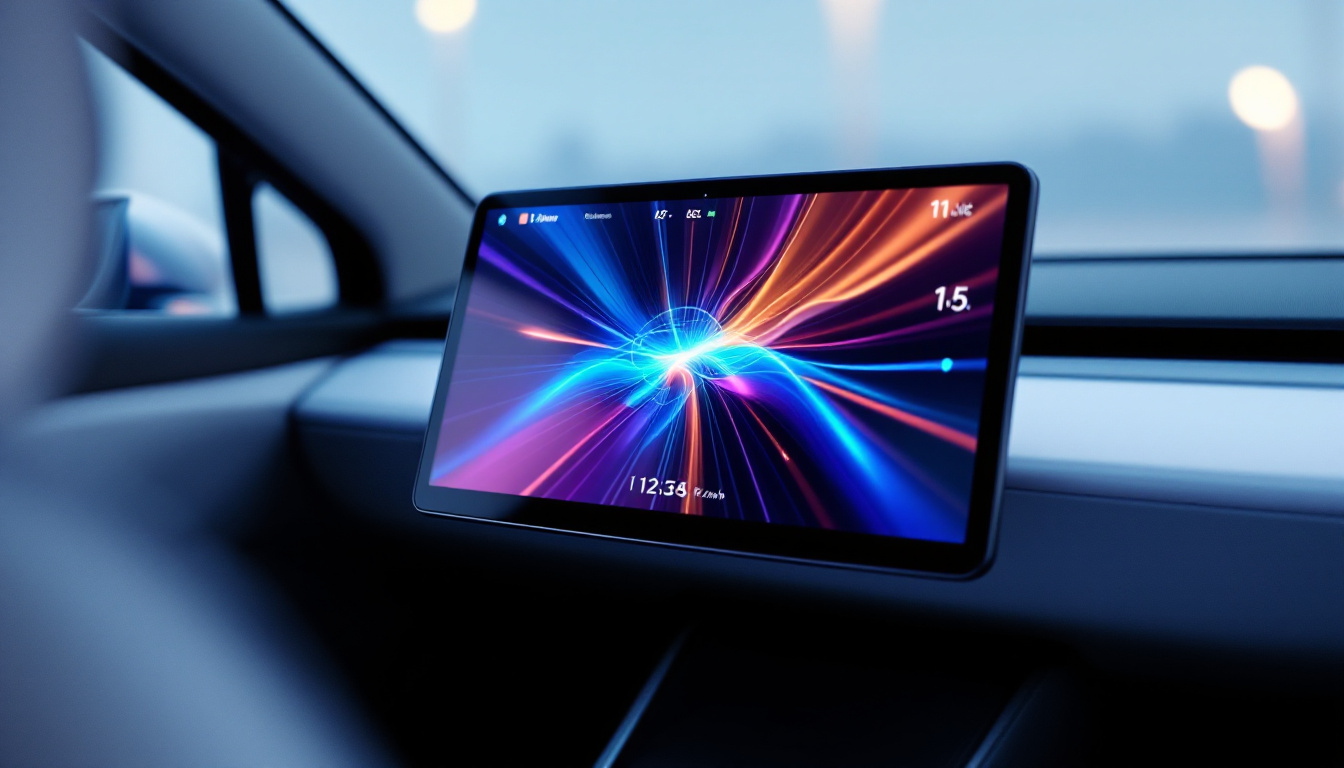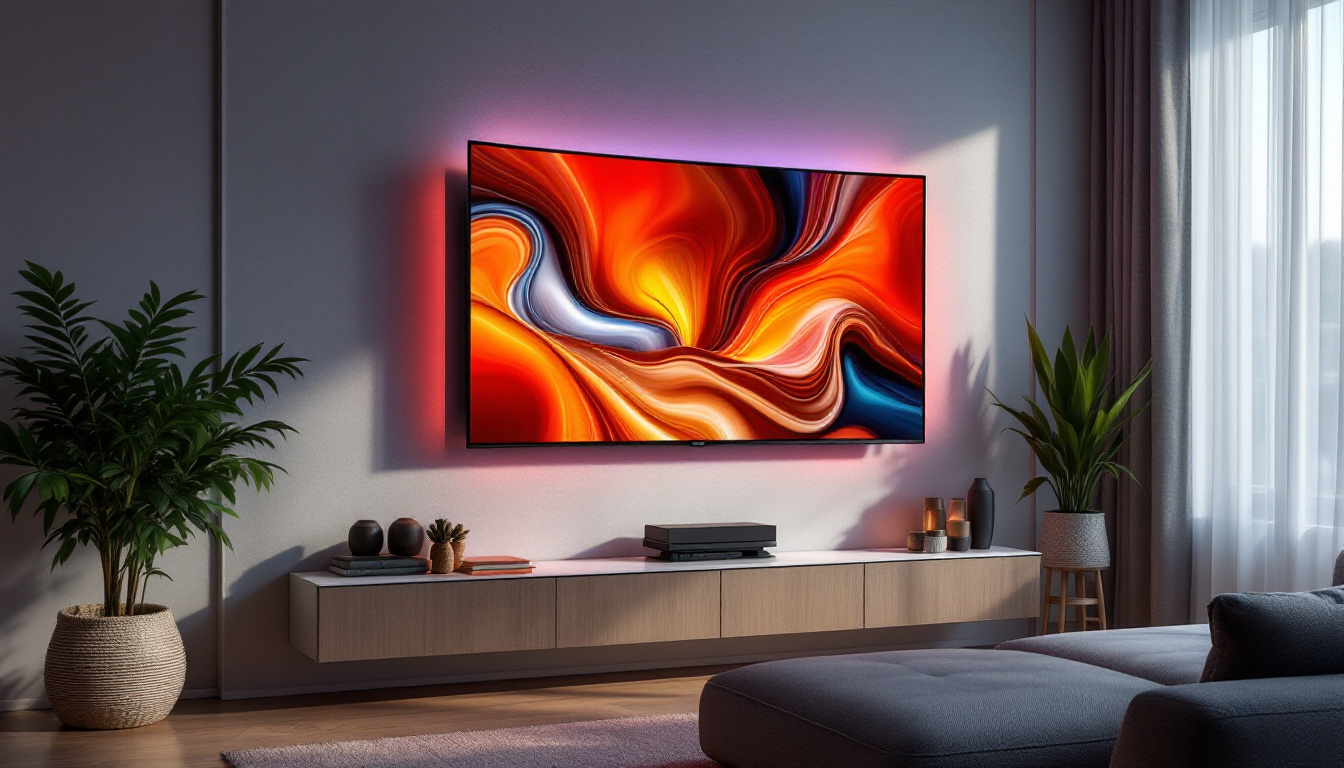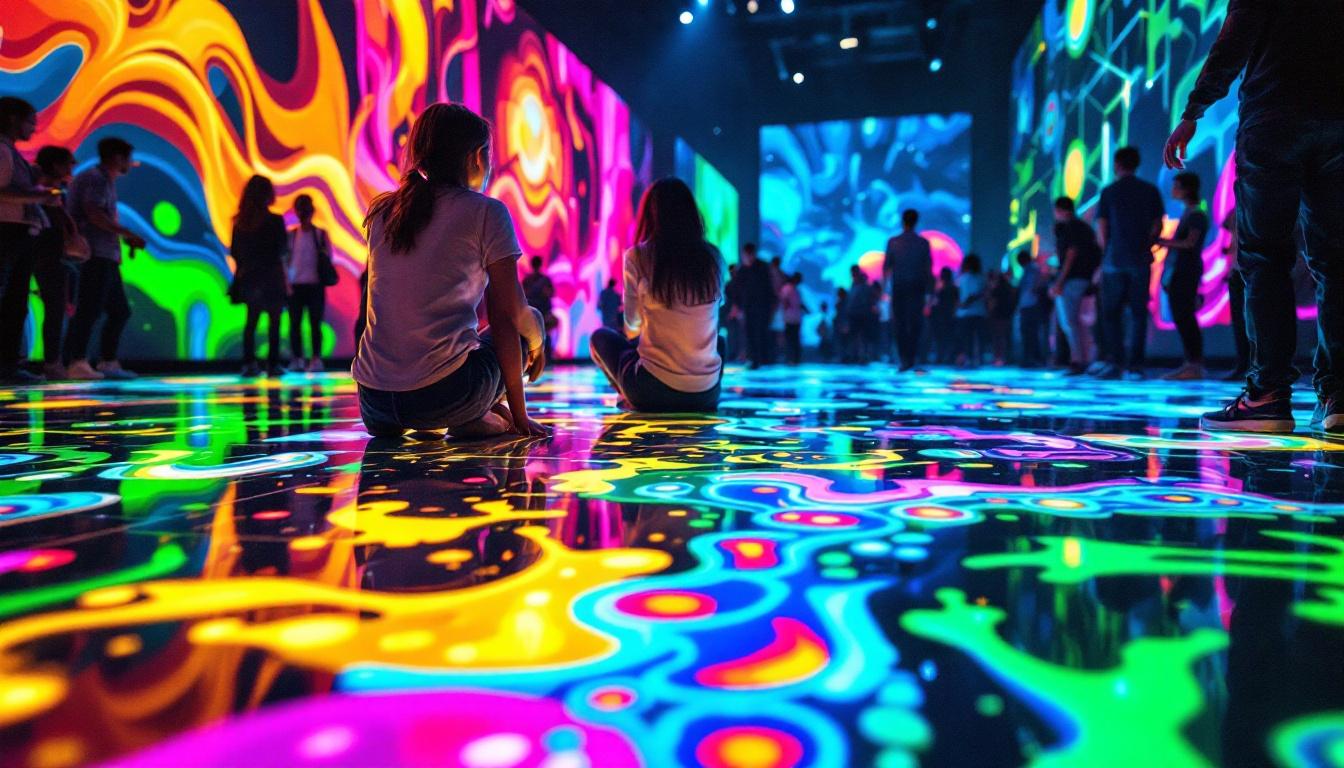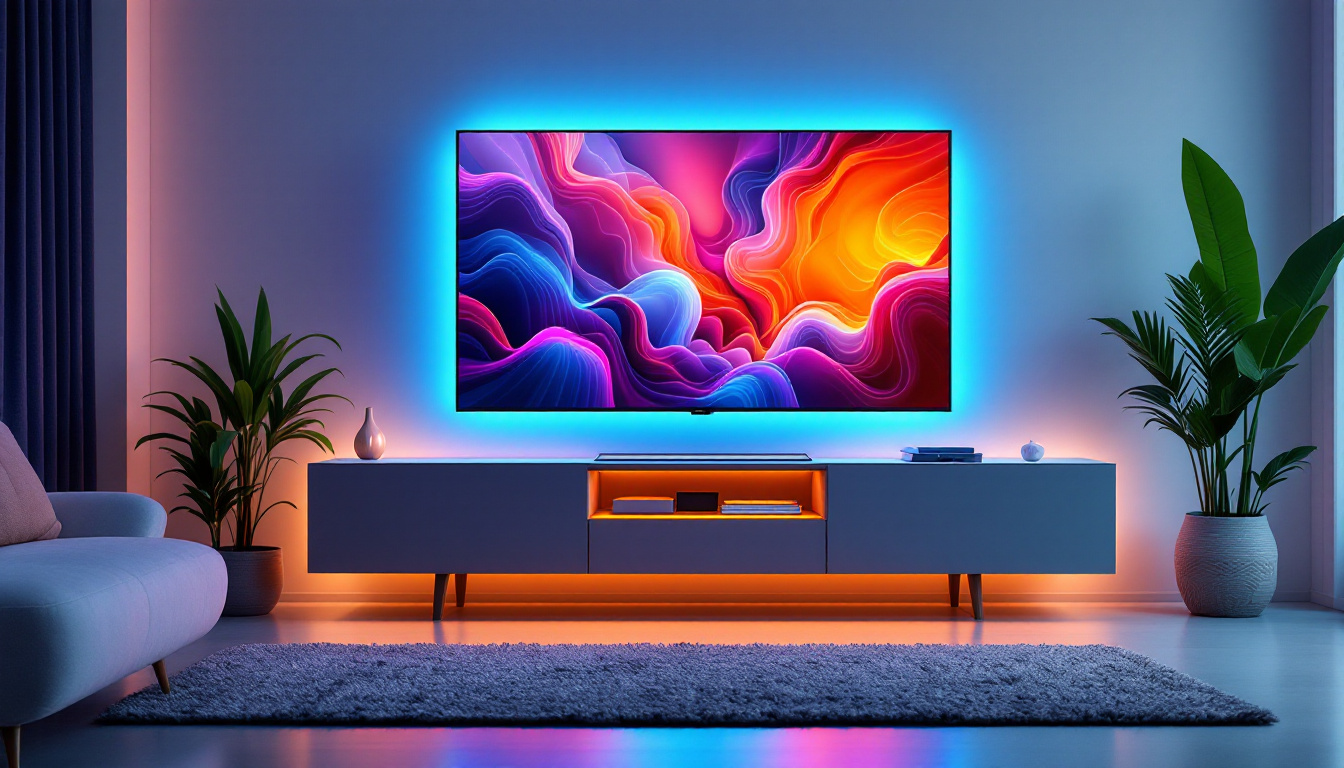
In recent years, the concept of the TV board wall has transformed the way we experience visual content in both commercial and residential spaces. Central to this transformation is the LED display technology that powers these impressive video walls. Whether in corporate boardrooms, retail environments, control centers, or even luxury home theaters, LED display walls offer unparalleled visual performance combined with flexibility and scalability.
This article delves into the world of TV board walls, focusing on the LED display technology that makes them so compelling. From the fundamentals of LED technology to practical considerations for installation and maintenance, this comprehensive guide will help readers understand why LED display walls are becoming the preferred choice for large-format digital displays.
Understanding LED Display Technology
What is an LED Display?
LED stands for Light Emitting Diode, a semiconductor device that emits light when an electric current passes through it. In the context of TV board walls, LED displays are composed of thousands, or even millions, of these tiny diodes arranged in a matrix to form pixels. Each pixel can emit red, green, and blue light, which combine to produce a full spectrum of colors.
Unlike traditional LCD screens that rely on backlighting, LED displays generate their own light, resulting in higher brightness levels, better contrast ratios, and more vivid colors. This self-illumination is a critical advantage when it comes to large-scale video walls that need to be visible from various distances and lighting conditions.
Types of LED Displays Used in TV Board Walls
There are primarily two types of LED displays used in TV board walls: direct-view LED and LED-backlit LCD. Direct-view LED (DVLED) is the most common and preferred technology for large video walls because it offers superior brightness, color accuracy, and viewing angles.
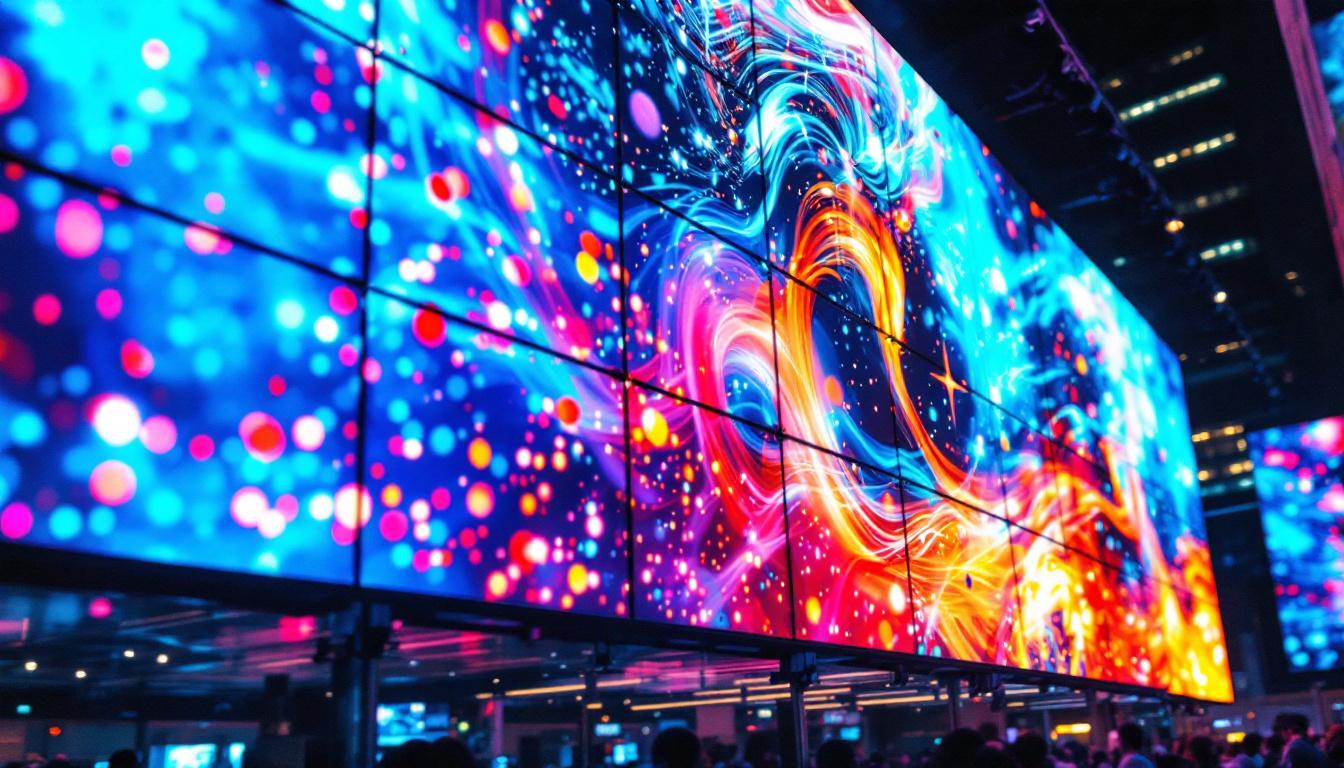
Direct-view LED panels are modular, meaning they can be assembled in various sizes and shapes to create seamless video walls without visible bezels. This modularity allows for customization and scalability, making it ideal for environments that require large, uninterrupted displays.
On the other hand, LED-backlit LCD panels use LEDs to illuminate an LCD screen. While this technology is common in consumer TVs and monitors, it is less suited for large-scale video walls due to limitations in brightness and viewing angles.
Key Advantages of LED Display Walls
Brightness and Visibility
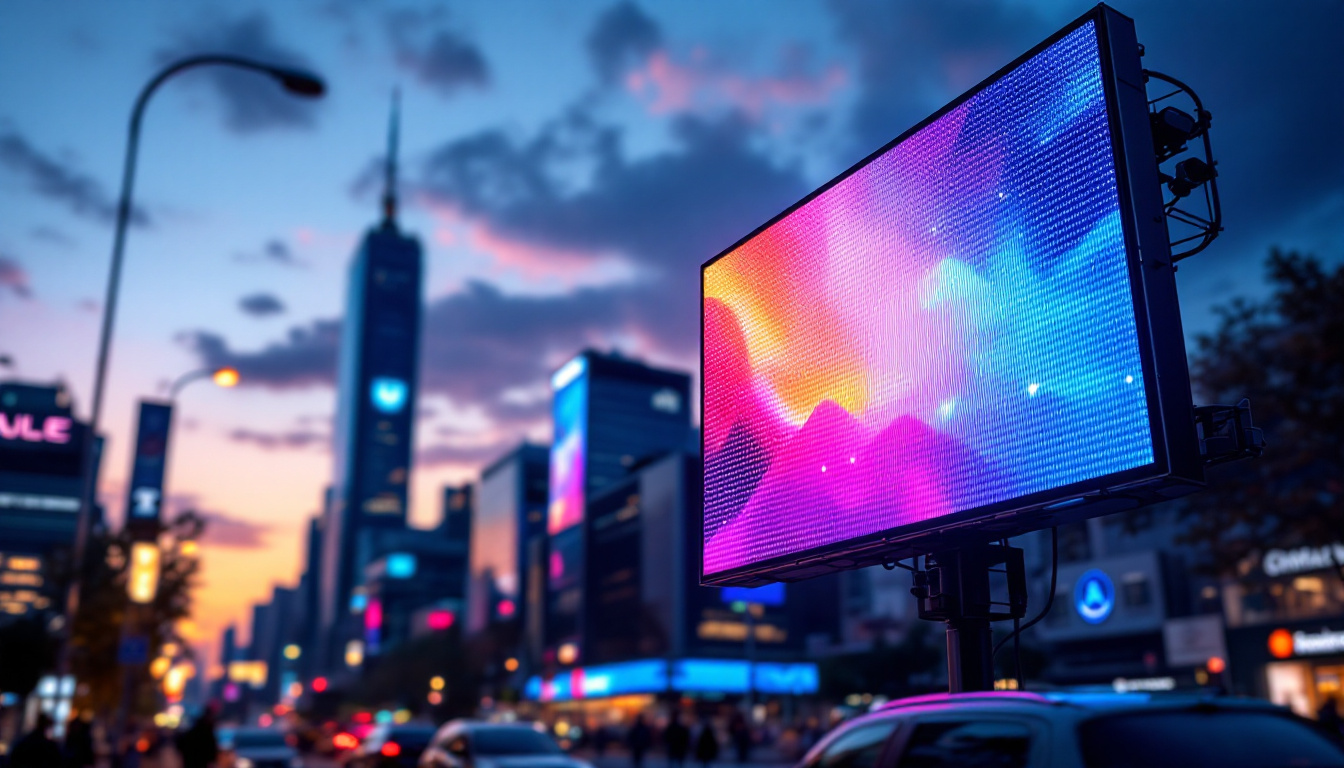
One of the standout features of LED display walls is their exceptional brightness. LED panels can achieve brightness levels exceeding 1,000 nits, which is significantly higher than typical LCD screens. This makes LED walls highly visible even in brightly lit environments such as shopping malls, airports, and outdoor venues.
High brightness also contributes to better image clarity and color vibrancy, ensuring that content remains crisp and engaging regardless of ambient light conditions.
Color Accuracy and Contrast
LED displays offer superior color accuracy and contrast ratios compared to other display technologies. Because each LED pixel emits its own light, the display can achieve true blacks by simply turning off pixels in dark areas of the image. This results in deeper blacks and more dynamic images, enhancing the overall viewing experience.
Accurate color reproduction is essential for applications like digital signage, broadcasting, and control rooms, where precise visuals can impact communication and decision-making.
Scalability and Flexibility
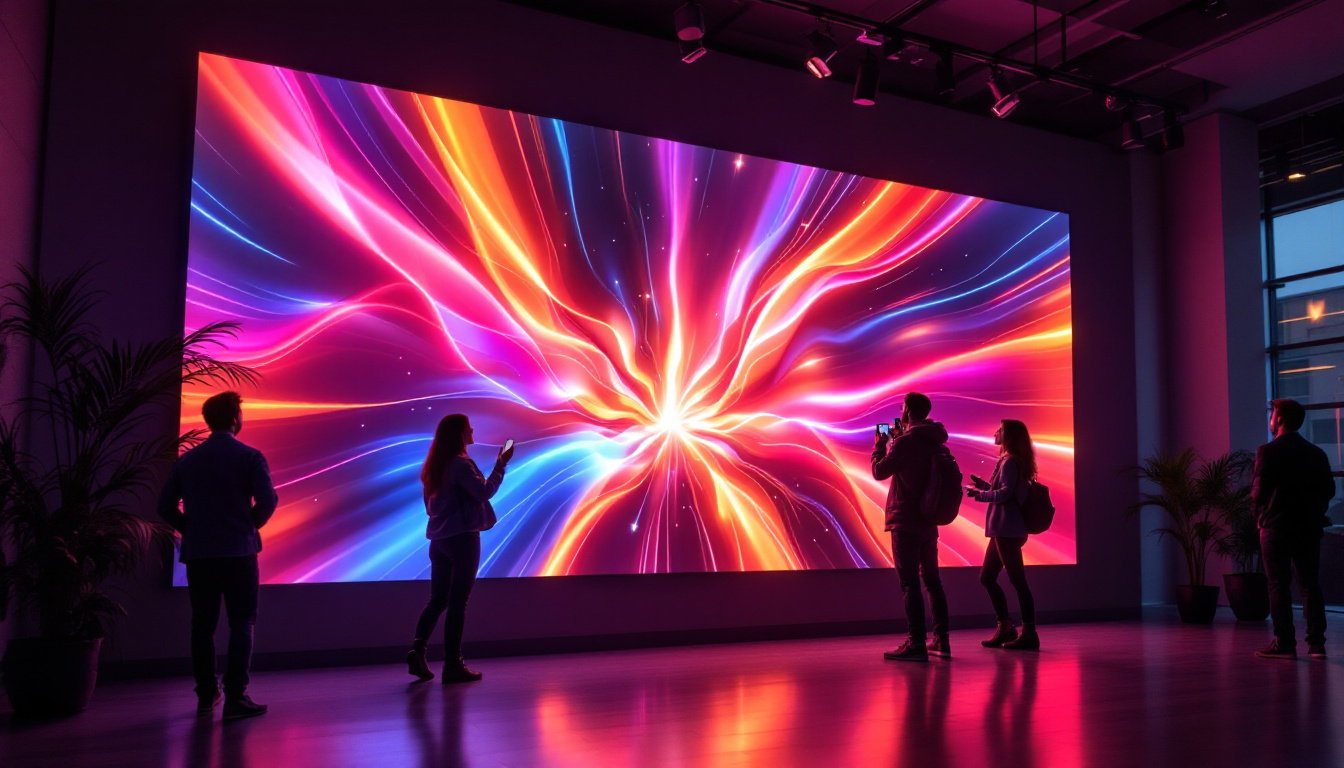
Modular LED panels can be combined in virtually any configuration, allowing for custom sizes and aspect ratios. This flexibility enables designers and architects to create unique installations that fit specific spatial requirements and aesthetic goals.
Additionally, LED video walls can be curved, angled, or shaped to fit unconventional surfaces, expanding creative possibilities beyond traditional flat screens.
Durability and Longevity
LED technology is known for its durability and long lifespan. High-quality LED panels can operate continuously for over 100,000 hours with minimal degradation in brightness or color quality. This makes LED display walls a cost-effective investment over time, especially when compared to other technologies that may require more frequent replacement or maintenance.
Moreover, many LED panels are designed to withstand harsh environmental conditions, including temperature fluctuations, humidity, and dust, making them suitable for both indoor and outdoor use.
Applications of LED TV Board Walls
Corporate and Conference Rooms
In corporate environments, LED board walls have become an essential tool for presentations, video conferencing, and data visualization. Their large size and high resolution allow for detailed content to be displayed clearly to all participants, improving collaboration and communication.
Companies often use LED walls to display dashboards, live feeds, or branding content, creating a professional and dynamic atmosphere in meeting spaces.
Retail and Advertising
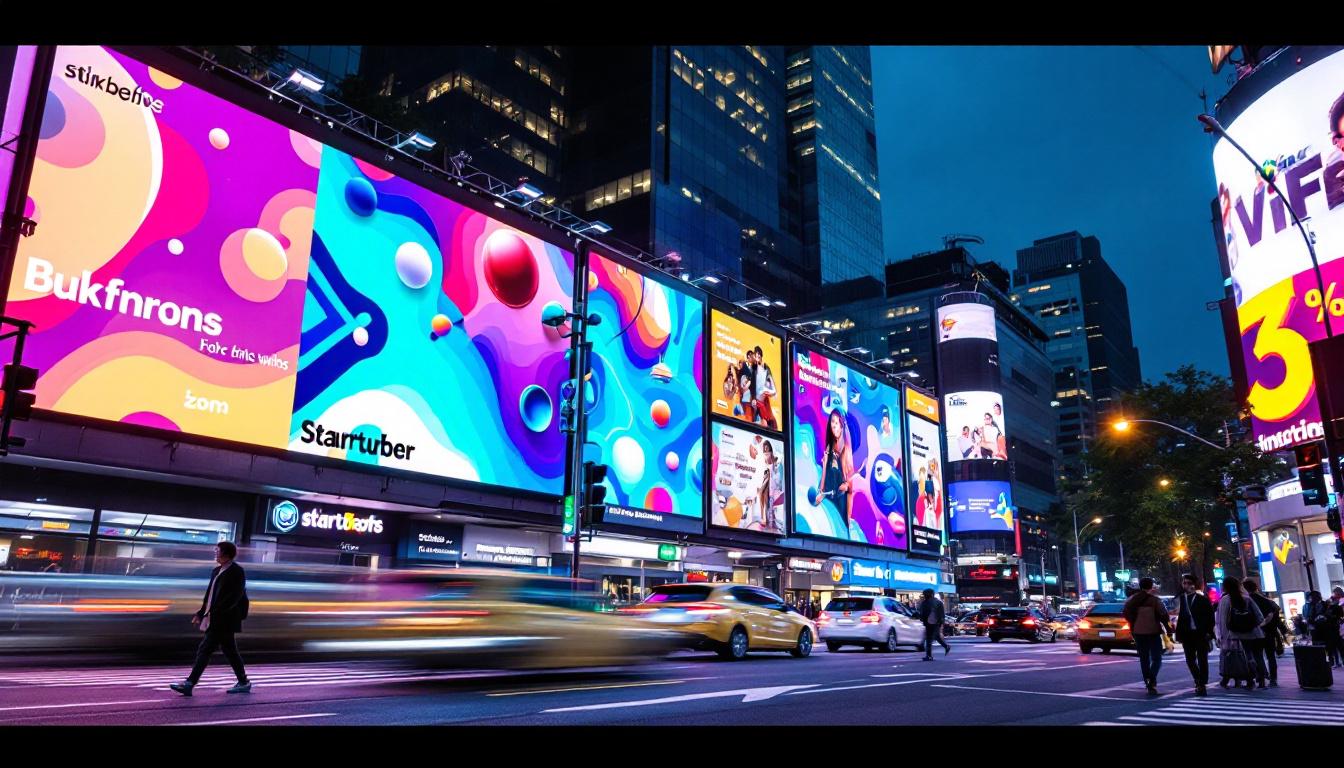
Retailers leverage LED display walls to capture customer attention and enhance the shopping experience. Bright, colorful, and dynamic content displayed on LED walls can promote products, announce sales, or create immersive brand experiences.
According to recent market research, digital signage using LED technology has been shown to increase customer engagement by up to 30%, making it a powerful marketing tool.
Control Rooms and Command Centers
For industries such as transportation, utilities, and public safety, LED video walls are critical for monitoring and managing complex operations. The ability to display multiple data streams simultaneously on a large, clear screen helps operators make informed decisions quickly.
High resolution and real-time data rendering are essential features in these environments, where accuracy and speed are paramount.
Entertainment and Events
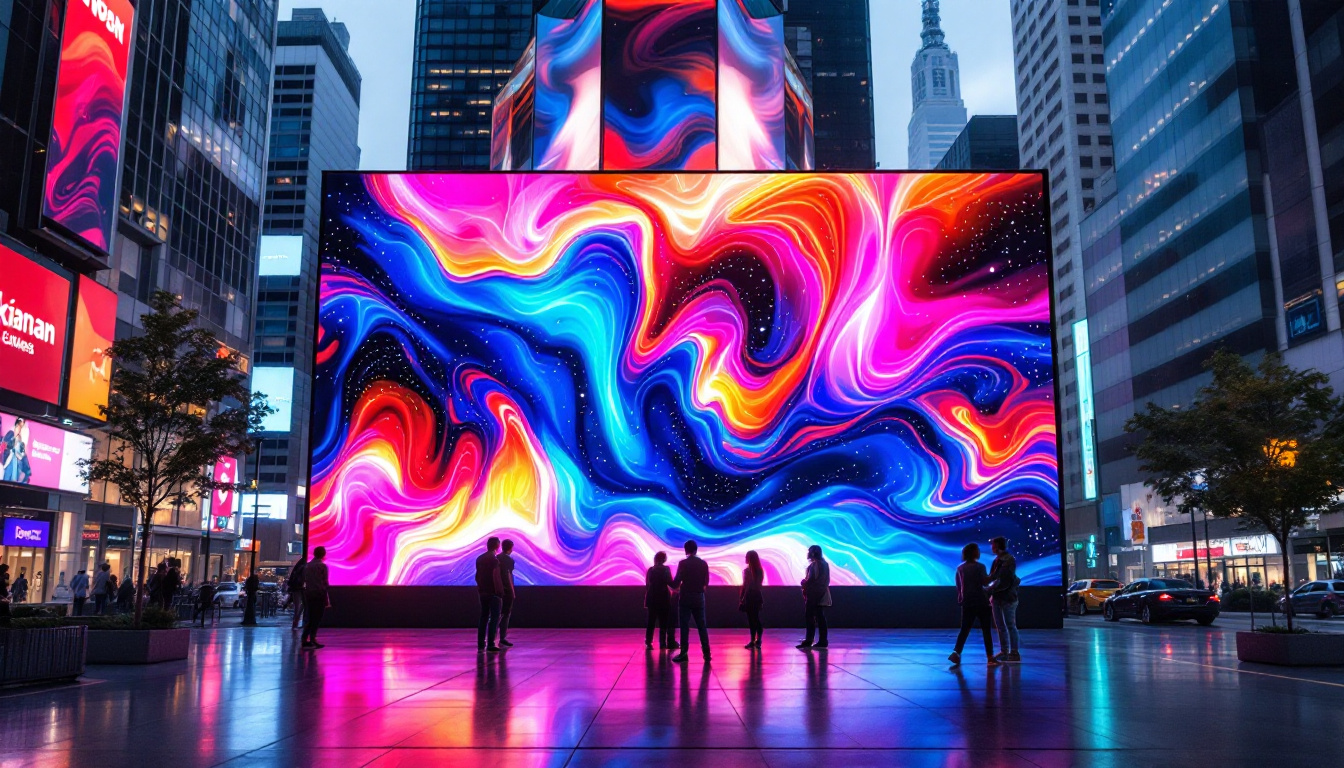
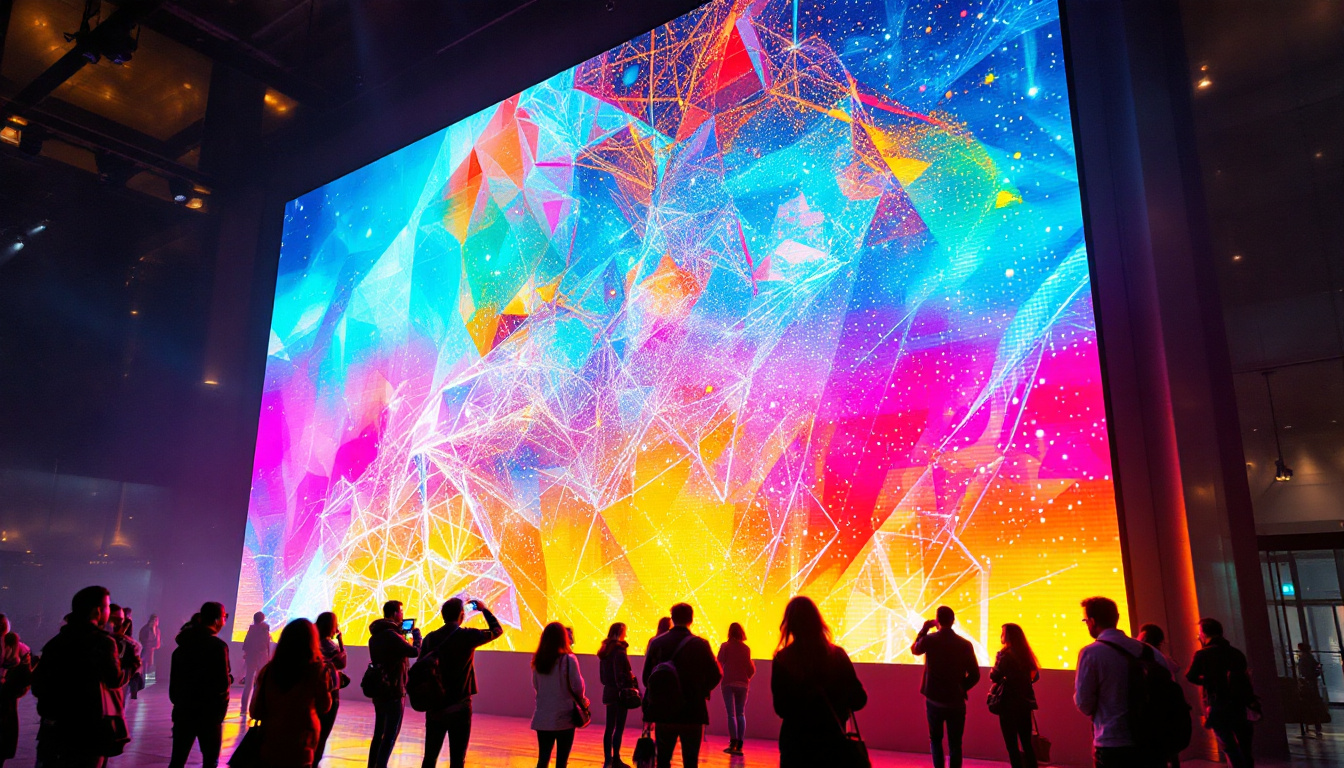
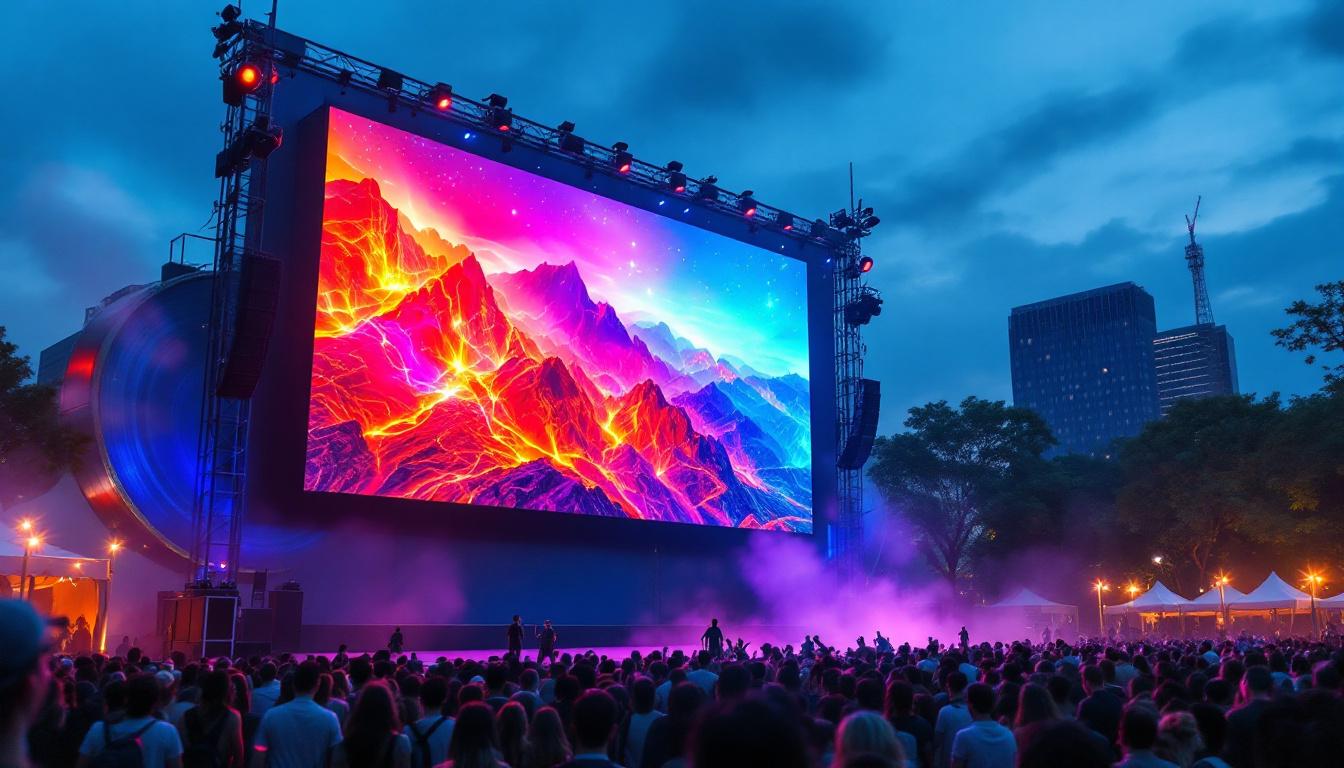
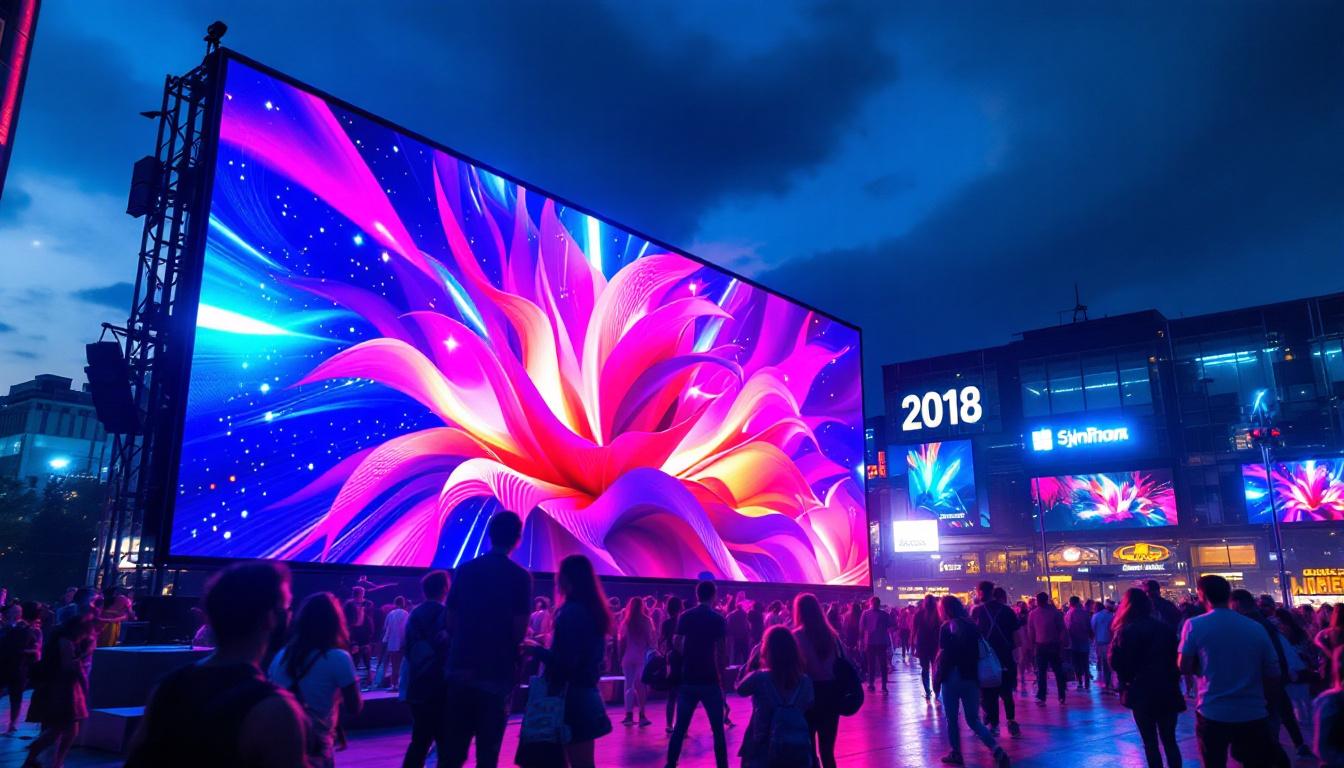
Concerts, sports arenas, and theaters frequently use LED board walls to deliver immersive visual experiences to large audiences. The scalability and brightness of LED displays make them ideal for both indoor and outdoor events, ensuring visibility from every seat.
Moreover, the ability to customize content and synchronize multiple screens allows for creative storytelling and enhanced audience engagement.
Technical Considerations When Choosing an LED Display Wall
Pixel Pitch and Resolution
Pixel pitch refers to the distance between the centers of two adjacent pixels and is measured in millimeters. It is a critical factor that determines the resolution and viewing distance of an LED display wall. Smaller pixel pitches mean higher resolution and sharper images, making them suitable for close viewing environments.
For example, a pixel pitch of 1.2mm to 2.5mm is ideal for indoor boardrooms or retail spaces where viewers are close to the screen. Larger pixel pitches, such as 4mm to 10mm, are more appropriate for outdoor or large venue installations where viewers are farther away.
Brightness and Ambient Light Conditions
Understanding the ambient light conditions of the installation site is essential when selecting an LED display. Indoor environments generally require lower brightness levels (around 600 to 1,000 nits), while outdoor installations need much higher brightness (up to 5,000 nits or more) to combat sunlight and glare.
Choosing the right brightness level ensures optimal visibility without unnecessary power consumption or heat generation.
Refresh Rate and Color Depth
The refresh rate, measured in hertz (Hz), indicates how many times per second the display updates its image. Higher refresh rates reduce flicker and improve the smoothness of motion, which is particularly important for video content and live broadcasts.
Color depth refers to the number of colors the display can reproduce. Higher color depth results in more accurate and vibrant images. Modern LED displays typically support 16-bit or higher color depth, enabling billions of colors.
Installation and Maintenance
Proper installation is crucial for achieving a seamless and reliable LED board wall. This includes considerations such as structural support, power supply, cooling, and cabling. Professional installation services often provide calibration and alignment to ensure uniform brightness and color across the entire wall.
Maintenance access is another important factor. Many LED panels are designed with front or rear serviceability, allowing technicians to replace modules or components without dismantling the entire wall, minimizing downtime.
Cost Factors and ROI of LED Display Walls
Initial Investment
The upfront cost of LED display walls can be significant, especially for high-resolution, large-format installations. Factors influencing cost include pixel pitch, panel size, brightness, and additional features such as weatherproofing or advanced control systems.
However, prices have steadily decreased over the past decade due to advances in manufacturing and increased competition, making LED walls more accessible to a broader range of businesses and institutions.
Operational Costs
LED displays are energy-efficient compared to other large-scale display technologies, but they still consume considerable power, especially at high brightness levels. Operational costs include electricity, routine maintenance, and potential repairs.
Investing in energy-efficient models and implementing smart power management can reduce these ongoing expenses.
Return on Investment (ROI)
The ROI of an LED board wall depends on its application. For retail and advertising, the ability to attract and engage customers can translate directly into increased sales and brand awareness. In corporate settings, improved communication and collaboration can enhance productivity.
Furthermore, the durability and long lifespan of LED displays contribute to a lower total cost of ownership over time, making them a financially sound choice for many organizations.
Future Trends in LED Display Technology
MicroLED and MiniLED Innovations
Emerging technologies like MicroLED and MiniLED promise to push the boundaries of LED display performance even further. MicroLEDs are much smaller than traditional LEDs, enabling even higher resolution and thinner panels. They offer exceptional brightness, contrast, and energy efficiency, making them ideal for next-generation video walls.
MiniLED technology enhances backlighting in LCD displays by using thousands of tiny LEDs, improving contrast and brightness without the cost of full direct-view LED walls.
Integration with Smart Technologies
LED display walls are increasingly integrated with smart control systems, artificial intelligence, and Internet of Things (IoT) devices. This integration allows for dynamic content management, real-time analytics, and automated adjustments based on environmental conditions or audience behavior.
Such advancements will enable more personalized and impactful visual experiences in the near future.
Eco-Friendly and Sustainable Solutions
As sustainability becomes a priority, manufacturers are focusing on reducing the environmental impact of LED displays. Innovations include the use of recyclable materials, energy-efficient components, and manufacturing processes that minimize waste.
Consumers and businesses alike are demanding greener solutions, driving the industry toward more sustainable LED display technologies.
Conclusion
LED display walls have revolutionized the way large-format visual content is presented across various industries. Their superior brightness, color accuracy, scalability, and durability make them an ideal choice for applications ranging from corporate boardrooms to outdoor advertising and entertainment venues.
Understanding the technical aspects, advantages, and practical considerations of LED technology is essential for making informed decisions when investing in a TV board wall. As LED technology continues to evolve, future innovations promise even greater performance, flexibility, and sustainability, ensuring that LED display walls will remain at the forefront of digital display solutions.
Discover LumenMatrix’s Innovative LED Displays
Ready to elevate your space with the cutting-edge technology of LED display walls? LumenMatrix is at the forefront of LED innovation, offering a wide range of solutions tailored to your needs. From captivating Indoor and Outdoor LED Wall Displays to dynamic Vehicle and Sports LED Displays, our products are designed to make your brand stand out. Experience the future of visual communication with our All-in-One LED Displays, LED Transparent Displays, and more. Check out LumenMatrix LED Display Solutions today and transform your visual storytelling with brilliance and precision.