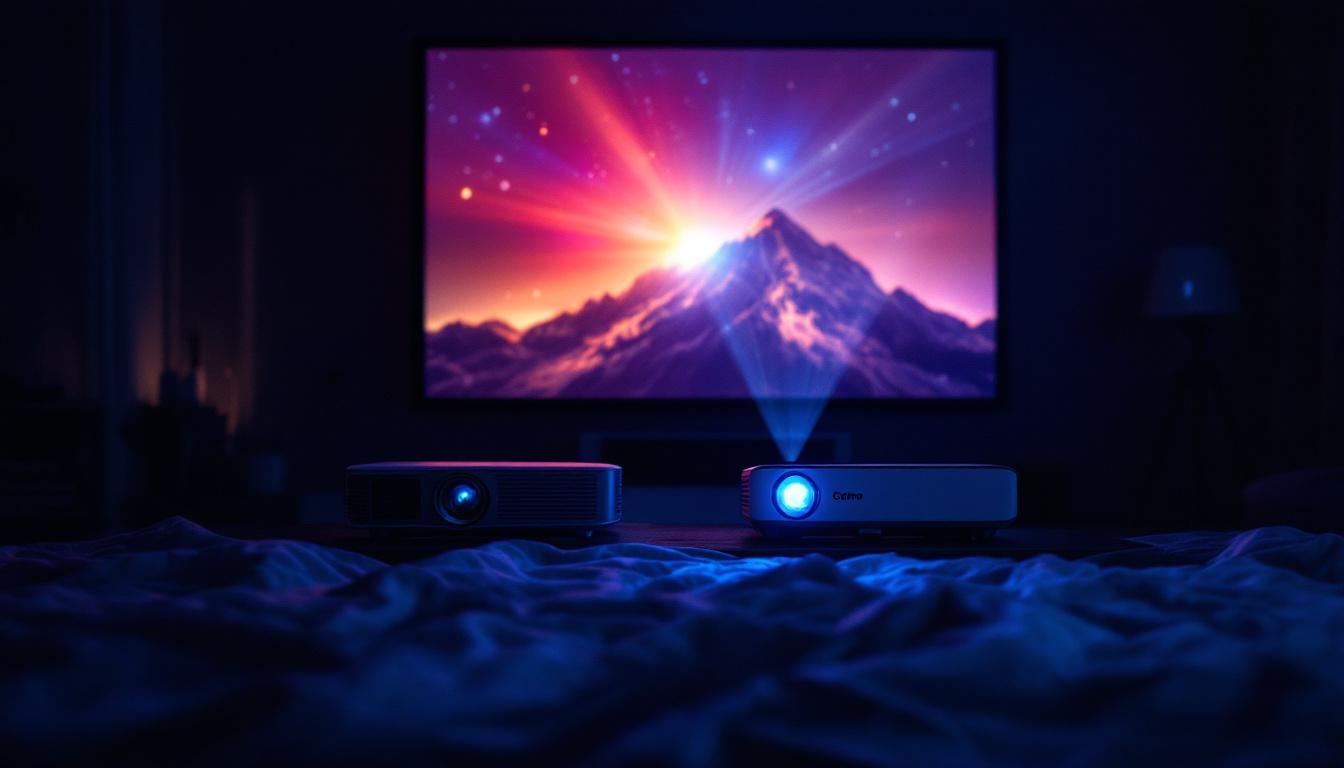
Projectors have become an essential part of modern entertainment, education, and professional presentations. Whether for home theaters, classrooms, or business meetings, choosing the right projector can significantly impact the viewing experience. Among the various types of projectors available, LED projectors and traditional bulb projectors are two of the most common options. Understanding the differences between these technologies is crucial for making an informed purchase decision.
Understanding Projector Technologies: LED and Bulb
Before diving into the comparison, it’s important to understand how LED and bulb projectors work fundamentally. Both use light sources to project images onto a screen, but the technology behind the light source and image creation differs significantly.
What is an LED Projector?
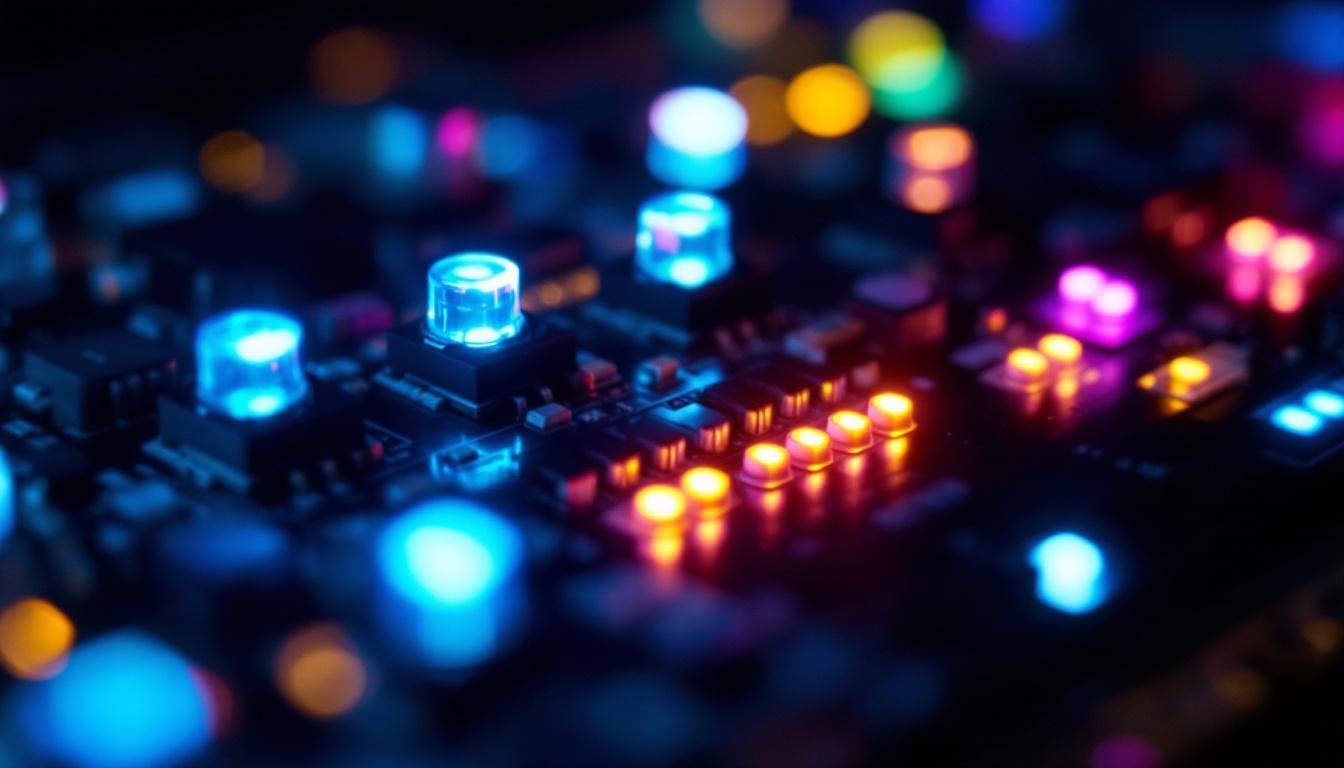
LED projectors utilize light-emitting diodes (LEDs) as their primary light source. LEDs are semiconductor devices that emit light when an electric current passes through them. In projectors, red, green, and blue LEDs combine to produce a full spectrum of colors, which are then projected through lenses onto a screen.
LED projectors are often compact and energy-efficient. They have gained popularity due to their long lifespan and lower heat output compared to traditional lamps.
What is a Bulb Projector?
Bulb projectors, often referred to as lamp-based projectors, use high-intensity discharge (HID) lamps, such as metal halide or UHP (ultra-high performance) lamps, as their light source. These bulbs produce a very bright light, which is essential for projecting clear images in various lighting conditions.
Traditional bulb projectors have been the industry standard for decades, offering high brightness and color accuracy, but they come with some maintenance requirements and limitations.
Brightness and Image Quality: Which One Shines Brighter?
Brightness is a critical factor when selecting a projector, especially if the environment has ambient light. It is measured in lumens, and the higher the lumens, the brighter the projector’s image will be.
Bulb Projectors: Superior Brightness for Larger Venues
Bulb projectors generally offer higher brightness levels compared to LED projectors. Typical lamp-based projectors can reach brightness levels of 2,000 to 5,000 lumens or more, making them ideal for large conference rooms, auditoriums, and outdoor settings where ambient light is hard to control.
This superior brightness ensures that images remain sharp and vibrant even in well-lit environments, which is why bulb projectors are favored for professional and educational settings.
LED Projectors: Brightness Limitations and Advances
Historically, LED projectors have lagged behind bulb projectors in terms of brightness, with many models producing between 500 and 1,500 lumens. This made them more suitable for dark rooms or home theaters where ambient light can be minimized.
However, recent advancements in LED technology have improved brightness levels significantly. Some high-end LED projectors now approach 2,000 lumens, narrowing the gap with bulb projectors. Despite these improvements, LED projectors still tend to perform best in controlled lighting environments.
Lifespan and Maintenance: Cost and Convenience Over Time
One of the most significant differences between LED and bulb projectors lies in their lifespan and maintenance requirements, which directly impact the total cost of ownership.
LED Projectors: Long-Lasting and Low Maintenance
LED light sources are known for their longevity. Most LED projectors boast lifespans ranging from 20,000 to 30,000 hours, which translates to many years of use without needing replacement. This durability is because LEDs degrade slowly and are less prone to sudden failure.
Additionally, LED projectors generate less heat, reducing the need for complex cooling systems and lowering the risk of overheating. This results in quieter operation and fewer maintenance hassles.
Bulb Projectors: Higher Maintenance and Replacement Costs
Bulb projectors typically have lamp lifespans between 2,000 and 5,000 hours, depending on the model and usage conditions. After this period, the bulb needs to be replaced, which can be costly—replacement lamps often range from $100 to $300 or more.
Moreover, lamp brightness diminishes over time, meaning image quality can degrade before the bulb fails completely. Bulb projectors also generate more heat, requiring regular cleaning of filters and cooling systems to maintain optimal performance.
Color Accuracy and Contrast: Which Technology Delivers Better Visuals?
Color reproduction and contrast ratio are vital for delivering vivid, lifelike images. These factors influence how deeply blacks appear and how accurately colors are rendered.
LED Projectors: Vibrant Colors and High Contrast
LED projectors excel in color accuracy due to the nature of LED light sources. LEDs produce pure, saturated colors, which result in a wider color gamut and more vibrant images. Additionally, LED projectors typically have better contrast ratios, providing deeper blacks and more nuanced shading.
For users prioritizing cinematic quality or detailed visuals, LED projectors offer a compelling advantage in image fidelity.
Bulb Projectors: Reliable Color Performance with Some Limitations
Bulb projectors provide consistent color performance and can achieve high brightness levels, but their color gamut is generally narrower compared to LED projectors. The light from traditional lamps is less pure, which can sometimes result in less saturated colors.
However, many high-end bulb projectors incorporate advanced color processing technologies to enhance image quality, making them suitable for professional use where color accuracy is essential.
Portability and Design: Which Fits Your Lifestyle?
The physical size and design of a projector can influence where and how it can be used. Portability is especially important for users who need to move their projector frequently or use it in different locations.
LED Projectors: Compact and Lightweight
LED projectors are often smaller and lighter than their bulb counterparts. The compact design results from the smaller LED light sources and reduced cooling requirements. Many LED projectors are pocket-sized or easily portable, making them ideal for on-the-go presentations, travel, or casual home use.
Some models even offer built-in batteries, enhancing their portability further.
Bulb Projectors: Larger and Heavier
Due to the size of the lamp and the necessary cooling systems, bulb projectors tend to be bulkier and heavier. While there are portable models, they generally require more setup and are less convenient for frequent transport.
For permanent installations in conference rooms or home theaters, the size and weight of bulb projectors are less of a concern.
Energy Efficiency and Environmental Impact
Energy consumption and environmental considerations are increasingly important for consumers and organizations aiming to reduce their carbon footprint.
LED Projectors: Energy-Efficient and Eco-Friendly
LED projectors consume significantly less power than bulb projectors. LEDs convert electricity into light more efficiently, reducing energy usage and operational costs. Additionally, the longer lifespan of LEDs means fewer replacements and less waste.
LEDs also do not contain hazardous materials like mercury, which is found in many traditional projector lamps, making LED projectors a more environmentally responsible choice.
Bulb Projectors: Higher Energy Use and Waste Concerns
Bulb projectors consume more power to achieve their higher brightness levels, which can lead to higher electricity bills over time. The frequent need to replace lamps generates waste, and the disposal of mercury-containing bulbs requires special handling to avoid environmental contamination.
While bulb projectors remain effective, their environmental impact is a consideration for eco-conscious users.
Cost Comparison: Initial Investment vs. Long-Term Value
Cost is often a decisive factor when choosing between LED and bulb projectors. It’s important to consider both the upfront price and ongoing expenses.
LED Projectors: Higher Upfront Cost but Lower Maintenance
LED projectors generally have a higher initial purchase price compared to entry-level bulb projectors. This premium reflects the advanced technology and longer lifespan of the LEDs.
However, the reduced need for lamp replacements and lower energy consumption can make LED projectors more cost-effective over time, especially for users with frequent or extended use.
Bulb Projectors: Lower Initial Cost but Higher Operating Expenses
Bulb projectors are often more affordable initially, making them attractive for budget-conscious buyers. Yet, the cost of replacement lamps and higher energy consumption can add up, increasing the total cost of ownership.
For occasional use or environments where maximum brightness is essential, bulb projectors may still offer the best value.
Use Cases: Which Projector is Right for You?
Choosing between LED and bulb projectors ultimately depends on the intended use, environment, and priorities of the user.
Ideal Scenarios for LED Projectors
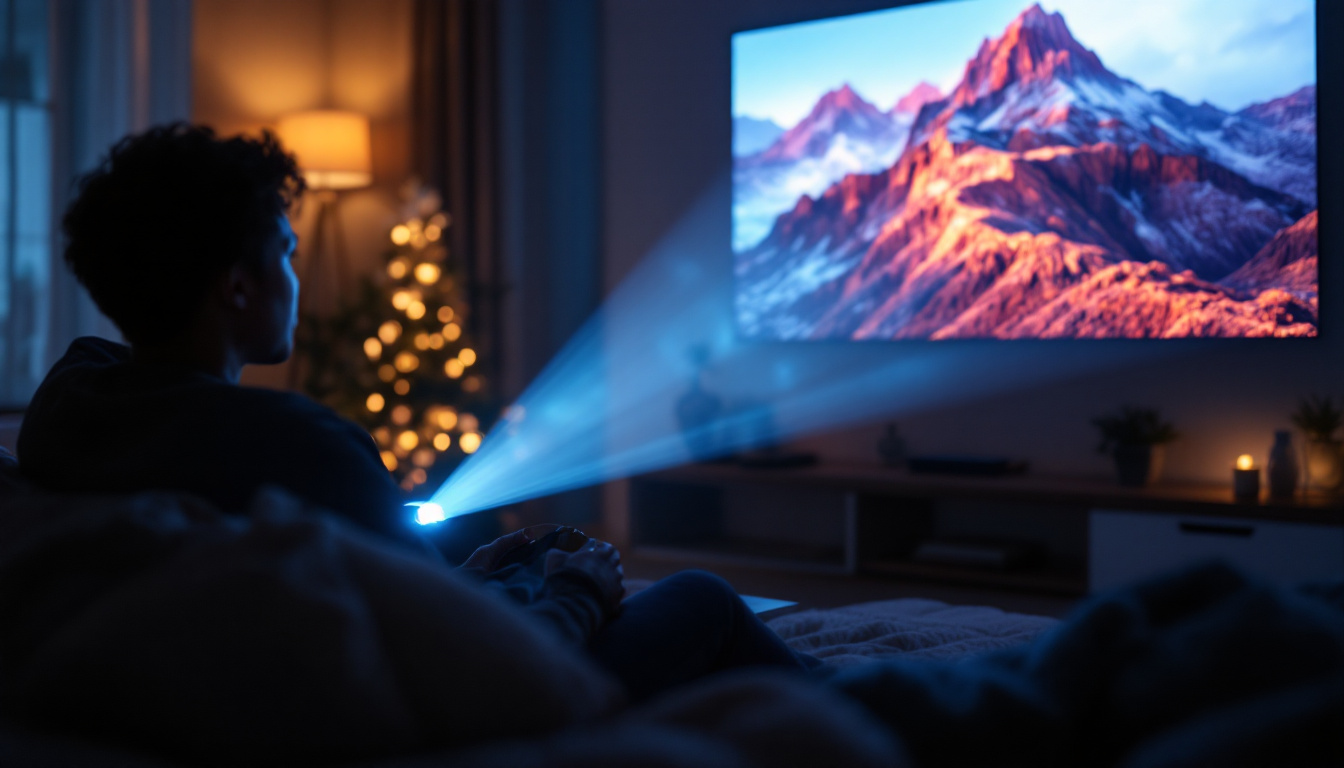
- Home Theater Enthusiasts: LED projectors provide excellent color accuracy and contrast, perfect for movie nights in dark rooms.
- Portable Presentations: Their compact size and low power consumption make them ideal for business professionals on the move.
- Classrooms and Small Meeting Rooms: Where ambient light can be controlled, and maintenance simplicity is valued.
- Eco-Conscious Users: Those seeking energy-efficient and environmentally friendly technology.
Ideal Scenarios for Bulb Projectors
- Large Venues and Auditoriums: The high brightness of bulb projectors ensures visibility even in bright environments.
- Long-Term Installations: Fixed installations where size and weight are less critical.
- Users Needing Maximum Brightness: For presentations or events where ambient light cannot be controlled.
- Budget-Conscious Buyers: Those prioritizing lower upfront costs over long-term maintenance.
Conclusion: Making an Informed Choice
The decision between an LED projector and a bulb projector hinges on several factors, including brightness needs, maintenance preferences, budget, and environmental considerations. LED projectors offer vibrant colors, long lifespan, energy efficiency, and portability, making them excellent for home use, small venues, and eco-conscious users. Bulb projectors, with their superior brightness and proven reliability, remain the go-to choice for large venues and professional settings requiring maximum luminosity.
As LED technology continues to advance, the gap between these two projector types is narrowing, offering consumers more options than ever before. Evaluating your specific requirements and usage scenarios will help ensure that you select the projector that best meets your needs.
Explore Cutting-Edge LED Display Solutions with LumenMatrix
Ready to elevate your visual experience with the latest in LED display technology? LumenMatrix is at the forefront of innovation, offering a wide array of LED display solutions tailored to your needs. From dynamic Indoor and Outdoor LED Wall Displays to versatile Vehicle and Custom LED Displays, our products are designed to captivate and engage your audience. Discover the transformative power of LED displays and how they can enhance your brand’s visibility. Check out LumenMatrix LED Display Solutions today and step into the future of visual communication.