In today’s fast-paced world, timekeeping devices have evolved far beyond traditional analog clocks. Among the innovations, digital projection clocks with LED displays have gained significant popularity for their convenience, clarity, and modern aesthetics. This article delves into the technology behind digital projection clocks, focusing on the LED display aspect, and explores why these devices have become a staple in many homes and offices.
Understanding Digital Projection Clocks
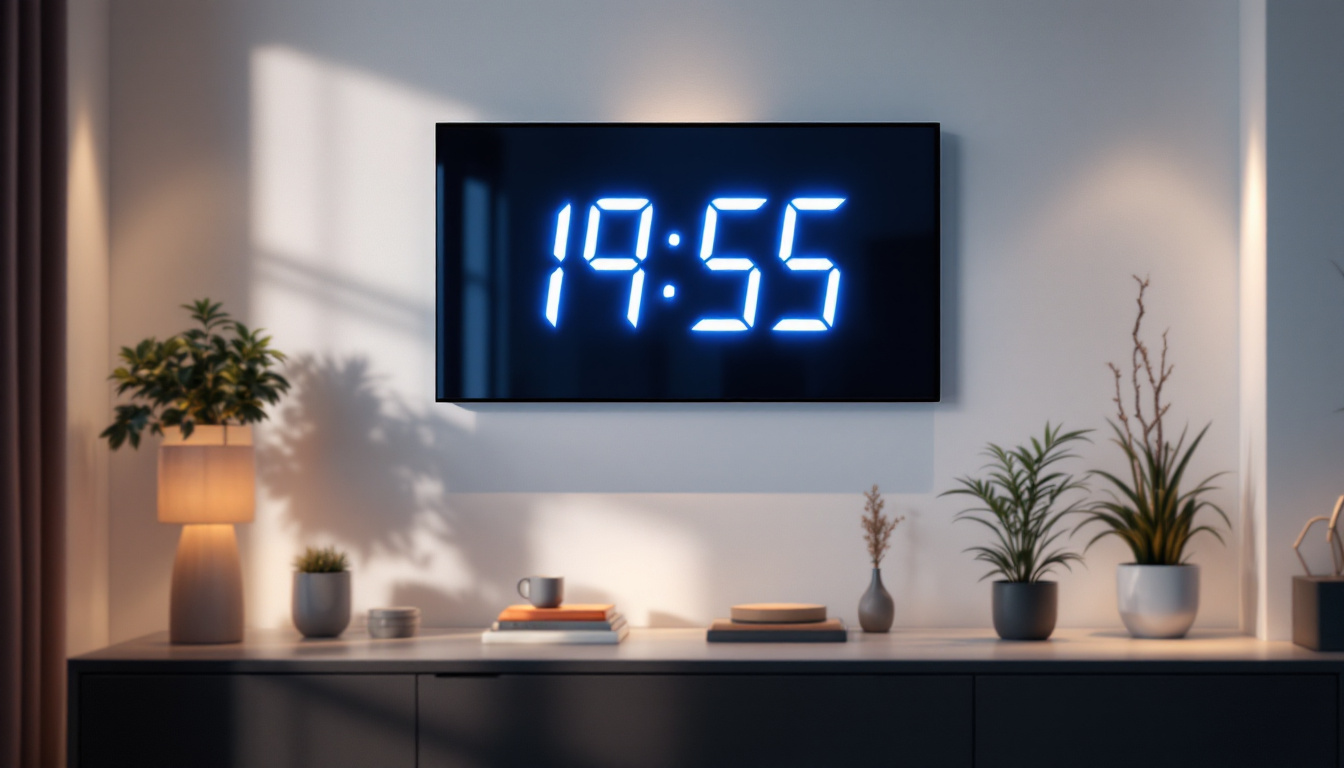
Digital projection clocks combine two essential features: a digital time display and a projection system that casts the time onto a surface such as a wall or ceiling. This dual functionality allows users to view the time easily without needing to look directly at the clock face.
Unlike traditional clocks that rely on mechanical hands or simple LED displays, projection clocks use light technology to project the time in large, clear digits. This is especially useful during the night or in low-light environments where glancing at a bedside clock can be disruptive. The convenience of simply rolling over in bed to see the time projected on the ceiling can significantly enhance the sleep experience, reducing the need for bright bedside lamps that can disturb your partner or disrupt your own sleep cycle.
How Projection Works
The projection component typically uses a small LED or laser light source combined with lenses to focus and enlarge the time display onto a surface. The projected image is usually bright enough to be visible in a dark room but adjustable to avoid glare or excessive brightness. Some models even offer different color options for the projection, allowing users to choose a hue that is soothing or matches their bedroom decor.
Many modern projection clocks allow the projection angle to be adjusted, so users can customize where the time appears—be it on the ceiling, wall, or another convenient spot. This flexibility enhances usability and comfort, particularly for nighttime viewing. Additionally, many of these clocks come equipped with features such as alarms, temperature displays, and even ambient light sensors that automatically adjust the brightness of the projection based on the surrounding light levels. These features not only make the clock more functional but also add a layer of sophistication to the user experience, catering to both practicality and aesthetic preferences.
The Role of LED Displays in Projection Clocks
At the heart of most digital projection clocks lies the LED (Light Emitting Diode) display. Understanding how LED technology works is crucial to appreciating why these clocks are both energy-efficient and visually effective.
What is an LED Display?
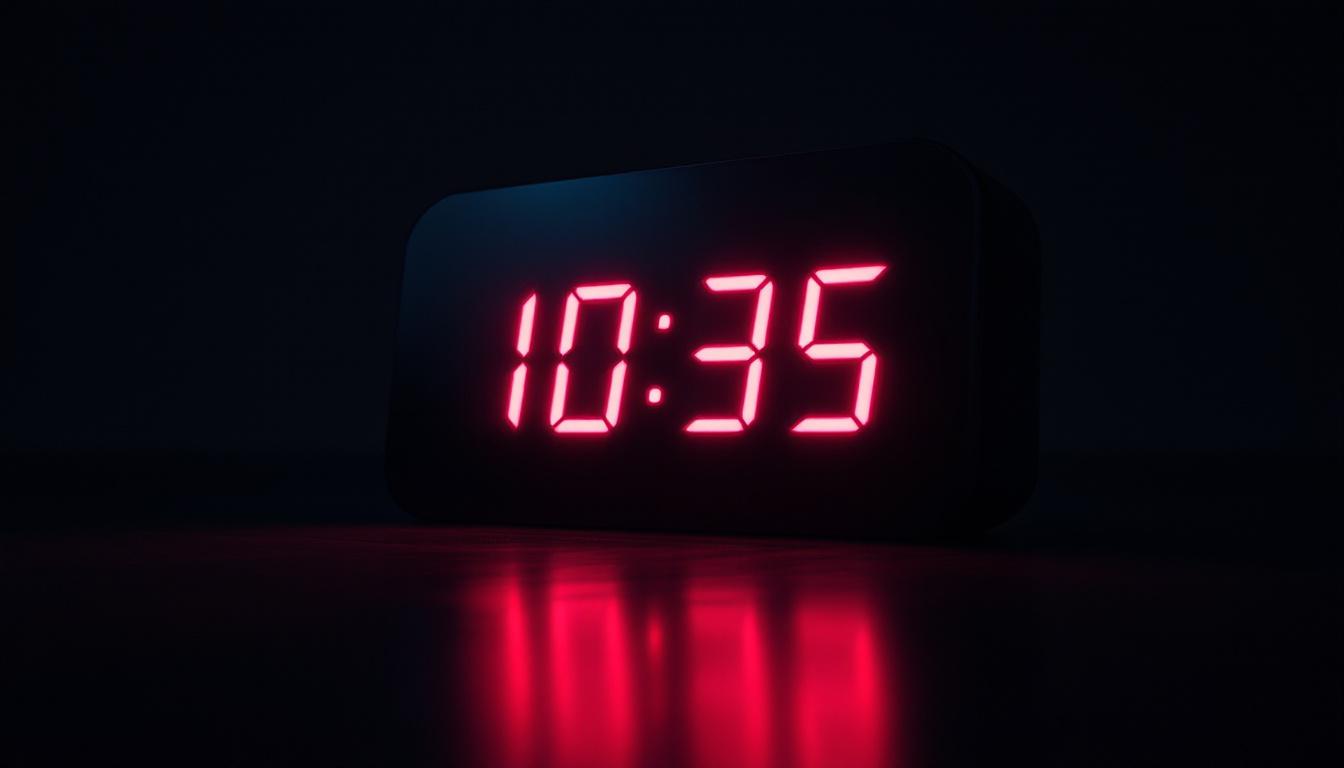
An LED display consists of an array of tiny light-emitting diodes that illuminate to form numbers or characters. Unlike LCD (Liquid Crystal Display) screens, which rely on backlighting and liquid crystals to display images, LED displays emit their own light. This results in brighter, clearer, and more vibrant digits that are easy to read from a distance.
LEDs are known for their longevity and low power consumption, making them ideal for devices like projection clocks that require continuous operation, often powered by batteries or low-voltage adapters. The durability of LEDs means that they can last for tens of thousands of hours, significantly outpacing traditional incandescent bulbs and even many other display technologies. This longevity translates into less frequent replacements and lower maintenance costs, which is a significant advantage for users who prefer hassle-free timekeeping solutions.
Advantages of LED Displays in Projection Clocks
One of the primary benefits of LED displays is their brightness. Even in well-lit rooms, the digits remain visible, which is essential for projection clocks that need to cast a clear image onto surfaces. Additionally, LEDs offer excellent contrast, ensuring the time is legible without straining the eyes. This high visibility is particularly beneficial for users who may need to check the time from across the room or during the night without turning on additional lights.
LED technology also supports a range of colors, although most projection clocks use red or green LEDs due to their visibility and energy efficiency. The choice of color can affect the perceived brightness and overall user comfort, especially during nighttime use. Red LEDs, for instance, are often favored for their softer glow, which is less likely to disrupt sleep patterns when viewed in a darkened environment. Moreover, some advanced projection clocks even incorporate customizable color settings, allowing users to select hues that match their personal preferences or bedroom decor, further enhancing the aesthetic appeal of the device.
Another notable advantage of LED displays in projection clocks is their rapid response time. Unlike some other display technologies that may experience lag or flicker, LEDs illuminate almost instantaneously, providing a seamless and fluid user experience. This characteristic is particularly important in projection clocks, where the ability to quickly display the correct time can be crucial, especially during moments of waking up or checking the time in a hurry. Furthermore, the compact size of LEDs allows for sleek and modern designs in projection clocks, making them not only functional but also stylish additions to any room.
Technical Components of a Digital Projection Clock
Beyond the LED display and projection lens, several other components work together to make digital projection clocks function seamlessly.
Microcontroller and Timekeeping Module
The microcontroller acts as the brain of the clock, managing timekeeping, display updates, and projection control. It typically interfaces with a real-time clock (RTC) module, which maintains accurate time even during power interruptions by using a backup battery.
Power Supply and Energy Efficiency
Most digital projection clocks operate on either AC power adapters or batteries. The LED display and projection system are designed to consume minimal power, which is particularly important for battery-operated models to ensure long-lasting use without frequent replacements.
Some clocks incorporate energy-saving features such as automatic dimming or motion sensors that activate the projection only when movement is detected nearby.
Projection Lens and Adjustment Mechanisms
The lens system is critical for focusing the LED-generated image and projecting it sharply onto a surface. High-quality lenses reduce distortion and maintain clarity, even at varying distances. Many clocks offer manual or motorized adjustment options, allowing users to rotate or tilt the projection for optimal viewing angles.
Practical Benefits of Digital Projection Clocks with LED Displays
Digital projection clocks offer several practical advantages that appeal to a wide range of users, from tech enthusiasts to those seeking convenience in everyday life.
Enhanced Nighttime Visibility
One of the most significant benefits is the ability to see the time without turning on a light or moving to look directly at a clock. The projection onto a ceiling or wall means users can check the time with a simple glance, reducing disruption to sleep patterns.
Accessibility for Visually Impaired Users
The large projected digits can be easier to read for individuals with visual impairments compared to small clock faces or smartphone screens. Adjustable brightness and positioning further enhance accessibility.
Modern Aesthetic and Space-Saving Design
Projection clocks often have sleek, compact designs that fit well in modern interiors. By projecting the time onto a surface, they reduce the need for large physical displays, saving space on bedside tables or desks.
Choosing the Right Digital Projection Clock
With numerous models available on the market, selecting the ideal digital projection clock involves considering several factors to match individual needs and preferences.
Display Quality and Brightness Control
Look for clocks that offer adjustable brightness settings for both the LED display and the projection. This ensures comfortable viewing in various lighting conditions and prevents glare that could interfere with sleep.
Projection Features and Flexibility
Consider the projection angle range and whether the clock allows for easy adjustments. Some advanced models include auto-rotation features that align the projection correctly regardless of the clock’s placement.
Additional Functionalities
Many digital projection clocks come with extra features such as alarm settings, temperature display, radio, or USB charging ports. Prioritize features that enhance usability without complicating the interface.
Power Options and Battery Life
Evaluate whether the clock runs on batteries, AC power, or both. Battery-operated clocks offer portability but may require frequent replacements, while AC-powered models provide continuous operation but need a nearby outlet.
Future Trends in Digital Projection Clock Technology
As technology advances, digital projection clocks continue to evolve, integrating smarter features and improved display technologies.
Integration with Smart Home Systems
Emerging models are increasingly compatible with smart home ecosystems, allowing users to control clock settings via voice commands or smartphone apps. This integration enhances convenience and personalization.
Enhanced Display Technologies
While LED remains dominant, research into micro-LED and OLED projection technologies promises even brighter, more energy-efficient, and flexible displays. These advancements could enable sharper projections with richer colors and lower power consumption.
Energy Harvesting and Sustainability
Future clocks may incorporate solar cells or kinetic energy harvesting to reduce reliance on batteries and external power sources, aligning with growing environmental concerns and sustainability goals.
Conclusion
Digital projection clocks with LED displays represent a fusion of innovative technology and practical design, offering users an intuitive and visually appealing way to keep track of time. Their bright, energy-efficient LED displays combined with flexible projection capabilities make them ideal for various environments, particularly bedrooms and offices.
Understanding the technology behind these clocks helps consumers make informed choices, ensuring they select models that meet their needs for visibility, convenience, and style. As the technology continues to advance, digital projection clocks are poised to become even more integrated into daily life, blending functionality with modern smart features.
Explore Cutting-Edge Timekeeping with LumenMatrix
As you embrace the future of timekeeping with digital projection clocks, why not enhance your experience with the latest in LED display technology? LumenMatrix, a pioneer in the field, offers an array of LED display solutions that bring your visual communication to life. From captivating Indoor and Outdoor LED Wall Displays to innovative Custom and All-in-One LED Displays, our products are designed to elevate your space and engage your audience. Don’t just keep up with the times—project them with brilliance and precision. Check out LumenMatrix LED Display Solutions today and transform the way you view time.