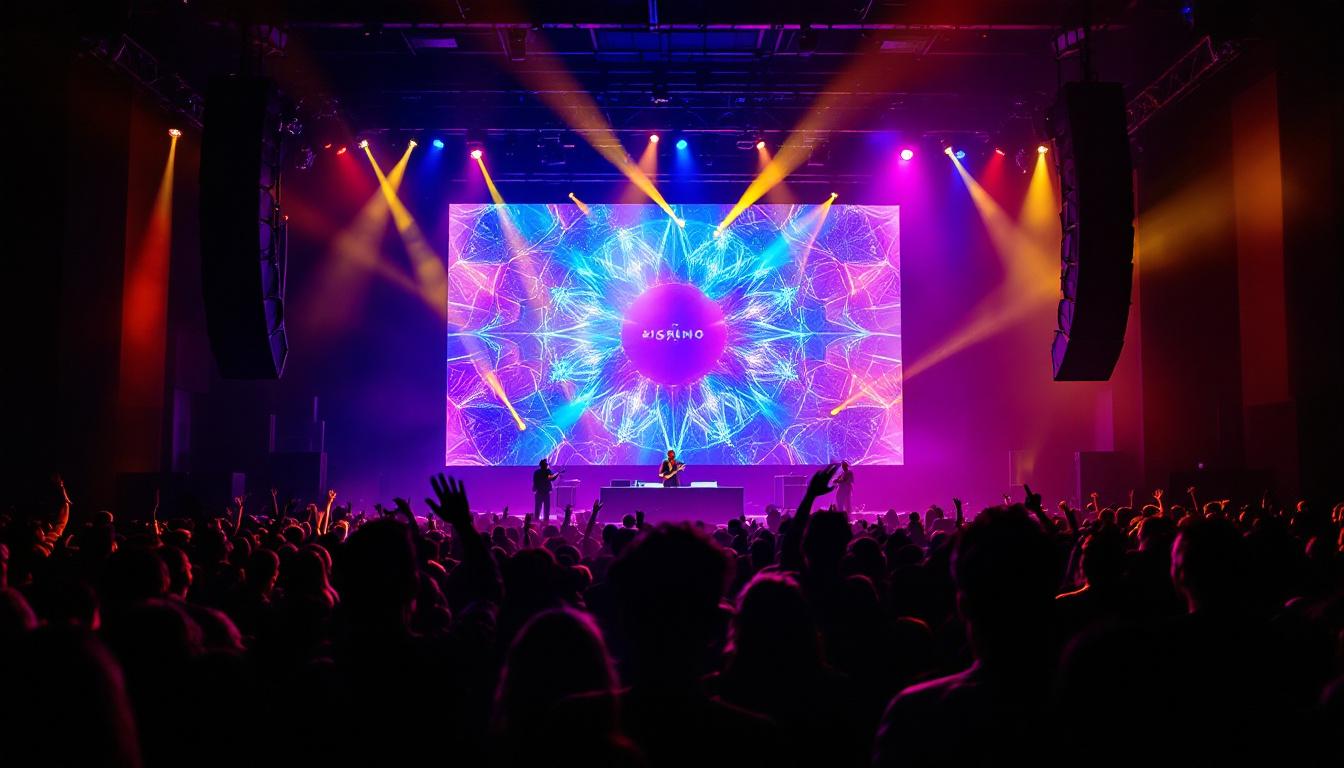
In the world of live events, concerts, theater productions, and corporate presentations, stage design plays a pivotal role in creating immersive and memorable experiences. Among the many elements that contribute to dynamic stage setups, LED displays have emerged as a cornerstone technology. Their versatility, brightness, and ability to display vivid visuals make them indispensable for modern stage design. This article delves into the intricacies of LED light stage design, explaining what LED displays are, how they work, and why they have become a game-changer in the entertainment and event industries.
Understanding LED Displays: The Backbone of Modern Stage Design
What is an LED Display?
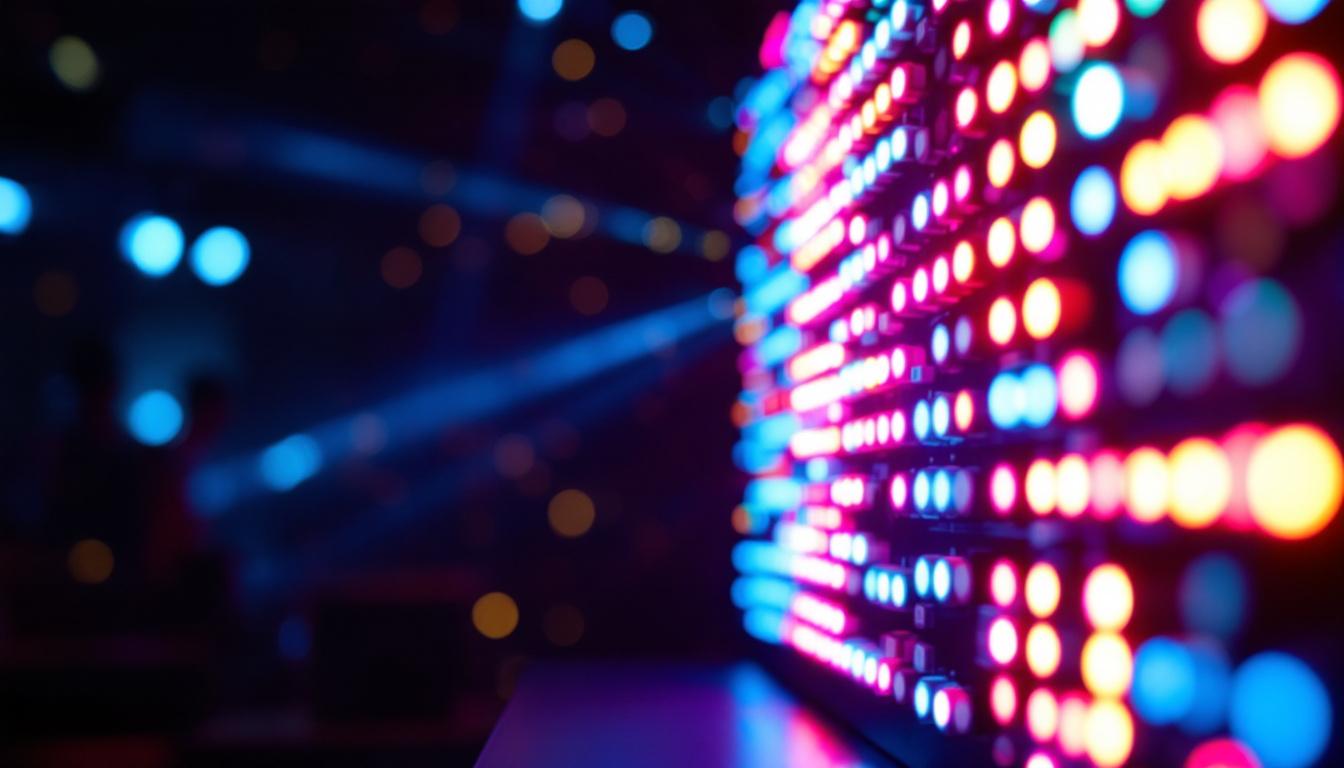
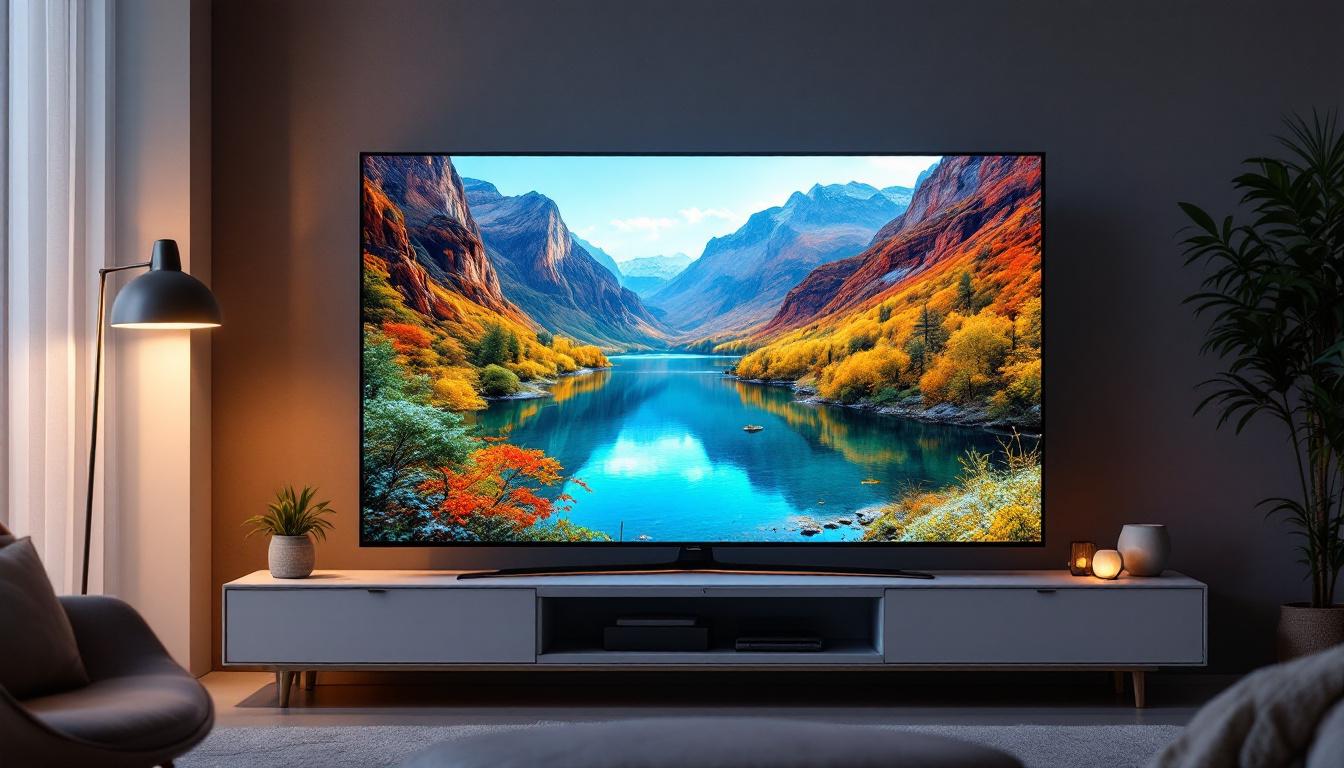
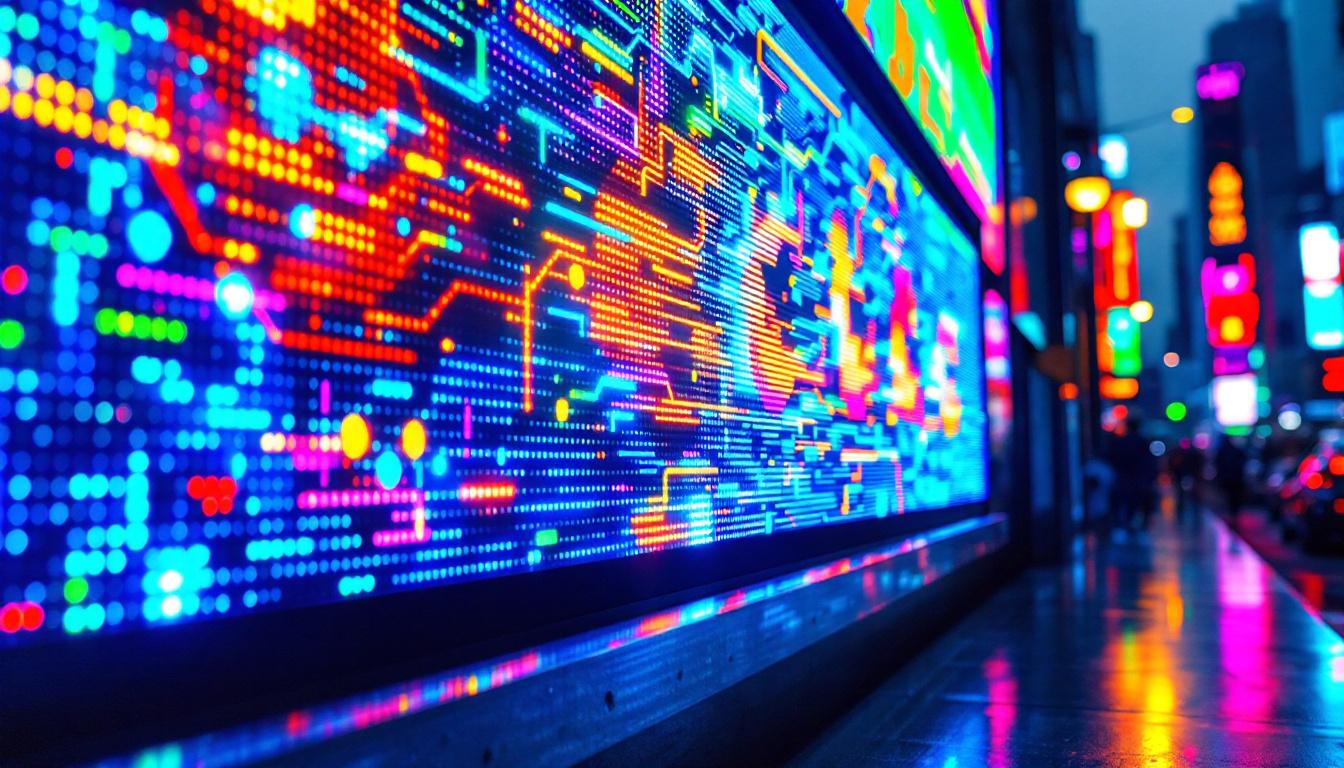
LED stands for Light Emitting Diode, a semiconductor device that emits light when an electric current passes through it. An LED display is essentially a large screen made up of thousands, sometimes millions, of these tiny LEDs arranged in a grid. Each LED acts as a pixel, capable of producing different colors and brightness levels.
Unlike traditional projection systems or LCD screens, LED displays emit their own light, which means they can produce exceptionally bright images that remain visible even in well-lit environments. This self-illumination property makes LED displays ideal for stage environments, where lighting conditions can vary dramatically. Furthermore, the rapid response time of LEDs allows for dynamic visuals that can change instantly, creating a captivating experience for the audience. This capability is particularly beneficial in live performances, where synchronization with music and choreography is essential for maintaining audience engagement.
Types of LED Displays Used in Stage Design
Stage designers typically choose from several types of LED displays depending on the event’s requirements, budget, and desired visual impact:
- Indoor LED Displays: Designed for controlled lighting environments, these displays offer high resolution and fine pixel pitch, making them perfect for close viewing distances.
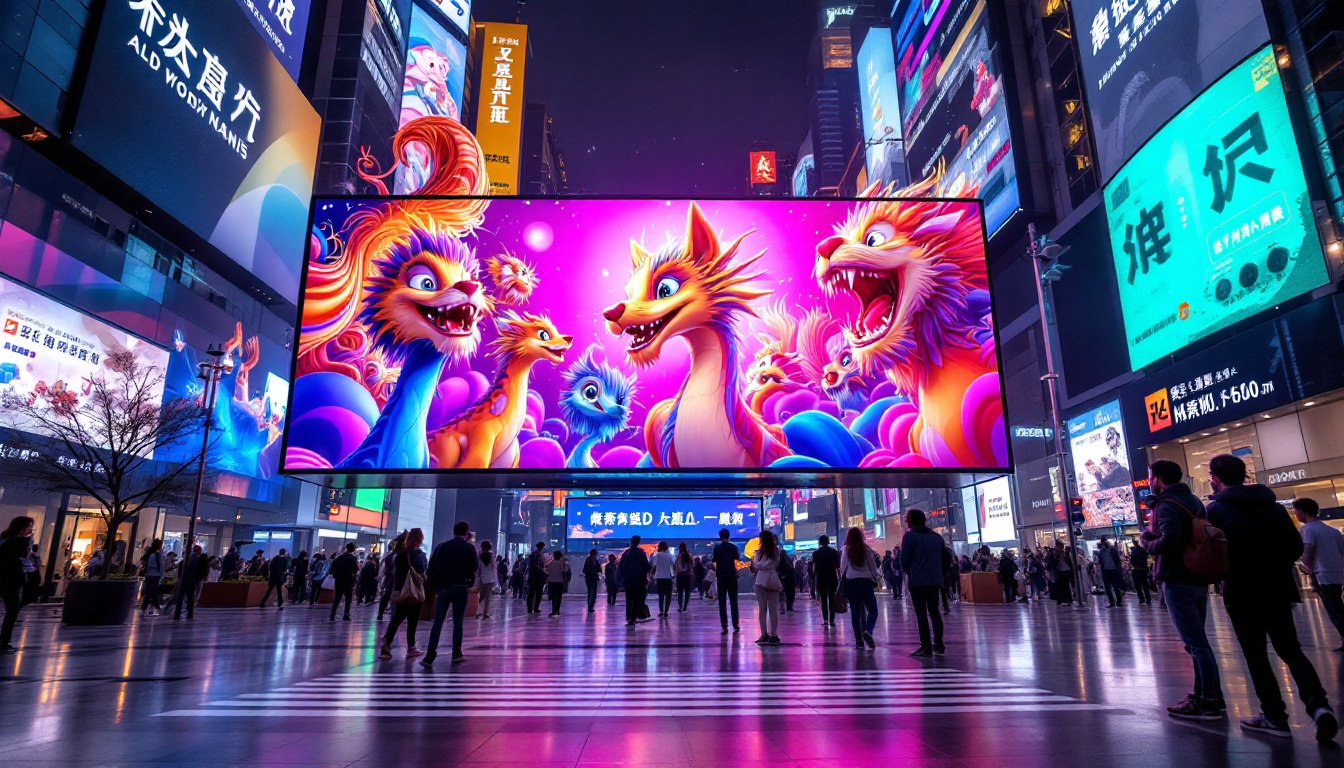
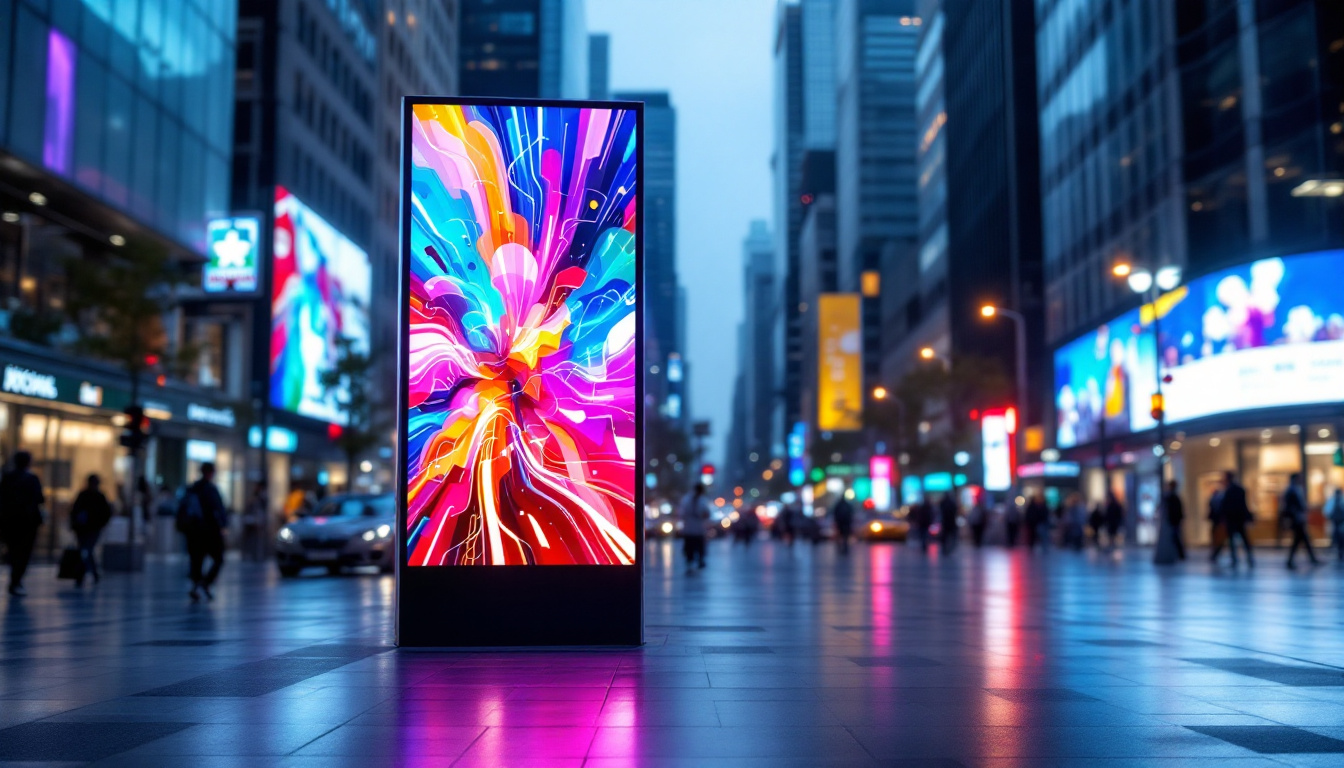
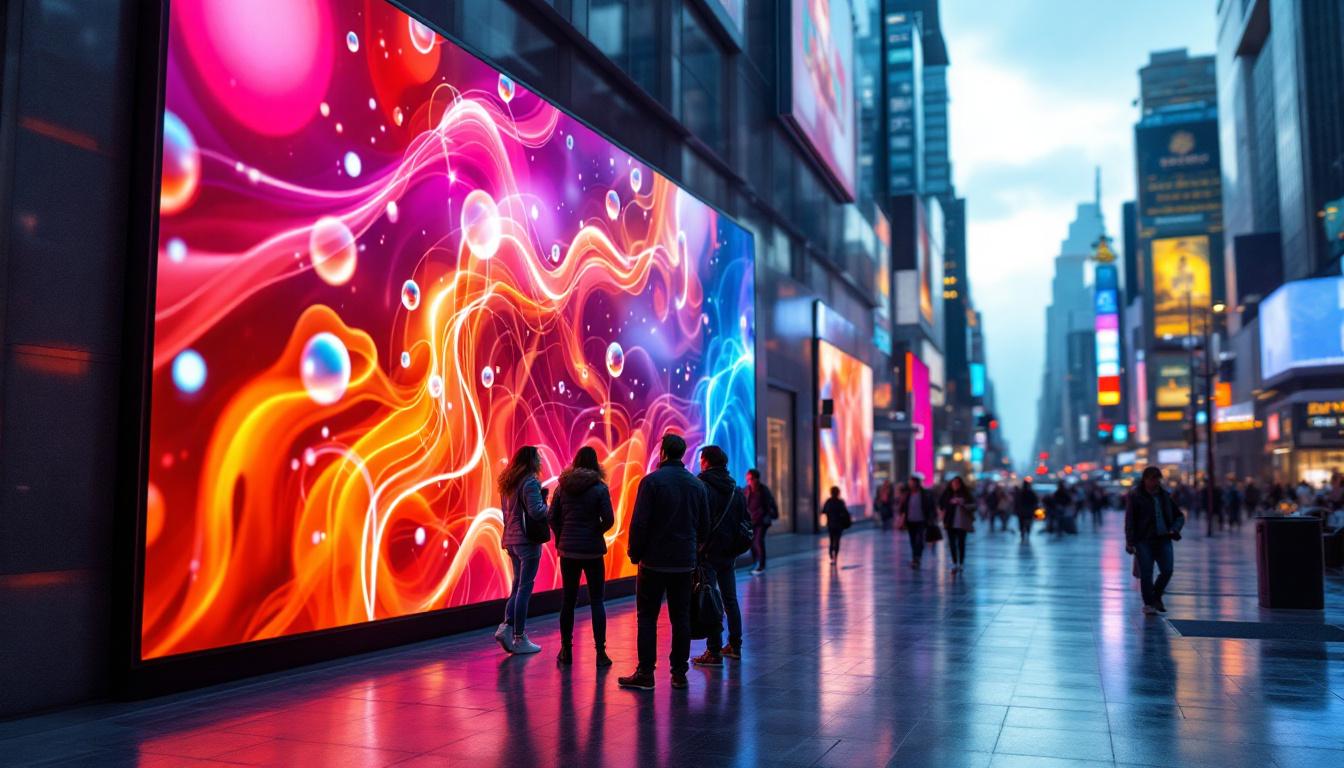
- Outdoor LED Displays: Built to withstand weather conditions, these displays are brighter and more rugged, suitable for concerts and festivals held outdoors.
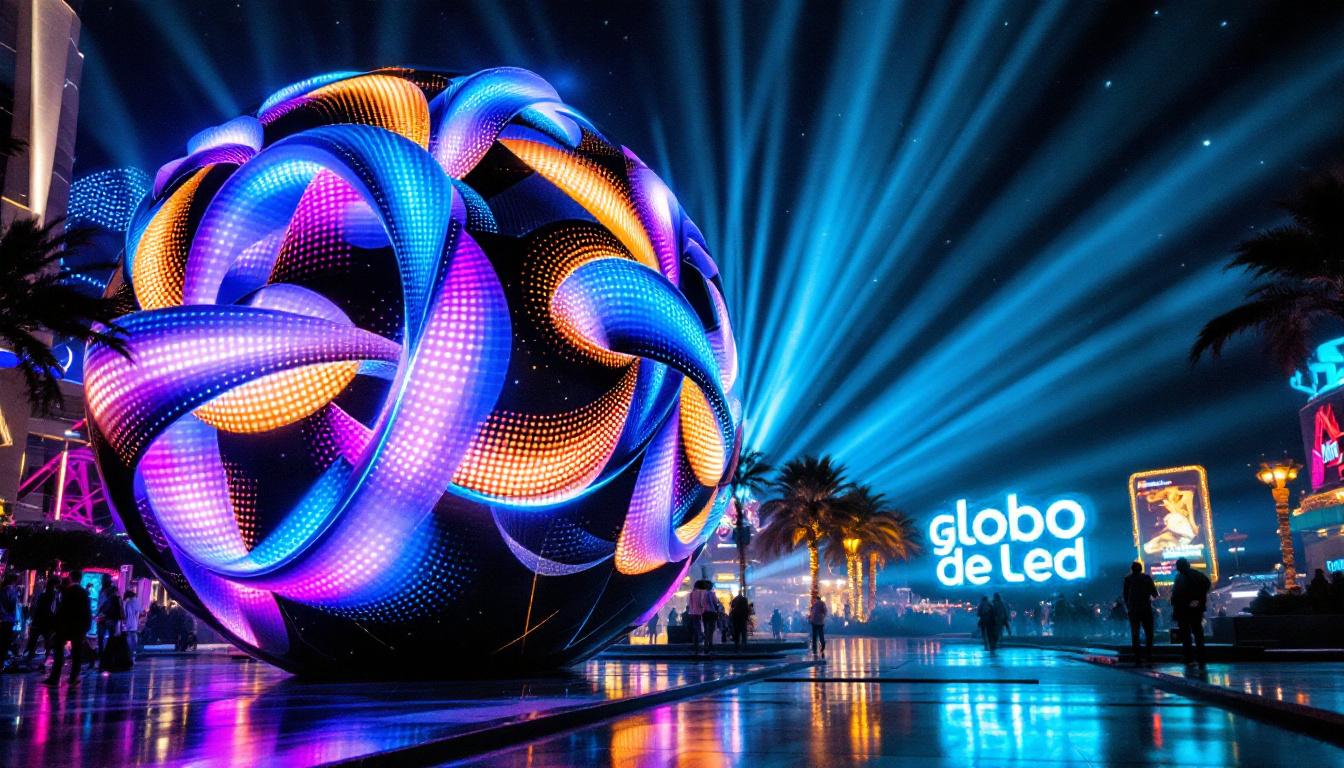
- Flexible and Curved LED Screens: These innovative displays can be bent or shaped to fit unique stage designs, adding a new dimension to visual storytelling.
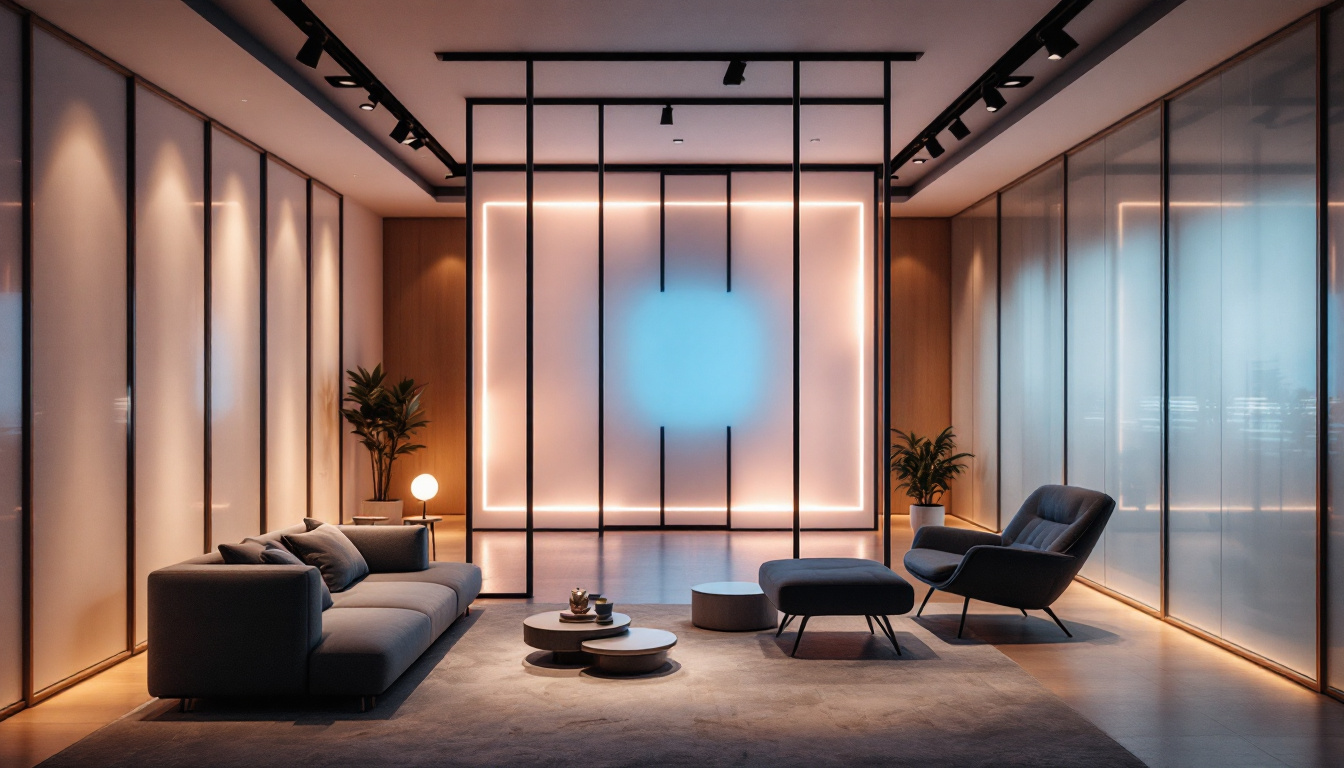
- Transparent LED Screens: Allowing light and images to pass through, these screens are often used for layering effects on stage without obstructing performers.
In addition to these types, there are also specialized LED solutions that cater to specific artistic needs. For instance, pixel-mapped LED panels can be programmed to create intricate light shows that synchronize with music, enhancing the overall atmosphere of a performance. Moreover, advancements in technology have led to the development of high-dynamic-range (HDR) LED displays, which can produce a wider range of colors and contrast ratios, further elevating the visual experience. These cutting-edge displays not only captivate audiences but also allow stage designers to push the boundaries of creativity, transforming traditional performances into immersive experiences that resonate on multiple sensory levels.
As the demand for more visually engaging performances continues to rise, the role of LED displays in stage design becomes increasingly significant. Their versatility allows for seamless integration into various themes and concepts, whether it be a grand theatrical production, a corporate event, or a high-energy music festival. The ability to customize content and adapt to different environments ensures that LED displays remain a vital tool for designers looking to create memorable and impactful experiences. With the ongoing evolution of LED technology, the future of stage design promises to be even more innovative and visually stunning.
How LED Displays Transform Stage Design
Enhancing Visual Storytelling
LED displays have revolutionized how stories and themes are communicated on stage. Instead of static backdrops or printed banners, dynamic LED screens can project moving images, animations, and interactive content that respond in real time to the performance.
For instance, during a theatrical production, an LED backdrop can simulate changing environments—from a bustling cityscape to a serene forest—within seconds. This flexibility allows directors and designers to create more immersive narratives without the logistical challenges of physical set changes.
Creating Immersive Audience Experiences
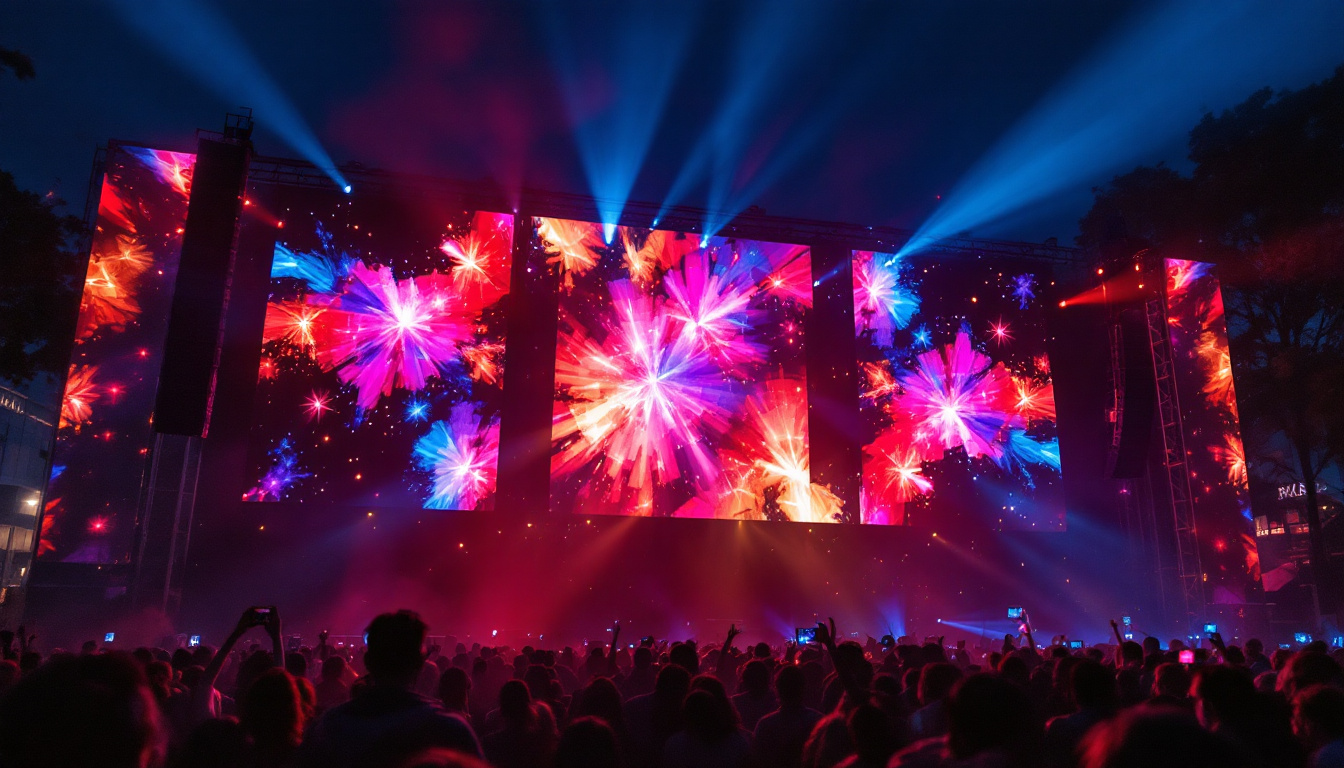
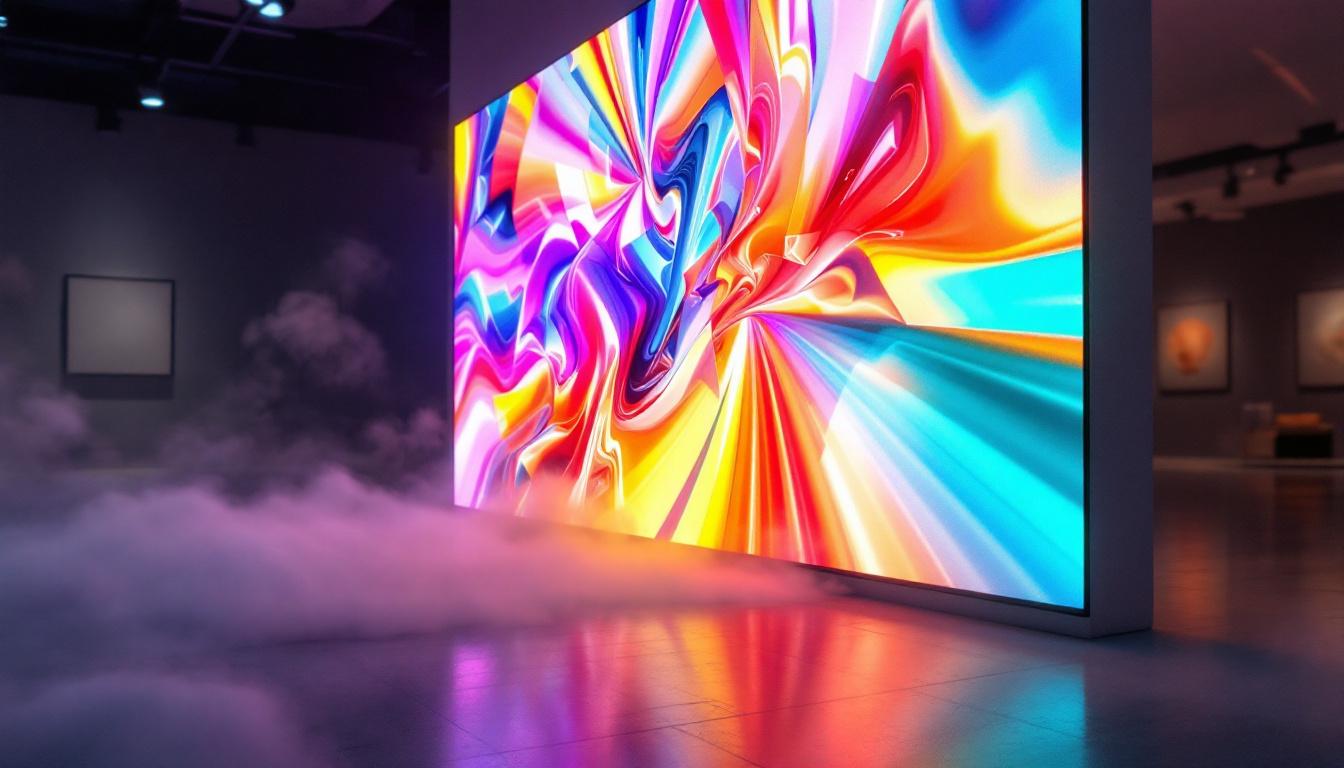
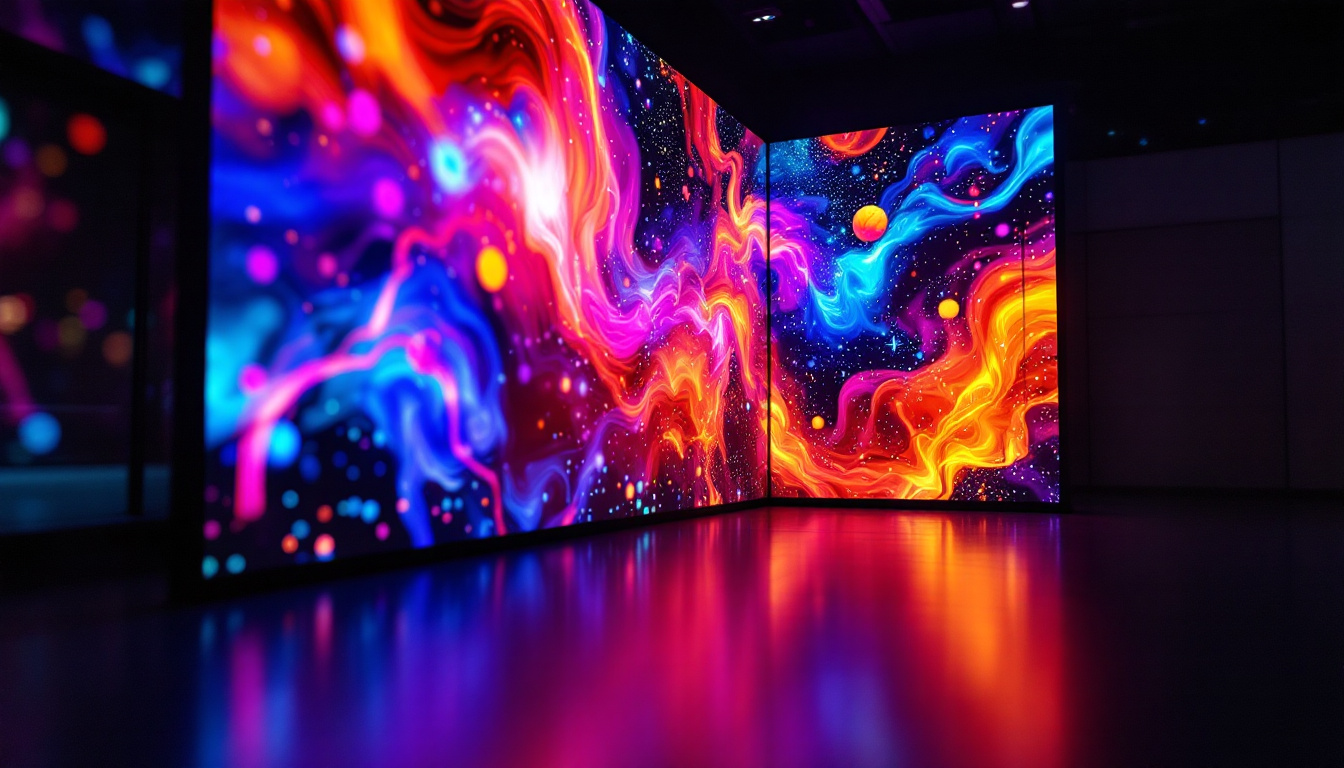
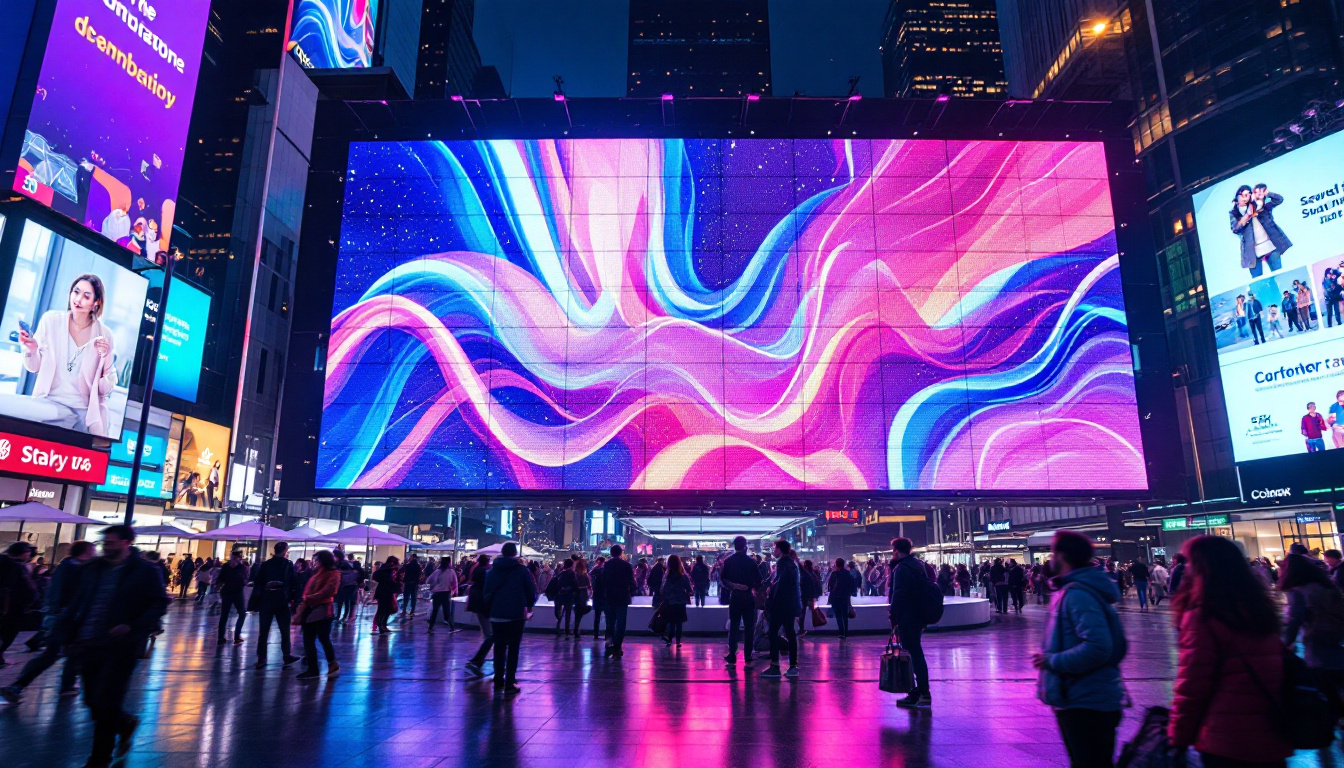
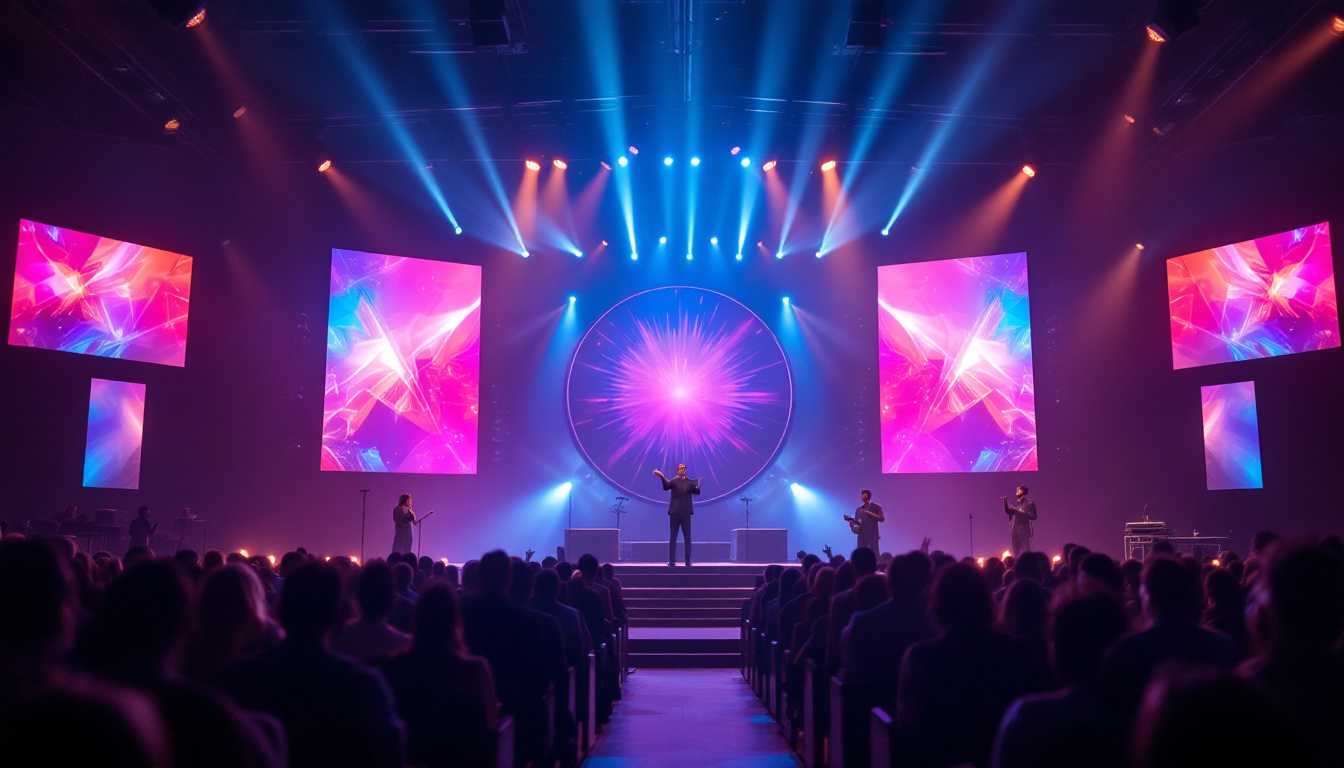
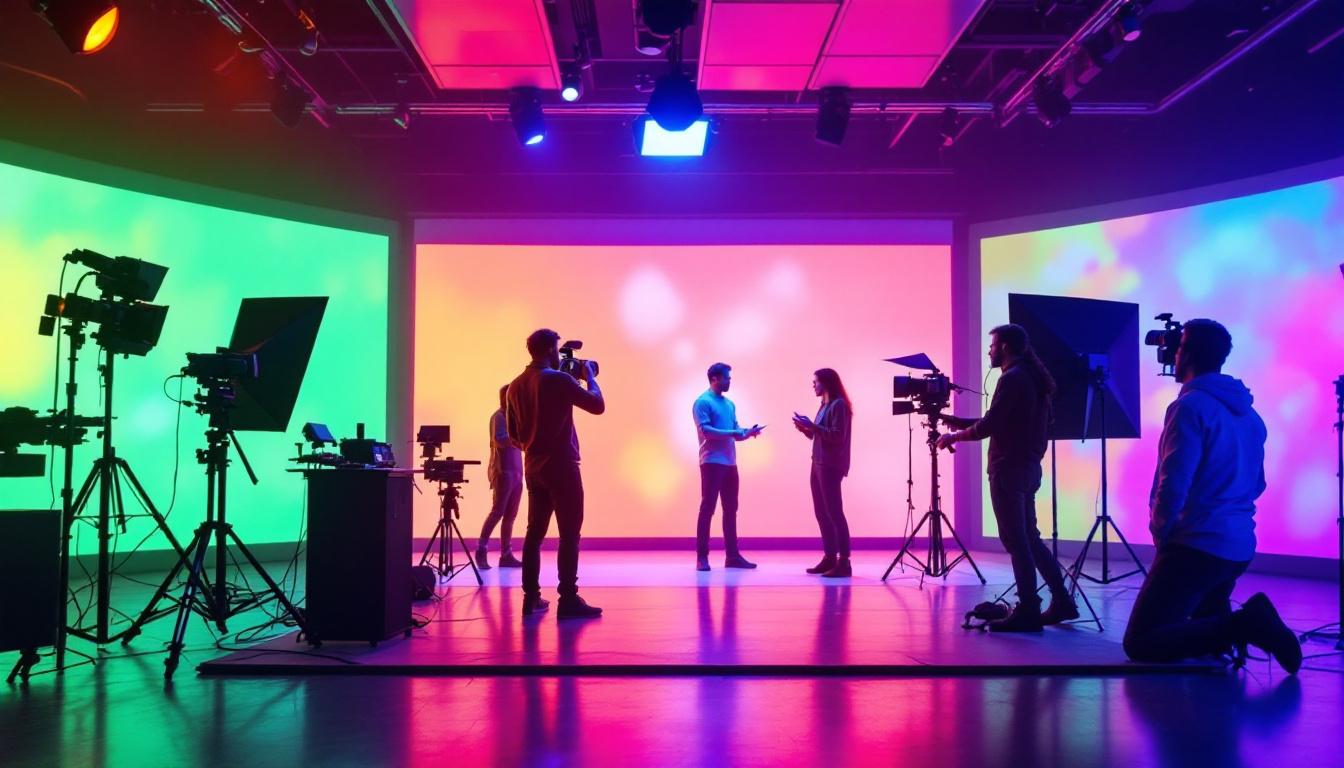
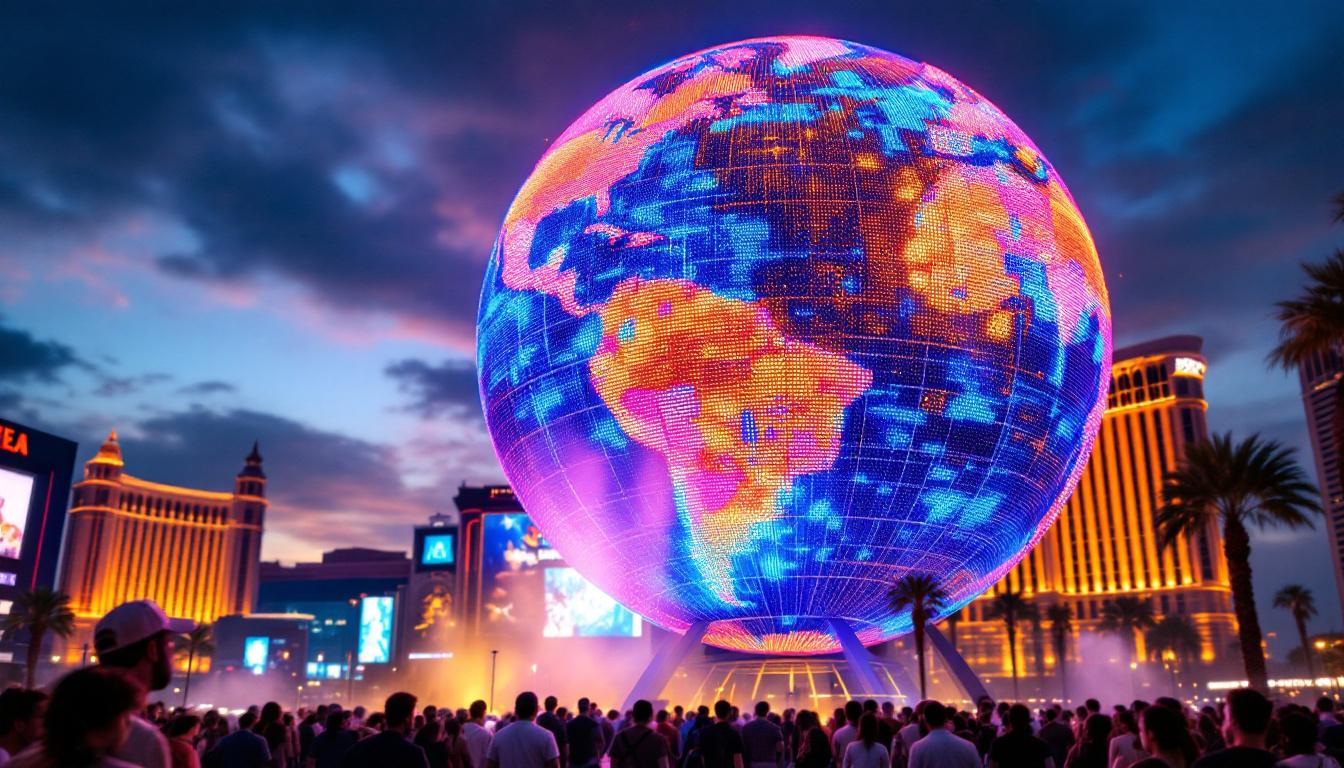
Audience engagement is critical in live events, and LED displays help achieve this by enveloping viewers in vibrant visuals. Large-scale LED walls can extend beyond the stage, wrapping around the venue to create a 360-degree visual experience.
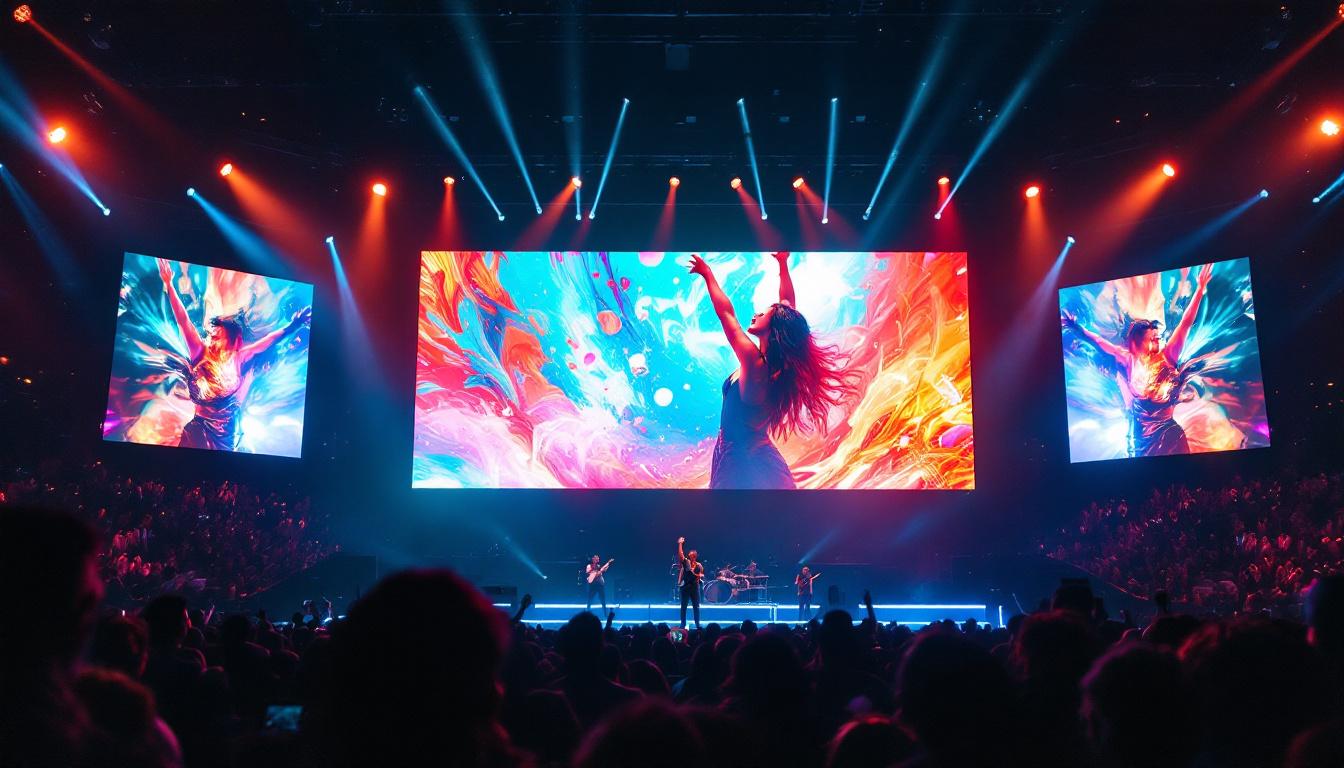
Concerts by major artists often employ massive LED screens that synchronize with lighting and sound to enhance the emotional impact of each song. According to a 2023 survey by Event Tech Live, 78% of event organizers reported that integrating LED displays significantly improved audience satisfaction and engagement.
Flexibility and Customization
One of the greatest advantages of LED displays is their adaptability. They can be assembled in various shapes and sizes, from towering video walls to small, intricate panels embedded into stage props. This modularity enables designers to customize the stage layout to fit the event’s theme and spatial constraints.
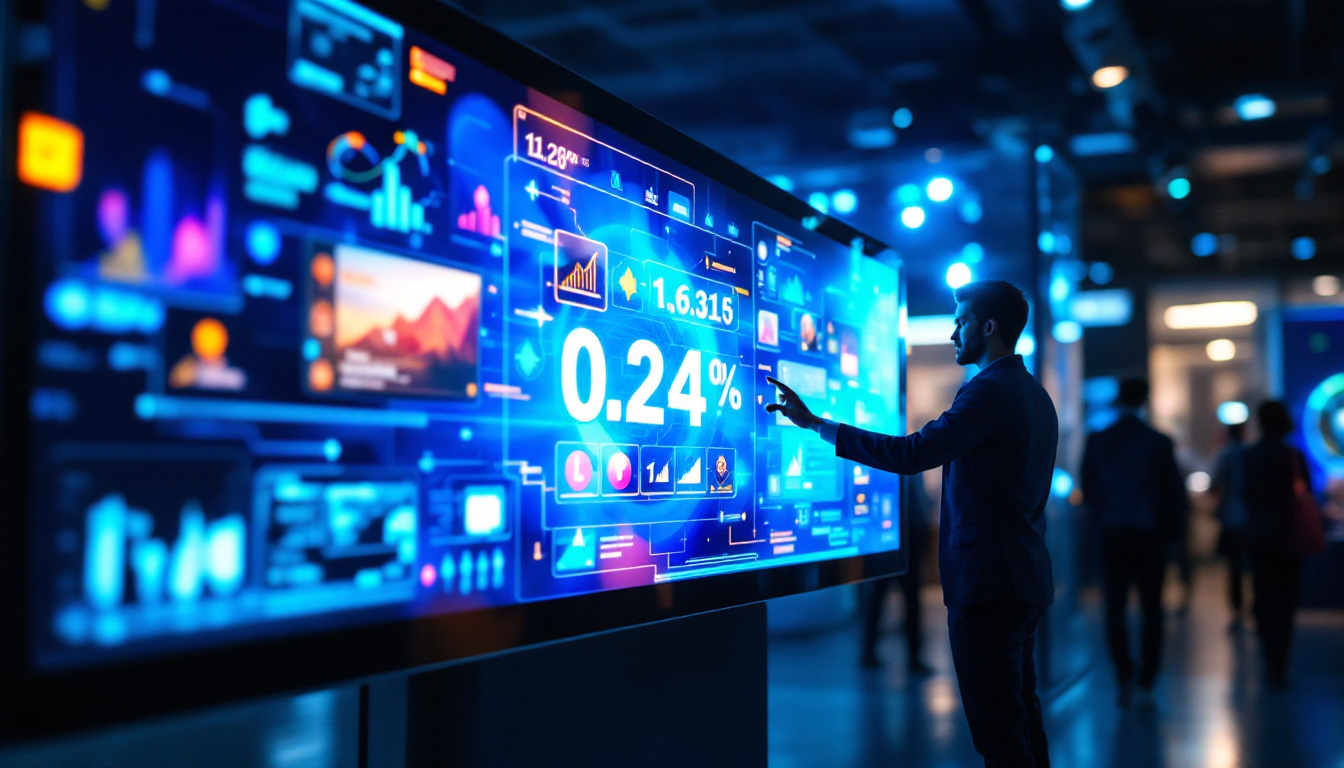
Moreover, LED technology supports real-time content updates, allowing for last-minute changes or interactive elements controlled by the production team. This level of control is invaluable for live broadcasts, award shows, and corporate events where content needs to be precise and timely.
Technical Aspects of LED Displays in Stage Design
Pixel Pitch and Resolution
Pixel pitch refers to the distance between the centers of two adjacent LEDs, measured in millimeters. It is a critical factor that determines the resolution and clarity of the LED display. A smaller pixel pitch means more LEDs per square meter, resulting in sharper images, especially at close viewing distances.
For indoor stage setups where the audience is close to the screen, pixel pitches of 1.2mm to 2.5mm are common. Outdoor stages, where viewers are farther away, typically use pixel pitches ranging from 4mm to 10mm. Choosing the right pixel pitch ensures optimal image quality without unnecessary cost.
Brightness and Contrast
Brightness is measured in nits, with higher values indicating a brighter display. Outdoor LED screens often exceed 5,000 nits to remain visible under direct sunlight, while indoor screens usually operate between 800 and 1,500 nits.
Contrast ratio, the difference between the darkest black and brightest white a screen can display, is essential for image depth and vibrancy. Modern LED displays achieve high contrast ratios through advanced LED technology and local dimming features, enhancing visual impact on stage.
Refresh Rate and Color Accuracy
The refresh rate, expressed in hertz (Hz), indicates how many times per second the display updates its image. A higher refresh rate reduces flicker and motion blur, which is especially important for live video feeds and fast-moving visuals.
Color accuracy is vital for maintaining the integrity of the content displayed. Professional LED screens use sophisticated calibration techniques to ensure colors are vibrant and true to the source material, contributing to a polished and professional stage appearance.
Practical Considerations for Implementing LED Displays
Installation and Rigging
Installing LED displays on stage requires careful planning and expertise. The weight, size, and configuration of the screens determine the rigging equipment and structural support needed. Safety is paramount, as these displays are often suspended above performers and audiences.
Modular LED panels facilitate easier transportation and assembly. Many rental companies offer turnkey solutions, including design consultation, installation, and technical support, which can be invaluable for event organizers unfamiliar with LED technology.
Content Creation and Management
Effective use of LED displays depends heavily on the quality of the content shown. Designers and video producers must create visuals that complement the performance and leverage the display’s capabilities. This includes high-resolution videos, animations, and interactive elements tailored to the event’s theme.
Content management systems (CMS) allow for seamless control over what appears on the LED screens. These systems support scheduling, live feeds, and integration with lighting and audio control, enabling cohesive and synchronized stage productions.
Cost and Budgeting
While LED technology has become more affordable over the years, high-quality LED displays still represent a significant investment. Costs vary based on screen size, resolution, brightness, and additional features such as flexibility or transparency.
Event organizers must balance their visual ambitions with budget constraints. Renting LED displays is a popular option for one-time events, whereas permanent installations may be justified for venues hosting frequent productions. Additionally, factoring in installation, maintenance, and content production costs ensures a realistic budget.
The Future of LED Displays in Stage Design
Advancements in LED Technology
LED technology continues to evolve rapidly. Emerging innovations such as microLED and miniLED promise even higher resolutions, improved energy efficiency, and thinner, lighter panels. These advances will enable more creative freedom in stage design, allowing for ultra-high-definition visuals and more intricate installations.
Furthermore, developments in transparent and flexible LED materials are expanding the possibilities for immersive and interactive stage environments. Imagine stages where walls, floors, and ceilings become dynamic canvases, transforming in real time to match the mood and narrative of the performance.
Integration with Augmented Reality and AI
The integration of LED displays with augmented reality (AR) and artificial intelligence (AI) is poised to redefine live event experiences. AR can overlay digital content onto physical spaces, while AI can analyze audience reactions and adjust visuals dynamically for maximum impact.
Such technologies will allow stage designers to create personalized and adaptive environments, enhancing engagement and making every event unique. This convergence of technologies heralds a new era in entertainment, where the boundaries between physical and digital worlds blur.
Conclusion
LED displays have transformed stage design by providing unmatched brightness, flexibility, and visual impact. Their ability to create dynamic, immersive environments has made them a staple in concerts, theater, corporate events, and festivals worldwide. Understanding the technical aspects, practical considerations, and future trends of LED technology empowers event professionals to harness its full potential.
As LED technology continues to advance, the possibilities for creative expression on stage will only expand, promising ever more engaging and memorable experiences for audiences everywhere.
Illuminate Your Stage with LumenMatrix
Ready to elevate your next event with the unparalleled vibrancy and innovation of LED displays? LumenMatrix is at the forefront of LED display technology, offering a wide array of solutions that bring your stage to life. From Indoor and Outdoor LED Walls to Custom and Transparent Displays, our products are designed to captivate your audience and amplify your message. Discover how LumenMatrix can transform your visual storytelling and create unforgettable experiences. Check out LumenMatrix LED Display Solutions and step into the future of stage design.