In the rapidly evolving world of digital signage and visual technology, LED displays have emerged as the dominant choice for businesses, advertisers, and event organizers worldwide. Their versatility, brightness, and energy efficiency make them a preferred solution for everything from small retail screens to massive stadium displays. This article dives deep into the top 10 aspects of LED displays, explaining their technology, benefits, applications, and what makes them stand out in today’s competitive market.
1. What is an LED Display?
LED stands for Light Emitting Diode, a semiconductor device that emits light when an electric current passes through it. An LED display is a flat panel display that uses an array of these tiny LEDs as pixels to create images, videos, and text. Unlike traditional LCD or plasma screens, LED displays rely on these individual light sources, which can be controlled precisely to produce vivid colors and high contrast.
Modern LED displays come in two main types: direct view LED and LED-backlit LCD. Direct view LED displays use LEDs as the actual pixels, providing superior brightness and viewing angles, while LED-backlit LCDs use LEDs as a backlight source behind an LCD panel. This article focuses primarily on direct view LED displays, which are widely used for large-scale and outdoor applications.
One of the key advantages of LED displays is their energy efficiency. Compared to traditional display technologies, LED displays consume significantly less power, making them an environmentally friendly option. This efficiency not only reduces electricity bills but also contributes to a lower carbon footprint, which is increasingly important in today’s eco-conscious society. Furthermore, the long lifespan of LED technology—often exceeding 50,000 hours—means that they require less frequent replacements, further enhancing their sustainability.
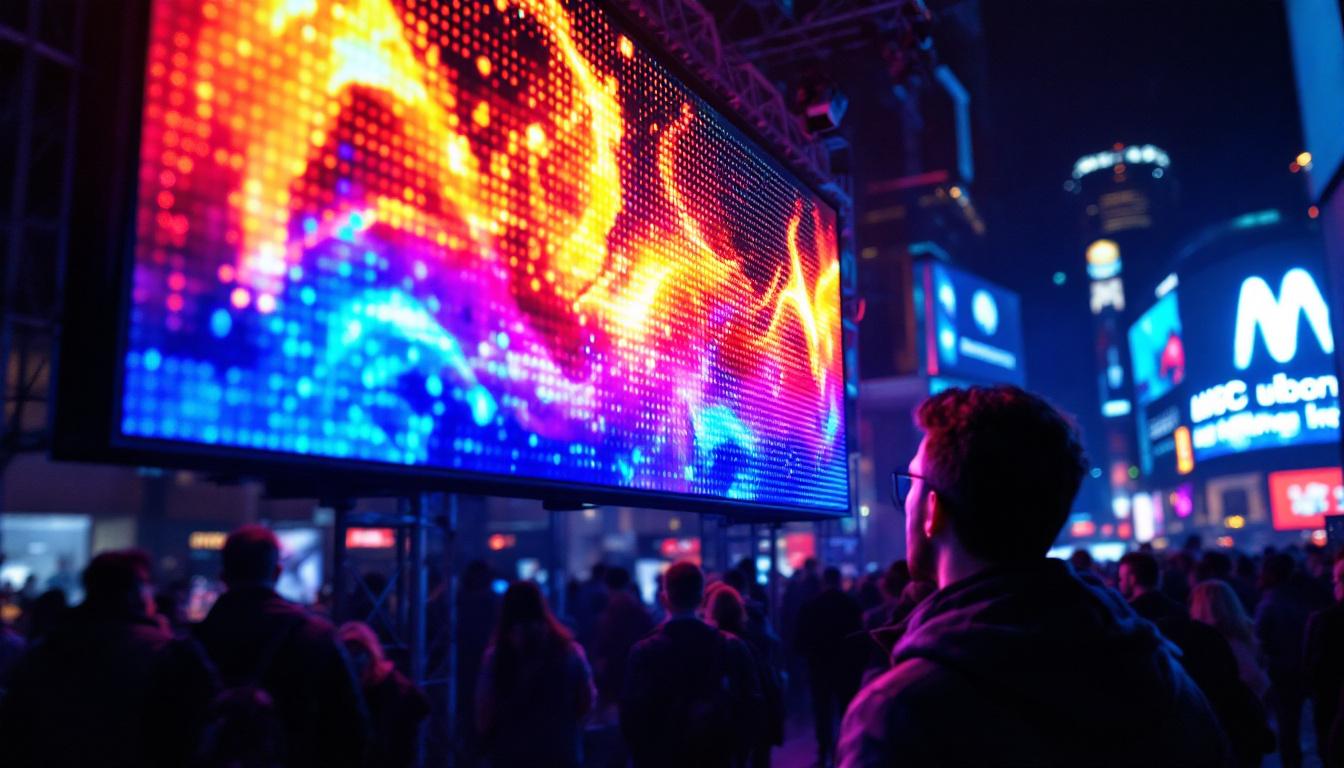
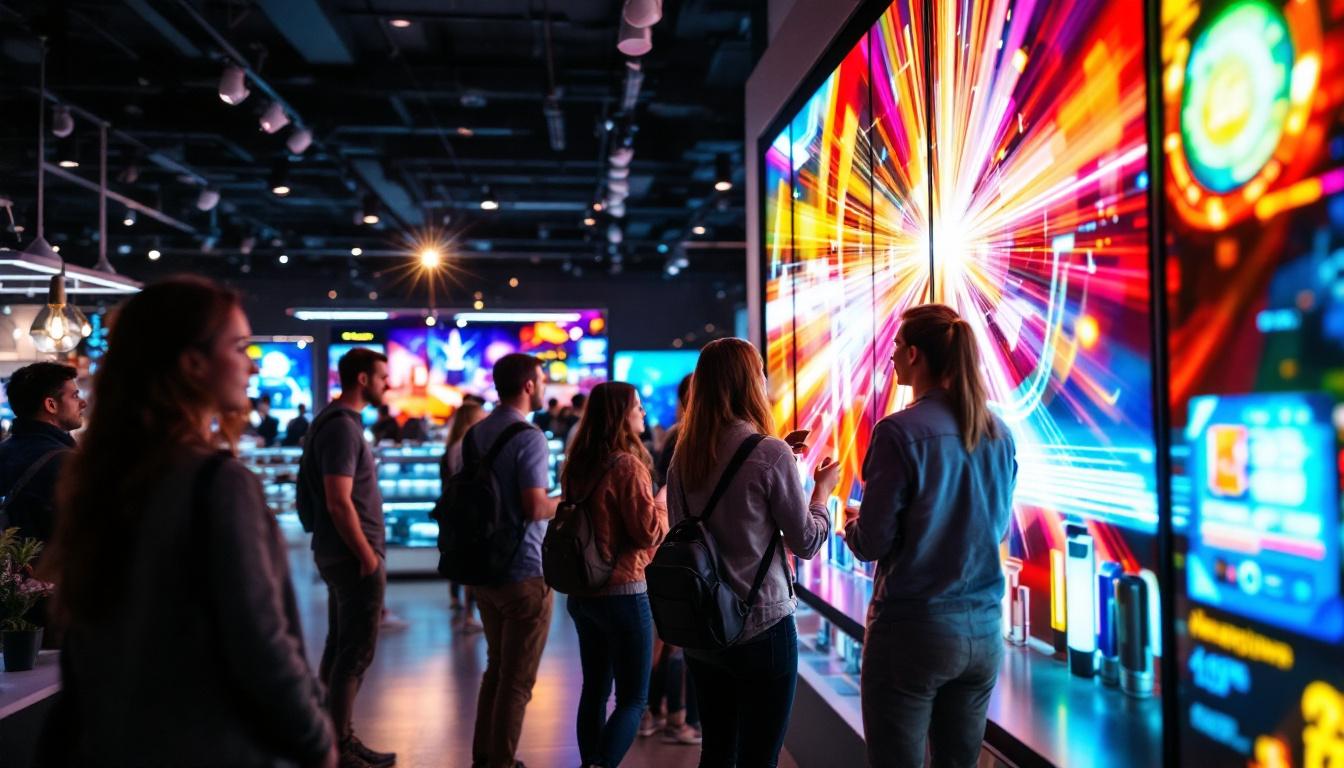
In addition to their energy efficiency, LED displays are known for their versatility. They can be configured in various shapes and sizes, allowing for creative installations in a wide range of environments, from stadiums and concert venues to retail spaces and public transportation hubs. The ability to seamlessly tile multiple LED panels together enables designers to create stunning visual experiences that can captivate audiences and convey messages effectively. This adaptability has made LED displays a popular choice for advertising, art installations, and information dissemination in urban settings.
2. How LED Displays Work
At the core of an LED display is a grid of tiny LEDs arranged in clusters called pixels. Each pixel typically consists of three LEDs: red, green, and blue (RGB). By varying the intensity of each of these LEDs, the pixel can produce a broad spectrum of colors. This process is known as color mixing. The ability to mix these three primary colors allows for the creation of over 16 million different hues, making LED displays incredibly versatile for various applications, from digital billboards to high-definition televisions.
The display is driven by a controller that sends signals to each pixel, determining which LEDs light up and at what brightness. This enables the creation of dynamic images and videos with high refresh rates, ensuring smooth motion and minimal flicker. The resolution of an LED display depends on the pixel pitch—the distance between the centers of two adjacent pixels. Smaller pixel pitches mean higher resolution and sharper images but typically come at a higher cost. Additionally, advancements in technology have led to the development of flexible LED displays, which can bend and conform to different shapes, opening up new possibilities for creative installations and architectural designs.
Moreover, LED displays are known for their energy efficiency compared to traditional display technologies. They consume less power while providing brighter images, making them an environmentally friendly option. The longevity of LED technology also plays a significant role in its popularity; with lifespans often exceeding 50,000 hours, these displays require less frequent replacements, reducing waste and maintenance costs. As a result, many businesses are investing in LED displays not only for their visual appeal but also for their sustainability benefits, aligning with a growing trend toward eco-conscious consumerism.
3. Advantages of LED Displays Over Other Technologies
Brightness and Visibility
One of the most significant advantages of LED displays is their exceptional brightness. They can reach brightness levels of 5,000 to 10,000 nits or more, making them easily visible even under direct sunlight. This makes LED displays ideal for outdoor advertising, sports arenas, and public information systems.
Energy Efficiency
Compared to older display technologies like plasma or CCFL-backlit LCDs, LEDs consume significantly less power. Advances in LED technology have further improved their energy efficiency, reducing operational costs and environmental impact.
Durability and Longevity
LEDs are solid-state devices, meaning they are more resistant to shock and vibration than traditional bulbs or screens. They also have a longer lifespan, often exceeding 100,000 hours of operation, which translates to years of continuous use before replacement is needed.
4. Types of LED Displays
Indoor LED Displays
Indoor LED displays are designed for controlled environments with lower brightness requirements. They typically feature smaller pixel pitches (ranging from 0.9mm to 4mm) to provide high-resolution images suitable for close viewing distances in retail stores, conference rooms, and broadcast studios.
Outdoor LED Displays
Outdoor LED displays are built to withstand harsh weather conditions, including rain, dust, and temperature extremes. They use larger pixel pitches (from 4mm to 20mm or more) and higher brightness levels to ensure visibility from long distances, making them perfect for billboards, stadium screens, and transportation hubs.
Transparent LED Displays
Transparent LED displays are an innovative solution that allows light to pass through the screen, enabling them to be installed on glass surfaces like store windows without obstructing the view. These displays are gaining popularity for retail advertising and architectural applications.
5. Key Components of an LED Display
Understanding the components of an LED display helps explain why they perform so well and how they can be customized for different applications.
LED Modules
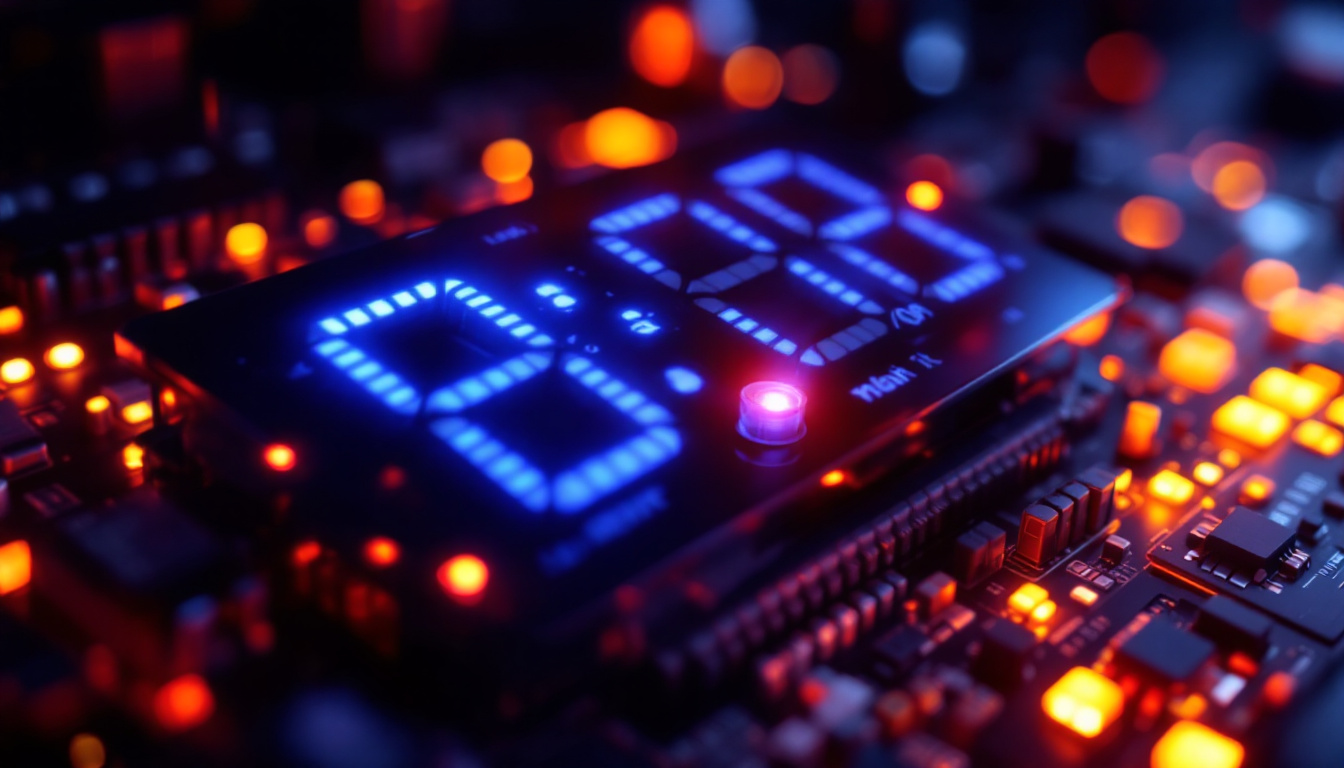
The LED module is the fundamental building block of the display, consisting of a PCB (Printed Circuit Board) populated with LEDs and associated electronics. Modules are assembled into panels, which combine to form the full display screen.
Power Supply Units (PSUs)
LED displays require stable and efficient power supplies to maintain consistent brightness and color accuracy. High-quality PSUs also help protect the display from voltage fluctuations and electrical noise.
Control Systems
The control system includes the hardware and software that manage image processing, signal input, and pixel control. Advanced controllers support multiple input sources, real-time content updates, and remote management.
6. Applications of LED Displays
LED displays have transformed how information and advertising are communicated across various sectors.
Advertising and Marketing
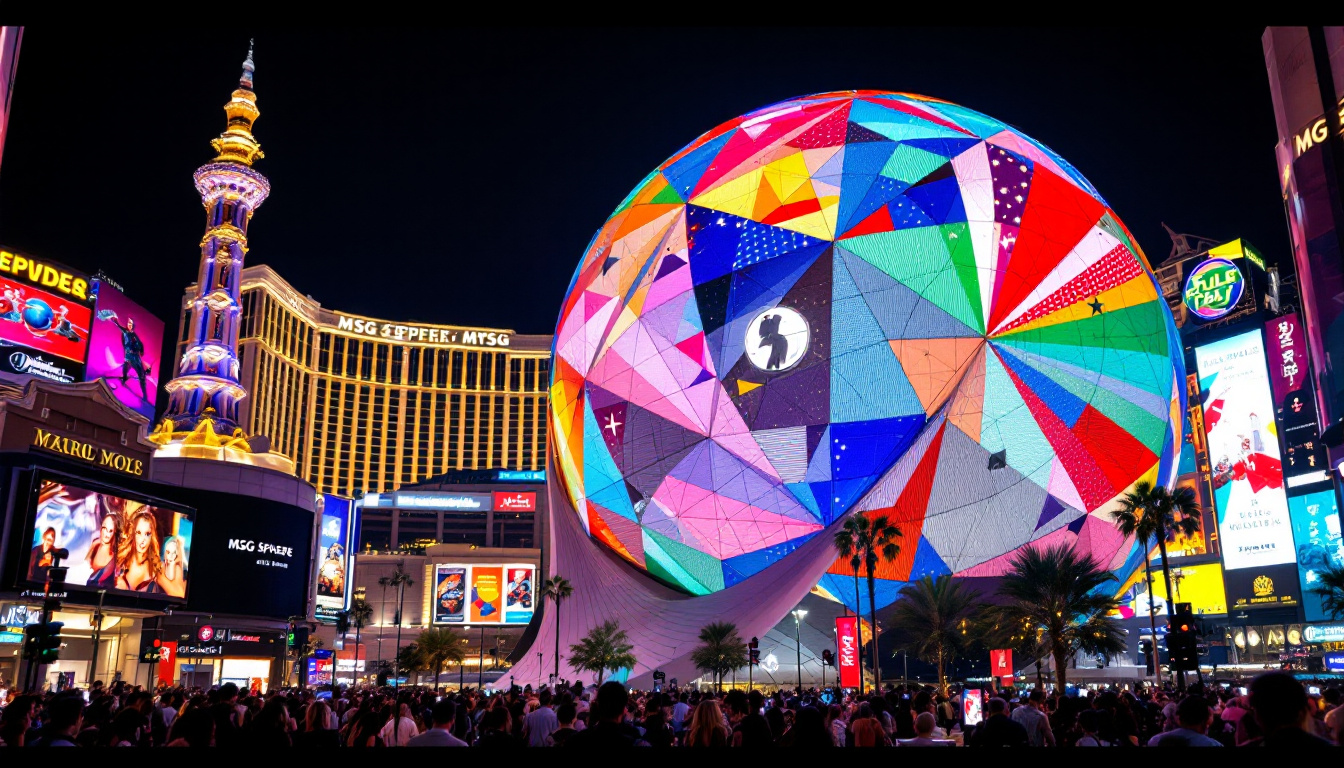
Digital billboards powered by LED technology dominate urban landscapes worldwide. Their ability to display dynamic content attracts more attention than static signs, increasing engagement and advertising effectiveness.
Sports and Entertainment
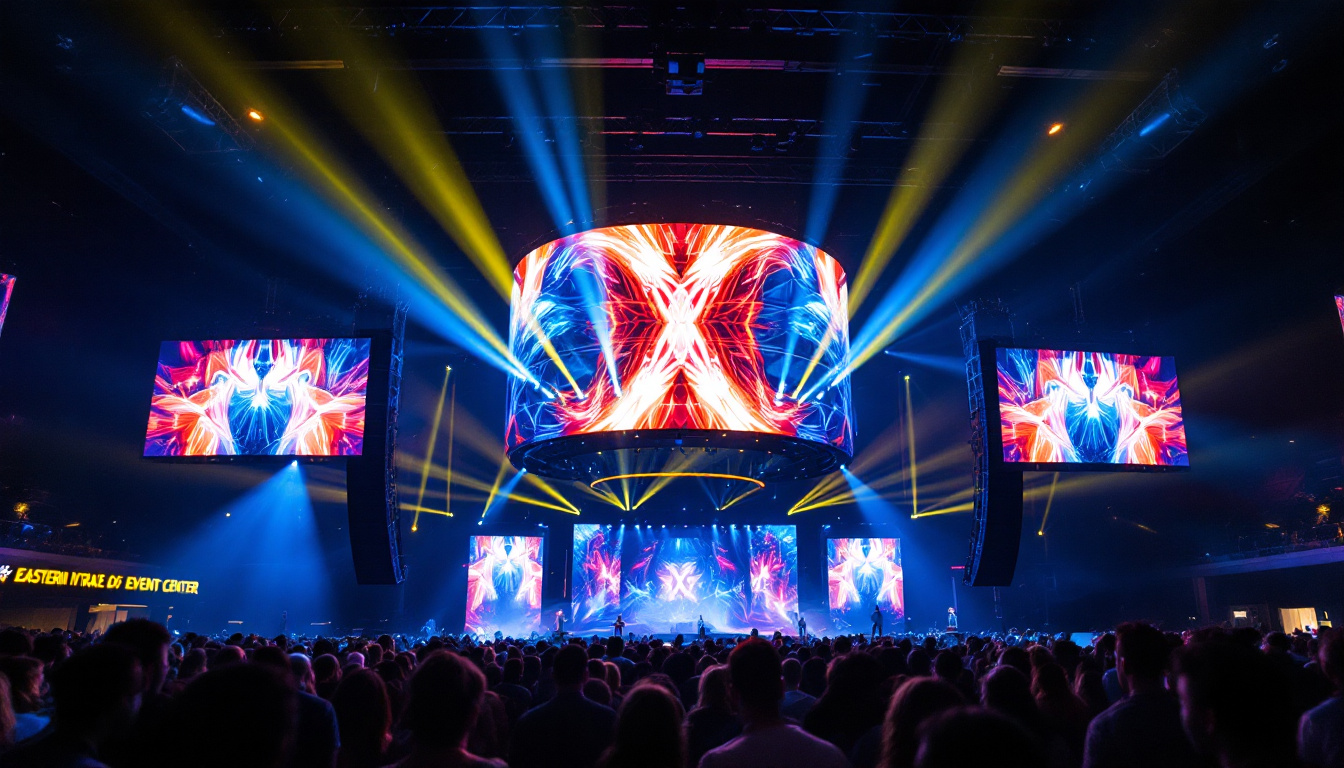
From scoreboards to immersive video walls, LED displays enhance the spectator experience by delivering high-resolution visuals and instant replays in stadiums and arenas.
Transportation and Public Information
LED displays are commonly used in airports, train stations, and bus terminals to provide real-time schedules, alerts, and wayfinding information, improving passenger convenience and safety.
Corporate and Retail Environments
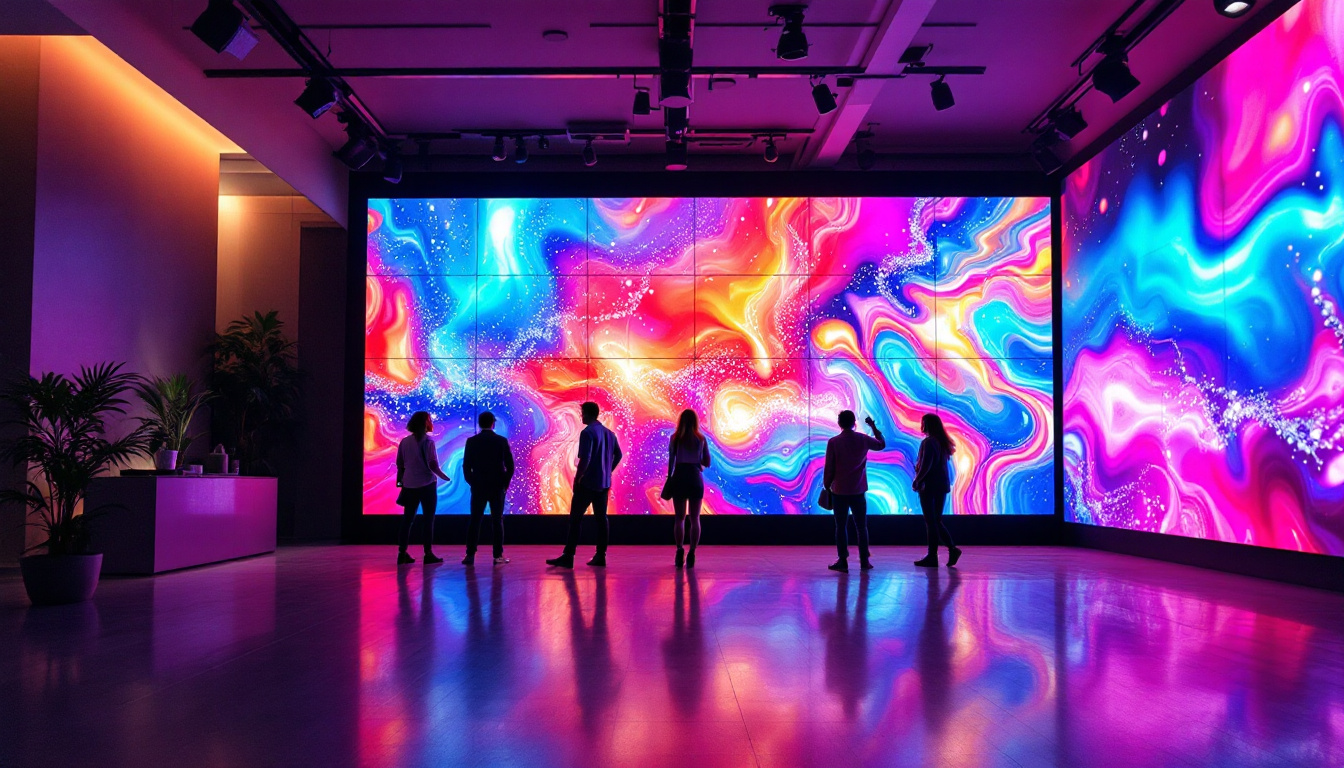
Companies use LED video walls for presentations, branding, and interactive displays, while retailers leverage them to showcase promotions and attract customers.
7. Factors to Consider When Choosing an LED Display
Pixel Pitch and Resolution
Choosing the right pixel pitch depends on the typical viewing distance. For example, a retail store display viewed from a few feet away requires a much finer pitch than a highway billboard seen from hundreds of meters.
Brightness and Contrast
Brightness must be sufficient for the intended environment, especially outdoors. Contrast ratio affects image clarity and color depth, contributing to overall visual quality.
Durability and Weather Resistance
Outdoor displays need to meet IP ratings (Ingress Protection) to ensure protection against water and dust. Additionally, temperature tolerance and UV resistance are crucial for longevity.
Installation and Maintenance
Modular designs facilitate easier installation and maintenance. Some LED displays offer front-serviceability, allowing repairs without dismantling the entire structure.
8. Innovations and Trends in LED Display Technology
The LED display industry continues to innovate, driven by demand for better performance and new applications.
MicroLED Technology
MicroLEDs are smaller LEDs that enable even higher resolutions and improved energy efficiency. Although still emerging, MicroLED displays promise superior brightness, contrast, and lifespan compared to traditional LEDs.
Flexible and Curved Displays
Advances in flexible substrates allow LED displays to bend and curve, opening creative possibilities for architectural integration and immersive environments.
Artificial Intelligence and Content Management
AI-powered content management systems optimize display content based on audience demographics, time of day, and environmental conditions, maximizing engagement and ROI.
9. Environmental Impact and Sustainability
As LED displays become ubiquitous, their environmental footprint is an important consideration.
LED technology is inherently more energy-efficient than many alternatives, reducing electricity consumption. Additionally, LEDs contain no mercury or other hazardous materials, making disposal safer. Manufacturers are increasingly adopting recyclable materials and designing displays for easier end-of-life disassembly.
Energy-saving features like automatic brightness adjustment based on ambient light further reduce power usage. Responsible sourcing and manufacturing practices also contribute to the sustainability of LED display production.
10. Future Outlook for LED Displays
The future of LED displays looks bright, with continuous advancements enhancing their capabilities and applications. As urban areas become smarter and more connected, LED displays will play a critical role in delivering real-time information, interactive experiences, and advertising tailored to individual preferences.
Integration with emerging technologies such as augmented reality (AR) and the Internet of Things (IoT) will create new opportunities for engagement and data-driven content delivery. Moreover, as costs continue to decrease and performance improves, LED displays will become accessible to a broader range of industries and use cases.
In conclusion, understanding the technology and advantages of LED displays is essential for businesses and organizations looking to leverage visual communication effectively. From their superior brightness and durability to their versatility across environments, LED displays represent a powerful tool in today’s digital landscape.
Discover LumenMatrix’s Innovative LED Display Solutions
Ready to elevate your visual communication with the latest in LED technology? LumenMatrix offers a comprehensive range of LED display solutions tailored to meet your needs. From captivating Indoor and Outdoor LED Wall Displays to dynamic Vehicle and Sports LED Displays, our products are designed to enhance brand visibility and engage your audience. Experience the future of digital signage with our Custom, All-in-One, and Transparent LED Displays. Check out LumenMatrix LED Display Solutions today and transform your space with unparalleled clarity and impact.