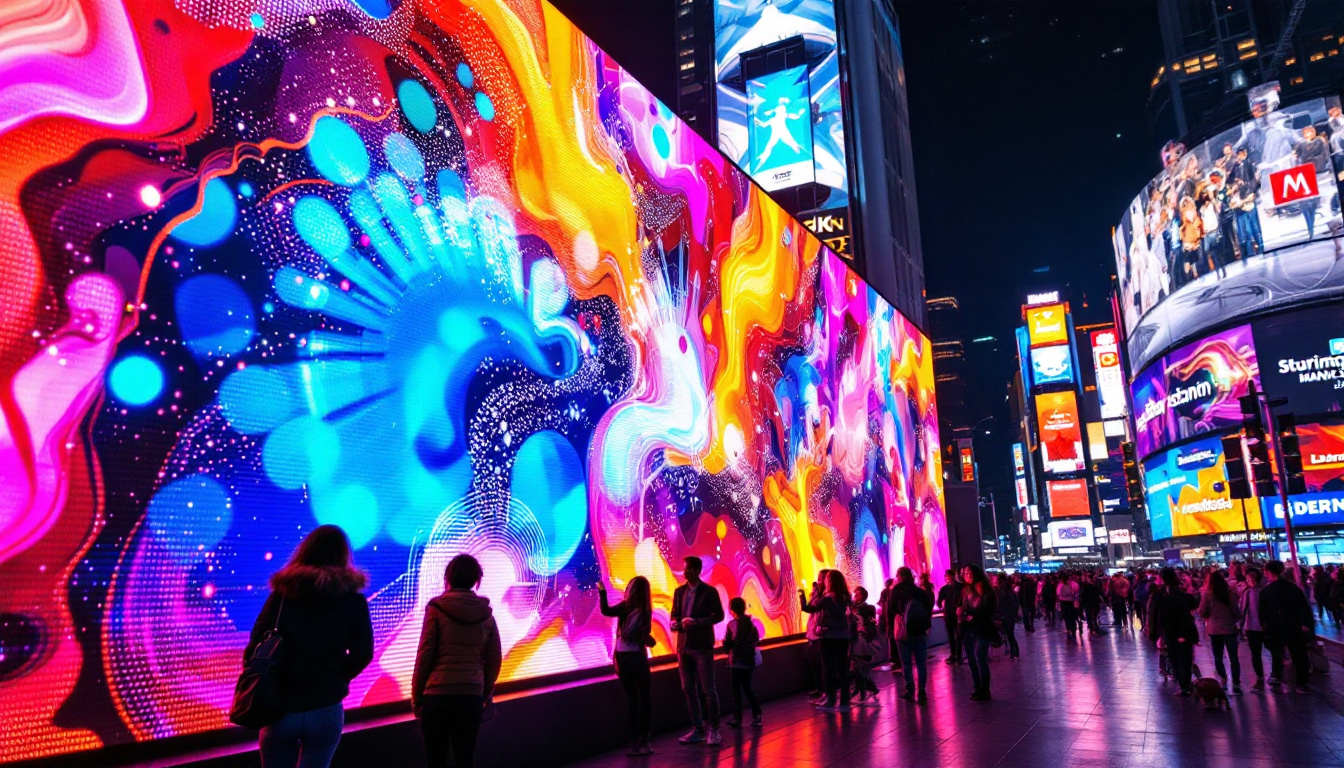
In today’s fast-paced world, capturing attention quickly and effectively is paramount for businesses, public institutions, and event organizers alike. One of the most dynamic tools to achieve this is the LED outdoor sign. With its vibrant colors, high visibility, and adaptability, LED signage has revolutionized outdoor advertising and communication. This article delves into the technology behind LED displays, their benefits, applications, and considerations for choosing the right LED outdoor sign.
Understanding LED Technology
What is an LED Display?
LED stands for Light Emitting Diode, a semiconductor device that emits light when an electric current passes through it. An LED display is composed of many such diodes arranged in a matrix to form images, text, or video. Unlike traditional signage that relies on static images or printed materials, LED displays are dynamic and can be programmed to show changing content. This adaptability allows businesses and organizations to communicate messages effectively and in real-time, making them an essential tool for marketing and information dissemination.
Outdoor LED signs are specifically designed to withstand environmental factors such as sunlight, rain, and temperature fluctuations. They use high-brightness LEDs to ensure visibility even in direct sunlight, making them ideal for billboards, storefronts, and public information boards. Furthermore, many outdoor LED displays come equipped with advanced features such as automatic brightness adjustment, which optimizes visibility based on ambient light conditions. This ensures that the content remains clear and engaging at all times, regardless of the weather or time of day.
Types of LED Displays
LED outdoor signs come in various configurations, primarily categorized by pixel pitch, LED type, and display structure. Each type serves different purposes and environments, catering to the diverse needs of users.
- Pixel Pitch: This refers to the distance between individual LED pixels, measured in millimeters. Smaller pixel pitches (e.g., 4mm or less) provide higher resolution and sharper images, suitable for close viewing distances. Larger pixel pitches (e.g., 10mm or more) are more cost-effective and work well for signs viewed from afar. Understanding pixel pitch is crucial for businesses to choose the right display that aligns with their viewing distance and content requirements.
- LED Types: There are single-color, dual-color, and full-color LEDs. Full-color displays use red, green, and blue LEDs combined to produce a broad spectrum of colors, enabling vibrant video and graphics. This versatility allows for creative advertising strategies, such as animated logos and promotional videos that capture attention and enhance brand visibility.
- Display Structure: LED signs can be modular panels assembled into large screens or fixed single-unit signs. Modular designs offer scalability and easier maintenance, allowing businesses to expand their displays as needed without significant investment. Additionally, these modular systems can be configured in various shapes and sizes, providing flexibility in design to fit different architectural styles and marketing needs.
In addition to these categories, LED displays are increasingly incorporating smart technology, enabling features such as remote management and real-time content updates. This innovation allows businesses to change messages instantly from a computer or mobile device, ensuring that their advertising is always relevant and timely. Moreover, the integration of sensors can help optimize energy usage, making LED displays not only a visually appealing choice but also an environmentally friendly one.
Advantages of LED Outdoor Signs
High Visibility and Brightness
One of the most significant benefits of LED outdoor signs is their exceptional brightness. Modern LEDs can reach brightness levels exceeding 5,000 nits, which is crucial for visibility in direct sunlight. This ensures messages remain clear and eye-catching throughout the day and night.
Additionally, LED signs have wide viewing angles, often up to 160 degrees horizontally and vertically, allowing passersby from various directions to see the content clearly. This feature is particularly advantageous in busy urban environments where foot and vehicle traffic is high, ensuring that important messages are not missed. The vibrant colors produced by LED technology also enhance visibility, making advertisements more attractive and compelling to potential customers.
Energy Efficiency and Longevity
Compared to traditional neon or incandescent lighting, LEDs consume significantly less power, making them more energy-efficient and environmentally friendly. For businesses conscious of operational costs and sustainability, this translates into long-term savings and reduced carbon footprints.
Moreover, LED displays boast impressive lifespans, often rated between 50,000 to 100,000 hours of operation. This durability reduces maintenance frequency and replacement costs, further enhancing their value proposition. The reduced need for frequent replacements not only saves money but also minimizes the environmental impact associated with manufacturing and disposing of traditional signage materials. As businesses increasingly prioritize sustainability, the long-lasting nature of LED technology aligns perfectly with eco-friendly initiatives.
Dynamic Content and Flexibility
Unlike static signs, LED displays can be updated remotely and instantly. This flexibility allows businesses to tailor messages based on time of day, promotions, weather conditions, or special events. For example, a retail store can advertise morning discounts, afternoon flash sales, and evening events all on the same sign without physical changes.
Furthermore, LED signs can incorporate animations, videos, and real-time data such as news, weather, or social media feeds, creating engaging and interactive experiences for viewers. This capability not only attracts attention but also encourages customer interaction, as businesses can create campaigns that resonate with their audience in real-time. The ability to display multiple messages in a rotating format means that businesses can maximize their advertising potential, ensuring that their signs remain fresh and relevant to the ever-changing dynamics of consumer interests.
Applications of LED Outdoor Signs
Retail and Commercial Advertising
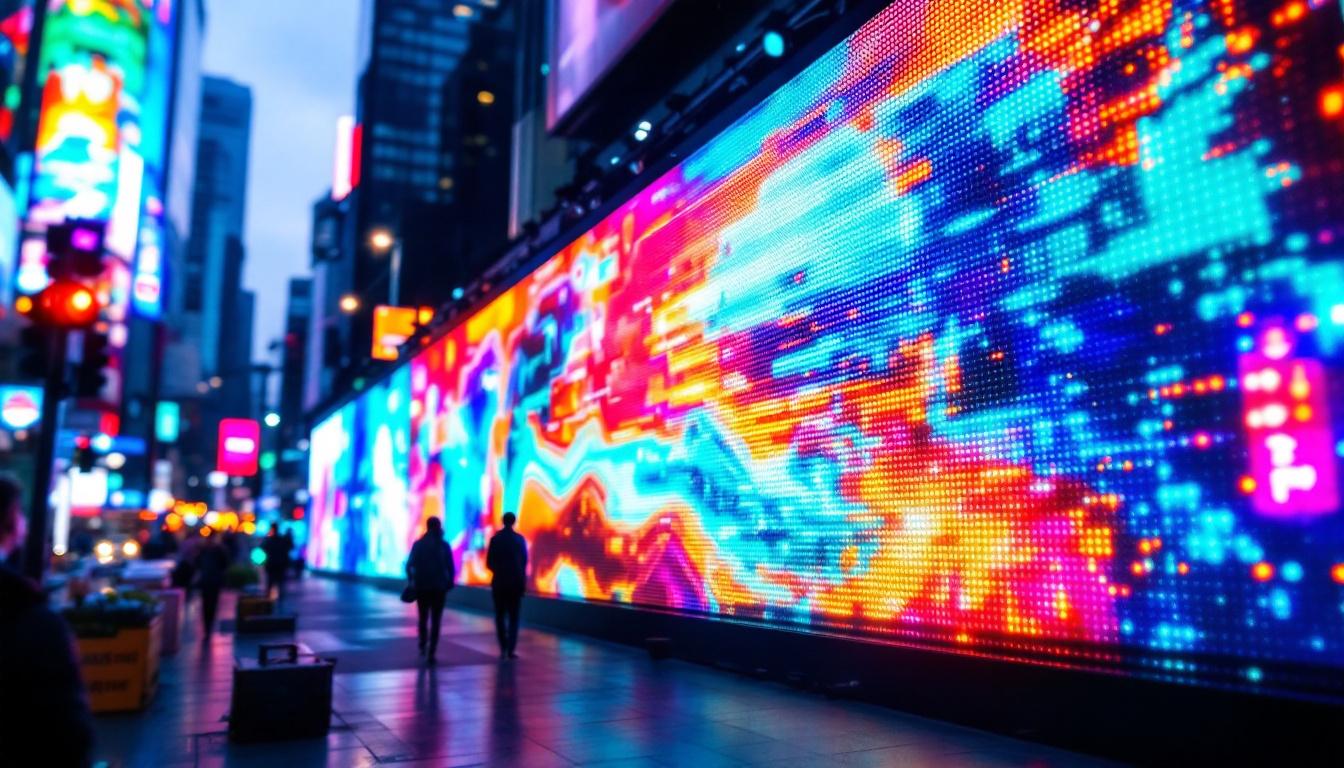
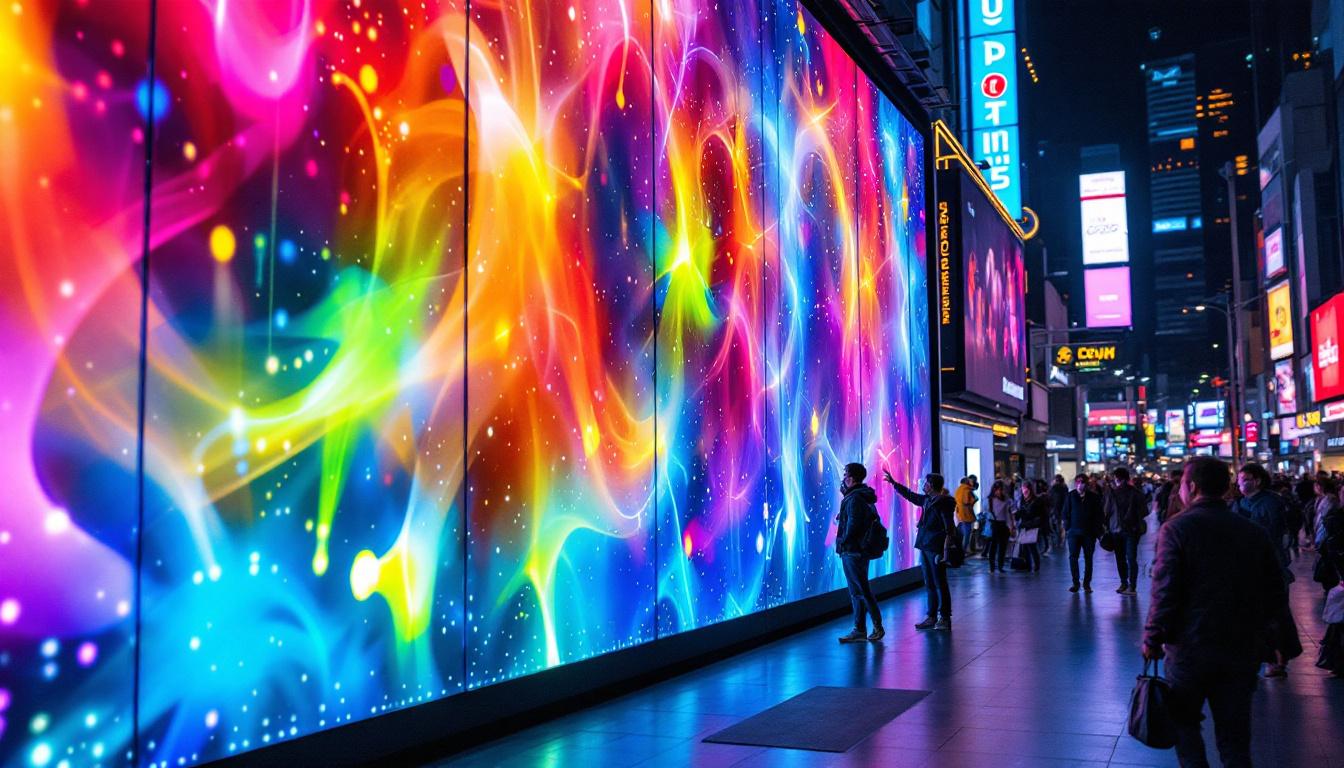
Retailers widely use LED outdoor signs to attract customers and promote products. Bright, colorful displays help stores stand out in busy commercial districts and shopping centers. According to a 2023 report by the Outdoor Advertising Association of America, LED signs have increased customer engagement by up to 30% compared to traditional signage.
Fast-food chains, car dealerships, and entertainment venues also rely on LED signs to convey timely offers and event information, boosting foot traffic and sales. The versatility of LED technology allows businesses to change their messaging frequently, tailoring promotions to specific times of day or seasonal events. For instance, a coffee shop might display a morning special on their LED sign, then switch to an afternoon happy hour promotion, maximizing the effectiveness of their advertising throughout the day.
Public Information and Safety
Municipalities and transportation authorities utilize LED outdoor signs for public communication. Variable Message Signs (VMS) on highways provide real-time traffic updates, accident alerts, and weather warnings, enhancing road safety. These signs are crucial for informing drivers about sudden changes in traffic conditions, helping to prevent accidents and manage congestion effectively.
Similarly, LED signs in parks, schools, and government buildings disseminate important announcements, event schedules, and emergency information effectively to the community. In educational settings, schools can utilize LED displays to keep parents and students informed about upcoming events, school closures, or safety drills. This instant communication fosters a sense of community and ensures that critical information reaches everyone in a timely manner.
Events and Entertainment
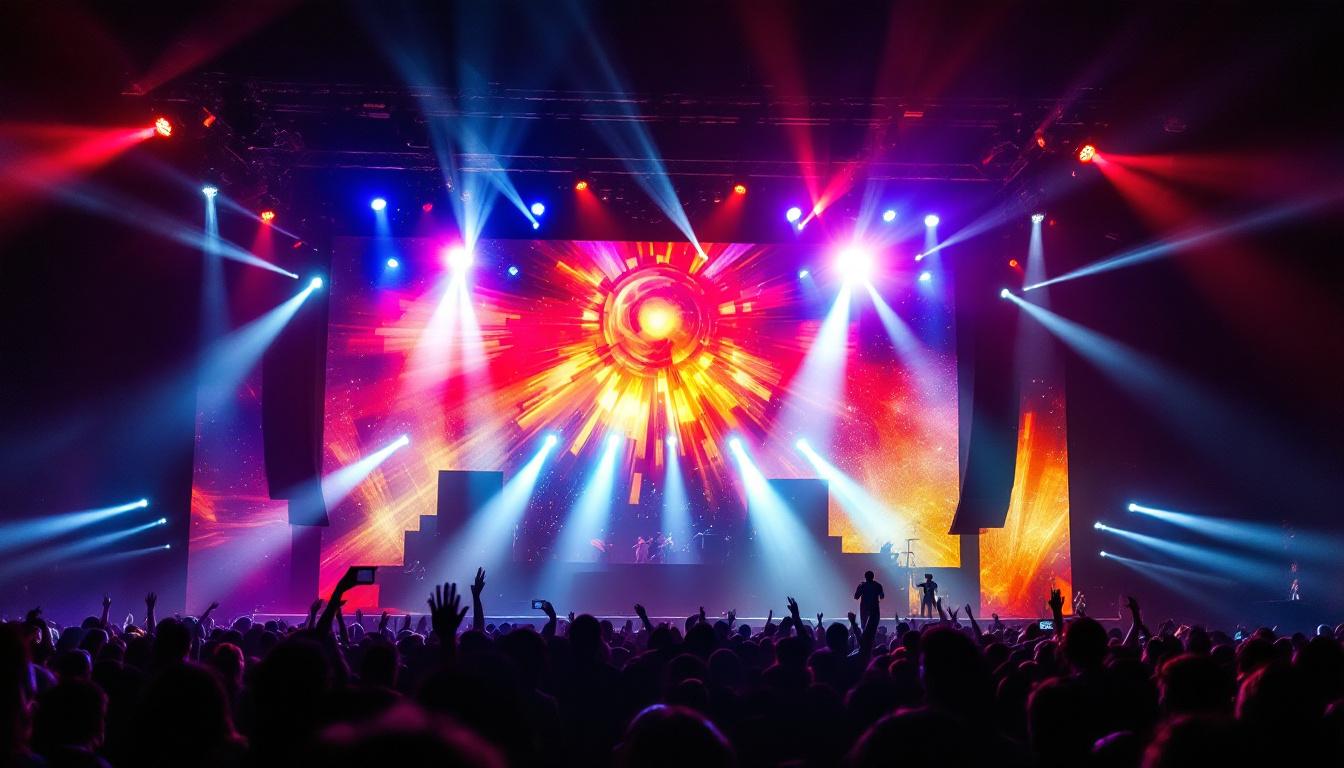
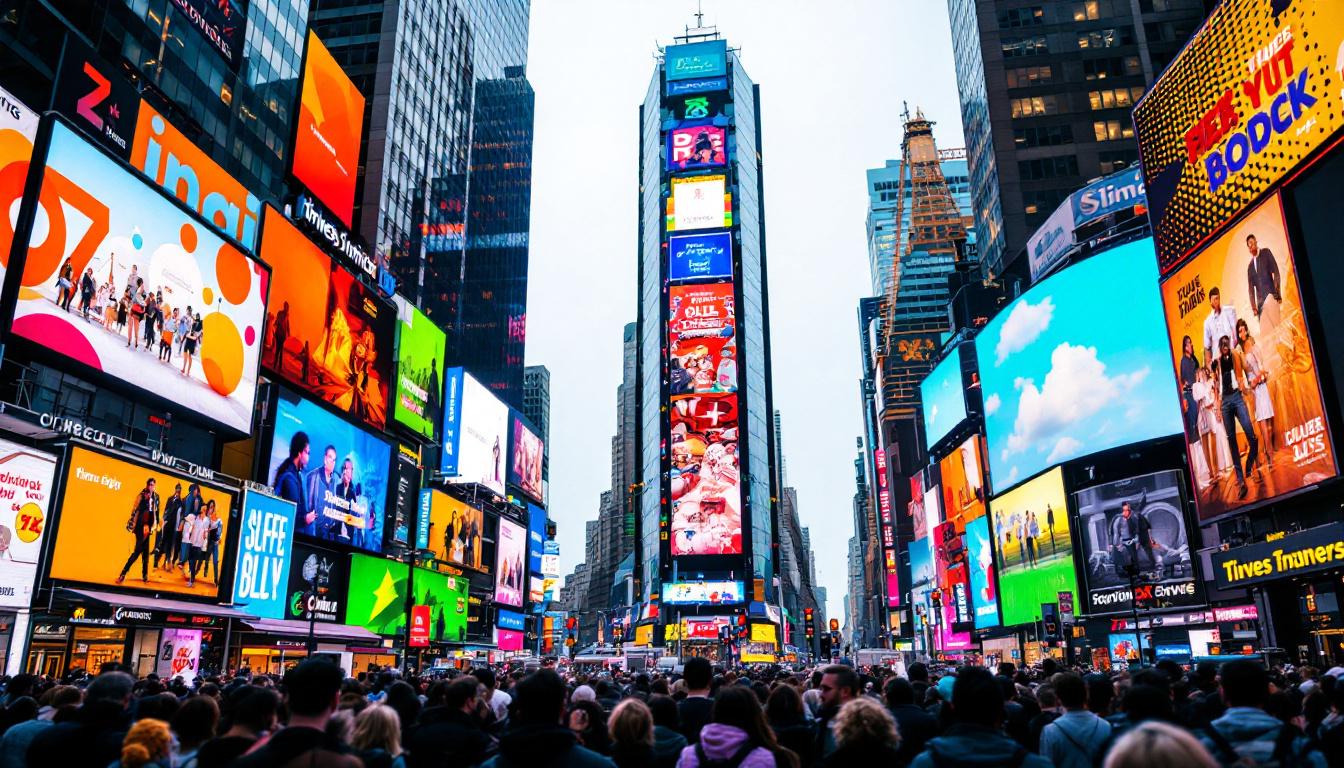
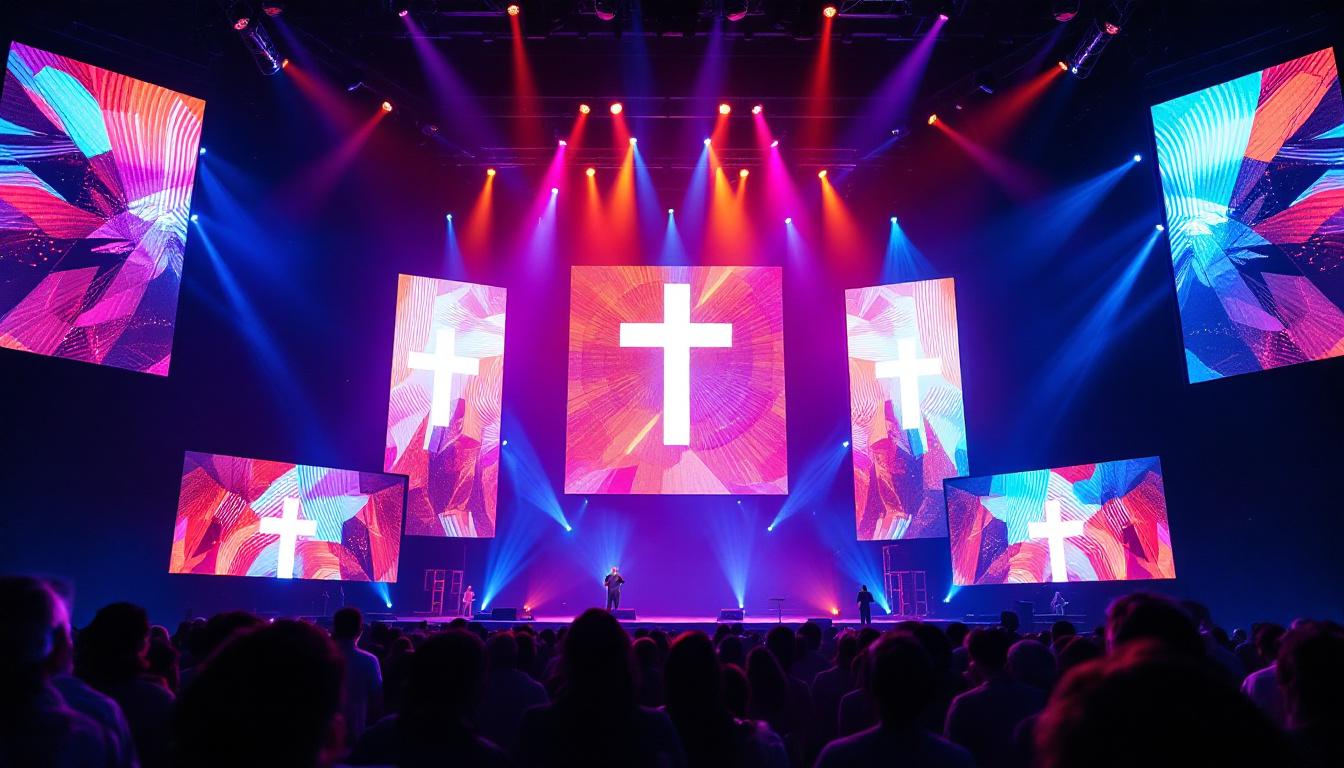
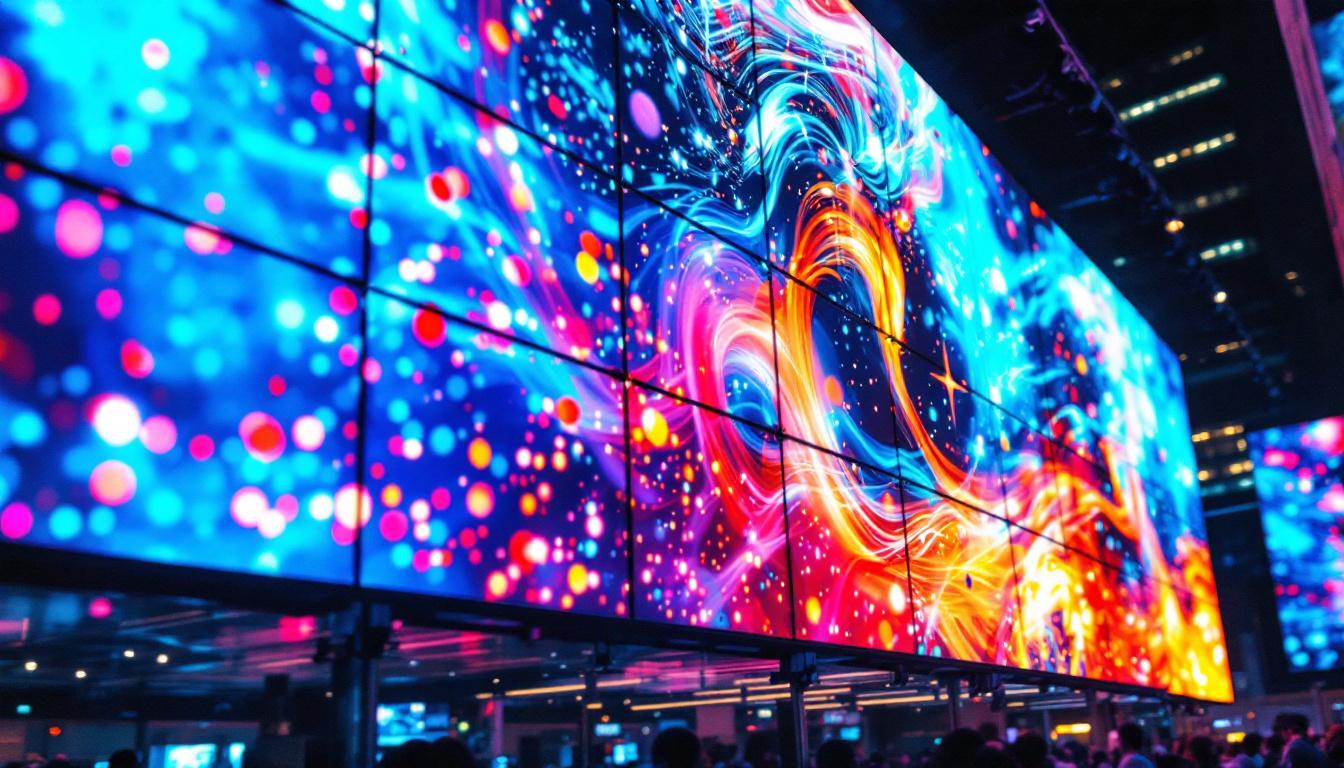
Concerts, festivals, and sports arenas often deploy large LED video walls to enhance audience experience. These displays offer live video feeds, scores, advertisements, and interactive content, creating immersive environments. The ability to showcase high-definition visuals and animations captivates audiences, making events more engaging and memorable. For example, during a live concert, LED screens can display close-ups of the performers, enhancing the connection between the artists and the audience.
Temporary LED signage is also popular for trade shows and exhibitions, where dynamic branding and messaging are critical for attracting visitors. These signs can be programmed to showcase a rotating series of products or services, drawing attention from passersby. Additionally, the use of LED technology allows for creative designs and animations that can reflect the theme of the event, further enhancing the overall atmosphere and encouraging interaction from attendees. As a result, exhibitors can effectively communicate their brand’s message while standing out in a crowded marketplace.
Choosing the Right LED Outdoor Sign
Assessing Viewing Distance and Location
One of the first considerations when selecting an LED outdoor sign is the typical viewing distance. For signs intended to be read from close proximity, such as storefronts or pedestrian areas, a smaller pixel pitch ensures clarity. Conversely, billboards or signs along highways can have larger pixel pitches since viewers are farther away.
Environmental factors also matter. Signs placed in high-traffic or urban areas may require vandal-resistant enclosures and higher brightness settings to overcome ambient light pollution.
Content Management Systems (CMS)
Modern LED signs come with software platforms that allow users to schedule, update, and customize content remotely. When evaluating options, consider the ease of use, compatibility with existing systems, and support for multimedia content.
Some CMS platforms offer cloud-based access, enabling multiple users to manage content from different locations, which is particularly useful for businesses with multiple sites.
Budget and Maintenance
While LED outdoor signs represent a significant upfront investment, their long-term benefits often justify the cost. It is essential to factor in installation expenses, ongoing maintenance, and potential software licensing fees.
Choosing reputable manufacturers and certified installers can minimize downtime and ensure warranty coverage. Additionally, modular designs facilitate easier repairs by allowing individual panels or components to be replaced without dismantling the entire sign.
Future Trends in LED Outdoor Signage
Integration with Smart Technologies
The future of LED outdoor signs is closely tied to smart city initiatives and the Internet of Things (IoT). Signs equipped with sensors and connectivity can adjust brightness based on ambient light, display context-aware content, or interact with mobile devices for personalized messaging.
For example, an LED sign near a transit stop might show real-time bus arrival times and tailored advertisements based on passenger demographics.
Advancements in LED Materials and Design
Emerging technologies such as MicroLED and MiniLED promise even higher resolution, better energy efficiency, and thinner displays. These innovations may lead to more flexible and creative signage solutions, including curved or transparent LED panels integrated into building facades.
Additionally, improvements in weatherproofing and durability will expand the range of environments where LED outdoor signs can be deployed, from harsh industrial zones to coastal areas.
Conclusion
LED outdoor signs have transformed the landscape of outdoor communication by offering vibrant, energy-efficient, and versatile solutions for businesses and public entities. Understanding the technology, benefits, and applications of LED displays enables informed decisions that maximize impact and return on investment.
As LED technology continues to evolve, embracing these innovations will be key to staying ahead in the competitive world of outdoor advertising and public information dissemination. Whether for attracting customers, enhancing safety, or enriching event experiences, LED outdoor signs remain an indispensable tool in the modern visual communication arsenal.
Illuminate Your Message with LumenMatrix
Ready to elevate your outdoor advertising and public messaging with vibrant, energy-efficient LED displays? LumenMatrix is at the forefront of LED display technology, offering an extensive range of solutions tailored to your unique needs. From captivating Indoor and Outdoor LED Wall Displays to innovative Vehicle and Sports LED Displays, our products are designed to make your brand shine. Discover the transformative power of LED displays and join the revolution in visual communication. Check out LumenMatrix LED Display Solutions today and bring your message to life with unparalleled clarity and impact.