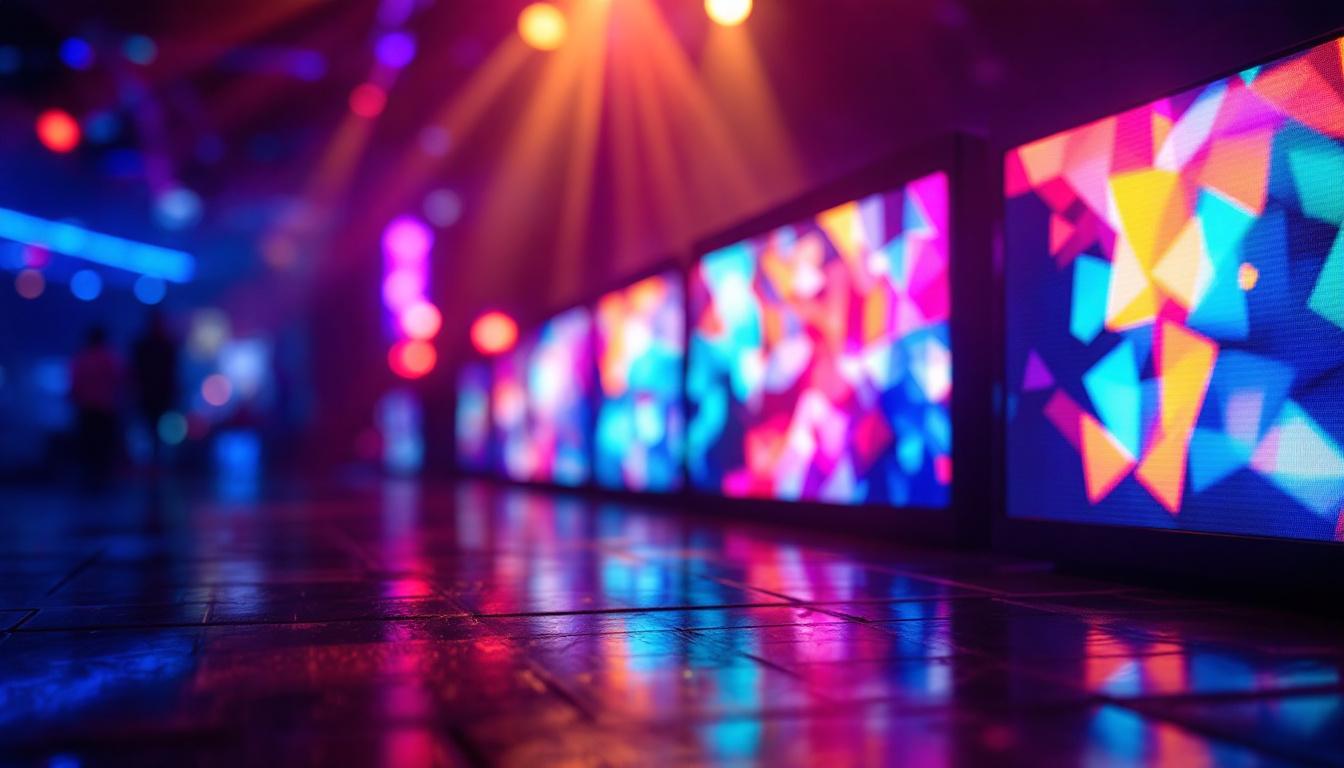
In the rapidly advancing world of digital signage and display technology, LED displays have become a cornerstone for industries ranging from advertising to entertainment. Among the various types of LED displays, the term “Bead LED” has been gaining attention for its unique structure and performance characteristics. This article delves into the concept of Bead LED displays, explaining their technology, applications, advantages, and future trends.
Understanding LED Display Technology
Light Emitting Diode (LED) displays are electronic visual displays that use light-emitting diodes as pixels to create images, videos, and text. Unlike traditional LCD or plasma screens, LED displays offer superior brightness, energy efficiency, and durability, making them ideal for both indoor and outdoor use.
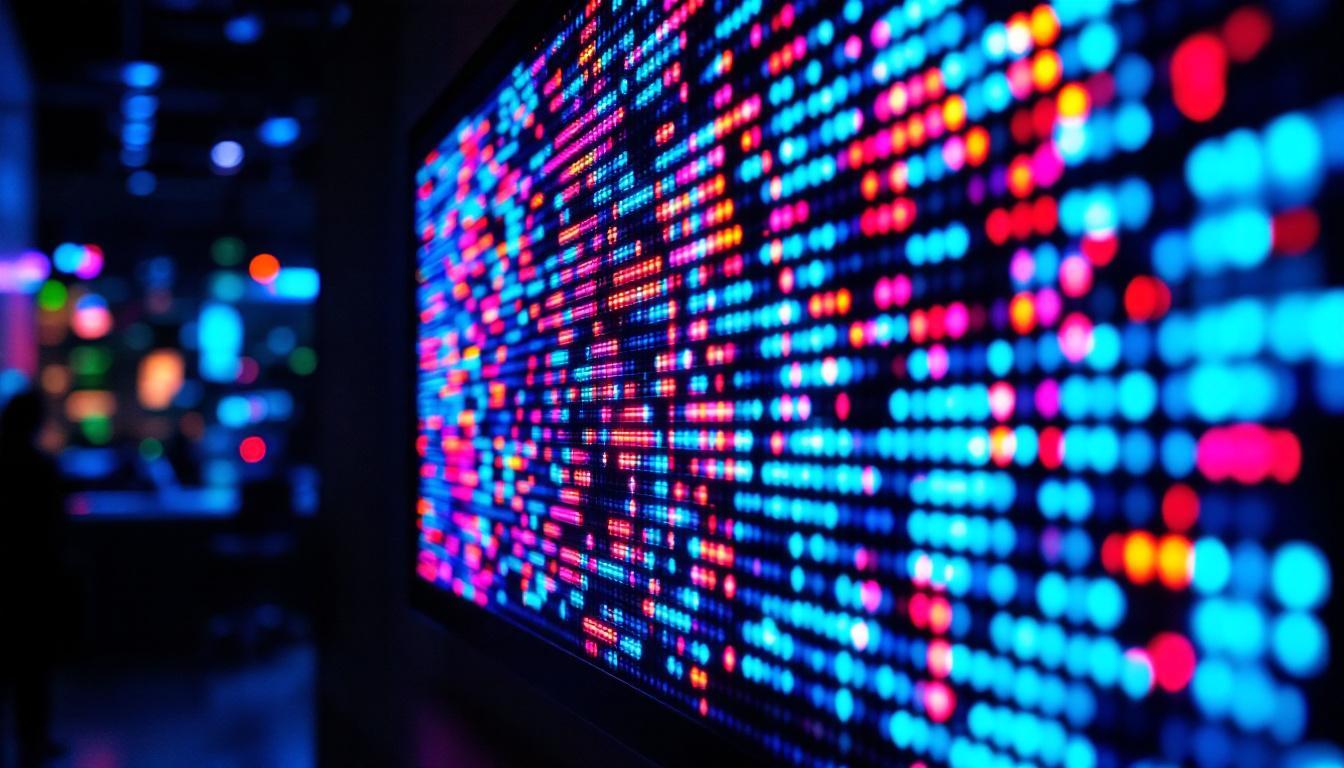
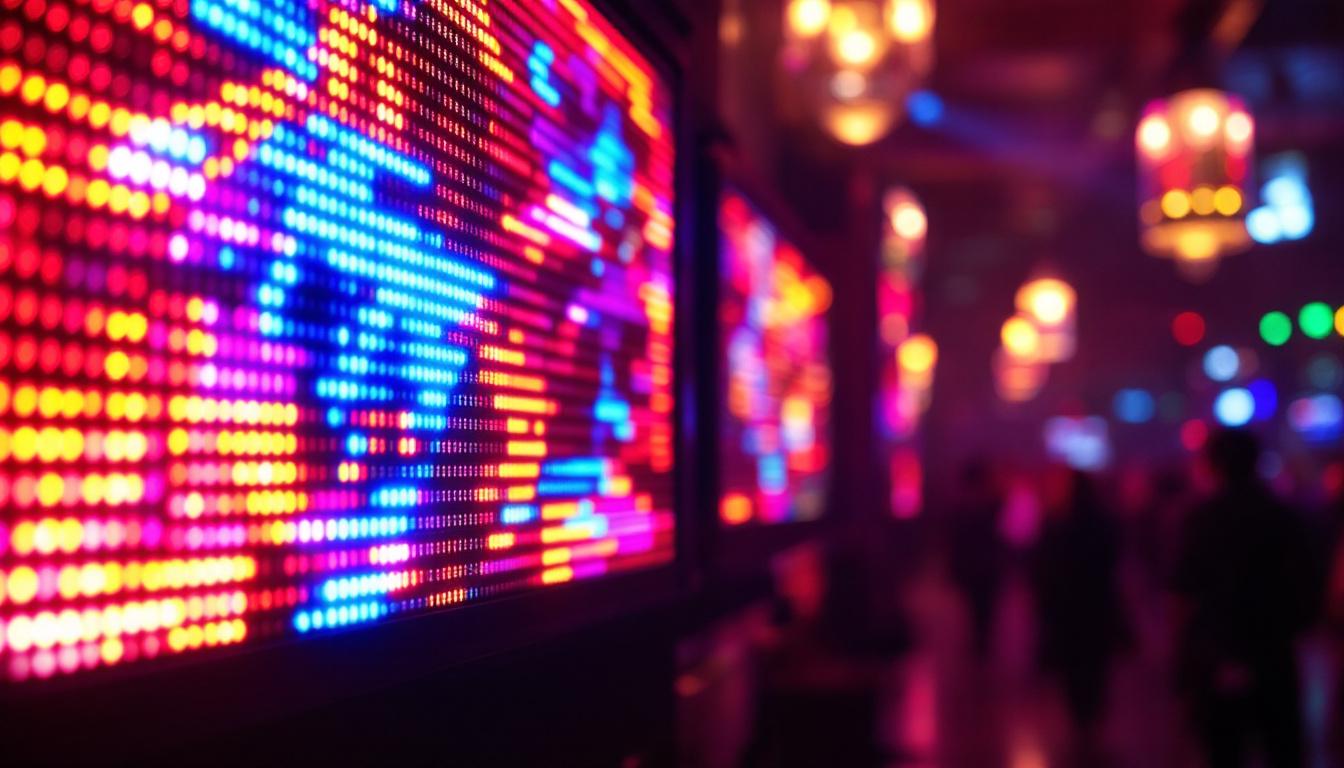
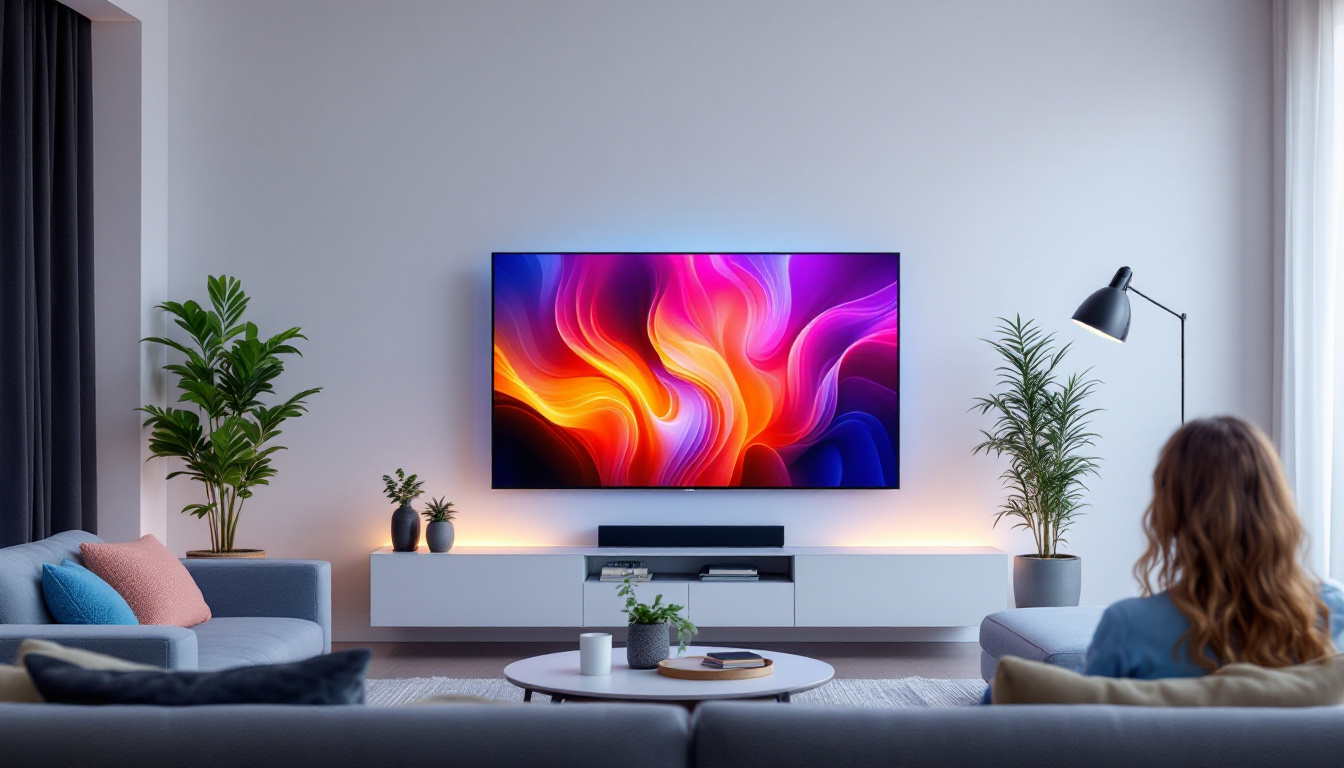
At the core, an LED display consists of an array of tiny LEDs arranged in a matrix. Each LED acts as a pixel that can emit light of varying colors and intensities. By controlling these LEDs, the display can produce a wide range of visuals with high contrast and vivid colors. This versatility allows LED displays to be utilized in various applications, from large-scale advertising billboards to intricate digital signage in retail environments, where capturing attention is crucial.
What Makes Bead LED Different?
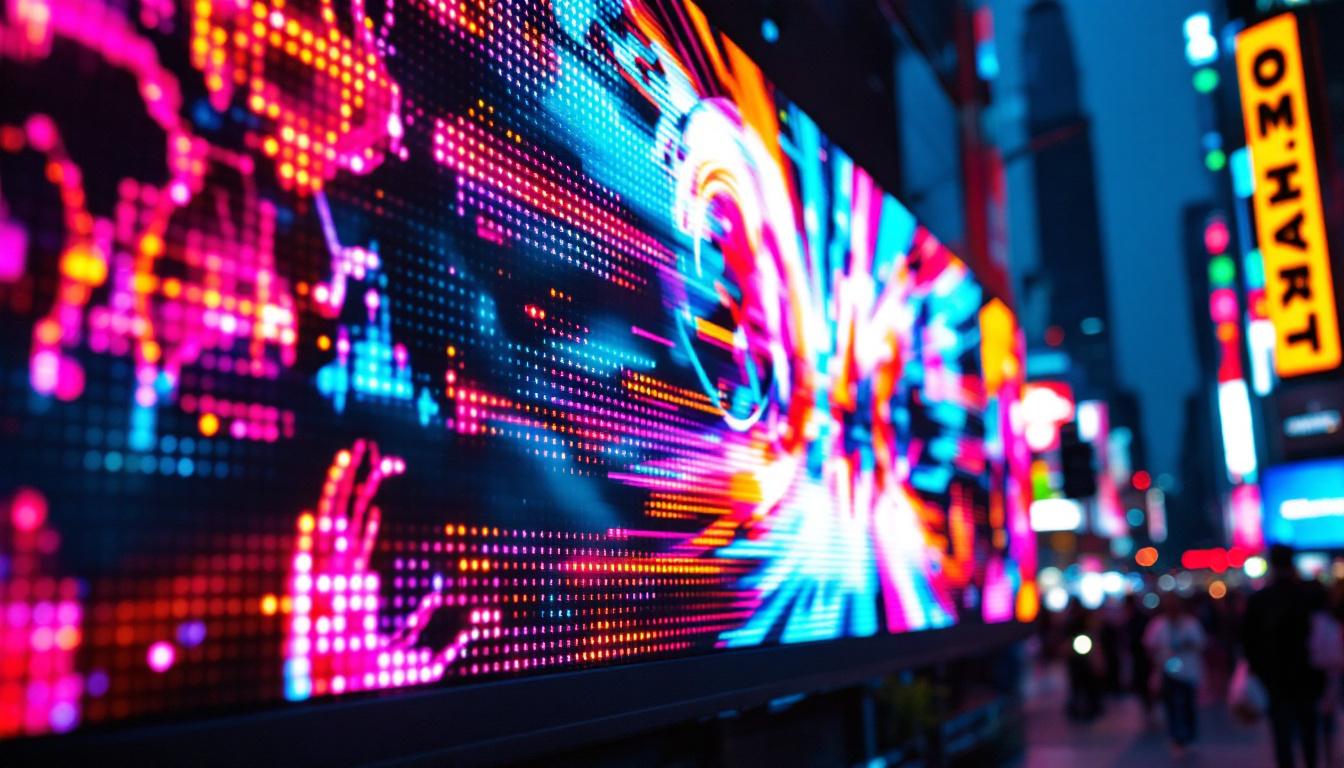
Bead LED refers to a specific type of LED display where the individual LEDs are encapsulated in small, bead-like structures. These beads are typically spherical or hemispherical and serve to enhance the light diffusion and viewing angles of the display. This design contrasts with traditional flat LED surfaces, offering unique optical properties.
The bead encapsulation improves the uniformity of light output and reduces glare, which is particularly beneficial for outdoor displays exposed to direct sunlight. Additionally, the bead shape can contribute to better color mixing and sharper image quality by minimizing light scattering. This feature is especially advantageous in environments where viewers are positioned at various angles, ensuring that the display remains vibrant and clear regardless of the viewer’s perspective. Furthermore, the durability of bead LED displays makes them suitable for harsh weather conditions, as they are often designed to withstand extreme temperatures and moisture, ensuring longevity and consistent performance.
Another significant advantage of bead LED technology is its energy efficiency. The design allows for lower power consumption compared to conventional LED displays, which not only reduces operational costs but also contributes to a smaller carbon footprint. As businesses and organizations increasingly prioritize sustainability, the adoption of energy-efficient technologies like bead LED displays is becoming more prevalent. This shift not only benefits the environment but also enhances the overall appeal of LED displays in commercial applications, where cost-effectiveness and ecological responsibility are paramount.
Technical Components of Bead LED Displays
To appreciate the advantages of Bead LED displays, it is important to understand their technical composition and how they differ from conventional LED modules.
LED Beads and Their Construction
The LED beads are constructed using advanced materials such as epoxy resin or silicone, which provide both protection and optical enhancement. These beads encapsulate the LED chips and phosphor layers, which convert blue or ultraviolet light into the desired colors.
The spherical shape of the bead acts like a micro-lens, focusing and directing the light more efficiently than flat surfaces. This results in higher brightness levels and improved viewing angles, often reaching up to 160 degrees or more horizontally and vertically.
Pixel Pitch and Resolution
Pixel pitch, the distance between the centers of two adjacent LEDs, is a critical factor in determining the resolution and clarity of an LED display. Bead LED displays typically offer a range of pixel pitches, from as fine as 0.9mm for indoor applications to several millimeters for large outdoor screens.
Smaller pixel pitches mean higher resolution and sharper images, which are essential for close-up viewing scenarios such as retail displays or control rooms. Conversely, larger pixel pitches are more suited for billboards and stadium screens where viewers are farther away.
Driving Circuits and Control Systems
Bead LED displays rely on sophisticated driving circuits that regulate current flow to each LED bead, ensuring consistent brightness and color accuracy. Modern control systems use advanced algorithms to manage refresh rates, color calibration, and power consumption.
High refresh rates, often exceeding 1920 Hz, are crucial for eliminating flicker and delivering smooth video playback, especially in broadcast environments. Additionally, these control systems enable real-time adjustments to adapt to ambient lighting conditions and extend the lifespan of the display.
Applications of Bead LED Displays
The unique properties of Bead LED displays make them suitable for a wide range of applications across various industries. Their enhanced brightness, durability, and viewing angles offer tangible benefits in many contexts.
Outdoor Advertising and Digital Billboards
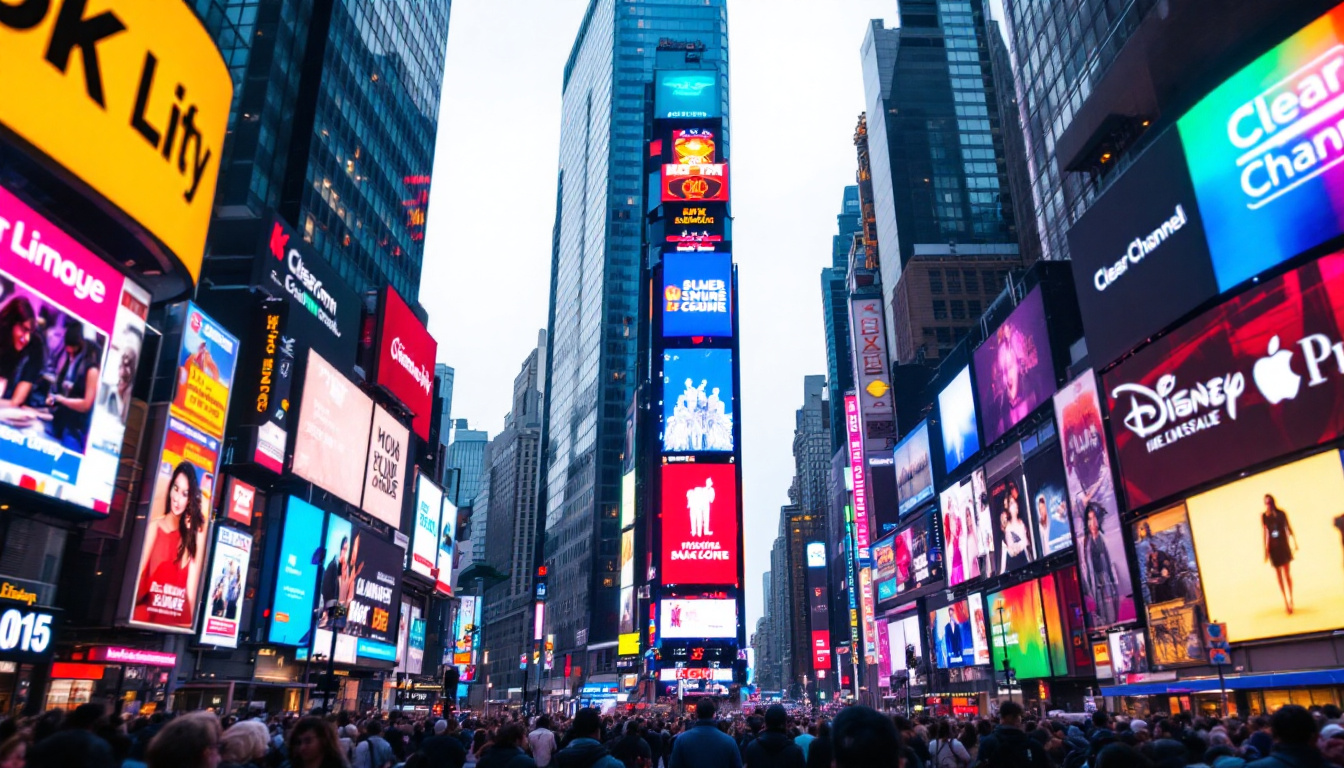
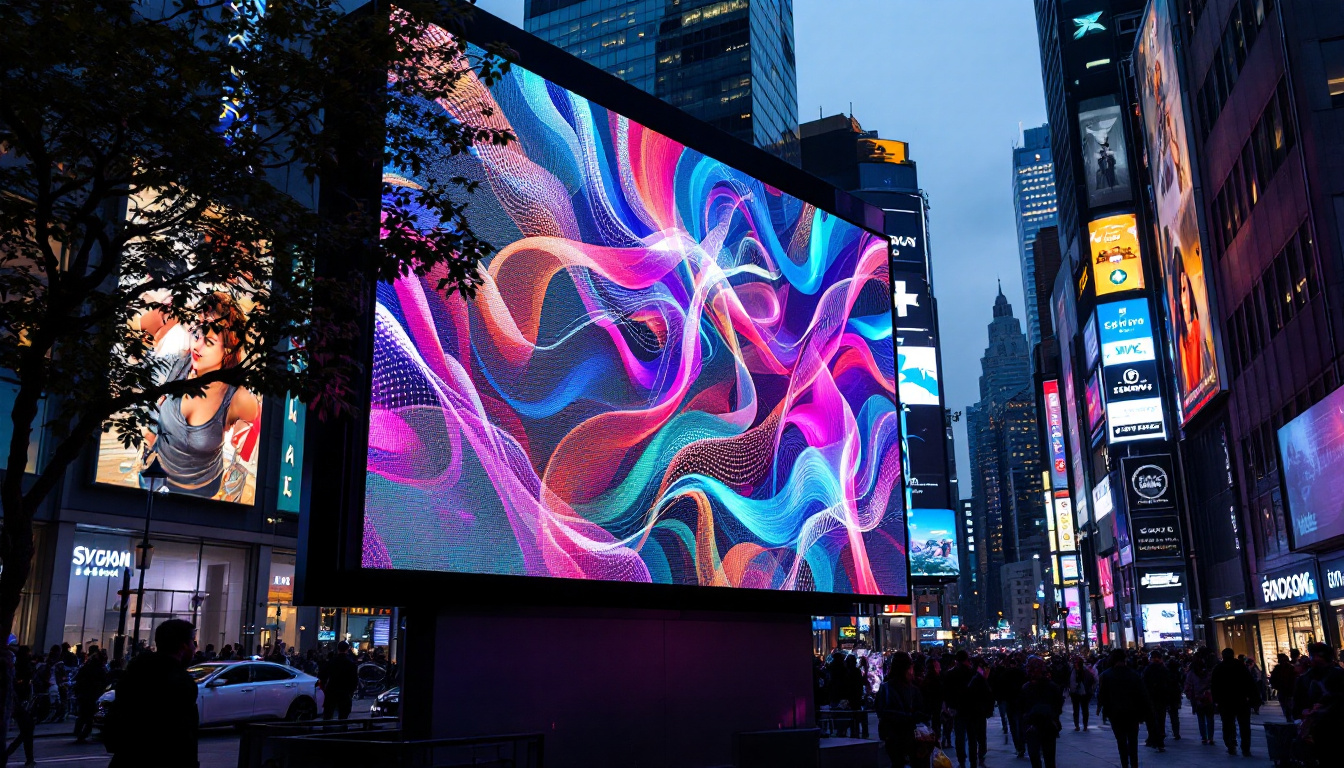
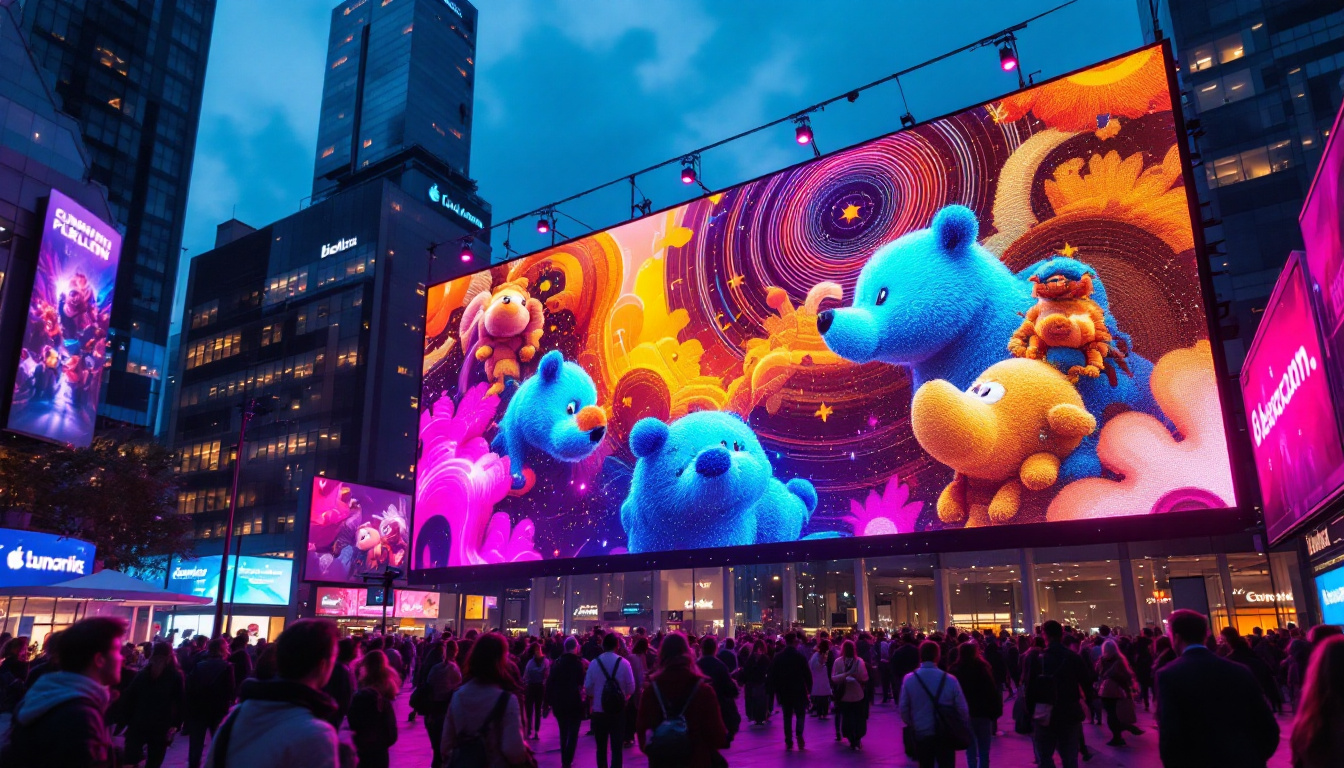
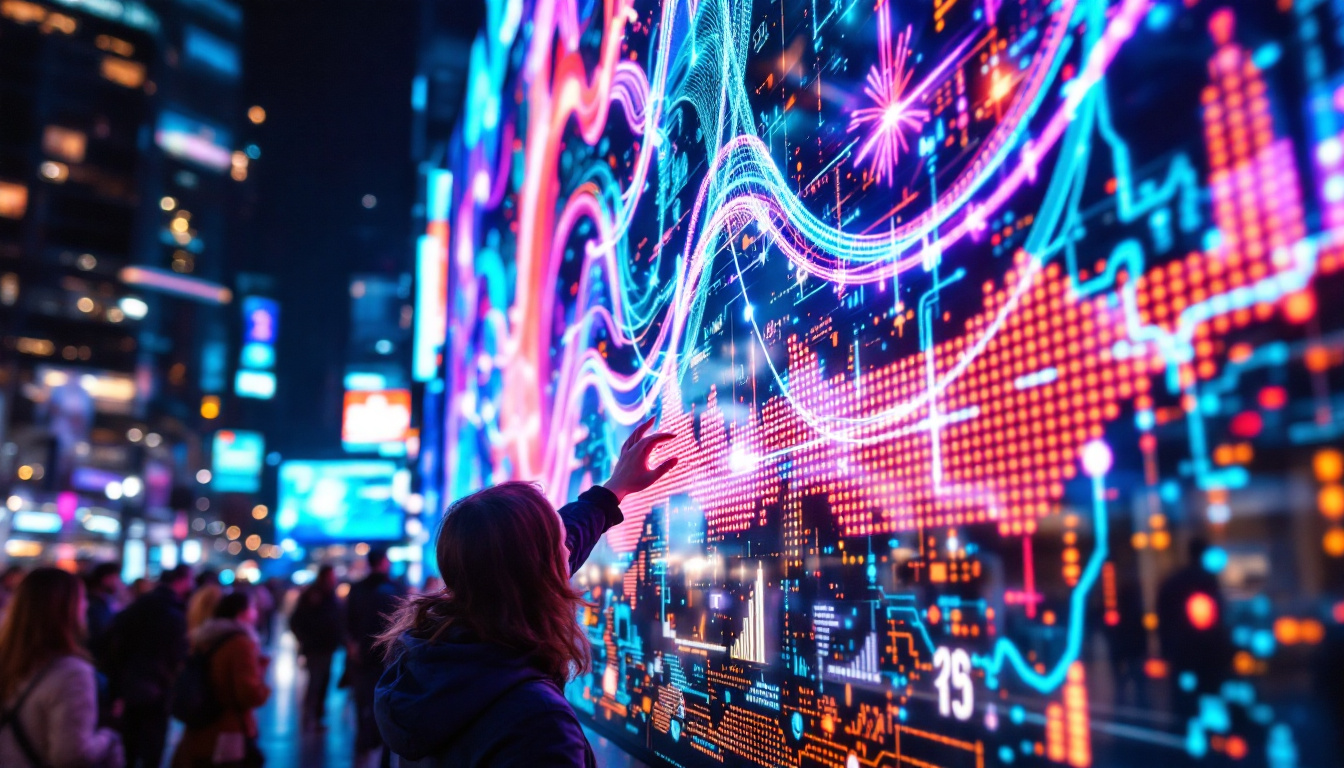
One of the most prominent uses of Bead LED displays is in outdoor advertising. Their high brightness and weather-resistant construction allow them to perform reliably under direct sunlight, rain, and dust. This ensures that advertisements remain vibrant and visible at all times, maximizing audience engagement.
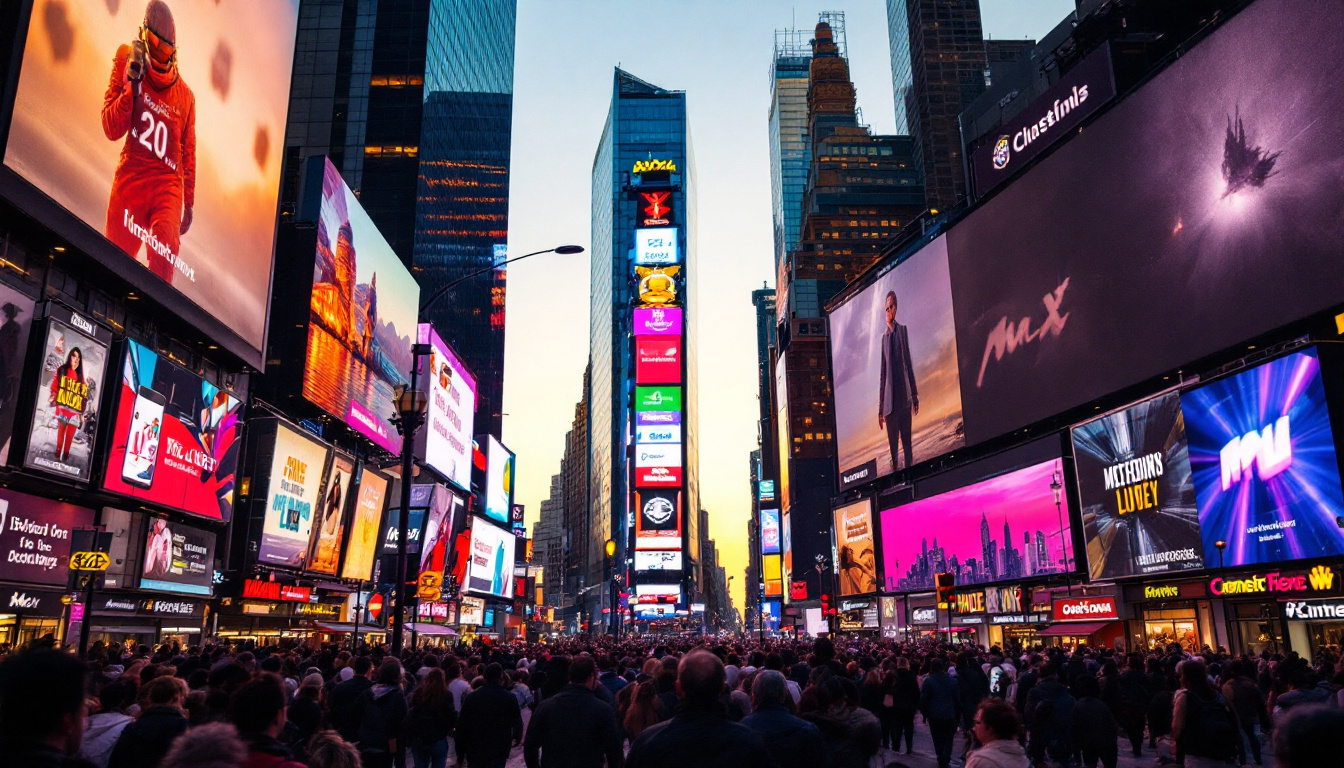
For example, major cities like New York and Tokyo feature Bead LED billboards in Times Square and Shibuya Crossing, where millions of pedestrians and drivers view dynamic advertisements daily. The ability to display vivid, high-resolution content even in challenging lighting conditions is a key advantage.
Sports Arenas and Entertainment Venues
Sports stadiums and entertainment venues utilize Bead LED displays for scoreboards, live video feeds, and immersive visual effects. The wide viewing angles ensure that spectators seated at various locations can enjoy clear and bright images without distortion.
In addition, the fast refresh rates and color fidelity of Bead LED technology contribute to an enhanced spectator experience, enabling smooth replays and dynamic graphics that keep audiences engaged throughout events.
Retail and Corporate Environments
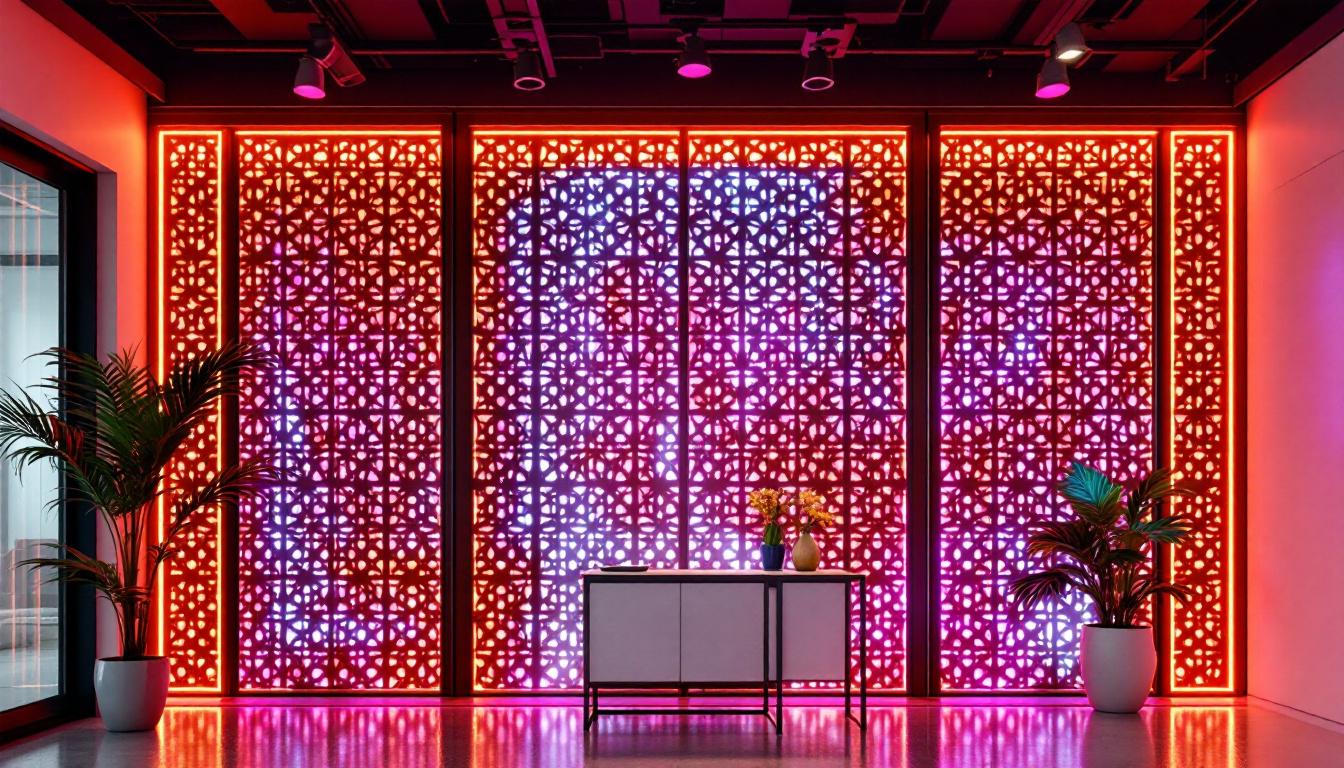
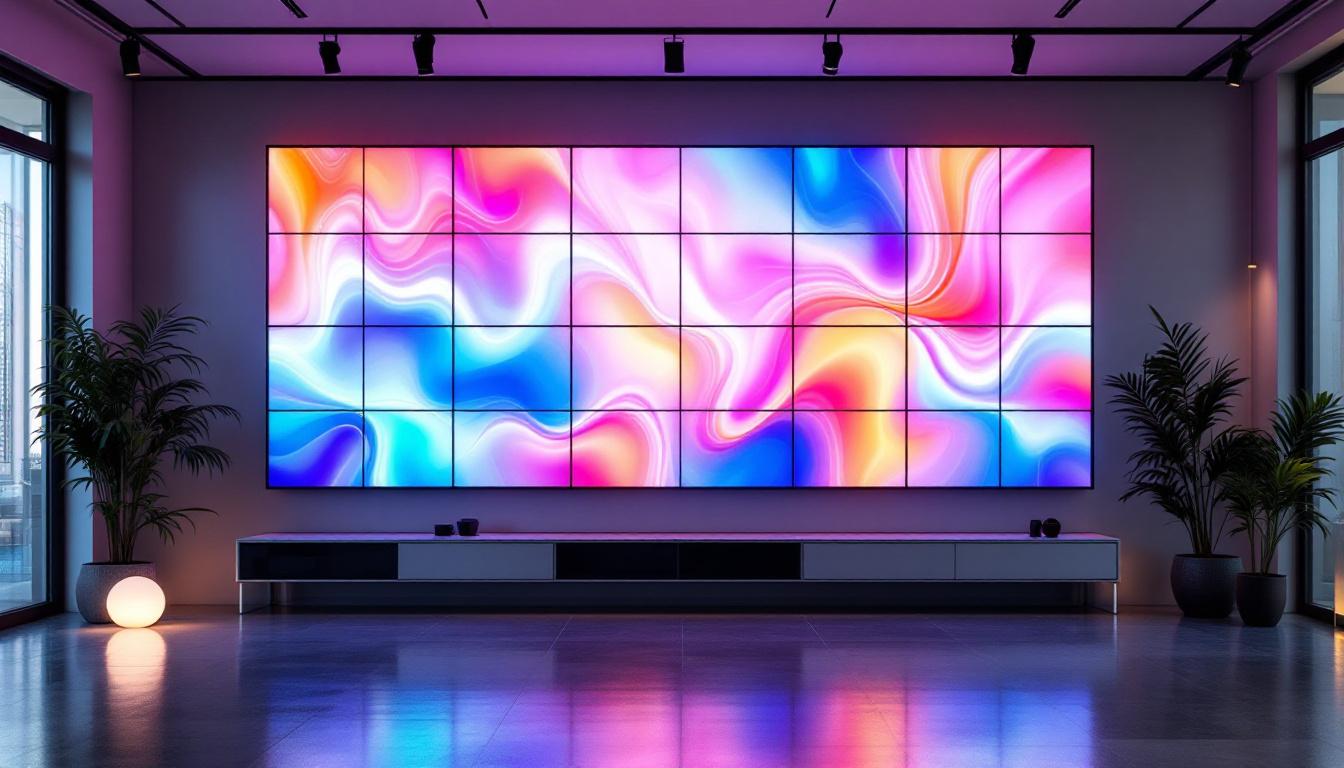
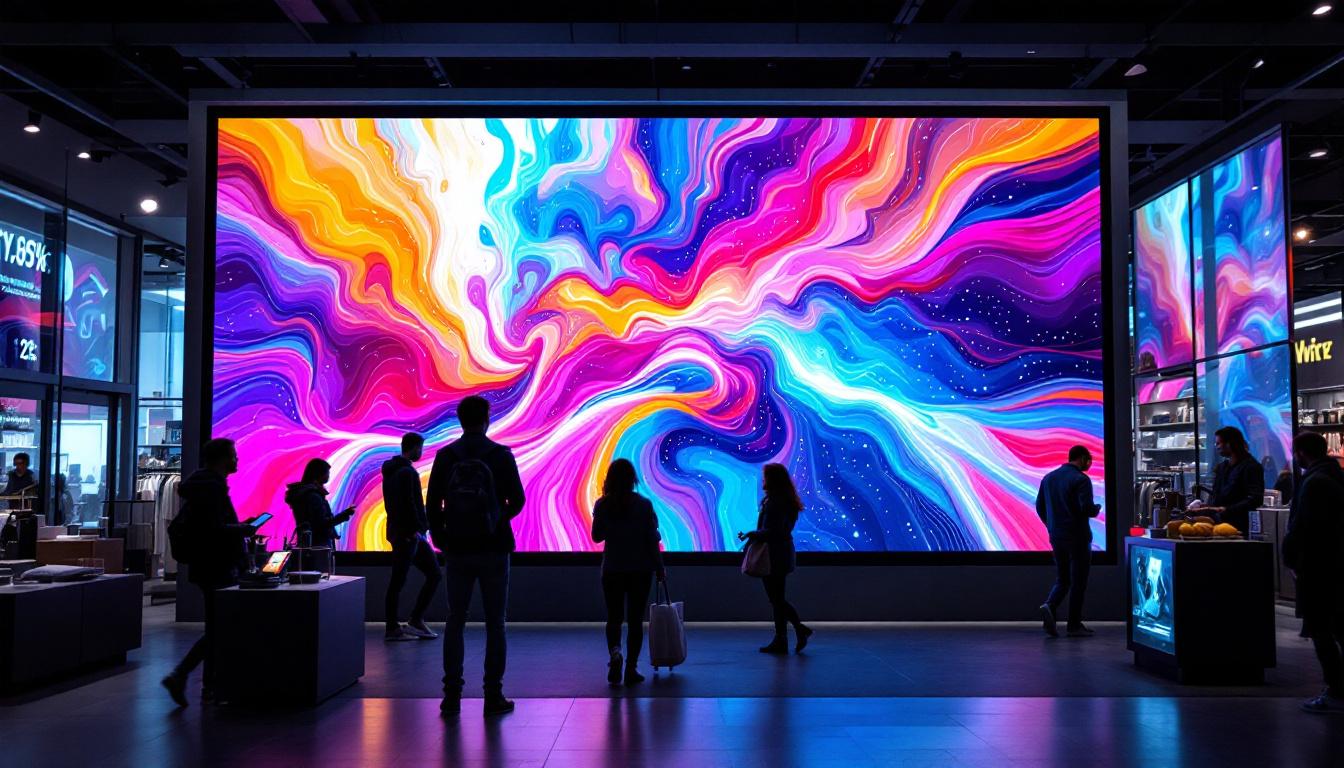
Retail stores and corporate offices increasingly adopt Bead LED displays for digital signage, product promotions, and informational kiosks. The fine pixel pitch options allow for detailed visuals and crisp text, which are vital for conveying brand messages effectively.
Moreover, the energy efficiency and long lifespan of Bead LED panels reduce operational costs, making them a sustainable choice for businesses aiming to combine aesthetics with functionality.
Advantages of Bead LED Displays Over Traditional LED Screens
While conventional LED displays have been widely used for decades, Bead LED technology introduces several enhancements that address common limitations.
Improved Brightness and Visibility
The bead encapsulation optimizes light emission, resulting in higher brightness levels that can exceed 6,000 nits in some outdoor models. This surpasses many traditional LED screens, ensuring visibility even under intense sunlight.
Enhanced brightness also contributes to better contrast ratios, making images appear more vivid and lifelike.
Superior Viewing Angles
Bead LED displays offer wider viewing angles, often up to 160 degrees horizontally and vertically. This means that viewers can see clear images from more extreme positions without color shifting or brightness loss, a critical factor for public displays.
Durability and Weather Resistance
The materials used in bead encapsulation provide robust protection against environmental factors such as moisture, dust, and temperature fluctuations. This durability extends the operational lifespan of the displays and reduces maintenance requirements.
Energy Efficiency
By directing light more effectively, Bead LED displays consume less power to achieve the same or higher brightness compared to traditional LED panels. This energy efficiency translates into lower electricity bills and a reduced carbon footprint.
Challenges and Considerations
Despite their many benefits, Bead LED displays also present some challenges that buyers and installers should consider.
Cost Implications
The advanced materials and manufacturing processes involved in producing bead encapsulated LEDs can lead to higher upfront costs compared to standard LED displays. However, these costs are often offset by longer lifespans and reduced energy consumption over time.
Installation and Maintenance
Due to the precision required in aligning bead LED modules and ensuring optimal calibration, installation can be more complex. Maintenance personnel need specialized training to handle repairs and color adjustments properly.
Pixel Pitch Limitations
While bead LED technology improves optical performance, extremely fine pixel pitches (below 0.5mm) remain challenging to produce at scale. For ultra-high-resolution applications like medical imaging or close-proximity control rooms, alternative micro-LED or OLED technologies may still be preferred.
The Future of Bead LED Technology
As display technology continues to evolve, Bead LED displays are poised to play a significant role in shaping the future of digital signage and visual communication.
Advancements in Materials and Manufacturing
Research into new encapsulation materials and nano-coatings promises to further enhance the brightness, color accuracy, and durability of bead LEDs. Innovations such as quantum dot integration could also expand the color gamut and efficiency of these displays.
Integration with Smart Technologies
Future Bead LED displays are expected to incorporate smart features like ambient light sensors, AI-driven content optimization, and IoT connectivity. These enhancements will enable more dynamic and responsive visual experiences tailored to audience behavior and environmental conditions.
Expansion into New Markets
With their superior performance characteristics, Bead LED displays are likely to find increased adoption in emerging sectors such as augmented reality environments, automotive heads-up displays, and large-scale interactive installations.
Conclusion
Bead LED technology represents a significant advancement in the field of LED displays, combining innovative design with practical benefits that meet the demands of modern visual communication. Its enhanced brightness, superior viewing angles, and robust durability make it an excellent choice for a variety of applications, from outdoor advertising to high-end retail environments.
While cost and installation complexity remain considerations, the long-term advantages in performance and energy efficiency position Bead LED displays as a compelling investment for businesses and organizations seeking impactful digital signage solutions. As the technology continues to mature, it will undoubtedly unlock new possibilities for immersive and engaging visual experiences worldwide.
Discover the Future of Visual Communication with LumenMatrix
Ready to elevate your visual messaging with the latest in Bead LED technology? LumenMatrix is at the forefront of this innovative leap, offering a diverse range of LED display solutions tailored to your unique needs. From captivating Indoor LED Walls to dynamic Outdoor LED Displays, and from versatile Vehicle LED Displays to sleek LED Posters, our products are designed to make your brand shine. Experience the revolution in digital signage with LumenMatrix and transform the way you engage with your audience. Check out LumenMatrix LED Display Solutions today and step into the future of impactful visual communication.