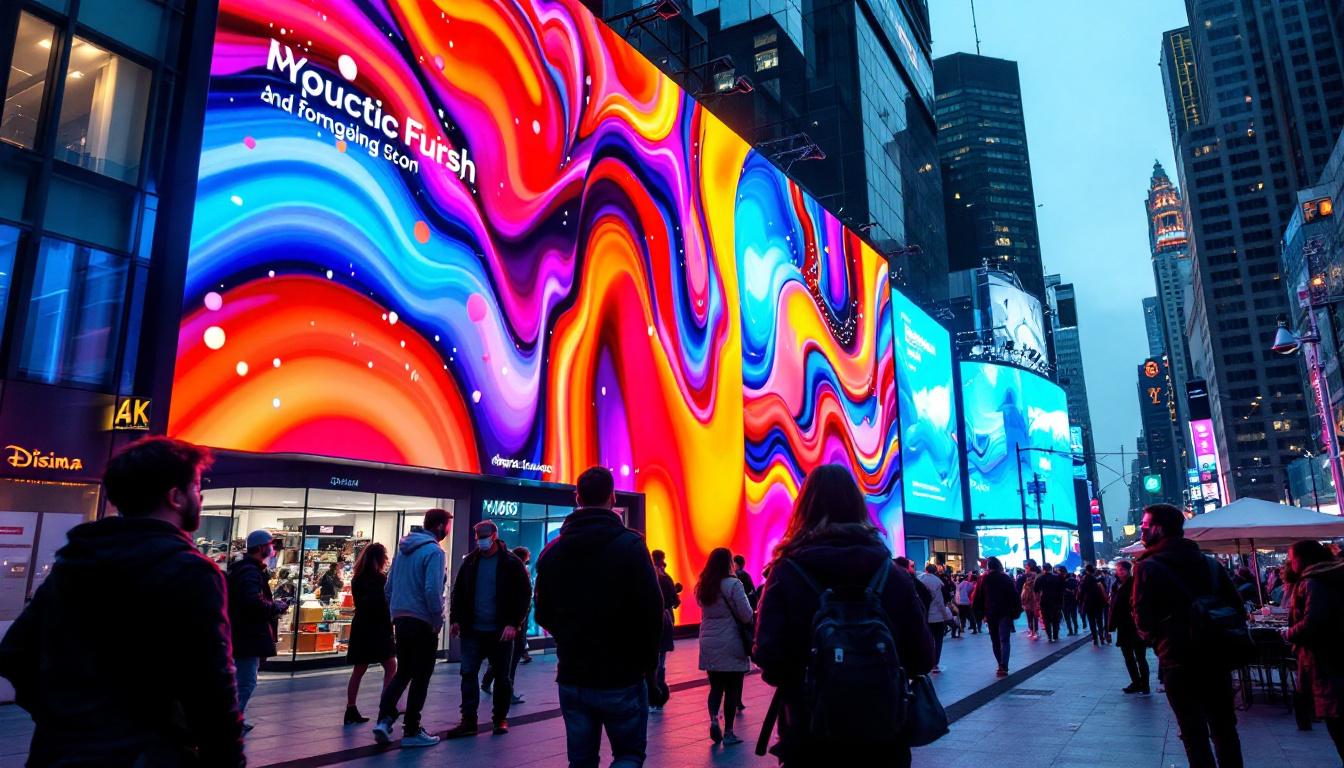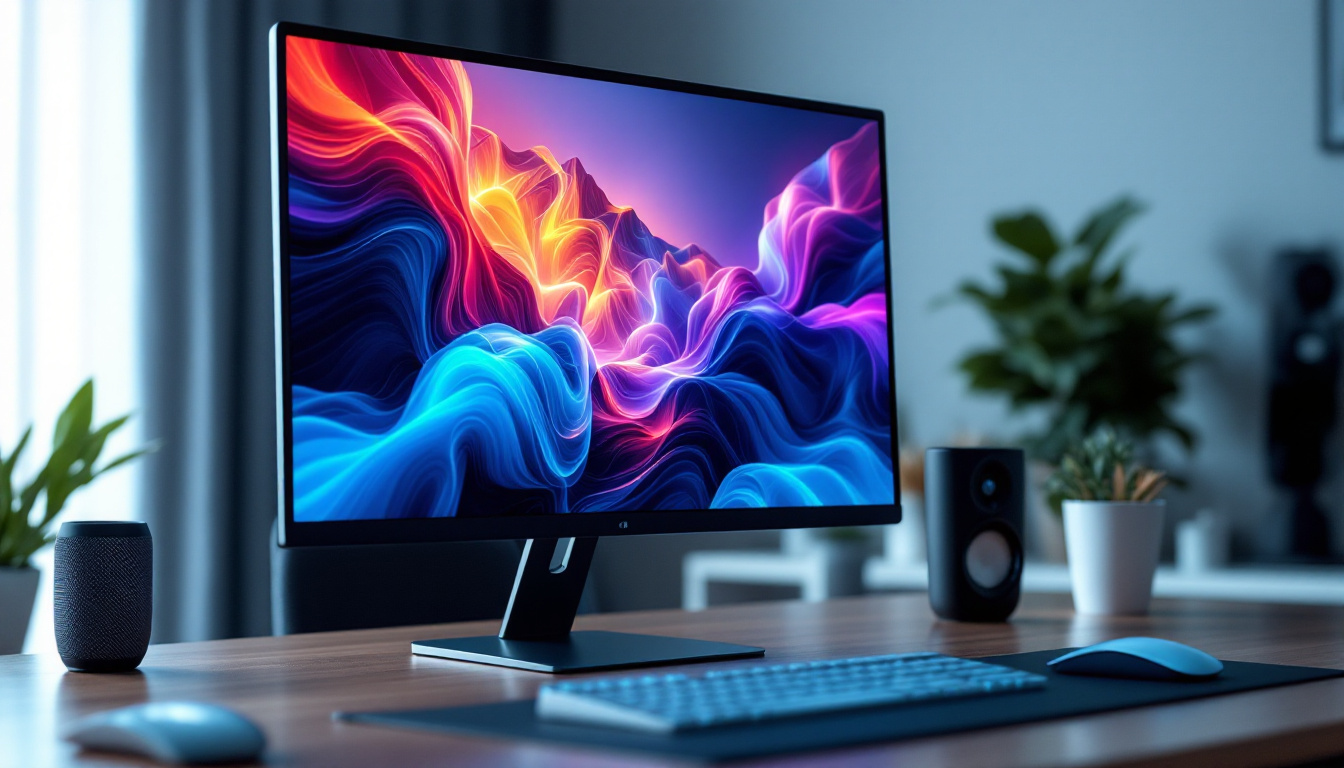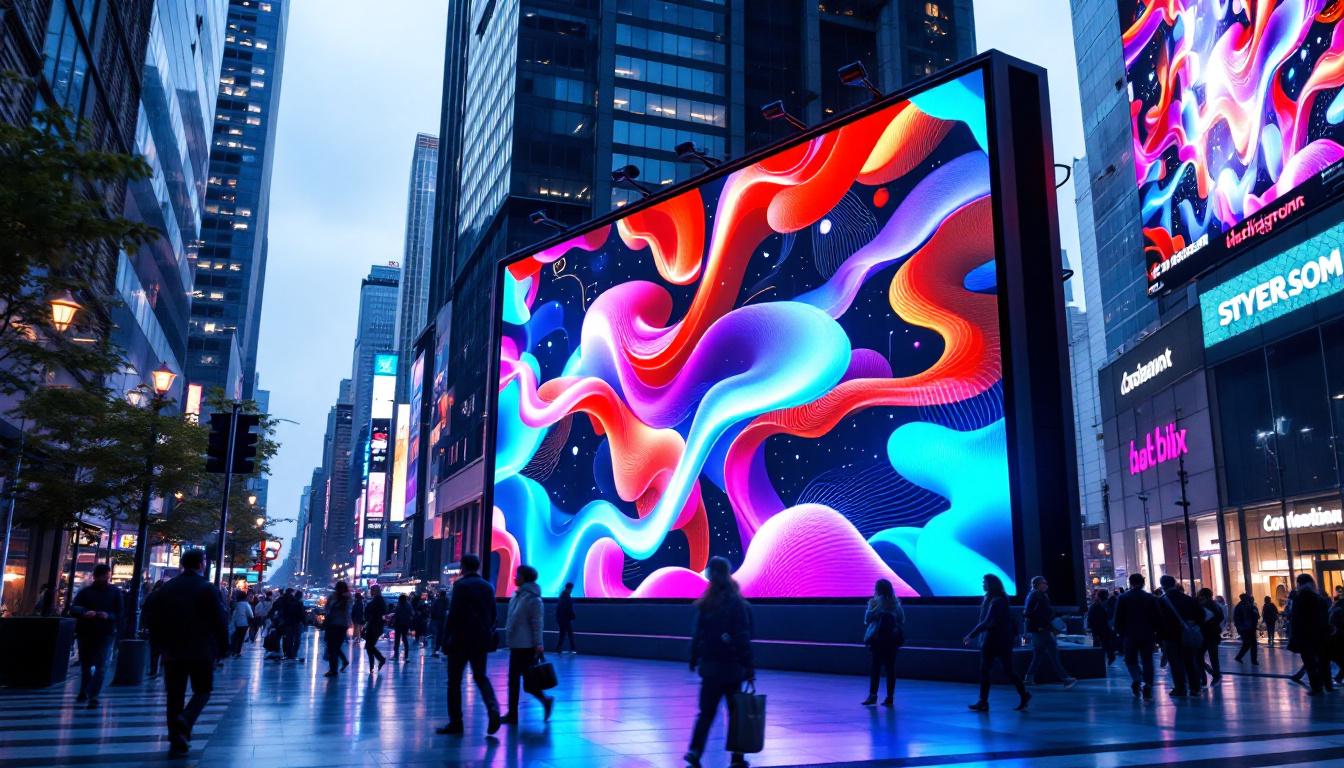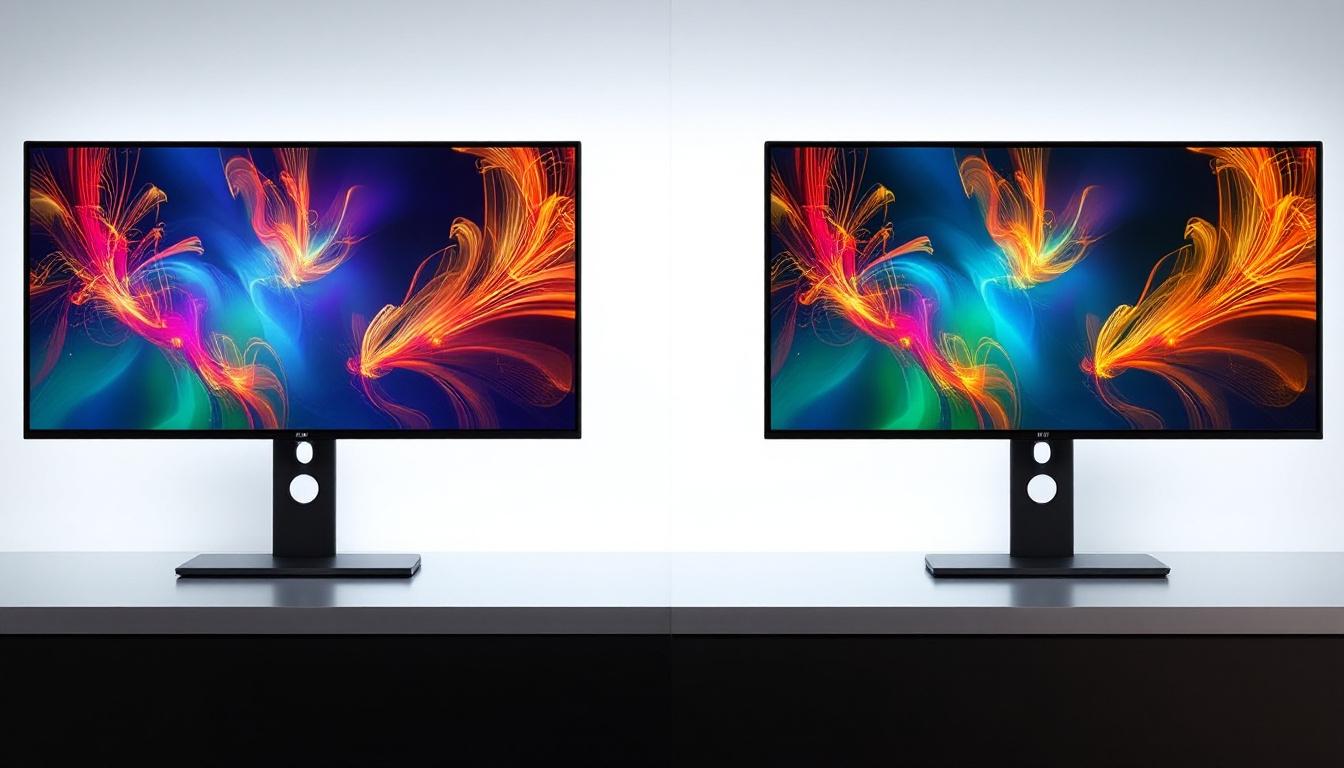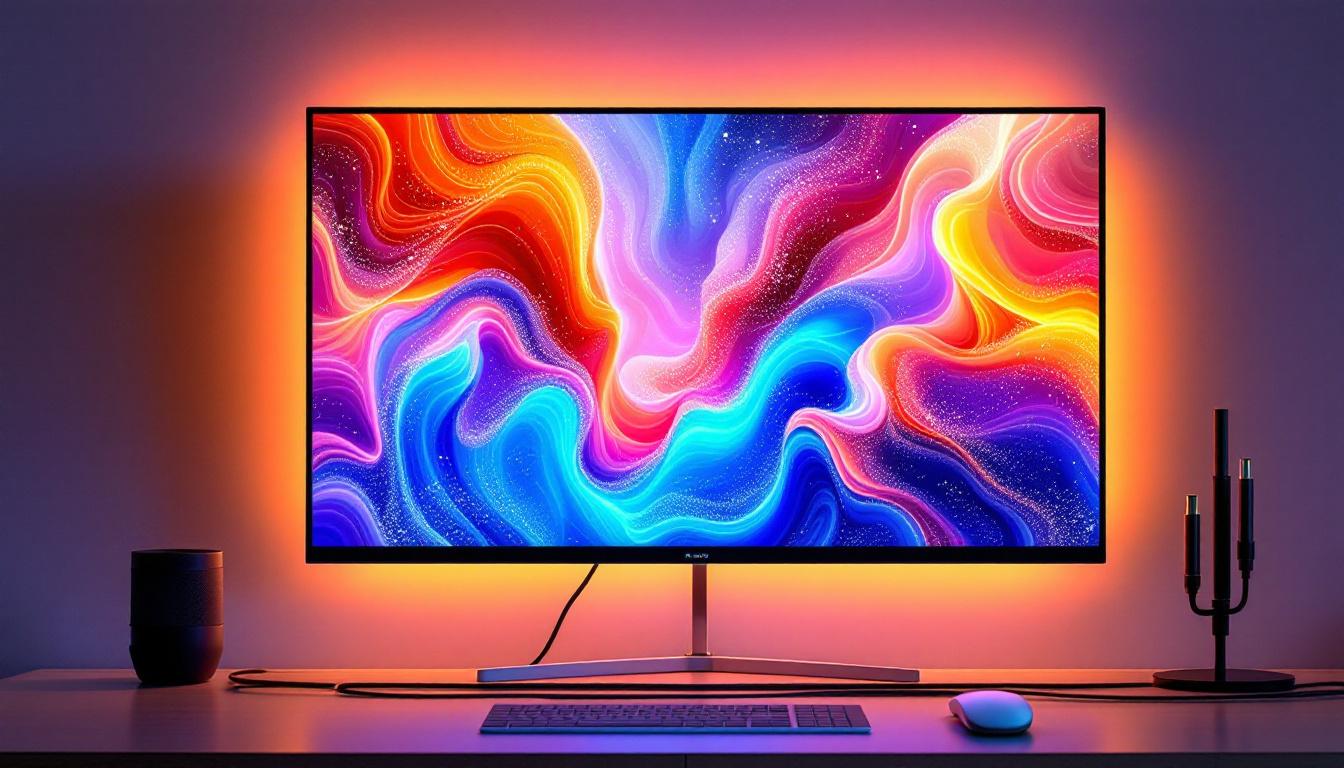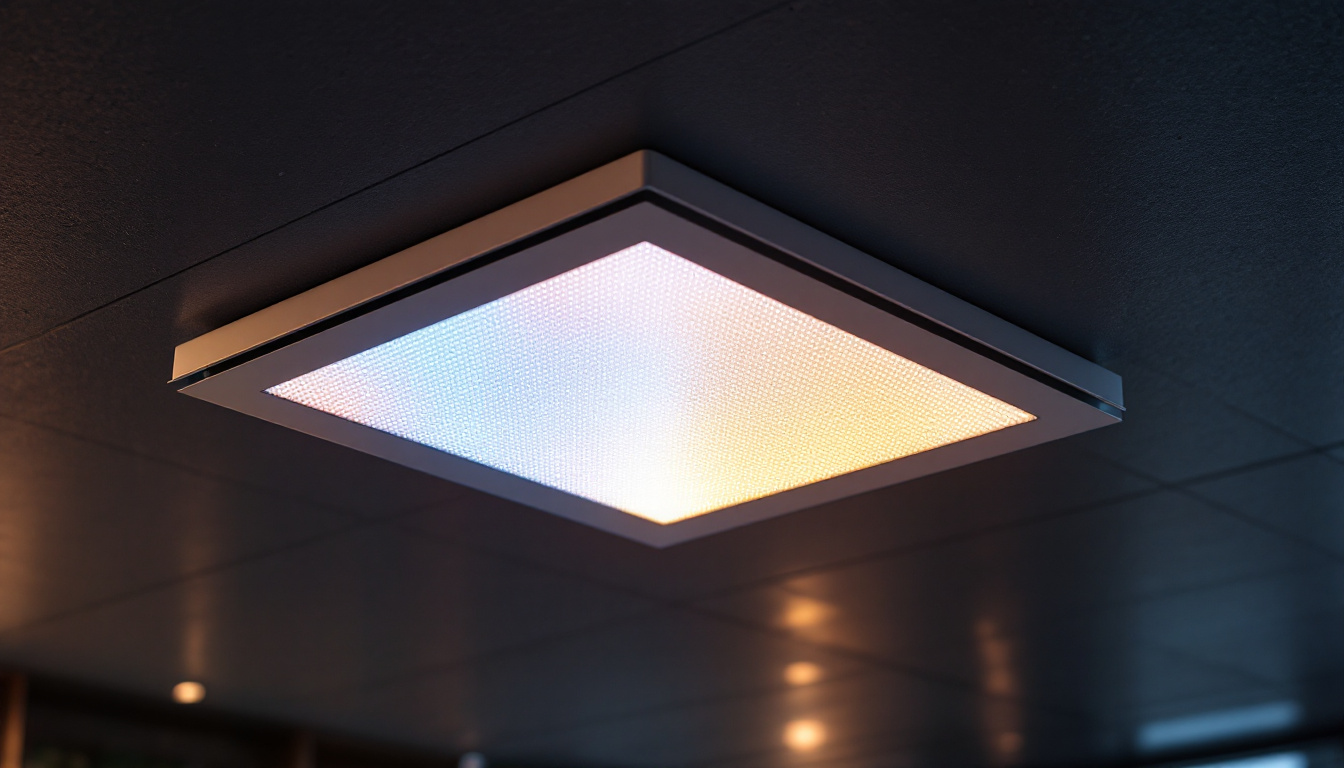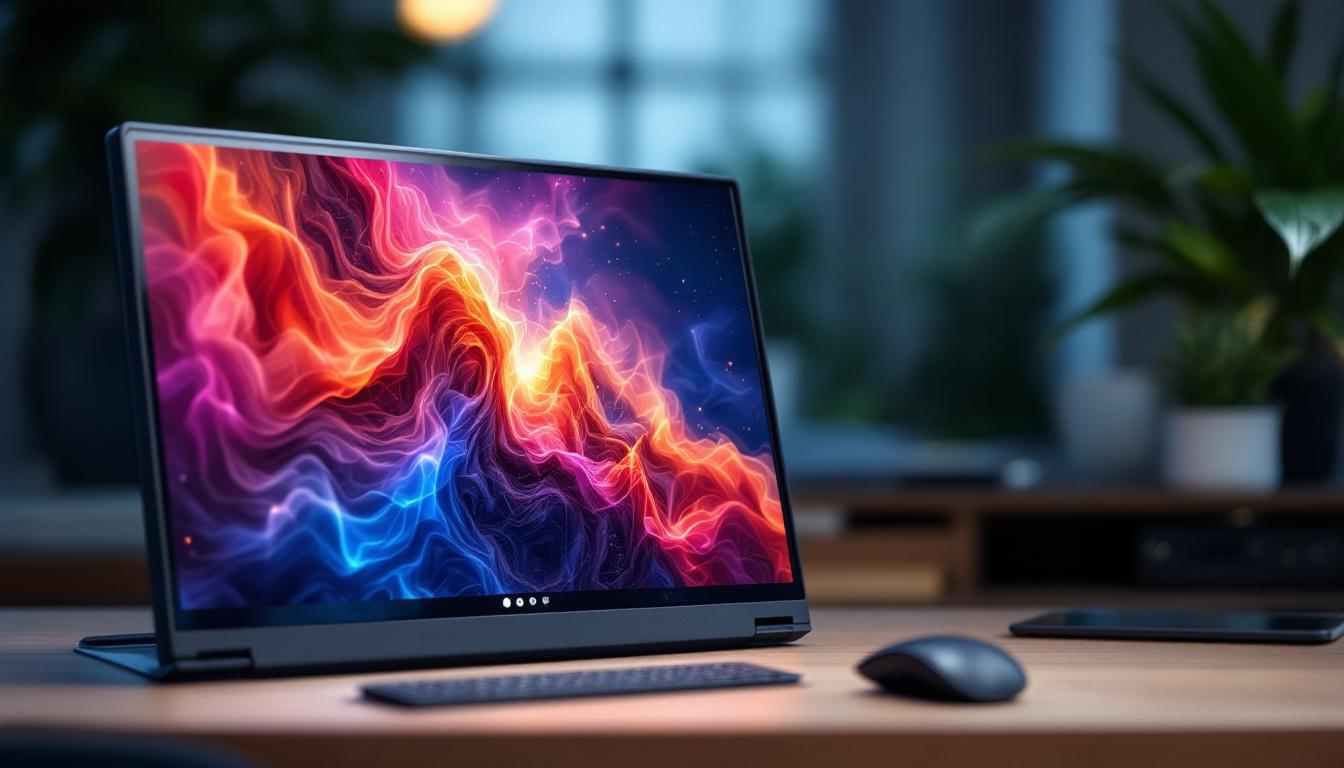
In the rapidly evolving world of display technology, LED monitors have become a staple for consumers and professionals alike. From vibrant home entertainment setups to high-precision graphic design workstations, LED displays offer a blend of performance, efficiency, and visual quality that continues to impress. This article delves into the fundamentals of LED monitors, exploring how they work, their advantages, and what sets them apart from other display technologies.
Understanding LED Technology in Monitors
What Does LED Stand For?
LED stands for Light Emitting Diode. These tiny semiconductor devices emit light when an electric current passes through them. Unlike traditional display backlighting methods that use cold cathode fluorescent lamps (CCFLs), LED monitors utilize arrays of LEDs to illuminate the screen, either directly or through an LCD panel. This advancement in technology has significantly improved the visual experience for users, offering brighter displays with more vibrant colors and deeper blacks, which are essential for everything from gaming to graphic design.
How LED Monitors Work
Most LED monitors are actually LCD (Liquid Crystal Display) panels that use LEDs as their backlight source. The liquid crystals themselves do not emit light; instead, they manipulate the light from the LEDs to create images. This combination offers the benefits of LCD’s sharp image control with the superior illumination and energy efficiency of LEDs. Additionally, the use of LEDs allows for a wider color gamut, meaning that users can enjoy a broader range of colors that are more true to life, enhancing the overall viewing experience.
There are two primary types of LED backlighting:
- Edge-lit LED: LEDs are placed around the edges of the screen, and light is distributed across the display using light guides. This design allows for thinner monitors but can sometimes result in uneven brightness. Despite this, edge-lit technology is popular for its sleek design and lower manufacturing costs, making it a common choice for budget-friendly displays.
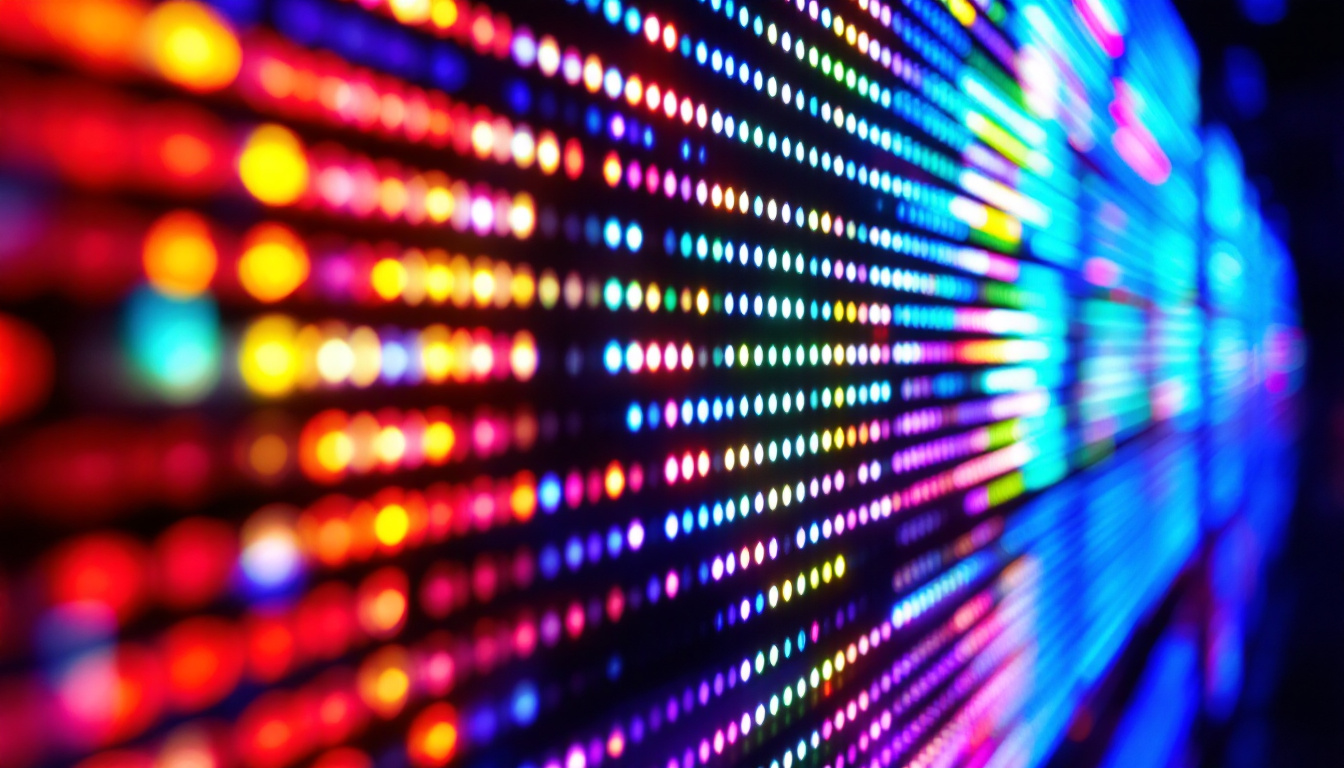
- Direct-lit or Full-array LED: LEDs are placed directly behind the LCD panel in a grid. This allows for more uniform lighting and supports advanced features like local dimming, which enhances contrast by dimming parts of the screen independently. Full-array technology is particularly beneficial for watching movies or playing games, as it can produce deeper blacks and more dynamic visuals, significantly improving the overall picture quality.
MicroLED vs. Traditional LED
While most LED monitors use LEDs for backlighting an LCD panel, a newer technology called MicroLED is emerging. MicroLED displays consist of microscopic LEDs that serve as individual pixels, emitting their own light without the need for a separate backlight. This technology promises higher brightness, better contrast, and improved energy efficiency, but it remains expensive and is mostly found in high-end applications today. The potential for MicroLED is vast, as it could lead to displays that are thinner, lighter, and more flexible than current technologies, opening the door to innovative designs and applications in both consumer electronics and commercial displays.
Moreover, MicroLED technology is being explored for its ability to create modular screens, allowing users to customize the size and shape of their displays. This adaptability could revolutionize how we interact with screens in various environments, from personal devices to large-scale installations in public spaces. As research and development continue, we may soon see MicroLED technology become more accessible, paving the way for a new era in display technology.
Benefits of LED Monitors
Superior Energy Efficiency
One of the most significant advantages of LED monitors is their energy efficiency. Compared to older CCFL-backlit LCDs, LED monitors consume significantly less power. According to the U.S. Department of Energy, LED-backlit displays can use up to 40% less energy than CCFL models. This reduction not only lowers electricity bills but also contributes to environmental sustainability. Furthermore, the longevity of LED technology means that these monitors can last much longer than their predecessors, reducing the frequency of replacements and the associated electronic waste. This aspect is particularly appealing to environmentally conscious consumers and businesses looking to minimize their carbon footprint.
Improved Display Quality
LED backlighting offers better brightness and contrast ratios than traditional backlighting methods. This results in more vibrant colors and deeper blacks, enhancing the overall viewing experience. Many modern LED monitors support wide color gamuts such as Adobe RGB or DCI-P3, which are essential for professional photo and video editing. The enhanced color accuracy and consistency make LED monitors a preferred choice for graphic designers and content creators who require precise color representation. Additionally, the incorporation of technologies like HDR (High Dynamic Range) further elevates the visual quality by allowing for a broader range of luminosity, making images appear more lifelike and dynamic.
Additionally, LED monitors often have faster response times and higher refresh rates, making them ideal for gaming and fast-paced multimedia applications. Gamers, in particular, benefit from features such as adaptive sync technologies, which help eliminate screen tearing and stuttering during gameplay, providing a smoother and more immersive experience.
Thinner and Lighter Designs
The compact size of LEDs allows manufacturers to produce thinner and lighter monitors. Edge-lit LED technology, in particular, has enabled ultra-slim displays that fit seamlessly into modern workspaces and living rooms. This design flexibility also extends to curved and ultra-wide monitors, which have gained popularity for immersive experiences. The aesthetic appeal of these sleek designs not only enhances the visual appeal of any setup but also makes them easier to transport and mount, catering to the needs of mobile professionals and gamers alike.
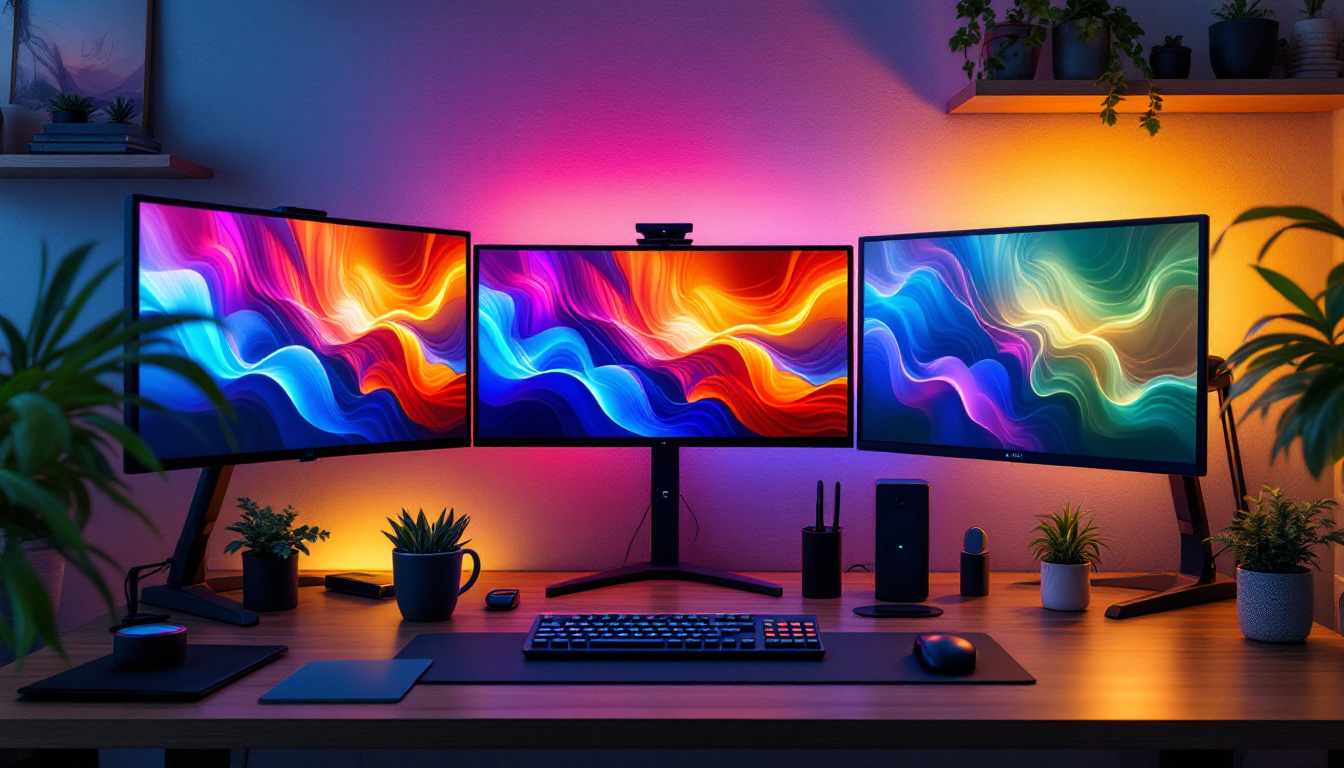
Moreover, the reduction in bulkiness has opened up new possibilities for multi-monitor setups, allowing users to create expansive workstations that maximize productivity. With the ability to connect multiple monitors seamlessly, professionals can manage various tasks simultaneously, increasing efficiency and workflow. The lightweight nature of these monitors also means that they can be easily adjusted or repositioned, making them a versatile choice for dynamic environments.
Key Features to Consider When Choosing an LED Monitor
Resolution and Screen Size
Resolution determines the sharpness and clarity of the display. Common resolutions include Full HD (1920×1080), Quad HD (2560×1440), and 4K UHD (3840×2160). For professional work such as graphic design or video editing, higher resolutions provide more workspace and finer detail.
Screen size is equally important and should be chosen based on the intended use and desk space. Larger screens offer more immersive experiences but can require more powerful hardware to drive high resolutions effectively.
Color Accuracy and Gamut
Color accuracy is critical for creative professionals. Look for monitors that cover a wide color gamut and offer factory calibration or hardware calibration support. Technologies like HDR (High Dynamic Range) further enhance color depth and contrast, providing more lifelike images.
Refresh Rate and Response Time
Gamers and video editors benefit from monitors with high refresh rates (120Hz, 144Hz, or higher) and low response times (1ms to 5ms). These specifications reduce motion blur and input lag, delivering smoother visuals and more responsive controls.
Connectivity Options
Modern LED monitors come equipped with various ports, including HDMI, DisplayPort, USB-C, and USB hubs. USB-C connectivity is particularly valuable for users who want to connect laptops or mobile devices with a single cable that carries video, data, and power.
Comparing LED Monitors to Other Display Technologies
LED vs. OLED
OLED (Organic Light Emitting Diode) displays differ fundamentally from LED-backlit LCDs. OLED pixels emit their own light, allowing for perfect blacks and exceptional contrast ratios. However, OLED monitors tend to be more expensive and can suffer from burn-in issues over time.
LED monitors, especially those with full-array local dimming, can approach OLED levels of contrast but generally at a lower cost and without the risk of burn-in.
LED vs. LCD (CCFL Backlit)
Traditional LCD monitors used CCFL backlighting, which consumes more power and offers less uniform brightness. LED monitors have largely replaced CCFL models due to their superior energy efficiency, thinner design, and better color performance.
LED vs. Plasma and CRT
Plasma and CRT (Cathode Ray Tube) monitors are largely obsolete in today’s market. LED monitors offer far better energy efficiency, image quality, and form factor advantages compared to these older technologies.
Applications of LED Monitors in Various Fields
Professional Creative Work
Graphic designers, photographers, and video editors rely on LED monitors for accurate color reproduction and high resolutions. Monitors with wide color gamuts and HDR support enable professionals to produce content that looks consistent across different devices and media.
Gaming
LED monitors with high refresh rates and low response times have become the standard for gaming setups. Features such as adaptive sync technologies (G-Sync, FreeSync) help eliminate screen tearing and stuttering, providing a smoother gaming experience.
Business and Productivity
In office environments, LED monitors contribute to better ergonomics and productivity. Ultra-wide and curved LED monitors allow users to multitask more efficiently by providing expansive screen real estate. Additionally, energy-efficient LED displays help reduce operational costs for businesses.
Home Entertainment
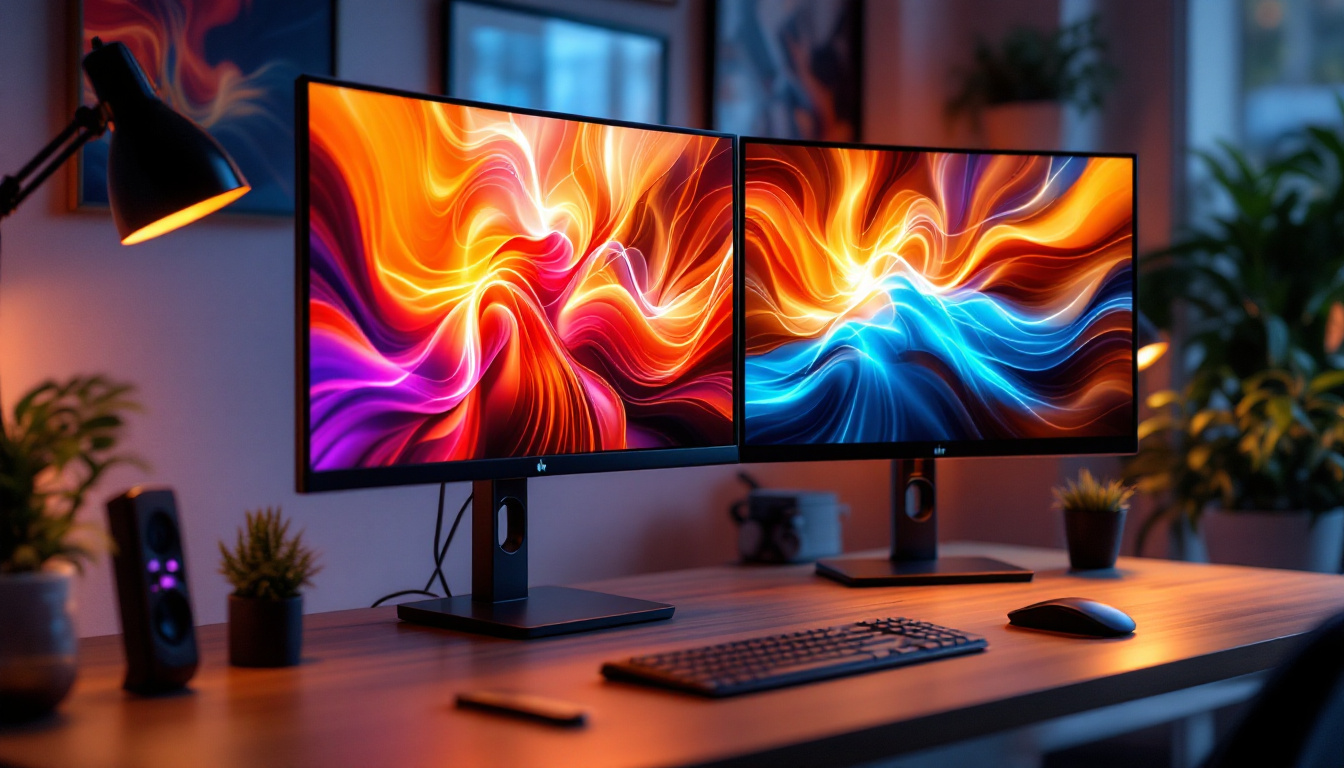
LED monitors are widely used for home entertainment, from streaming movies to casual gaming. Their vibrant colors, high contrast, and slim designs make them ideal for living rooms and media centers.
Future Trends in LED Monitor Technology
Advancements in MicroLED
MicroLED technology is poised to revolutionize the display market by combining the best aspects of LED and OLED. With self-emissive pixels, MicroLED displays promise unmatched brightness, color accuracy, and durability. Although currently expensive, ongoing research and development are expected to bring costs down, making MicroLED monitors more accessible.
Integration of AI and Smart Features
Artificial intelligence is beginning to influence display technology, with smart monitors that can adjust brightness, contrast, and color settings dynamically based on content and ambient lighting. These features enhance user comfort and optimize visual performance without manual intervention.
Higher Refresh Rates and Resolutions
As content becomes more demanding, LED monitors will continue to push boundaries with higher refresh rates (up to 240Hz and beyond) and resolutions exceeding 8K. These improvements will benefit gamers, professionals, and consumers seeking the ultimate visual experience.
Conclusion
LED monitors represent a mature and versatile display technology that balances performance, efficiency, and design. Their widespread adoption across industries—from creative professions to gaming and everyday computing—underscores their importance in today’s digital landscape. Understanding the nuances of LED display technology helps consumers make informed decisions when selecting monitors that best suit their needs.
As technology advances, innovations like MicroLED and AI-driven smart displays promise to elevate LED monitors to new heights, offering even richer visuals and more intuitive user experiences. Whether for work or play, investing in a quality LED monitor remains a sound choice for anyone seeking vibrant, reliable, and energy-efficient display solutions.
Discover LumenMatrix’s Advanced LED Displays
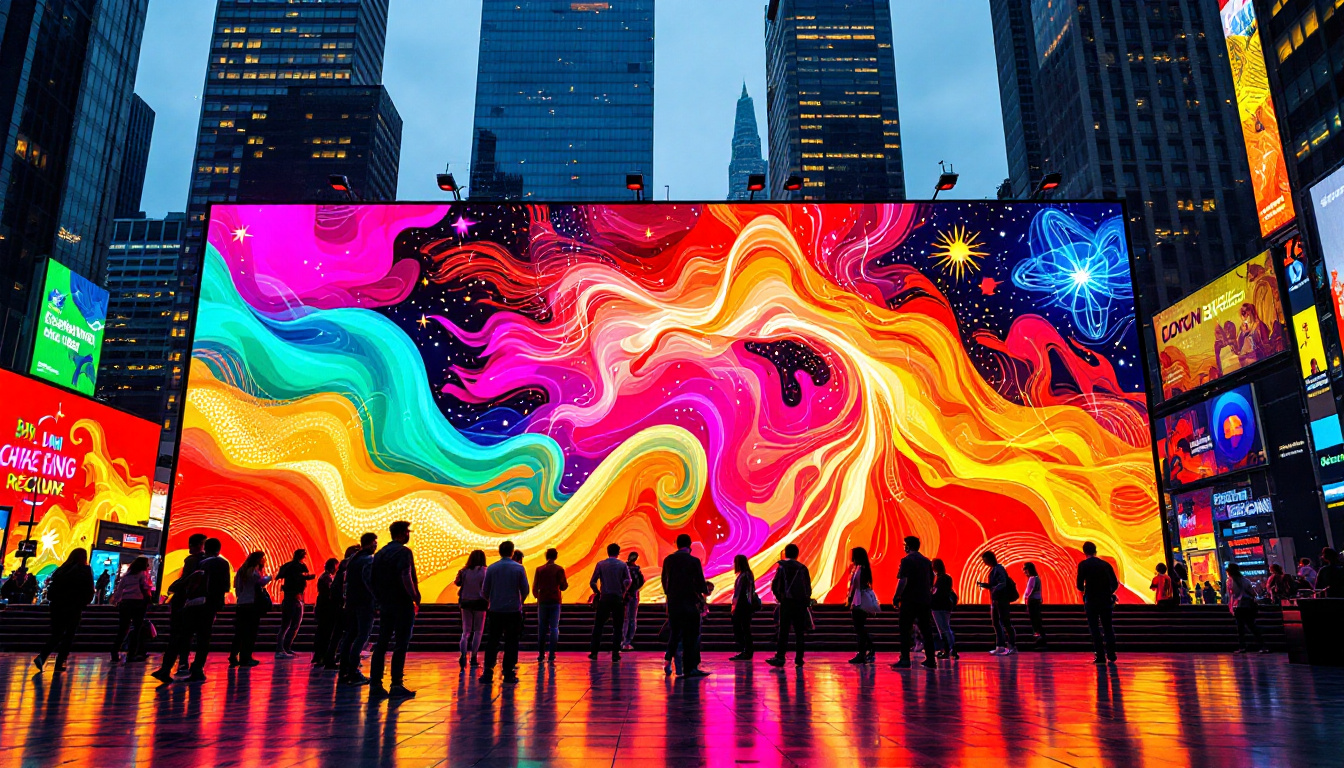
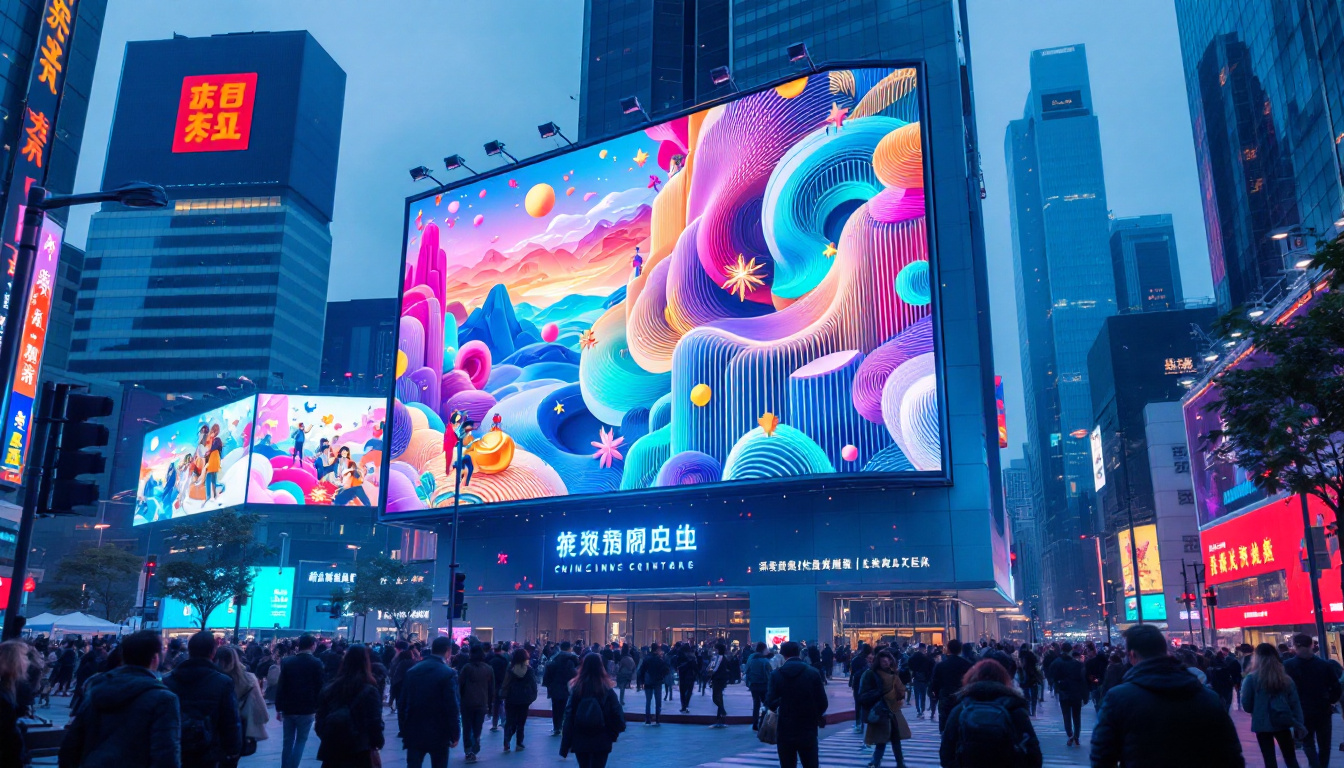
Ready to experience the pinnacle of LED display technology? LumenMatrix is at the forefront of innovation, offering a wide array of LED display solutions tailored to your needs. Whether you’re looking to enhance your business’s brand visibility, create immersive indoor or outdoor visual experiences, or captivate your audience with dynamic digital signage, LumenMatrix has the cutting-edge technology to bring your vision to life. Don’t miss out on the opportunity to transform your visual communication. Check out LumenMatrix LED Display Solutions today and see the difference for yourself.