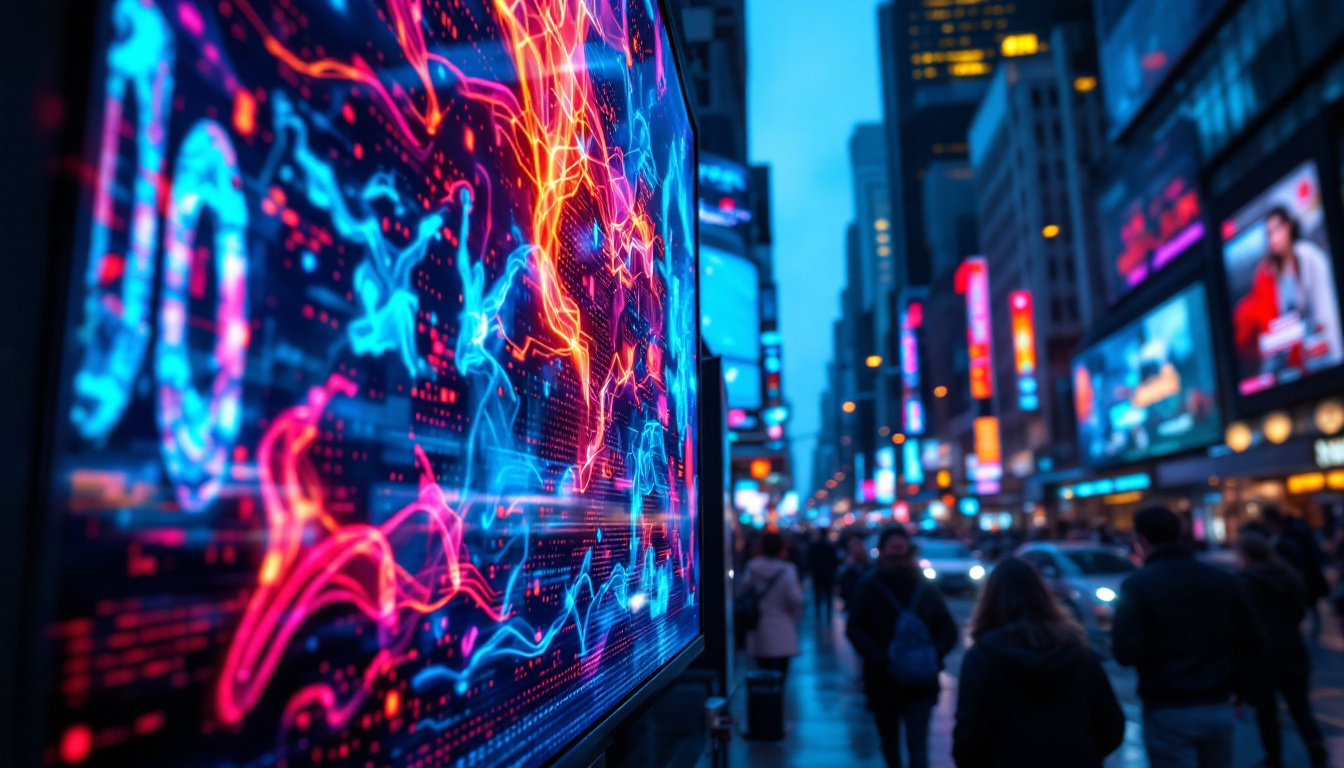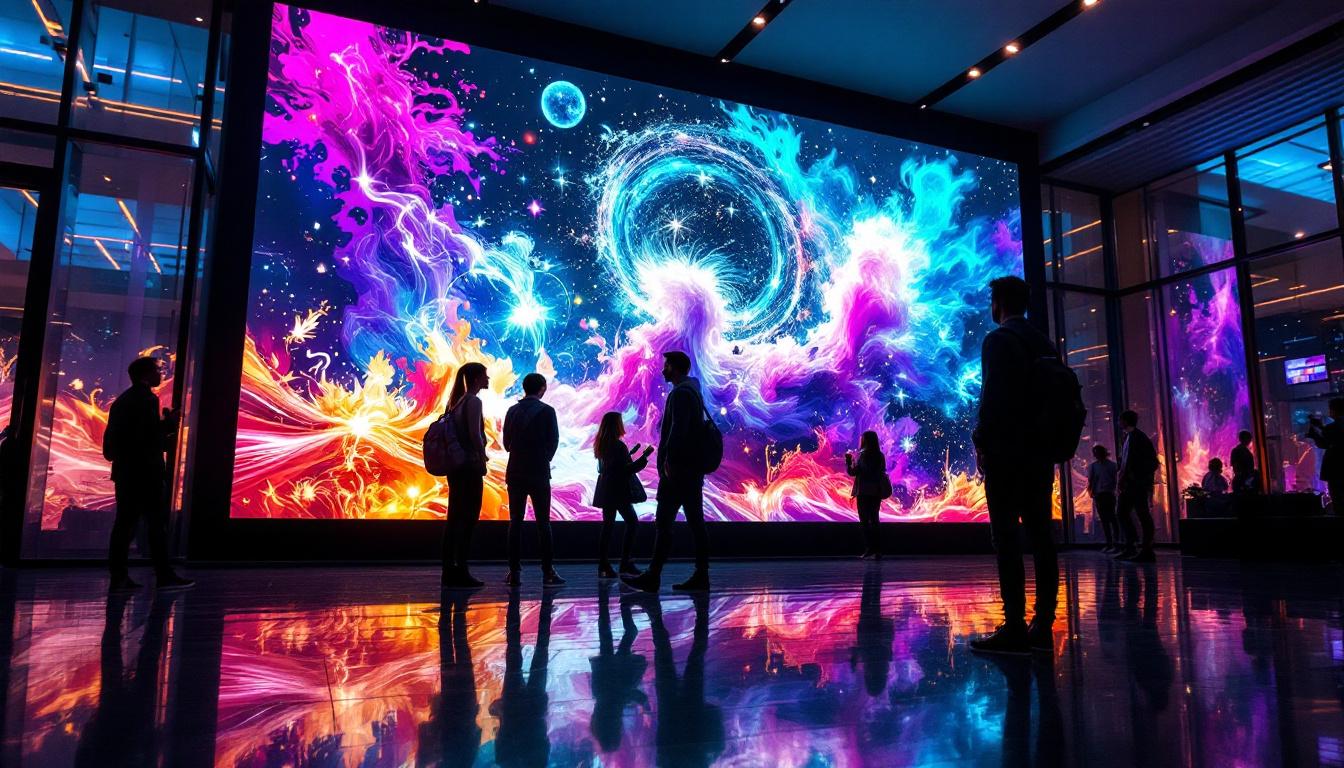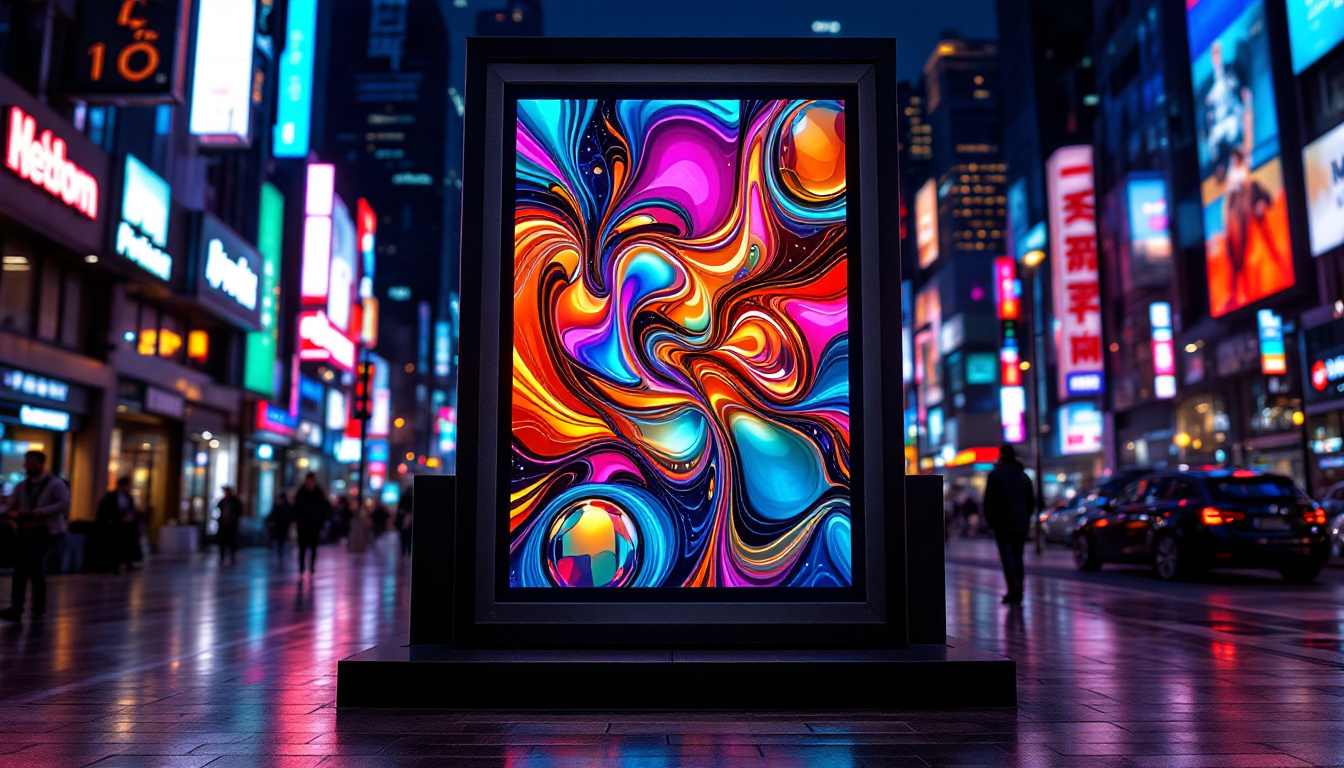
In recent years, the advertising world has witnessed a remarkable transformation with the advent of 3D billboards. These eye-catching displays seem to leap off the screen, captivating audiences with their lifelike visuals and immersive effects. But are 3D billboards truly “3D” in the way we experience three-dimensional objects in real life? Or is there a different technology at play behind the scenes? This article explores the fascinating world of LED displays, the technology behind 3D billboards, and how these innovative advertising tools are reshaping the urban landscape.
Understanding the Basics: What Are 3D Billboards?
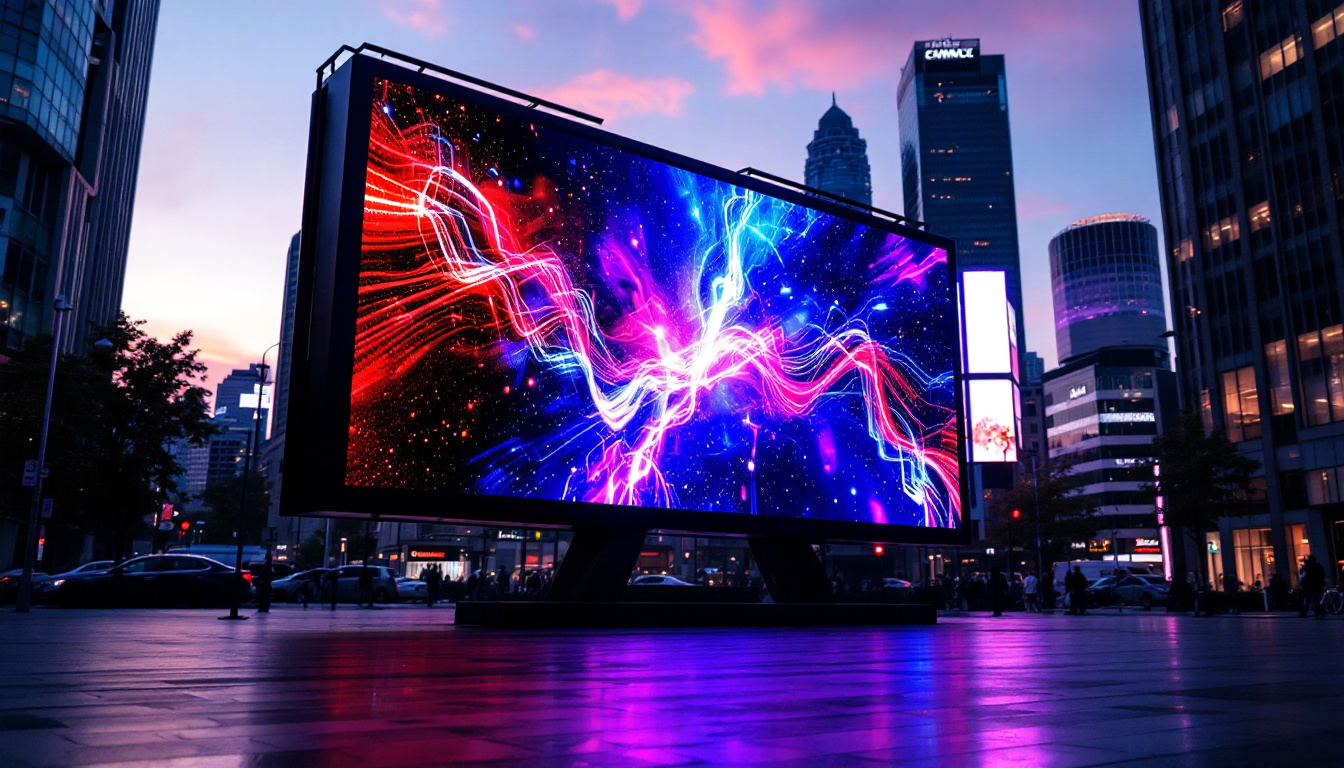
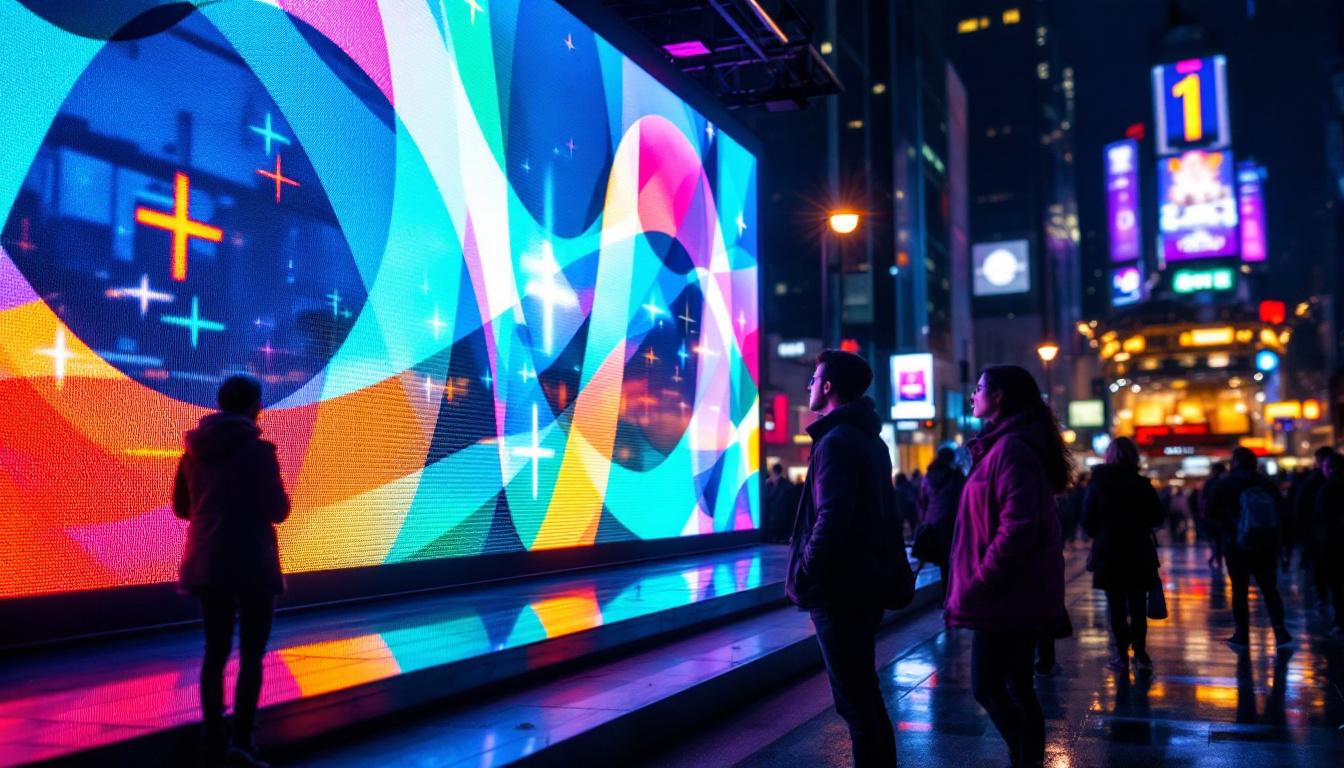
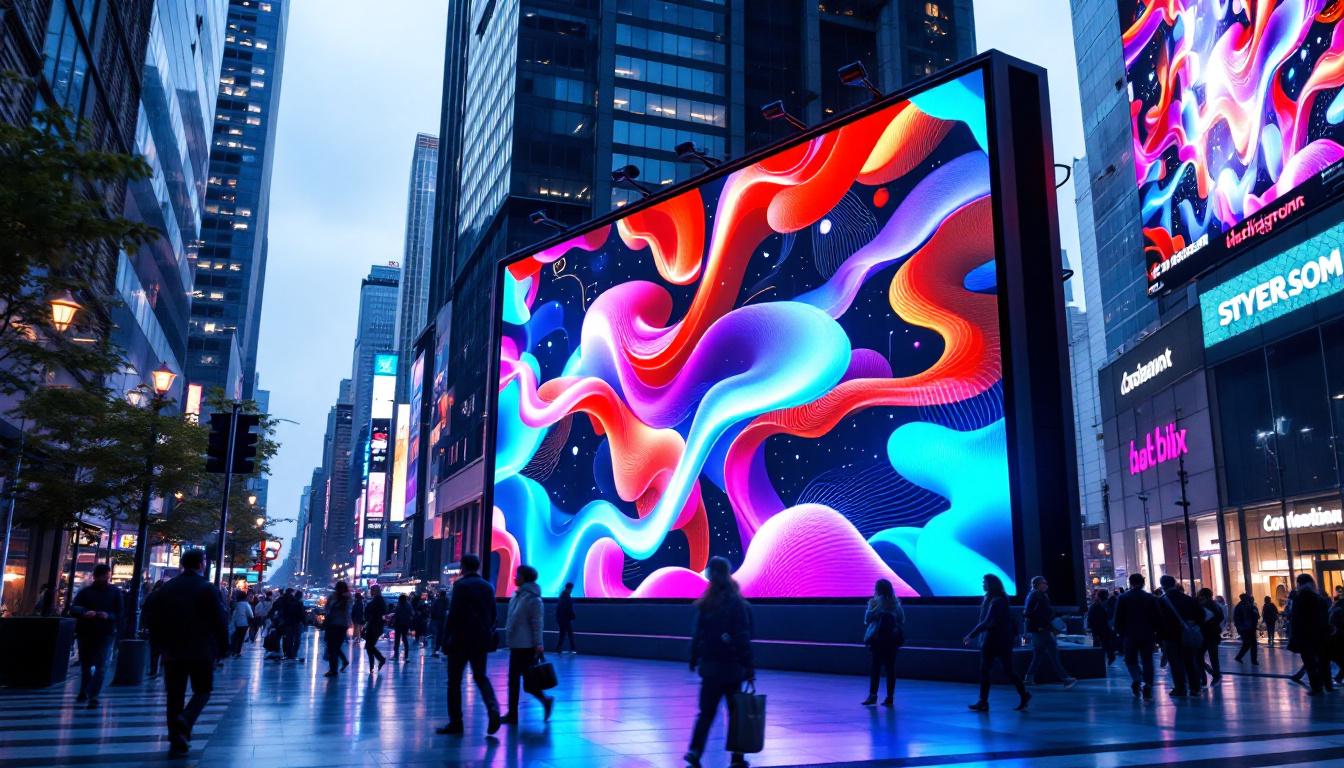
At first glance, 3D billboards appear to be a breakthrough in advertising technology, offering a new dimension of visual storytelling. Unlike traditional static billboards or even standard digital displays, 3D billboards create an illusion of depth and motion that seems to extend beyond the flat surface.
However, it’s important to clarify that most so-called 3D billboards do not produce true three-dimensional images in the way that holograms or virtual reality do. Instead, they rely on clever visual techniques and advanced LED technology to simulate a three-dimensional effect.
This distinction is crucial for understanding how these displays work and what their capabilities and limitations are. The technology behind 3D billboards continues to evolve, drawing on advancements in computer graphics and display technology to enhance the viewer’s experience. As a result, advertisers are increasingly able to create more immersive and engaging content that captures the attention of passersby, making these billboards a compelling choice for high-traffic areas.
The Illusion of Depth Through Visual Effects
3D billboards primarily use perspective, shading, and motion to trick the human eye into perceiving depth. This technique, known as anamorphosis, has been used by artists for centuries to create illusions of three-dimensionality on flat surfaces.
By carefully designing the content and synchronizing it with the physical shape of the billboard, advertisers can create stunning visuals that appear to pop out or recede into the background. For example, a car might seem to drive off the billboard, or a character might appear to reach out toward the viewer. The effectiveness of these illusions is heightened by the strategic use of lighting and color, which can further enhance the perception of depth and movement. Additionally, the integration of sound elements can create a multi-sensory experience, drawing in audiences even more and making the advertisement memorable. This combination of visual and auditory stimuli not only captivates viewers but also encourages them to engage with the brand on a deeper level, fostering a connection that traditional advertising methods often struggle to achieve.
How LED Displays Power 3D Billboards
At the heart of these captivating visuals lies LED (Light Emitting Diode) technology. LED displays have revolutionized outdoor advertising due to their brightness, durability, and flexibility.
What Makes LED Displays Ideal for Outdoor Advertising?
LEDs are semiconductor devices that emit light when an electric current passes through them. Unlike traditional bulbs, LEDs are energy-efficient, long-lasting, and capable of producing vibrant colors even in direct sunlight.
These characteristics make LED displays perfect for outdoor billboards, where visibility and reliability are paramount. Modern LED panels can be assembled into large-scale screens that deliver high-resolution images with dynamic content, including video, animation, and interactive elements. Additionally, the modular nature of LED displays allows for easy repairs and upgrades, ensuring that advertisers can keep their content fresh and engaging without the need for complete replacements.
Furthermore, the ability to program LED displays for real-time updates means that advertisers can tailor their messages to specific audiences or events, maximizing the impact of their campaigns. This adaptability not only enhances viewer engagement but also allows brands to respond swiftly to changing market conditions or consumer interests, making LED displays a powerful tool in the competitive world of outdoor advertising.
Pixel Pitch and Resolution: The Key to Clarity
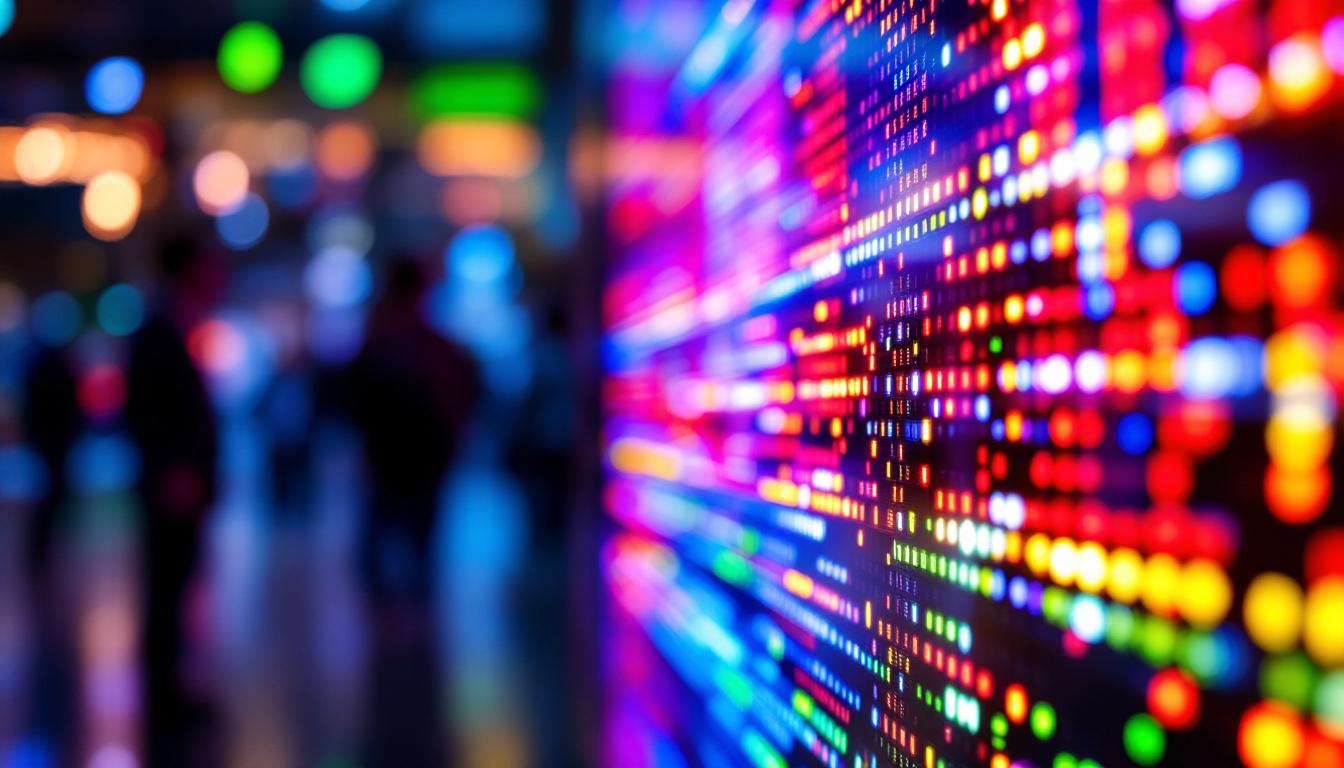
One of the technical aspects that determine the quality of an LED display is the pixel pitch—the distance between the centers of two adjacent pixels. A smaller pixel pitch means higher resolution and sharper images, which is essential for creating convincing 3D effects.
For example, a billboard with a pixel pitch of 4mm will display finer details than one with a 10mm pitch. As LED technology advances, manufacturers are producing displays with increasingly smaller pixel pitches, enabling more realistic and immersive visuals. This increase in resolution not only enhances the viewing experience from various distances but also allows for intricate designs and animations that can captivate audiences.
Moreover, the advancements in LED technology have led to the development of curved and flexible displays, which can be tailored to fit unique advertising spaces. These innovative designs can create a more engaging experience by wrapping around buildings or integrating with architectural features, further blurring the lines between digital and physical environments. As advertisers continue to explore the possibilities of 3D billboards, the combination of high-resolution LED displays and creative design will undoubtedly push the boundaries of outdoor advertising even further.
Techniques Behind the 3D Effect
While LED technology provides the canvas for these displays, the magic of 3D billboards comes from the creative use of content and display design.
Anamorphic Content Design
As mentioned earlier, anamorphosis is a technique that manipulates perspective to create an optical illusion of depth. Content creators design animations and images that appear distorted when viewed straight on but reveal their intended three-dimensional form from a specific vantage point.
This approach requires precise coordination between the billboard’s physical structure, the viewing angle, and the digital content. The result is a visually striking effect that can fool the eye into perceiving objects as floating or extending beyond the billboard’s boundaries.
Curved and Layered LED Displays
Some 3D billboards incorporate physical design elements such as curved panels or layered screens. By breaking away from the traditional flat billboard format, these displays add a tangible dimension to the illusion.
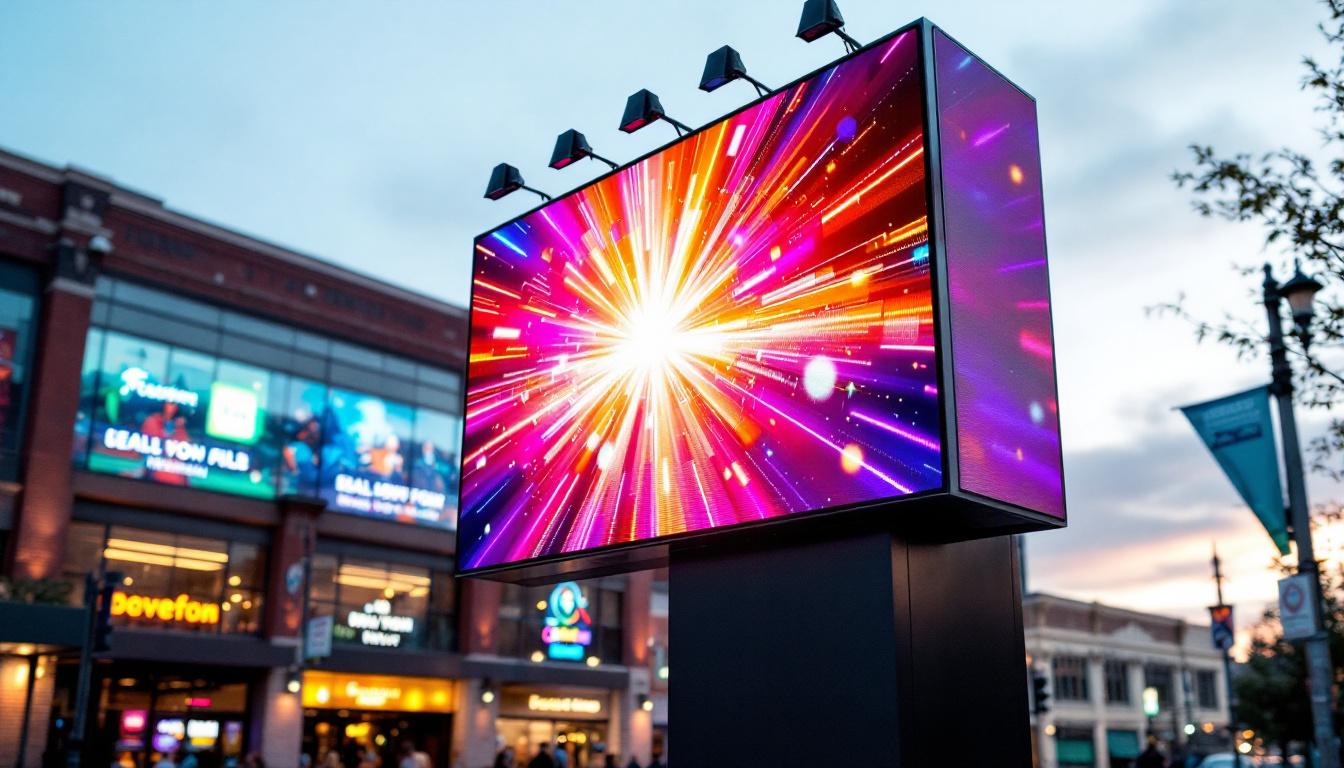
For instance, a billboard might feature protruding LED panels that extend toward the viewer, combined with content that interacts with these shapes. This hybrid approach enhances the sense of depth and realism, making the 3D effect more convincing.
Motion and Animation
Dynamic content plays a significant role in creating the perception of three-dimensionality. Moving objects, changing shadows, and interactive elements can all contribute to the illusion of depth and volume.
Advertisers often use animations that simulate movement in space, such as objects rotating, flying toward the viewer, or passing behind virtual obstacles. These effects engage viewers’ visual processing and heighten the immersive experience.
Are 3D Billboards Truly Three-Dimensional?
Despite their impressive visuals, it is important to understand that most 3D billboards do not produce true volumetric or holographic images. Instead, they rely on optical illusions and clever design to simulate three-dimensionality.
True 3D vs. Simulated 3D
True 3D displays would require technology capable of rendering images with depth perception without the need for special glasses or viewing angles—such as holography or light field displays. These technologies are still largely in experimental or niche stages and are not yet widely used for outdoor advertising.
In contrast, 3D billboards use simulated 3D effects that depend on the viewer’s perspective and the content’s design. While visually stunning, these effects are essentially two-dimensional images crafted to appear three-dimensional.
The Role of Viewing Angles
The effectiveness of 3D billboards often hinges on the viewer’s position. The illusions are typically optimized for a specific vantage point or range of angles. Moving away from these spots can diminish the 3D effect, revealing the flatness of the display.
This limitation is an important consideration for advertisers when choosing locations and designing content, as the impact relies on capturing the attention of passersby from the intended viewpoints.
Real-World Examples of 3D Billboards
Several high-profile advertising campaigns have showcased the power of 3D billboards, demonstrating their potential to captivate audiences and generate buzz.
Times Square, New York City
Times Square is a global hub for cutting-edge advertising, and 3D billboards have become a staple of its vibrant visual landscape. For example, Samsung’s 3D billboard featuring a giant robot seemingly breaking through the screen became a viral sensation, illustrating the potential of LED technology combined with anamorphic design.
Seoul, South Korea
Seoul’s bustling Gangnam district hosts several 3D LED billboards that use curved panels and dynamic content to create immersive experiences. Advertisements for automotive brands and entertainment companies often utilize these displays to showcase product features or upcoming releases with striking visual effects.
Dubai, United Arab Emirates
Dubai’s futuristic skyline includes 3D billboards that incorporate layered LED panels and interactive elements. These installations not only advertise products but also contribute to the city’s image as a leader in technological innovation and urban design.
The Future of 3D Billboards and LED Technology
The evolution of LED technology and display design continues to push the boundaries of what is possible in outdoor advertising. As pixel pitches shrink and new materials emerge, the potential for more realistic and versatile 3D effects grows.
Emerging Technologies: Beyond LED
While LED displays currently dominate the market, emerging technologies such as holographic projections, light field displays, and augmented reality (AR) promise to revolutionize how advertisers engage audiences.
For instance, AR-enabled billboards could allow passersby to interact with virtual objects through their smartphones, creating personalized and immersive experiences that go beyond visual illusions.
Sustainability and Energy Efficiency
As cities become more conscious of environmental impact, the energy efficiency of LED displays is a significant advantage. Advances in LED materials and power management are making these billboards greener and more cost-effective, aligning with global sustainability goals.
Customization and Interactivity
The integration of sensors, cameras, and AI technologies is enabling billboards to respond to their environment and audience in real time. Interactive 3D billboards could adapt their content based on weather, time of day, or viewer demographics, enhancing engagement and advertising effectiveness.
Conclusion: The Reality Behind 3D Billboards
3D billboards are a remarkable fusion of art, technology, and marketing strategy. While they do not produce true three-dimensional images, the combination of advanced LED displays, creative content design, and innovative physical structures creates compelling illusions that captivate audiences worldwide.
Understanding the technology behind these displays helps demystify their capabilities and limitations, allowing advertisers and consumers alike to appreciate the ingenuity involved. As LED technology and related innovations continue to advance, the future of 3D billboards promises even more immersive and impactful experiences in the urban advertising landscape.
Discover the Future of Advertising with LumenMatrix
Ready to take your brand’s visibility to the next level with cutting-edge 3D billboard technology? LumenMatrix is at the forefront of LED display innovation, offering a wide range of solutions from Indoor and Outdoor LED Wall Displays to specialized options like Vehicle, Sports, and Floor LED Displays. Our mission is to transform visual communication, providing you with the tools to engage and captivate your audience like never before. Don’t just take our word for it; check out LumenMatrix LED Display Solutions and see how we can help you make a lasting impression in the competitive urban advertising landscape.