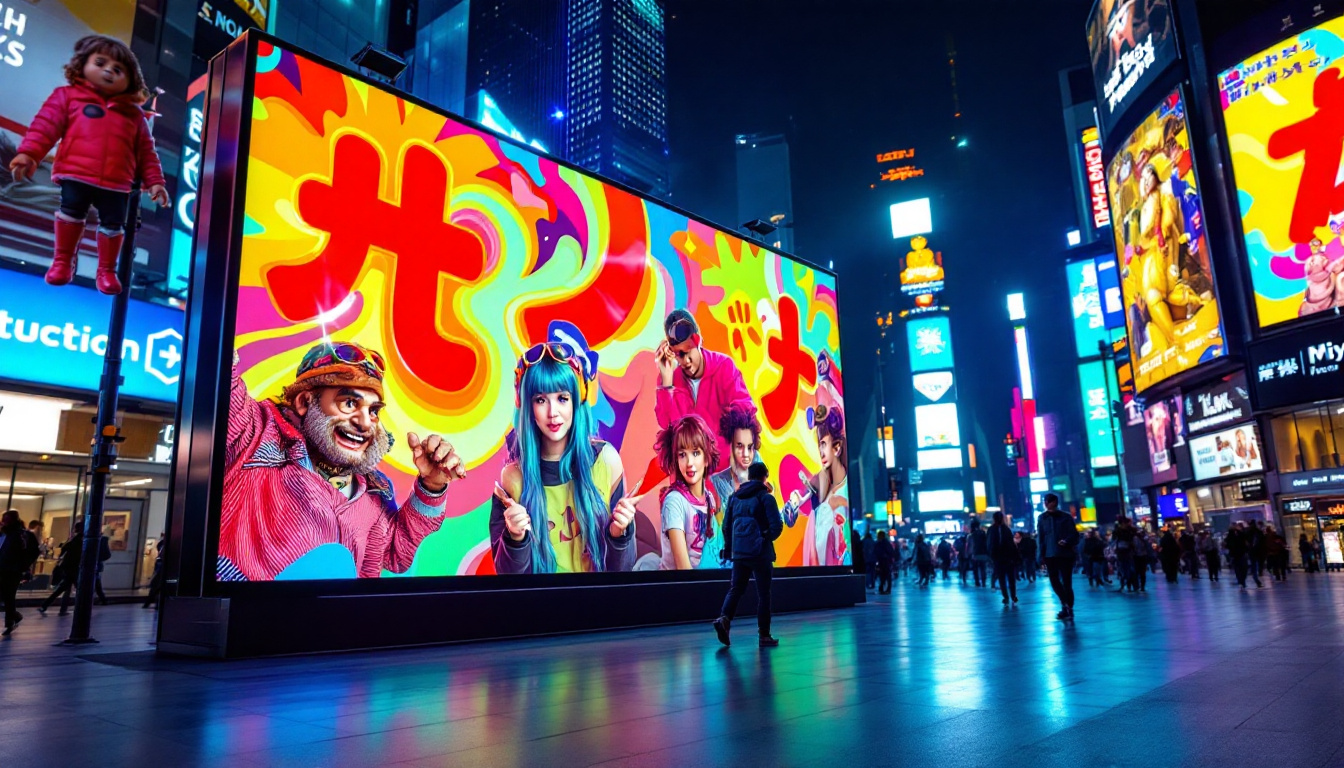
In today’s digital age, LED displays have become an integral part of visual communication, advertising, and information dissemination. Among the various models and types, the Mc 801 LED display stands out for its advanced features, reliability, and versatility. This article delves into the technical aspects, applications, and benefits of the Mc 801 LED display, providing a comprehensive understanding for professionals, enthusiasts, and decision-makers alike.
Understanding LED Display Technology
What is an LED Display?
LED stands for Light Emitting Diode, a semiconductor device that emits light when an electric current passes through it. LED displays consist of numerous tiny LEDs arranged in a matrix to form images, videos, or text. These displays are widely used due to their brightness, energy efficiency, and long lifespan compared to traditional display technologies like LCD or plasma screens.
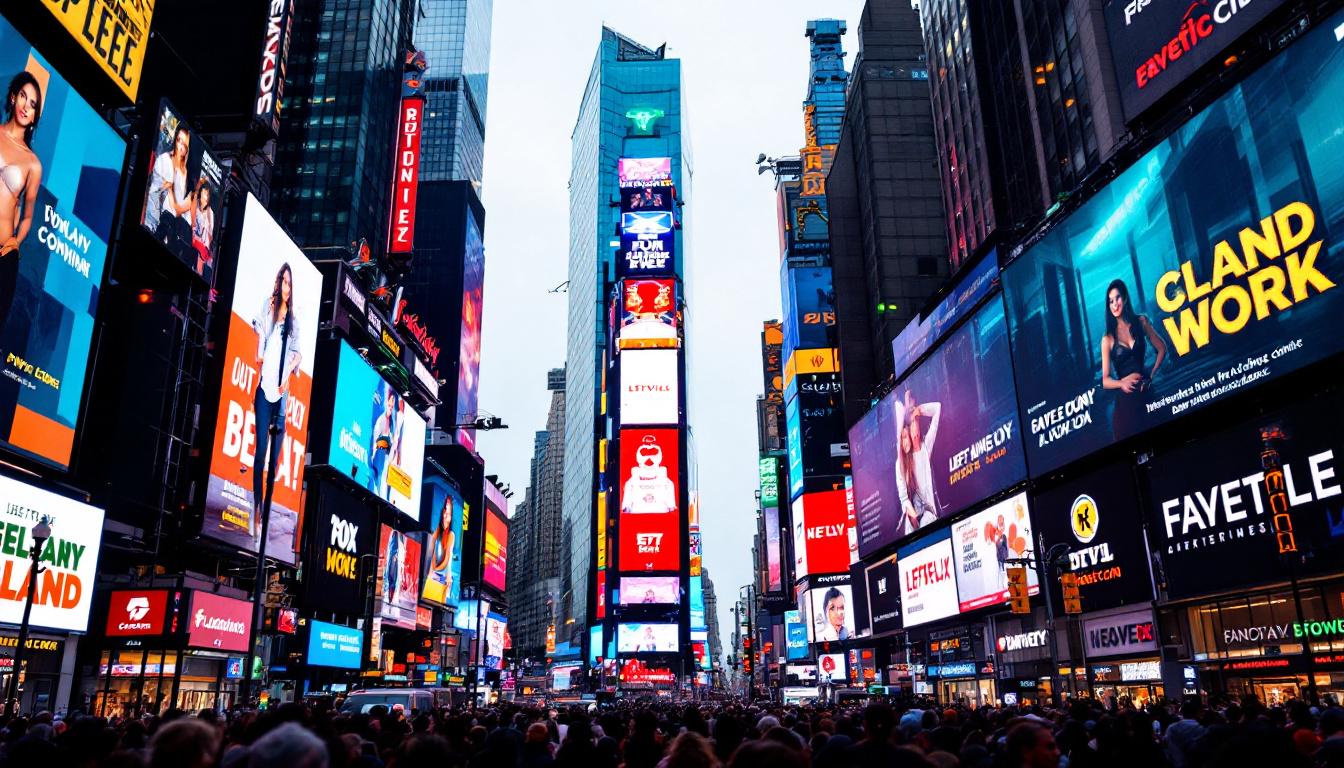
The Mc 801 LED display leverages this technology with a high pixel density and advanced control systems, enabling crisp visuals even in challenging lighting conditions. Its modular design allows for scalable configurations, making it suitable for both indoor and outdoor applications. The versatility of the Mc 801 makes it an ideal choice for a variety of settings, from vibrant advertising billboards in bustling city centers to dynamic information displays in corporate environments. Additionally, its lightweight construction facilitates easier installation and maintenance, which is a significant advantage for event organizers and venue managers.
Key Components of the Mc 801 LED Display
The Mc 801 is composed of several critical components that work together to deliver high-quality visuals:
- LED Modules: These are the building blocks of the display, containing clusters of LEDs arranged to form pixels. The Mc 801 uses high-brightness SMD (Surface-Mounted Device) LEDs, which provide vivid colors and excellent viewing angles.
- Control System: The display is managed by a sophisticated controller that processes input signals and synchronizes the LED modules to produce seamless images. This system supports various content formats, allowing users to display everything from live video feeds to static advertisements with ease.
- Power Supply: Efficient power units ensure stable voltage and current, optimizing the display’s performance and longevity. The power supply is designed to handle fluctuations in energy demand, ensuring consistent brightness and color accuracy even during peak usage.
- Cabinet Structure: The robust frame protects the internal components from environmental factors such as dust, moisture, and mechanical impact. The cabinets are engineered for quick assembly and disassembly, making them perfect for temporary installations at events or exhibitions.
Furthermore, the Mc 801 incorporates advanced thermal management systems that dissipate heat effectively, preventing overheating and ensuring reliable operation over extended periods. This is particularly important in outdoor settings where temperature fluctuations can be extreme. The display’s weather-resistant design also includes protective coatings that shield it from UV rays and rain, enhancing its durability and performance in various climates. As a result, the Mc 801 not only delivers stunning visuals but also stands the test of time, making it a smart investment for businesses looking to enhance their visibility and engagement with audiences.
Technical Specifications of the Mc 801 LED Display
Resolution and Pixel Pitch
The resolution of an LED display is determined by the number of pixels it contains, while pixel pitch refers to the distance between the centers of adjacent pixels. The Mc 801 features a pixel pitch of 8.0 mm, which strikes a balance between image clarity and cost-effectiveness for medium to large viewing distances.
With a typical cabinet size of 640 mm by 640 mm, the Mc 801 can be configured to achieve resolutions suitable for various applications, from digital billboards to indoor signage. The 8 mm pixel pitch ensures that images remain sharp and legible from distances of 8 meters and beyond, making it ideal for outdoor advertising and public information displays.
Brightness and Contrast
Brightness is a critical factor for LED displays, especially when used outdoors where sunlight can diminish visibility. The Mc 801 boasts a peak brightness of up to 6,000 nits, allowing it to remain clearly visible even under direct sunlight. This level of brightness is significantly higher than typical LCD displays, which usually max out around 1,000 nits.
Contrast ratio, the difference between the brightest whites and darkest blacks, is equally important for image quality. The Mc 801 achieves a high contrast ratio through precise LED control and advanced calibration techniques, resulting in vibrant colors and deep blacks that enhance visual impact.
Viewing Angle and Color Accuracy
One of the advantages of the Mc 801 is its wide viewing angle, typically around 140 degrees horizontally and vertically. This ensures that the displayed content remains clear and consistent even when viewed from oblique angles, which is essential for public displays where audiences are spread out.
Color accuracy is maintained through the use of high-quality LEDs and sophisticated color management systems. The Mc 801 supports 16-bit color depth, allowing it to reproduce millions of colors with smooth gradients and minimal banding, which is crucial for branding and advertising applications where color fidelity matters.
Applications of the Mc 801 LED Display
Outdoor Advertising and Digital Billboards
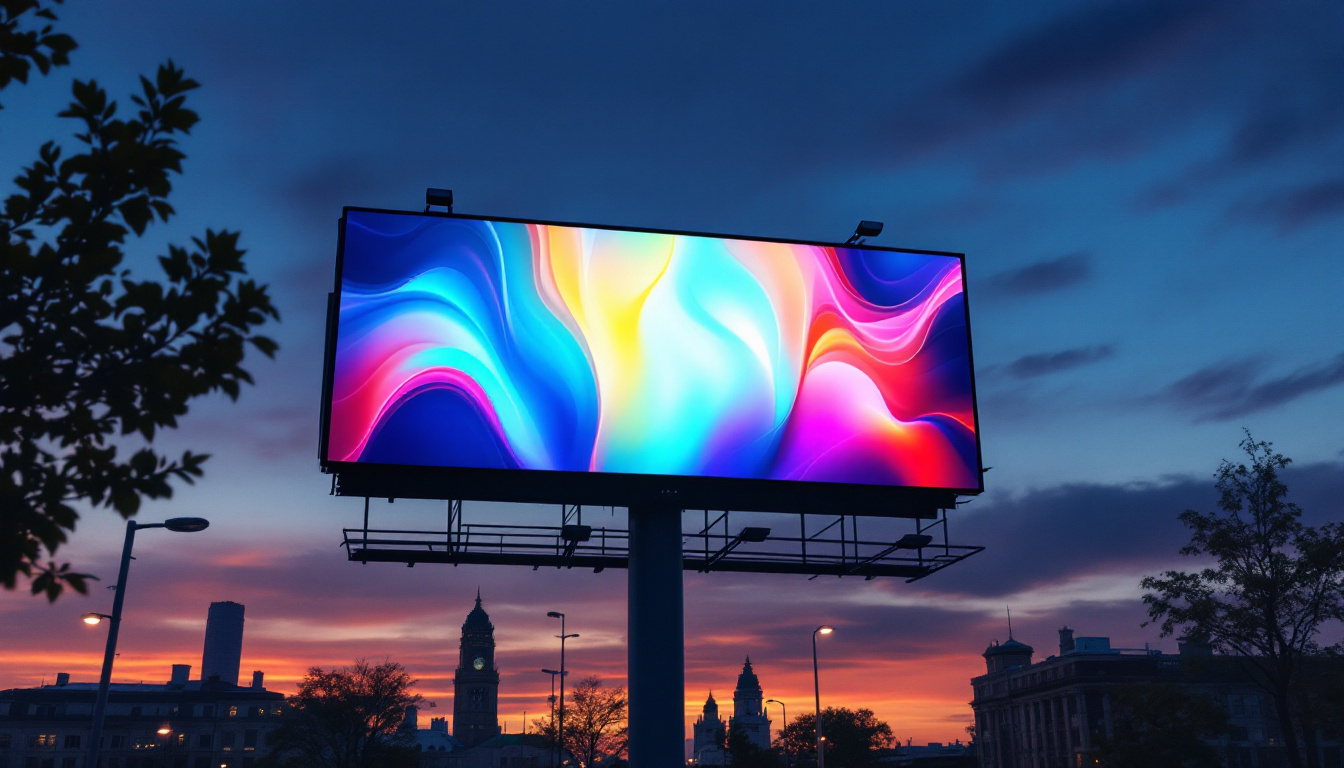
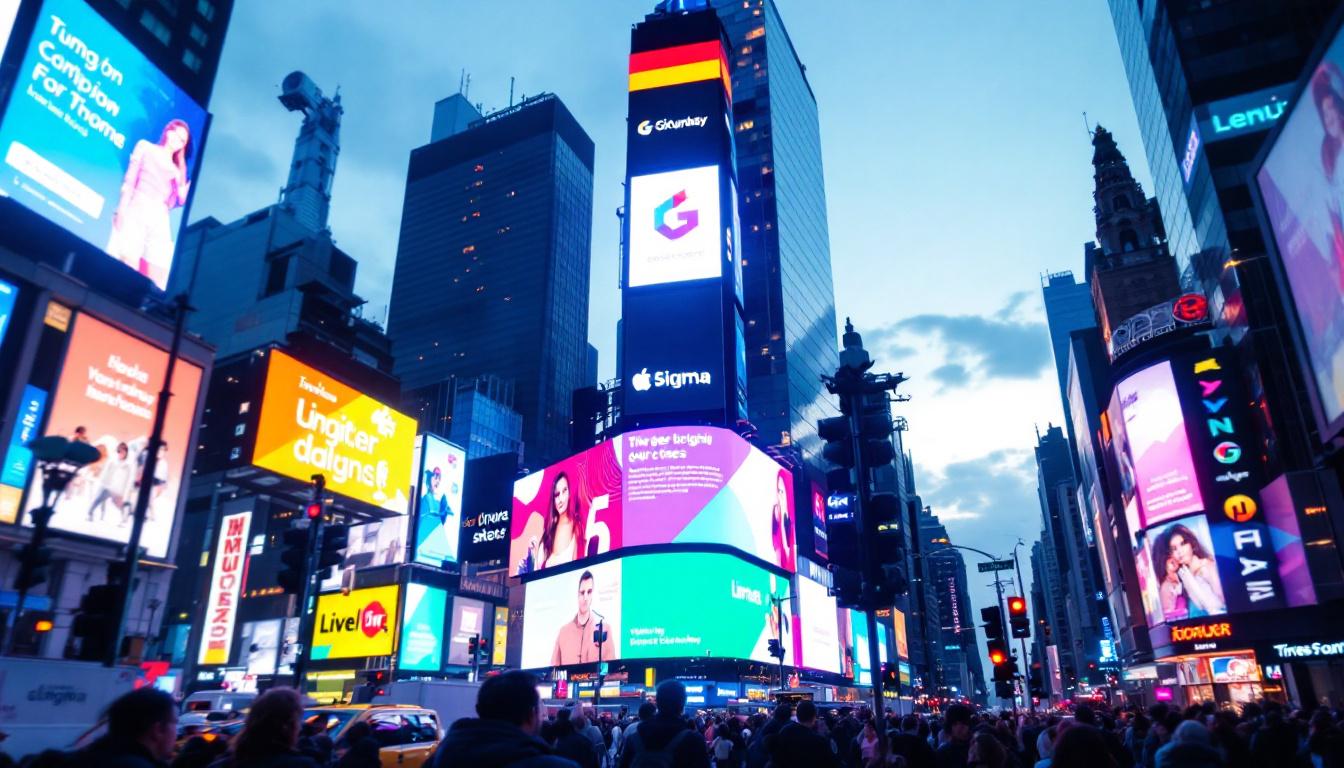
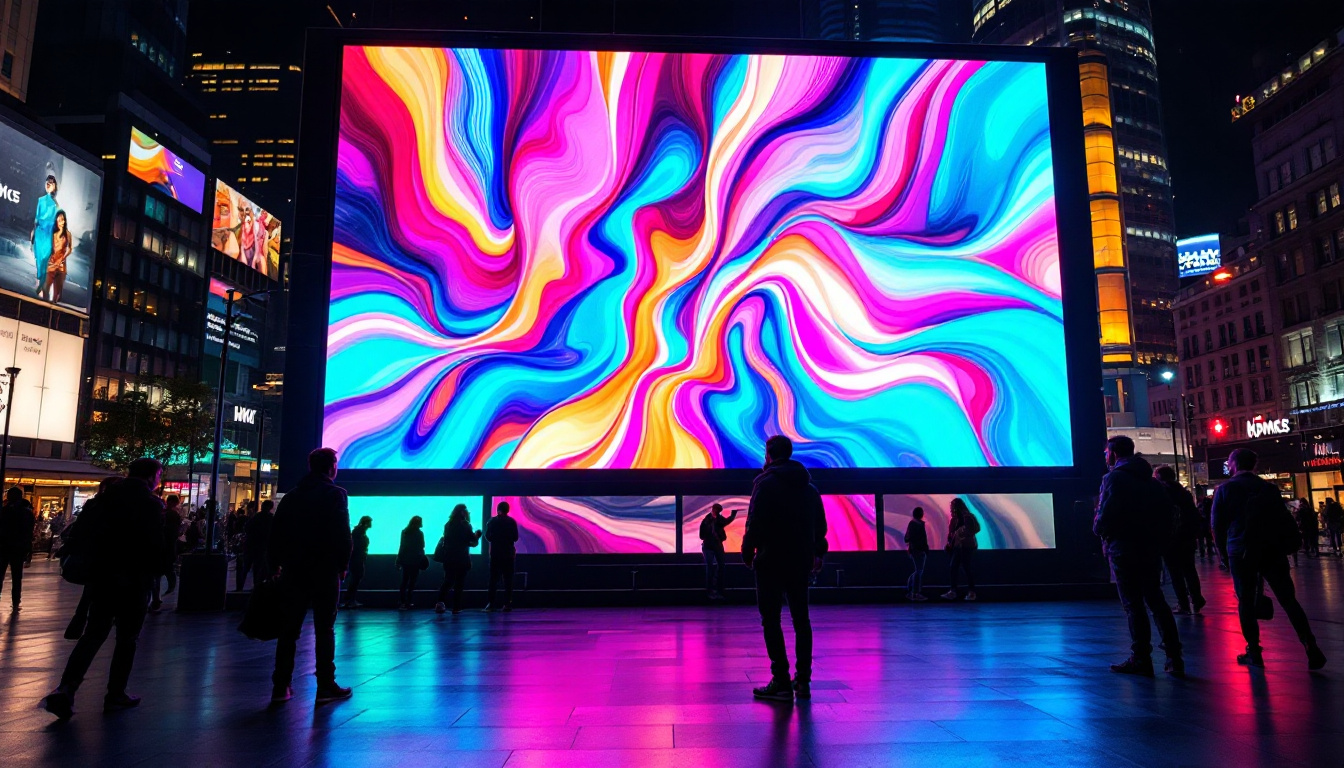
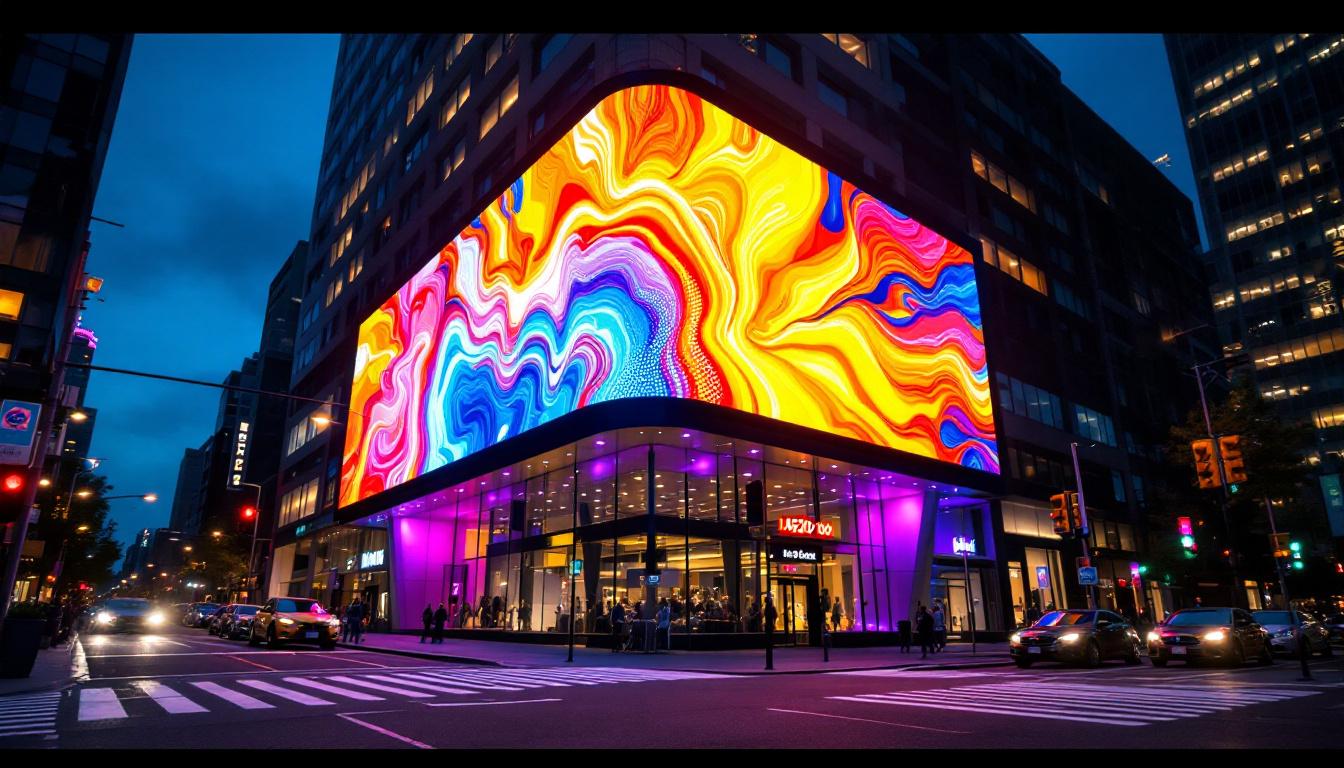
The Mc 801 is widely used in outdoor advertising due to its durability, brightness, and scalability. Digital billboards equipped with Mc 801 panels can display dynamic content such as videos, animations, and real-time updates, attracting more attention than static signs.
Its weather-resistant cabinet and high ingress protection rating (typically IP65 or higher) ensure reliable operation in rain, dust, and extreme temperatures. This robustness reduces maintenance costs and downtime, making it a preferred choice for advertisers seeking maximum return on investment.
Indoor Events and Retail Displays
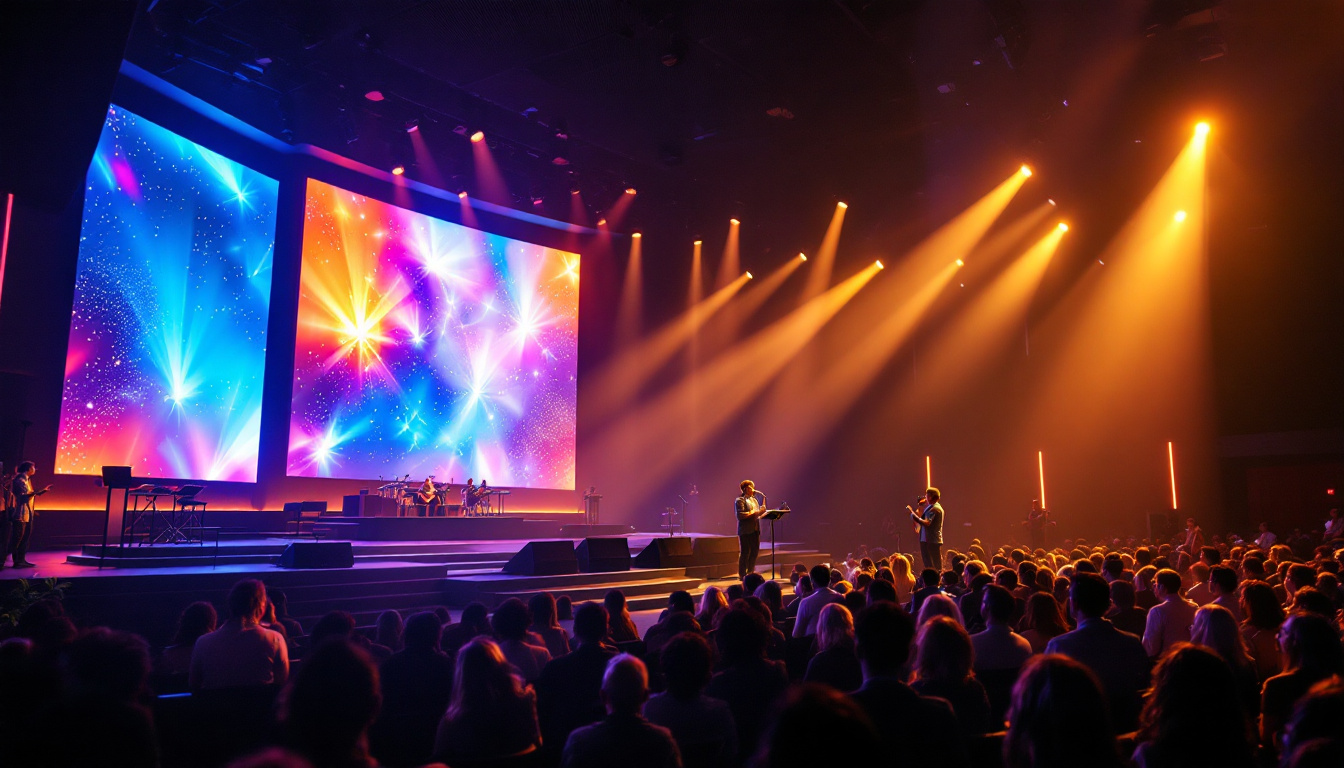
While the Mc 801 is optimized for outdoor use, it is also adaptable for indoor environments such as trade shows, concerts, and retail stores. Its modular design allows for customized sizes and shapes, enabling creative installations that enhance customer engagement.
In retail, the Mc 801 can be used for promotional displays, interactive signage, and informational kiosks. Its high refresh rate and low latency ensure smooth video playback and responsiveness, which are critical for immersive experiences.
Transportation and Public Information Systems
Transportation hubs like airports, train stations, and bus terminals benefit from the Mc 801’s clarity and reliability. The display can show schedules, alerts, and advertisements, improving passenger experience and operational efficiency.
Public information systems also utilize the Mc 801 for emergency notifications, event announcements, and wayfinding. Its ability to integrate with various content management systems allows for real-time updates and centralized control.
Advantages and Limitations of the Mc 801 LED Display
Advantages
- High Brightness: Ensures visibility in bright outdoor environments.
- Durability: Weatherproof design suitable for harsh conditions.
- Modularity: Flexible configurations for different sizes and shapes.
- Energy Efficiency: Consumes less power compared to older display technologies.
- Color and Image Quality: High contrast and color accuracy enhance visual appeal.
Limitations
Despite its many benefits, the Mc 801 LED display has some limitations to consider:
- Pixel Pitch Constraints: The 8 mm pixel pitch may not be suitable for very close viewing distances where finer detail is required.
- Initial Cost: The upfront investment can be significant, though it is offset by lower maintenance and operational costs over time.
- Installation Complexity: Requires professional installation and calibration to achieve optimal performance.
Installation and Maintenance Best Practices
Proper Installation Techniques
Successful deployment of the Mc 801 display depends on careful planning and execution. Key considerations include:
- Site Assessment: Evaluate environmental conditions, viewing distances, and mounting structures.
- Structural Support: Ensure the mounting framework can support the weight and dimensions of the display safely.
- Electrical Infrastructure: Provide stable power supply and grounding to prevent damage and ensure safety.
- Signal Management: Use high-quality cables and connectors to maintain signal integrity.
Routine Maintenance and Troubleshooting
Regular maintenance is essential to prolong the life of the Mc 801 display and maintain image quality. Recommended practices include:
- Cleaning: Periodic removal of dust and debris from the cabinet and modules using appropriate tools.
- Inspection: Check for loose connections, damaged LEDs, or signs of wear.
- Software Updates: Keep the control system firmware up to date to benefit from performance improvements and new features.
- Calibration: Recalibrate color and brightness settings periodically to maintain uniformity across the display.
Future Trends and Innovations in LED Displays
Advancements in Pixel Density and Resolution
As technology progresses, LED displays are achieving increasingly finer pixel pitches, enabling ultra-high-definition visuals even at close range. Future iterations of products like the Mc 801 may incorporate smaller pixel pitches below 4 mm, expanding their use in indoor environments such as conference rooms and retail spaces.
Integration with Smart Technologies
Emerging trends include integrating LED displays with IoT (Internet of Things) and AI-driven content management systems. This allows for dynamic, context-aware content delivery, personalized advertising, and improved energy management. The Mc 801 platform is well-positioned to adapt to these innovations through software upgrades and modular hardware enhancements.
Eco-Friendly and Energy-Efficient Designs
Environmental sustainability is becoming a priority in display technology. Manufacturers are focusing on reducing power consumption, using recyclable materials, and minimizing light pollution. The Mc 801 already incorporates energy-efficient LEDs and power supplies, and future models are expected to further reduce their environmental footprint.
Conclusion
The Mc 801 LED display represents a robust and versatile solution for a wide range of visual communication needs. Its combination of high brightness, durability, and modular design makes it suitable for outdoor advertising, indoor events, transportation hubs, and public information systems. While there are considerations such as pixel pitch and installation complexity, the overall benefits and future-ready features position the Mc 801 as a valuable investment for businesses and organizations seeking impactful digital displays.
Understanding the technical specifications, applications, and maintenance requirements of the Mc 801 is essential for maximizing its potential and ensuring long-term performance. As LED technology continues to evolve, the Mc 801 and its successors will play a pivotal role in shaping the future of digital visual communication.
Explore Cutting-Edge LED Displays with LumenMatrix
Ready to elevate your visual communication strategy with the latest in LED display technology? LumenMatrix is at the forefront of innovation, offering a diverse range of LED display solutions tailored to your needs. From captivating Indoor LED Walls to dynamic Outdoor LED Displays and beyond, our mission is to empower your brand with displays that engage and inspire. Discover how LumenMatrix can transform your space and captivate your audience. Check out LumenMatrix LED Display Solutions today and step into the future of digital signage.