In the evolving world of interior design and digital signage, LED lights for wall panels have become a transformative element. From enhancing aesthetic appeal to delivering dynamic visual content, LED displays embedded in wall panels offer versatility and innovation. This article explores the technology behind LED wall panels, their applications, benefits, and considerations for choosing the right LED solutions for various environments.
Understanding LED Technology in Wall Panels
What Are LED Wall Panels?
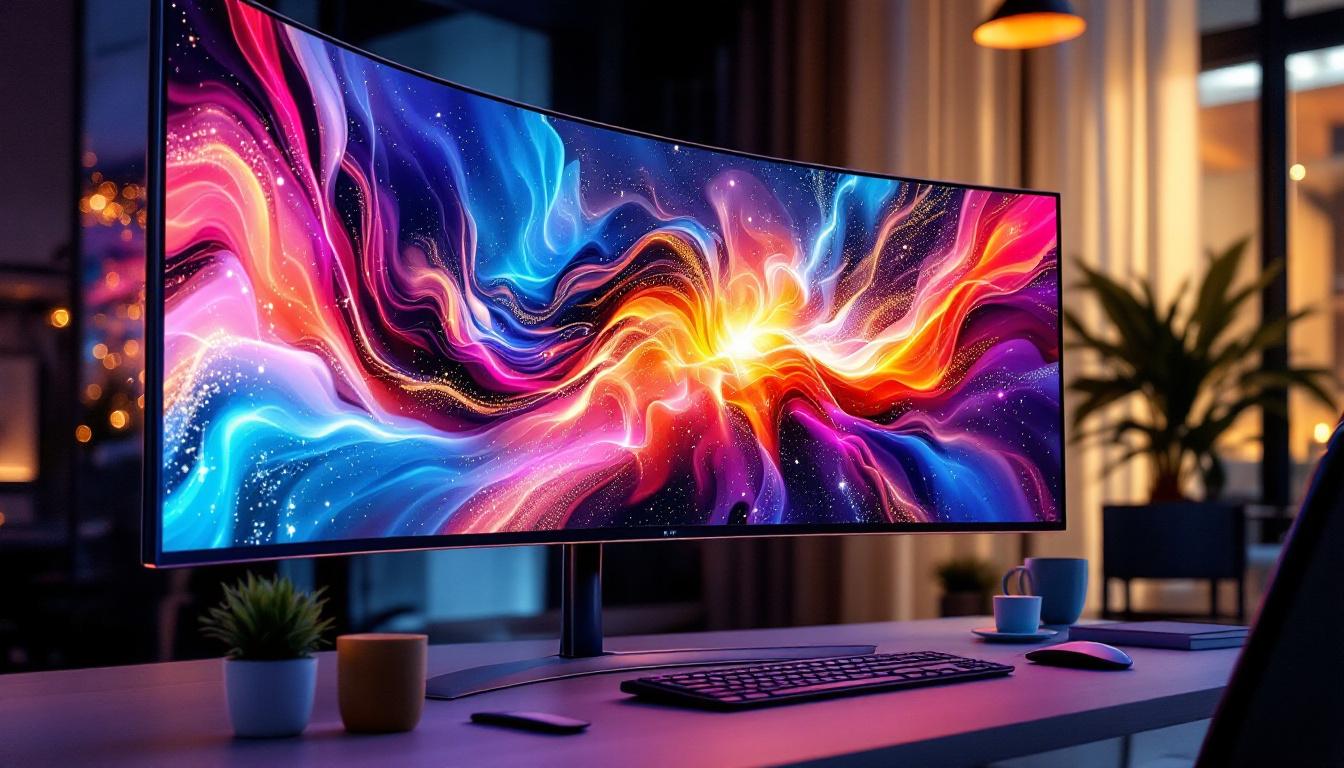
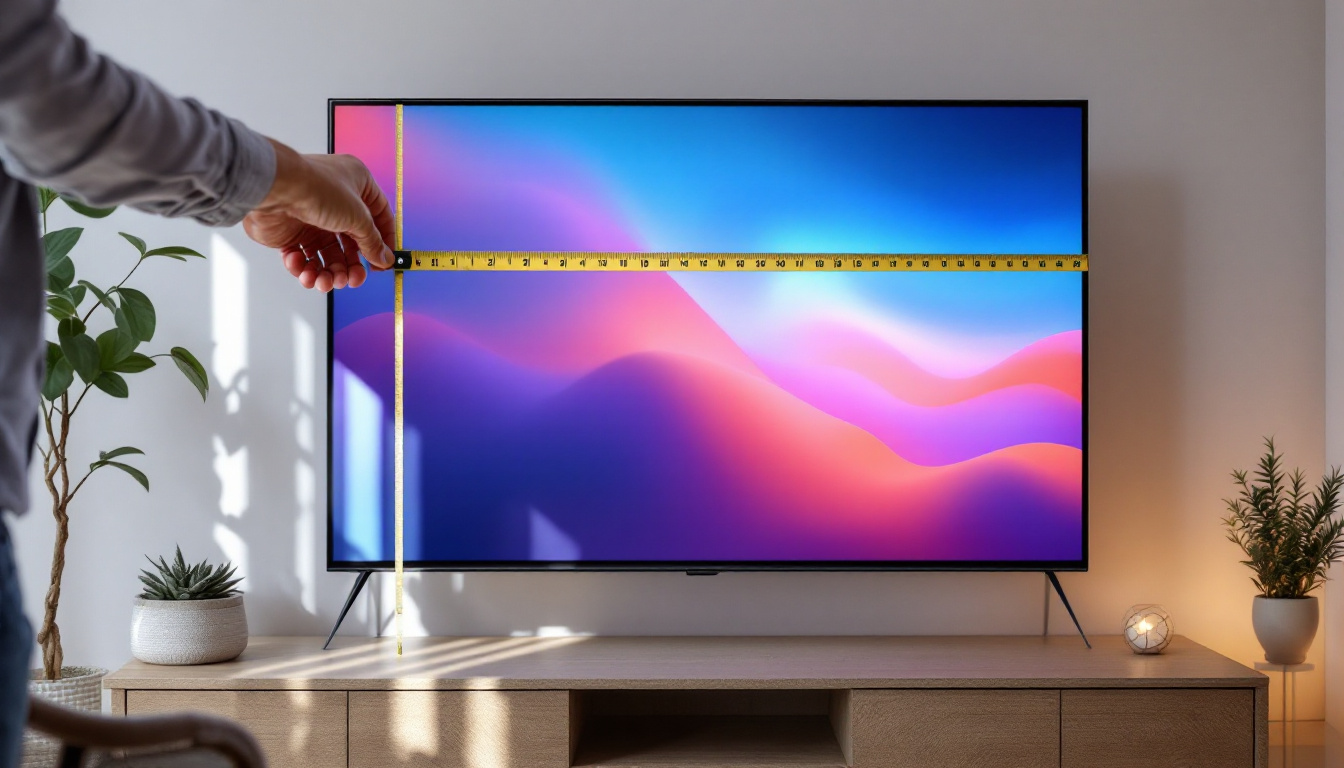
LED wall panels are flat display surfaces embedded with light-emitting diodes (LEDs) that can produce images, videos, or ambient lighting effects. Unlike traditional lighting or static wall decor, these panels combine illumination with digital display capabilities, allowing for dynamic content presentation. The LEDs are arranged in a matrix, enabling high-resolution visuals that can be customized according to the user’s needs.
These panels vary in size, pixel density, and brightness, making them suitable for a wide range of applications—from subtle architectural lighting to large-scale digital billboards. The technology behind LED wall panels has advanced significantly over the past decade, with improvements in energy efficiency, color accuracy, and durability. For instance, many modern LED panels are designed to be ultra-thin and lightweight, making installation easier and more versatile. This adaptability allows them to be integrated into various environments, from corporate offices and retail spaces to art installations and home theaters, enhancing both functionality and aesthetics.
How Do LED Displays Work?
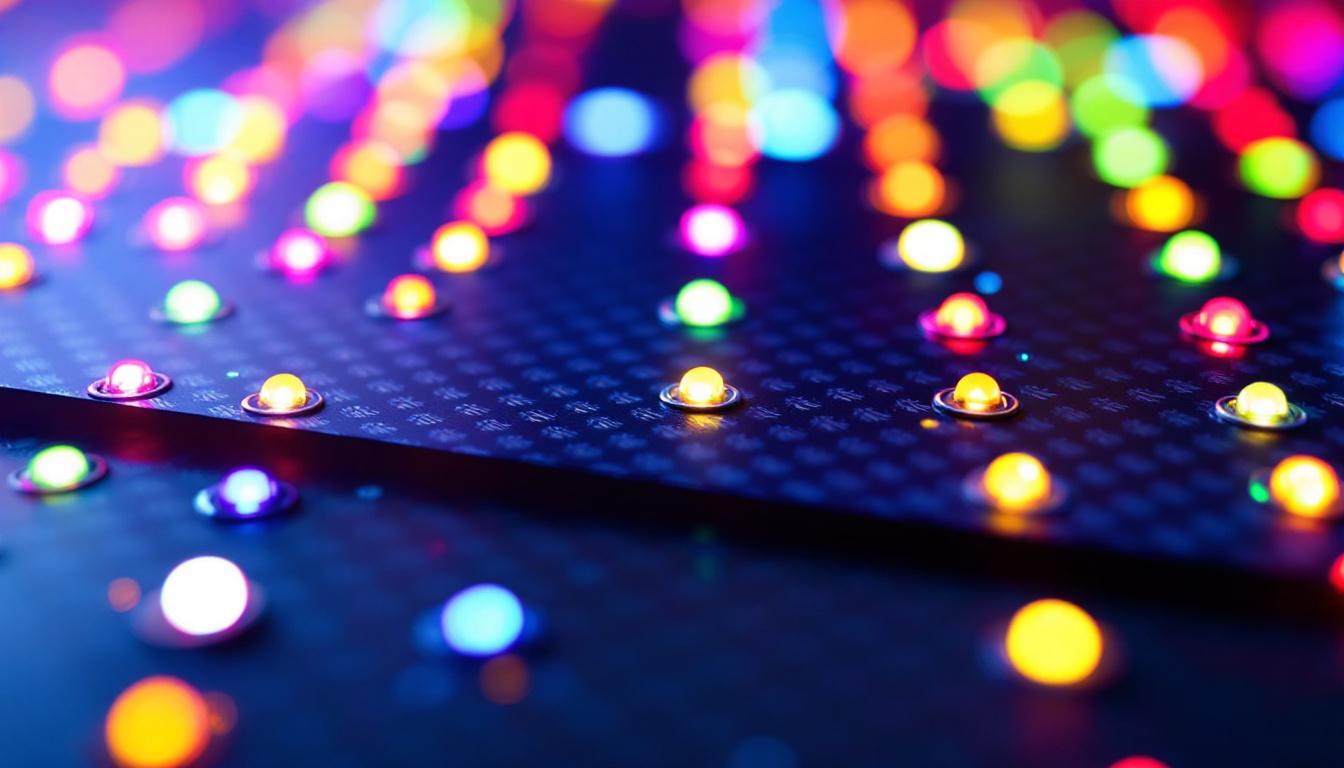
At the core of LED wall panels are tiny semiconductor devices that emit light when an electric current passes through them. Each LED acts as a pixel or sub-pixel in the display. By controlling the intensity and color of each LED, the panel can render images and videos with high precision.
Modern LED displays often use RGB (Red, Green, Blue) diodes to create a full spectrum of colors. The combination of these three colors at varying intensities allows for millions of color variations, producing vibrant and sharp visuals. Additionally, LED panels can be configured as either direct-view or backlit displays, depending on the design and intended use. The direct-view configuration allows for a more immersive experience, as the viewer can see the display from various angles without losing clarity. Meanwhile, backlit displays are often used in scenarios where a brighter output is necessary, such as in brightly lit environments or outdoor settings. Furthermore, advancements in technology have led to the development of smart LED panels that can connect to the internet, enabling remote content management and real-time updates, which is particularly beneficial for advertising and informational displays in public spaces.
Applications of LED Wall Panels
Architectural and Interior Design
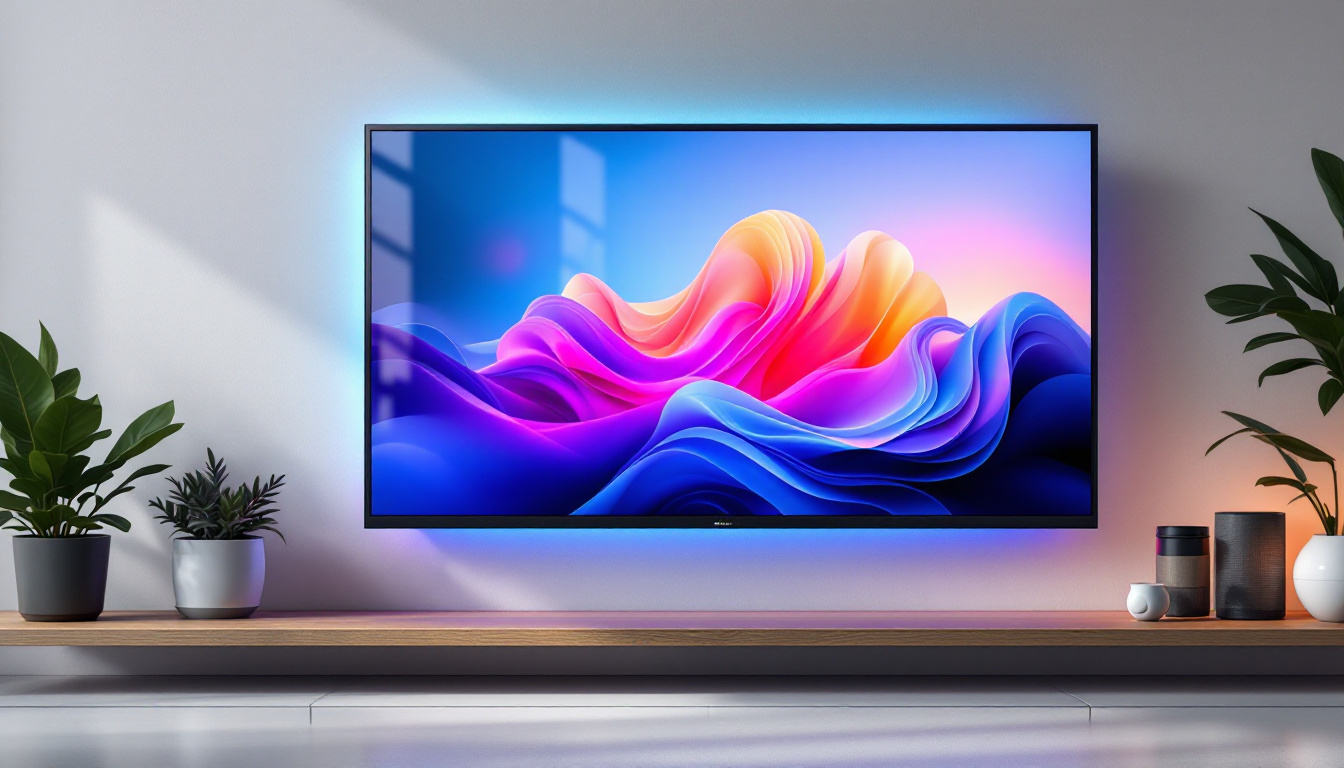
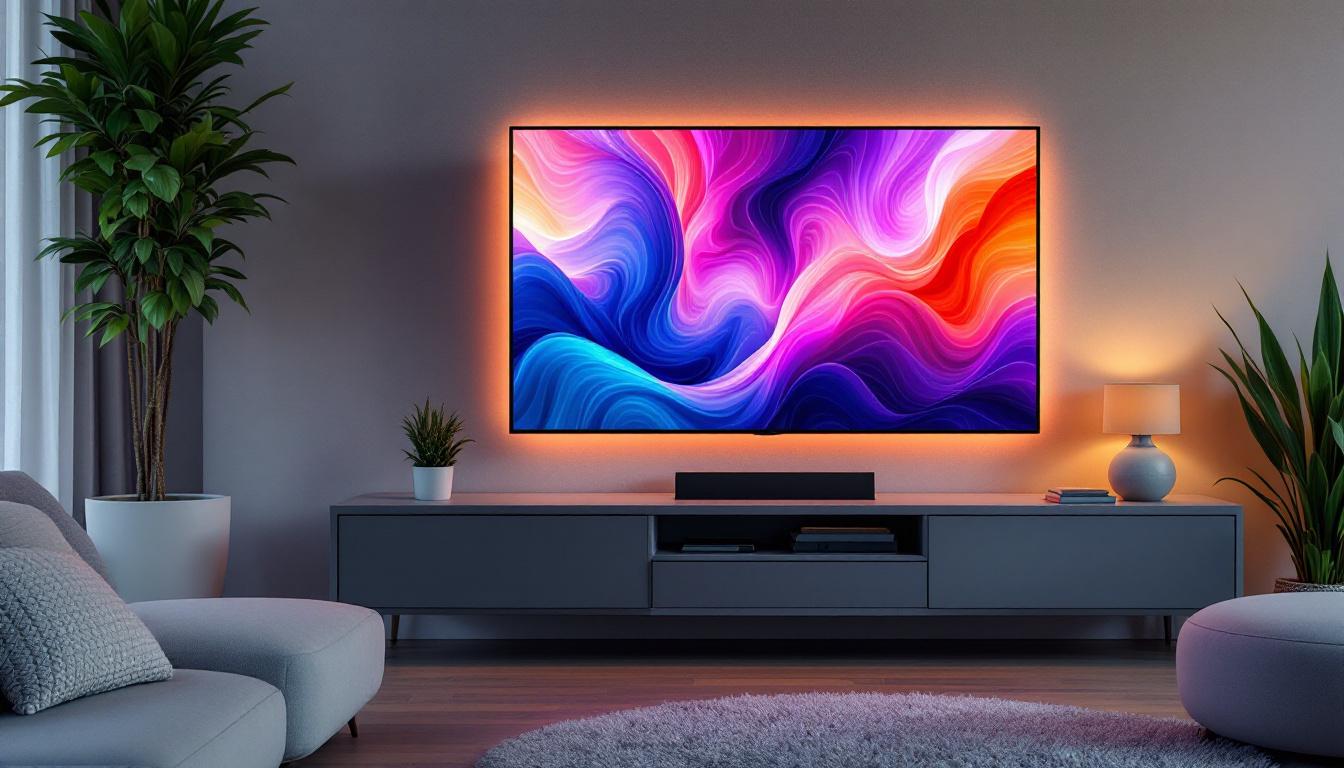
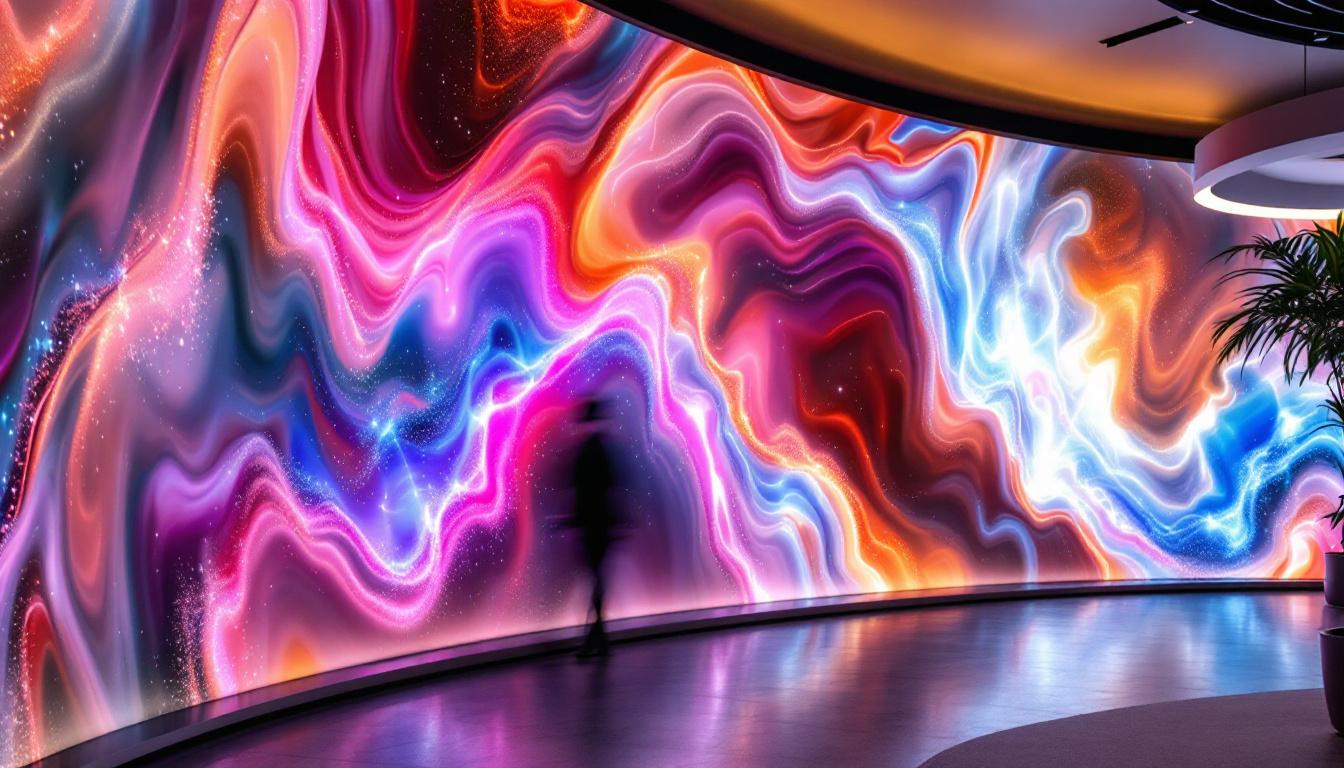
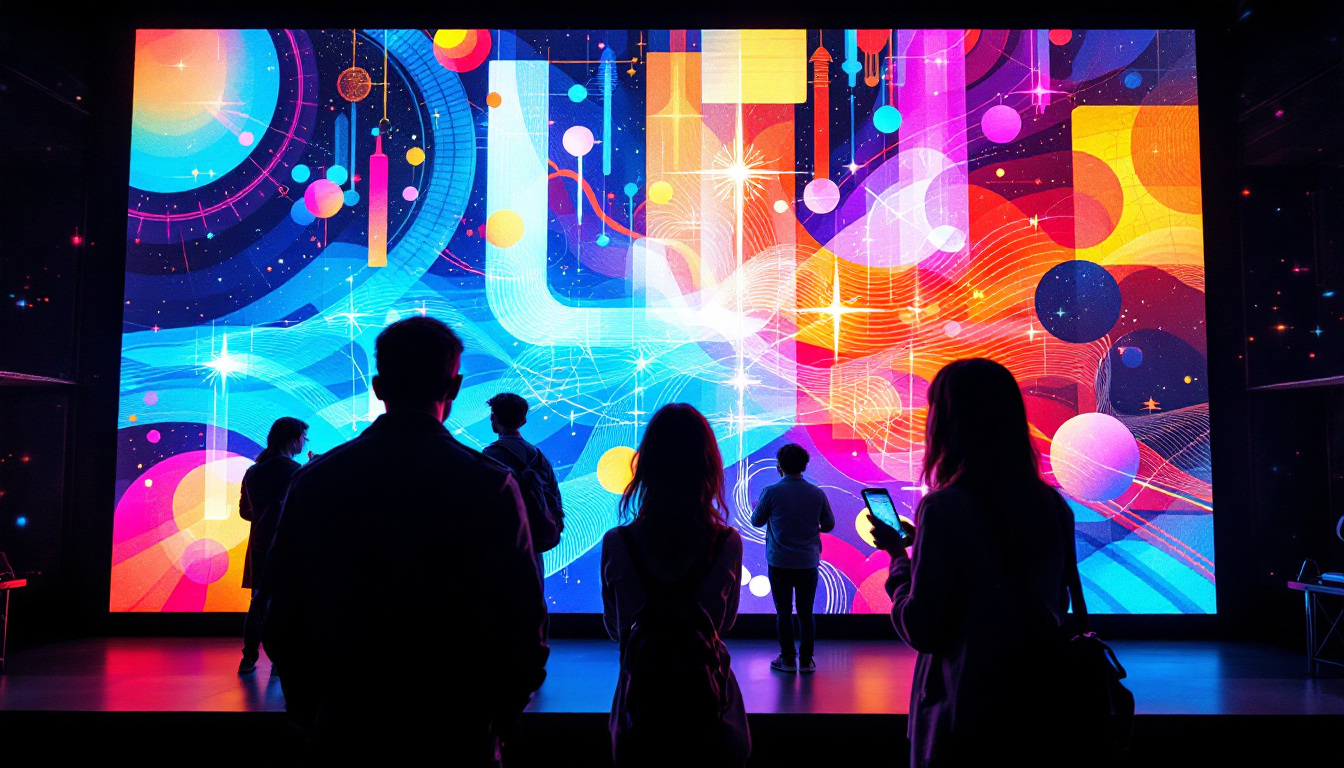
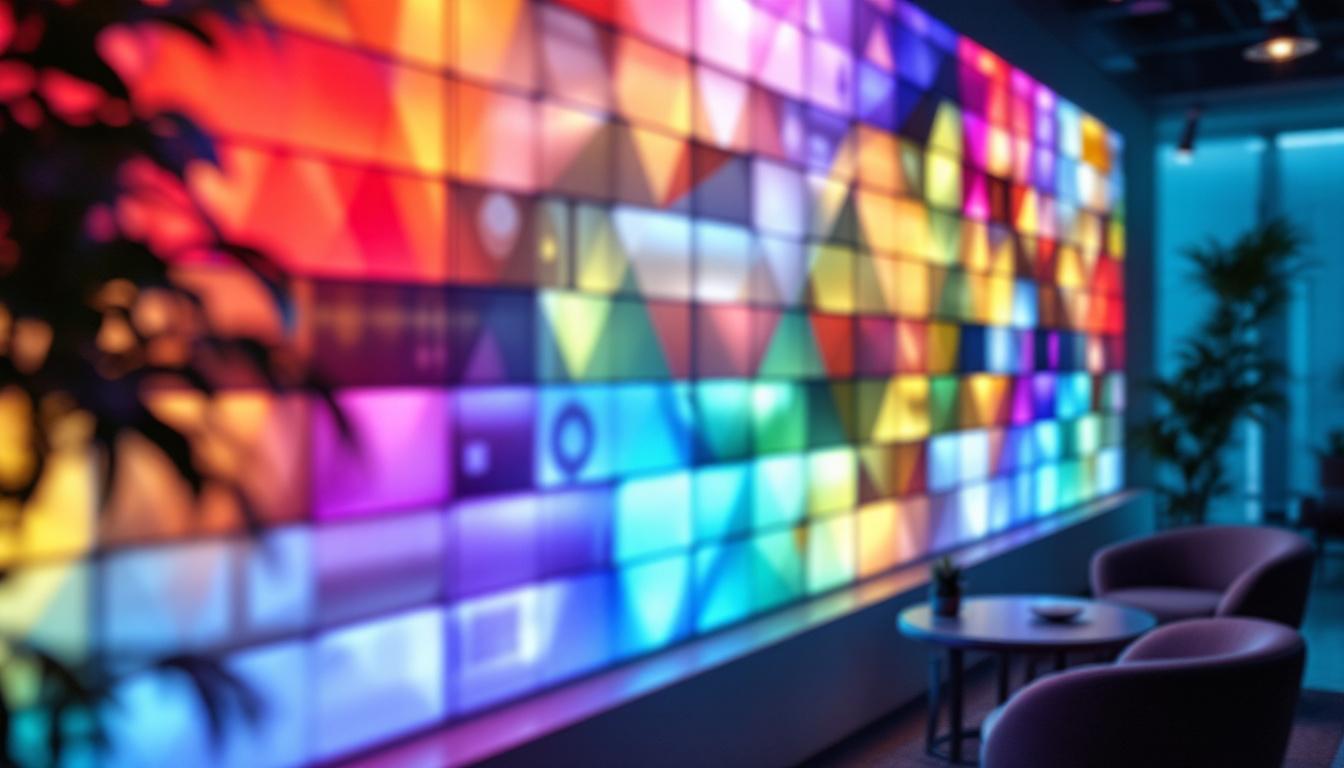
LED wall panels have become a popular choice in architectural and interior design for their ability to integrate lighting and digital art seamlessly. Designers use these panels to create feature walls that can change appearance throughout the day, offering dynamic ambiance and mood lighting. For example, in luxury hotels and corporate lobbies, LED panels can display calming visuals or brand messaging, enhancing the visitor experience.
Beyond aesthetics, LED panels contribute to functional lighting solutions. They can replace traditional wall sconces or accent lights, providing energy-efficient illumination that can be adjusted for brightness and color temperature. This adaptability makes LED wall panels a favorite in modern smart homes and commercial spaces.
Advertising and Retail Displays
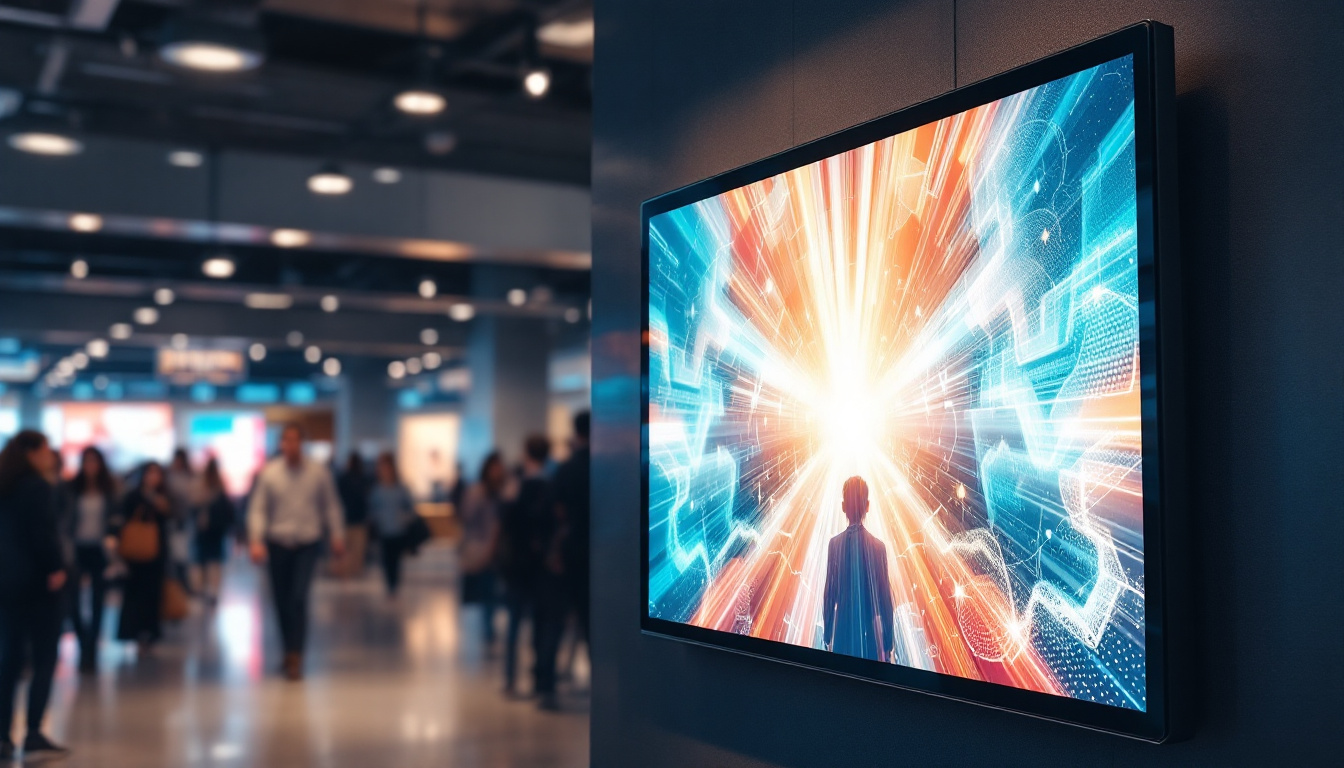
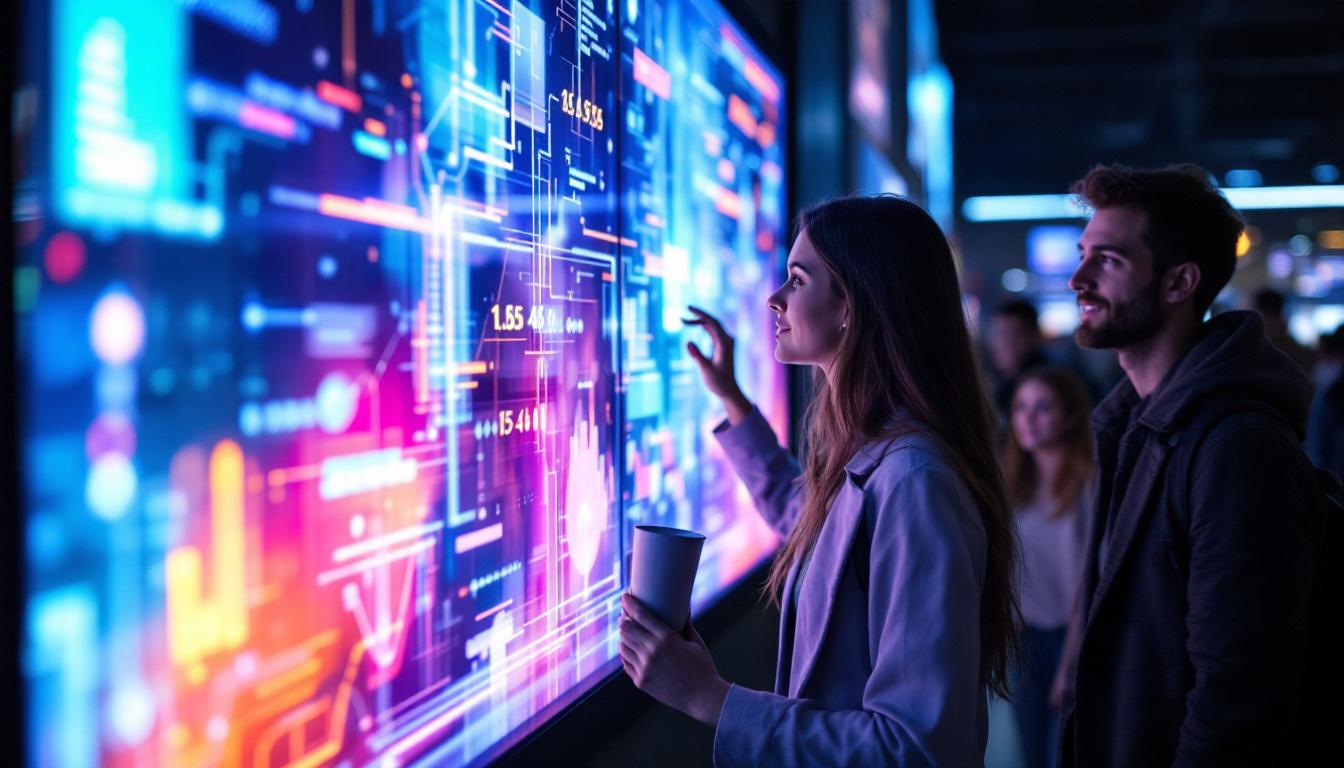
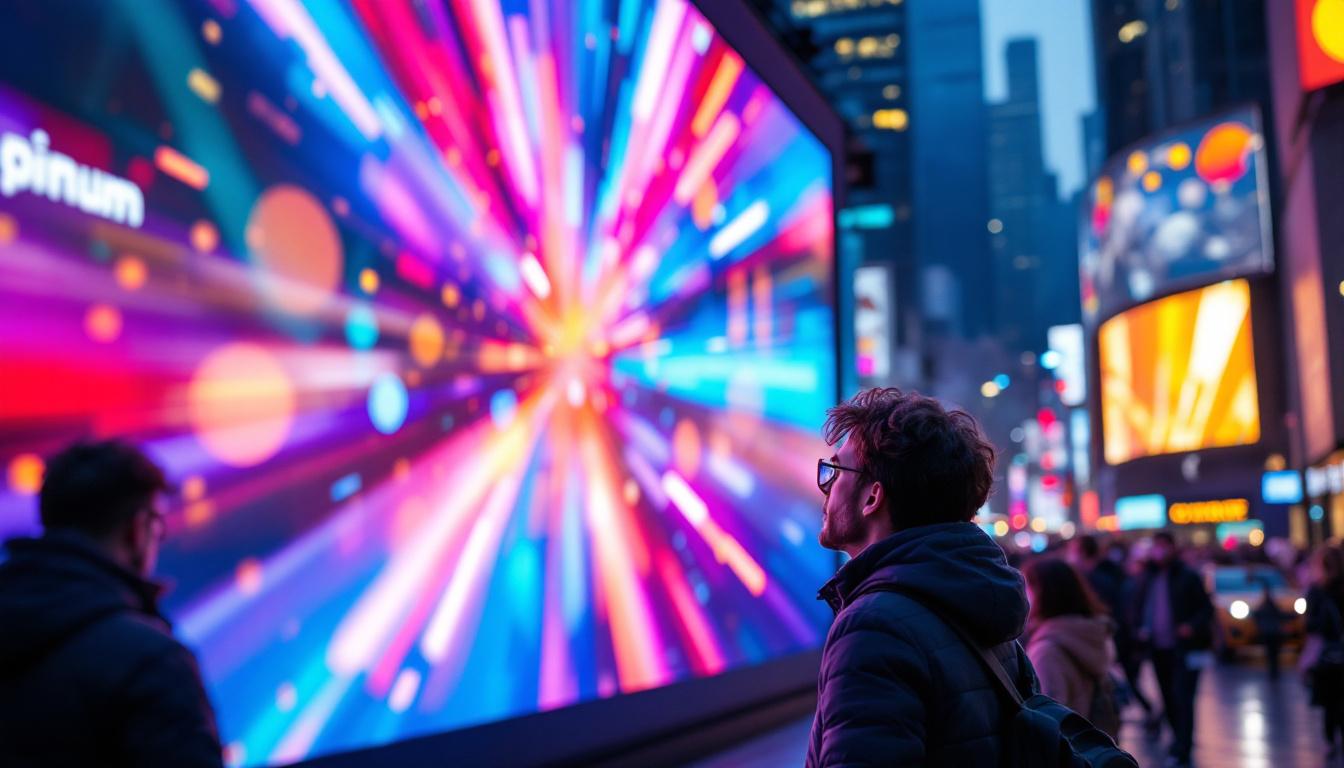
In retail environments, LED wall panels serve as eye-catching digital signage that attracts customers and promotes products effectively. Their high brightness and vivid colors ensure visibility even in brightly lit stores or outdoor settings. Retailers use these displays for dynamic promotions, interactive content, and brand storytelling, which can significantly increase customer engagement.
According to a study by the Digital Signage Federation, businesses using digital signage, including LED panels, experience up to a 30% increase in customer engagement and a 20% boost in sales. This statistic highlights the commercial value of investing in LED wall panel technology for retail applications.
Entertainment and Event Spaces
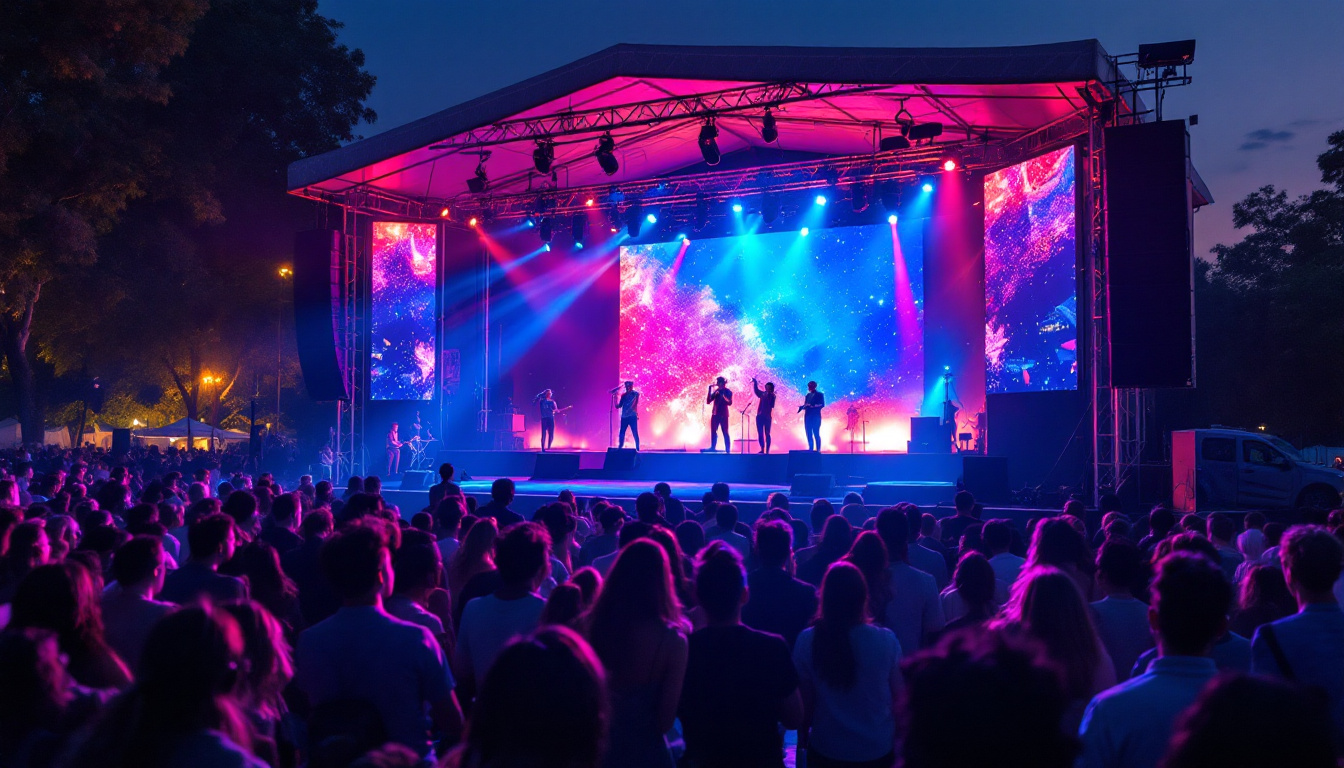
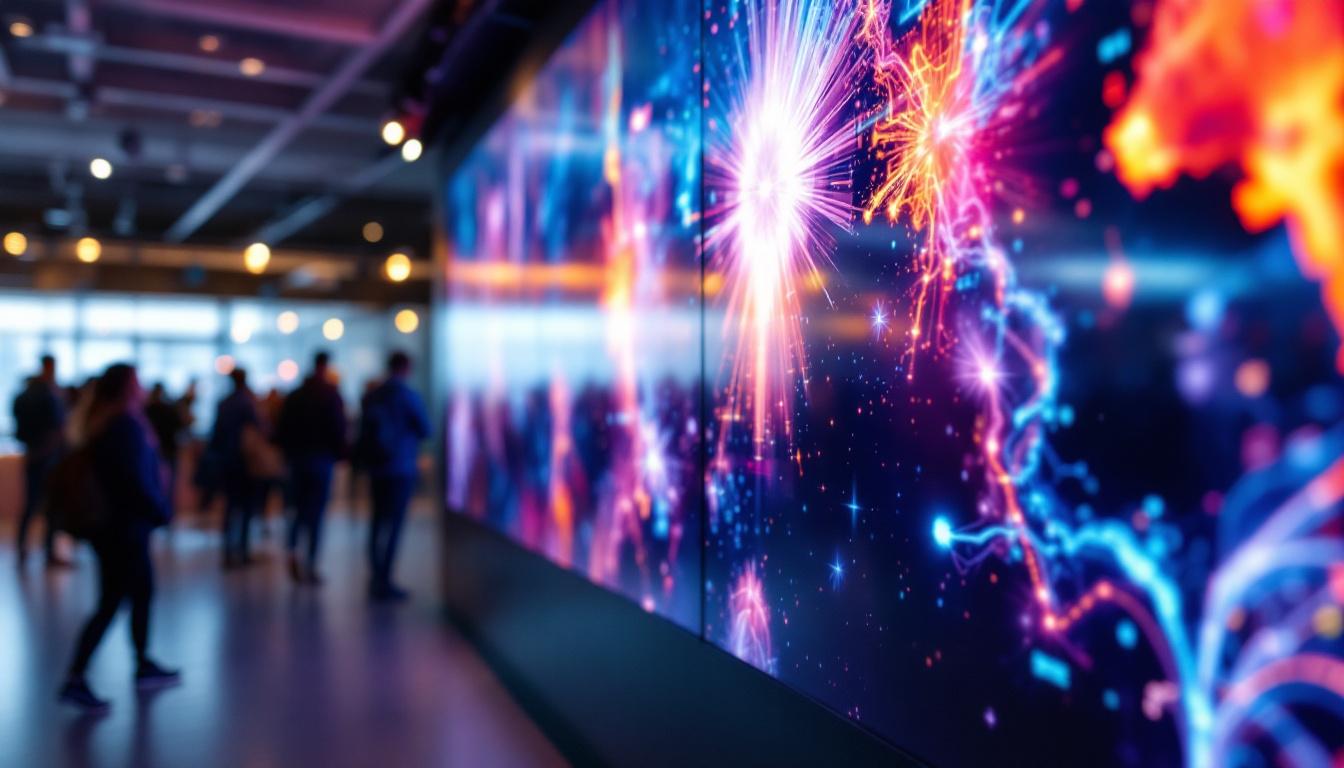
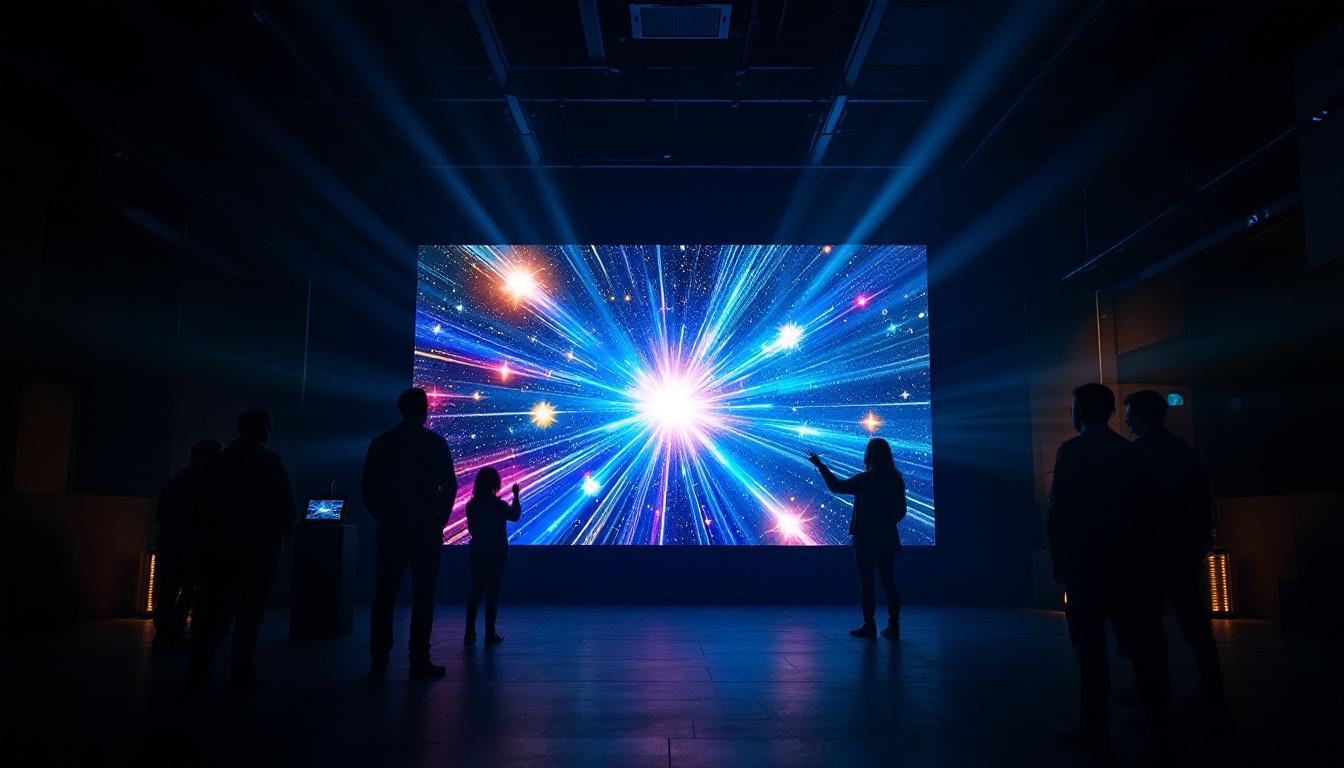
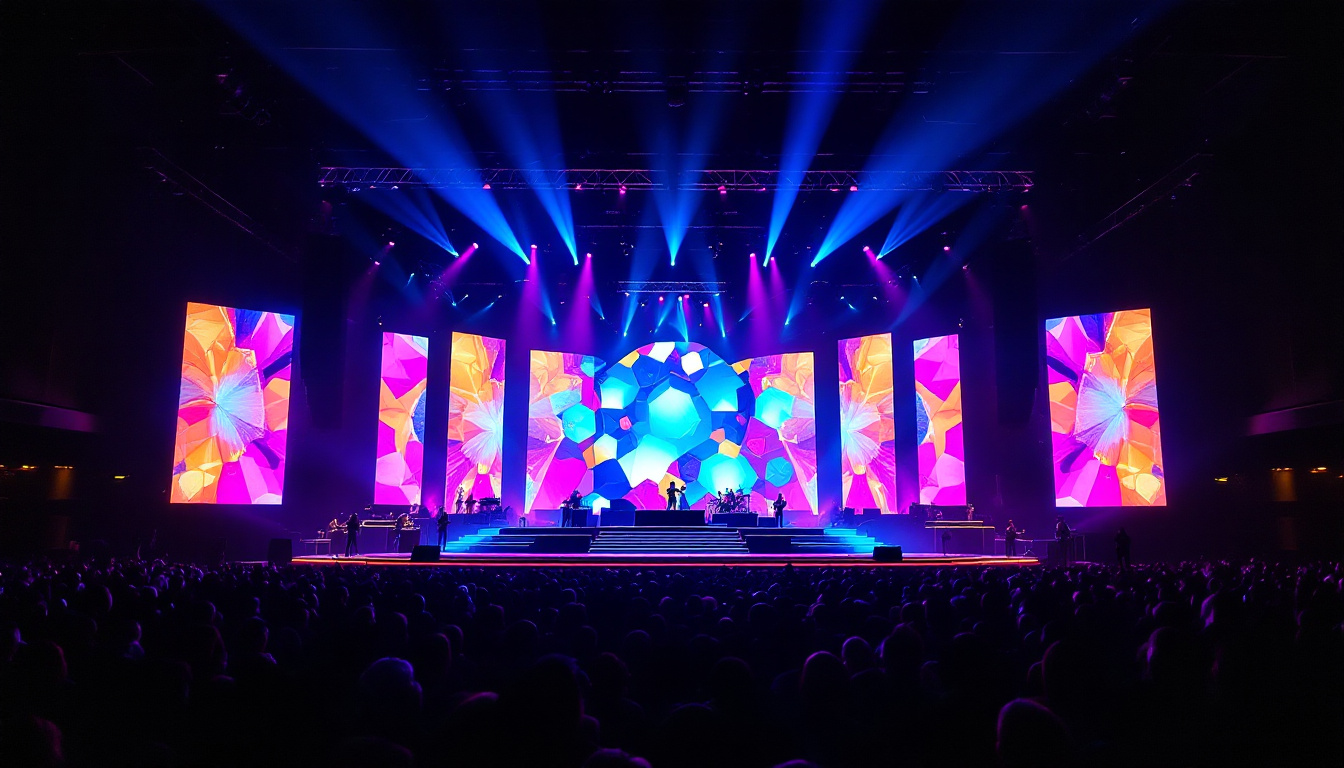
LED wall panels are extensively used in entertainment venues such as theaters, concert halls, and sports arenas. Their ability to display high-definition video content and synchronized lighting effects enhances live performances and creates immersive environments. Event organizers leverage LED panels for stage backdrops, interactive installations, and audience engagement tools.
Moreover, the modular nature of LED panels allows for flexible configurations, enabling large-scale displays that can be tailored to specific event requirements. This adaptability has made LED wall panels a staple in the production of modern entertainment experiences.
Benefits of Using LED Lights for Wall Panels
Energy Efficiency and Longevity
One of the primary advantages of LED technology is its energy efficiency. LED wall panels consume significantly less power compared to traditional lighting and display technologies such as incandescent bulbs or LCD screens with backlighting. This efficiency translates into lower operational costs and a reduced environmental footprint.
In addition to energy savings, LEDs have a long operational lifespan, often exceeding 50,000 hours. This durability minimizes maintenance and replacement costs, making LED wall panels a cost-effective solution over time.
Superior Visual Quality
LED wall panels deliver exceptional brightness, contrast, and color accuracy. Their ability to produce deep blacks and vibrant colors makes them ideal for displaying high-quality images and videos. This visual superiority enhances the viewer’s experience, whether in a retail setting, corporate environment, or public space.
Furthermore, LED displays maintain consistent performance across a wide range of ambient lighting conditions. Unlike some screen technologies that suffer from glare or washed-out colors in bright environments, LEDs remain clear and vivid, ensuring message visibility at all times.
Design Flexibility and Customization
LED wall panels offer remarkable design flexibility. They can be manufactured in various shapes and sizes, including curved or irregular forms, allowing architects and designers to push creative boundaries. The modular design of LED panels facilitates easy installation and scalability, enabling seamless integration into existing structures.
Customization extends beyond physical form to include dynamic content control. Users can update visuals remotely and in real-time, tailoring messages or ambiance to specific occasions or audiences. This capability is particularly valuable for businesses seeking to maintain fresh and engaging displays.
Key Considerations When Choosing LED Wall Panels
Resolution and Pixel Pitch
Resolution and pixel pitch are critical factors that determine the clarity and detail of an LED display. Pixel pitch refers to the distance between the centers of adjacent LEDs, typically measured in millimeters. A smaller pixel pitch means higher resolution and sharper images, which is essential for close viewing distances.
For wall panels intended for interior use where viewers are close, a pixel pitch of 1.5mm to 3mm is common. For larger, outdoor-facing panels viewed from a distance, a larger pixel pitch may be acceptable. Selecting the appropriate pixel pitch ensures optimal visual performance without unnecessary cost.
Brightness and Viewing Angle
Brightness is measured in nits and indicates how luminous the display is. Indoor LED panels typically require brightness levels between 800 and 1,500 nits, while outdoor panels may need 5,000 nits or more to counteract sunlight. Ensuring adequate brightness is crucial for visibility and impact.
The viewing angle defines how well the display can be seen from different positions. Wider viewing angles allow more viewers to see the content clearly without color distortion or dimming. High-quality LED panels offer viewing angles of 140 degrees or greater, making them suitable for public spaces.
Durability and Environmental Resistance
Depending on the installation environment, LED wall panels must meet specific durability standards. For outdoor or semi-outdoor applications, panels should have an IP65 rating or higher to resist dust and water ingress. Additionally, panels designed for high-traffic areas should be robust enough to withstand physical impact and temperature variations.
Choosing panels with appropriate certifications and warranties ensures longevity and reliable performance, protecting the investment over time.
Installation and Maintenance of LED Wall Panels
Installation Best Practices
Proper installation is vital to the performance and safety of LED wall panels. The process typically involves mounting the panels securely to a stable surface, ensuring proper alignment for seamless image display. Electrical connections must comply with local codes and standards to prevent hazards.
Professional installation services often recommend environmental assessments to determine optimal placement, considering factors such as ambient light, viewing distance, and accessibility for maintenance. Planning for cable management and ventilation also contributes to the longevity and aesthetics of the installation.
Maintenance and Troubleshooting
While LED panels are low-maintenance, periodic inspections help identify potential issues early. Cleaning the surface with appropriate materials prevents dust buildup that can affect brightness and image quality. Additionally, checking electrical connections and firmware updates ensures consistent operation.
Common troubleshooting includes addressing dead pixels, color calibration, and software glitches. Many manufacturers provide diagnostic tools and support services to assist with maintenance, minimizing downtime and preserving display quality.
The Future of LED Wall Panels
Advancements in LED technology continue to push the boundaries of what LED wall panels can achieve. Emerging trends include microLED displays, which offer even higher resolution and energy efficiency, and flexible LED panels that can conform to complex architectural shapes.
Integration with smart building systems and IoT (Internet of Things) devices is also on the rise, enabling automated control of lighting and content based on environmental cues or user preferences. These innovations promise to make LED wall panels more interactive, sustainable, and immersive in the years ahead.
As LED technology evolves, its role in both functional lighting and digital communication will expand, making LED wall panels an indispensable asset in modern design and marketing strategies.
Illuminate Your Space with LumenMatrix
Ready to elevate your environment with the latest in LED display technology? LumenMatrix is at the forefront of creating immersive visual experiences that captivate and engage. Whether you’re looking to transform a retail space, enhance a corporate setting, or make a bold statement in public areas, our extensive range of LED display solutions—including Indoor, Outdoor, Vehicle, Poster, Sports, Floor, Custom, All-in-One, and Transparent LED Displays—is designed to meet your unique needs. Experience the future of visual communication today and check out LumenMatrix LED Display Solutions to discover how our innovative displays can revolutionize your space.