In an era where visual communication dominates marketing strategies, LED sign billboards have emerged as a powerful tool for businesses, advertisers, and public entities. These dynamic, bright, and highly customizable displays captivate audiences, convey messages effectively, and adapt to changing content in real-time. This article delves into the world of LED sign billboards, explaining their technology, benefits, applications, and considerations for choosing the right display solution.
Understanding LED Sign Billboards
What is an LED Sign Billboard?
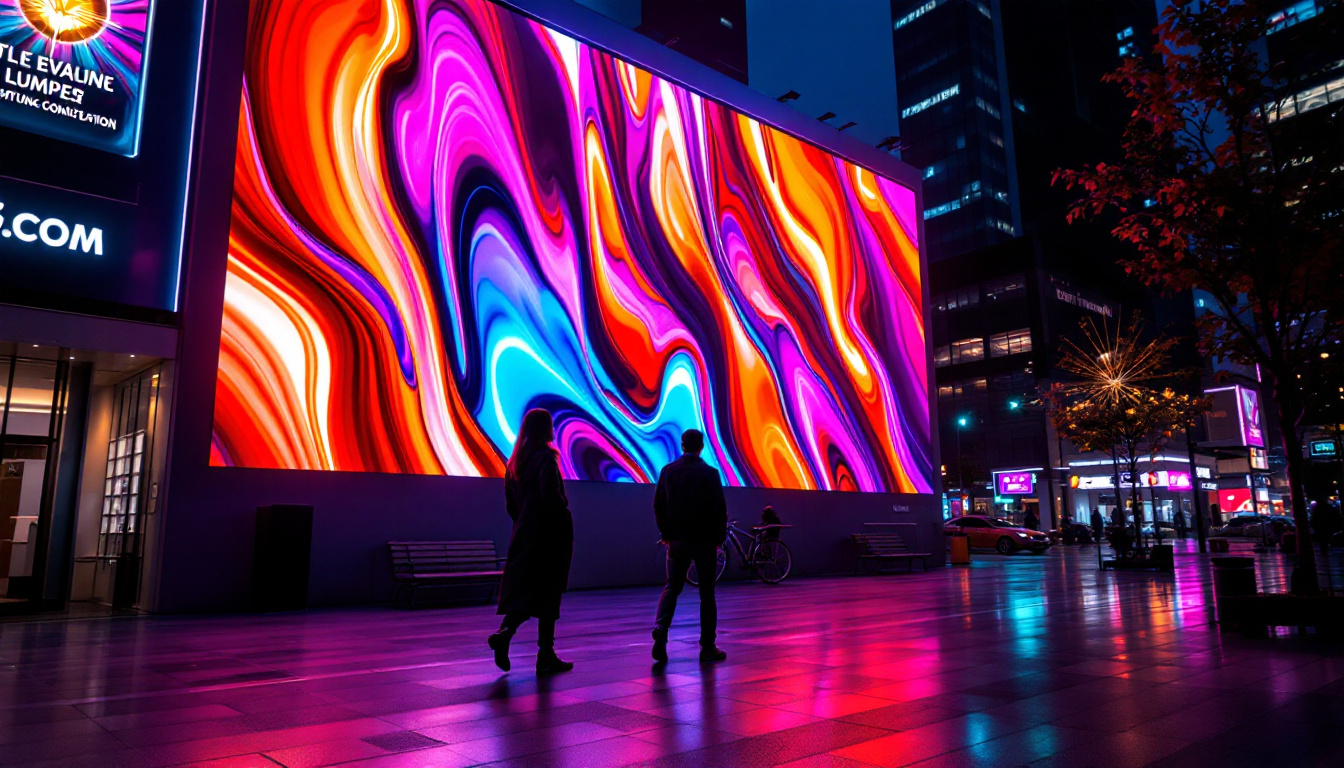
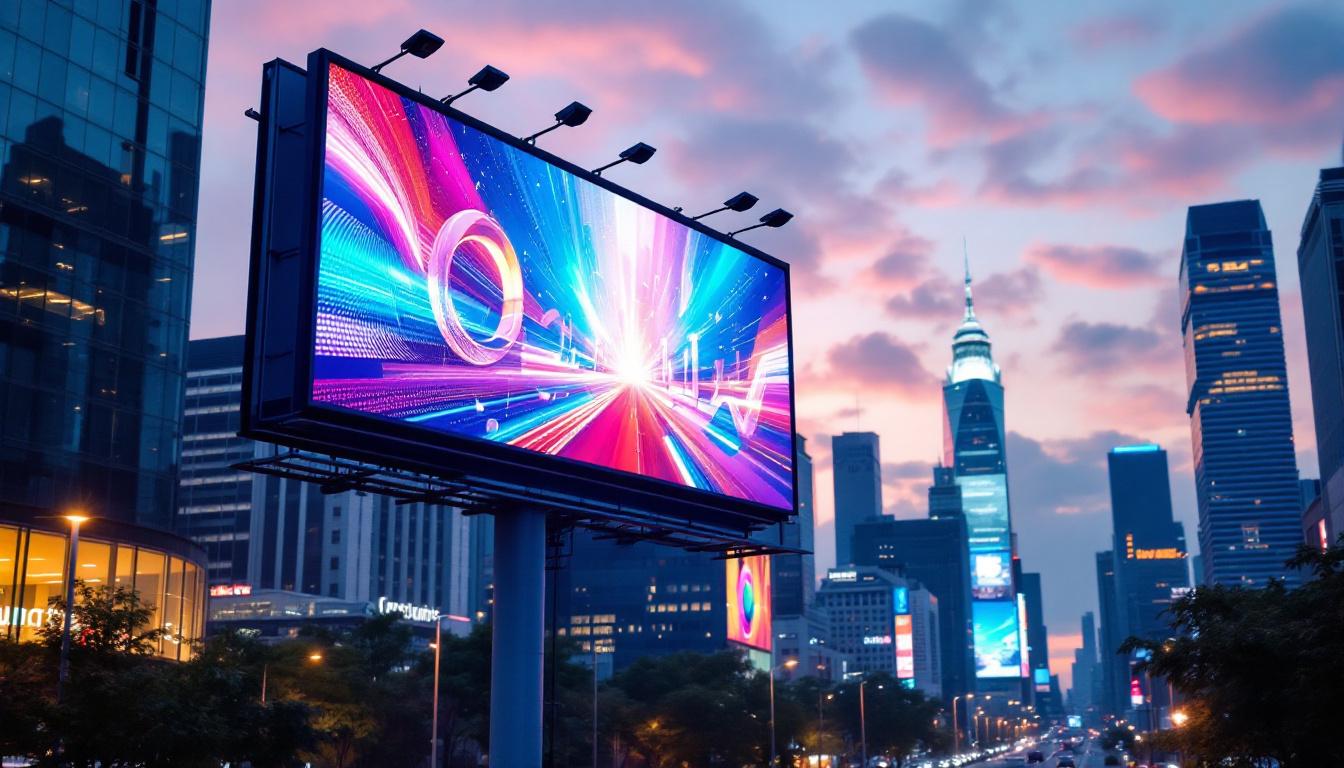
An LED sign billboard is a large-scale digital display that uses light-emitting diodes (LEDs) to present images, videos, text, and animations. Unlike traditional static billboards, LED billboards offer vibrant colors, high brightness, and the ability to change content instantly. This flexibility makes them ideal for advertising, public announcements, event promotions, and more.
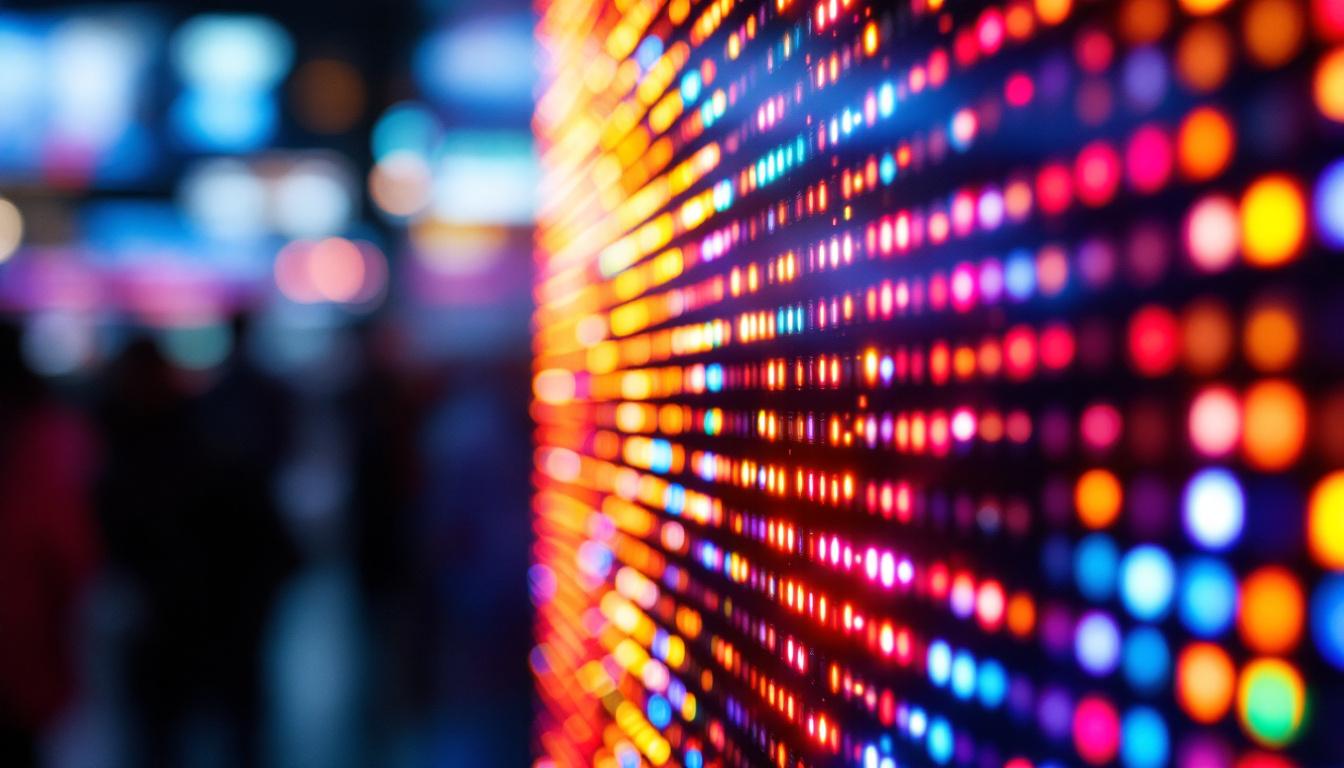
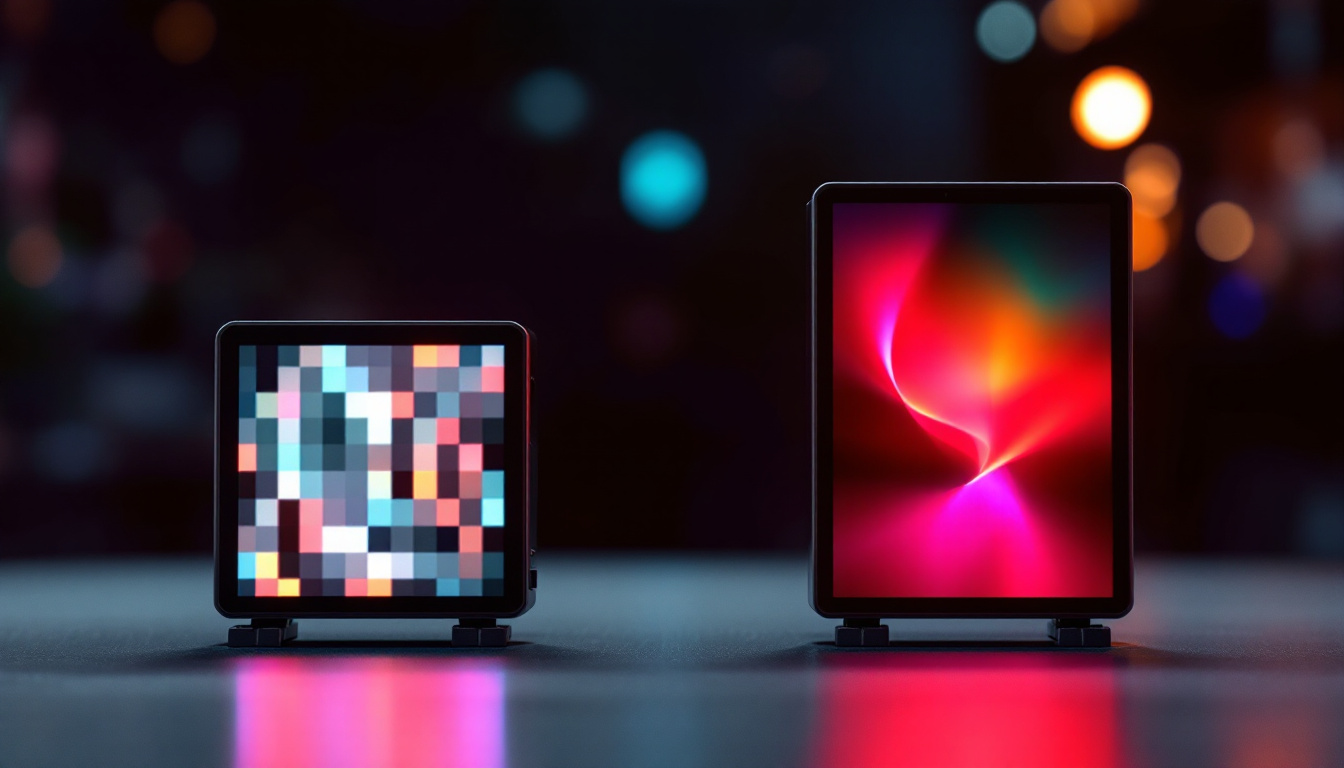
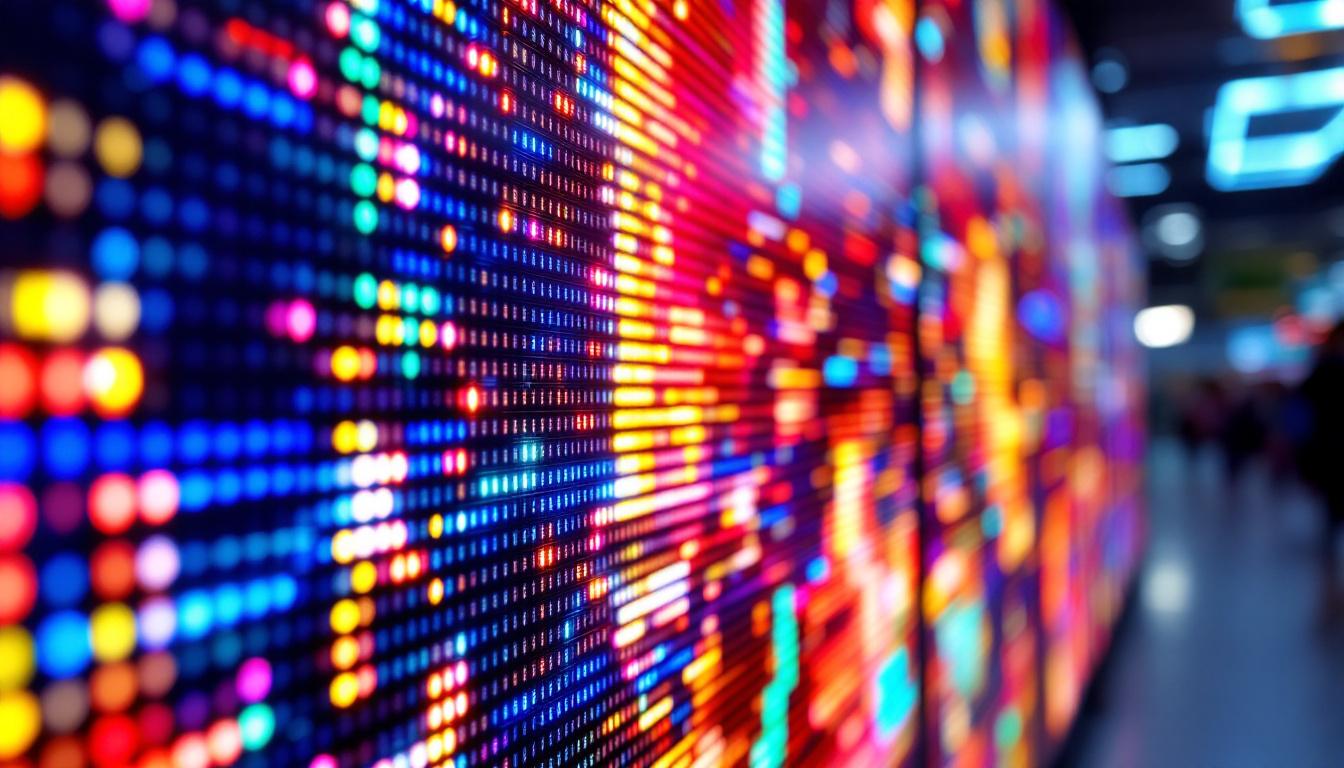
LED technology involves tiny semiconductor devices that emit light when an electric current passes through them. These LEDs are arranged in a grid to form pixels, which collectively create the visible image on the billboard. The resolution and quality of the display depend on the pixel pitch—the distance between individual LEDs—with smaller pitches offering sharper images. The ability to display dynamic content allows advertisers to engage viewers more effectively, making LED billboards a popular choice in urban environments where competition for attention is fierce.
Moreover, LED sign billboards can be programmed to display a variety of content types, from simple text messages to complex animations and video clips. This versatility means that advertisers can tailor their messages to specific audiences or events, maximizing impact. For instance, a billboard can promote a local concert one moment and switch to an advertisement for a nearby restaurant the next, all while maintaining a captivating visual experience.
How LED Displays Work
At the core of LED sign billboards is a modular system composed of LED panels. Each panel contains numerous LEDs that can be individually controlled to produce specific colors and brightness levels. The panels are connected to a control system that manages the content displayed, often through specialized software.
The control system receives input from a computer or media player, which sends the desired images or videos to the display. Advanced LED billboards can synchronize multiple panels seamlessly, enabling large-format displays with consistent image quality. Moreover, brightness sensors can adjust the display intensity based on ambient light, ensuring optimal visibility day and night. This adaptive technology not only enhances viewer experience but also contributes to energy efficiency, as the display can lower its brightness during nighttime or in shaded areas.
In addition to their technical capabilities, LED billboards are often equipped with various connectivity options, including Wi-Fi and cellular networks. This connectivity allows for remote updates and real-time content management, enabling advertisers to respond quickly to changing circumstances or audience needs. For example, a billboard can instantly display emergency alerts or weather updates, demonstrating the technology’s utility beyond commercial advertising. As cities continue to embrace digital signage, LED billboards are becoming integral to urban landscapes, transforming how information is communicated in public spaces.
Advantages of LED Sign Billboards
High Visibility and Brightness
One of the most significant advantages of LED billboards is their exceptional brightness. LEDs can produce intense light that remains visible even under direct sunlight, outperforming traditional billboard materials like vinyl or painted surfaces. This high visibility increases the likelihood of capturing the attention of passersby, making LED billboards a highly effective advertising medium. Moreover, the color vibrancy of LED displays enhances the visual appeal, allowing brands to showcase their products in a more compelling way. The ability to use a wide spectrum of colors means that advertisers can create eye-catching designs that resonate with their target audience, making their messages more memorable.
Dynamic Content and Flexibility
Unlike static billboards, LED displays allow for dynamic content that can be updated instantly. Advertisers can rotate multiple ads throughout the day, tailor messages to specific times or events, and incorporate animations or video clips to enhance engagement. This flexibility not only maximizes the use of advertising space but also enables targeted marketing strategies. For example, a retail store can promote different products during morning, afternoon, and evening hours, or a city government can display emergency alerts and public service announcements alongside commercial advertisements. Additionally, the ability to integrate real-time data, such as weather updates or social media feeds, creates a more interactive experience for viewers, further increasing the billboard’s effectiveness as a communication tool.
Energy Efficiency and Longevity
Modern LED technology is highly energy-efficient compared to older lighting systems. LEDs consume less power while delivering brighter light, reducing operational costs for billboard owners. Additionally, LED modules have a long lifespan, often exceeding 100,000 hours of use, which translates to years of reliable performance with minimal maintenance. This longevity not only benefits advertisers by reducing replacement costs but also contributes to a lower carbon footprint, as fewer resources are needed for manufacturing and disposal. Furthermore, advancements in LED technology continue to improve energy efficiency, making these billboards an increasingly sustainable choice for outdoor advertising.
Environmental Impact
LED billboards contribute to sustainability efforts by lowering energy consumption and reducing waste. Unlike printed billboards that require frequent replacement and disposal, digital LED displays minimize material waste. Furthermore, many LED components are recyclable, supporting circular economy principles. The shift towards LED technology also aligns with global efforts to reduce greenhouse gas emissions, as the lower energy requirements translate to decreased reliance on fossil fuels for electricity generation. As cities and businesses become more environmentally conscious, the adoption of LED billboards represents a proactive step towards greener advertising solutions. Moreover, the ability to run campaigns that promote environmental awareness or social causes can further enhance the positive impact of these displays on the community.
Applications of LED Sign Billboards
Advertising and Marketing
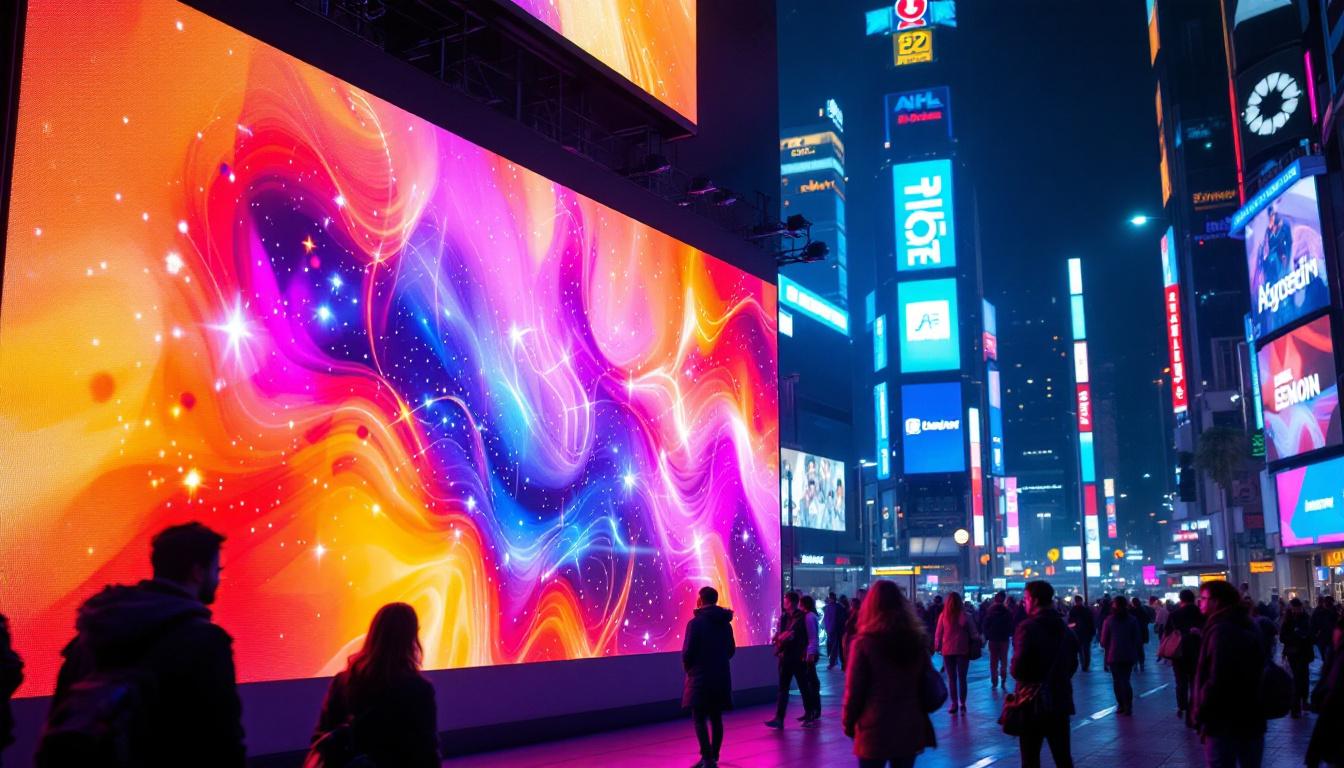
Advertising remains the primary application of LED sign billboards. Businesses leverage these displays to promote products, services, and brand awareness in high-traffic locations such as highways, city centers, shopping malls, and sports arenas. The ability to deliver vivid, eye-catching visuals helps advertisers stand out in crowded markets.
Research shows that digital billboards can increase brand recall by up to 47% compared to static billboards, underscoring their effectiveness in consumer engagement.
Public Information and Safety
Municipalities and government agencies use LED billboards to disseminate important information quickly. These include traffic updates, weather warnings, emergency alerts, and community announcements. The real-time update capability ensures that critical messages reach the public promptly, enhancing safety and awareness.
Events and Entertainment
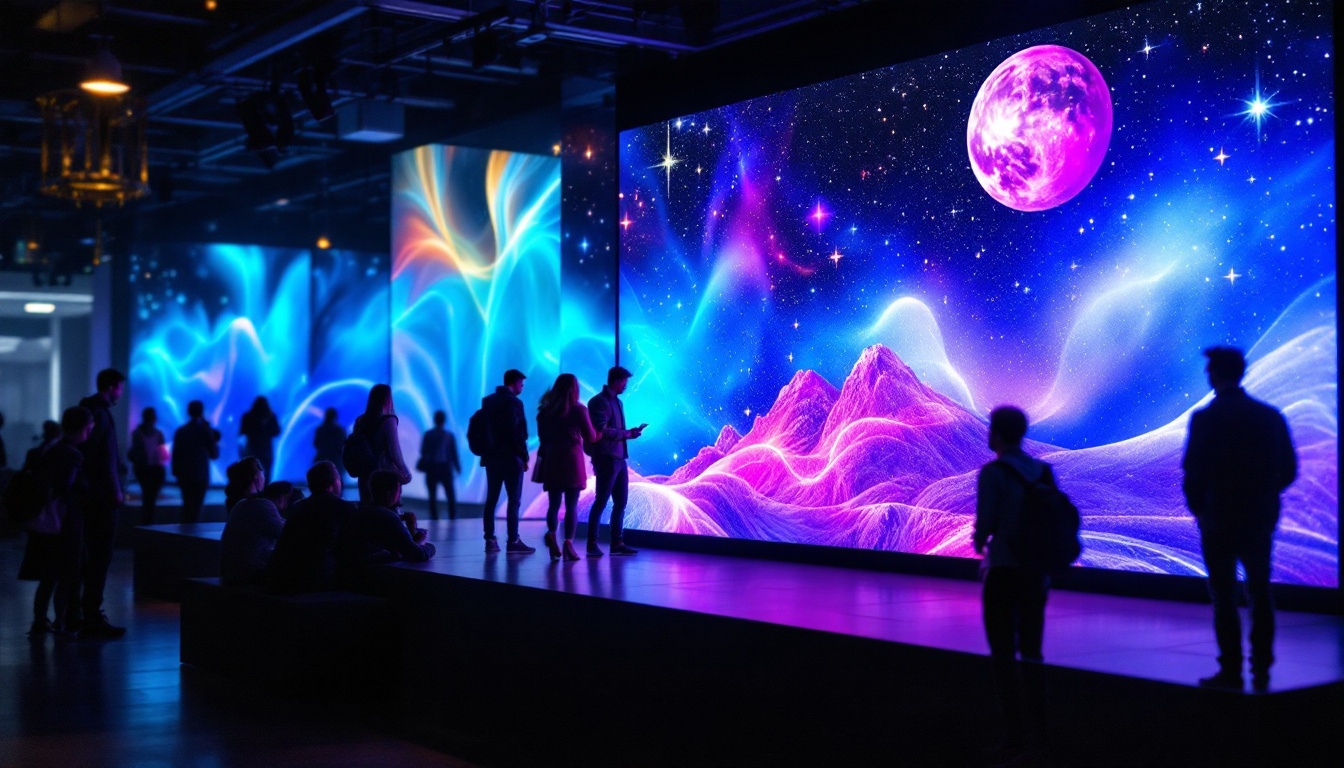
LED displays are commonly used in concerts, sports events, festivals, and exhibitions to provide live video feeds, event schedules, and interactive content. Their scalability allows for both small indoor installations and massive outdoor screens, creating immersive experiences for audiences.
Key Considerations When Choosing an LED Billboard
Resolution and Pixel Pitch
The resolution of an LED billboard is determined by its pixel pitch, which measures the distance between individual LEDs. Smaller pixel pitches result in higher resolution and sharper images but come at a higher cost. For billboards viewed from long distances, such as highway signs, a larger pixel pitch may be sufficient, while displays in pedestrian areas require finer resolution for clarity.
Brightness and Viewing Angle
Brightness is critical for visibility, especially in outdoor environments with varying lighting conditions. LED billboards typically offer brightness levels ranging from 5,000 to 10,000 nits, with some models reaching even higher. Additionally, the viewing angle—the range at which the display is clearly visible—should be wide enough to accommodate different audience positions.
Durability and Weather Resistance
Outdoor LED billboards must withstand harsh weather conditions including rain, wind, dust, and extreme temperatures. Quality displays feature robust enclosures with IP65 or higher ratings, ensuring protection against water and dust ingress. Proper ventilation and temperature control systems also help maintain performance and extend lifespan.
Content Management Systems (CMS)
The ease of updating and managing content is a vital factor. Modern LED billboards come with user-friendly CMS platforms that support scheduling, remote control, and integration with various media formats. Some systems also offer analytics to track audience engagement and optimize advertising strategies.
Cost and Return on Investment
While LED billboards represent a significant upfront investment, their benefits in terms of flexibility, visibility, and reduced maintenance can justify the cost over time. Businesses should evaluate potential advertising revenue, operational expenses, and the impact on brand visibility to determine the return on investment (ROI).
Future Trends in LED Sign Billboard Technology
Higher Resolution and Miniaturization
Advancements in LED technology continue to push the boundaries of resolution and pixel density. MicroLED and miniLED technologies promise even sharper images with lower power consumption, enabling more detailed and immersive displays.
Interactive and Smart Displays
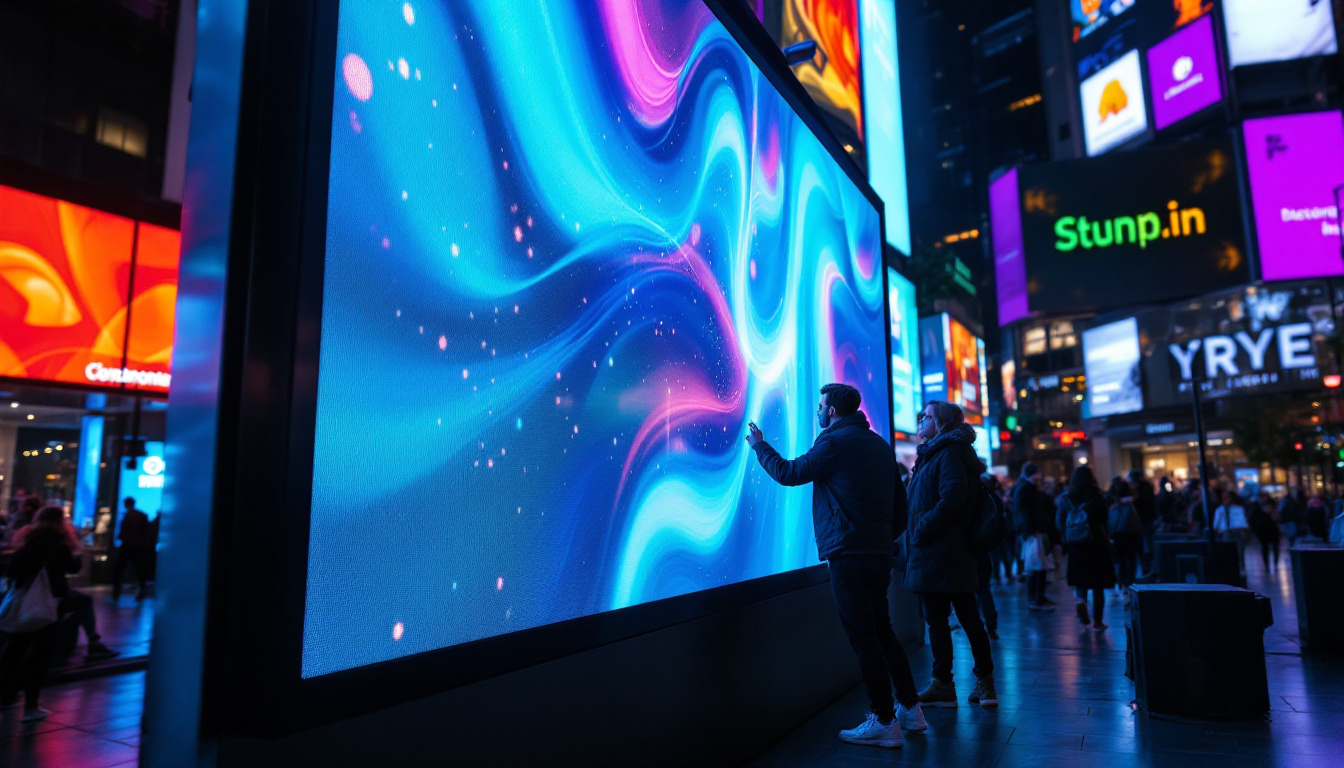
Integration with sensors, cameras, and artificial intelligence is transforming LED billboards into interactive platforms. These smart displays can adapt content based on audience demographics, weather conditions, or real-time events, enhancing personalization and engagement.
Energy Harvesting and Sustainability
Emerging innovations focus on making LED billboards more sustainable by incorporating solar panels and energy harvesting technologies. This reduces reliance on grid electricity and lowers the environmental footprint of outdoor advertising.
Conclusion
LED sign billboards represent a dynamic and effective medium for communication in today’s visually driven world. Their ability to deliver bright, flexible, and engaging content makes them invaluable for advertisers, public agencies, and event organizers alike. Understanding the technology behind LED displays, their benefits, and key considerations can help stakeholders make informed decisions that maximize impact and return on investment.
As LED technology continues to evolve, the future promises even more innovative, interactive, and sustainable display solutions that will redefine outdoor advertising and public communication.
Illuminate Your Message with LumenMatrix
Ready to elevate your advertising and public messaging with unparalleled brightness and flexibility? LumenMatrix is at the forefront of LED display technology, offering a diverse range of solutions tailored to your unique needs. From Indoor and Outdoor LED Wall Displays to specialized options like Vehicle, Sports, and Floor LED Displays, our mission is to revolutionize your visual communication. Discover how our Custom, All-in-One, and Transparent LED Displays can transform your brand’s visibility and audience engagement. Check out LumenMatrix LED Display Solutions today and start creating captivating visual experiences that resonate with your audience.