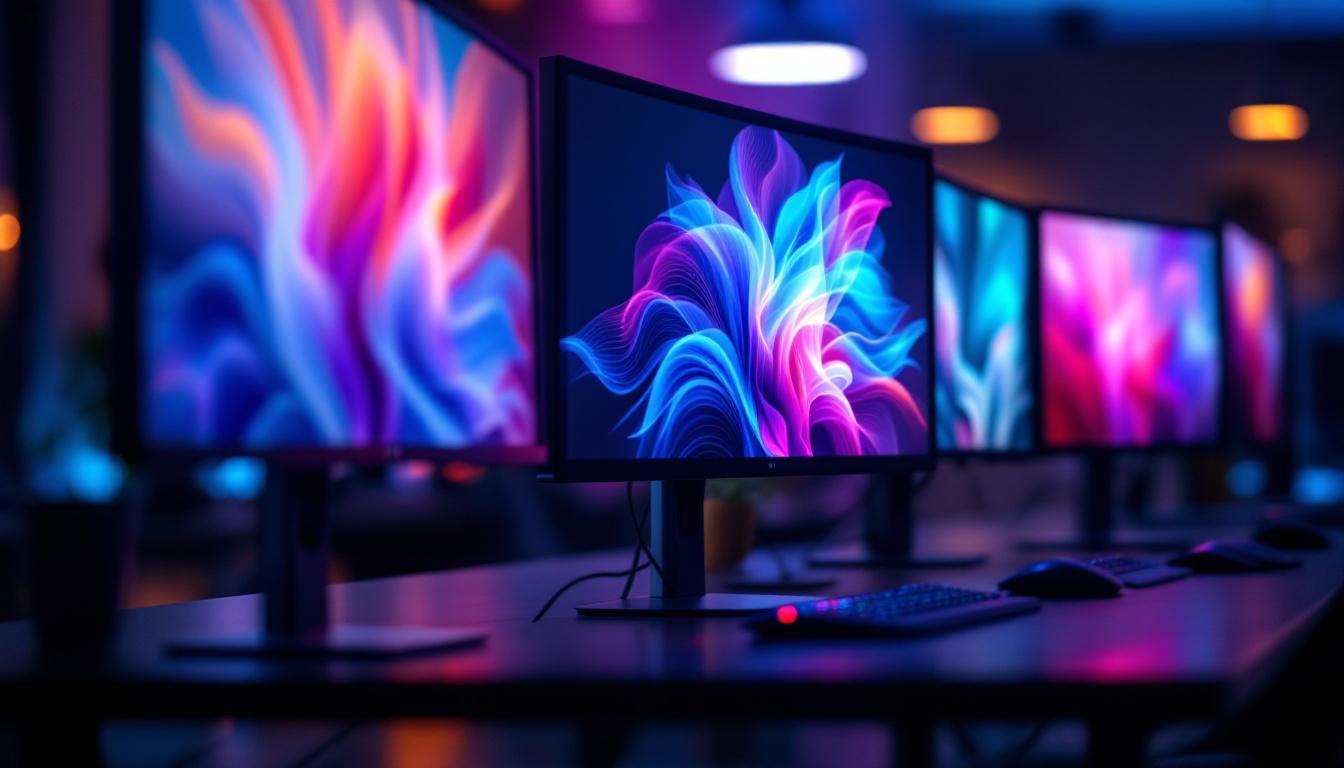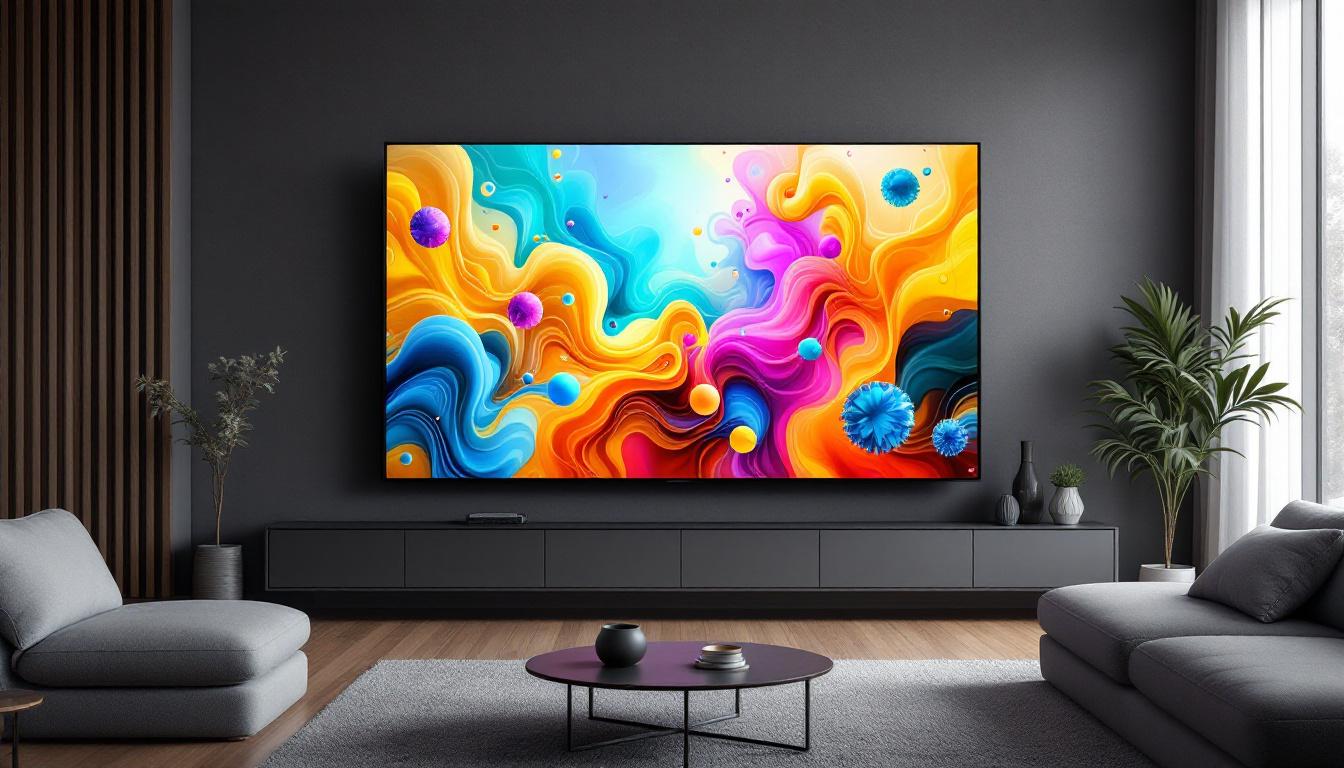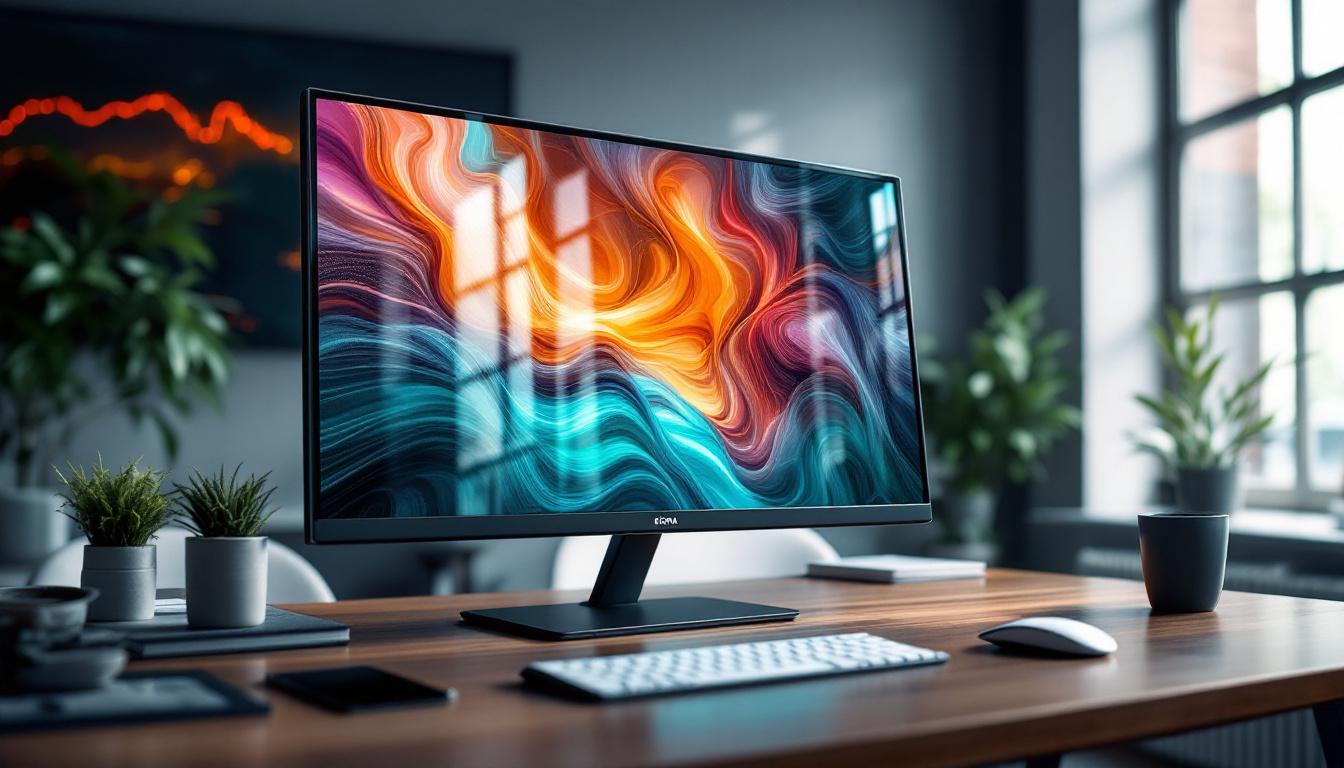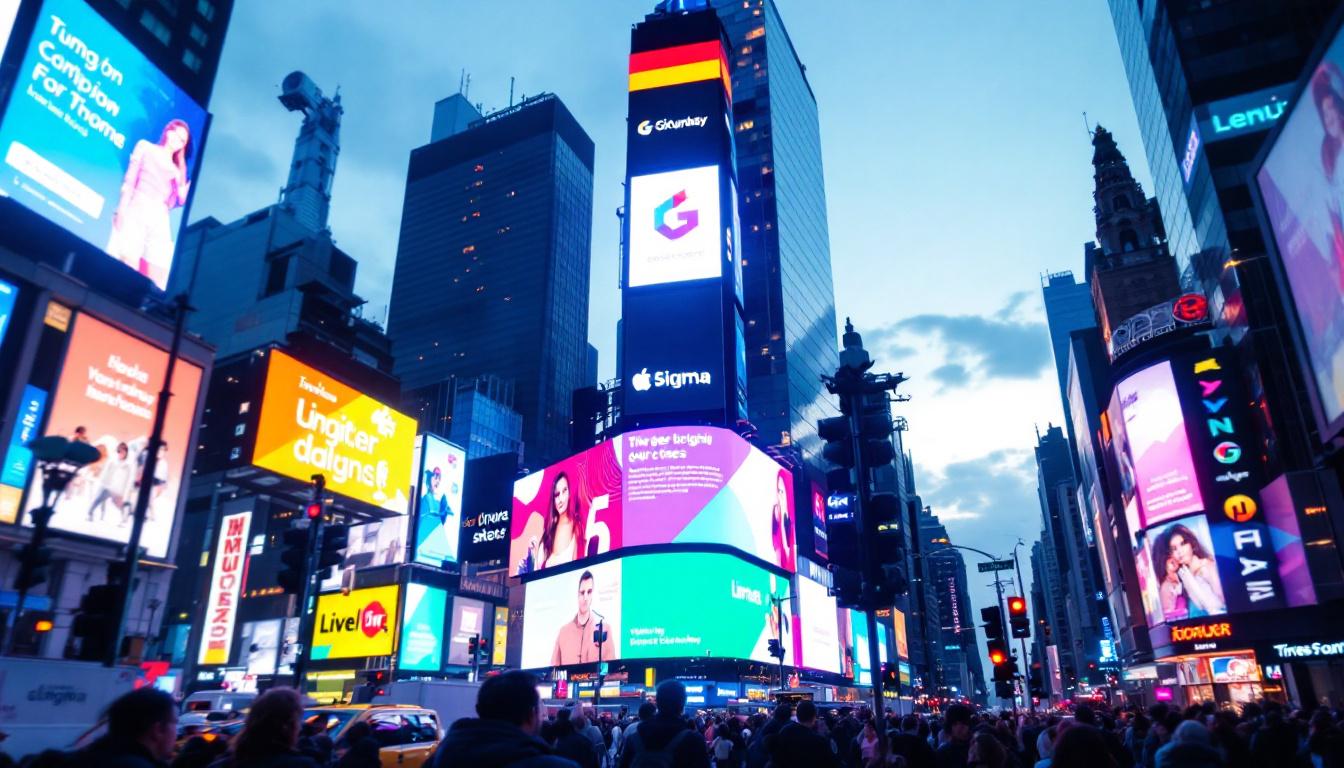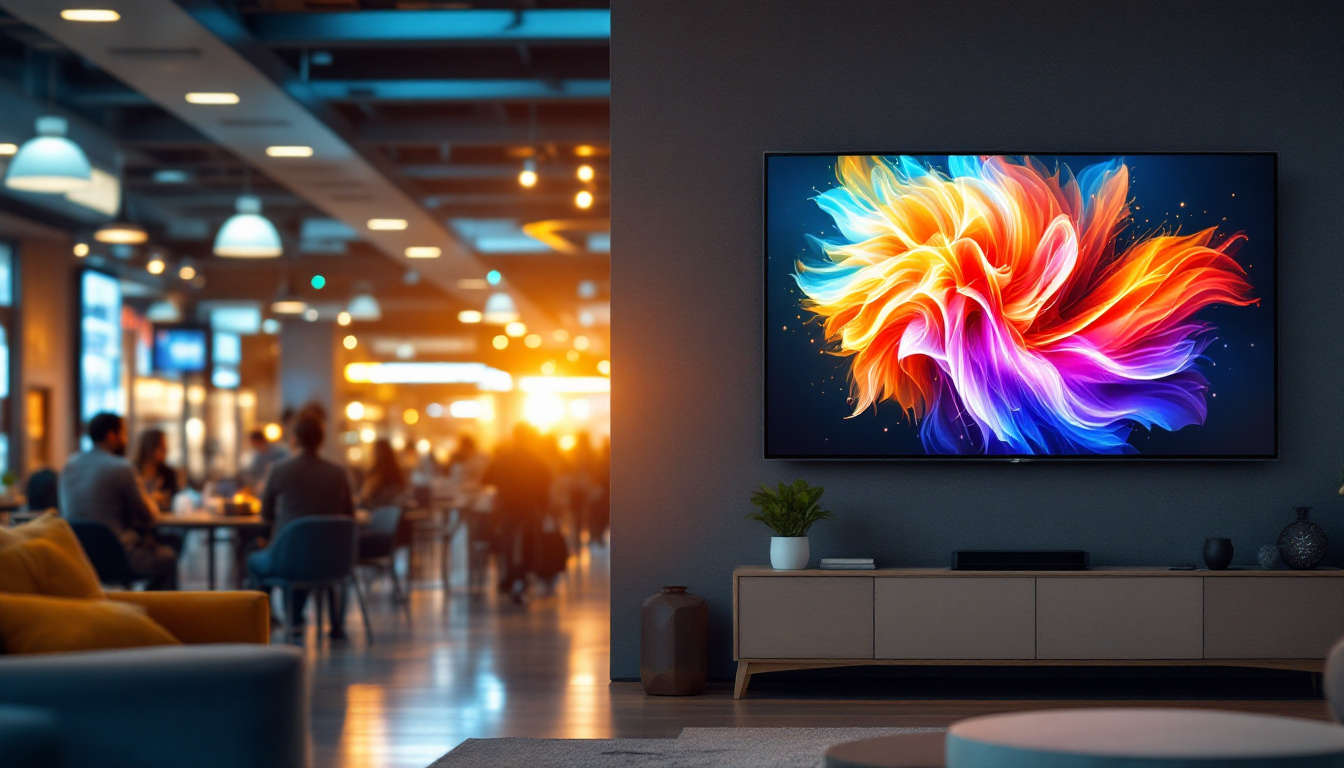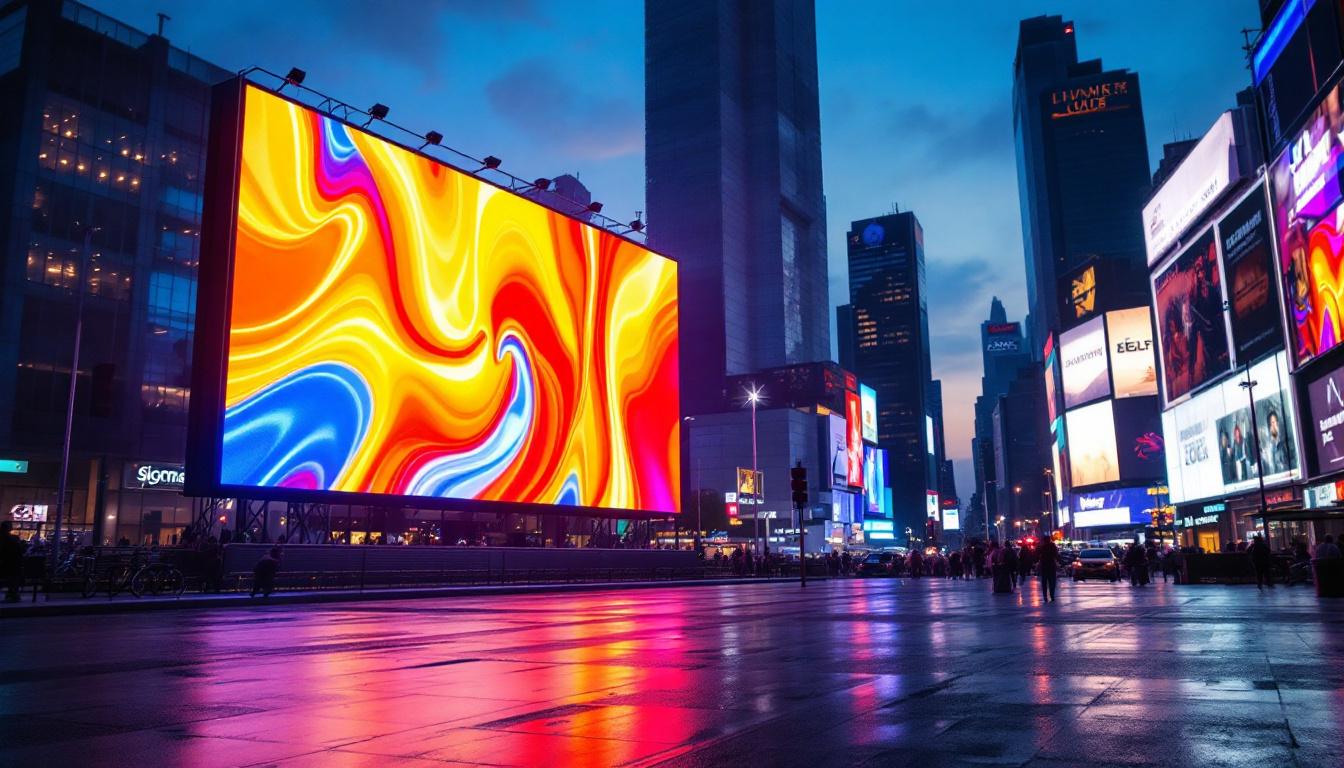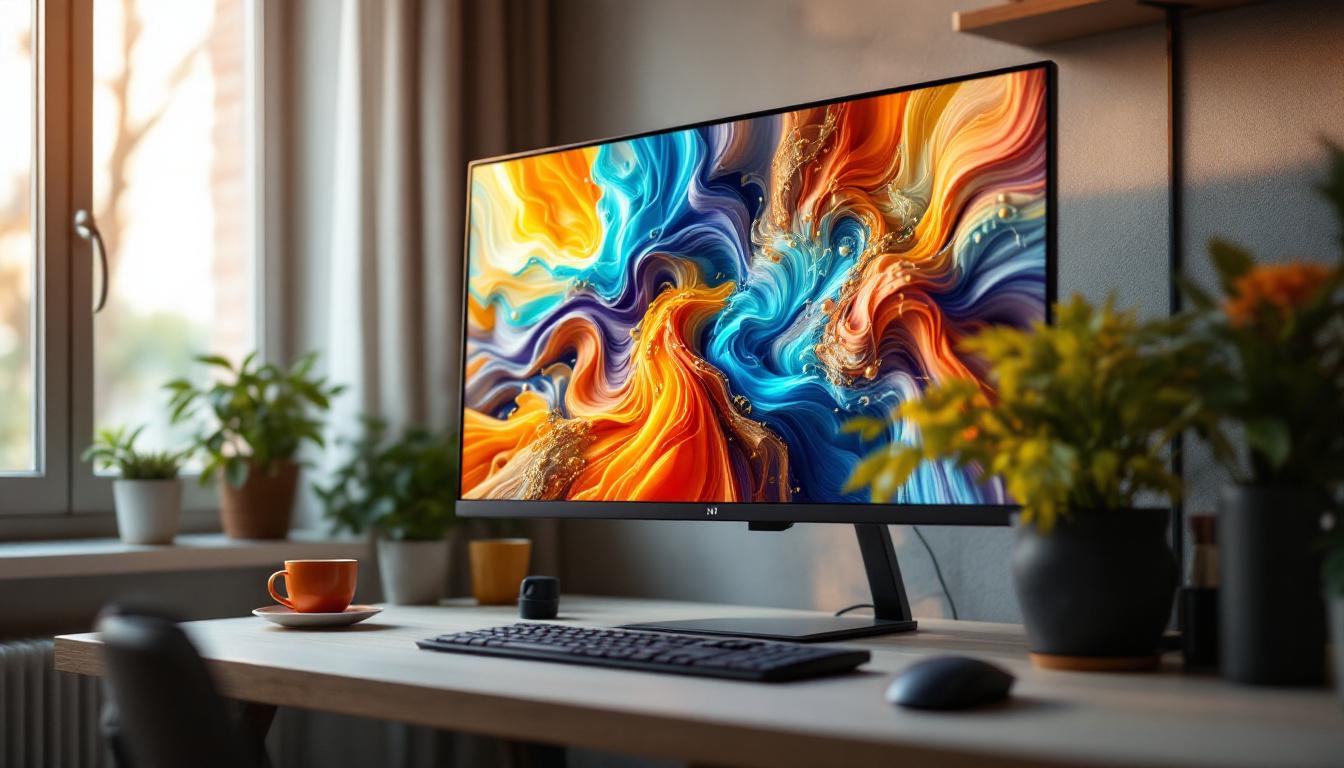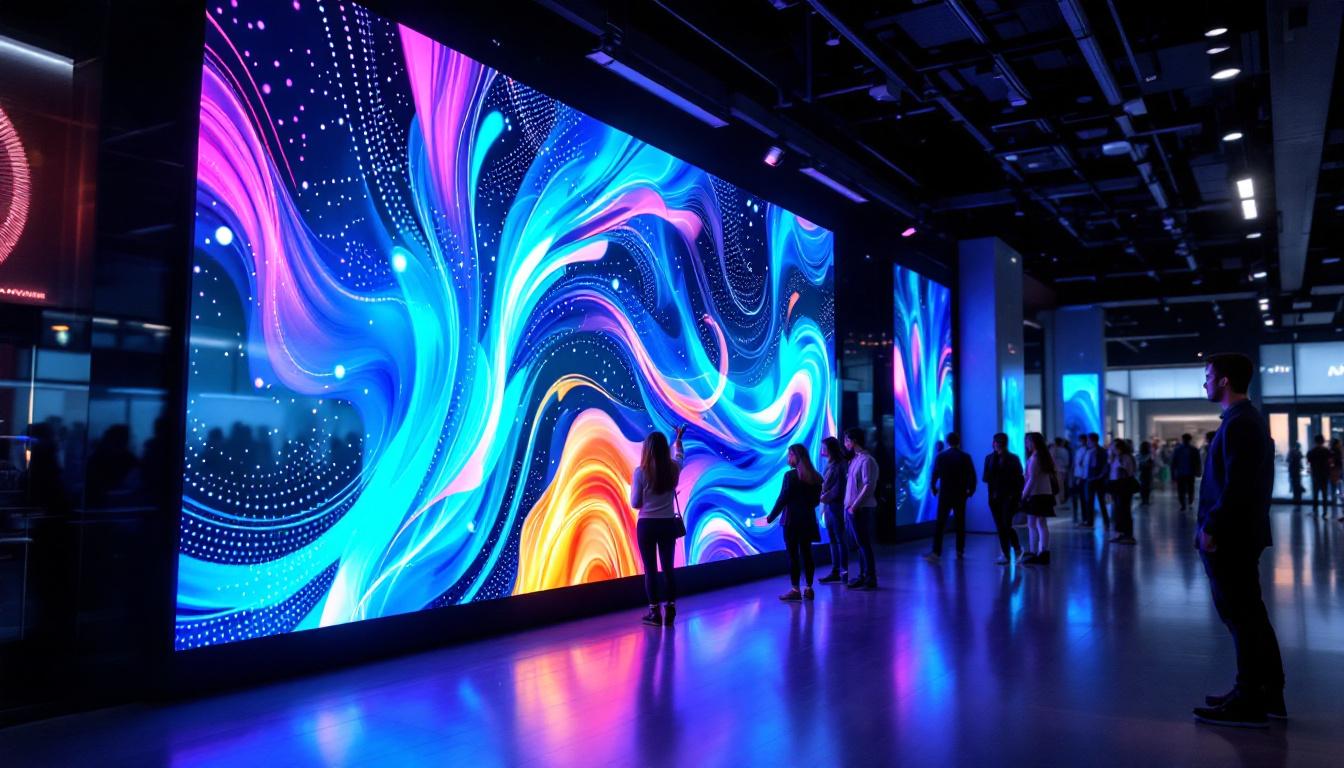
In the rapidly evolving retail landscape, attracting customer attention is more challenging than ever. Traditional static posters have long been a staple for in-store advertising, but the rise of digital technologies is transforming how brands communicate with shoppers. Among these innovations, LED displays stand out as a dynamic and effective solution for store poster displays. This article delves into the world of LED displays, explaining their technology, benefits, applications, and considerations for retailers looking to enhance their in-store marketing strategies.
Understanding LED Displays: What Are They?
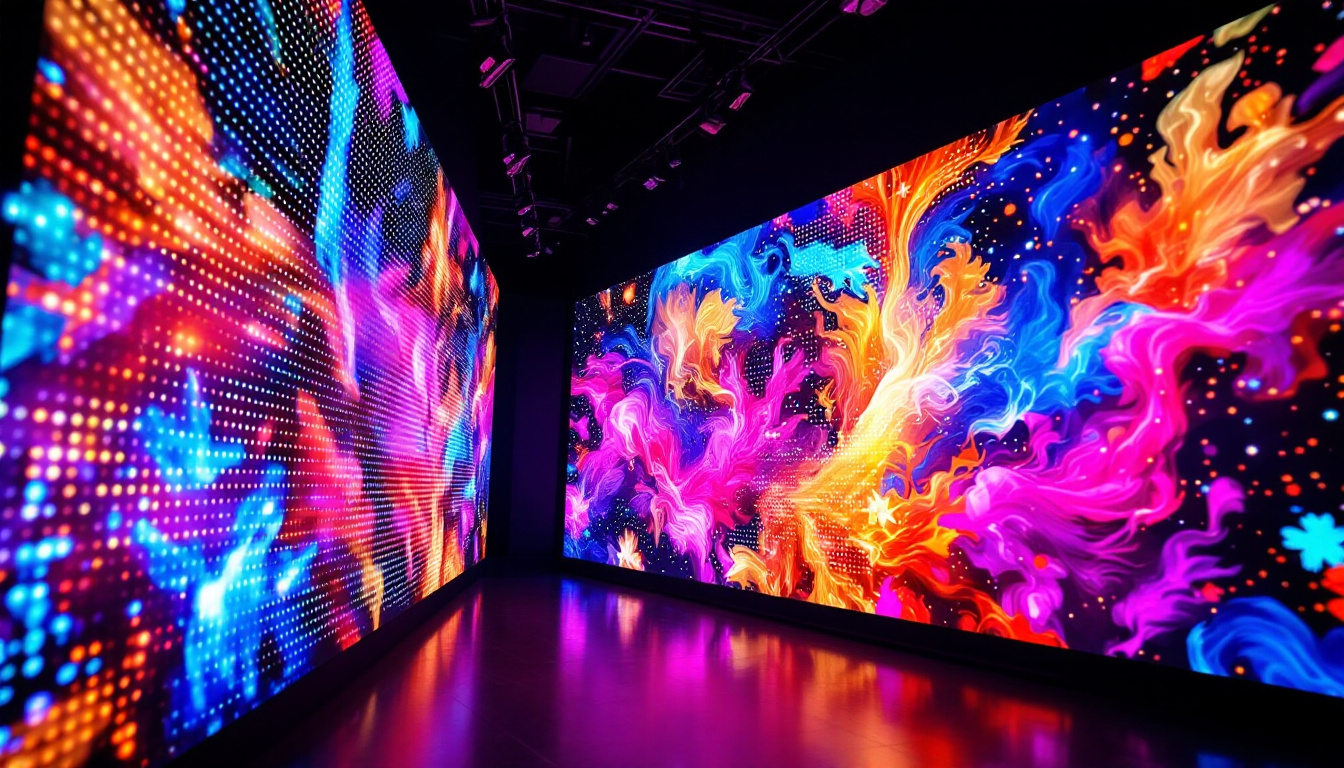
LED stands for Light Emitting Diode, a semiconductor device that emits light when an electric current passes through it. LED displays are screens made up of numerous tiny LEDs arranged in a matrix to create images, videos, or text. Unlike traditional LCD or plasma screens, LED displays offer superior brightness, color vibrancy, and energy efficiency.
There are two main types of LED displays used in retail environments: direct-view LED and LED-backlit LCD. Direct-view LED displays consist entirely of LEDs that produce light directly, making them ideal for large-format and high-brightness applications. LED-backlit LCDs use LEDs as a backlight behind an LCD panel, offering improved color and contrast over older backlighting technologies but generally not matching the brightness of direct-view LEDs.
Key Technical Features
One of the most important technical specifications for LED displays is pixel pitch, which refers to the distance between the centers of two adjacent pixels. A smaller pixel pitch means higher resolution and sharper images, which is crucial for close-up viewing in stores. For example, a pixel pitch of 1.5mm or less is typically used for indoor displays where customers view the screen from a short distance.
Brightness is another critical factor. LED displays can achieve brightness levels exceeding 1,000 nits, making them easily visible even under strong ambient lighting conditions such as store windows exposed to sunlight. This advantage ensures that promotional content remains eye-catching throughout the day.
In addition to pixel pitch and brightness, color accuracy is essential for LED displays, especially in retail settings where product representation is key. High-quality LED displays can reproduce a wide color gamut, ensuring that colors appear vibrant and true to life. This is particularly important for fashion retailers, where the accurate representation of clothing colors can significantly impact purchasing decisions. Furthermore, advancements in technology have led to the development of HDR (High Dynamic Range) capabilities in some LED displays, allowing for deeper blacks and brighter whites, thus enhancing the overall viewing experience.
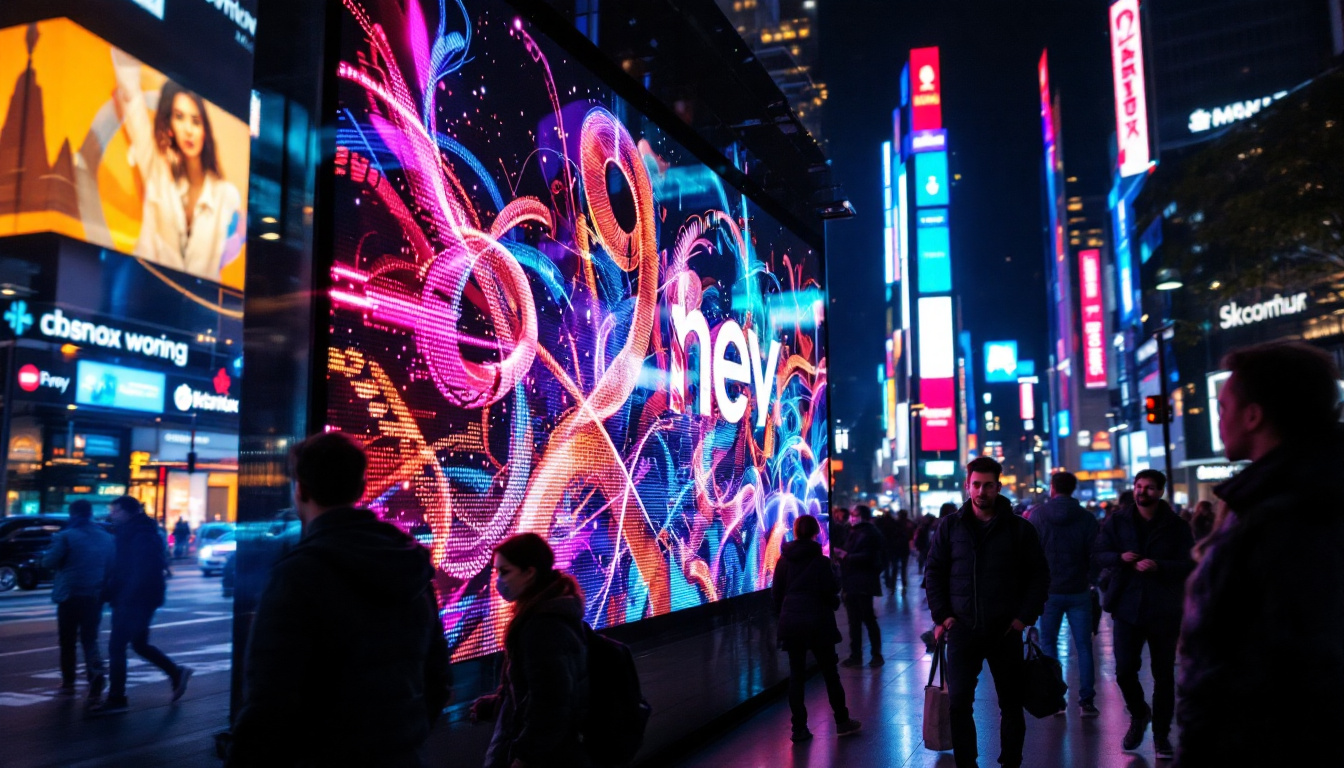
Another noteworthy feature of modern LED displays is their adaptability to various environments and conditions. Many LED screens are designed to be weather-resistant and can function effectively outdoors, making them suitable for digital billboards and outdoor advertising. These displays often come equipped with sensors that adjust brightness based on ambient light, ensuring optimal visibility at all times. Additionally, the modular design of many direct-view LED displays allows for easy customization in size and shape, enabling retailers to create unique installations that fit their branding and space requirements.
Advantages of LED Displays for Store Poster Displays
LED displays offer numerous benefits over traditional printed posters and other digital signage technologies, making them an increasingly popular choice for retailers aiming to engage customers effectively.
Dynamic and Engaging Content
Unlike static posters, LED displays allow retailers to showcase dynamic content such as animations, videos, and real-time updates. This flexibility enables brands to tailor their messaging based on time of day, promotions, or inventory changes, creating a more personalized shopping experience. Studies have shown that digital signage can increase customer engagement by up to 30%, directly impacting sales.
Enhanced Visibility and Brightness
LED displays are known for their exceptional brightness and vivid colors, which help content stand out in busy retail environments. This is particularly important in high-traffic areas where competing visual stimuli abound. The ability to maintain visibility in various lighting conditions ensures that promotional messages reach customers effectively.
Energy Efficiency and Longevity
Compared to other display technologies, LEDs consume less power and have a longer operational lifespan, often exceeding 50,000 hours. This efficiency translates into lower operating costs for retailers and less frequent maintenance or replacement, making LED displays a cost-effective investment over time.
Space-Saving and Versatile Installation
LED displays can be customized in size and shape, allowing for creative installations that fit unique store layouts. Whether mounted on walls, integrated into shelving units, or suspended from ceilings, these displays maximize advertising space without cluttering the store environment.
Applications of LED Displays in Retail Store Poster Displays
Retailers across various sectors are leveraging LED displays to enhance their in-store marketing efforts. Here are some common applications where LED store poster displays excel.
Promotional Campaigns and Flash Sales
LED displays are ideal for announcing limited-time offers, flash sales, or special events. Their ability to update content instantly means retailers can react quickly to market trends or inventory levels, ensuring customers receive timely and relevant information.
Brand Storytelling and Product Education
Beyond promotions, LED displays can be used to tell a brand’s story or educate customers about product features. For example, a cosmetics retailer might use LED screens to demonstrate application techniques or highlight ingredient benefits, enhancing the shopping experience and building brand loyalty.
Wayfinding and Store Navigation
Large LED displays can serve as interactive directories or wayfinding tools, helping customers locate products or departments within a store. This functionality improves customer satisfaction by reducing frustration and streamlining the shopping journey.
Seasonal and Thematic Decor
LED displays can also contribute to store ambiance by showcasing seasonal themes, holiday greetings, or special event decorations. This dynamic decor can create an inviting atmosphere that encourages longer store visits and repeat business.
Choosing the Right LED Display for Your Store
Selecting the appropriate LED display involves several considerations, including size, resolution, brightness, and budget. Understanding these factors helps retailers maximize the impact of their investment.
Assessing Viewing Distance and Resolution
The optimal resolution depends on how close customers will be to the display. For example, a display near the checkout counter where customers are within a few feet requires a higher resolution (smaller pixel pitch) to ensure clear images. Conversely, larger displays positioned further away can use a slightly larger pixel pitch without compromising visual quality.
Brightness and Ambient Lighting Conditions
Stores with significant natural light or bright interior lighting need LED displays with higher brightness levels to maintain visibility. Some LED displays come with ambient light sensors that automatically adjust brightness for optimal viewing while conserving energy.
Content Management Systems (CMS)
Effective use of LED displays requires a robust CMS that allows easy scheduling, updating, and customization of content. Many modern CMS platforms support remote management, enabling retailers to control multiple displays across different locations from a central interface.
Budget and Total Cost of Ownership
While LED displays can have a higher upfront cost compared to printed posters or simpler digital signage, their durability and lower energy consumption often result in a favorable total cost of ownership. Retailers should consider installation, maintenance, and content creation expenses when budgeting.
Challenges and Considerations When Implementing LED Displays
Despite their advantages, LED displays come with challenges that retailers must address to ensure successful deployment.
Initial Investment and ROI
The initial cost of high-quality LED displays can be significant, especially for large-format or high-resolution units. Retailers need to carefully evaluate the expected return on investment by considering factors such as increased sales, improved customer engagement, and brand enhancement.
Content Creation and Management
Dynamic displays require compelling content to be effective. Retailers must invest in creative resources or partner with digital content agencies to produce engaging visuals and videos. Additionally, ongoing content updates are necessary to keep messaging fresh and relevant.
Technical Expertise and Maintenance
Installing and maintaining LED displays may require specialized technical knowledge. Retailers should ensure they have access to qualified professionals for installation and troubleshooting to minimize downtime and preserve display quality.
Integration with Existing Store Design
LED displays should complement the overall store aesthetics and customer experience. Poorly integrated digital signage can feel intrusive or distracting. Thoughtful placement and design coordination are essential for harmonious integration.
The Future of Store Poster Displays: Trends in LED Technology
As LED technology continues to advance, new features and applications are emerging that promise to further revolutionize in-store advertising.
Interactive and Touch-Enabled LED Displays
Touchscreen LED displays are gaining popularity, enabling customers to interact directly with promotional content, browse product catalogs, or customize orders. This interactivity enhances engagement and provides valuable data on customer preferences.
Flexible and Transparent LED Screens
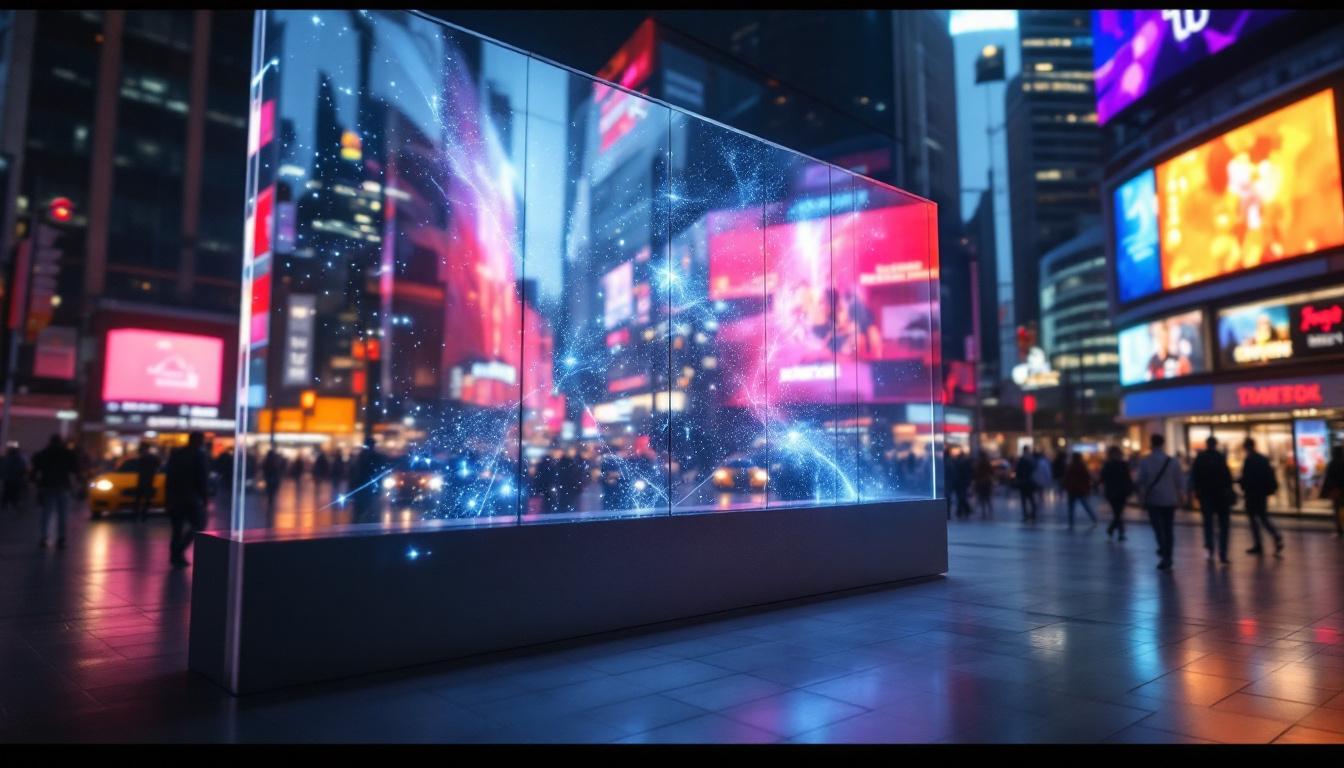
Innovations in flexible LED panels allow displays to conform to curved surfaces or be integrated into unconventional spaces, such as store windows or product packaging. Transparent LED screens enable digital content to be displayed without obstructing visibility, ideal for showcasing products behind glass.
Artificial Intelligence and Personalization
AI-powered LED displays can analyze customer demographics and behavior in real-time to deliver personalized content. For instance, facial recognition technology can trigger targeted promotions based on age or gender, increasing the relevance and effectiveness of messaging.
Energy Harvesting and Sustainability
Future LED displays may incorporate energy-harvesting technologies, such as solar panels, to reduce environmental impact. Sustainability is becoming a key consideration for retailers aiming to align with eco-conscious consumer values.
Conclusion
LED displays represent a powerful evolution in store poster displays, offering dynamic, bright, and versatile solutions that can significantly enhance retail marketing efforts. By understanding the technology, benefits, applications, and challenges, retailers can make informed decisions that maximize customer engagement and drive sales. As LED technology continues to advance, embracing these digital displays will be essential for stores seeking to remain competitive and deliver memorable shopping experiences.
Discover LumenMatrix LED Display Solutions
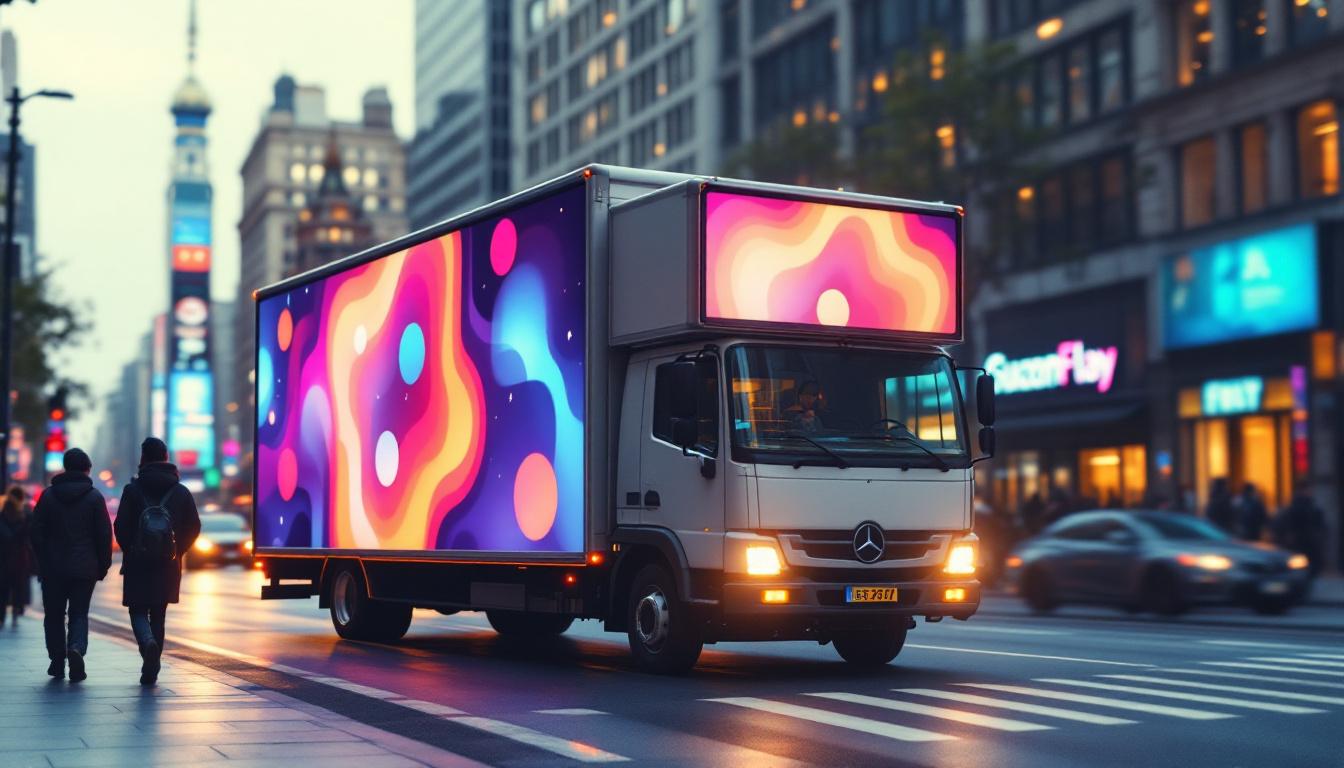
Ready to elevate your store’s visual impact and captivate your customers like never before? Explore LumenMatrix’s comprehensive range of LED display solutions, where innovation meets practicality. From vibrant Indoor LED Walls to eye-catching Outdoor Displays, and from mobile Vehicle LED Displays to customizable Floor and Sports options, LumenMatrix is your partner in creating immersive environments that resonate with audiences. Embrace the future of retail marketing with our LED Poster Displays and Transparent LED solutions, designed to deliver your brand’s message with unparalleled clarity and engagement. Check out LumenMatrix LED Display Solutions today and transform your store poster displays into a dynamic storytelling canvas.