LED displays have become an integral part of modern visual communication, from advertising billboards and stadium screens to indoor signage and digital art installations. Understanding the cost factors behind LED displays is crucial for businesses, event organizers, and technology enthusiasts who want to make informed decisions about investing in this versatile technology. This article delves into the key elements that influence LED display pricing, the types of LED displays available, and practical considerations to help you assess the true cost and value of LED display solutions.
What Is an LED Display?
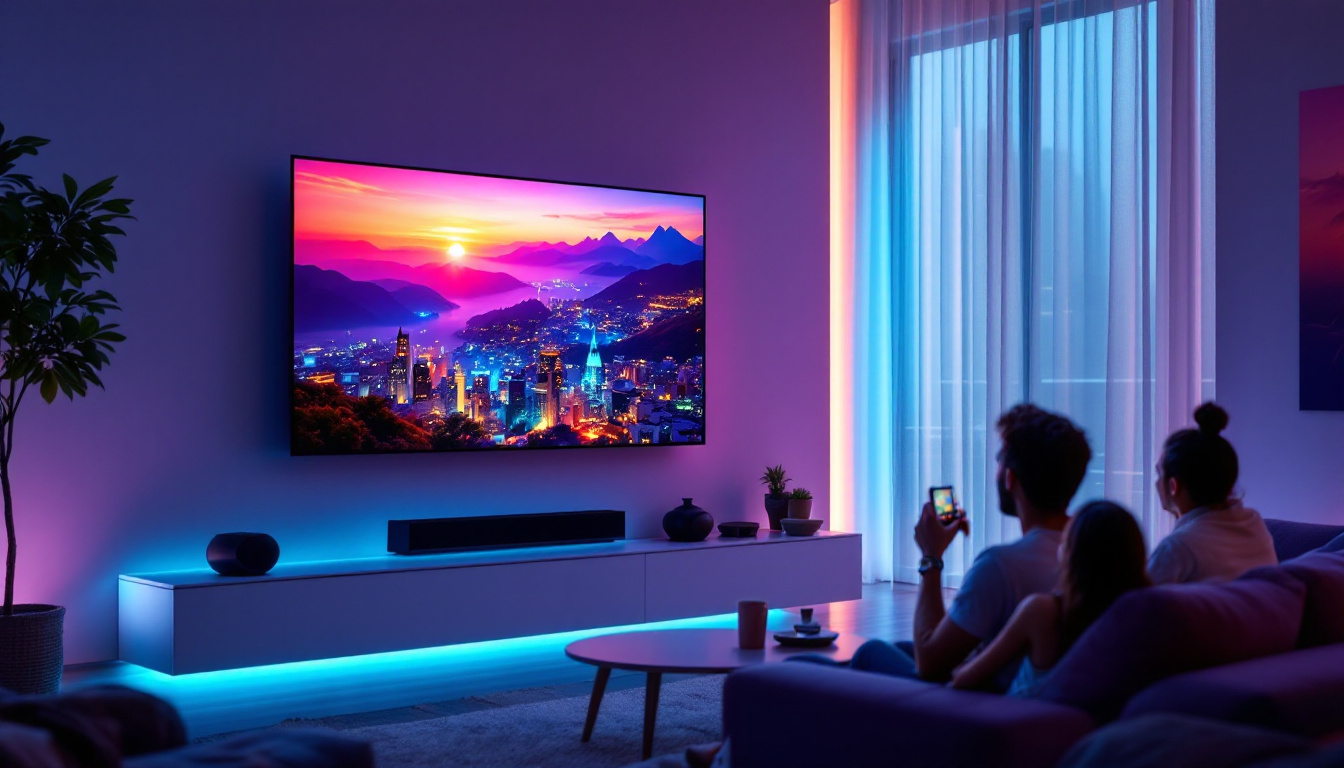
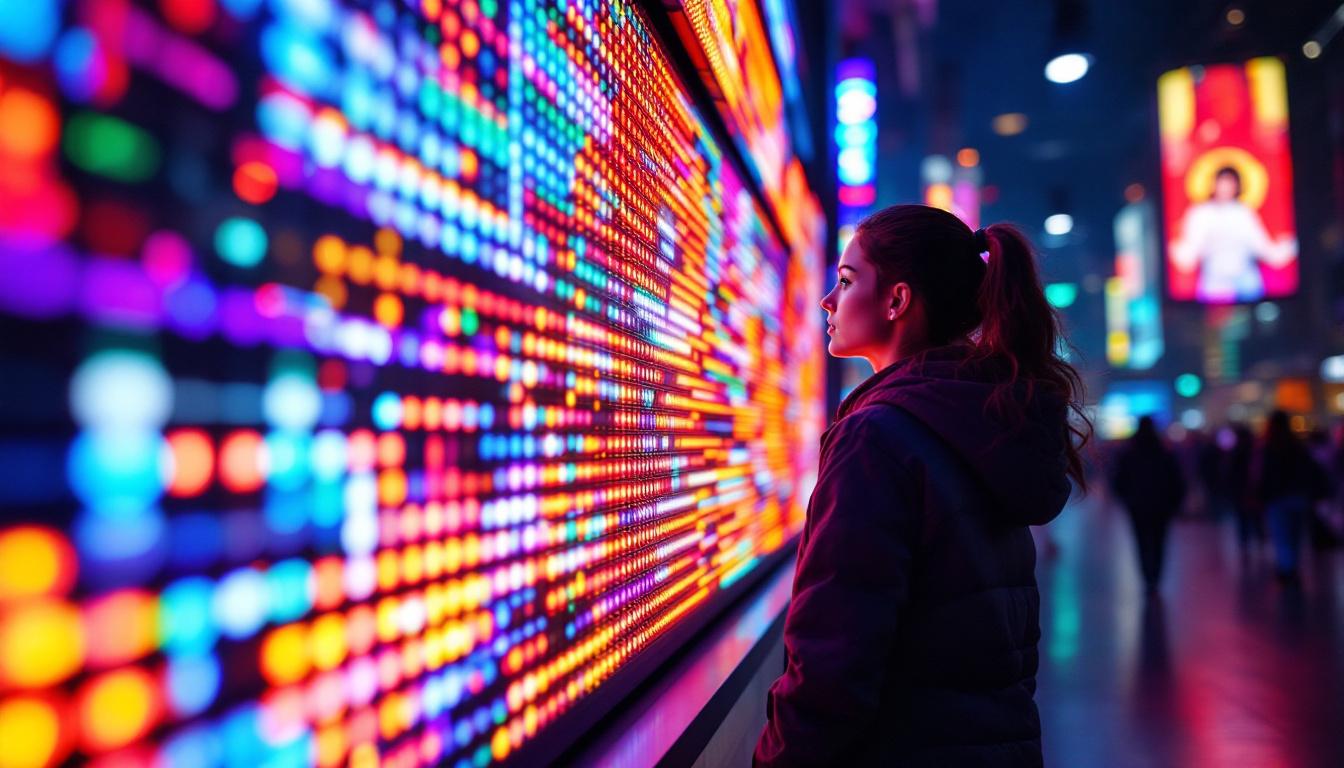
An LED (Light Emitting Diode) display is a flat panel or flexible screen that uses an array of light-emitting diodes as pixels to produce images and videos. Unlike traditional LCD or projection screens, LED displays emit their own light, which results in brighter images, higher contrast, and better visibility in various lighting conditions. This self-illuminating feature allows for a more vibrant and dynamic viewing experience, making LED displays an ideal choice for a wide range of applications.
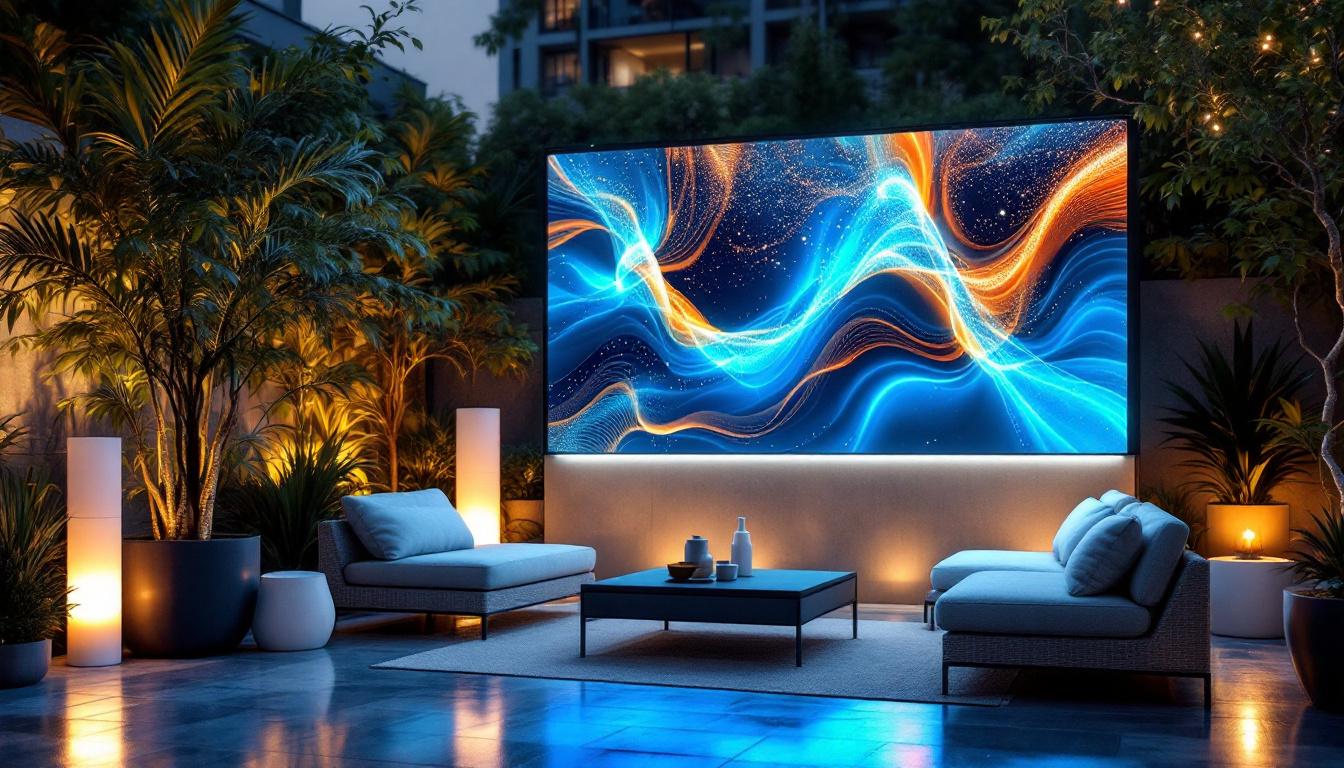
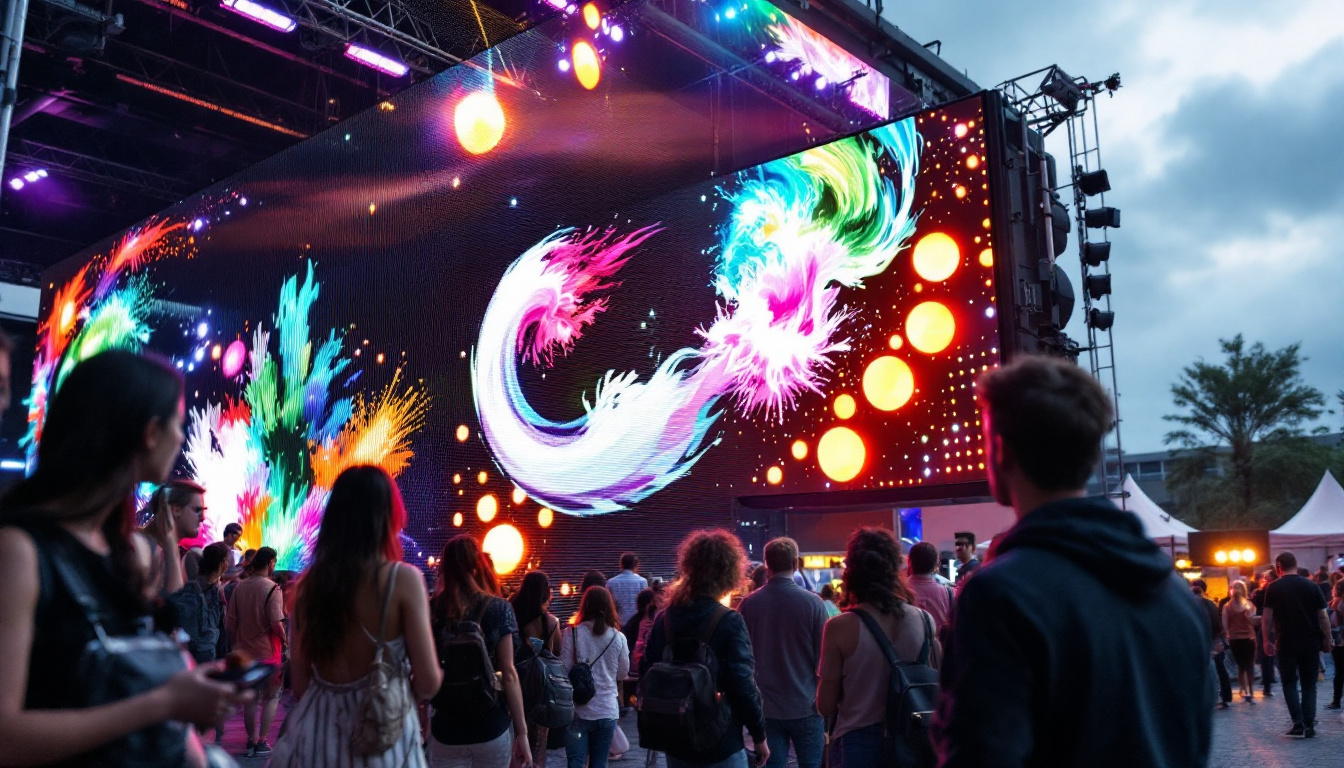
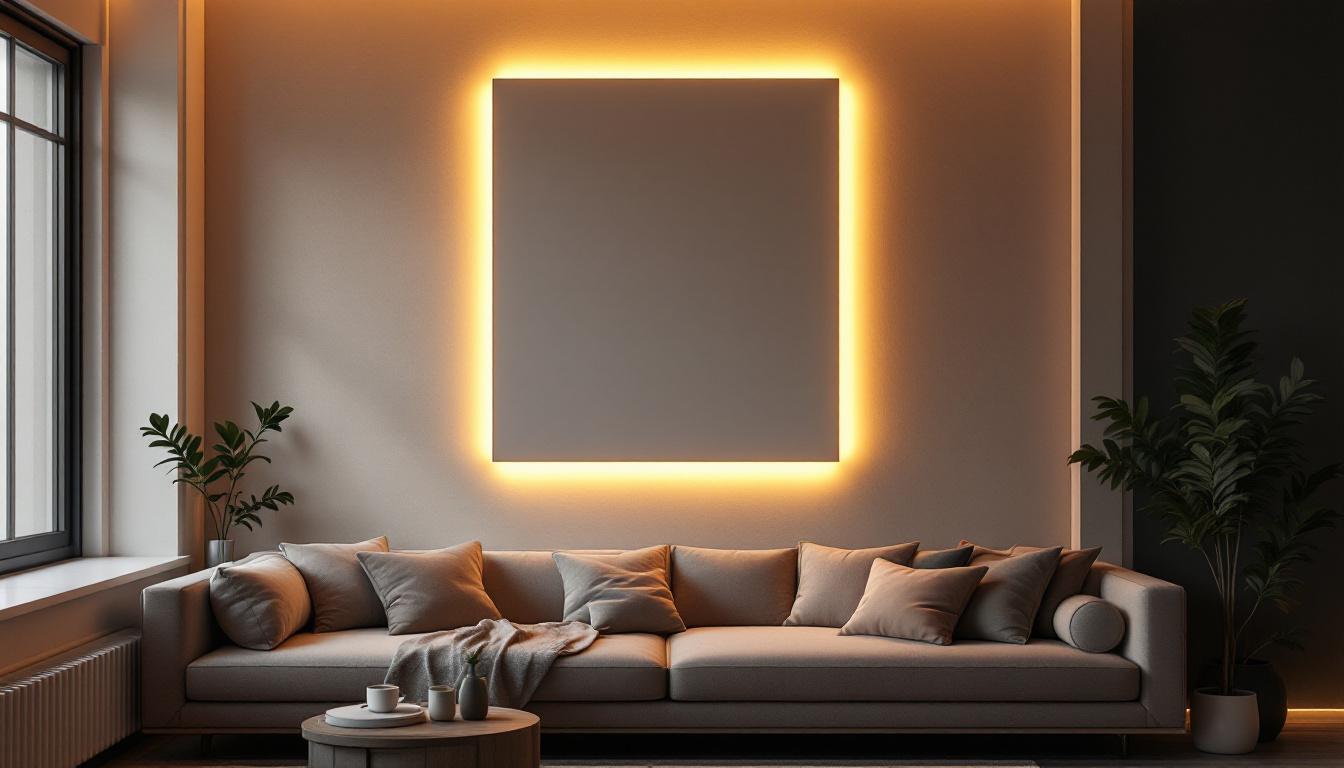
LED displays are commonly categorized into two main types: indoor and outdoor. Indoor LED displays are designed for controlled lighting environments, such as conference rooms, retail stores, and broadcast studios. Outdoor LED displays, on the other hand, are built to withstand weather conditions and deliver high brightness levels for visibility in direct sunlight. These outdoor variants often incorporate protective measures against moisture, dust, and extreme temperatures, ensuring durability and longevity even in harsh environments.
Applications of LED Displays
LED displays have a broad range of applications, including:
- Advertising billboards and digital signage
- Sports arenas and concert venues
- Transportation hubs like airports and train stations
- Retail environments and shopping malls
- Corporate presentations and control rooms
- Public information displays and event backdrops
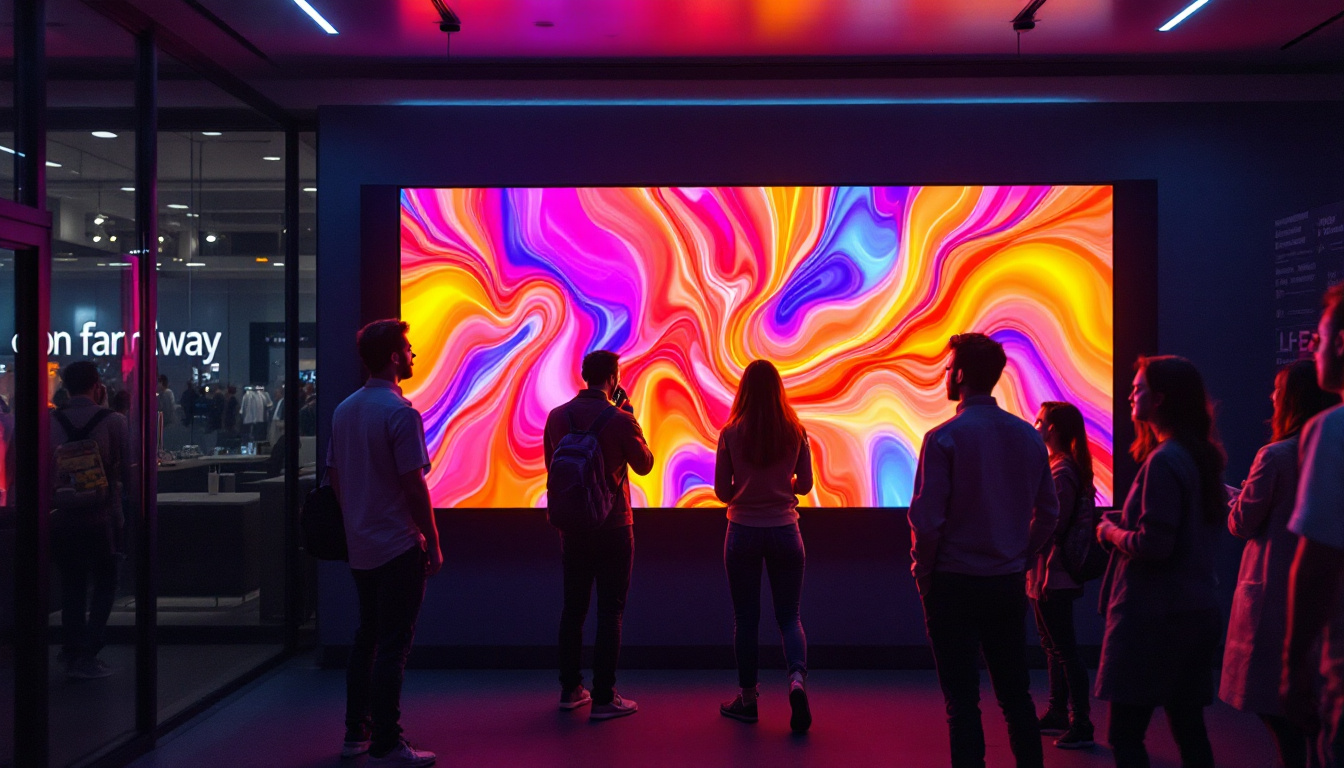
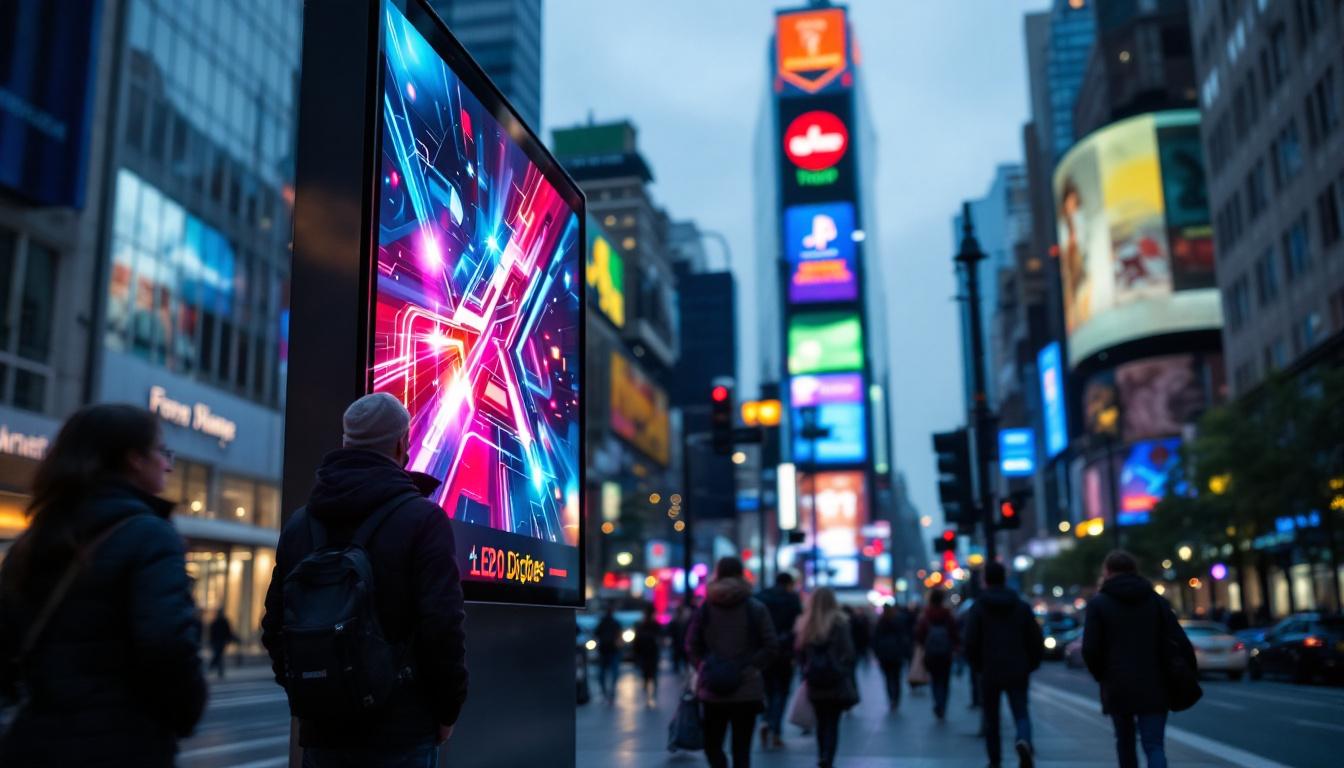
The versatility and scalability of LED technology make it a popular choice for both small-scale and large-scale visual solutions. In the advertising sector, for instance, LED displays can be programmed to showcase dynamic content that can be updated in real-time, allowing businesses to respond quickly to market trends or promotional events. This adaptability not only enhances audience engagement but also maximizes the return on investment for advertisers.
In sports arenas, LED displays are utilized not just for scoreboards but also for instant replays and immersive fan experiences. The ability to create stunning visual effects and animations adds excitement to live events, making them more memorable for attendees. Furthermore, the integration of LED technology in public transportation hubs improves passenger experience by providing real-time updates on arrivals and departures, thus enhancing overall efficiency and communication in busy environments.
Key Factors Influencing LED Display Cost
The cost of an LED display can vary widely depending on several technical and practical factors. Understanding these elements will help you evaluate quotes and select the right product for your needs.
Pixel Pitch and Resolution
Pixel pitch refers to the distance between the centers of two adjacent pixels on the LED display, usually measured in millimeters. It is one of the most significant determinants of display cost.
A smaller pixel pitch means more pixels per square meter, resulting in higher resolution and sharper images, especially when viewed up close. However, this also increases the number of LEDs required, driving up the cost. For example, an indoor LED display with a pixel pitch of 1.2 mm will be considerably more expensive than one with a 4 mm pitch.
For outdoor displays where viewers are typically farther away, larger pixel pitches (e.g., 6 mm to 20 mm) are common and more cost-effective. The choice of pixel pitch should align with the intended viewing distance and image quality requirements.
Display Size and Configuration
The overall size of the LED display directly impacts the cost. Larger screens require more LED modules, power supplies, and structural support. Additionally, the complexity of the display configuration—whether it is a flat panel, curved, or flexible screen—can influence manufacturing and installation expenses.
Modular LED panels allow for scalable solutions, letting customers build displays of various sizes by combining multiple modules. This flexibility can optimize costs by tailoring the display size to specific applications.
Brightness and Color Quality
Brightness is measured in nits (cd/m²) and indicates how luminous the display is. Outdoor LED displays typically require brightness levels between 5,000 to 10,000 nits to remain visible under direct sunlight, whereas indoor displays usually operate at 800 to 1,500 nits.
Higher brightness levels generally mean higher power consumption and more advanced LED components, which increase costs. Similarly, displays with superior color accuracy, wider color gamut, and better grayscale performance often come at a premium.
Refresh Rate and Processing Technology
The refresh rate, measured in Hertz (Hz), defines how many times per second the display updates its image. Higher refresh rates (above 1,000 Hz) are essential for applications involving fast-moving content or live video feeds to prevent flickering and motion blur.
Advanced processing technologies, such as HDR support and real-time color calibration, also add to the cost but enhance the viewing experience and display longevity.
Durability and Environmental Resistance
Outdoor LED displays must be designed to withstand harsh weather conditions, including rain, wind, dust, and temperature fluctuations. This necessitates the use of waterproof and dustproof enclosures (typically rated IP65 or higher), robust cooling systems, and corrosion-resistant materials.
Indoor displays generally have less stringent environmental requirements but may still need protection against humidity and dust, especially in industrial or public settings. Enhanced durability features increase manufacturing complexity and cost.
Installation and Maintenance
The total cost of ownership includes installation and ongoing maintenance. Installation costs depend on factors such as mounting complexity, structural reinforcement, electrical wiring, and integration with existing systems.
Maintenance considerations include LED module replacement, calibration, cleaning, and software updates. Some LED displays offer front-access designs for easier servicing, which can reduce downtime and maintenance expenses over time.
Types of LED Displays and Their Cost Implications
LED display technology has evolved to offer various form factors and specialized solutions, each with distinct cost profiles.
Standard LED Video Walls
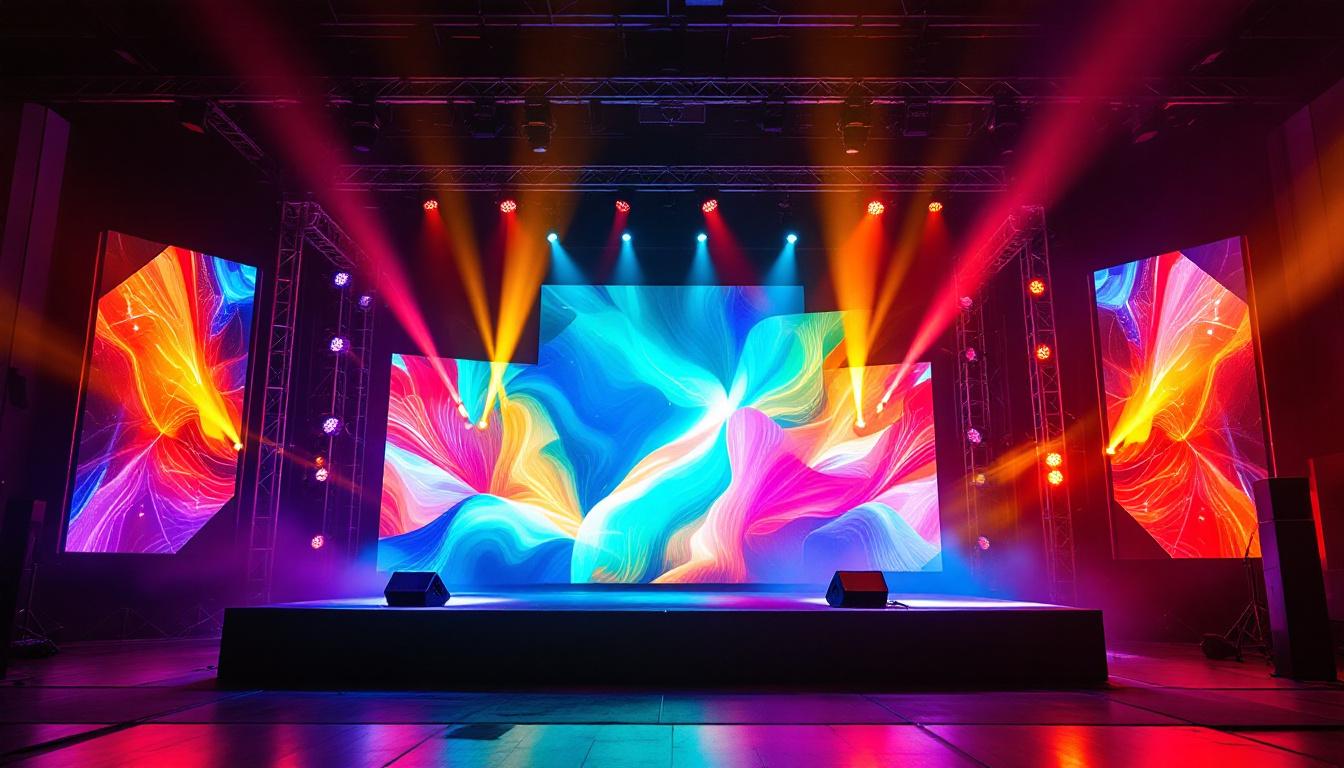
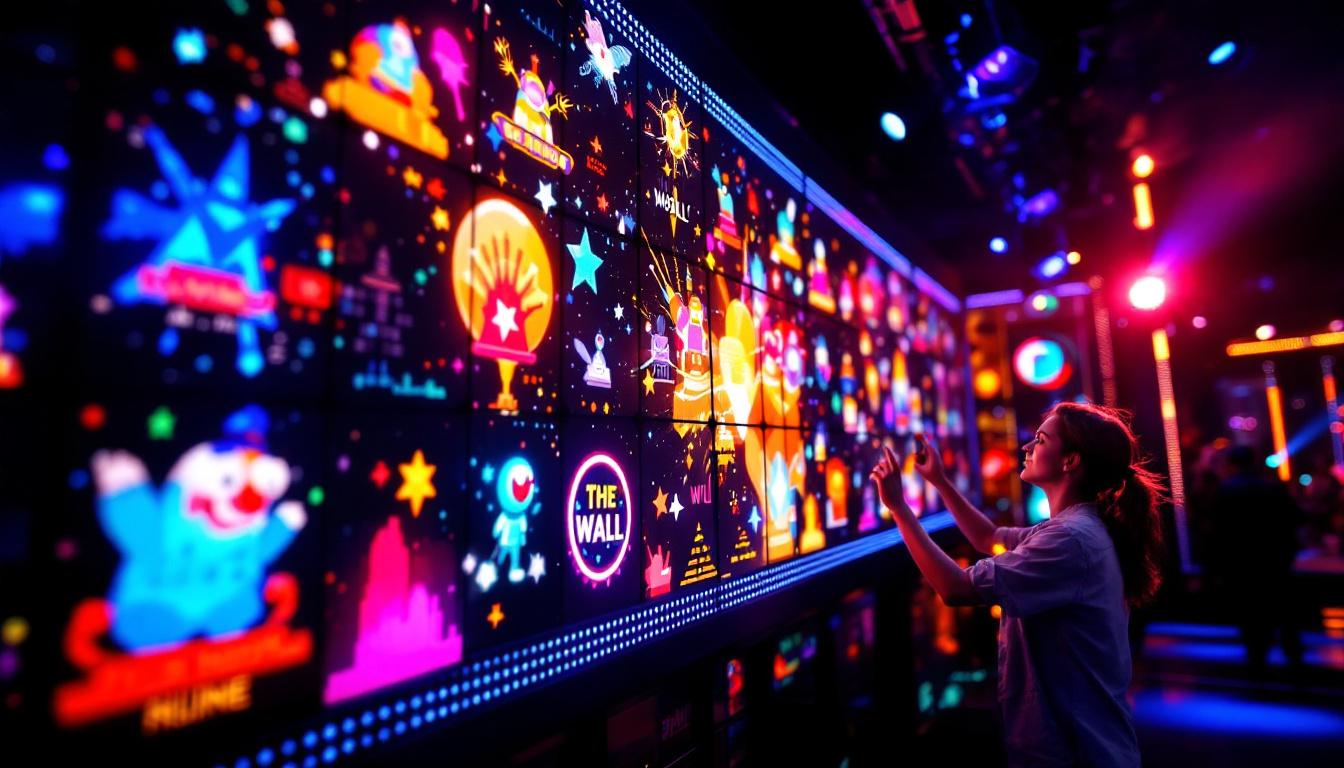
These are composed of multiple LED panels seamlessly tiled to create large, high-resolution displays. Video walls are common in control rooms, retail environments, and event stages.
Costs vary based on pixel pitch, size, and panel quality. For example, a 3 mm pixel pitch indoor video wall measuring 3 meters by 2 meters can cost anywhere from $30,000 to $70,000, depending on brand and features.
Transparent LED Displays
Transparent LED screens allow light to pass through, enabling them to be installed on glass surfaces without obstructing views. They are popular in retail storefronts and architectural applications.
The specialized design and manufacturing processes make transparent LED displays more expensive than standard panels. Prices can range from $2,000 to $4,000 per square meter, often higher depending on transparency levels and resolution.
Flexible and Curved LED Displays
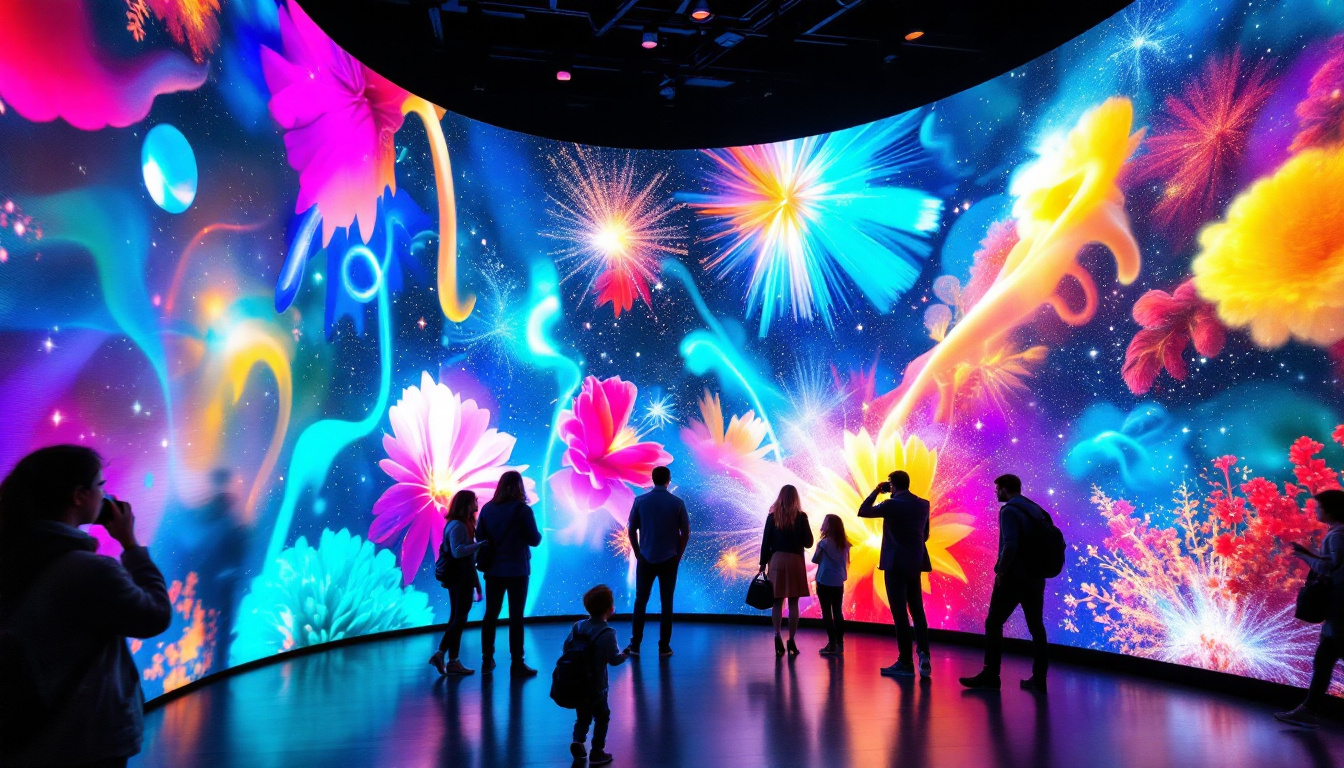
Flexible LED displays can be bent or curved to fit unique architectural shapes or creative installations. They are used in museums, exhibitions, and advertising to create immersive experiences.
Due to the complexity of flexible substrates and advanced electronics, these displays command premium prices. Costs typically start around $3,000 per square meter and can increase significantly based on customization.
Outdoor LED Billboards
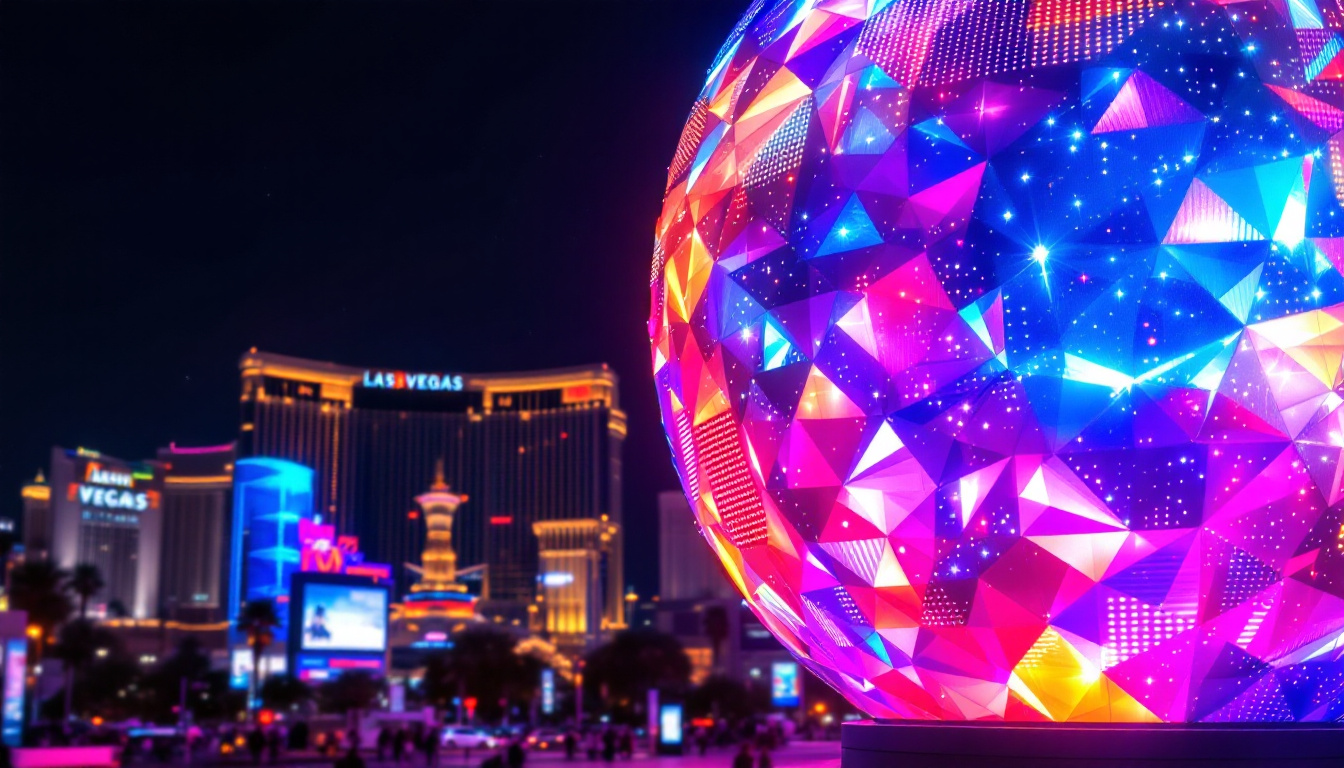
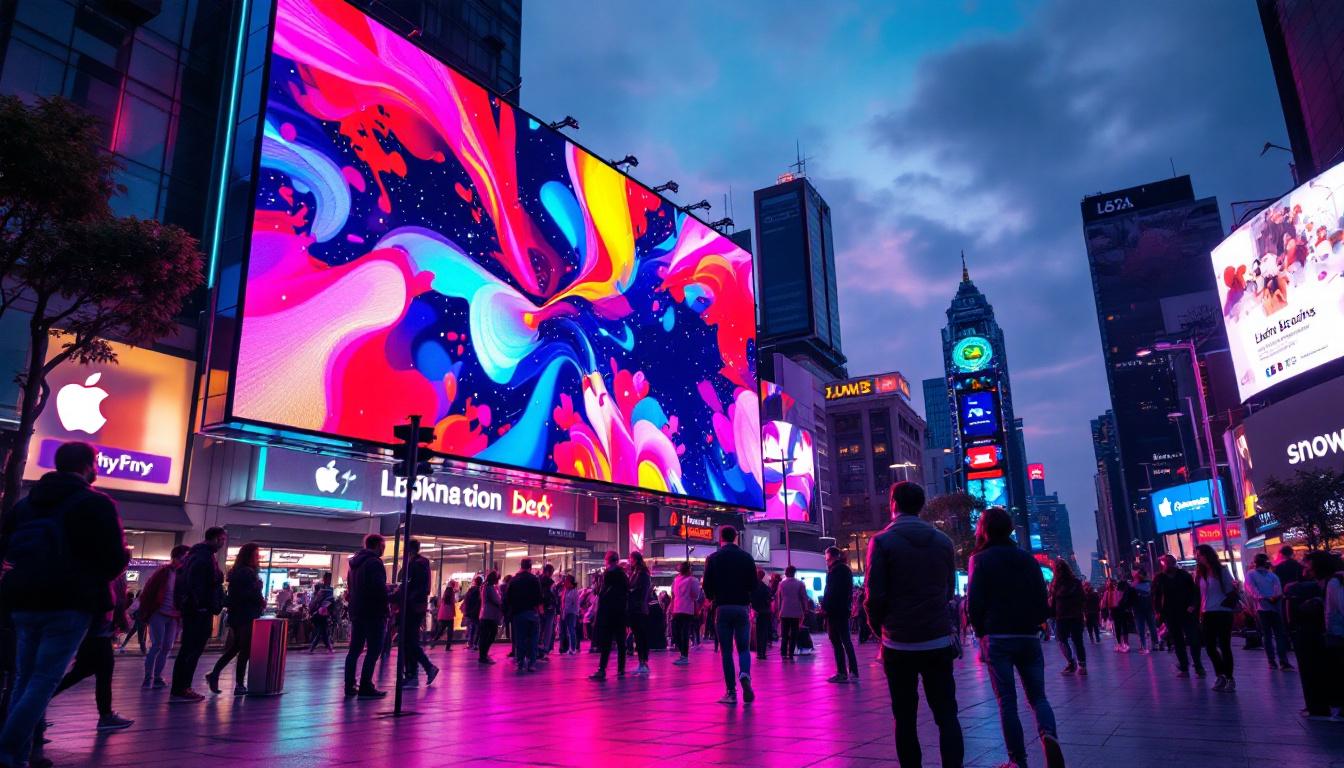
Outdoor LED billboards are large-scale displays designed for high brightness and weather resistance. They are widely used for advertising along highways, in city centers, and at sports venues.
Prices for outdoor billboards vary widely depending on size and pixel pitch. A typical 10-meter by 5-meter billboard with a 10 mm pixel pitch might cost between $50,000 and $100,000, including installation.
Calculating the True Cost of an LED Display
When budgeting for an LED display, it is essential to consider more than just the initial purchase price. The total cost of ownership (TCO) includes several components:
Initial Purchase and Installation
This includes the cost of LED modules, control systems, structural framework, and professional installation services. Installation complexity can add 10-30% to the hardware cost, especially for large or custom-shaped displays.
Operating Expenses
LED displays consume electricity, with power usage depending on brightness, size, and usage patterns. Outdoor displays with high brightness levels can consume several kilowatts per hour. Energy-efficient LED technology and smart brightness control can reduce operating costs.
Maintenance and Repairs
Regular maintenance is necessary to ensure optimal performance and longevity. This includes cleaning, software updates, and replacement of faulty LED modules. Some manufacturers offer service contracts that can help manage maintenance costs.
Software and Content Management
Content management systems (CMS) and software licenses may be required to operate and update the display content. Costs vary depending on software capabilities and vendor pricing models.
Depreciation and Upgrade Cycles
LED technology evolves rapidly, and displays may need upgrades or replacement after several years to maintain competitive image quality and functionality. Planning for future upgrades is important when assessing long-term costs.
How to Choose the Right LED Display for Your Budget
Selecting an LED display involves balancing quality, features, and cost to meet your specific needs.
Define Your Requirements Clearly
Start by identifying the primary use case, viewing distance, ambient lighting conditions, and content type. This information will guide decisions on pixel pitch, brightness, and display size.
Compare Quotes and Specifications
Obtain detailed quotes from multiple reputable suppliers, ensuring that specifications such as pixel pitch, brightness, refresh rate, and warranty are clearly stated. Beware of unusually low prices that may indicate substandard quality.
Consider Total Cost of Ownership
Look beyond the sticker price to evaluate installation, energy consumption, maintenance, and software costs. A higher initial investment in quality components can reduce long-term expenses.
Check for Industry Certifications and Support
Choose LED displays that comply with relevant industry standards for safety, environmental resistance, and performance. Reliable customer support and warranty terms are also critical for peace of mind.
Conclusion
LED displays offer dynamic, high-impact visual communication solutions across various industries and applications. Understanding the factors that influence LED display costs—from pixel pitch and size to brightness and durability—enables buyers to make informed decisions that balance quality and budget.
By considering the total cost of ownership, including installation, maintenance, and operational expenses, organizations can maximize the value of their LED display investments. Whether for indoor retail signage or large outdoor billboards, selecting the right LED display technology tailored to specific needs ensures effective, long-lasting visual experiences.
Discover LumenMatrix LED Display Solutions
Ready to elevate your visual communication with cutting-edge LED technology? LumenMatrix is at the forefront of innovation, offering a diverse range of LED display solutions that cater to your unique needs. From vibrant Indoor and Outdoor LED Wall Displays to dynamic Vehicle and Sports LED Displays, and even bespoke Custom LED options, we have the tools to make your brand shine. Experience the transformative power of our LED displays and see how our commitment to quality and performance can bring your vision to life. Check out LumenMatrix LED Display Solutions today and start creating unforgettable visual experiences.