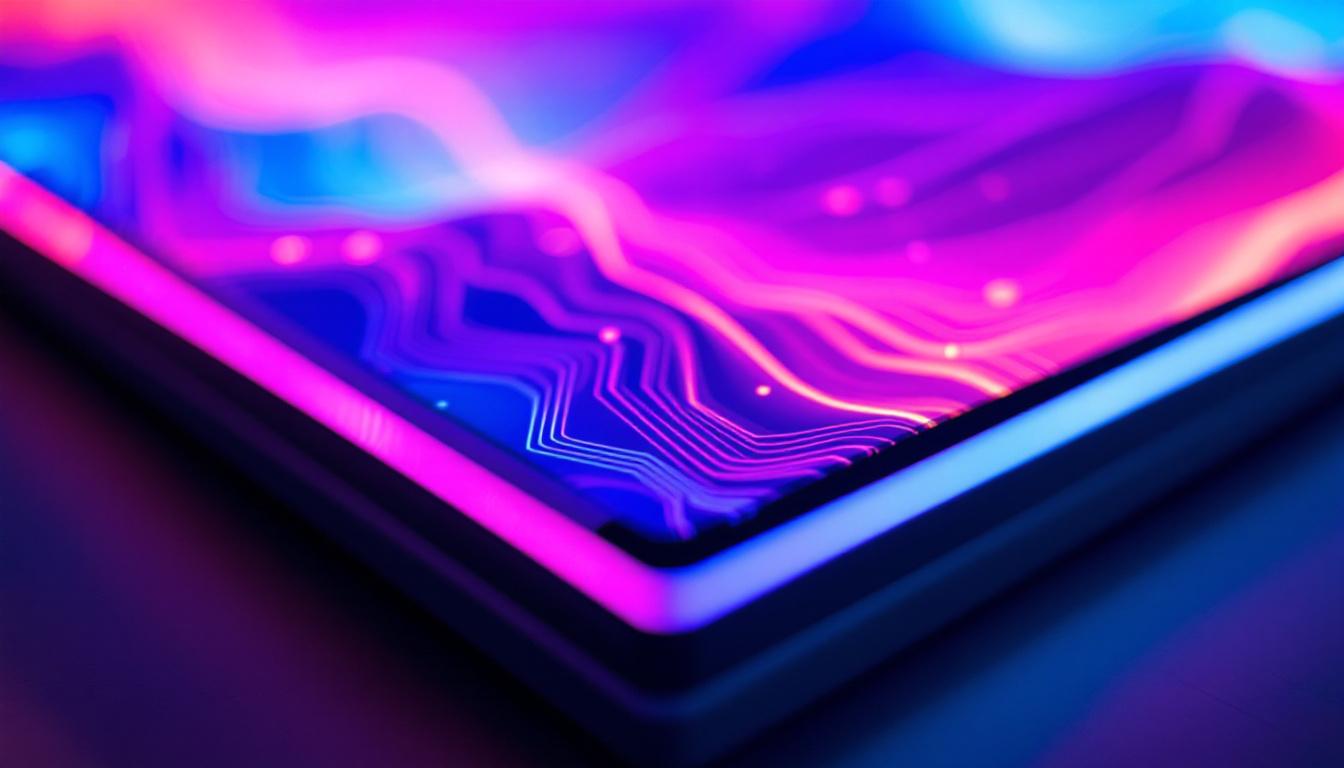
In the rapidly evolving world of digital signage and display technology, thickness and pixel pitch have become critical factors influencing both the aesthetic appeal and functional performance of LED displays. Among the latest innovations, the emergence of ultra-thin LED displays with a thickness of just 1.5 millimeters has captured significant attention. This article explores the technology behind 1.5 mm thick LED displays, their advantages, applications, and what makes them a game-changer in the industry.
Understanding LED Display Technology
LED (Light Emitting Diode) displays are composed of tiny light-emitting diodes arranged in a matrix to form images and videos. Unlike traditional LCD screens that rely on backlighting, LEDs emit their own light, resulting in vibrant colors, high contrast ratios, and energy efficiency.
The thickness of an LED display is influenced by several factors, including the type of LEDs used, the design of the circuit boards, and the cooling mechanisms integrated into the display. Historically, LED displays have been relatively bulky, limiting their use in certain environments where space and aesthetics are critical.
What Does 1.5 mm Thickness Mean?
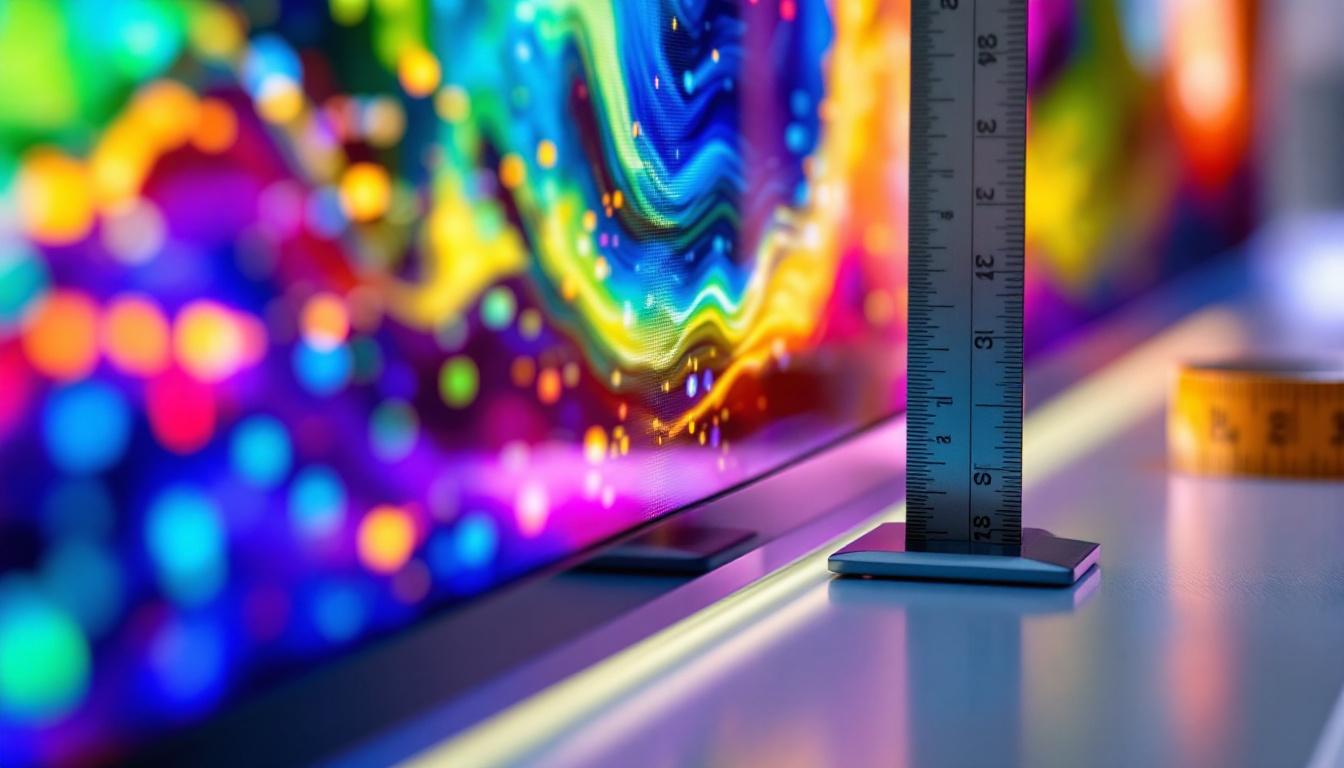
A 1.5 mm thick LED display refers to the physical depth of the display panel itself. This ultra-thin profile is a significant reduction compared to traditional LED displays, which often measure several centimeters thick. Achieving such a slim design requires advanced manufacturing techniques, including the use of micro-LED technology and innovative circuit integration.
To put this into perspective, 1.5 mm is roughly the thickness of a credit card, making these displays incredibly sleek and unobtrusive. This slimness opens new possibilities for installation, design integration, and user interaction. For instance, these displays can be seamlessly embedded into walls, furniture, or even clothing, creating immersive experiences in retail environments, art installations, and personal devices. Moreover, the lightweight nature of these panels allows for easier transportation and setup, making them ideal for events, exhibitions, and temporary installations.
Furthermore, the advancements in LED technology have not only led to thinner displays but also to enhanced performance capabilities. Modern LED displays can achieve higher refresh rates and lower latency, making them suitable for dynamic applications such as gaming and live broadcasting. The ability to maintain high image quality even at wide viewing angles is another significant advantage, ensuring that audiences can enjoy the content from various positions without compromising on clarity or color accuracy. As technology continues to evolve, the potential applications for ultra-thin LED displays seem limitless, paving the way for innovative solutions in both commercial and personal use.
Key Technologies Behind Ultra-Thin LED Displays
The development of 1.5 mm thick LED displays is made possible by several cutting-edge technologies that address the challenges of size, heat dissipation, and image quality.
Micro-LED Technology
Micro-LEDs are tiny LEDs, often less than 100 micrometers in size, that can be densely packed to create high-resolution displays. Their small size allows for thinner panels without sacrificing brightness or color accuracy. Additionally, micro-LEDs consume less power and generate less heat, which is crucial for maintaining the slim profile of the display. This technology not only enhances the viewing experience with vibrant colors and deeper blacks but also offers greater longevity compared to traditional LED technologies. As manufacturers continue to refine the production processes for micro-LEDs, we can expect to see even more improvements in efficiency and cost-effectiveness, making this technology more accessible for a range of applications.
Flexible Printed Circuit Boards (FPCBs)
Traditional rigid circuit boards add bulk to LED displays. The use of FPCBs allows for more compact and flexible designs, enabling the display to maintain its structural integrity while being ultra-thin. FPCBs also contribute to improved durability and easier installation in tight spaces. Their flexibility not only facilitates innovative design possibilities, such as curved or foldable displays, but also enhances the overall aesthetic appeal of the devices. As the demand for sleek, modern electronics continues to rise, FPCBs are becoming an essential component in the evolution of consumer electronics, allowing designers to push the boundaries of what is possible in display technology.
Advanced Heat Management
Heat dissipation is a major challenge in thin LED displays. Without adequate cooling, the lifespan and performance of LEDs can degrade rapidly. Innovative solutions such as graphene-based heat spreaders, ultra-thin heat sinks, and thermal interface materials are employed to efficiently manage heat in 1.5 mm thick displays. These advancements not only prolong the life of the display but also enhance its performance by maintaining optimal operating temperatures. Furthermore, as the demand for higher brightness levels and richer color reproduction increases, effective heat management solutions will be critical in ensuring that ultra-thin displays can meet these expectations without compromising on quality or reliability. The integration of smart thermal management systems, which can dynamically adjust cooling based on usage patterns, is also on the horizon, promising even greater efficiency and performance in future display technologies.
Advantages of 1.5 mm Thick LED Displays
The ultra-thin design of these LED displays offers numerous benefits across various industries and applications.
Sleek Aesthetics and Seamless Integration
The slim profile allows for seamless integration into architectural elements such as walls, ceilings, and furniture. Designers and architects can incorporate digital displays without compromising the visual harmony of a space. This is especially valuable in luxury retail, corporate environments, and modern homes where minimalism is prized.
Lightweight and Easy Installation
Thinner displays are inherently lighter, reducing the structural support required for installation. This not only lowers installation costs but also expands the range of feasible installation sites, including delicate surfaces or temporary setups like trade shows and events.
Improved Viewing Experience
With the ability to achieve high pixel density in a thin form factor, 1.5 mm LED displays provide crisp, vibrant images even at close viewing distances. This makes them ideal for applications such as control rooms, broadcast studios, and retail displays where image clarity is paramount.
Energy Efficiency
Micro-LED technology and improved heat management contribute to lower power consumption, reducing operational costs and environmental impact. Energy efficiency is increasingly important as businesses seek sustainable solutions for their digital infrastructure.
Applications of 1.5 mm Thick LED Displays
The unique characteristics of ultra-thin LED displays make them suitable for a wide range of applications, from commercial to creative uses.
Corporate and Conference Rooms
Modern corporate environments demand high-quality visual communication tools that blend seamlessly with interior design. Ultra-thin LED displays provide clear video conferencing, presentations, and digital whiteboarding capabilities without bulky equipment cluttering the space.
Retail and Advertising
Retailers use digital signage to attract customers and showcase products dynamically. The thin profile of 1.5 mm LED displays allows for eye-catching installations on store walls, windows, and even mannequins, enhancing customer engagement without overwhelming the store layout.
Broadcast and Control Rooms
In environments where operators need to monitor multiple data streams simultaneously, high-resolution, thin LED displays offer excellent image quality and reduce eye strain. Their slim design also helps optimize space in often crowded control rooms.
Hospitality and Luxury Spaces
Hotels, casinos, and luxury venues benefit from the aesthetic appeal of ultra-thin LED displays. They can be embedded into walls or ceilings to provide immersive digital experiences, from ambient lighting effects to interactive information panels.
Art and Museums
Artists and curators are increasingly integrating digital media into exhibitions. The thinness and high image quality of these LED displays allow for innovative installations that maintain the integrity of physical artworks while introducing dynamic digital elements.
Challenges and Considerations
While 1.5 mm thick LED displays offer impressive advantages, there are important considerations to keep in mind.
Cost Implications
The advanced technology and manufacturing processes involved in producing ultra-thin LED displays currently result in higher costs compared to traditional LED panels. However, as production scales and technology matures, prices are expected to become more accessible.
Durability and Maintenance
The slim design can make these displays more susceptible to physical damage if not handled properly. Additionally, maintenance and repair may require specialized expertise due to the compact and delicate components.
Brightness and Ambient Light Conditions
While micro-LEDs are bright, extremely thin displays may have limitations in very high ambient light environments, such as outdoor installations in direct sunlight. Supplementary shading or protective measures might be necessary to maintain optimal visibility.
The Future of Ultra-Thin LED Displays
The trend towards thinner, more integrated digital displays is expected to continue as consumer and business demands evolve. Innovations in materials science, LED miniaturization, and flexible electronics will further enhance the capabilities and applications of ultra-thin LED displays.
Research into foldable and rollable LED screens is already underway, promising even greater versatility. Additionally, integration with smart technologies and IoT devices will enable interactive and adaptive display solutions tailored to user preferences and environmental conditions.
Market Growth and Industry Impact
According to recent market analysis, the global LED display market is projected to grow at a compound annual growth rate (CAGR) of over 12% through 2028. Ultra-thin LED displays are poised to capture a significant share of this growth due to their versatility and aesthetic advantages.
Industries such as advertising, entertainment, healthcare, and education are expected to benefit from the enhanced capabilities of these displays, driving innovation in content delivery and user engagement.
Conclusion
The advent of 1.5 mm thick LED displays marks a significant milestone in display technology, combining sleek design with exceptional performance. These ultra-thin panels enable new creative possibilities, improve user experience, and offer practical benefits in installation and energy efficiency.
While challenges remain, ongoing advancements promise to make ultra-thin LED displays a mainstream choice for a wide range of applications. As the technology matures, businesses and consumers alike can look forward to more immersive, flexible, and visually stunning digital environments.
Discover the Future of LED Displays with LumenMatrix
Embrace the revolution in display technology with LumenMatrix, a pioneer in ultra-thin LED solutions that transform any space into a dynamic visual experience. Whether you’re looking to captivate shoppers with an Indoor LED Wall Display, make a statement in the open air with an Outdoor LED Wall Display, or innovate on the move with a Vehicle LED Display, LumenMatrix has the perfect solution to meet your needs. With a diverse range of products including LED Poster Displays, LED Sports Displays, and even Custom LED Displays, LumenMatrix is committed to enhancing your brand’s visibility and audience engagement. Don’t miss the opportunity to redefine visual communication and create unforgettable impressions. Check out LumenMatrix LED Display Solutions today and step into a world where your message shines with clarity and impact.