In the rapidly evolving world of digital signage and display technology, Flex LED panels have emerged as a groundbreaking innovation. These versatile, flexible LED displays are transforming how businesses, advertisers, and event organizers communicate visually with their audiences. This article delves deep into what Flex LED panels are, how they work, their advantages, applications, and future trends, providing a comprehensive understanding of this exciting technology.
Understanding Flex LED Panels: What Are They?
Flex LED panels, also known as flexible LED displays, are a type of LED screen constructed using pliable materials that allow the display to bend, curve, or even fold without damaging the LEDs or compromising image quality. Unlike traditional rigid LED screens, Flex LED panels offer remarkable adaptability in shape and installation, making them ideal for creative and unconventional display environments.
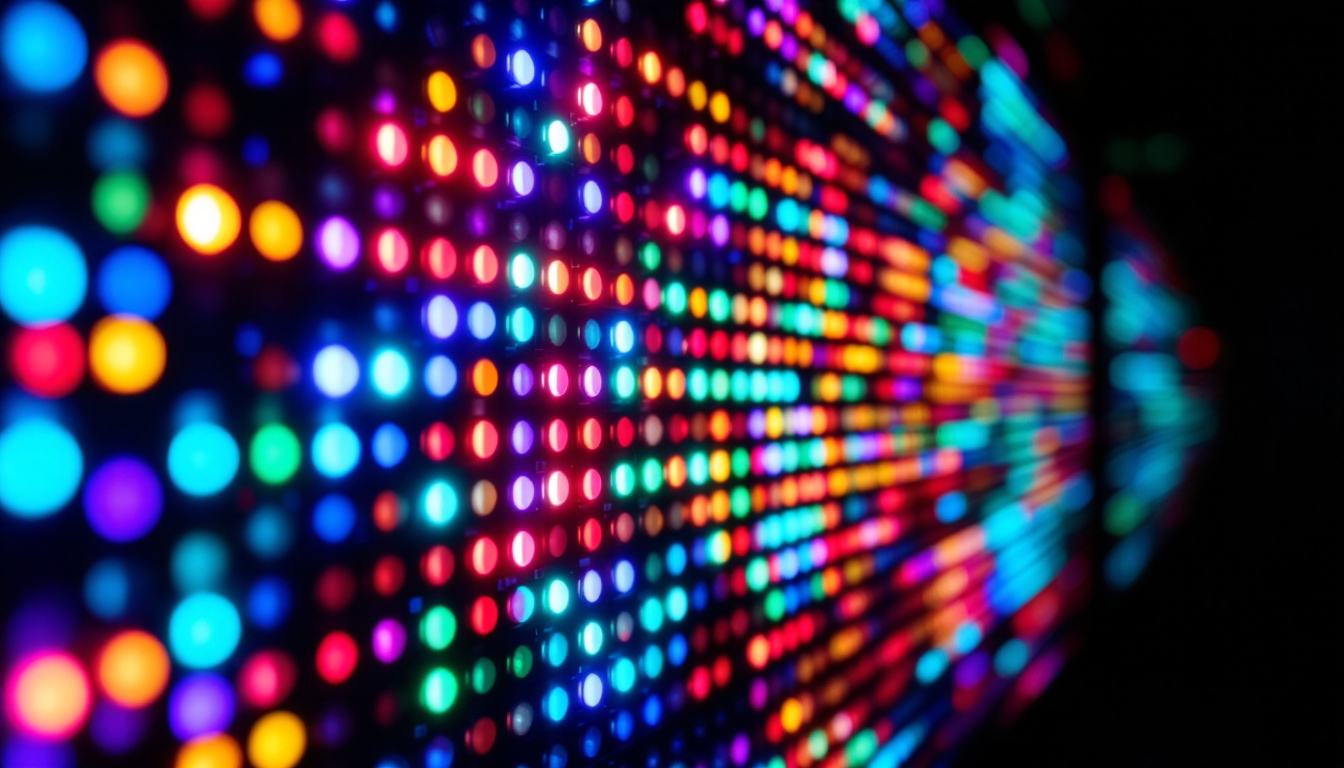
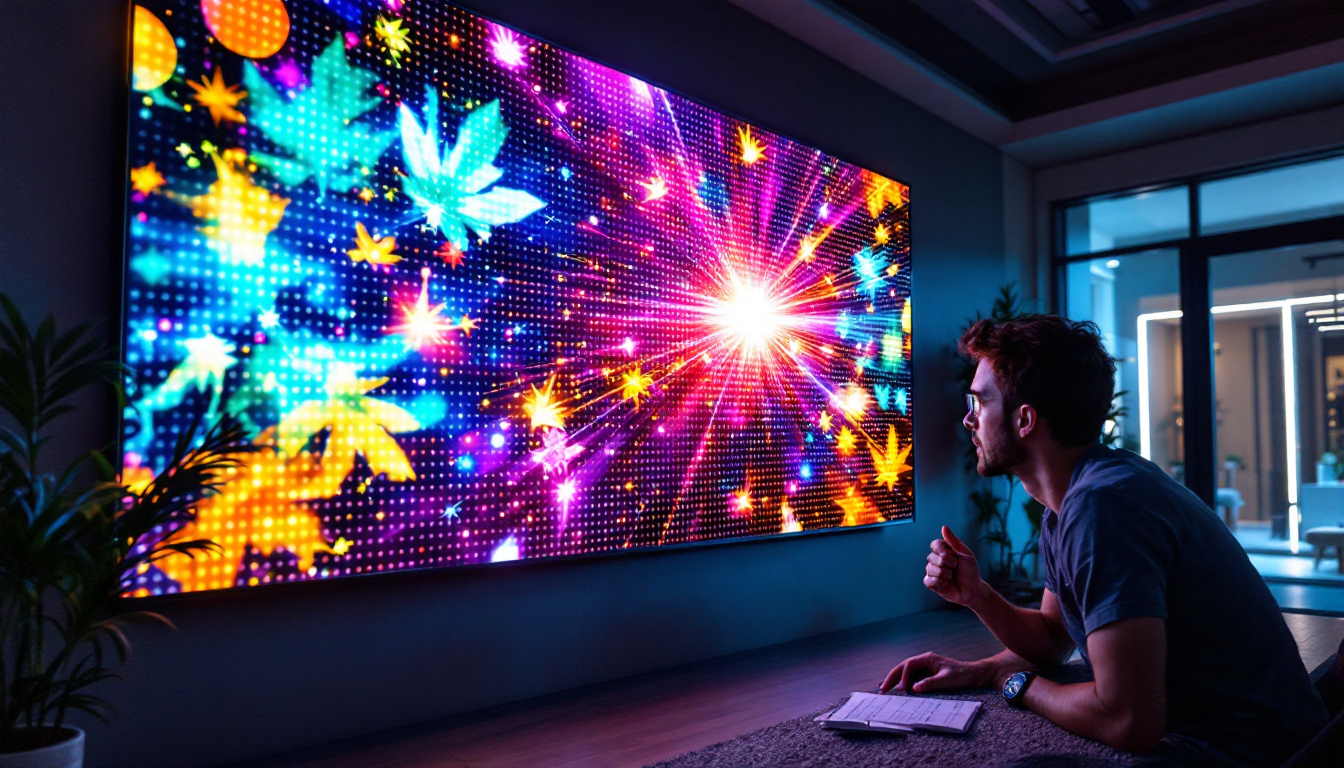
These panels are composed of tiny light-emitting diodes (LEDs) mounted on flexible circuit boards. The LEDs are arranged in a grid, and each diode can emit light in different colors, enabling the display of vivid images and videos. The flexibility is achieved through the use of advanced materials such as flexible printed circuit boards (FPCBs) and silicone encapsulation, which protect the LEDs while allowing the screen to bend.
Technical Composition and Design
At the core of Flex LED technology is the flexible substrate, usually made from polyimide or other high-durability polymers. This substrate supports the LEDs and electronic components, allowing the panel to maintain electrical integrity even when bent. The LEDs themselves are typically surface-mounted devices (SMDs), which are small, lightweight, and energy-efficient.
The pixel pitch—the distance between the centers of two adjacent LEDs—varies depending on the intended use. For indoor applications, pixel pitches can be as fine as 1.5mm to 3mm, delivering high-resolution images, while outdoor models may have larger pixel pitches to enhance visibility at longer distances.
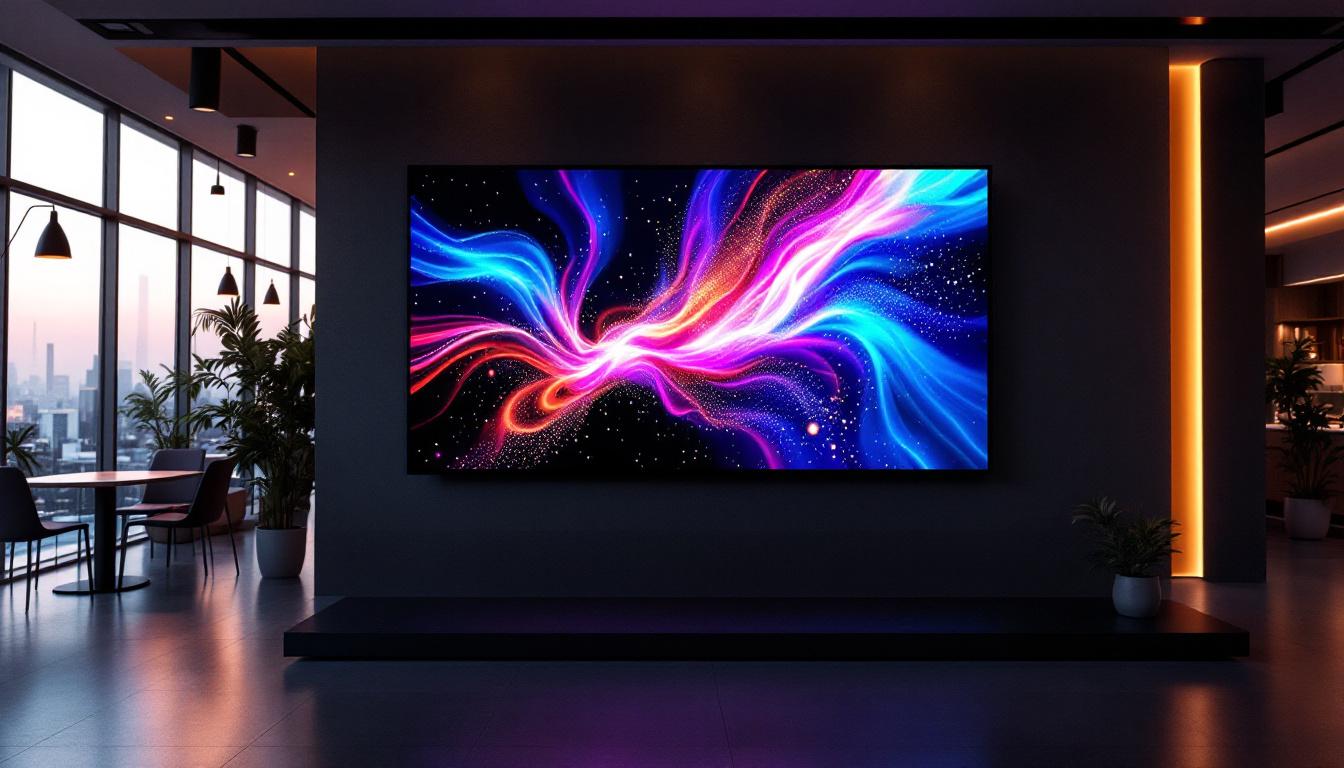
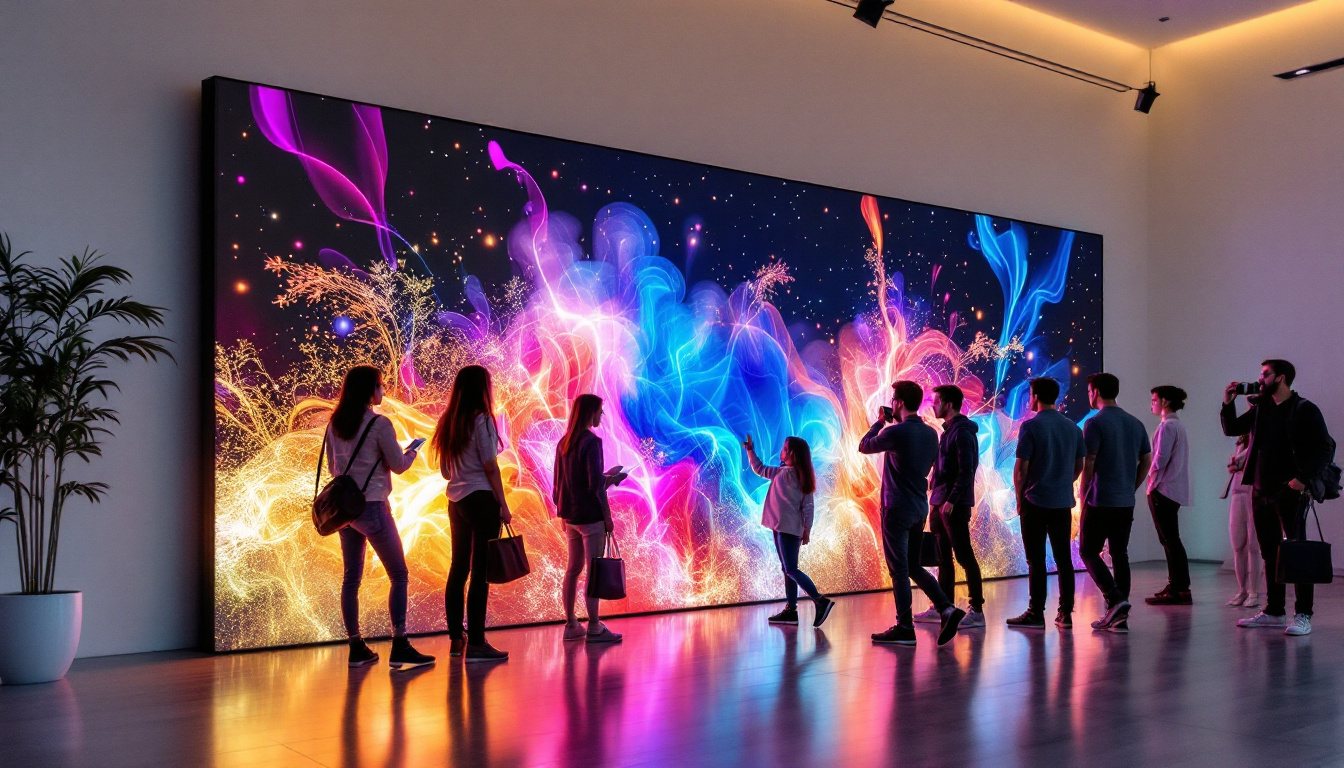
One of the most exciting aspects of Flex LED panels is their versatility in design and application. They can be seamlessly integrated into various architectural elements, such as walls, ceilings, and even furniture, allowing for immersive environments in retail spaces, museums, and event venues. The ability to create custom shapes and sizes means that designers can push the boundaries of creativity, crafting displays that are not only functional but also visually stunning. Additionally, these panels can be used for dynamic advertising, where content can be changed frequently to capture audience attention, making them a powerful tool for marketers.
Moreover, the lightweight nature of Flex LED panels significantly reduces installation costs and complexity. Traditional LED displays often require heavy mounting structures and extensive support systems, whereas Flex LED panels can be easily affixed to surfaces with minimal infrastructure. This ease of installation not only saves time but also opens up new possibilities for temporary setups, such as pop-up events or exhibitions, where flexibility and quick deployment are essential. As technology advances, the potential applications for Flex LED panels continue to expand, promising a future where displays are as dynamic and adaptable as the environments they inhabit.
How Flex LED Panels Work: The Technology Behind the Magic
Flex LED panels operate on the same fundamental principles as traditional LED displays but with added mechanical flexibility. Each LED emits light when an electrical current passes through it, and by controlling the intensity and color of each LED, the panel can produce dynamic images and videos.
What sets Flex LED panels apart is their ability to maintain consistent electrical connections and image quality even when bent or curved. This is achieved through innovative circuit design and materials that prevent damage from repeated flexing.
Driving and Control Systems
The control system for Flex LED panels includes a driver IC (integrated circuit) that manages the current flow to each LED. These driver ICs are designed to handle flexible substrates and ensure uniform brightness and color accuracy across the display. Additionally, flexible wiring and connectors are used to maintain signal integrity.
Modern Flex LED panels often incorporate smart control systems that allow for real-time adjustments, remote management, and synchronization with other displays. This makes them highly adaptable for complex installations such as curved video walls or wearable displays.
Advantages of Flex LED Panels Over Traditional Displays
Flex LED panels offer several significant advantages that make them a preferred choice for many applications. Their unique properties open up creative possibilities that rigid LED panels simply cannot match.
Design Flexibility and Customization
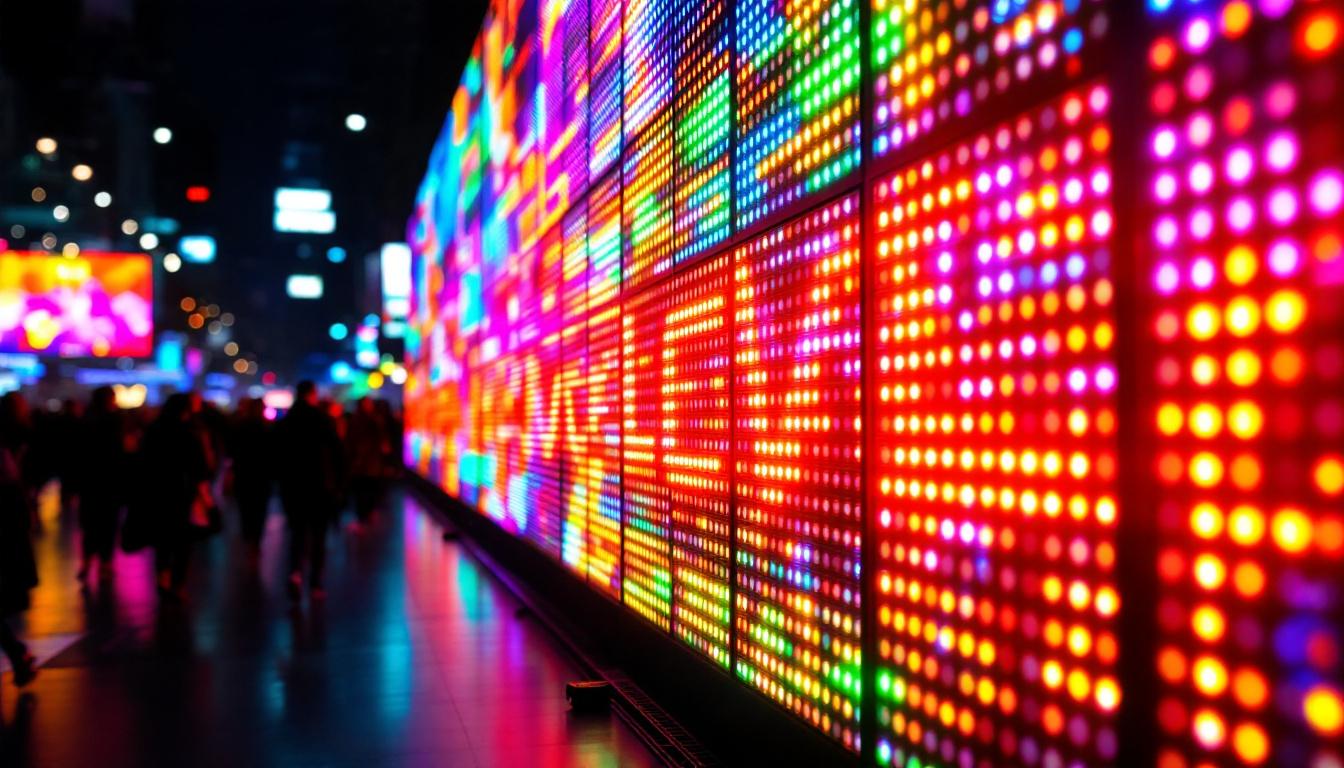
One of the most compelling benefits of Flex LED panels is their ability to conform to various shapes and surfaces. This flexibility allows designers to create immersive and eye-catching displays that wrap around columns, ceilings, or irregularly shaped structures. For example, retail stores can install curved LED walls that draw customers’ attention, while event venues can create dynamic stage backdrops that enhance the audience experience.
Lightweight and Thin Profile
Flex LED panels are generally lighter and thinner than traditional LED screens. This makes them easier to transport, install, and maintain. Their reduced weight also means less structural support is required, which can lower installation costs and expand placement options.
Durability and Reliability
Despite their flexibility, these panels are engineered to be highly durable. The materials used offer resistance to environmental factors such as humidity, dust, and temperature fluctuations. Many Flex LED panels are rated for outdoor use, with IP65 or higher protection standards, ensuring longevity in challenging conditions.
Energy Efficiency
LED technology is inherently energy-efficient, and Flex LED panels often incorporate the latest low-power LEDs and driver technologies. This efficiency results in lower operational costs and a smaller environmental footprint compared to other display technologies like LCD or projection.
Applications of Flex LED Panels: Where Are They Used?
The versatility of Flex LED panels has led to their adoption across a wide range of industries and use cases. Their ability to adapt to unique shapes and environments makes them particularly valuable where traditional displays fall short.
Advertising and Retail
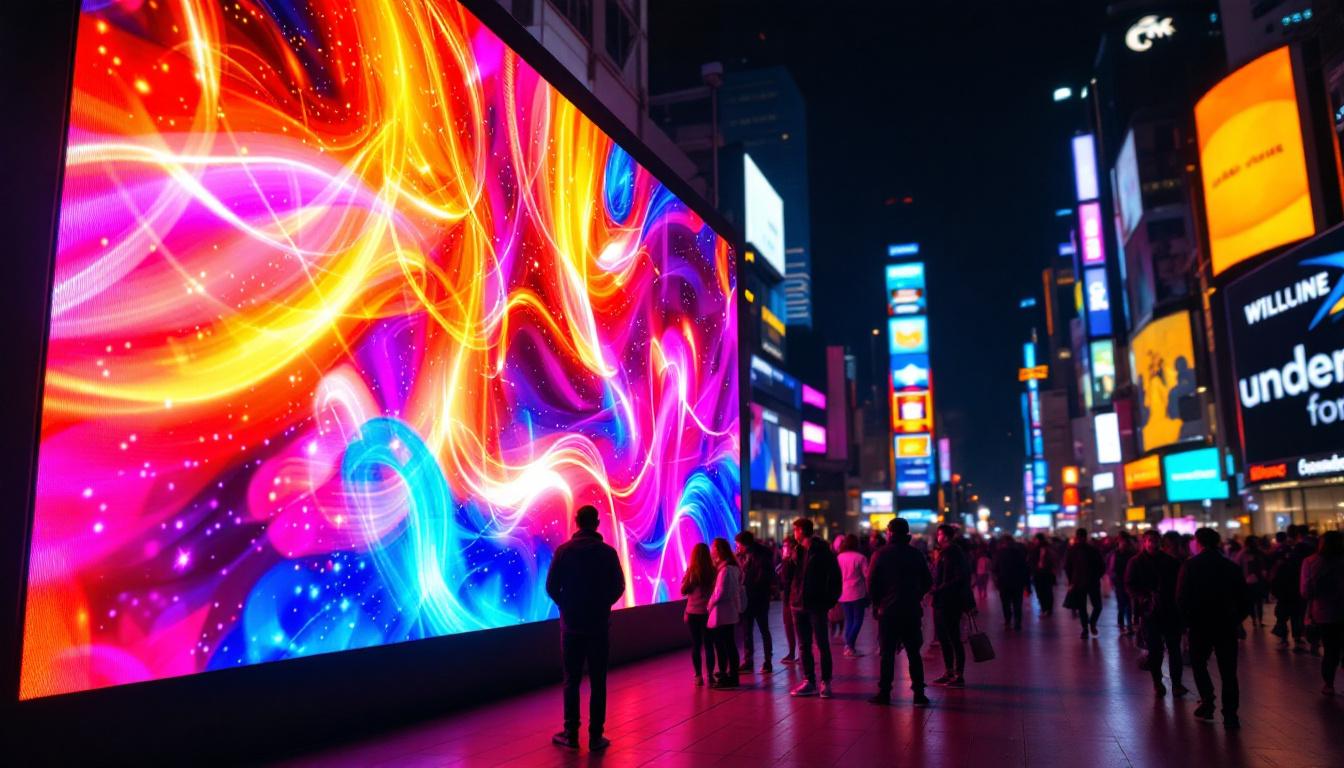
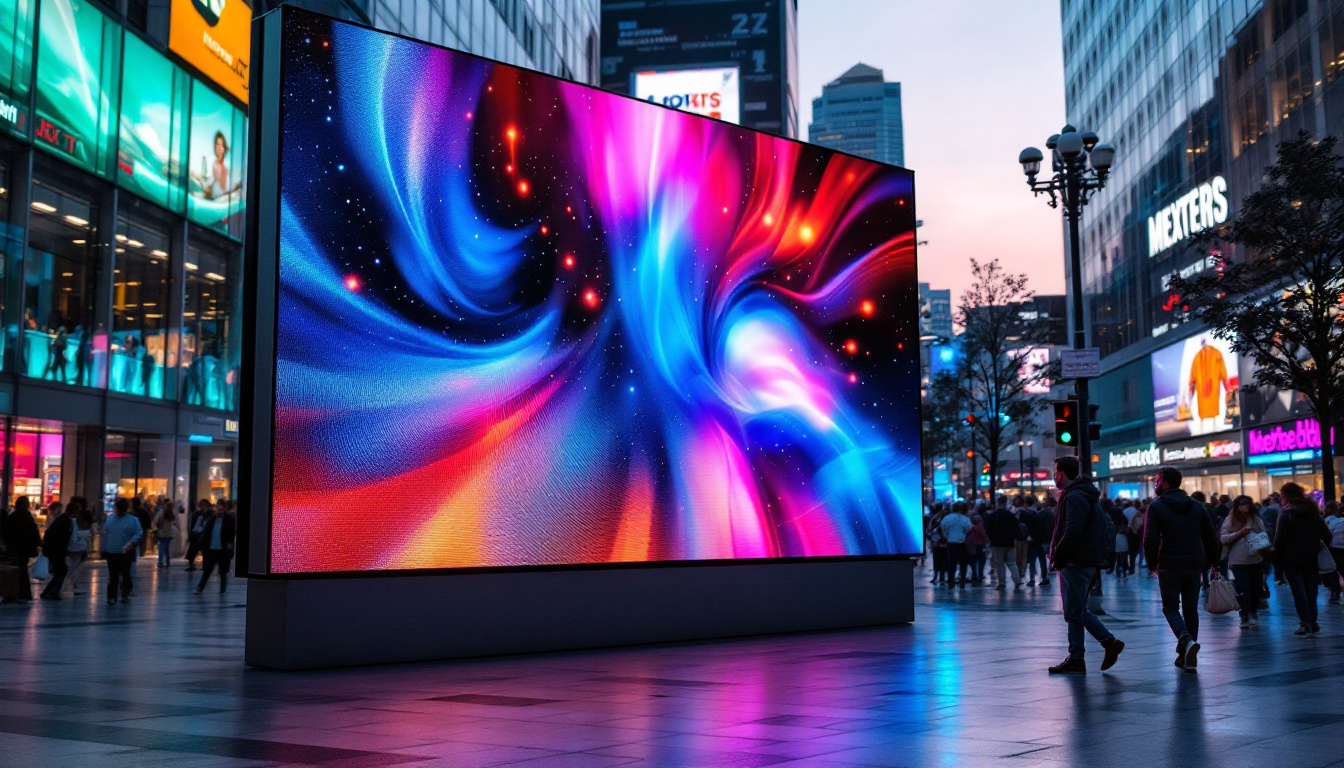
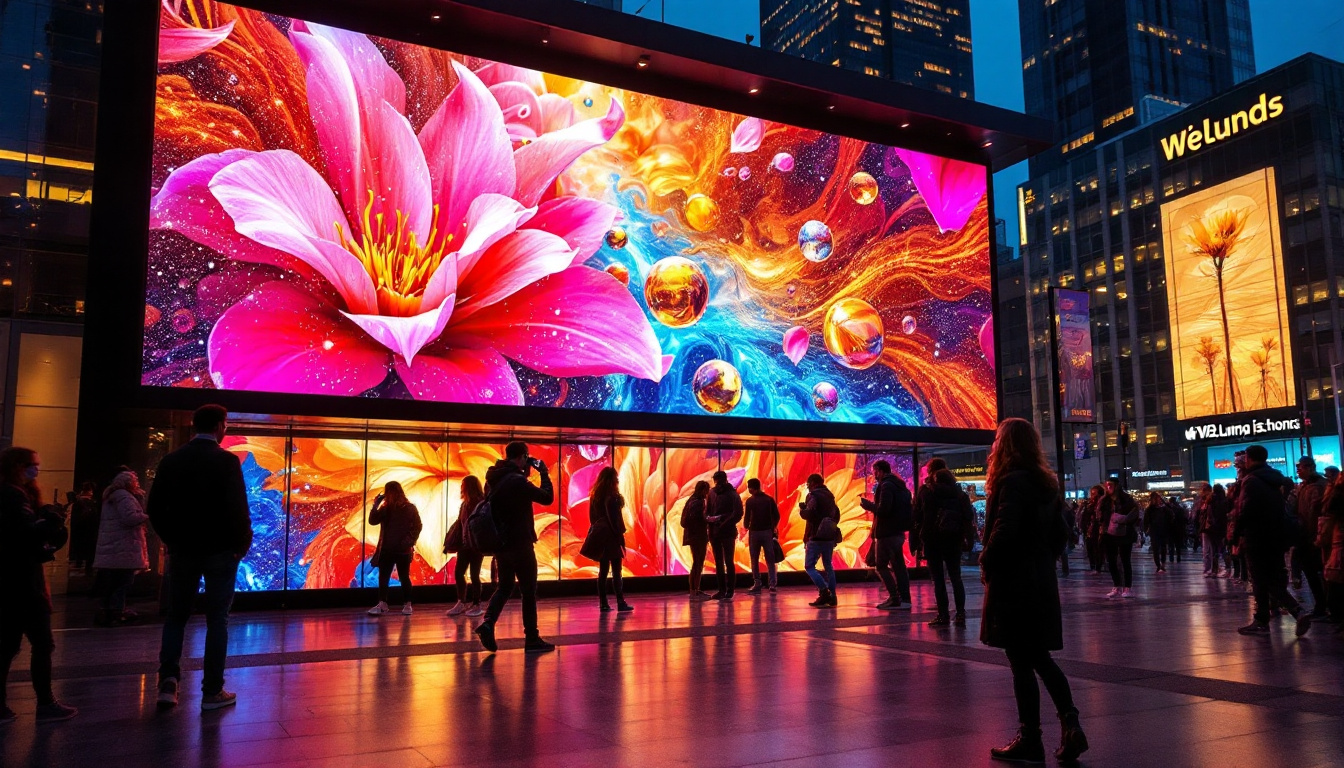
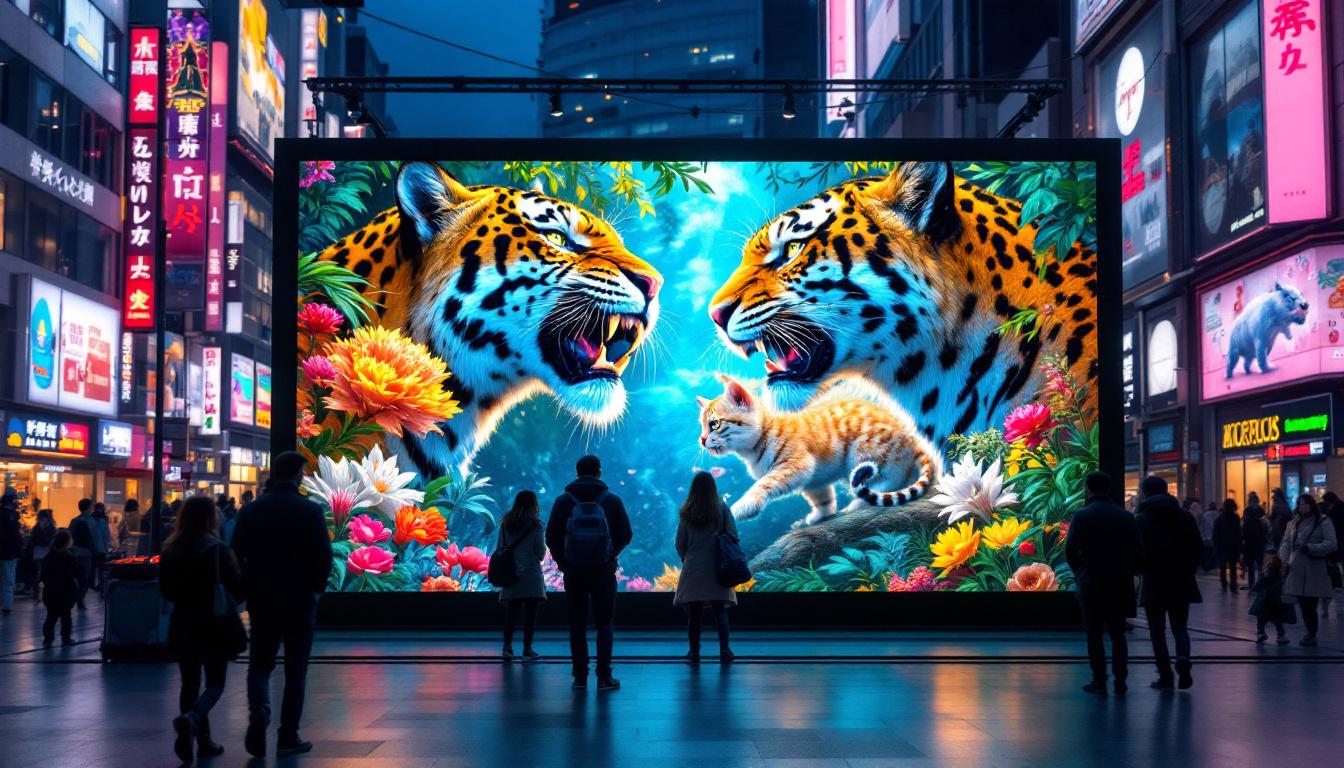
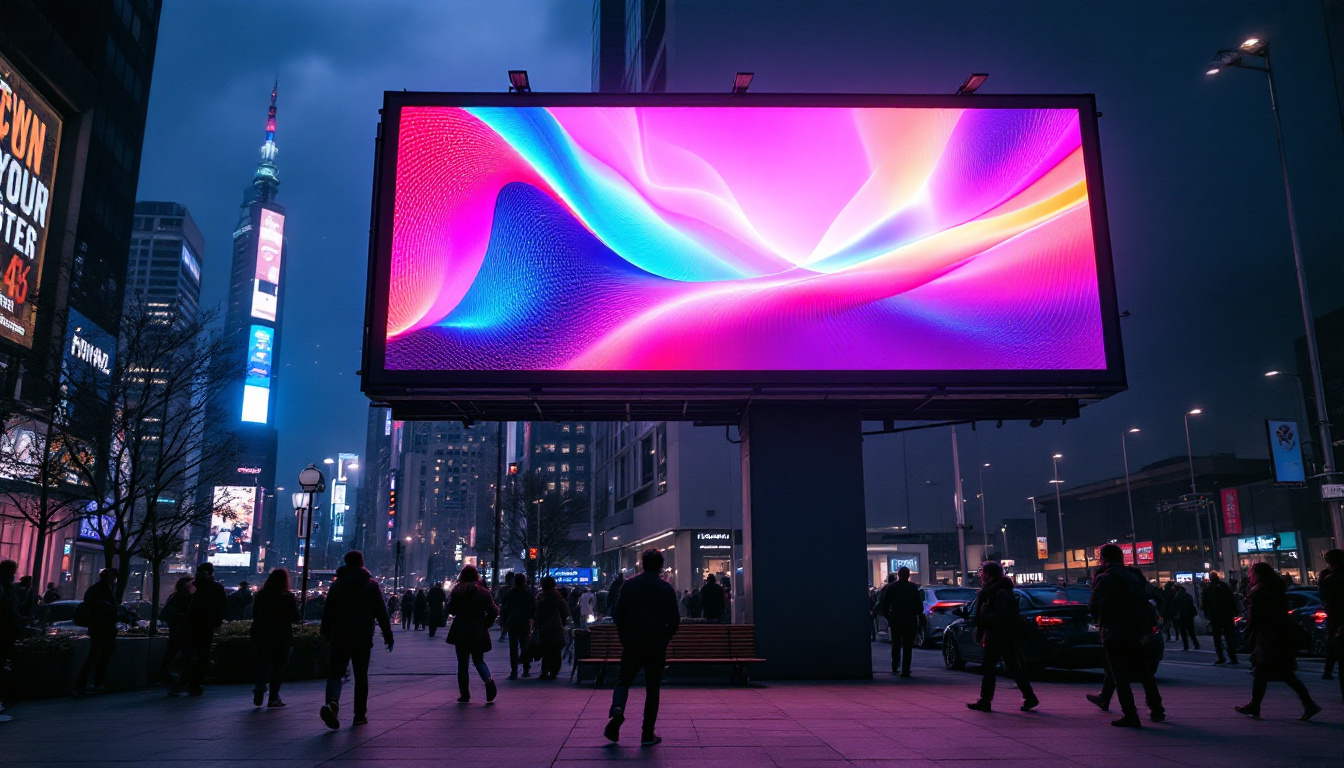
In the advertising sector, Flex LED panels enable brands to create visually stunning campaigns that stand out in crowded urban environments. Curved LED billboards on building facades, flexible digital signage in shopping malls, and dynamic window displays are just a few examples. These displays can be updated remotely and frequently, allowing for timely promotions and interactive content.
Entertainment and Events
Concerts, festivals, and corporate events benefit greatly from Flex LED technology. The panels can be shaped into unique stage designs, immersive environments, and wearable displays for performers. Their lightweight nature also facilitates quick setup and teardown, which is essential for event production.
Architecture and Interior Design
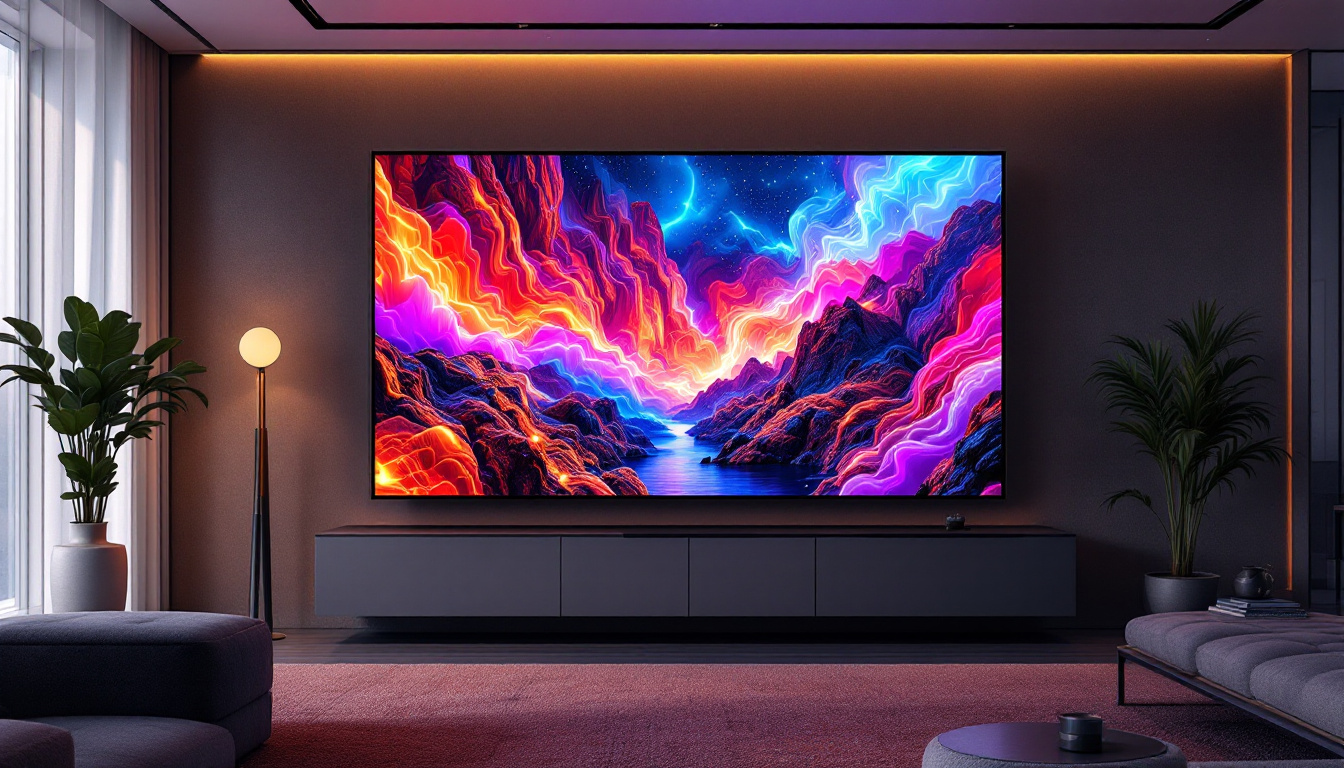
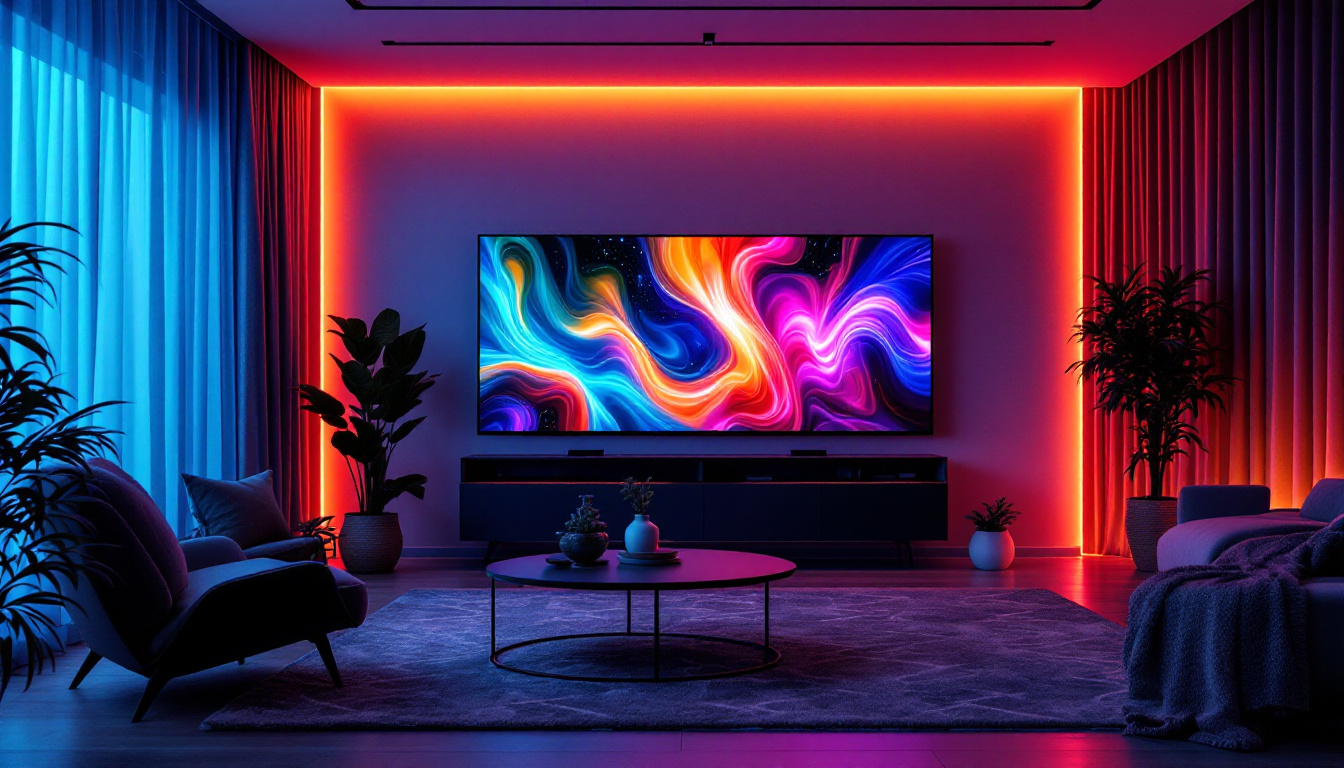
Architects and interior designers use Flex LED panels to integrate digital art and information displays seamlessly into buildings. Curved LED walls, ceilings with embedded displays, and interactive installations enhance both aesthetics and functionality in public spaces, hotels, museums, and airports.
Transportation and Public Spaces
Flex LED panels are increasingly used in transportation hubs like train stations and airports to provide real-time information on curved surfaces or irregular structures. Their durability and visibility make them ideal for outdoor signage on buses, taxis, and other vehicles as well.
Challenges and Considerations When Using Flex LED Panels
While Flex LED panels offer many benefits, there are important factors to consider to ensure successful deployment and long-term performance.
Cost Implications
Flex LED technology tends to be more expensive upfront compared to traditional LED panels due to the specialized materials and manufacturing processes involved. However, the benefits in design flexibility and reduced installation costs can offset this investment over time.
Resolution and Pixel Pitch Limitations
Because Flex LED panels are often used in curved or irregular configurations, achieving ultra-high resolution can be challenging. The pixel pitch must be carefully chosen to balance image clarity with the physical constraints of bending the panel.
Installation Expertise
Installing Flex LED panels requires specialized knowledge and experience. Improper handling can damage the flexible circuits or LEDs, and incorrect mounting can affect image uniformity. Working with experienced professionals ensures optimal results.
The Future of Flex LED Panels: Trends and Innovations
The Flex LED panel market is poised for significant growth, driven by advancements in materials science, miniaturization, and control technologies. Several trends are shaping the future of this dynamic display technology.
Integration with IoT and Smart Systems
As smart cities and connected environments become more prevalent, Flex LED panels are increasingly integrated with IoT (Internet of Things) platforms. This integration enables real-time data display, interactive content, and adaptive lighting based on environmental conditions or user engagement.
Higher Resolution and Enhanced Color Accuracy
Ongoing improvements in LED manufacturing and driver technology are enabling finer pixel pitches and better color reproduction. This will allow Flex LED panels to compete with traditional displays in applications requiring ultra-high definition, such as medical imaging or detailed digital art installations.
Eco-Friendly and Sustainable Solutions
Manufacturers are focusing on reducing the environmental impact of Flex LED panels by using recyclable materials, lowering power consumption, and extending product lifespans. These efforts align with global sustainability goals and increasing consumer demand for green technology.
Conclusion
Flex LED panels represent a remarkable leap forward in display technology, combining the visual brilliance of LED with unprecedented physical flexibility. Their ability to conform to diverse shapes and environments opens up new creative possibilities across advertising, entertainment, architecture, and beyond.
While there are challenges related to cost and installation, the benefits of Flex LED panels—such as design freedom, lightweight construction, durability, and energy efficiency—make them an increasingly attractive choice for businesses and designers seeking innovative visual solutions.
As technology continues to advance, Flex LED panels are set to become even more versatile, high-resolution, and environmentally friendly, solidifying their role as a key component in the future of digital displays.
Discover the Future of LED Displays with LumenMatrix
Ready to elevate your visual communication and create unforgettable experiences? LumenMatrix is at the forefront of LED display innovation, offering a wide array of solutions tailored to your needs. From Indoor and Outdoor LED Wall Displays to specialized options like Vehicle, Sports, and Floor LED Displays, our products are designed to captivate and engage. Embrace the potential of Flex LED technology and transform your space with our Custom, All-in-One, and Transparent LED Displays. Check out LumenMatrix LED Display Solutions today and join the revolution in digital signage.