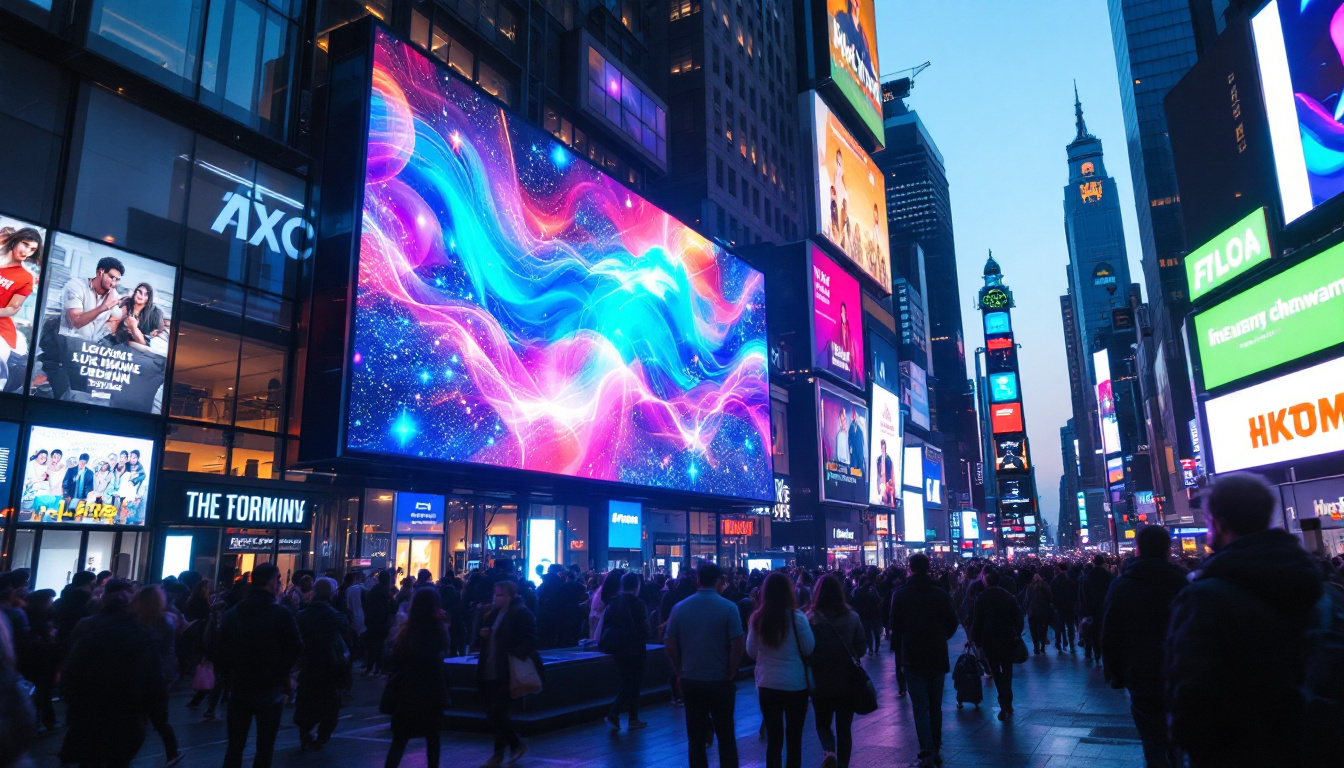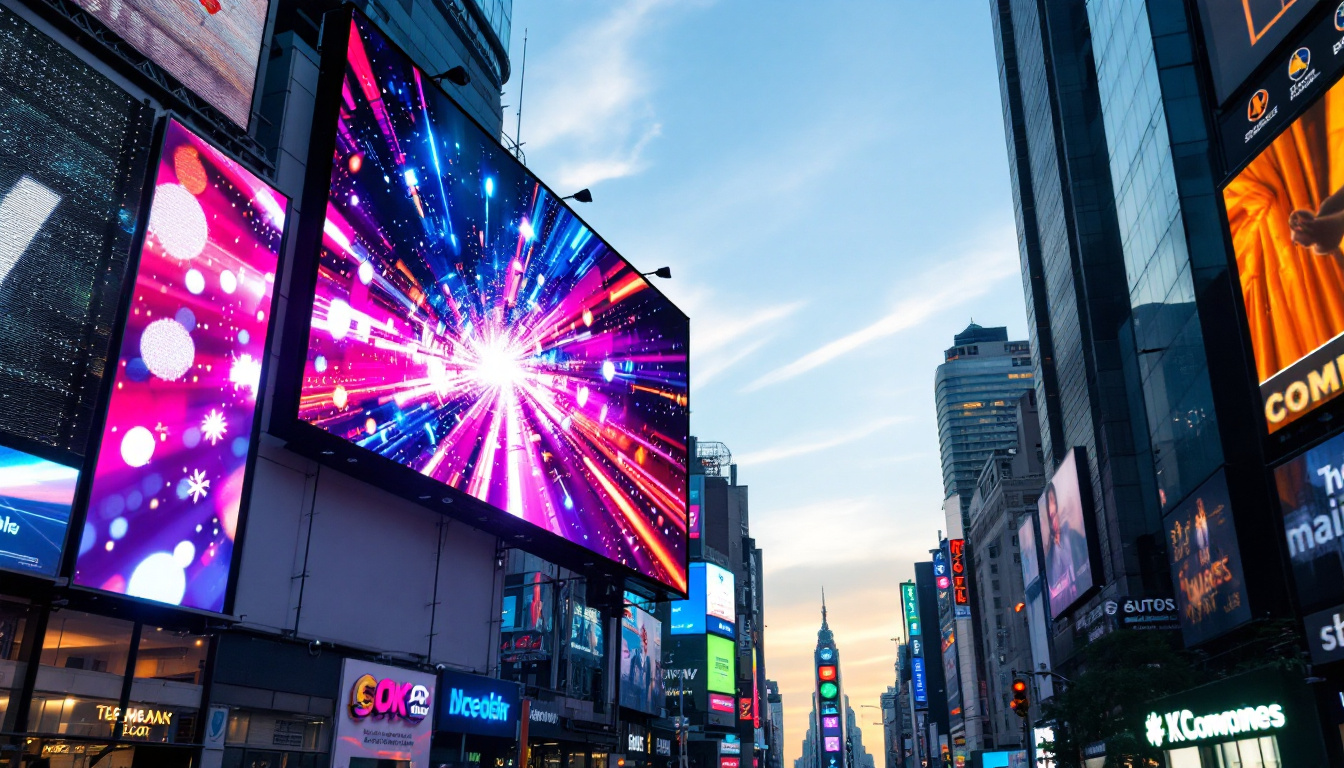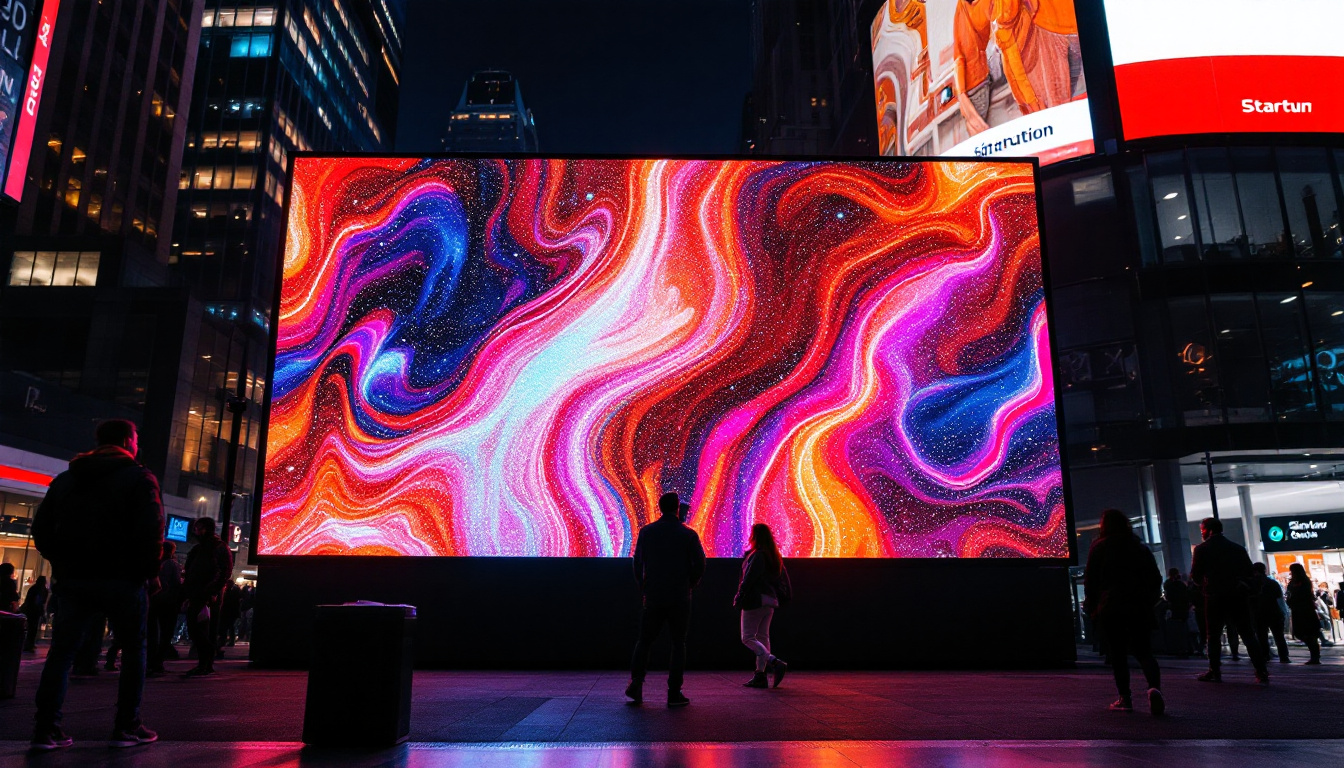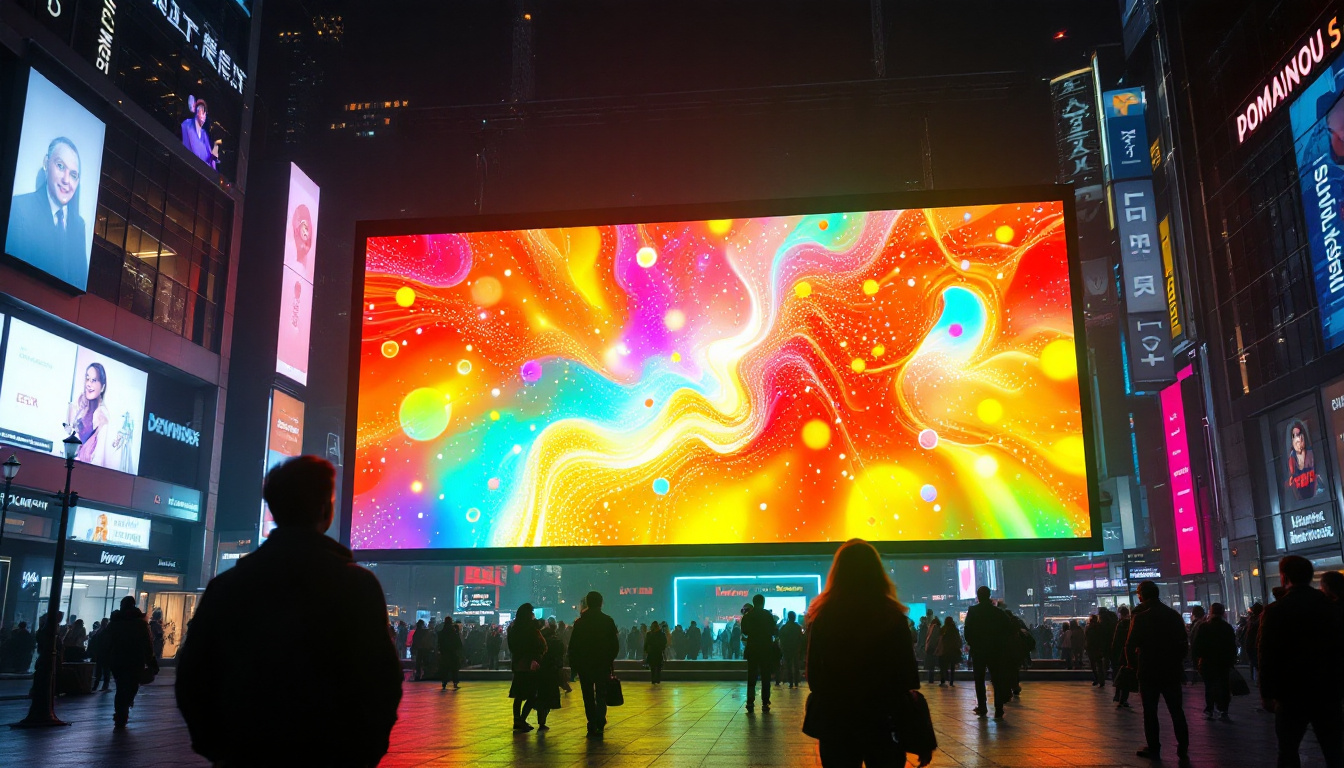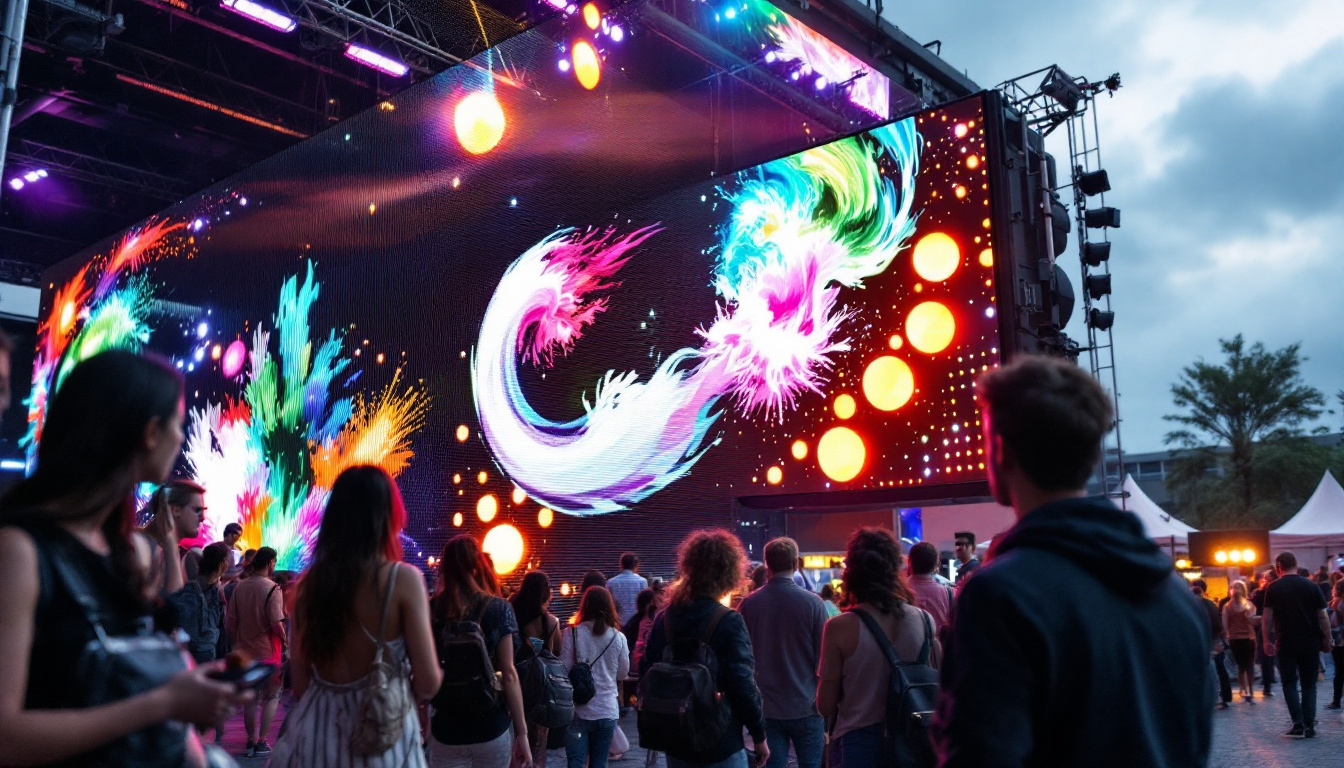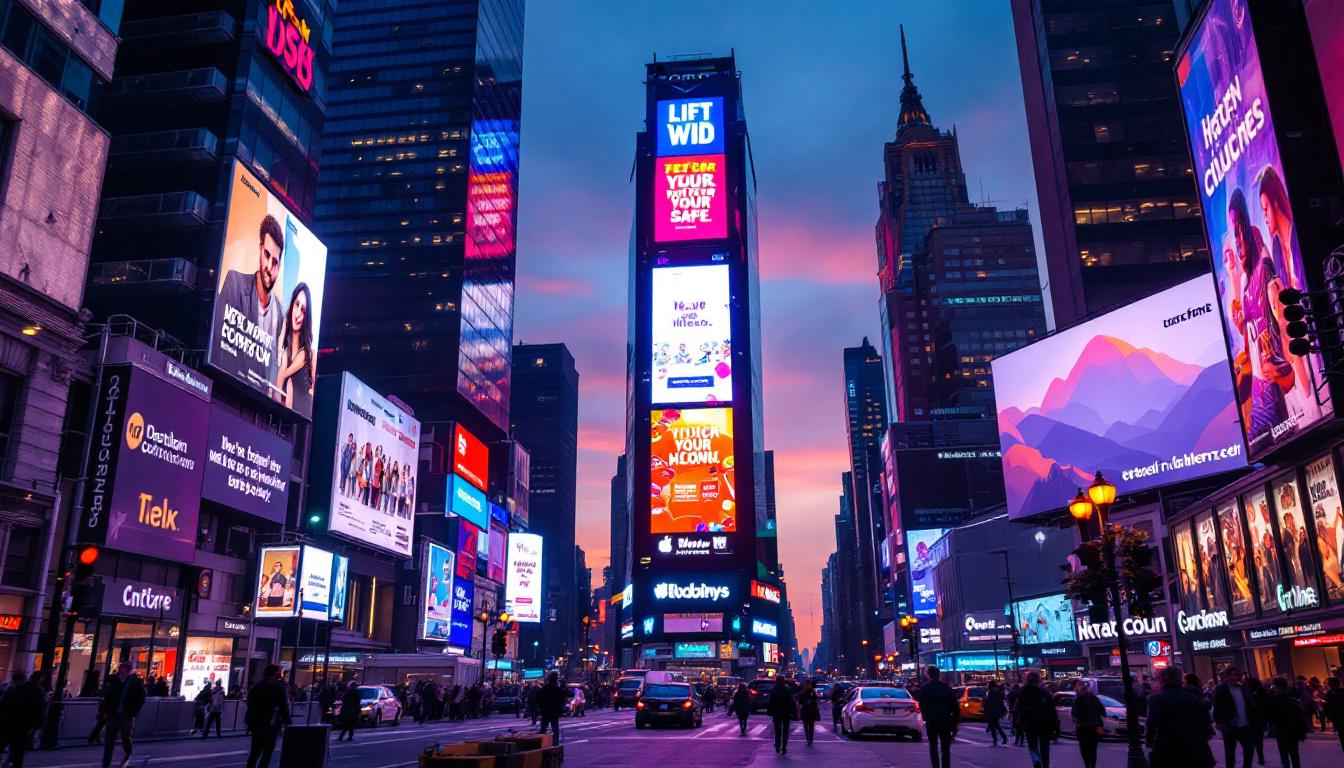
New York City is renowned for its dazzling lights and vibrant advertising, with Times Square standing as the epicenter of this visual spectacle. At the heart of this luminous display are LED billboards, which have revolutionized outdoor advertising. This article delves into the technology behind LED displays, their impact on the advertising landscape in New York City, and why they have become indispensable for brands aiming to capture attention in the city that never sleeps.
Understanding LED Technology in Billboards
What is an LED Billboard?
LED, or Light Emitting Diode, billboards are digital displays that use an array of tiny light-emitting diodes to create bright, high-resolution images and videos. Unlike traditional static billboards, LED displays can show dynamic content that changes in real-time, allowing advertisers to deliver more engaging and interactive messages. This flexibility not only enhances the viewer’s experience but also enables brands to tailor their messaging based on current events, promotions, or even weather conditions, making the advertisements more relevant and timely.
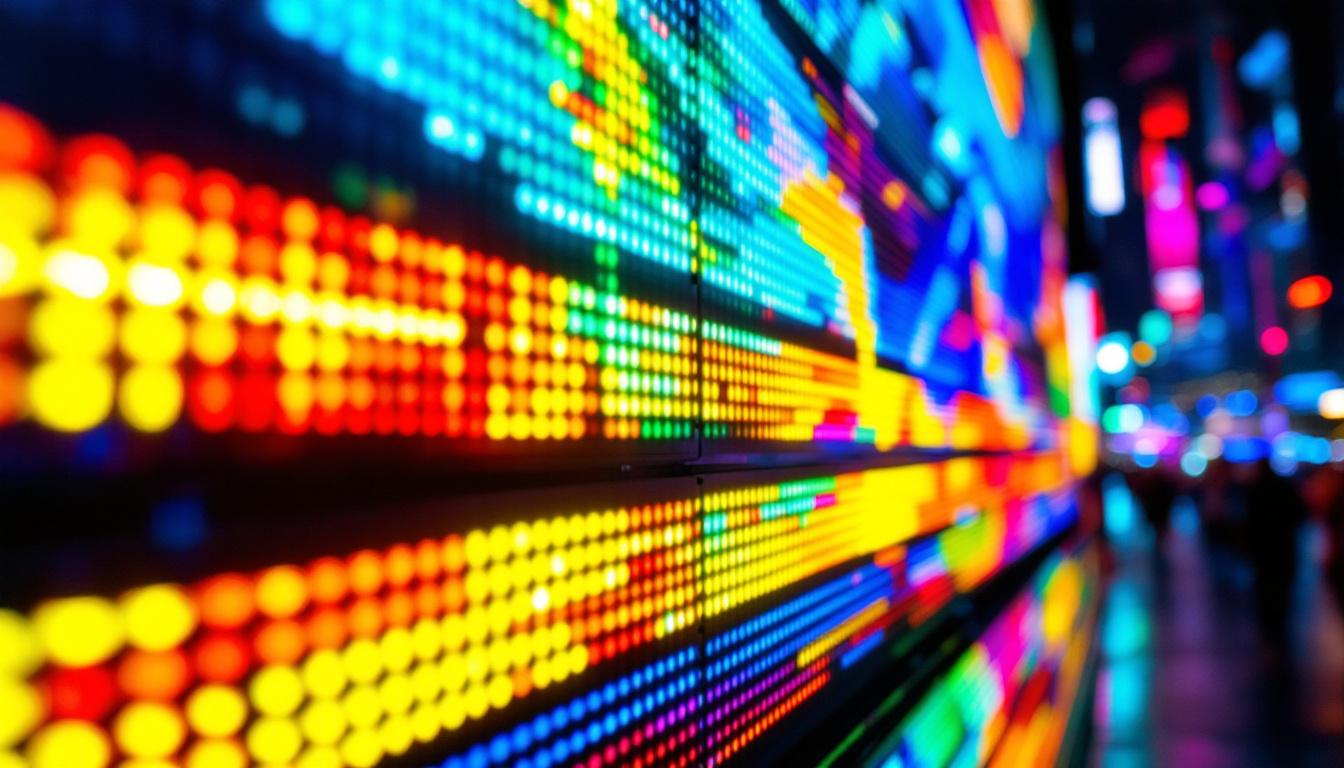
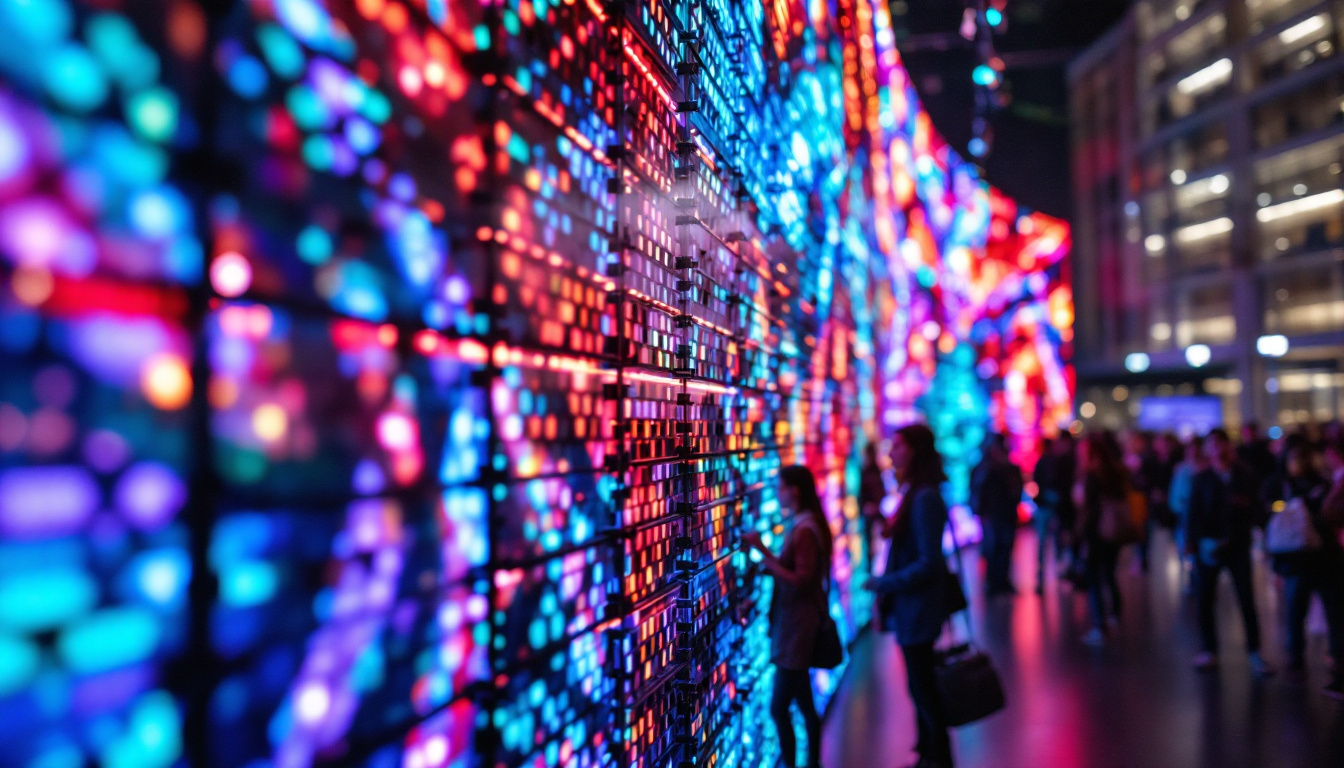
These billboards are composed of thousands of individual LEDs arranged in a grid, each capable of emitting light in red, green, and blue (RGB). By varying the intensity of these colors, the display can produce a full spectrum of colors, resulting in vivid and eye-catching visuals that stand out even in daylight. The technology behind LED billboards has evolved significantly, with advancements in pixel density leading to higher resolution displays that can showcase intricate details and sharp images, making them a preferred choice for advertisers looking to make a lasting impression.
How Do LED Billboards Work?
At the core of an LED billboard is a control system that manages the content displayed. This system receives digital files—images, videos, animations—and translates them into signals that control the brightness and color of each LED pixel. The content can be scheduled, updated remotely, and tailored to specific times of day or audience demographics. This capability allows for a level of customization that traditional billboards simply cannot match, as advertisers can quickly adapt their campaigns to respond to changing market conditions or audience interests.
LED billboards also incorporate sensors and software to adjust brightness automatically based on ambient light conditions. This ensures optimal visibility without causing glare or excessive light pollution, which is particularly important in a city like New York where regulations on lighting are stringent. Additionally, many modern LED billboards are equipped with advanced analytics tools that track viewer engagement and demographic data, providing advertisers with valuable insights into the effectiveness of their campaigns. This data-driven approach not only maximizes advertising impact but also helps in refining future strategies, making LED billboards a powerful tool in the ever-evolving landscape of outdoor advertising.
The Rise of LED Billboards in New York City
From Static to Dynamic: A Historical Perspective
Billboards have been a staple of New York City’s advertising scene since the early 20th century. However, the transition from painted or printed static boards to digital LED displays began in the late 1990s and early 2000s. Times Square, famously known as “The Crossroads of the World,” was among the first places to embrace this technology on a large scale.
One of the earliest and most iconic LED billboards was the Toshiba display installed in Times Square in 2004. Measuring over 6,000 square feet, it marked a turning point by demonstrating the potential of digital advertising to captivate audiences with motion and light. This monumental installation not only transformed the visual landscape of Times Square but also set the stage for a new era in advertising, where brands could engage consumers in real-time with dynamic content that changed based on time, weather, or even audience demographics.
Current Trends and Adoption Rates
Today, LED billboards dominate New York City’s advertising landscape. According to recent industry reports, over 70% of outdoor advertising spaces in Times Square and other high-traffic areas use LED technology. This trend is driven by the increasing demand for flexible, high-impact advertising solutions that can adapt quickly to marketing campaigns and events. The rapid evolution of technology has also led to innovations such as interactive billboards that encourage passersby to engage with the content, further enhancing the effectiveness of advertising in busy urban environments.
Moreover, the cost of LED technology has decreased significantly over the past decade, making it accessible to a broader range of advertisers. The ability to display multiple ads on a single screen throughout the day also maximizes revenue for billboard operators. Additionally, the integration of data analytics allows advertisers to track engagement metrics, tailoring their campaigns to optimize viewer interaction. As a result, brands are increasingly investing in LED displays not just for their visibility, but for their ability to deliver measurable results, creating a more data-driven approach to outdoor advertising.
Advantages of LED Billboards for Advertisers
Enhanced Visibility and Engagement
One of the primary benefits of LED billboards is their superior visibility. The brightness and color accuracy of LED displays ensure that advertisements are noticeable from great distances and under various weather conditions. This is crucial in New York City, where competition for attention is fierce amid the urban hustle and bustle.
Dynamic content also fosters higher engagement rates. Animated visuals, countdowns, and real-time updates can captivate passersby more effectively than static images. Studies show that digital billboards can increase brand recall by up to 47% compared to traditional billboards.
Flexibility and Real-Time Updates
LED billboards offer unparalleled flexibility. Advertisers can change their messages instantly without the need for physical replacements. This capability is invaluable for time-sensitive promotions, event announcements, or reacting to current events.
For example, during major events like the New York City Marathon or the Broadway Week, advertisers can tailor their content to align with the occasion, creating a more relevant and timely connection with the audience.
Cost Efficiency Over Time
While the initial investment in LED billboard advertising can be higher than traditional billboards, the long-term benefits often outweigh the costs. The ability to run multiple ads on the same screen throughout the day increases revenue potential. Additionally, the elimination of printing and installation costs reduces operational expenses.
Maintenance of LED displays has also improved, with modern units designed for durability and energy efficiency. Many LED billboards now consume up to 80% less power than older models, aligning with sustainability goals.
Challenges and Considerations in LED Billboard Deployment
Regulatory Environment in New York City
New York City has strict regulations governing outdoor advertising, especially concerning digital billboards. The city’s Department of Buildings and the Mayor’s Office of Media and Entertainment enforce guidelines related to brightness, size, location, and content to minimize distractions and preserve the city’s aesthetic.
For instance, digital billboards must adhere to brightness limits, typically not exceeding 0.3 foot-candles above ambient light levels at night. Additionally, certain historic districts and residential areas have restrictions or outright bans on LED billboards.
Technical and Installation Challenges
Installing LED billboards in a dense urban environment like New York City presents logistical challenges. Structural considerations, such as mounting on existing buildings or freestanding structures, require careful engineering to ensure safety and compliance with building codes.
Moreover, the displays must be weather-resistant, capable of withstanding New York’s seasonal extremes — from hot, humid summers to freezing winters. Ensuring consistent performance and minimizing downtime is critical for advertisers relying on these platforms.
Light Pollution and Community Impact
While LED billboards contribute to the city’s vibrant atmosphere, they also raise concerns about light pollution and its effects on residents’ quality of life. Community groups have voiced concerns about excessive brightness and flashing content disrupting sleep and contributing to urban light clutter.
In response, many billboard operators have adopted technologies such as automatic dimming and content moderation to balance advertising effectiveness with community wellbeing.
The Future of LED Billboards in New York City
Integration with Smart City Technologies
The future of LED billboards in New York City is closely linked with the rise of smart city initiatives. Integration with real-time data sources—such as traffic conditions, weather updates, and social media trends—will enable billboards to deliver hyper-relevant content tailored to the moment.
For example, a billboard could display weather-appropriate ads or public service announcements during emergencies, enhancing their utility beyond commercial advertising.
Advancements in Display Technology
Emerging technologies like MicroLED and flexible OLED promise to further enhance the quality and versatility of digital billboards. These innovations offer higher resolution, improved energy efficiency, and the potential for creative form factors that blend seamlessly with urban architecture.
Additionally, augmented reality (AR) and interactive features may soon transform LED billboards into immersive experiences, engaging audiences in novel ways.
Sustainability and Environmental Considerations
As environmental concerns grow, the billboard industry is prioritizing sustainable practices. This includes using energy-efficient LEDs, incorporating solar power, and designing recyclable components. New York City’s commitment to reducing carbon emissions aligns with these efforts, encouraging advertisers and operators to adopt greener solutions.
Conclusion
LED billboards have become an integral part of New York City’s advertising ecosystem, transforming the way brands communicate with millions of residents and visitors daily. Their dynamic capabilities, high visibility, and adaptability make them a powerful tool in a city defined by its fast pace and constant evolution.
While challenges related to regulation, installation, and community impact remain, ongoing technological advancements and thoughtful urban planning are shaping a future where LED billboards continue to illuminate New York’s streets responsibly and innovatively. For advertisers, understanding the nuances of LED display technology and the city’s unique environment is essential to harnessing the full potential of this vibrant medium.
Illuminate Your Brand with LumenMatrix
Ready to elevate your advertising to new heights in the bustling streets of New York City? LumenMatrix, a pioneer in LED display technology, offers a suite of innovative solutions tailored to your needs. From the vibrant Indoor LED Wall Display to the dynamic Outdoor LED Wall Display, and from the mobile versatility of Vehicle LED Displays to the interactive Floor LED Displays, LumenMatrix is committed to transforming your brand’s presence. Experience the future of visual communication with our Custom LED Displays, All-in-One LED Displays, and LED Transparent Displays. Check out LumenMatrix LED Display Solutions today and start creating unforgettable visual experiences that captivate and engage.