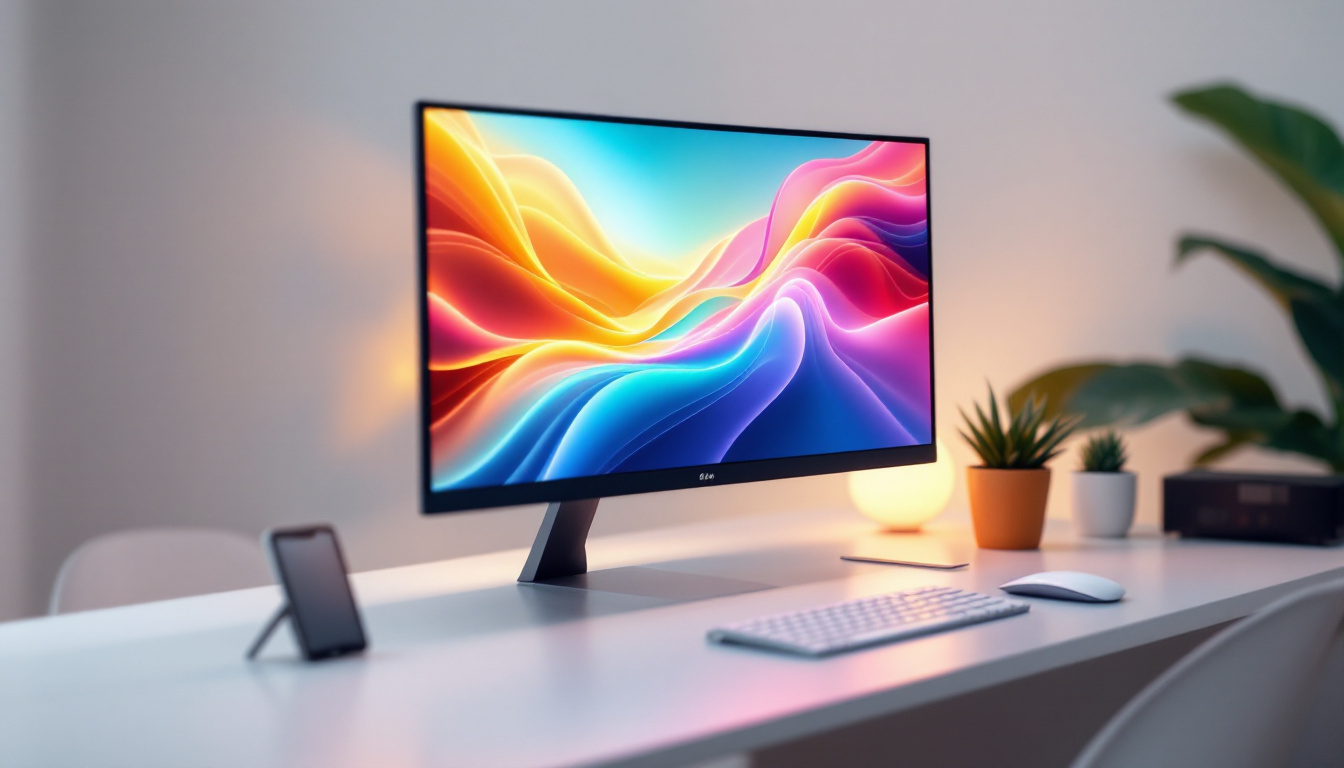
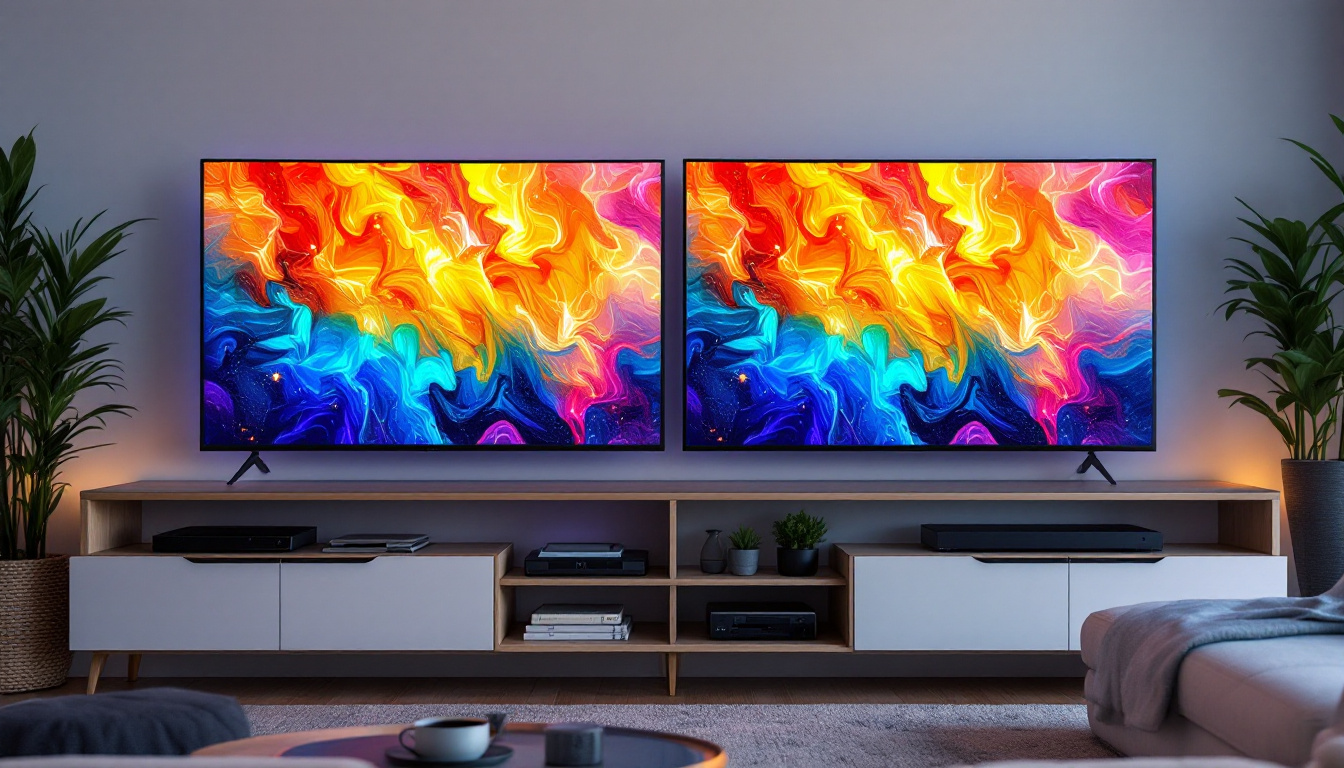
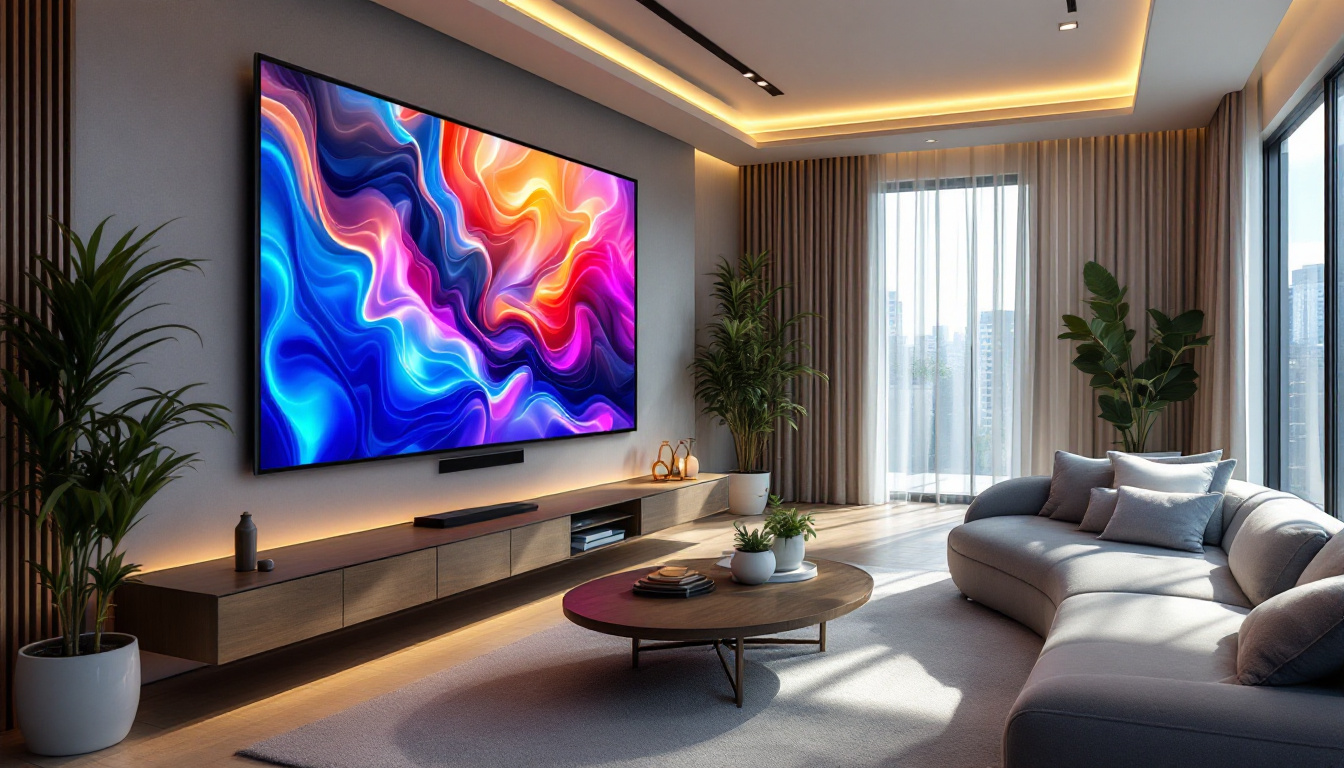
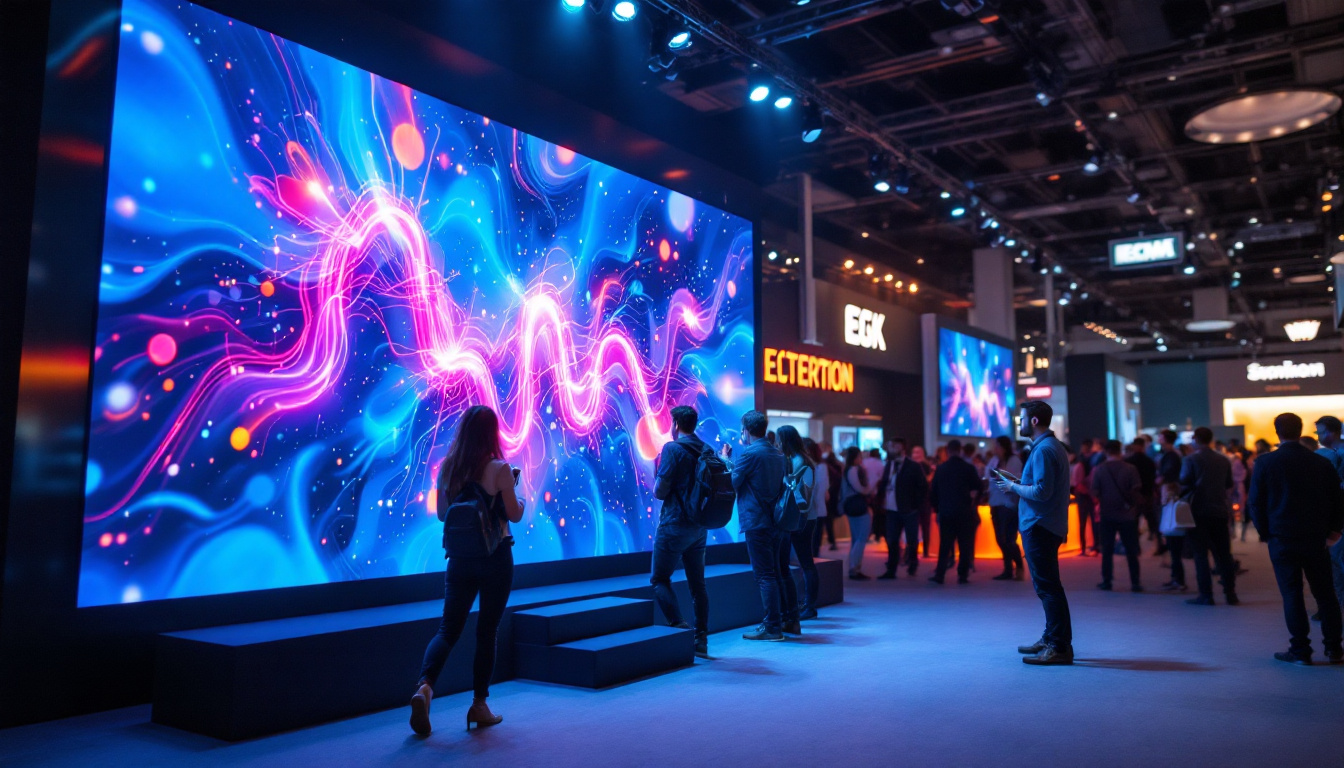
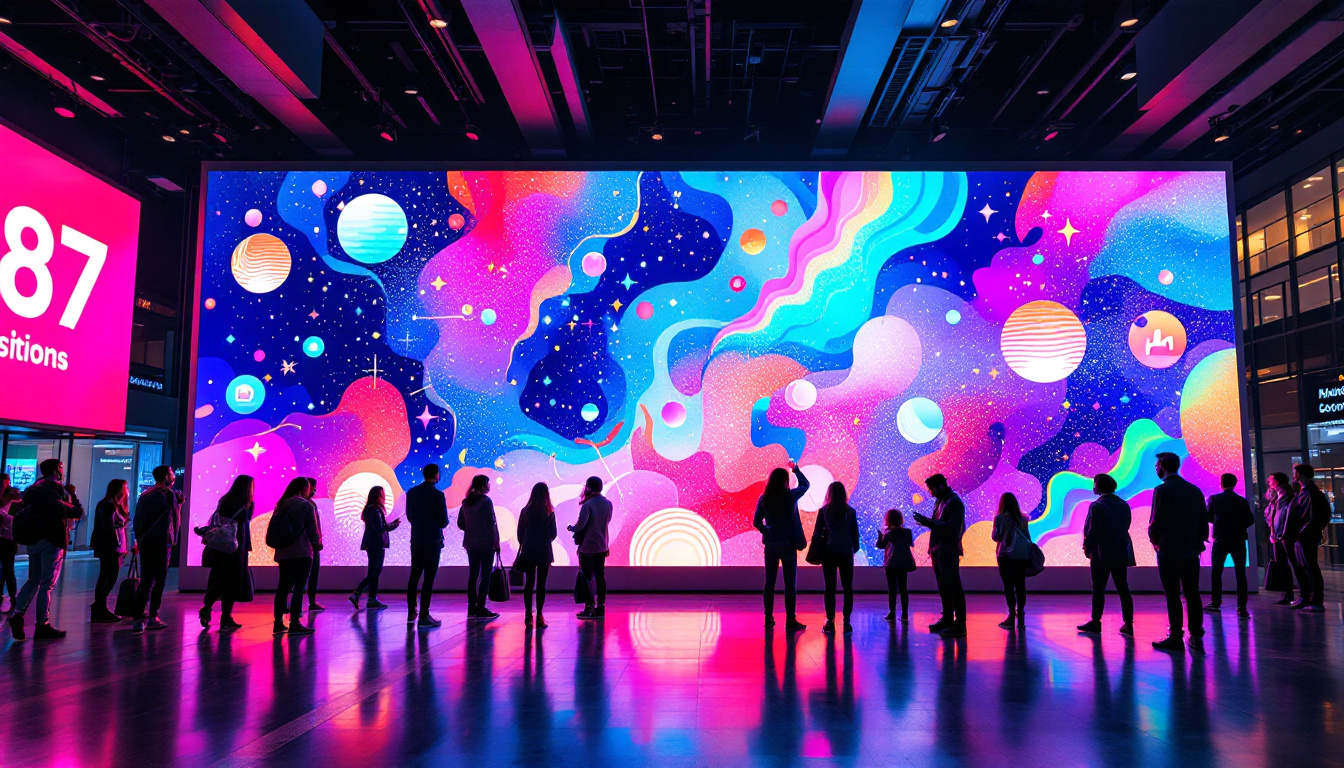
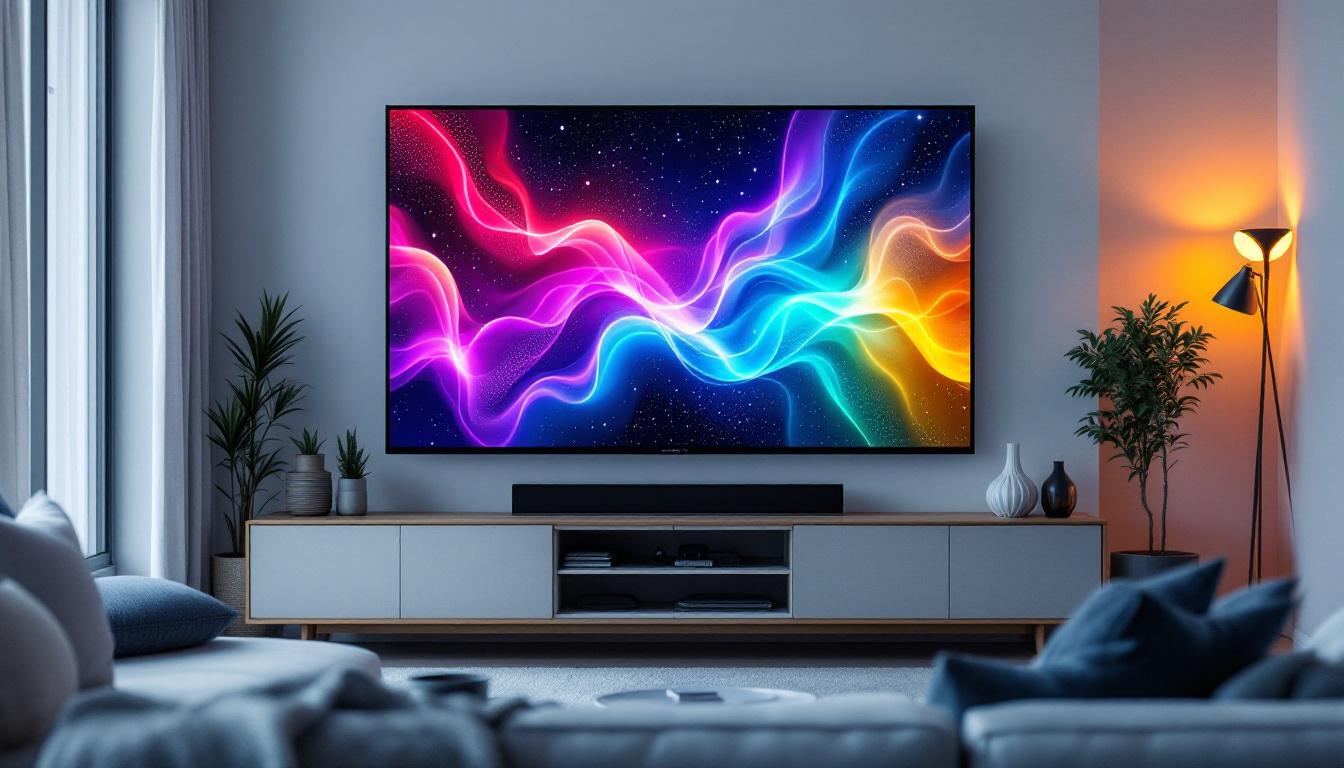
In the world of digital displays, especially LED screens, the term “contrast ratio” frequently surfaces as a key specification. Whether you are a consumer choosing a new television, a professional selecting a display for graphic design, or a business investing in digital signage, understanding contrast ratio is essential. This article delves into what contrast ratio means, why it matters for LED displays, and how it impacts your viewing experience.
What is Contrast Ratio?
Contrast ratio is a measurement that compares the luminance of the brightest white to the darkest black a display can produce. It is typically expressed as a ratio, such as 1000:1, which means the brightest white is 1000 times brighter than the darkest black. This ratio is a critical indicator of a display’s ability to reproduce images with depth and detail.
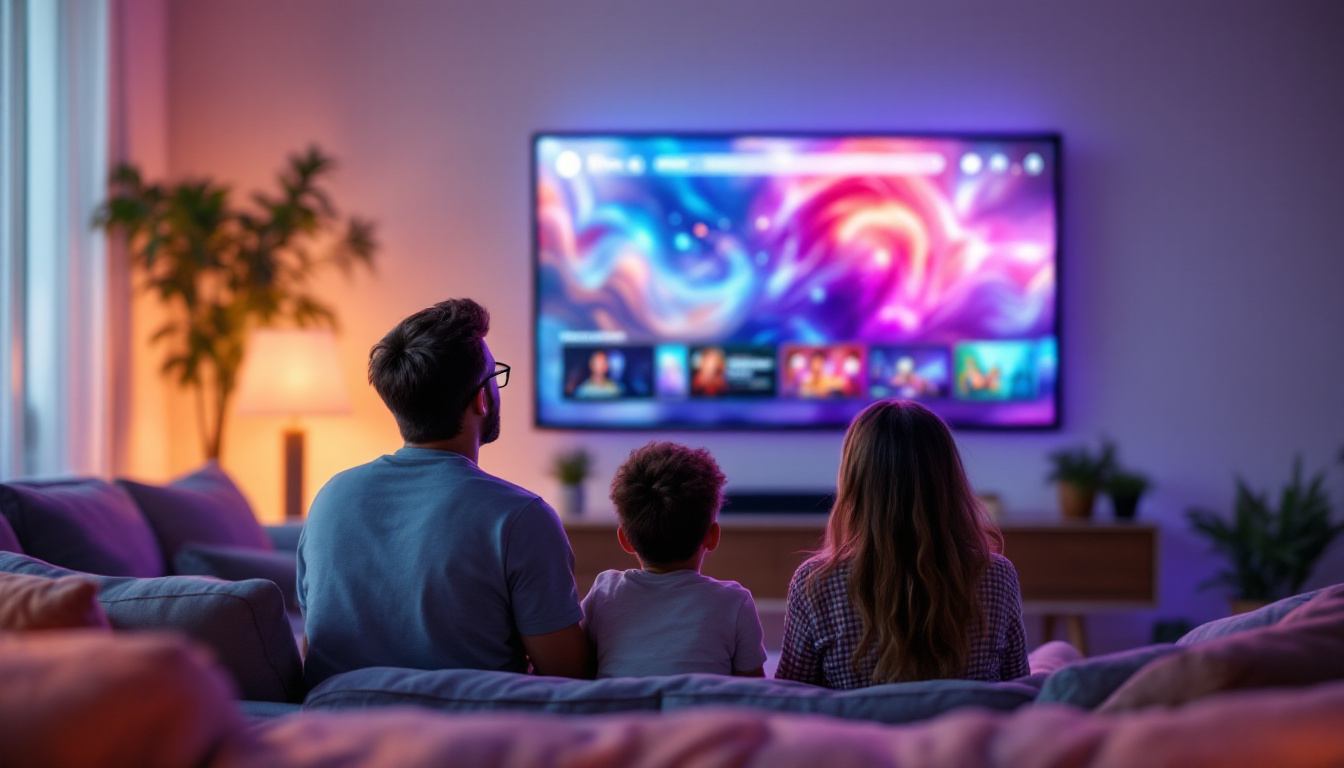
For LED displays, contrast ratio helps determine how vivid and lifelike the images will appear. A higher contrast ratio generally means that the display can show more subtle differences between dark and light areas, making images more dynamic and realistic. This is particularly important in applications such as gaming and film, where visual fidelity can significantly enhance the overall experience. For instance, in a dark scene of a movie, a display with a high contrast ratio can reveal intricate details in shadows that might otherwise be lost on a lower-quality screen.
How Contrast Ratio is Measured
Measuring contrast ratio involves assessing the luminance of a fully white screen versus a fully black screen under controlled conditions. However, the methodology can vary. Manufacturers often report either “static” (native) contrast ratio or “dynamic” contrast ratio.
Static contrast ratio measures the difference in luminance between white and black displayed simultaneously on the screen. This is the true, inherent contrast capability of the display. Dynamic contrast ratio, on the other hand, measures the contrast when the display adjusts its backlight or brightness dynamically based on the content, often resulting in much higher (sometimes exaggerated) numbers. It’s worth noting that while dynamic contrast ratios can sound impressive, they may not always reflect real-world performance. In practical usage, the static contrast ratio is often considered a more reliable indicator of a display’s quality, as it provides a consistent measure of performance regardless of the content being shown.
Moreover, the perception of contrast is not solely dependent on the contrast ratio itself; factors such as ambient lighting, screen technology (like OLED versus LCD), and viewing distance also play crucial roles. For example, OLED displays are known for their exceptional contrast ratios because they can turn off individual pixels completely, achieving true blacks that enhance the overall visual experience. Understanding these nuances can help consumers make more informed decisions when selecting a display that meets their viewing preferences and needs.
Why Contrast Ratio Matters for LED Displays
LED (Light Emitting Diode) displays are widely used in televisions, monitors, smartphones, and large-scale digital signage. The contrast ratio significantly influences the quality and clarity of the images these devices produce.
Enhanced Image Quality and Depth
A high contrast ratio allows for deeper blacks and brighter whites, which enhances the sense of depth in an image. This is particularly important in scenes with shadows or highlights, such as nighttime cityscapes or bright sunny landscapes. Without sufficient contrast, images can appear washed out or flat. For instance, in a cinematic experience, the interplay of light and shadow can evoke emotions and set the tone of a scene, making the contrast ratio a vital component in storytelling through visual media.
Moreover, high contrast ratios are essential for gaming and virtual reality experiences, where immersion is key. Gamers benefit from the ability to distinguish subtle details in dark environments, allowing for better navigation and strategy. The visual clarity provided by a superior contrast ratio can mean the difference between spotting an enemy in a shadowy corner or missing critical details that could impact gameplay.
Improved Color Accuracy and Detail
Contrast ratio also affects color perception. When blacks are truly dark, colors appear more saturated and vibrant. This is crucial for professionals in photography, video editing, and graphic design who rely on accurate color representation. Even for everyday users, better contrast means a more immersive and enjoyable viewing experience. In applications like digital art, where subtle variations in color can significantly affect the final piece, a high contrast ratio ensures that artists can see their work as it is intended to be viewed, preserving the integrity of their creative vision.
Furthermore, the impact of contrast ratio extends beyond just visual fidelity; it can also influence consumer behavior. In retail environments, displays with high contrast ratios can draw attention to products and create a more engaging shopping experience. Bright, vivid advertisements stand out more effectively against darker backgrounds, capturing the interest of potential customers and enhancing brand visibility.
Eye Comfort and Reduced Fatigue
Displays with poor contrast can cause eye strain over extended viewing periods. High contrast ratios contribute to clearer images with less glare and less need for the eyes to constantly adjust, making it easier to watch or work for longer durations without discomfort. This is particularly relevant in today’s digital age, where many people spend hours in front of screens for work or leisure.
Additionally, the importance of eye comfort cannot be understated in educational settings, where students are often required to read from screens for extended periods. A display with a high contrast ratio can facilitate better focus and retention of information, as students are less likely to experience fatigue or distraction from visual discomfort. This not only enhances learning outcomes but also promotes healthier viewing habits, encouraging breaks and reducing the risk of long-term eye issues.
Types of LED Displays and Their Contrast Ratios
Not all LED displays are created equal. Different technologies and designs influence the achievable contrast ratios.
Edge-Lit LED Displays
Edge-lit LED displays place LEDs along the edges of the screen, using light guides to illuminate the entire panel. While this design is cost-effective and allows for thinner screens, it often results in lower contrast ratios compared to other LED types. Light bleeding from the edges can make blacks appear grayish, reducing overall image quality.
Direct-Lit LED Displays
Direct-lit LED displays position LEDs directly behind the screen, providing more uniform backlighting. This setup improves contrast ratios compared to edge-lit models, but still has limitations because the backlight is usually on across the entire screen, preventing true blacks.
Full-Array Local Dimming (FALD) LED Displays
Full-array LED displays with local dimming divide the backlight into zones that can be dimmed or brightened independently. This technology significantly enhances contrast ratio by allowing parts of the screen to be very dark while others remain bright. It is especially effective in scenes with mixed lighting conditions.
Mini-LED and Micro-LED Displays
Mini-LED and Micro-LED technologies represent the latest advancements in LED displays. Mini-LEDs use thousands of tiny LEDs as backlighting zones, enabling even more precise local dimming and higher contrast ratios. Micro-LEDs take this further by using microscopic LEDs as individual pixels, offering near-perfect blacks and exceptional contrast. These technologies are becoming more prevalent in premium TVs and professional monitors.
Contrast Ratio vs. Other Display Metrics
While contrast ratio is important, it is only one aspect of display quality. Understanding how it fits with other metrics helps in making informed decisions.
Brightness (Nits)
Brightness, measured in nits, indicates how much light a display emits. A high contrast ratio combined with sufficient brightness ensures images are clear and visible even in well-lit environments. However, very high brightness with low contrast can still result in poor image quality.
Color Gamut and Accuracy
Color gamut refers to the range of colors a display can produce. A wide color gamut paired with a high contrast ratio allows for vivid, lifelike images. Color accuracy ensures that these colors are true to life, which is crucial for professional use.
Response Time and Refresh Rate
Response time and refresh rate affect motion clarity and smoothness. While they don’t directly influence contrast ratio, they contribute to overall image quality and user experience, especially in gaming and video playback.
How to Choose an LED Display Based on Contrast Ratio
When selecting an LED display, consider the intended use and environment alongside contrast ratio.
For Home Entertainment
Consumers looking for TVs or monitors for movies and gaming should prioritize displays with high static contrast ratios (ideally above 3000:1) and local dimming capabilities. This ensures deep blacks and vibrant images, enhancing immersion.
For Professional Use
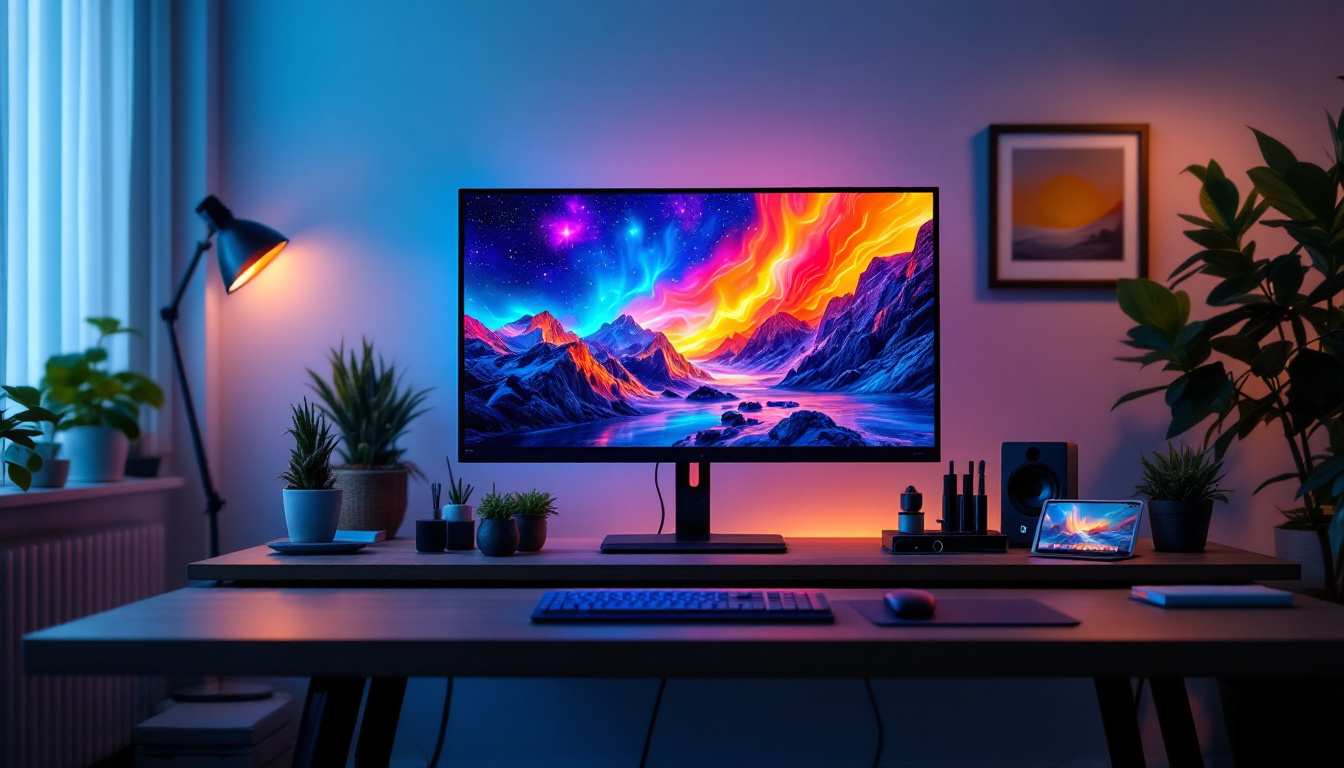
Graphic designers, photographers, and video editors need displays with excellent color accuracy and high contrast ratios. Monitors with advanced LED technologies like Mini-LED or OLED (which inherently has infinite contrast ratio) are preferred for precise work.
For Digital Signage and Outdoor Displays
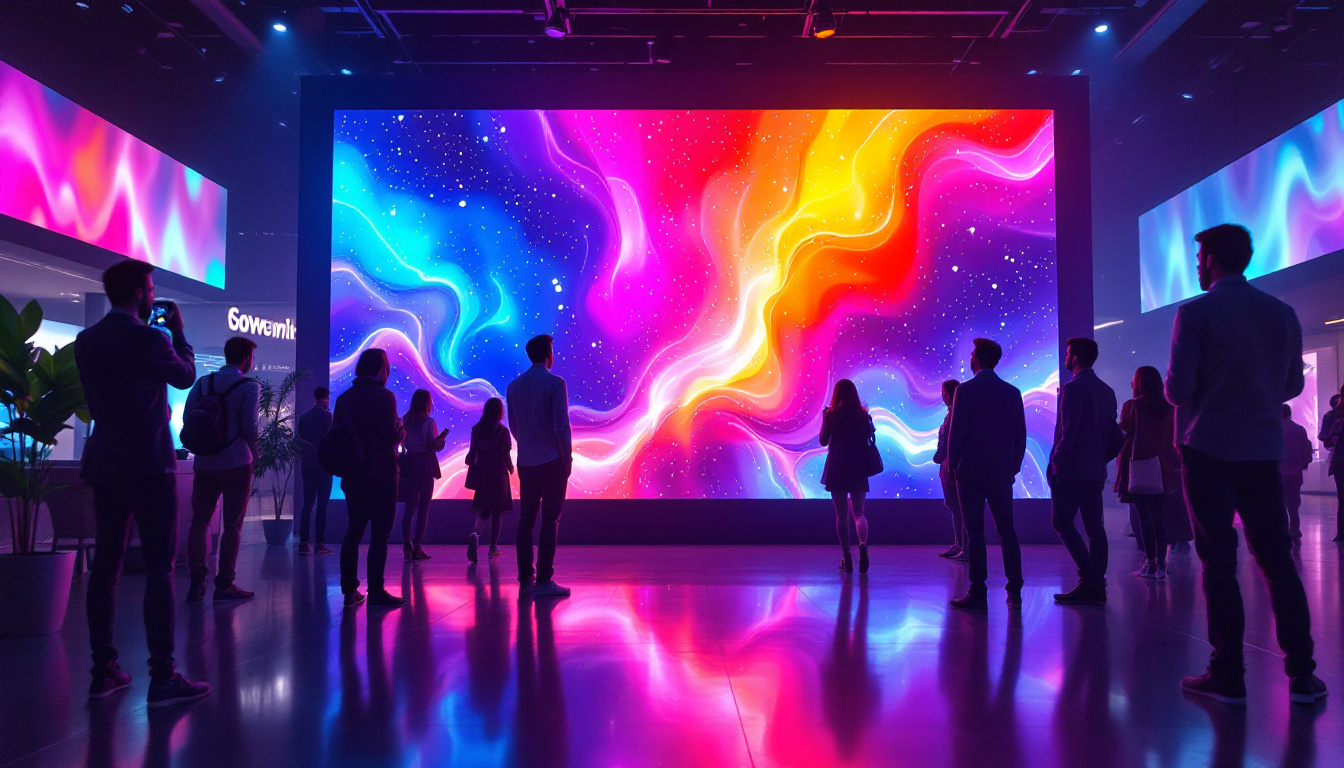
In bright environments, high brightness is critical, but contrast ratio remains important to maintain image clarity. Displays with high dynamic contrast and anti-reflective coatings perform better in these settings.
Common Misconceptions About Contrast Ratio
Despite its importance, contrast ratio can be misunderstood or misrepresented.
Dynamic Contrast Ratios Can Be Misleading
Manufacturers sometimes advertise extremely high dynamic contrast ratios, such as 1,000,000:1 or more. These figures result from aggressive backlight dimming and are not reflective of real-world performance. Consumers should focus more on static contrast ratios for a realistic assessment.
Higher Contrast Ratio Doesn’t Always Mean Better Display
While contrast ratio is vital, it must be considered alongside other factors like color accuracy, brightness, and resolution. A balanced display with good all-around specs often delivers a better experience than one with just a high contrast ratio.
LED vs. OLED Contrast Ratios
OLED displays offer “infinite” contrast ratios because each pixel emits its own light and can be turned off completely, producing true blacks. While LED displays have improved significantly, they cannot match OLED’s contrast performance. However, OLEDs can be more expensive and have other trade-offs such as potential burn-in.
Future Trends in LED Display Contrast Ratios
Advancements in LED technology continue to push the boundaries of contrast performance.
Micro-LED and Quantum Dot Enhancements
Micro-LED displays, with their pixel-level illumination, promise near-perfect contrast ratios without the drawbacks of OLED. Quantum dot technology enhances color and brightness, indirectly improving perceived contrast.
Improved Local Dimming Algorithms
Software improvements in local dimming control allow LED displays to better manage backlight zones, reducing halo effects and improving contrast in complex scenes.
Hybrid Technologies
Some manufacturers are exploring hybrid approaches that combine LED backlighting with other technologies to achieve higher contrast and better energy efficiency.
Conclusion
Contrast ratio is a fundamental specification that defines the quality of an LED display’s image. Understanding what it means, how it is measured, and its impact on viewing experience empowers consumers and professionals to make better choices. While a high contrast ratio contributes to deeper blacks, brighter whites, and more vivid colors, it should be considered alongside other display features for the best overall performance.
As LED display technologies evolve, contrast ratios continue to improve, offering richer visuals and more immersive experiences. Whether for entertainment, professional work, or commercial applications, paying attention to contrast ratio helps ensure that the display you choose meets your needs and expectations.
Discover the Ultimate LED Display Experience with LumenMatrix
Ready to elevate your visual experience with a high-contrast LED display? LumenMatrix is at the forefront of LED display innovation, offering a wide range of solutions tailored to your unique needs. From captivating Indoor LED Walls to dynamic Outdoor LED Displays, and from versatile Vehicle LED Displays to sleek LED Poster Displays, our technology is designed to make your message stand out. Embrace the future of visual communication with our LED Sports Displays, Floor LED Displays, Custom LED Displays, All-in-One LED Displays, and LED Transparent Displays. Don’t just take our word for it; check out LumenMatrix LED Display Solutions today and see the difference for yourself!