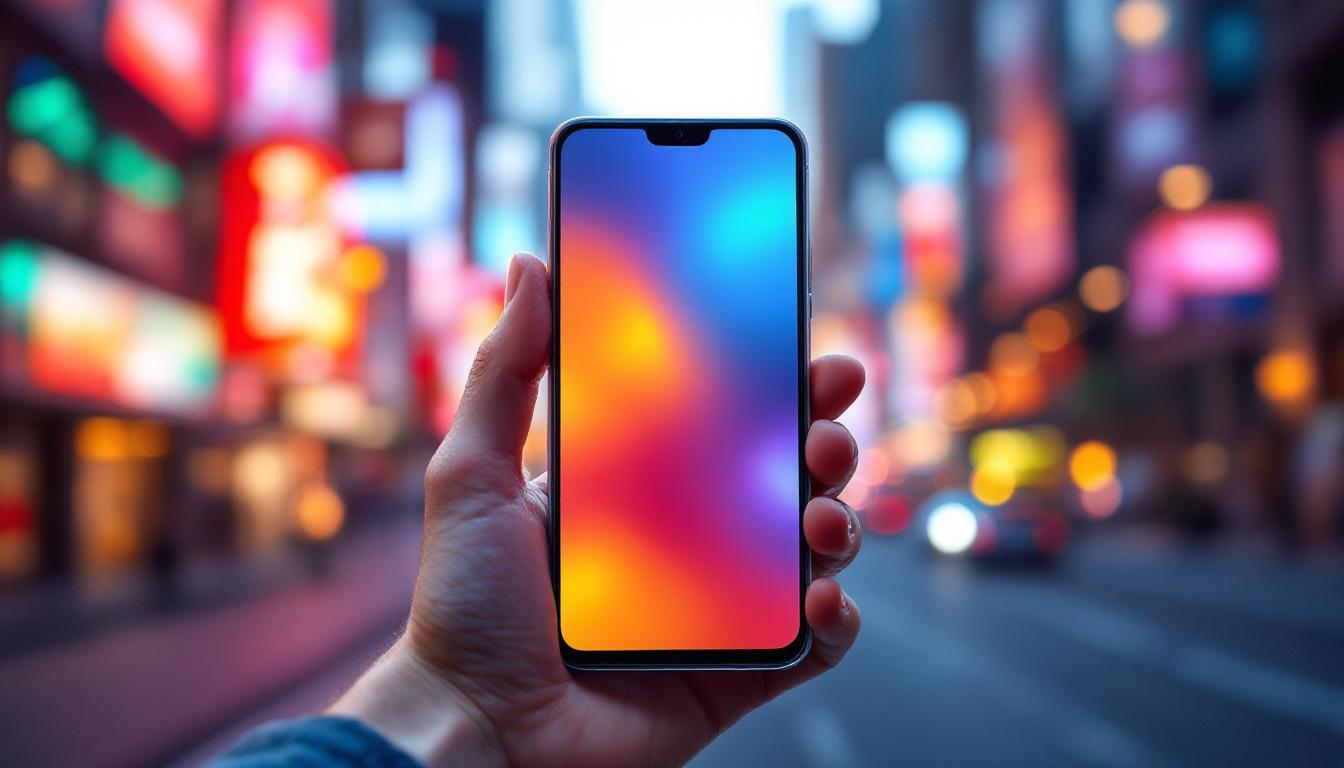
In today’s mobile technology landscape, screen size and display quality have become pivotal factors influencing consumer choice. Smartphones with larger displays not only enhance media consumption but also improve productivity and gaming experiences. Among the various display technologies, LED displays have emerged as a prominent choice, especially in devices boasting some of the largest screens available on the market.
This article delves into the world of LED displays in smartphones, focusing on the largest screen smartphones currently available. It explains the technology behind LED displays, compares them with other display types, and explores why they are preferred in large-screen smartphones. Whether you’re a tech enthusiast or a casual user considering a device upgrade, understanding LED display technology will help you make an informed decision.
The Rise of Large Display Smartphones
Over the past decade, smartphone displays have grown significantly in size. The average screen size has increased from around 3.5 inches in early smartphones to over 6.5 inches in many flagship models today. This trend is driven by consumer demand for immersive viewing experiences, better multitasking capabilities, and enhanced usability.
Large displays provide several advantages:
- Enhanced Multimedia Experience: Watching videos, streaming movies, and playing games become more enjoyable on bigger screens with higher resolutions.
- Improved Productivity: Larger screens facilitate easier reading, typing, and multitasking, especially with split-screen functionalities.
- Better Visual Accessibility: Users with vision impairments benefit from bigger text and icons.
However, increasing screen size poses challenges such as maintaining device ergonomics, battery life, and display quality. This is where LED display technology plays a crucial role.
Current Largest Smartphones with LED Displays
As of 2024, several smartphones feature exceptionally large LED-based displays, often exceeding 7 inches. Notable examples include:
- SAMSUNG Galaxy Z Fold 5: When unfolded, its 7.6-inch Dynamic AMOLED 2X display offers vibrant colors and deep contrasts, leveraging LED technology for excellent brightness and energy efficiency.
- ASUS ROG Phone 7 Ultimate: With a 6.78-inch AMOLED display, it caters to gamers who demand fast refresh rates and sharp visuals.
- OnePlus 11 Pro: Featuring a 6.7-inch AMOLED display, it combines large screen real estate with vivid color accuracy.
While these devices use AMOLED technology, which is a subset of LED displays, the principles of LED technology remain central to their performance. The advancements in LED technology have not only improved the brightness and color accuracy of displays but have also enabled manufacturers to create thinner and lighter devices without compromising on quality. This evolution has made it possible for users to enjoy a cinema-like experience in the palm of their hands, transforming how content is consumed and created.
Additionally, the rise of large display smartphones has influenced app development significantly. Developers are now designing applications that take full advantage of larger screens, creating layouts that are more user-friendly and visually appealing. For instance, productivity apps often feature multi-pane views that allow users to work on multiple tasks simultaneously, while gaming apps utilize the expansive screen real estate to enhance graphics and gameplay. This shift not only enriches the user experience but also encourages innovation in mobile technology, pushing the boundaries of what smartphones can achieve.
Understanding LED Display Technology
LED stands for Light Emitting Diode, a semiconductor light source that emits light when an electric current passes through it. In the context of smartphone displays, LED technology is used in two primary forms:
- LED-backlit LCDs (Liquid Crystal Displays): These displays use LEDs as a backlight behind the LCD panel to illuminate pixels.
- OLED/AMOLED (Organic Light Emitting Diode): Each pixel emits its own light, eliminating the need for a backlight.
Understanding these two types is essential to grasp why LED displays are favored in large smartphones.
LED-backlit LCD Displays
Traditional LCD screens rely on a backlight to illuminate the liquid crystals that control light passage and color. Initially, cold cathode fluorescent lamps (CCFLs) were used, but LEDs have largely replaced them due to their advantages:
- Energy Efficiency: LEDs consume less power than CCFLs, which helps extend battery life in smartphones.
- Brightness: LED backlights can achieve higher brightness levels, improving visibility in bright environments.
- Thinness and Durability: LEDs are compact and robust, allowing for thinner smartphone designs.
However, since the light source is separate from the pixels, LED-backlit LCDs struggle with deep blacks and contrast ratios compared to OLED displays. This limitation can be particularly noticeable when watching movies or playing games in darker settings, where the inability to achieve true black can detract from the overall viewing experience. Despite these drawbacks, LED-backlit LCDs remain popular due to their cost-effectiveness and reliability, making them a common choice for mid-range smartphones.
OLED and AMOLED Displays
OLED technology represents a significant leap forward. Each pixel contains organic compounds that emit light individually when electrified. AMOLED (Active Matrix OLED) adds a layer of thin-film transistors to control pixel activation more precisely, enabling faster refresh rates and better power management.
Key advantages of OLED/AMOLED displays include:
- True Blacks and High Contrast: Pixels can be turned off completely, resulting in perfect black levels and superior contrast ratios.
- Vibrant Colors: OLED displays can reproduce a wider color gamut with greater saturation.
- Flexible and Thin Panels: OLED technology allows for curved and foldable screens, which is vital for large-screen smartphones like foldables.
These benefits have made OLED/AMOLED the preferred technology for premium large-screen smartphones. Moreover, the rapid advancements in OLED technology have led to innovations such as HDR (High Dynamic Range) support, which enhances the viewing experience by providing a broader range of colors and brightness levels. Users can enjoy more lifelike images, whether they are streaming high-definition content or capturing photos with their smartphone’s camera. The flexibility of OLED also opens the door to new design possibilities, enabling manufacturers to create devices that are not only functional but also aesthetically pleasing, with edge-to-edge displays and unique form factors that cater to the evolving preferences of consumers.
Why LED Displays Are Ideal for Large Smartphones
Large screens demand displays that maintain image quality, brightness, and responsiveness without excessive power consumption. LED displays, particularly OLED/AMOLED, meet these requirements effectively.
Brightness and Visibility
Large smartphones are often used outdoors, where ambient light can wash out the display. LED-based displays can achieve high peak brightness levels—often exceeding 1000 nits—ensuring screen content remains visible even under direct sunlight.
For example, the Samsung Galaxy Z Fold 5’s Dynamic AMOLED 2X display can reach up to 1200 nits peak brightness, enhancing outdoor usability.
Power Efficiency
Battery life is a critical concern for large-screen smartphones, as bigger displays consume more energy. OLED displays are energy-efficient because they only light the pixels needed for the image, turning off black pixels entirely. This selective lighting reduces power consumption, especially when using dark mode or apps with dark backgrounds.
Color Accuracy and Immersive Experience
Large displays benefit from accurate color reproduction to deliver immersive viewing experiences. LED displays, particularly OLEDs, offer wide color gamuts and support advanced color standards like DCI-P3 and HDR10+, which enhance video playback quality.
Flexibility and Design Innovation
LED technology’s thinness and flexibility enable innovative form factors such as foldable and rollable smartphones. The ability to bend without compromising display quality has revolutionized large-screen smartphone design, allowing devices to be compact when folded and expansive when opened.
Comparing LED Displays with Other Technologies
While LED displays dominate the smartphone market, it’s important to consider how they compare to other technologies like LCD and emerging MicroLED displays.
LED vs. LCD
LCDs with LED backlighting offer good brightness and color but generally fall short of OLED in contrast and black levels. LCDs also tend to have slower response times, which can affect gaming and video playback smoothness. However, LCDs are often more affordable and less prone to burn-in issues.
LED vs. MicroLED
MicroLED is an emerging technology that promises the best of both worlds: the self-emissive nature of OLED with higher brightness and no burn-in risk. MicroLED displays consist of microscopic LEDs forming each pixel, offering exceptional color accuracy and durability.
Currently, MicroLED is primarily found in large-scale displays like TVs and is in early development stages for smartphones. When commercialized, it may redefine large-screen smartphone displays.
Future Trends in Large Screen LED Smartphones
The evolution of LED display technology continues to shape the future of large-screen smartphones. Several trends are poised to influence upcoming devices:
Higher Refresh Rates and HDR Support
Smartphones with large LED displays are increasingly adopting refresh rates of 120Hz or higher, resulting in smoother animations and improved gaming experiences. Enhanced HDR support also ensures better dynamic range and color depth for video content.
Foldable and Rollable Displays
Advancements in flexible OLED technology are enabling more durable and versatile foldable and rollable smartphones. These devices offer large screen sizes in compact forms, addressing portability concerns.
Energy Efficiency Improvements
Manufacturers are investing in more power-efficient LED materials and display drivers to extend battery life, which is crucial for large-screen devices that inherently consume more power.
Integration of Under-Display Cameras
To maximize screen real estate, under-display camera technology is being refined. This innovation allows for uninterrupted large displays without notches or punch-holes.
Conclusion
Large display smartphones have transformed the way users interact with mobile technology, offering immersive experiences that rival traditional computing devices. LED display technology, particularly OLED and AMOLED, plays a central role in delivering the brightness, color accuracy, and flexibility required for these expansive screens.
As LED technology continues to evolve, consumers can expect even larger, more vibrant, and energy-efficient smartphone displays that push the boundaries of design and functionality. Understanding the nuances of LED displays empowers users to select devices that best meet their needs, whether for entertainment, productivity, or innovation.
When choosing a large-screen smartphone, considering the type of LED display technology is as important as screen size itself. The combination of size, display quality, and power efficiency defines the overall user experience in today’s competitive smartphone market.
Discover the Future of Large Screen Displays with LumenMatrix
Embrace the cutting-edge of large display technology with LumenMatrix. As a pioneer in LED innovation, we offer a diverse range of LED display solutions tailored to meet your needs. From captivating Indoor LED Walls to dynamic Outdoor LED Displays, and from sleek LED Posters to immersive LED Sports and Floor Displays, LumenMatrix is at the forefront of creating visual experiences that truly stand out. Our mission is to transform how you communicate visually, ensuring your message resonates with brilliance and clarity. Ready to elevate your brand’s visibility and engage with your audience like never before? Check out LumenMatrix LED Display Solutions and join the revolution in display technology.