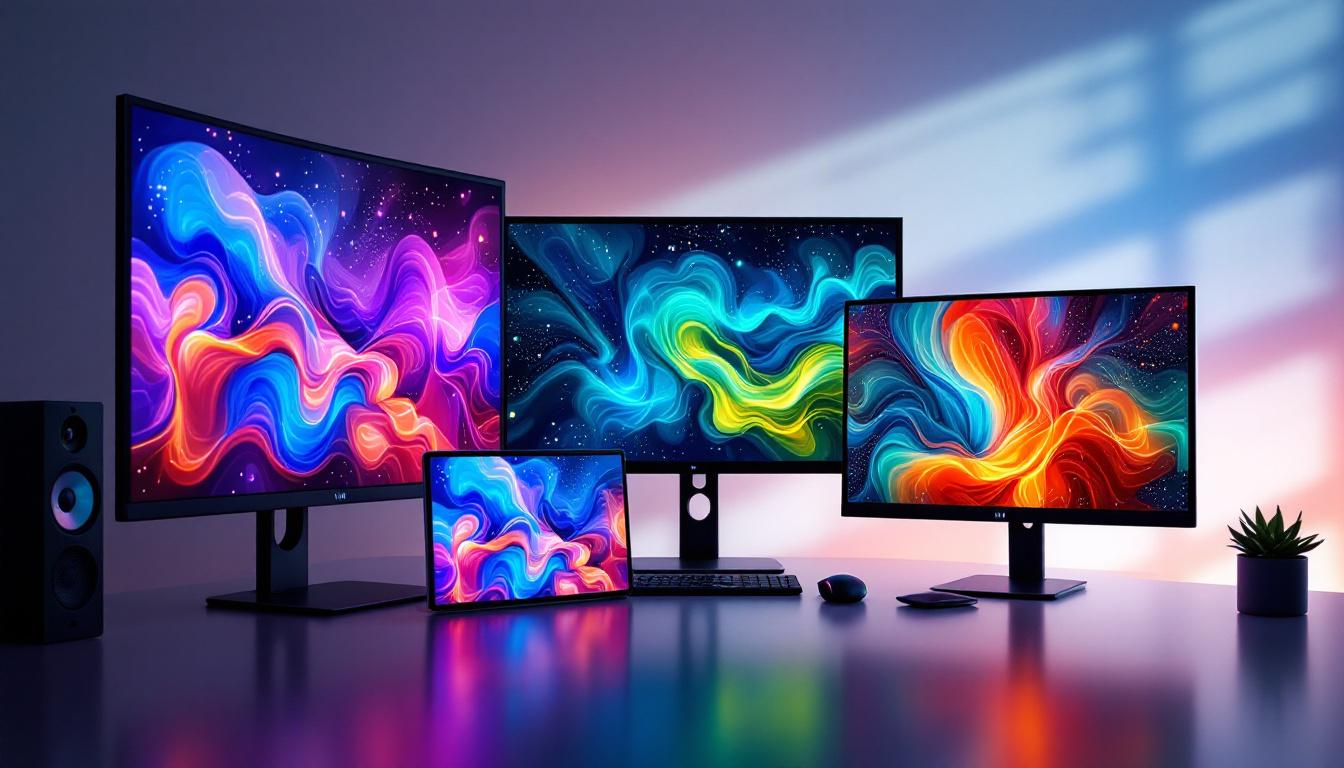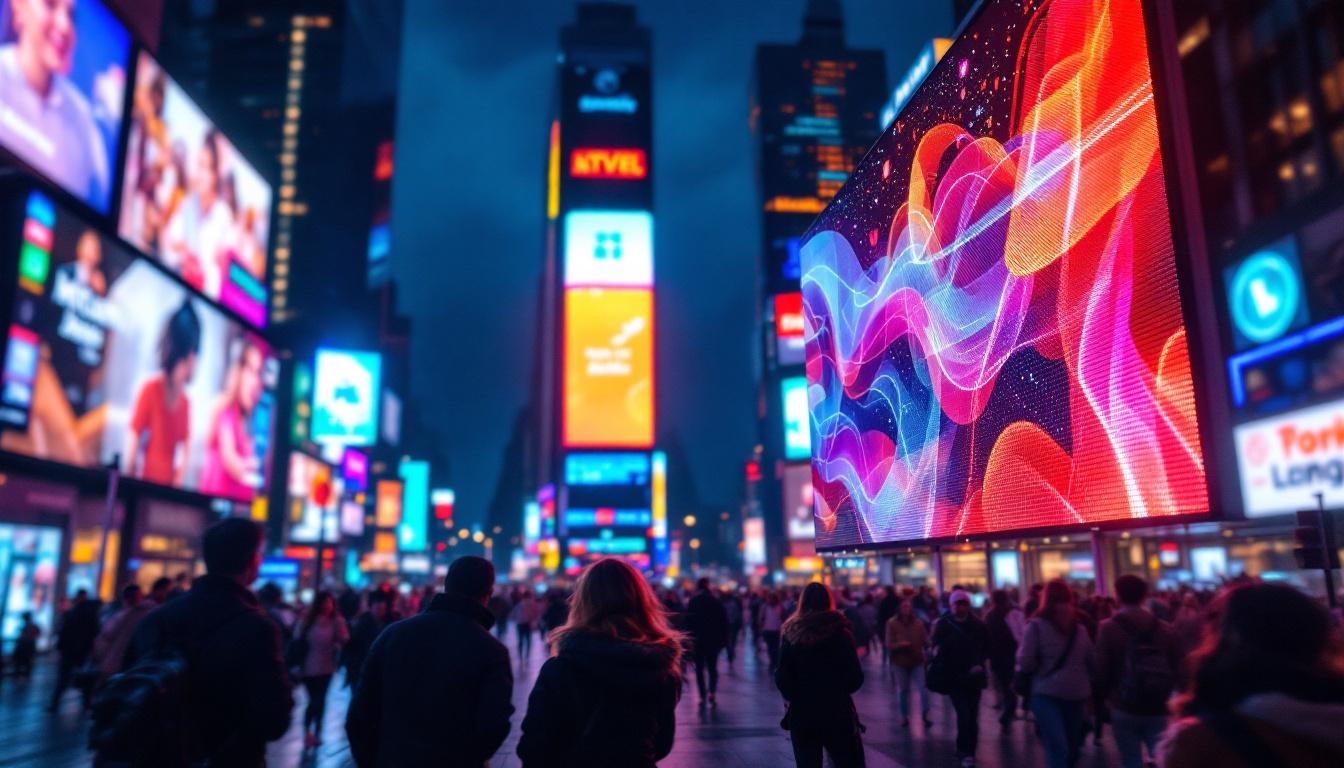
In the rapidly evolving world of digital technology, display screens have become an integral part of daily life, from smartphones and televisions to billboards and wearable devices. Among the various display technologies available, LED displays stand out for their brightness, efficiency, and versatility. This article delves into the intricacies of LED displays, exploring their types, advantages, applications, and future trends. Whether you’re a technology enthusiast, a business owner considering digital signage, or simply curious about how your devices work, understanding LED displays offers valuable insights into modern visual communication.
Understanding LED Display Technology
LED stands for Light Emitting Diode, a semiconductor device that emits light when an electric current passes through it. Unlike traditional display technologies that rely on backlighting or liquid crystals, LED displays use these tiny diodes as individual light sources, allowing for superior brightness and contrast.
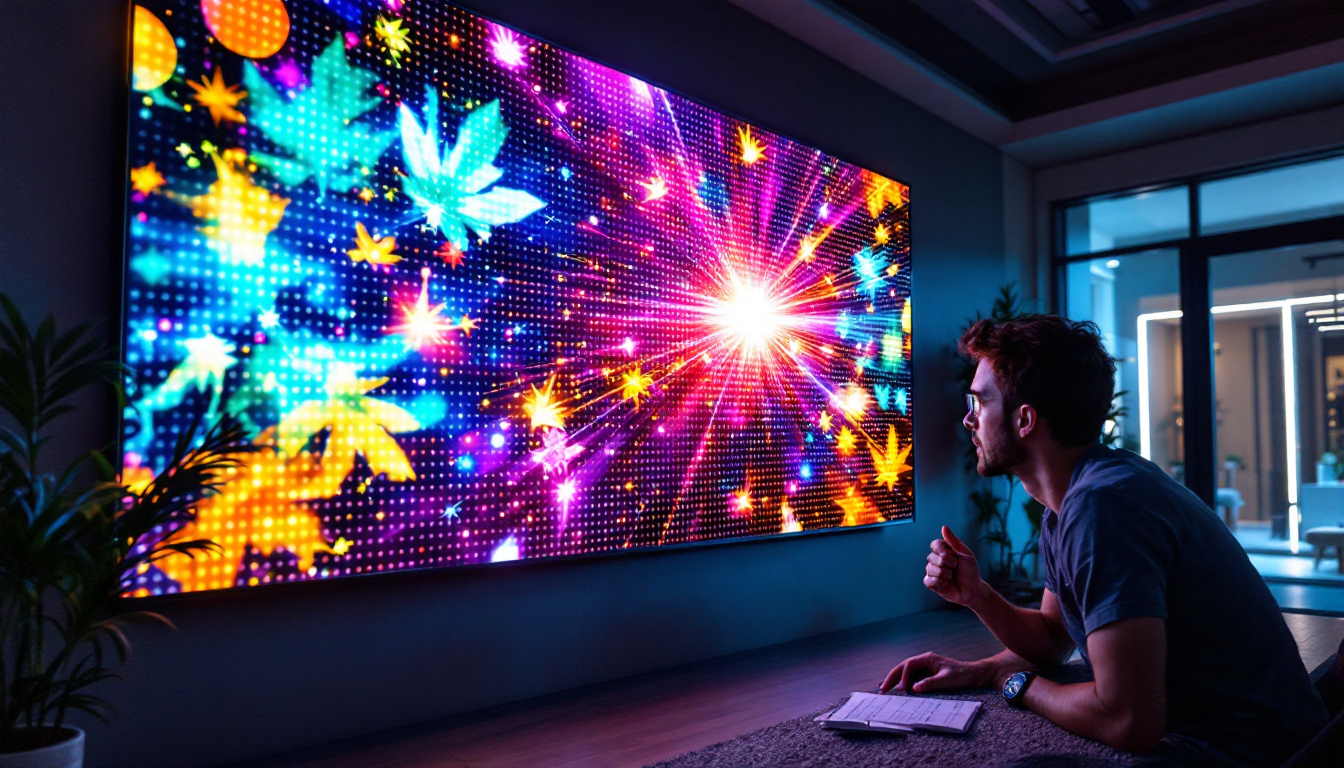
The core principle behind LED displays is the control of these diodes to produce images. Each pixel on an LED screen is composed of one or more LEDs that can emit different colors, typically red, green, and blue (RGB). By adjusting the intensity of each color, the display can render a full spectrum of colors, creating vibrant and sharp images. This capability is particularly beneficial in applications such as digital signage, where eye-catching visuals are essential for capturing audience attention and conveying messages effectively.
How LED Displays Differ from Other Technologies
Compared to LCD (Liquid Crystal Display) screens, which require a backlight to illuminate pixels, LED displays are self-illuminating. This means each LED pixel emits its own light, resulting in better contrast ratios and deeper blacks because pixels can be turned off completely. OLED (Organic LED) is a related technology where organic compounds emit light, but traditional LED displays use inorganic semiconductors. The advancement of LED technology has also led to the development of microLED displays, which promise even finer pixel densities and improved performance, making them suitable for high-end applications such as virtual reality and augmented reality.
Another key difference lies in energy efficiency. LED displays consume less power than LCDs with CCFL (Cold Cathode Fluorescent Lamp) backlighting, making them more environmentally friendly and cost-effective over time. Additionally, LED screens typically offer wider viewing angles and faster response times, which are crucial for dynamic content and interactive applications. This efficiency not only reduces electricity bills but also contributes to a lower carbon footprint, aligning with the growing demand for sustainable technology solutions. Furthermore, the durability of LED displays, which are less prone to damage compared to traditional screens, enhances their appeal in various environments, from outdoor billboards to indoor theaters, where reliability is paramount.
Types of LED Displays
LED displays come in various forms, each tailored to specific uses and environments. Understanding these types helps in selecting the right display for a particular application.
1. Direct View LED Displays
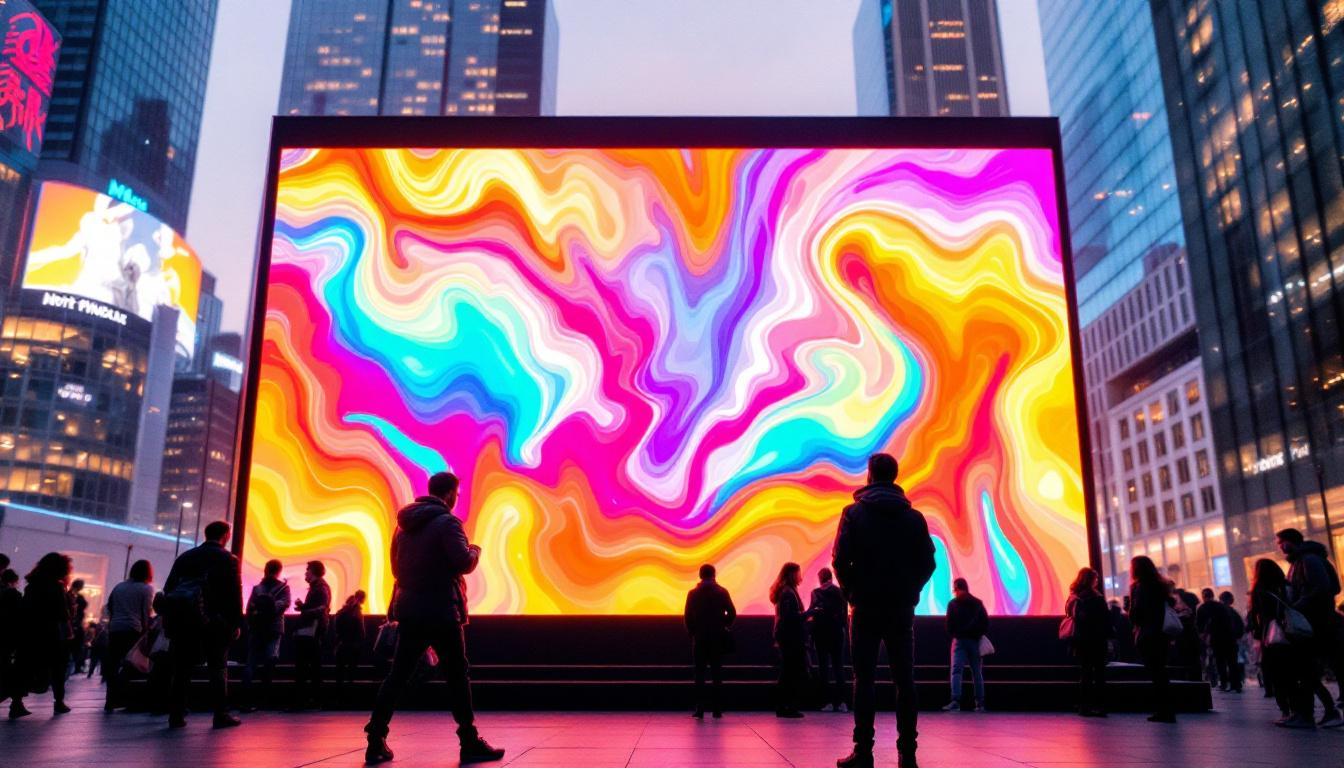
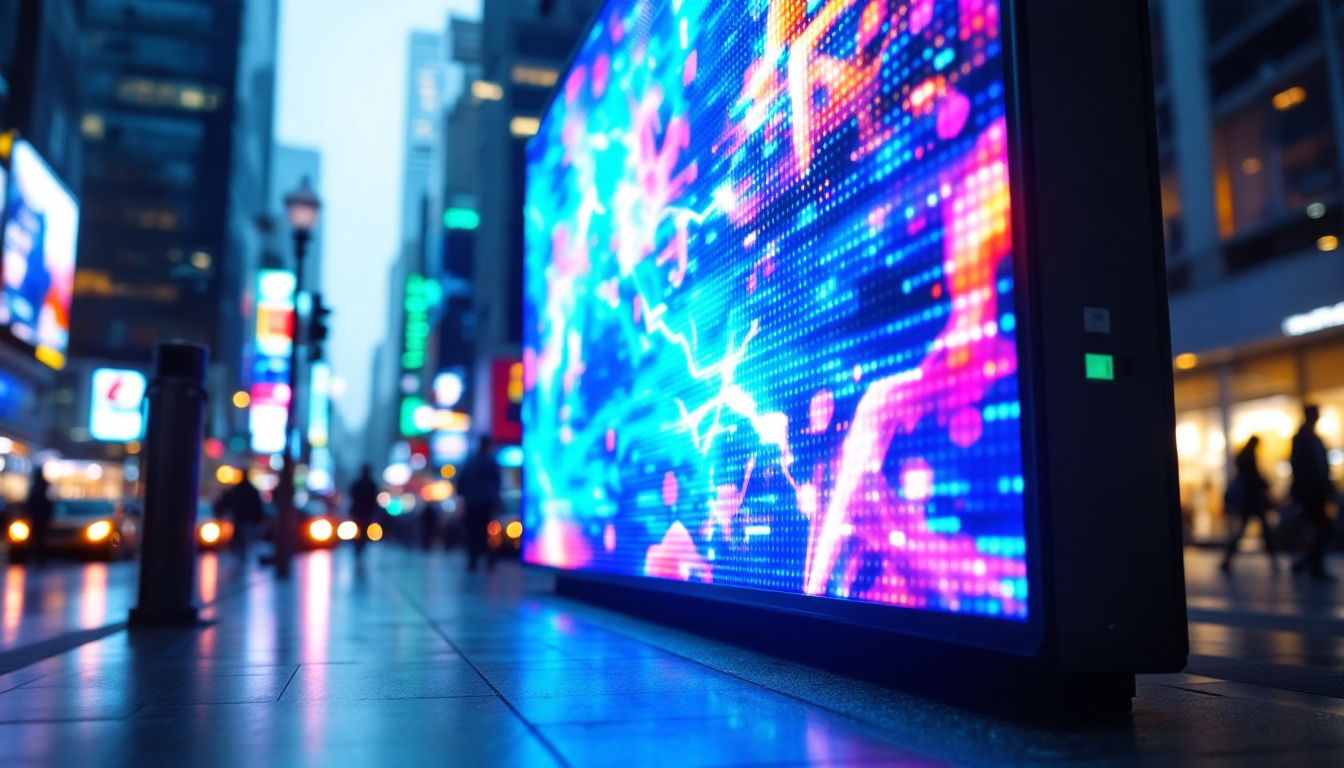
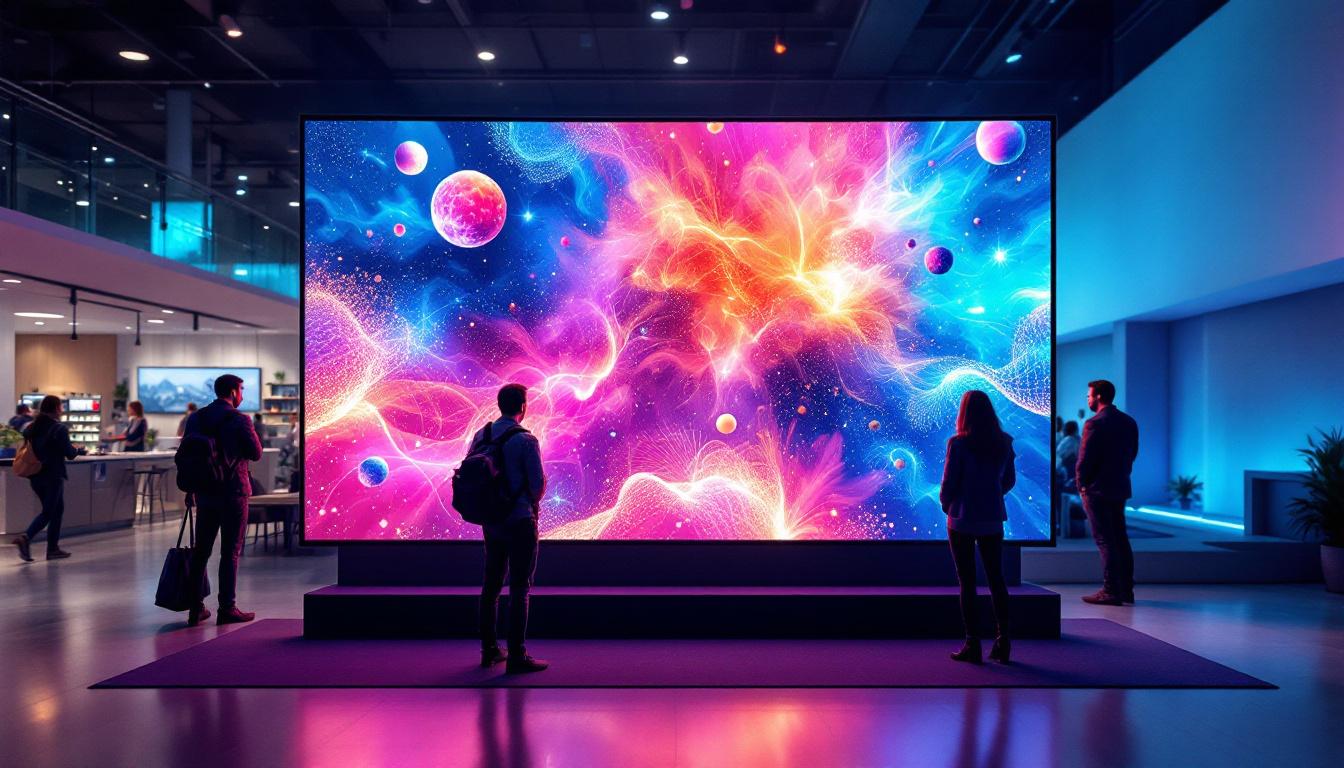
Direct View LED (DV-LED) displays are composed of individual LEDs arranged in a grid, visible directly to the viewer without the need for additional layers like LCD panels. These are commonly used in large-scale applications such as outdoor billboards, stadium screens, and digital signage.
One of the main advantages of DV-LED displays is their scalability. They can be built in virtually any size and shape, making them ideal for massive installations. Their high brightness levels—often exceeding 5,000 nits—allow them to remain visible even in direct sunlight, a crucial feature for outdoor advertising and public information displays.
2. LED-Backlit LCD Displays
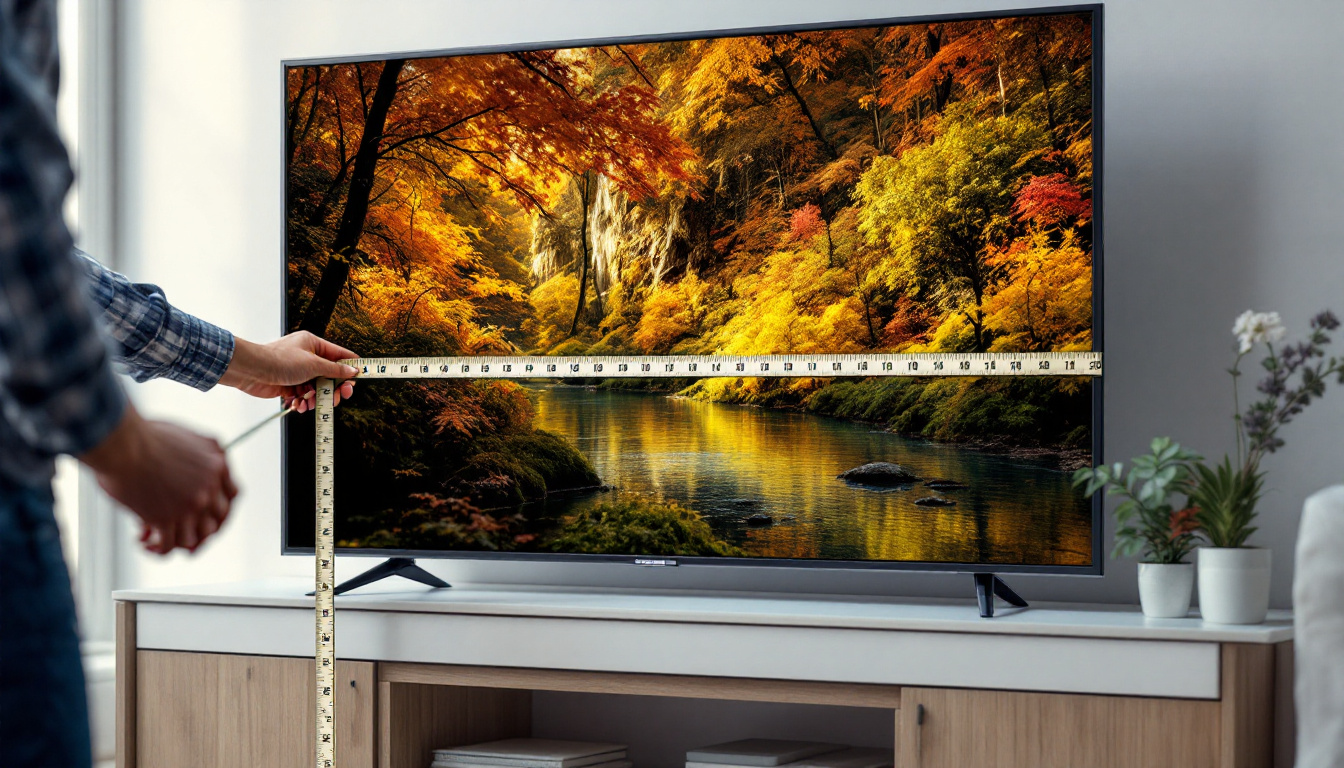
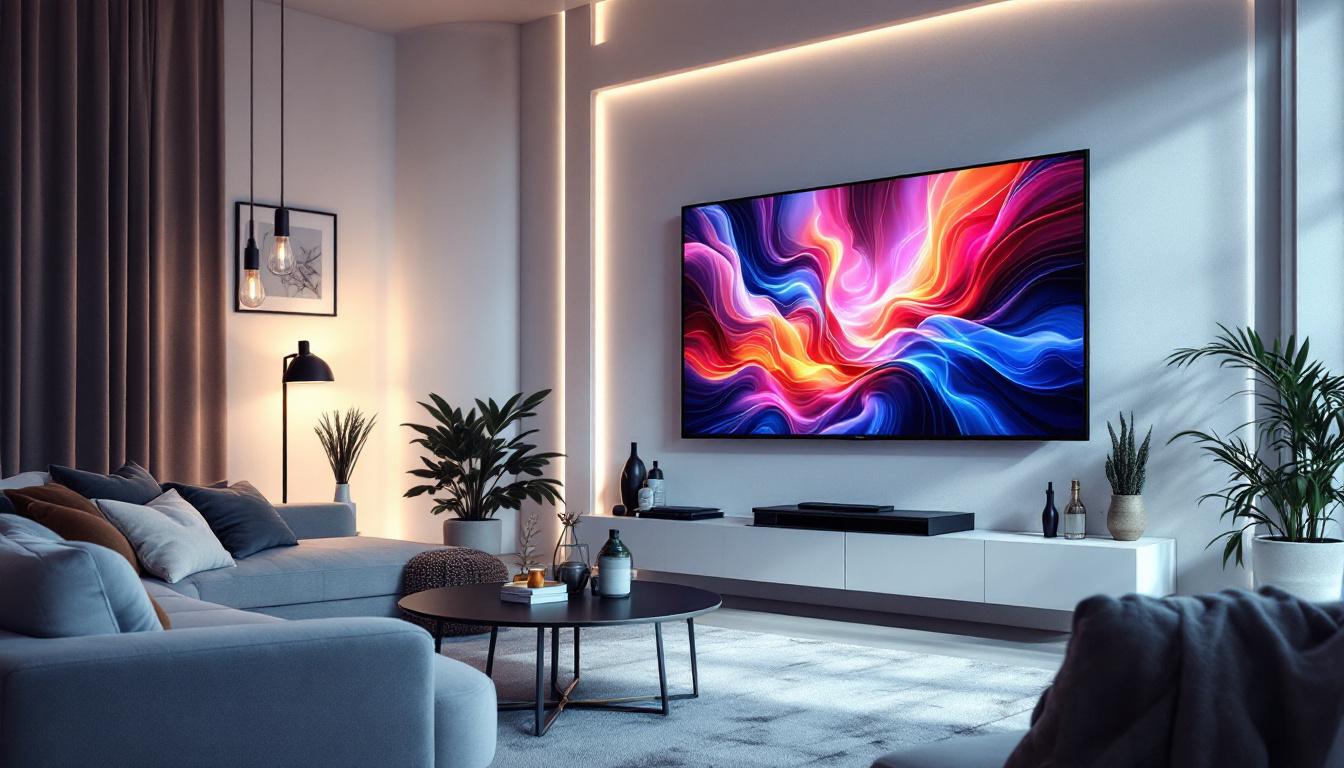
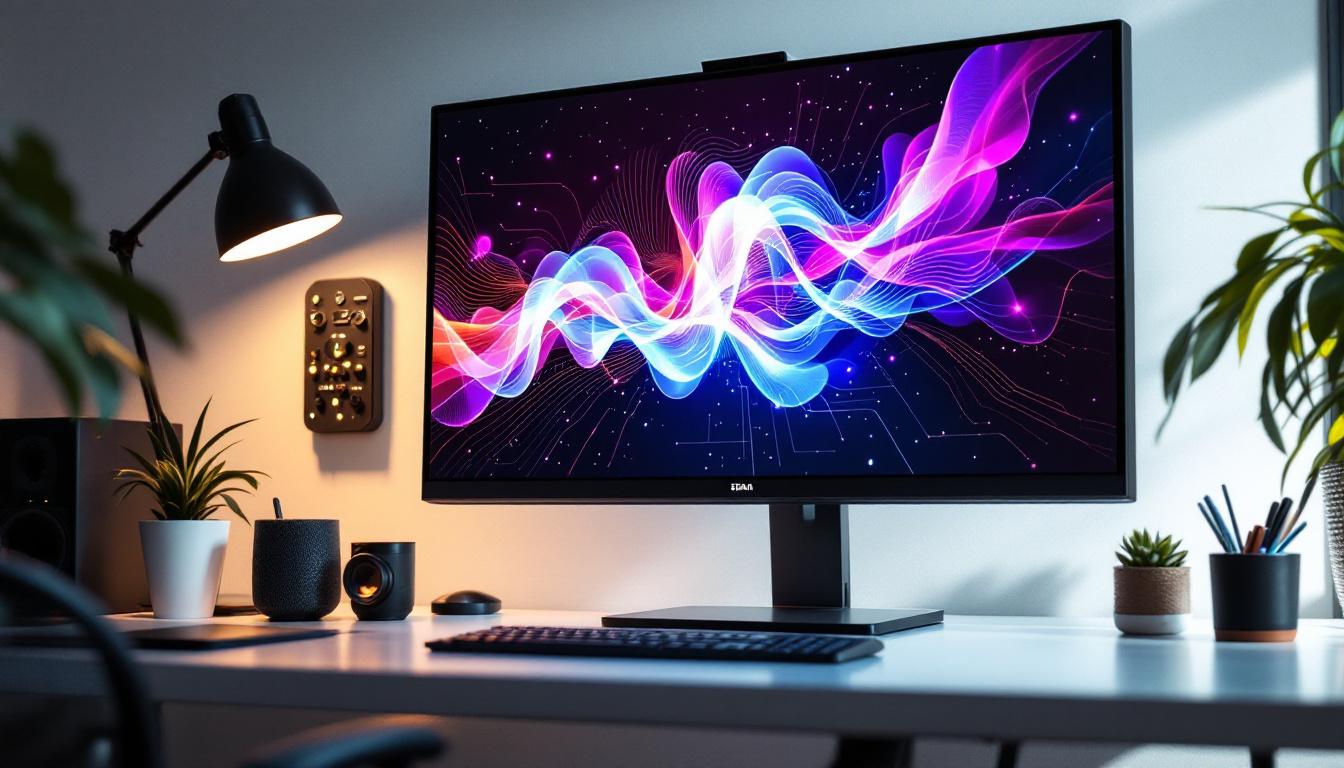
Many consumer electronics, including smartphones, laptops, and televisions, use LED-backlit LCD technology. In this configuration, LEDs serve as the backlight source behind an LCD panel that modulates light to create images. While not a true LED display in the strictest sense, this hybrid technology combines the color accuracy of LCDs with the energy efficiency and brightness of LEDs.
LED-backlit LCDs come in two main variants: edge-lit and full-array. Edge-lit displays position LEDs along the edges of the screen, offering thinner profiles and lower costs, whereas full-array backlighting places LEDs behind the entire panel, enabling local dimming and improved contrast.
3. MicroLED Displays
MicroLED is an emerging display technology that uses microscopic LEDs to form each pixel. This technology promises the best of both worlds: the brightness and durability of traditional LEDs combined with the pixel-level control and color accuracy of OLEDs. MicroLED displays offer exceptional contrast, ultra-high brightness, and energy efficiency.
Although still in the early stages of commercial availability, MicroLED is poised to revolutionize premium displays, particularly in large-format TVs and augmented reality devices. Its modular nature allows for customizable screen sizes without sacrificing image quality.
Advantages of LED Displays
LED displays have gained widespread adoption due to a combination of technical and practical benefits. These advantages make them suitable for a diverse range of applications, from consumer gadgets to industrial and commercial uses.
Brightness and Visibility
One of the most significant advantages of LED displays is their exceptional brightness. With luminance levels often reaching several thousand nits, LED screens remain clearly visible in bright environments, including direct sunlight. This makes them ideal for outdoor advertising, traffic signs, and public information systems where visibility is paramount.
Energy Efficiency and Longevity
LEDs are inherently energy-efficient compared to other light sources. They convert a higher percentage of electrical energy into visible light, reducing power consumption. This efficiency translates into lower operating costs, especially for large installations that run continuously.
Moreover, LEDs have a long operational life, often exceeding 50,000 hours before significant brightness degradation occurs. This durability reduces maintenance costs and downtime, which is critical for commercial and industrial applications.
Color Accuracy and Contrast
LED displays offer superior color reproduction and contrast ratios. Because each pixel emits its own light, black levels are deeper and colors more vibrant. This capability enhances the viewing experience for media consumption, digital art, and advertising, where visual impact is essential.
Flexibility and Scalability
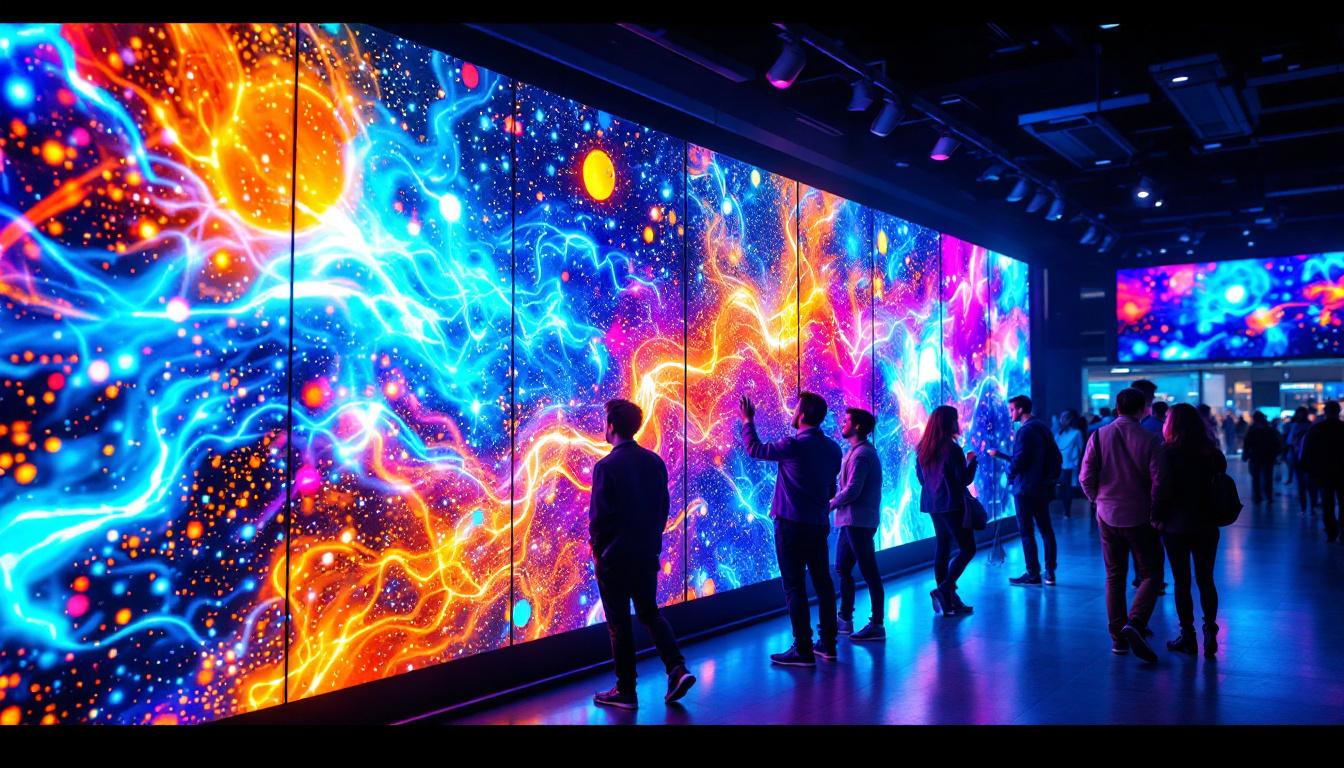
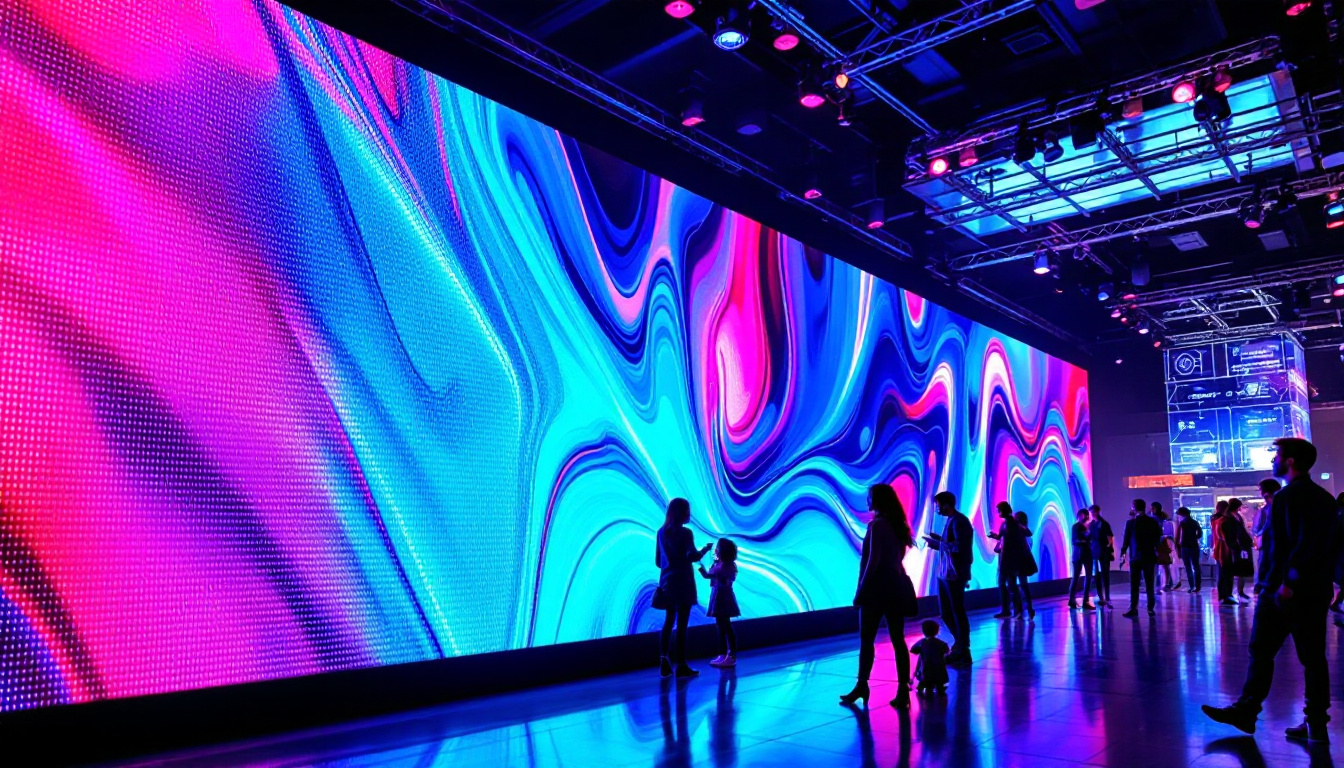
The modular design of LED displays allows for flexible sizing and shapes. Large video walls can be constructed by seamlessly combining multiple LED panels, enabling creative and dynamic installations. This scalability is particularly valuable for event venues, retail environments, and public spaces.
Applications of LED Displays
LED displays have penetrated numerous sectors, driven by their versatility and performance. Their applications continue to expand as technology advances and costs decrease.
Outdoor Advertising and Digital Signage
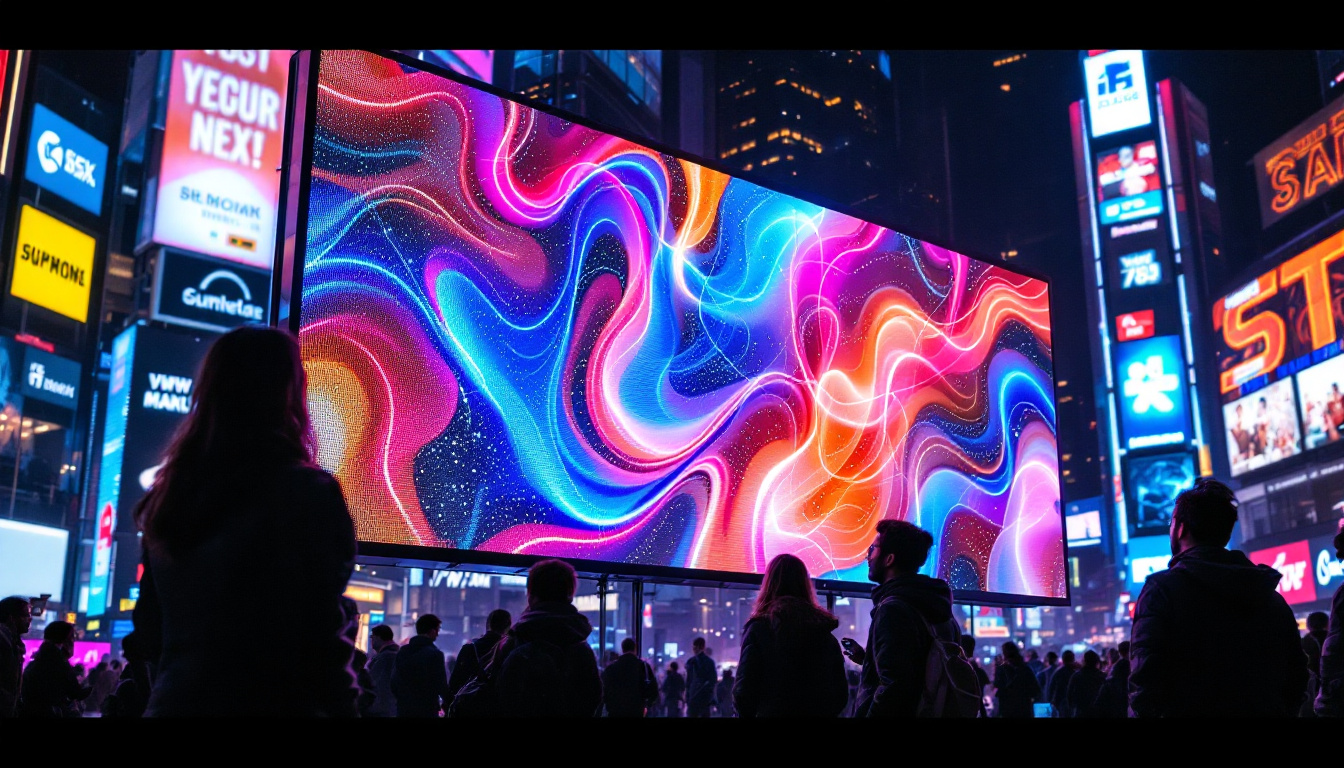
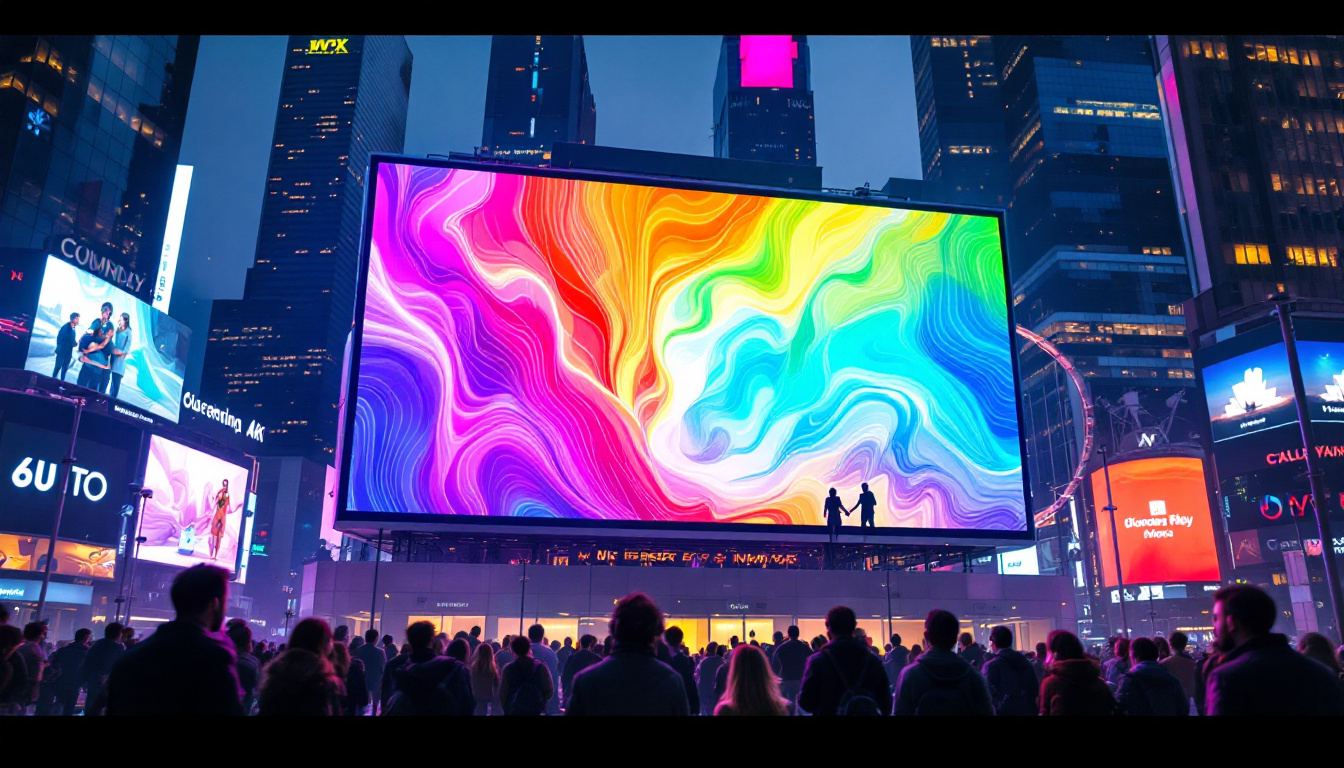
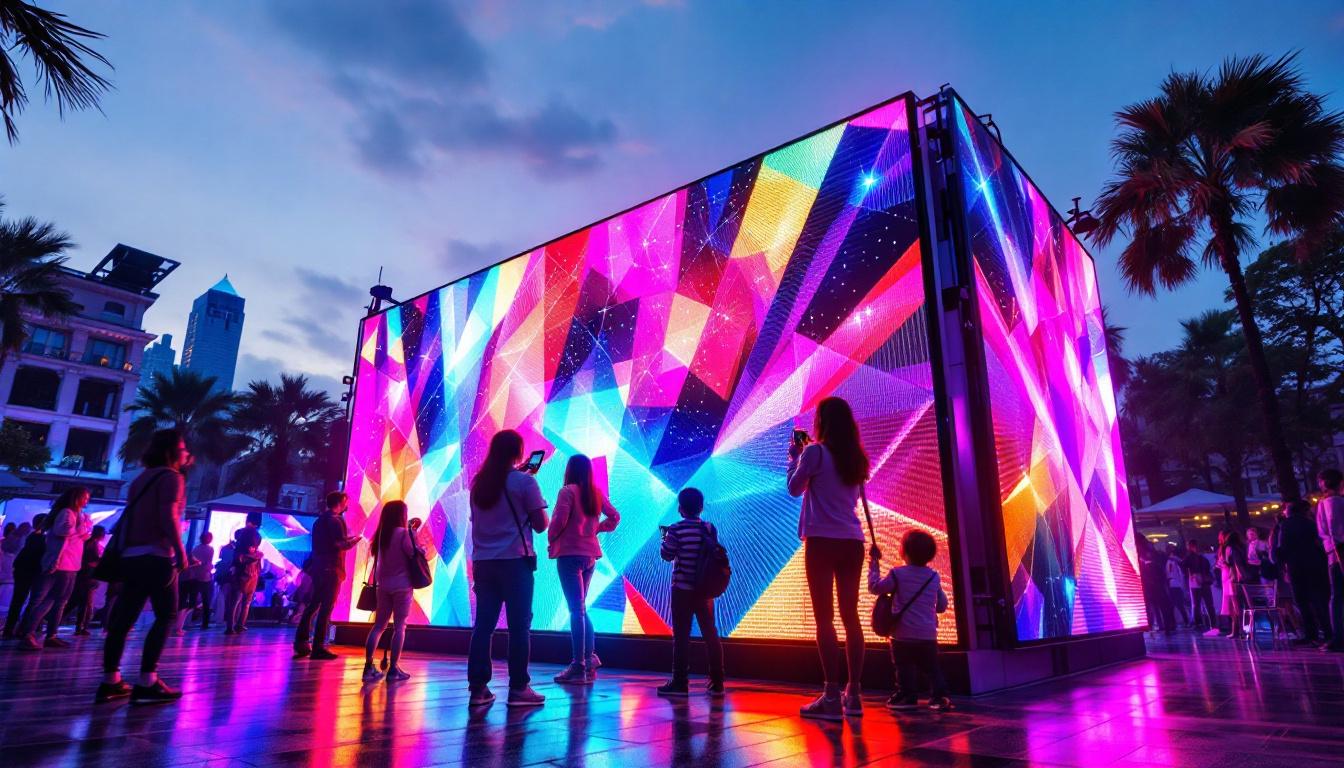
Billboards and digital signage are among the most visible uses of LED displays. The ability to deliver bright, eye-catching content that can be updated remotely makes LED billboards a powerful marketing tool. According to recent industry reports, the global digital signage market is expected to grow at a compound annual growth rate (CAGR) of over 8% through 2027, largely fueled by LED technology advancements.
Sports and Entertainment Venues
Stadiums and arenas utilize large LED screens to enhance spectator experience with live video feeds, replays, and interactive content. These displays must be durable, weather-resistant, and capable of delivering high-resolution images to large audiences. LED technology meets these demands effectively.
Retail and Hospitality
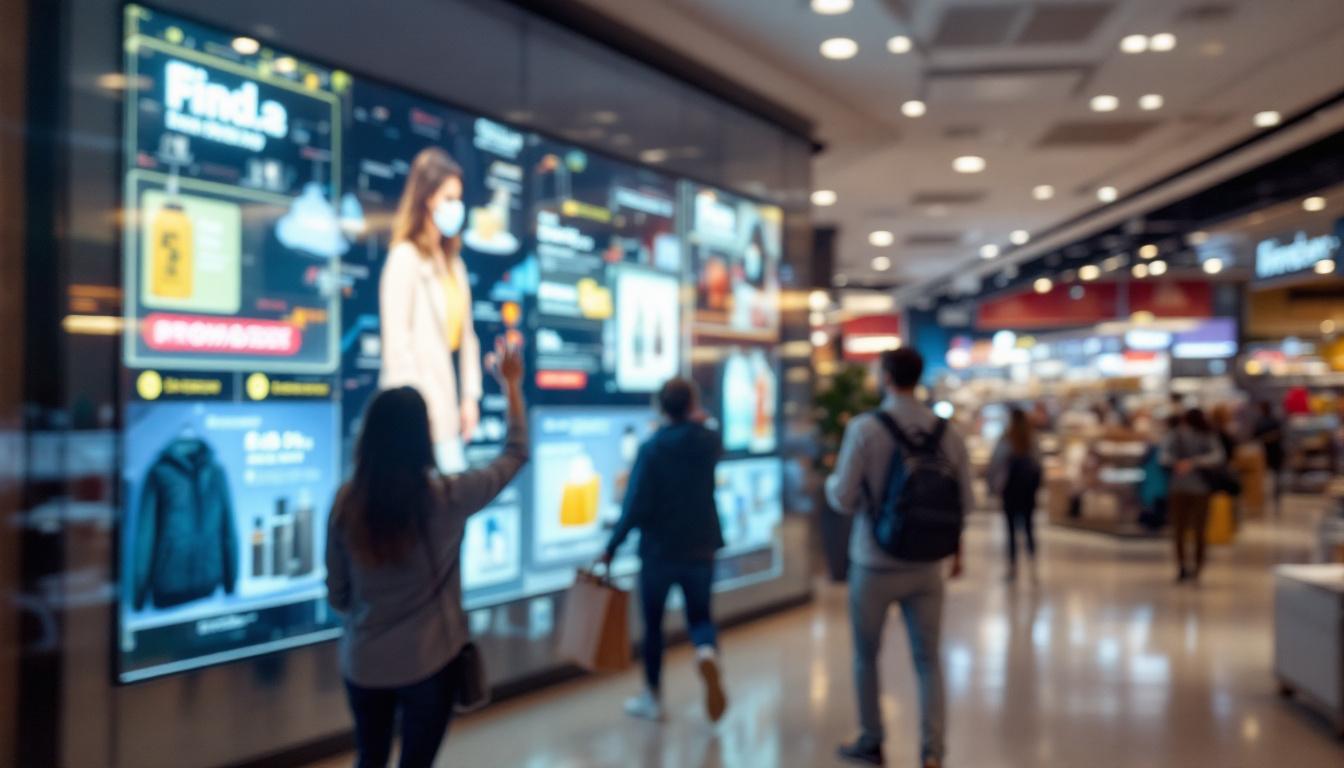
Retailers use LED displays for dynamic product promotions and immersive brand experiences. Hotels and restaurants incorporate LED screens for digital menus, event announcements, and ambiance lighting. The flexibility of LED displays allows for creative integration into interior design.
Transportation and Public Information
LED displays are widely used in transportation hubs such as airports, train stations, and bus terminals for real-time scheduling information and alerts. Their high visibility and reliability make them essential for public safety and convenience.
Future Trends and Innovations in LED Displays
The LED display market is continuously evolving, driven by innovations in materials, manufacturing techniques, and integration with other technologies.
Advancements in MicroLED and MiniLED
MicroLED and MiniLED technologies are set to redefine display quality and efficiency. MiniLED, which uses thousands of tiny LEDs as backlighting for LCD panels, enhances contrast and brightness without the high cost of MicroLED. These technologies are increasingly adopted in premium TVs, monitors, and mobile devices.
Flexible and Transparent LED Displays
Research into flexible LED displays has led to the development of bendable and foldable screens, expanding possibilities for wearable devices and innovative advertising formats. Transparent LED displays, which allow viewers to see through the screen while displaying images, are gaining traction in retail and automotive applications.
Integration with Smart Technologies
LED displays are becoming smarter with the integration of AI and IoT (Internet of Things). Smart LED signage can adapt content based on audience demographics, environmental conditions, or real-time data, enhancing engagement and effectiveness.
Choosing the Right LED Display
Selecting an LED display depends on several factors including application, environment, budget, and desired features. Key considerations include pixel pitch (the distance between LEDs), brightness requirements, resolution, and durability.
Pixel Pitch and Resolution
Pixel pitch determines the viewing distance and image clarity. Smaller pixel pitches (less than 1 mm) are suitable for close-range viewing, such as indoor retail displays or control rooms. Larger pixel pitches (above 10 mm) are better for outdoor billboards where viewers are farther away.
Environmental Considerations
Outdoor LED displays must be weatherproof and resistant to dust, moisture, and temperature fluctuations. IP ratings (Ingress Protection) indicate the level of protection, with IP65 or higher recommended for outdoor use.
Budget and Total Cost of Ownership
While LED displays can have higher upfront costs compared to other technologies, their energy efficiency and longevity often result in lower total cost of ownership. It is important to evaluate both initial investment and ongoing operational expenses.
Conclusion
LED displays represent a cornerstone of modern digital visualization, offering unmatched brightness, efficiency, and versatility. From massive outdoor billboards to sleek indoor monitors, LED technology continues to shape how information and entertainment are delivered worldwide. As innovations like MicroLED and flexible displays mature, the potential applications will only expand, making LED displays an exciting area to watch in the coming years.
Understanding the different types of LED displays and their advantages enables businesses and consumers to make informed decisions tailored to their specific needs. Whether for advertising, entertainment, or information dissemination, LED displays provide a dynamic and impactful medium that is here to stay.
Explore Cutting-Edge LED Display Solutions with LumenMatrix
Ready to elevate your visual experience with the latest in LED technology? LumenMatrix is at the forefront of innovation, offering a wide array of LED display solutions that bring your content to life. From vibrant Indoor and Outdoor LED Wall Displays to dynamic Vehicle and Sports LED Displays, our products are designed to maximize brand visibility and audience engagement. Discover the possibilities with our LED Poster Displays, Floor LED Displays, Custom configurations, and our seamless All-in-One and Transparent LED Displays. Embrace the future of visual communication with LumenMatrix and transform how you share your message. Check out LumenMatrix LED Display Solutions today and see the difference for yourself.