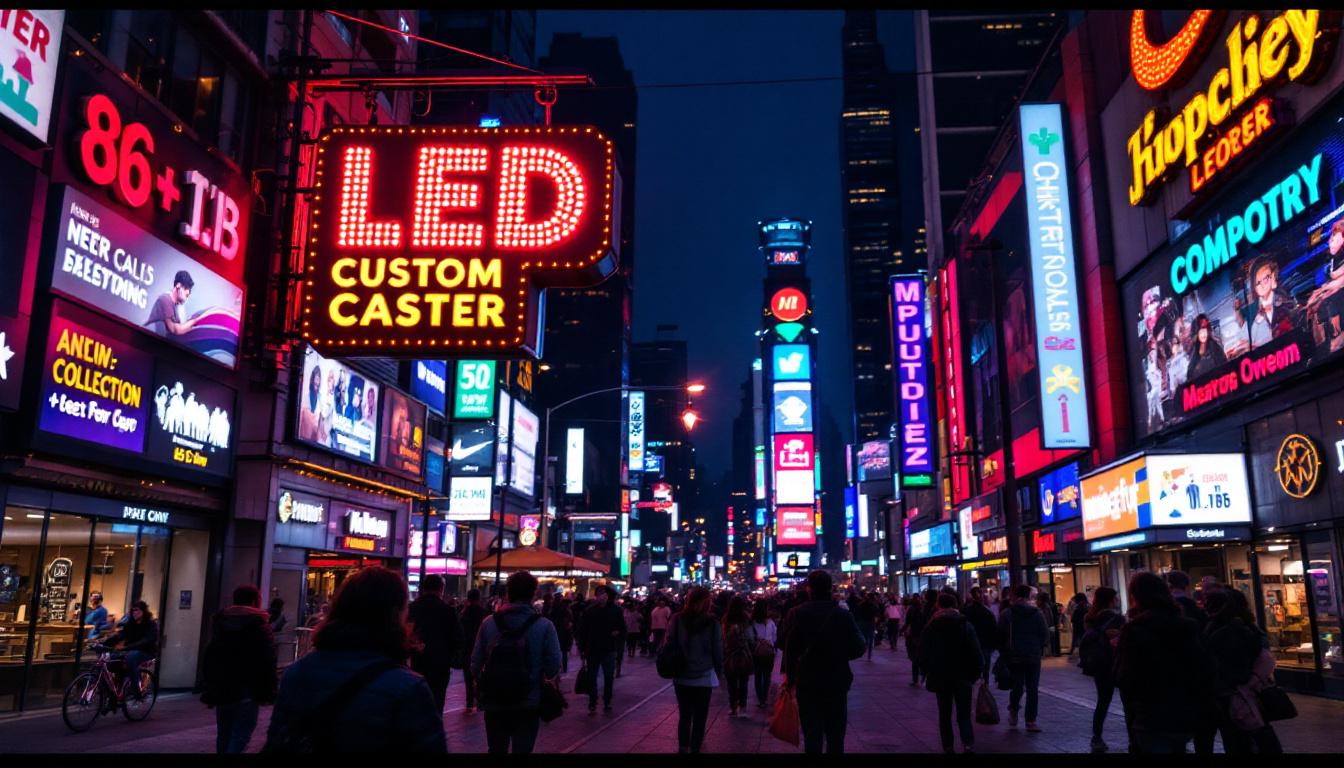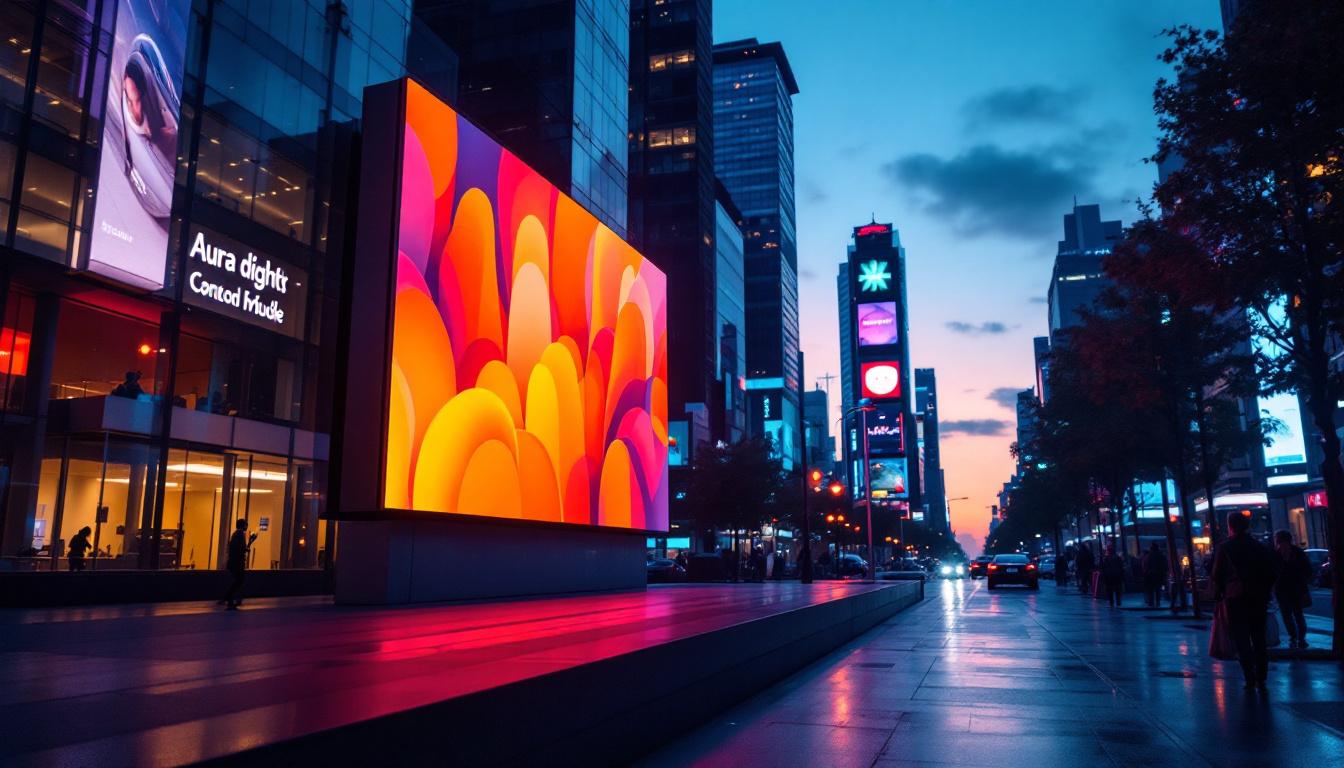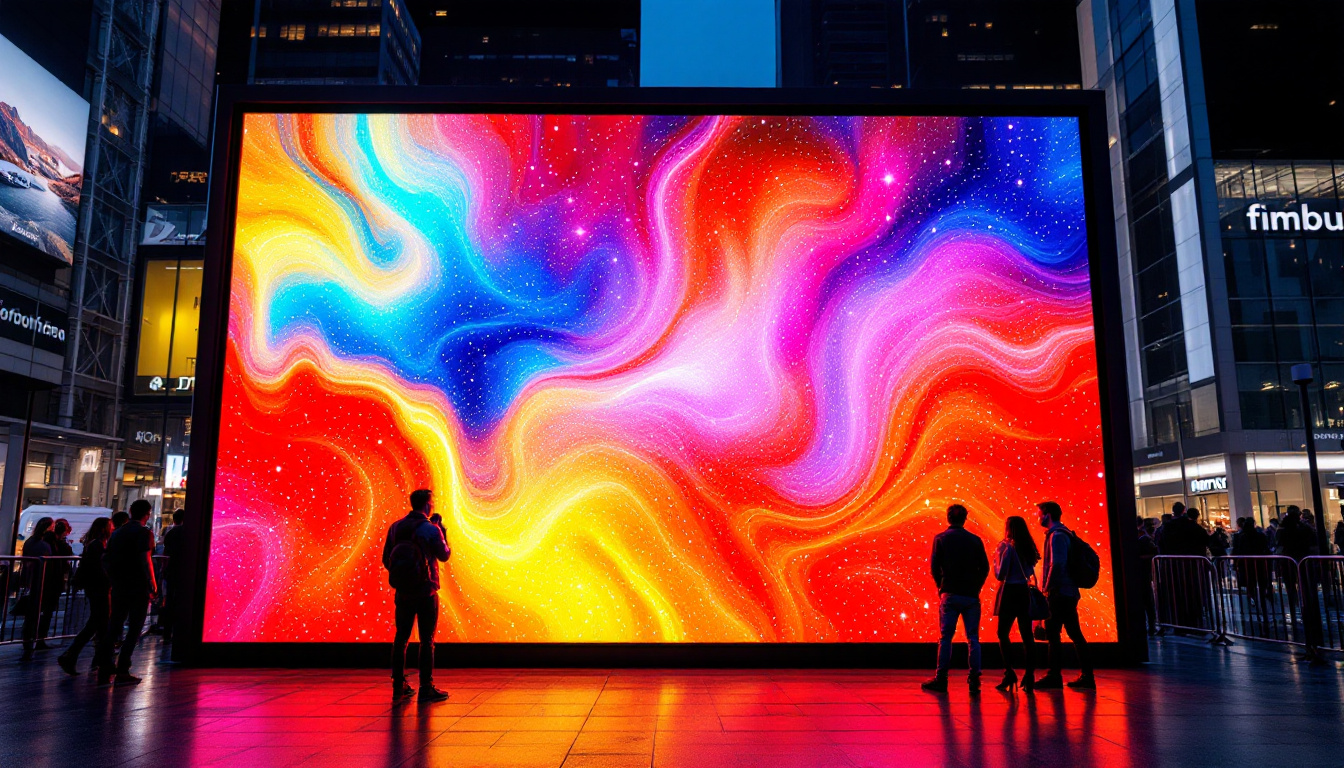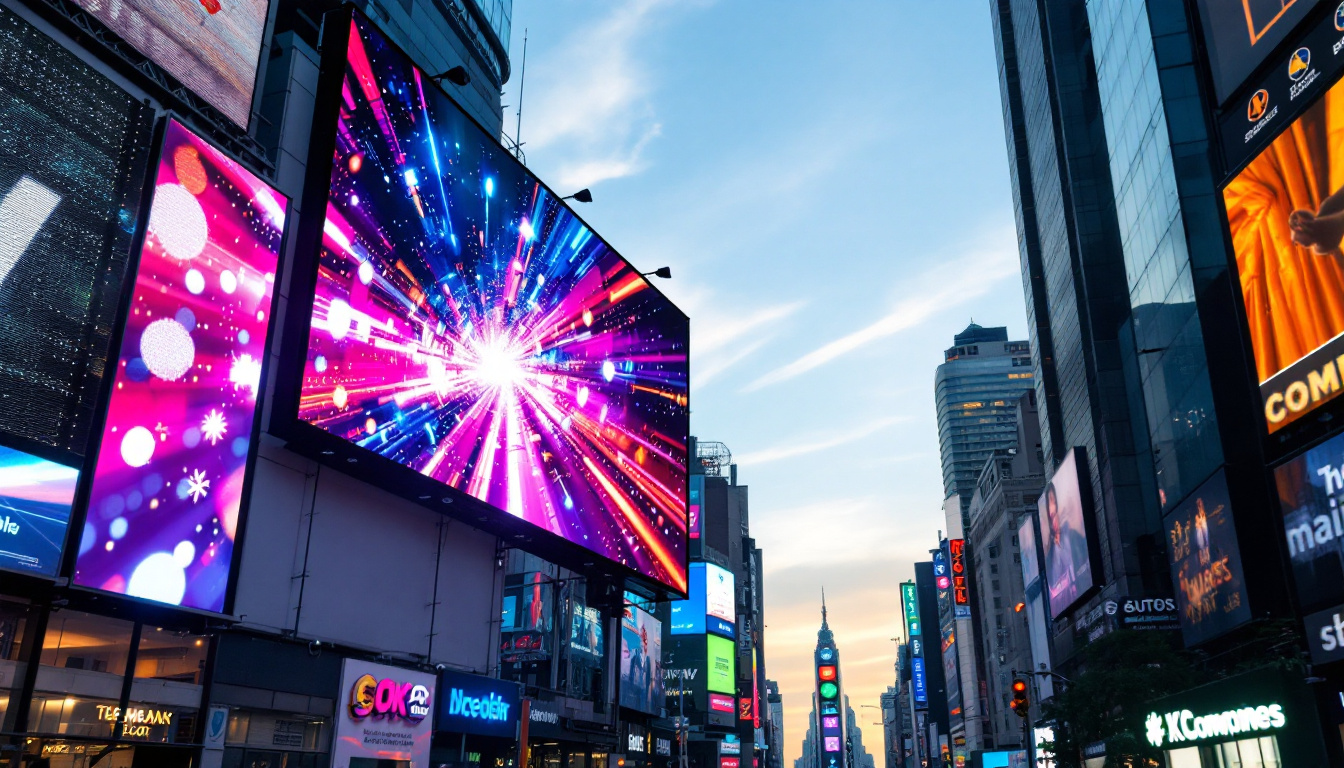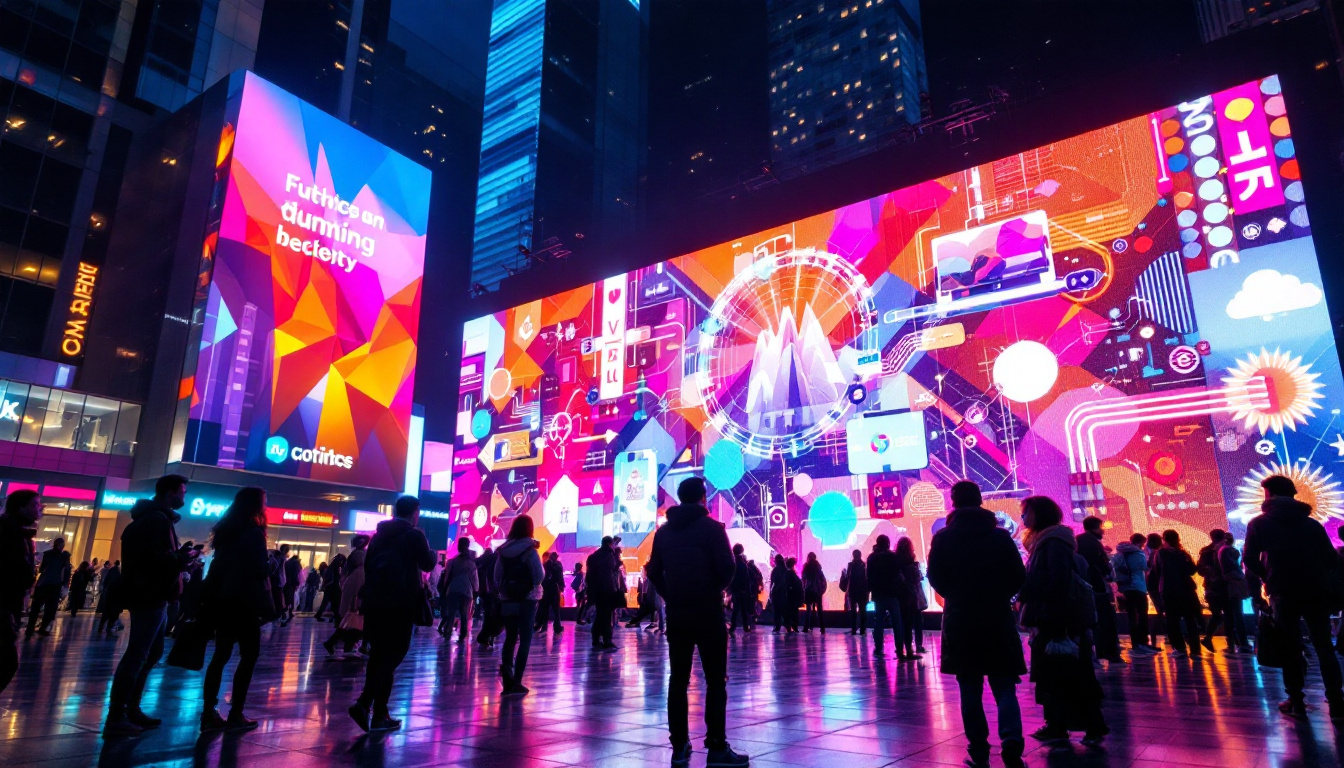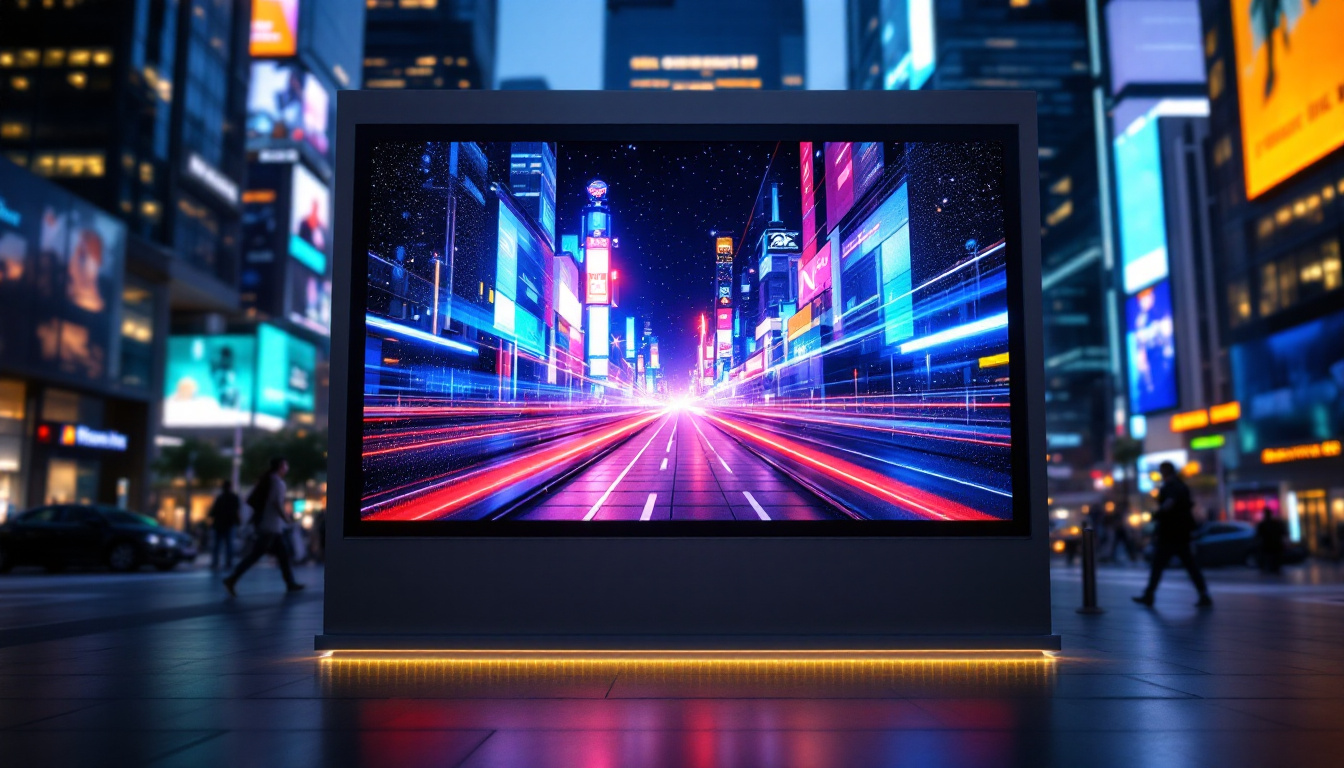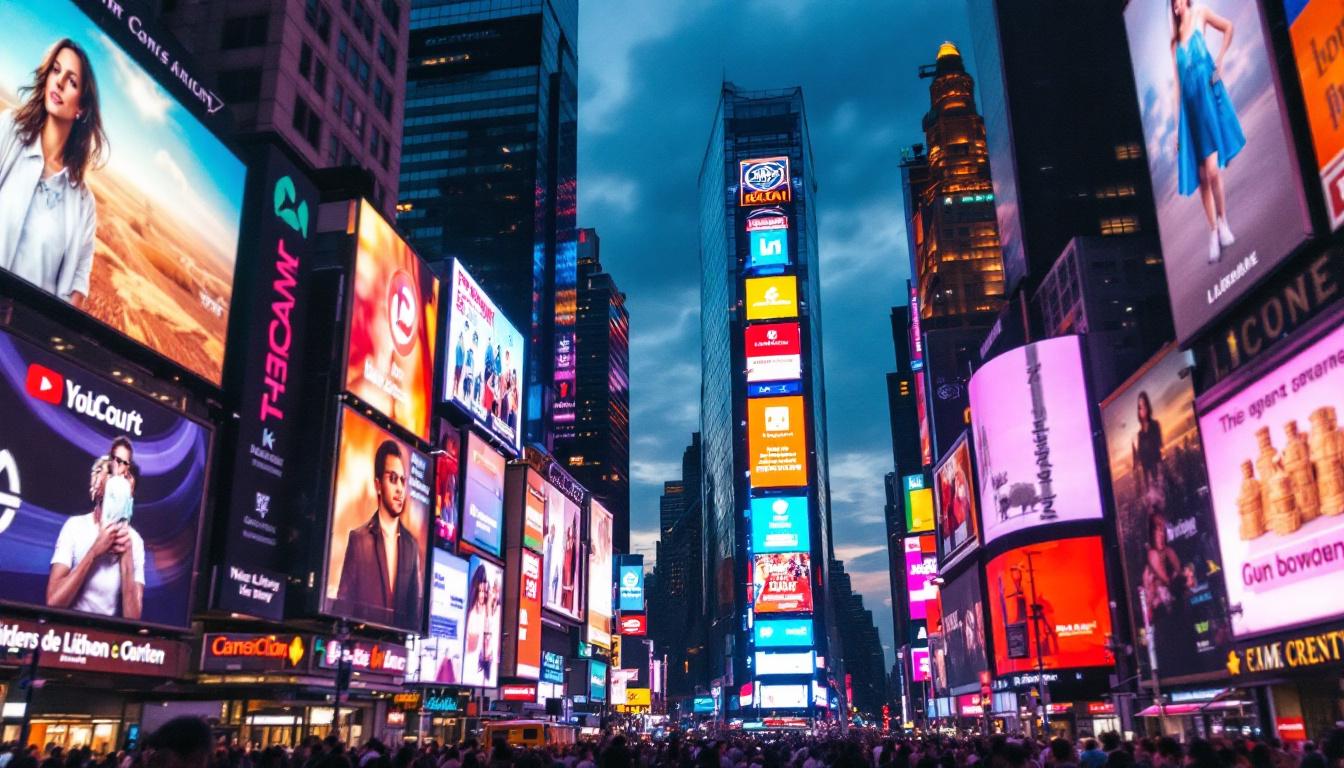
Times Square in New York City is often described as “The Crossroads of the World,” a bustling hub where millions of people converge daily. One of the defining features of this iconic location is its dazzling array of advertising billboards, many of which utilize cutting-edge LED display technology. These vibrant, dynamic screens have transformed the advertising landscape, creating an immersive visual experience that captures the attention of visitors and locals alike.
This article delves into the world of Times Square advertising billboards, focusing on the LED display technology that powers them. From the technical aspects to the marketing impact, this comprehensive guide explains why LED displays have become the gold standard for outdoor advertising in one of the world’s busiest urban centers.
The Evolution of Times Square Billboards
From Static Signs to Digital Marvels
Times Square’s advertising history dates back over a century, beginning with static painted signs and neon lights in the early 1900s. These early billboards were revolutionary for their time, but they lacked flexibility and interactivity. The introduction of digital billboards in the late 20th century marked a significant turning point, enabling advertisers to display multiple messages, animations, and videos on a single screen.
LED (Light Emitting Diode) technology emerged as the preferred medium due to its brightness, energy efficiency, and durability. By the early 2000s, LED billboards began to replace traditional neon and fluorescent signs, offering unparalleled visual impact in the bright daylight and the vibrant nighttime environment of Times Square.
Key Milestones in LED Billboard Adoption
One landmark moment was the unveiling of the Nasdaq MarketSite LED display in 1999, a 120-foot tall, 8-foot wide screen that brought real-time stock market data to the public eye. This installation demonstrated the potential of LED technology for dynamic, real-time content.
Since then, the scale and sophistication of LED billboards in Times Square have expanded dramatically. The 2017 installation of the “One Times Square” LED display, which covers the entire building facade with over 28,000 square feet of LED panels, exemplifies the trend toward immersive, large-format digital advertising.
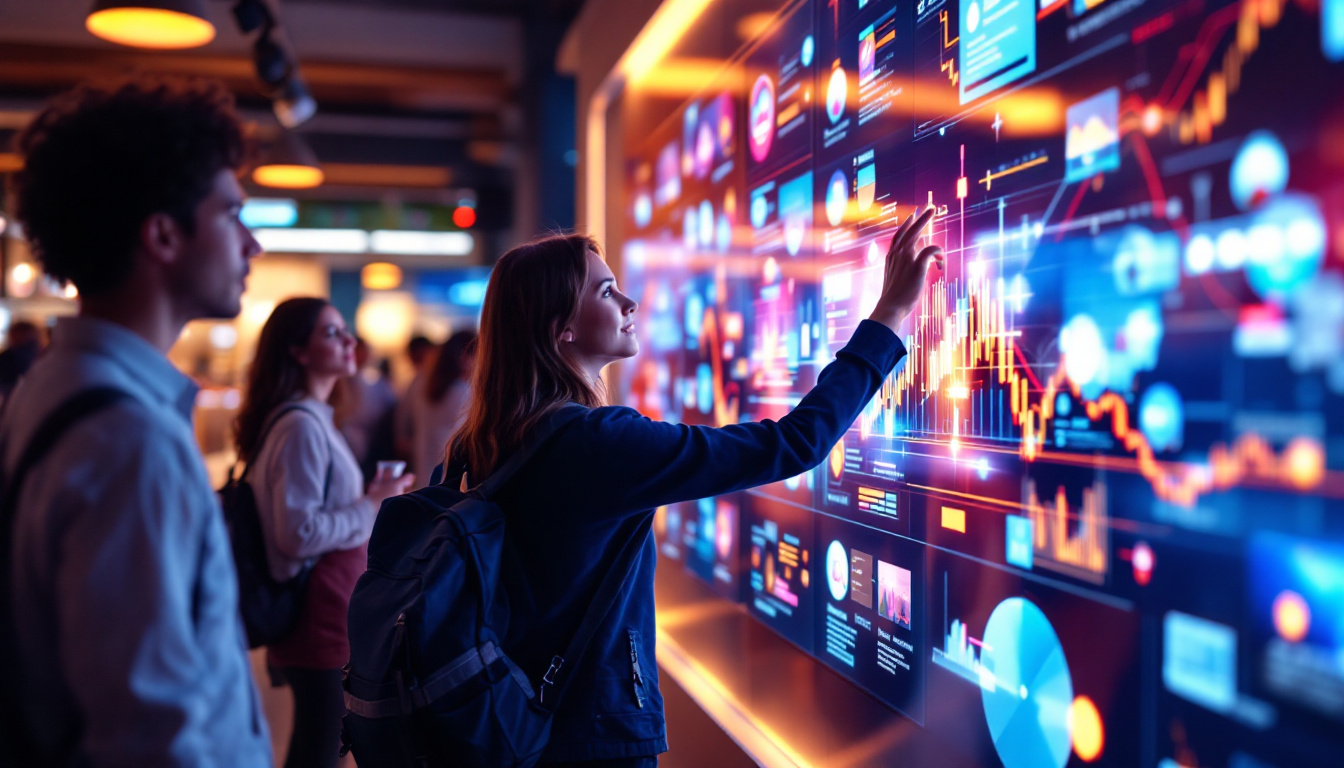
In addition to their size and brightness, modern LED billboards have also embraced interactivity, allowing passersby to engage with advertisements in real time. Some displays incorporate social media feeds, enabling users to see their posts or tweets featured live on the screen, creating a sense of community and participation. This interactive element not only enhances viewer engagement but also allows brands to tap into the viral potential of social media, making their campaigns more dynamic and relevant.
Moreover, the use of advanced analytics and artificial intelligence has transformed how advertisers approach their campaigns in Times Square. By analyzing foot traffic data and audience demographics, companies can tailor their messages to specific times of day or events, ensuring that their content resonates with the diverse crowd that frequents this iconic location. This data-driven approach has led to more effective advertising strategies, making Times Square not just a hub for visual spectacle, but also a cutting-edge platform for targeted marketing.
Understanding LED Display Technology
How LED Displays Work
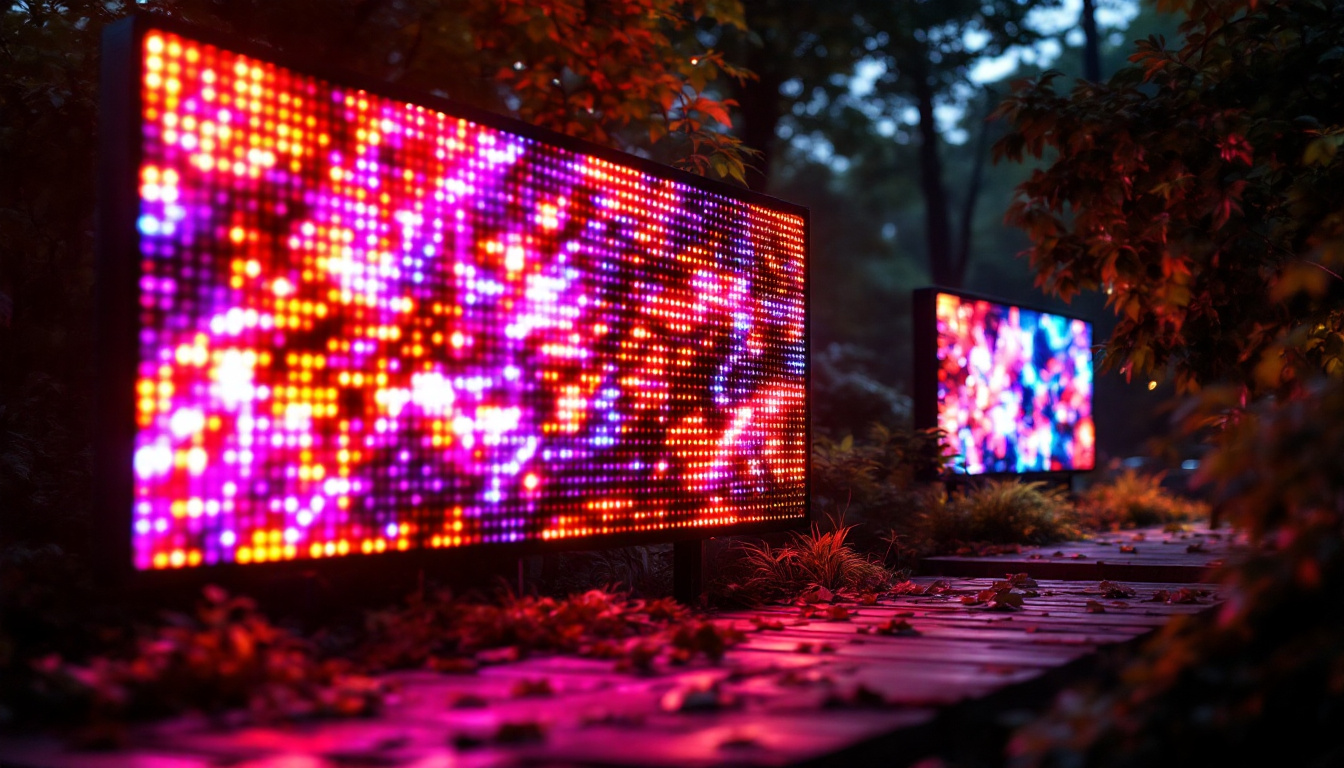
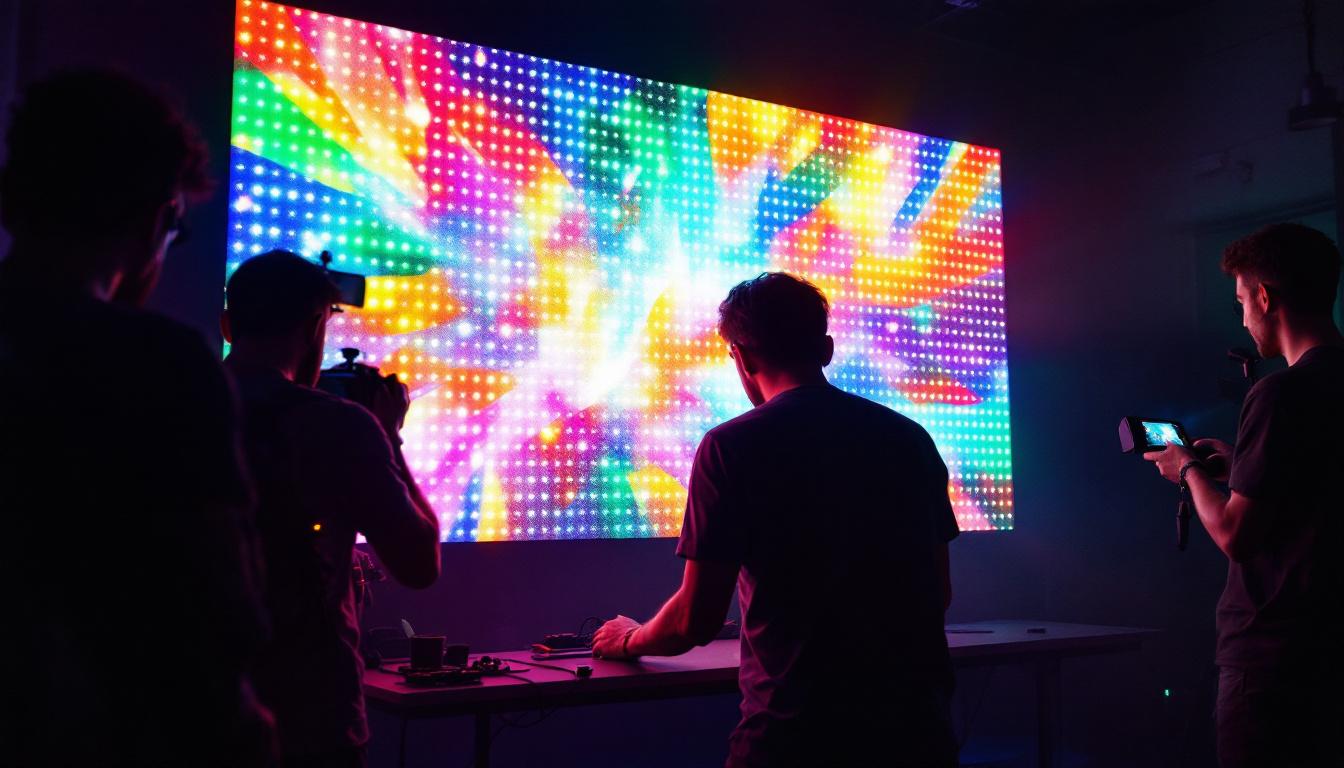
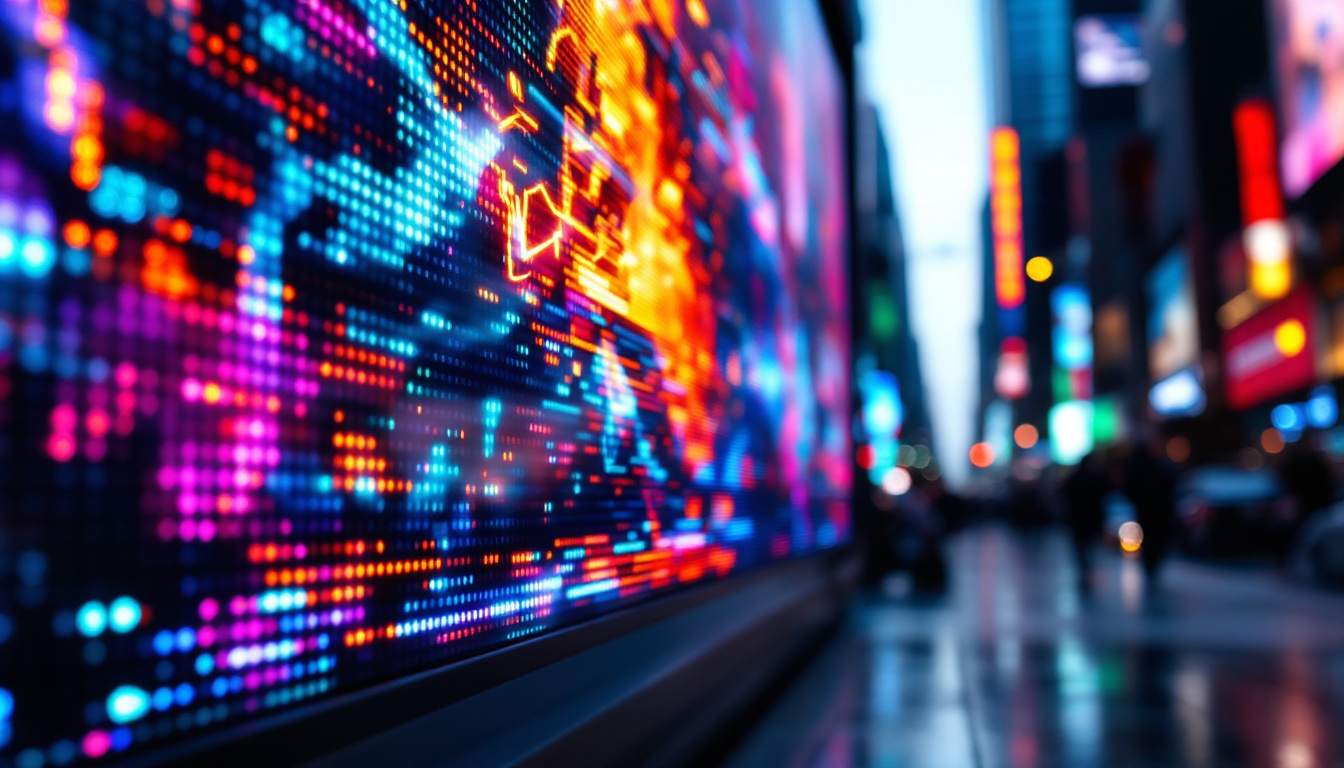
At its core, an LED display is composed of thousands to millions of tiny light-emitting diodes arranged in a grid. Each diode acts as a pixel, capable of emitting red, green, and blue light at varying intensities. By combining these colors, the display can produce a full spectrum of colors and render high-resolution images and videos.
LED displays used in Times Square are typically made up of modular panels that can be assembled to create screens of virtually any size and shape. This modularity allows for creative freedom in billboard design, enabling curved surfaces, irregular shapes, and even 3D effects.
Advantages Over Other Display Technologies
Compared to LCD or projection-based displays, LEDs offer several advantages that make them ideal for outdoor advertising:
- Brightness: LED displays can reach brightness levels exceeding 5,000 nits, ensuring visibility even in direct sunlight.
- Durability: LEDs are solid-state devices that withstand harsh weather conditions, including rain, snow, and temperature fluctuations.
- Energy Efficiency: LED technology consumes less power than traditional lighting methods, reducing operational costs.
- Longevity: LEDs have a lifespan of 50,000 to 100,000 hours, minimizing maintenance and replacement needs.
Pixel Pitch and Resolution
One critical factor in LED display quality is pixel pitch—the distance between the centers of two adjacent pixels. Smaller pixel pitches result in higher resolution and sharper images, especially important for displays viewed up close. Times Square billboards typically feature pixel pitches ranging from 4mm to 20mm, balancing resolution with viewing distance to optimize visual impact.
Design and Content Strategies for Times Square LED Billboards
Maximizing Visual Impact in a Crowded Environment
Times Square is saturated with visual stimuli, so advertisers must create content that stands out. LED billboards enable dynamic, eye-catching designs that leverage motion, color contrast, and brightness to capture attention. High-contrast imagery and bold typography are common techniques to enhance readability from a distance.
Additionally, many advertisers use animation and video to tell stories or showcase products in ways static billboards cannot. The ability to update content remotely and instantly allows brands to tailor messages to specific times of day, events, or audience demographics.
Interactive and Experiential Advertising
Some LED billboards in Times Square incorporate interactive elements, such as motion sensors or social media integration, inviting passersby to engage directly with the advertisement. For example, campaigns have featured live social media feeds displayed on giant screens or interactive games that respond to user movements.
These experiential approaches deepen consumer engagement, making the advertising memorable and shareable beyond the physical location.
Case Study: The Coca-Cola Billboard
The Coca-Cola billboard at Times Square is a prime example of LED display innovation. This massive curved LED screen wraps around the building’s corner, delivering vibrant, high-resolution content that changes throughout the day. The billboard integrates motion graphics, 3D effects, and seasonal themes, creating a dynamic brand presence that resonates with both locals and tourists.
Technical and Regulatory Considerations
Installation and Maintenance Challenges
Installing and maintaining LED billboards in Times Square involves overcoming significant logistical hurdles. The dense urban environment, high foot traffic, and strict safety regulations require careful planning. Panels must be lightweight yet robust, and installation often occurs during off-peak hours to minimize disruption.
Maintenance teams regularly inspect and repair LED modules to ensure consistent brightness and color accuracy. Given the scale of some displays, this can involve specialized equipment such as cranes and scaffolding.
Energy Consumption and Sustainability
While LED technology is more energy-efficient than previous lighting methods, the sheer number of large-scale displays in Times Square results in substantial energy use. To address this, many billboard operators incorporate energy-saving features such as automatic brightness adjustment based on ambient light and the use of renewable energy sources where possible.
Newer LED technologies also focus on reducing power consumption without sacrificing brightness or color quality, aligning with broader sustainability goals in urban development.
Regulatory Environment and Compliance
Times Square’s LED billboards are subject to strict regulations enforced by the New York City Department of Buildings and the Times Square Alliance. These rules govern brightness levels, content restrictions, and safety standards to balance commercial interests with public welfare.
For instance, brightness must be calibrated to avoid glare that could distract drivers or pedestrians. Content is monitored to prevent offensive or inappropriate material. Compliance ensures that Times Square remains a safe and enjoyable environment for all visitors.
The Future of LED Advertising in Times Square
Emerging Technologies and Trends
Advancements in LED technology continue to push the boundaries of what is possible in outdoor advertising. MicroLED and miniLED displays promise even higher resolution and energy efficiency. Transparent LED panels offer new opportunities for integrating advertising with architectural elements without obstructing views.
Augmented reality (AR) and artificial intelligence (AI) are also beginning to influence billboard content, enabling hyper-personalized and context-aware advertising experiences. For example, AI-driven analytics can tailor ads based on real-time audience demographics detected via cameras and sensors.
Integration with Smart City Initiatives
Times Square is part of New York City’s broader smart city initiatives, which aim to leverage technology to improve urban life. LED billboards can serve dual purposes, such as displaying public service announcements, emergency alerts, or environmental data alongside commercial content.
This integration enhances the value of digital displays, making them not only marketing tools but also vital components of urban communication infrastructure.
Maintaining Cultural and Aesthetic Balance
As LED billboards become more advanced and pervasive, there is an ongoing conversation about preserving the cultural and aesthetic character of Times Square. Balancing commercial innovation with historic preservation and public enjoyment remains a key challenge for city planners and advertisers alike.
Efforts to incorporate artistic content, community messages, and interactive public art into LED displays help maintain this balance, ensuring that Times Square continues to inspire and captivate visitors from around the world.
Conclusion
LED display technology has revolutionized advertising in Times Square, transforming the area into a vibrant, dynamic spectacle that draws millions of eyes daily. The combination of technical innovation, creative content strategies, and regulatory oversight ensures that these billboards deliver maximum impact while maintaining safety and sustainability.
As technology evolves, the future of Times Square advertising promises even more immersive, interactive, and intelligent displays that will continue to define the visual identity of this iconic urban space. Understanding the technology behind these LED billboards offers valuable insight into the intersection of marketing, engineering, and urban culture in one of the world’s most famous locations.
Illuminate Your Brand with LumenMatrix
As you’ve seen, LED displays in Times Square are more than just advertising; they’re a testament to technological prowess and creative storytelling. If you’re ready to elevate your brand’s presence and captivate audiences with unparalleled visual experiences, LumenMatrix is your partner in innovation. Specializing in a wide array of LED display solutions—from Indoor and Outdoor LED Walls to Custom and Transparent Displays—LumenMatrix is committed to revolutionizing visual communication. Check out LumenMatrix LED Display Solutions today and transform your brand’s message into an unforgettable visual journey.