In today’s fast-evolving world of television technology, understanding the nuances of display types is essential for making informed purchasing decisions. Among the myriad of options available, LED displays have become a dominant choice for consumers seeking vibrant visuals combined with energy efficiency. This article delves into the intricacies of LED display technology, exploring how it works, its advantages and limitations, and what sets it apart from other display technologies.
Understanding LED Display Technology
LED, or Light Emitting Diode, displays have revolutionized the way images are presented on television screens. Unlike older CRT (Cathode Ray Tube) or plasma displays, LED TVs use a different method to illuminate pixels and produce images.
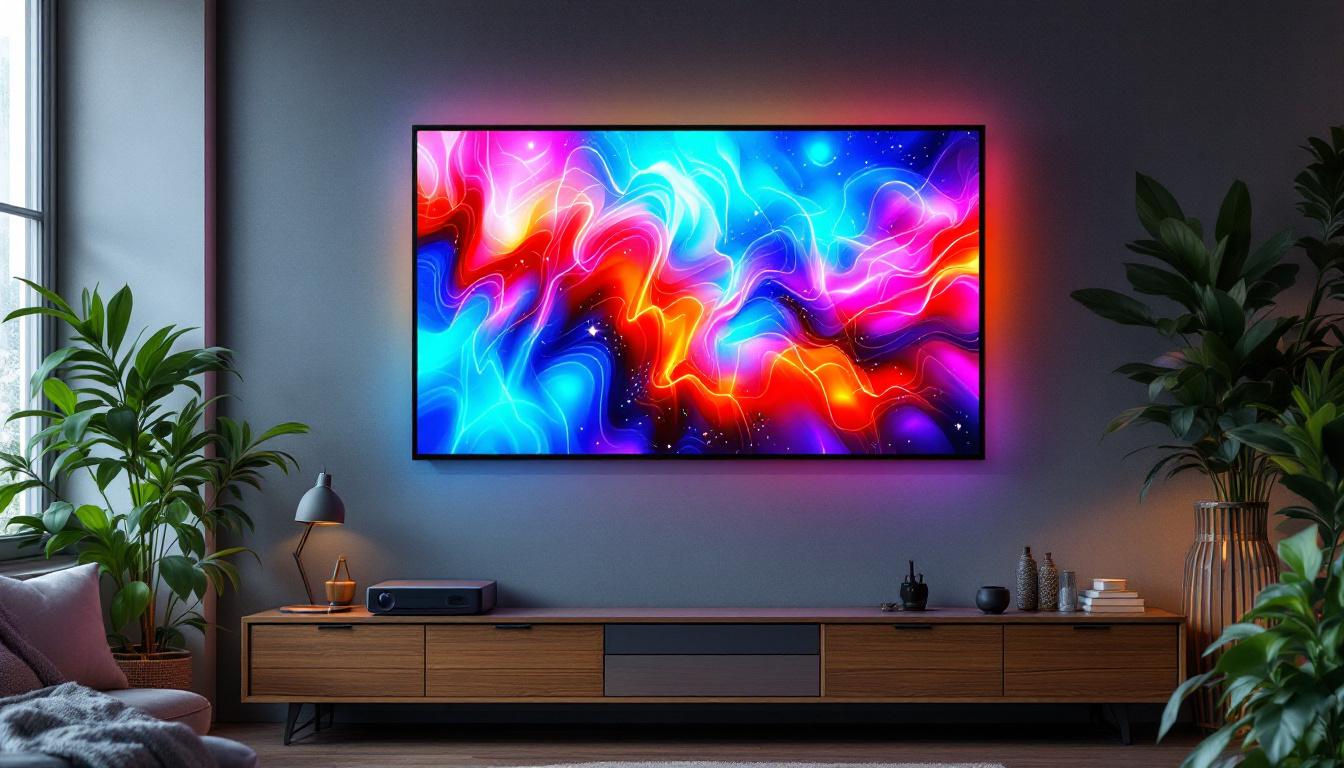
At its core, an LED TV is essentially an LCD (Liquid Crystal Display) panel that is backlit by LEDs instead of traditional cold cathode fluorescent lamps (CCFLs). This combination allows for thinner screens, better brightness, and improved energy efficiency. The advancements in LED technology have also led to a significant reduction in power consumption, making these displays not only more visually appealing but also more environmentally friendly compared to their predecessors.
How LED Displays Work
The fundamental principle behind LED displays involves the use of tiny diodes that emit light when electrical current passes through them. In LED TVs, these diodes serve as the backlight behind the LCD panel. The LCD layer itself does not emit light but controls the passage of light through each pixel by twisting liquid crystals in response to electrical signals. This intricate process allows for vibrant colors and sharp images, which are essential for an immersive viewing experience.
There are two main types of LED backlighting used in TVs:
- Edge-lit LED: LEDs are placed along the edges of the screen, and light is distributed across the display using light guides. This design allows for ultra-thin TV panels but can sometimes lead to uneven brightness or “clouding” effects. Despite this, edge-lit technology remains popular due to its sleek design and lower manufacturing costs.
- Full-array LED: LEDs are spread evenly behind the entire screen. This setup enables local dimming, where specific zones of LEDs can be dimmed or brightened independently to enhance contrast and black levels. Full-array technology is often preferred for high-end models, as it provides superior image quality and a more dynamic range of colors.
LED vs. OLED: Clarifying the Difference
It’s common to confuse LED TVs with OLED (Organic Light Emitting Diode) TVs, but the two technologies are fundamentally different. OLED displays do not require a backlight because each pixel emits its own light. This results in superior contrast ratios, perfect blacks, and wider viewing angles. The ability of OLED screens to turn off individual pixels completely allows for an unmatched depth of color and realism, particularly in dark scenes.
LED TVs, relying on backlighting, are generally more affordable and can achieve higher brightness levels, which is advantageous in well-lit rooms. Understanding these distinctions helps consumers choose the right TV based on their viewing environment and budget. Additionally, the longevity of LED displays often surpasses that of OLEDs, as OLED technology can suffer from burn-in issues over time, making LED a more durable option for certain users.
Advantages of LED Displays in TVs
LED display technology offers several benefits that have contributed to its widespread adoption in the television market. These advantages impact picture quality, design, energy consumption, and overall user experience.
Improved Brightness and Color Accuracy
One of the standout features of LED TVs is their ability to produce high brightness levels. This is particularly beneficial for viewing in bright rooms or daylight conditions where glare can be an issue. Full-array LED TVs with local dimming can also deliver deeper blacks and enhanced contrast, resulting in more vivid and lifelike images.
Additionally, modern LED TVs often incorporate quantum dot technology, which uses semiconductor nanocrystals to improve color accuracy and widen the color gamut. This enhancement allows for more vibrant and true-to-life colors, making the viewing experience more immersive. The combination of high brightness and color precision means that whether you’re watching a nature documentary or an action-packed movie, the visuals are strikingly realistic, drawing viewers deeper into the content.
Energy Efficiency and Longevity
Compared to older CCFL-backlit LCD TVs and plasma displays, LED TVs consume significantly less power. According to the U.S. Department of Energy, LED-backlit LCD TVs can use up to 30-40% less energy than CCFL-backlit models. This reduction not only lowers electricity bills but also contributes to environmental sustainability.
Furthermore, LED backlights have a longer lifespan, often exceeding 60,000 hours of use, which translates to years of reliable performance without noticeable degradation in picture quality. This longevity is particularly appealing for consumers who wish to invest in a television that will not require frequent replacements, thus reducing electronic waste and promoting a more sustainable lifestyle.
Slim Design and Versatility
The compact size of LEDs allows manufacturers to create ultra-thin TV panels that are both aesthetically pleasing and space-saving. This sleek design is ideal for modern living spaces where minimalism and style are valued.
Moreover, LED TVs are available in a wide range of sizes and price points, catering to diverse consumer needs—from budget-friendly models for casual viewers to premium displays for home theater enthusiasts. The versatility of LED technology also extends to smart features, with many models now integrating streaming services, voice control, and connectivity options that enhance the overall viewing experience. This adaptability ensures that LED TVs can fit seamlessly into any home setup, whether mounted on a wall or placed on a stylish stand, making them a popular choice among tech-savvy consumers.
Limitations and Considerations of LED Displays
While LED TVs offer many advantages, they also come with certain limitations that consumers should be aware of before making a purchase.
Black Levels and Contrast Limitations
Because LED TVs rely on backlighting, achieving perfect black levels can be challenging. Even with local dimming, some light leakage or “blooming” around bright objects on dark backgrounds can occur. This effect is less pronounced in OLED TVs, where pixels can be completely turned off.
For viewers who prioritize cinematic-quality contrast and deep blacks, OLED or newer technologies like MicroLED might be more suitable, albeit at a higher cost.
Viewing Angles
LED TVs, especially those using VA (Vertical Alignment) LCD panels, can suffer from limited viewing angles. Colors and brightness may shift when viewed from the side, which can detract from the viewing experience in larger rooms or when multiple people are watching from different positions.
IPS (In-Plane Switching) panels offer better viewing angles but sometimes at the expense of contrast and black levels. Consumers should consider their typical viewing environment when selecting a TV.
Potential for Screen Uniformity Issues
Edge-lit LED TVs, while thin and affordable, may exhibit uneven brightness or “clouding” effects due to the way light is distributed across the screen. This can be distracting during dark scenes or when viewing content with uniform colors.
Full-array LED TVs mitigate this issue but are often more expensive. It is advisable to view the TV in person or read detailed reviews to assess screen uniformity before purchase.
Emerging Trends and Future of LED Displays
As display technology continues to evolve, LED TVs are also benefiting from innovations that enhance performance and user experience.
Quantum Dot and Mini-LED Technologies
Quantum dot technology has become a key feature in many high-end LED TVs, offering improved color reproduction and brightness. By incorporating quantum dots into the backlighting system, manufacturers can achieve a wider color gamut and more precise color accuracy, which is especially noticeable in HDR (High Dynamic Range) content.
Mini-LED technology represents another leap forward. By using thousands of tiny LEDs as backlights, mini-LED TVs provide finer local dimming control, resulting in better contrast, reduced blooming, and improved black levels. This technology narrows the performance gap between LED and OLED displays while maintaining the advantages of LED backlighting.
Integration with Smart TV Features
Modern LED TVs are often equipped with advanced smart features, including voice control, streaming apps, and AI-driven picture optimization. These enhancements make LED TVs not just display devices but comprehensive entertainment hubs.
Manufacturers are also focusing on improving user interfaces and connectivity options, ensuring that LED TVs remain relevant in an increasingly digital and interconnected world.
Choosing the Right LED TV for Your Needs
Selecting the ideal LED TV involves balancing factors such as picture quality, size, budget, and intended use. Here are some key considerations to keep in mind:
Assess Your Viewing Environment
Brightness and glare resistance are crucial if the TV will be placed in a bright room or near windows. LED TVs with high brightness levels and anti-reflective coatings perform well under such conditions.
For darker rooms or home theater setups, full-array LED TVs with local dimming or OLED models may provide a more satisfying experience.
Determine Your Budget
LED TVs cover a broad price spectrum. Entry-level models offer good performance for casual viewing, while premium models with quantum dot or mini-LED technology provide superior image quality at a higher cost.
It is important to prioritize features that matter most, such as screen size, resolution (4K is now standard), HDR support, and smart functionality.
Consider Brand Reputation and Warranty
Choosing a reputable brand with positive reviews and robust customer support can ensure a smoother ownership experience. Additionally, checking warranty terms and after-sales service availability is advisable.
Conclusion
LED display technology has firmly established itself as a versatile and efficient option for modern televisions. By combining the advantages of LED backlighting with LCD panels, these TVs offer bright, colorful images with energy efficiency and sleek designs. While they have some limitations in black levels and viewing angles compared to OLED, ongoing innovations like quantum dot and mini-LED technology continue to enhance their performance.
Understanding the fundamentals of LED displays empowers consumers to make informed choices that align with their viewing preferences and budget. Whether for casual TV watching, gaming, or home theater, LED TVs remain a compelling choice in the dynamic landscape of display technology.
Discover the Future of Visual Experience with LumenMatrix
Ready to elevate your viewing experience with the latest in LED display technology? Look no further than LumenMatrix, a pioneer in crafting cutting-edge LED display modules that transform any space into a vibrant canvas of light and color. From the comfort of your living room to the excitement of an outdoor event, LumenMatrix offers a diverse range of solutions including Indoor and Outdoor LED Wall Displays, Vehicle LED Displays, and even Custom LED Displays tailored to your unique needs. Embrace the future of visual communication and check out LumenMatrix LED Display Solutions today to see how you can make a lasting impression and captivate your audience like never before.