In the rapidly evolving world of digital displays, understanding the numbers and specifications behind a screen is crucial for making informed decisions—whether for professional use, entertainment, or advertising. Among these specifications, resolutions such as 3840 x 1920 x 3840 often raise questions due to their seemingly complex format. This article aims to demystify what these numbers mean in the context of LED displays, explore their practical applications, and provide insights into how they impact image quality and user experience.
Understanding LED Display Resolutions
What Do the Numbers Mean?
When discussing display resolutions, the numbers typically represent the pixel count along the width and height of the screen. The standard format is width x height, such as 1920 x 1080 for Full HD. However, the notation “3840 1920 3840” might initially seem confusing because it includes three numbers instead of the usual two.
In this context, the numbers refer to a specific configuration of an LED display panel or system. The first and third numbers, both 3840, often indicate the horizontal pixel count for two separate sections or panels, while the middle number, 1920, represents the vertical pixel count. This configuration is common in modular LED displays where multiple panels are combined horizontally to create a wider display area. Modular designs allow for flexibility in display size and shape, catering to various applications from digital signage to large-scale events, where adaptability is key.
3840 x 1920: A Closer Look
The resolution 3840 x 1920 itself is an ultra-wide format, doubling the vertical pixel count of standard 1920 x 1080 Full HD displays. This resolution provides a 2:1 aspect ratio, which is wider than the traditional 16:9 ratio. Such ultra-wide displays are increasingly popular for immersive experiences, multi-tasking environments, and panoramic content presentation. For instance, in a corporate setting, this resolution allows for multiple windows to be viewed simultaneously, enhancing productivity and collaboration during presentations or meetings.
When two panels of 3840 x 1920 are placed side by side, the total horizontal resolution becomes 7680 pixels, which is often rounded or referenced in different ways depending on the manufacturer or setup. The “3840 1920 3840” notation can thus imply a tripartite structure or a modular array, emphasizing the combined horizontal pixel count across multiple panels. This modular approach not only enhances the visual experience but also simplifies maintenance and upgrades, as individual panels can be replaced without needing to dismantle the entire display. Furthermore, the seamless integration of these panels ensures that content flows smoothly across the display, making it ideal for applications such as live events, exhibitions, and immersive gaming setups, where visual continuity is paramount.
How LED Displays Work: Basics and Advantages
LED Technology Overview
LED (Light Emitting Diode) displays use an array of tiny LEDs as pixels to produce images. Each LED emits light independently, allowing for high brightness, vibrant colors, and excellent contrast ratios. This technology differs from LCDs, which rely on backlighting and liquid crystals to modulate light. The ability of LEDs to emit light directly means that they can achieve deeper blacks and brighter whites, enhancing the overall image quality.
The modular nature of LED displays means they can be constructed in various sizes and resolutions by combining panels. This flexibility is especially valuable for large-scale installations such as stadium screens, digital billboards, and control rooms. Additionally, the lightweight design of LED panels makes them easier to install and transport, allowing for quick setup and dismantling for events or temporary displays. This adaptability has made LED technology a preferred choice for both permanent installations and dynamic, temporary setups.
Benefits of High-Resolution LED Displays
High-resolution LED displays, such as those with 3840 x 1920 pixels, offer several advantages:
- Enhanced Image Clarity: More pixels mean finer detail, which is critical for applications like digital signage, video walls, and professional presentations. The sharpness of the images displayed can significantly impact audience engagement, making it essential for marketing and communication strategies.
- Improved Viewing Experience: Ultra-wide formats provide a broader field of view, reducing the need for multiple monitors and creating immersive environments. This is particularly beneficial in settings like museums or exhibitions, where storytelling through visuals plays a crucial role in visitor experience.
- Scalability: Modular panels can be configured to fit specific spatial requirements without compromising resolution quality. This means that whether a client needs a small display for a conference room or a massive screen for a public event, LED technology can be tailored to meet those needs efficiently.
- Brightness and Durability: LEDs maintain high brightness levels even in well-lit environments and have longer lifespans compared to traditional display technologies. This resilience makes them ideal for outdoor applications, where exposure to sunlight can wash out other types of displays, ensuring that content remains visible and impactful at all times.
Moreover, LED displays are energy-efficient, consuming less power than traditional lighting solutions while delivering superior performance. This efficiency not only reduces operational costs but also aligns with sustainability goals, making LED technology an environmentally friendly choice. As the demand for high-quality visual displays continues to grow, innovations in LED technology are expected to further enhance their capabilities, leading to even more vibrant colors and improved energy management. The ongoing development in this field promises exciting advancements, such as flexible displays that can be curved or shaped to fit unique design requirements, opening up new possibilities for creative applications.
Applications of 3840 1920 3840 LED Displays
Commercial and Advertising Uses
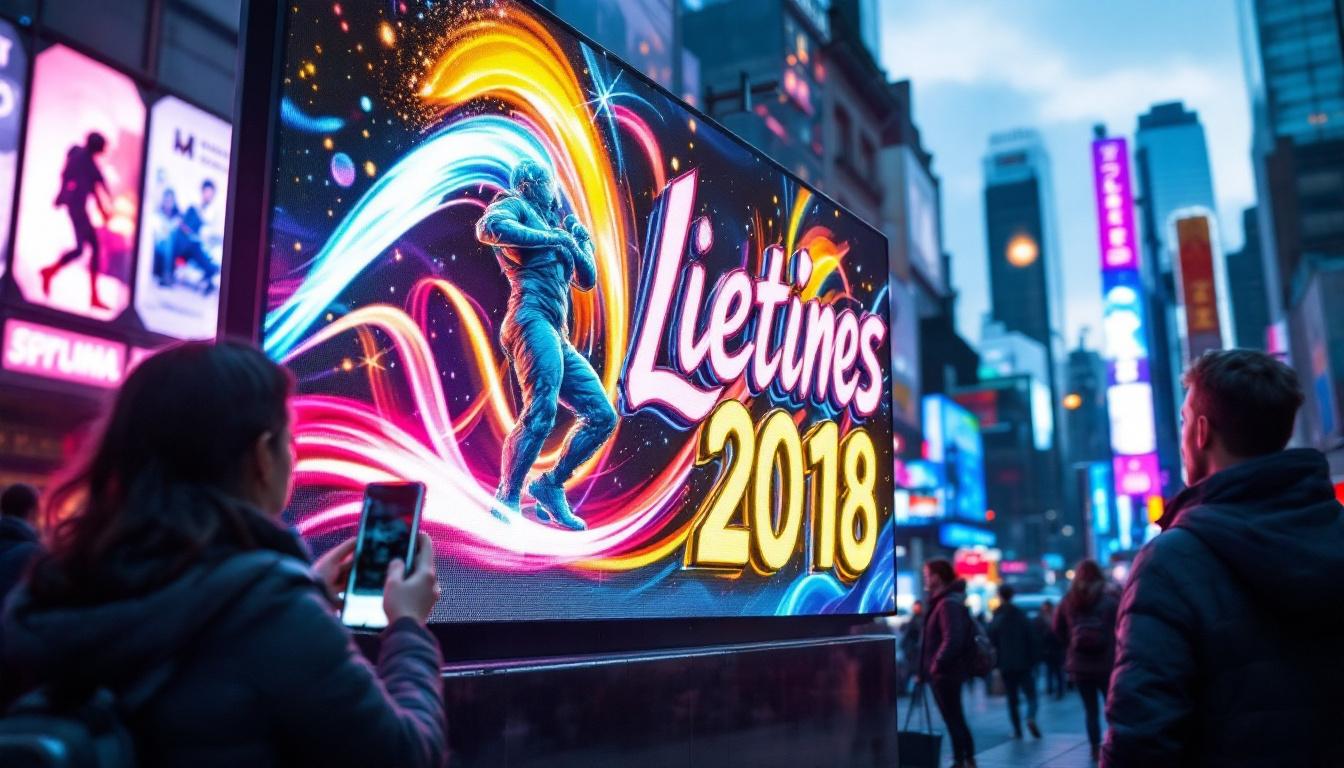
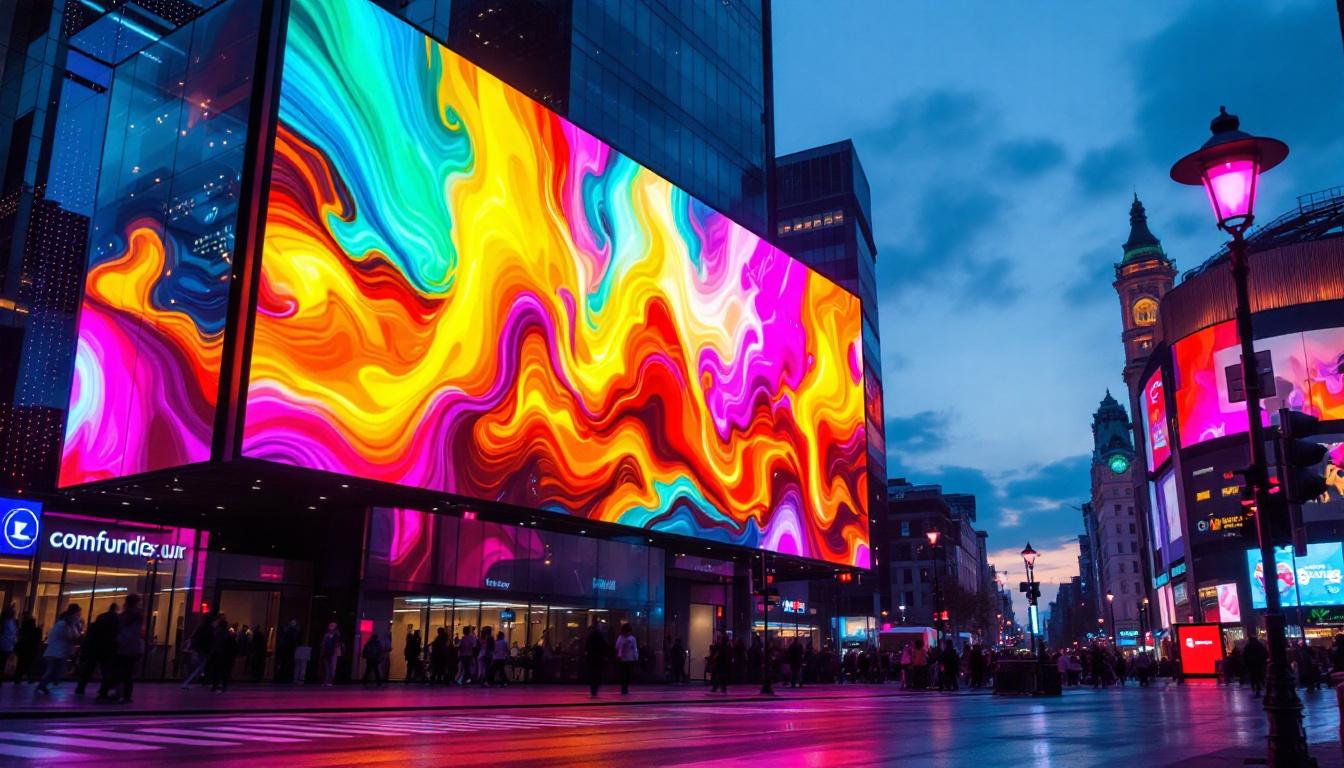
Large, high-resolution LED displays are a staple in advertising due to their ability to capture attention with vivid imagery and dynamic content. The 3840 1920 3840 configuration is particularly suited for expansive digital billboards and storefront displays, where wide aspect ratios allow for creative layouts and multiple messages to be displayed simultaneously.
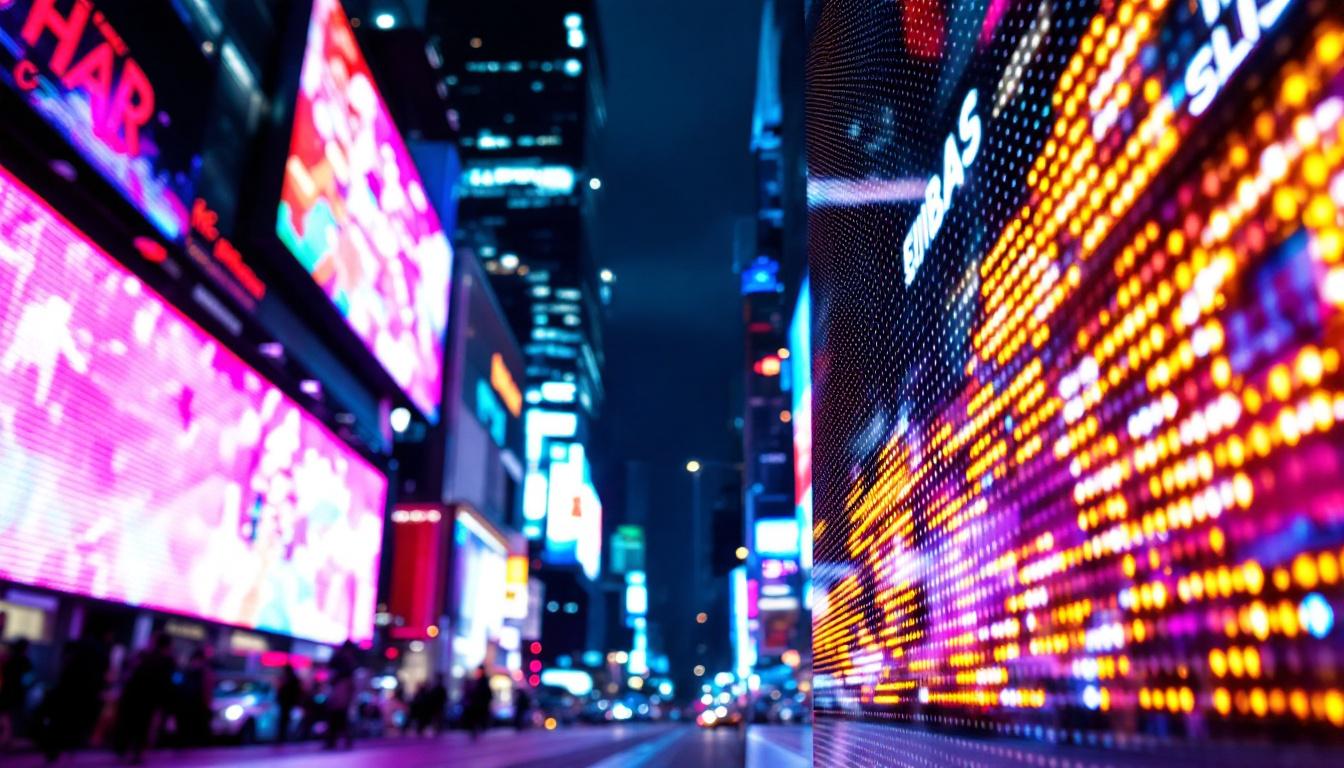
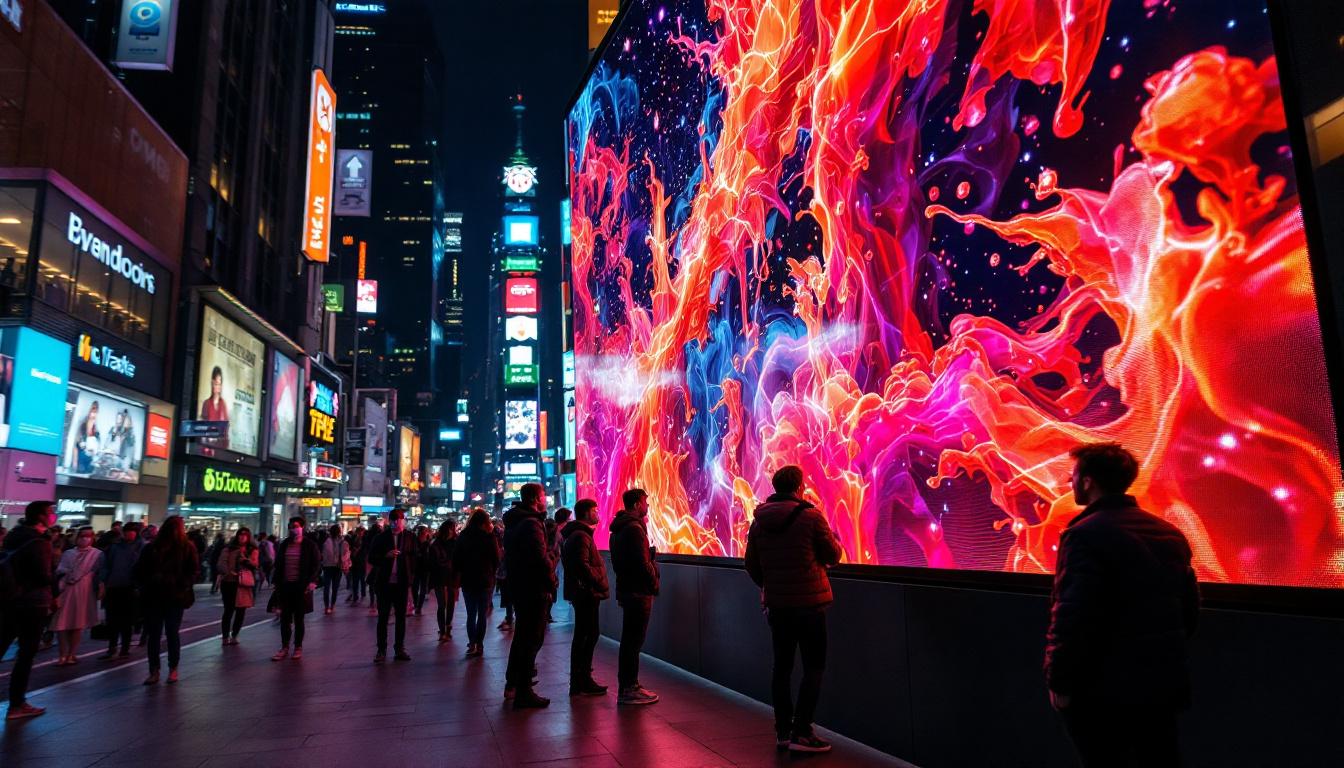
For example, Times Square in New York City features LED displays that utilize modular panels to create enormous, seamless screens. These displays often exceed resolutions of 4K and employ ultra-wide formats to maximize visual impact.
Corporate and Control Room Environments
In corporate settings, LED video walls with resolutions like 3840 x 1920 are used for presentations, video conferencing, and data visualization. Control rooms, such as those in transportation, utilities, and emergency services, benefit from ultra-wide, high-resolution displays that enable operators to monitor multiple data streams simultaneously without switching screens.
The ability to segment the display into multiple zones while maintaining high resolution makes the 3840 1920 3840 setup ideal for these environments, where clarity and real-time data visualization are paramount.
Entertainment and Immersive Experiences
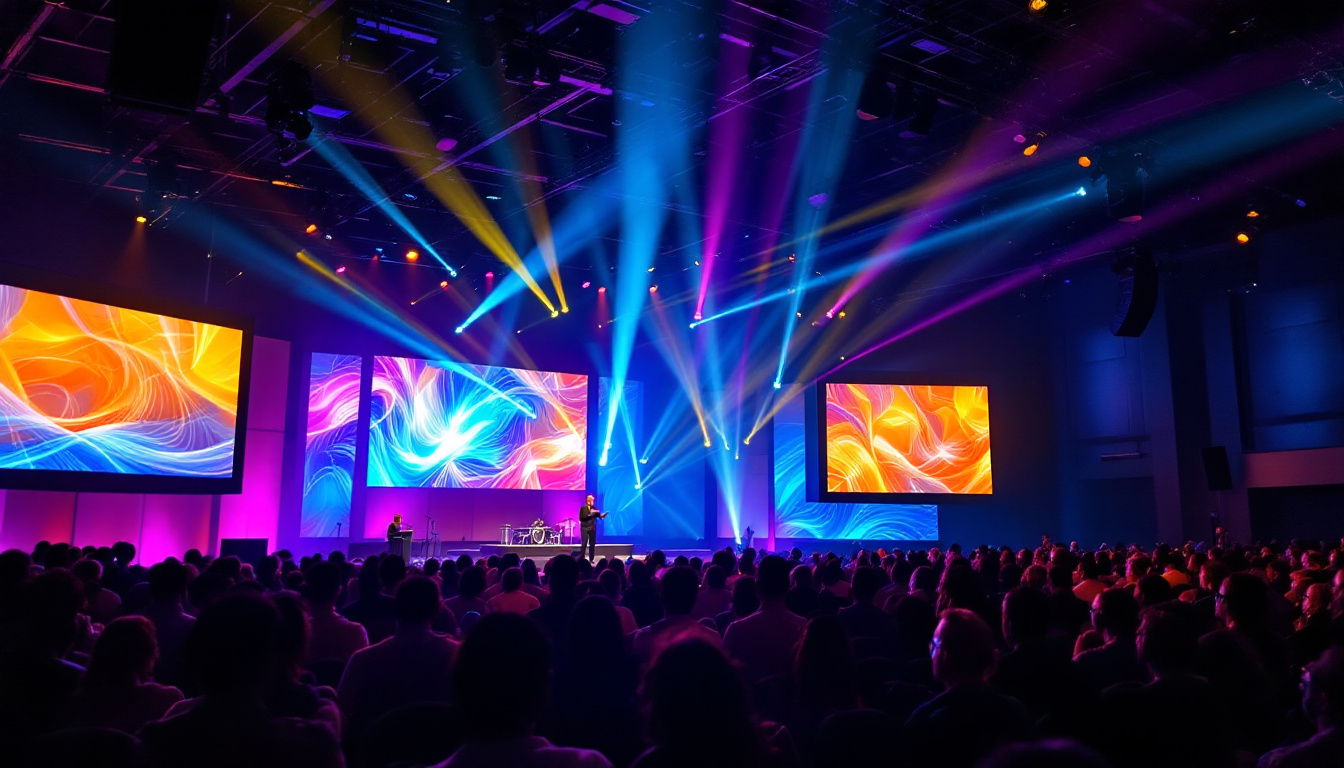
The entertainment industry leverages high-resolution LED displays for concerts, theaters, and virtual reality environments. Ultra-wide displays provide immersive backdrops and dynamic stage designs that enhance audience engagement.
For instance, music festivals and live events often use modular LED walls with resolutions that match or exceed 3840 x 1920 per panel, arranged in configurations that create panoramic visuals synchronized with performances.
Technical Considerations When Choosing LED Displays
Pixel Pitch and Viewing Distance
Pixel pitch, the distance between individual LEDs, is a critical factor affecting image sharpness and viewing distance. Smaller pixel pitches mean higher resolution and better clarity at closer distances but come with increased cost and power consumption.
For a 3840 x 1920 display, the pixel pitch must be chosen based on the intended viewing environment. For example, a 1.5mm pixel pitch is suitable for close-up viewing in control rooms, while a 4mm or higher pitch may suffice for outdoor billboards viewed from afar.
Brightness and Contrast Ratios
LED displays must be bright enough to remain visible in various lighting conditions. Typical brightness levels for indoor LED displays range from 800 to 1,500 nits, while outdoor displays can exceed 5,000 nits to combat sunlight glare.
Contrast ratio, the difference between the darkest and brightest parts of the image, is another important specification. LED displays generally offer superior contrast compared to LCDs, enhancing image depth and color vibrancy.
Refresh Rate and Color Accuracy
Refresh rate, measured in Hertz (Hz), determines how often the image updates per second. Higher refresh rates reduce flicker and motion blur, which is especially important for video content and gaming applications.
Color accuracy and gamut coverage are essential for professional uses such as broadcasting and digital art. LED displays with wide color gamuts and precise calibration ensure that colors appear true to life.
Future Trends in LED Display Technology
MicroLED and MiniLED Innovations
Emerging technologies like MicroLED and MiniLED promise even higher resolutions and better performance. MicroLED displays use microscopic LEDs to achieve pixel-level control, resulting in exceptional brightness, contrast, and energy efficiency.
These advancements will likely influence future iterations of ultra-wide and high-resolution displays, enabling thinner, lighter, and more flexible panels suitable for a broader range of applications.
Integration with AI and Smart Technologies
Artificial intelligence is increasingly being integrated with LED display systems to optimize content delivery, adjust brightness dynamically based on ambient light, and provide interactive capabilities. Smart LED displays can tailor advertising content in real-time, enhancing engagement and effectiveness.
Sustainability and Energy Efficiency
As sustainability becomes a priority, manufacturers are focusing on reducing the environmental impact of LED displays. Innovations in power management, recyclable materials, and longer-lasting components contribute to greener digital signage solutions.
Conclusion: Making Sense of 3840 1920 3840 in LED Displays
The notation “3840 1920 3840” reflects the modular and scalable nature of modern LED display technology, highlighting how multiple high-resolution panels can be combined to create expansive, ultra-wide screens. Understanding these numbers is essential for selecting the right display for specific needs, whether for advertising, corporate environments, entertainment, or control rooms.
High-resolution LED displays offer unparalleled image quality, flexibility, and brightness, making them a preferred choice across industries. As technology advances, these displays will become even more versatile and efficient, opening new possibilities for immersive visual experiences.
When considering an LED display with such specifications, it is important to evaluate factors like pixel pitch, brightness, refresh rate, and intended application to ensure optimal performance and value. Armed with this knowledge, businesses and consumers alike can make informed decisions that leverage the full potential of LED display technology.
Discover the Future of Visual Engagement with LumenMatrix
Ready to elevate your visual communication to new heights? LumenMatrix is at the forefront of LED display innovation, offering a comprehensive range of solutions tailored to meet your unique needs. From Indoor and Outdoor LED Wall Displays to specialized options like Vehicle, Sports, and Floor LED Displays, our cutting-edge technology is designed to captivate your audience and amplify your message. Experience the transformative power of our Custom, All-in-One, and Transparent LED Displays. Check out LumenMatrix LED Display Solutions today and join the revolution in high-impact visual storytelling.