In recent years, the film and entertainment industry has witnessed a technological revolution that is reshaping how movies are produced and experienced. One of the most groundbreaking innovations is the use of borderless LED displays, which have transformed traditional filmmaking into an immersive, dynamic art form. This article delves into the world of borderless movie LED displays, explaining their technology, applications, and the profound impact they have on modern cinema.
Understanding Borderless LED Displays
What Are Borderless LED Displays?
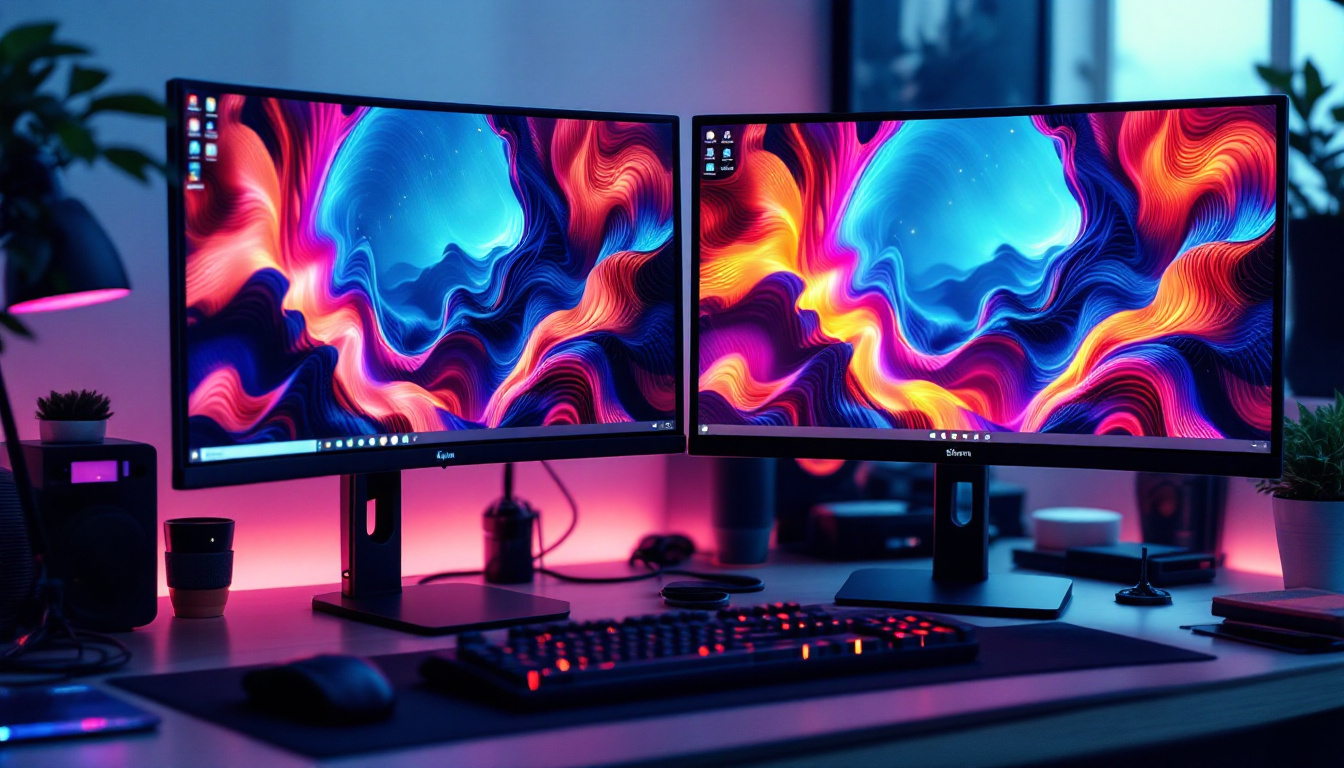
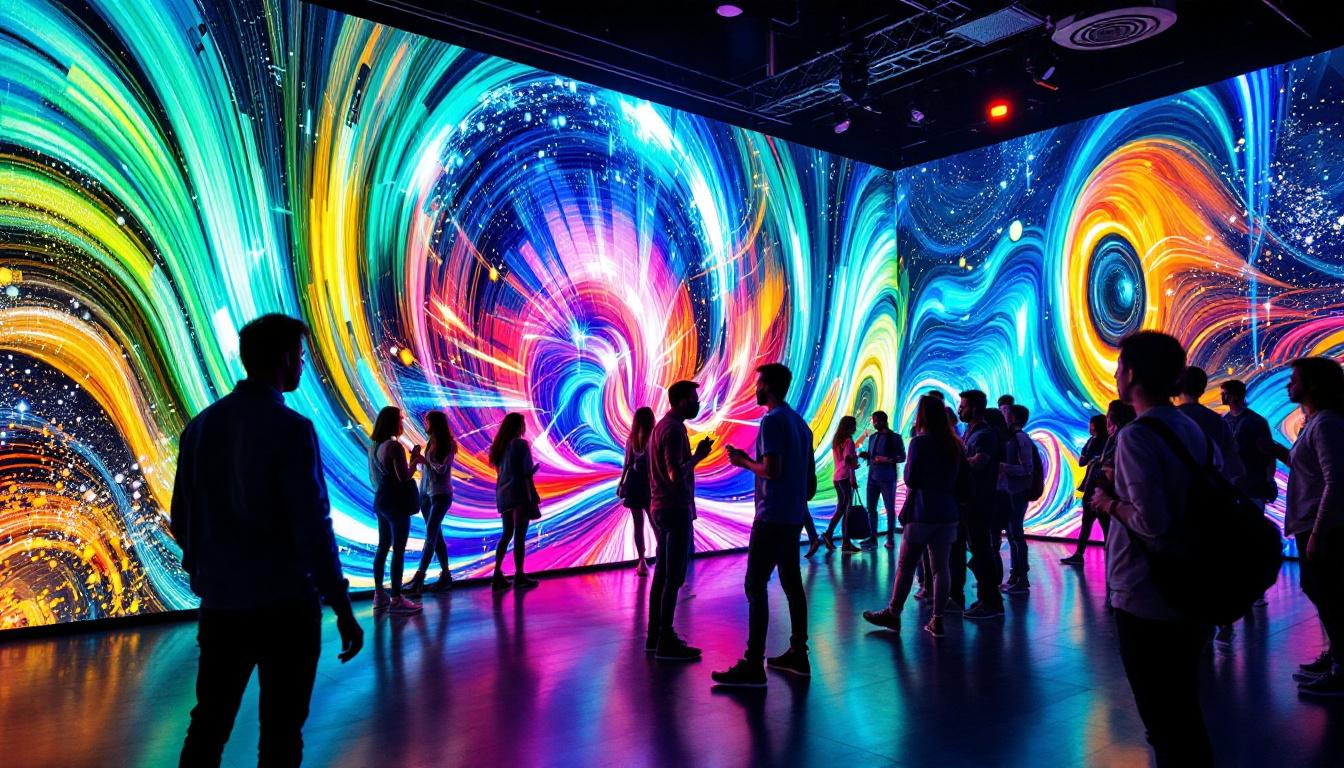
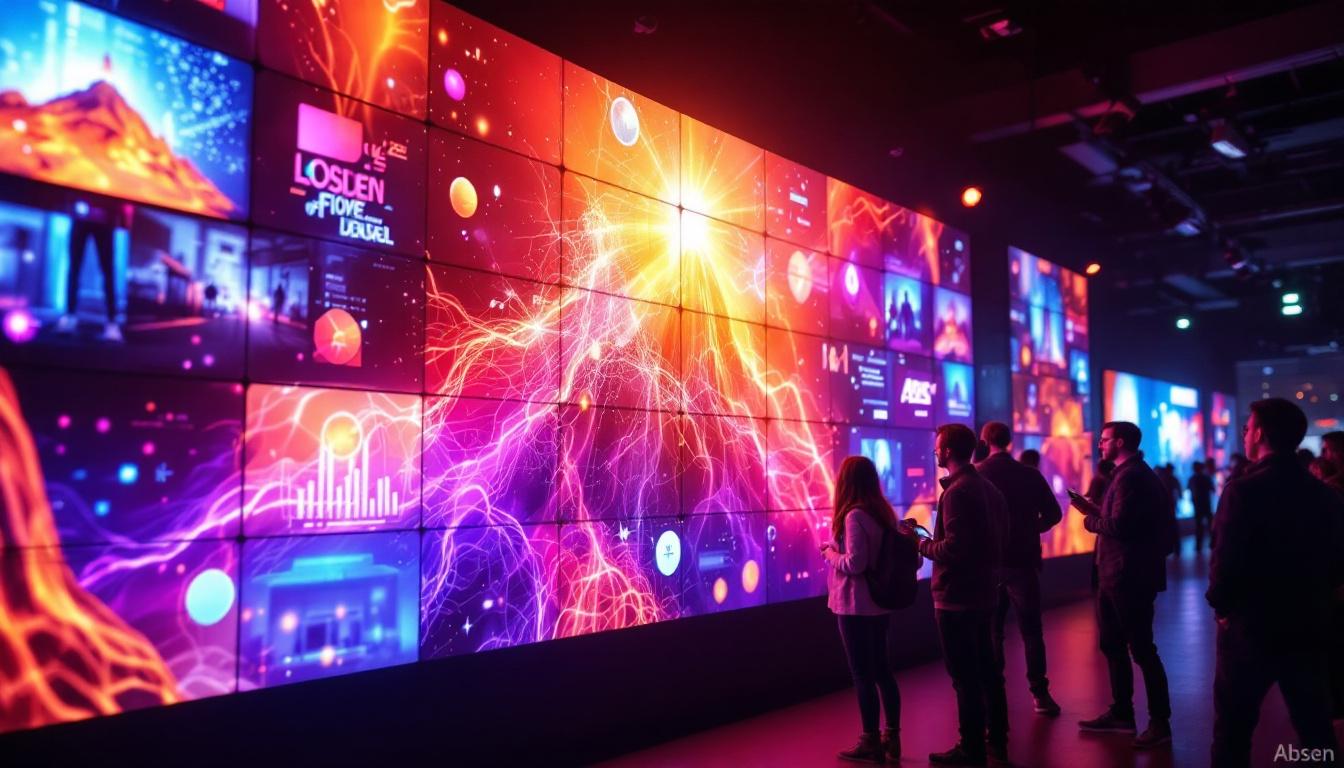
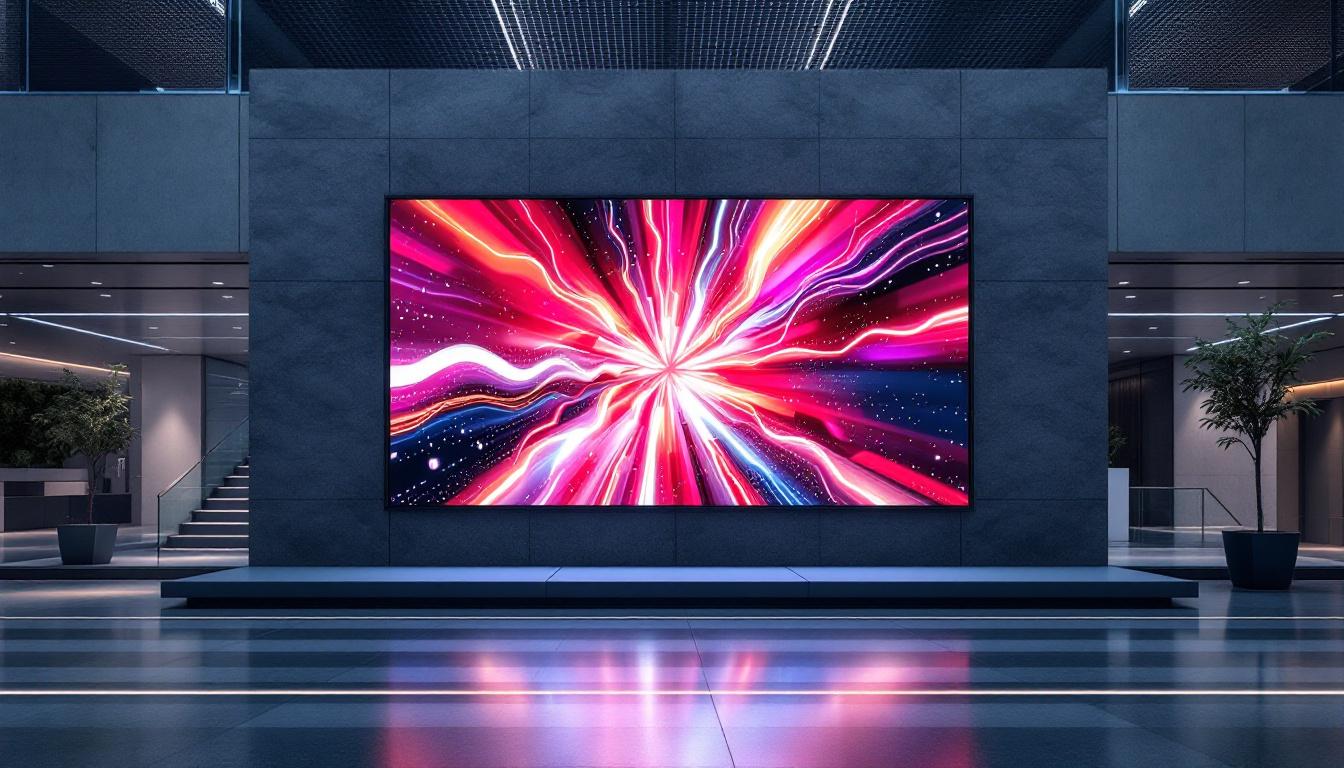
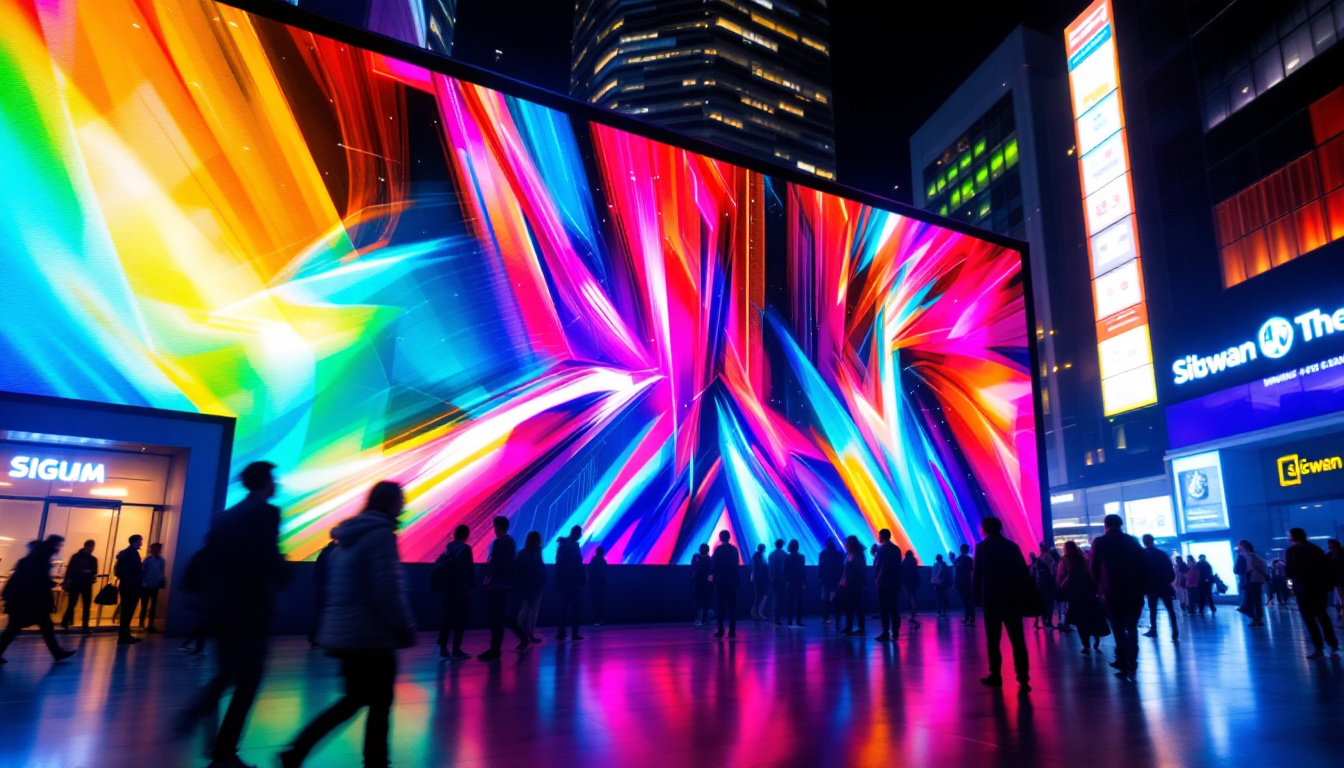
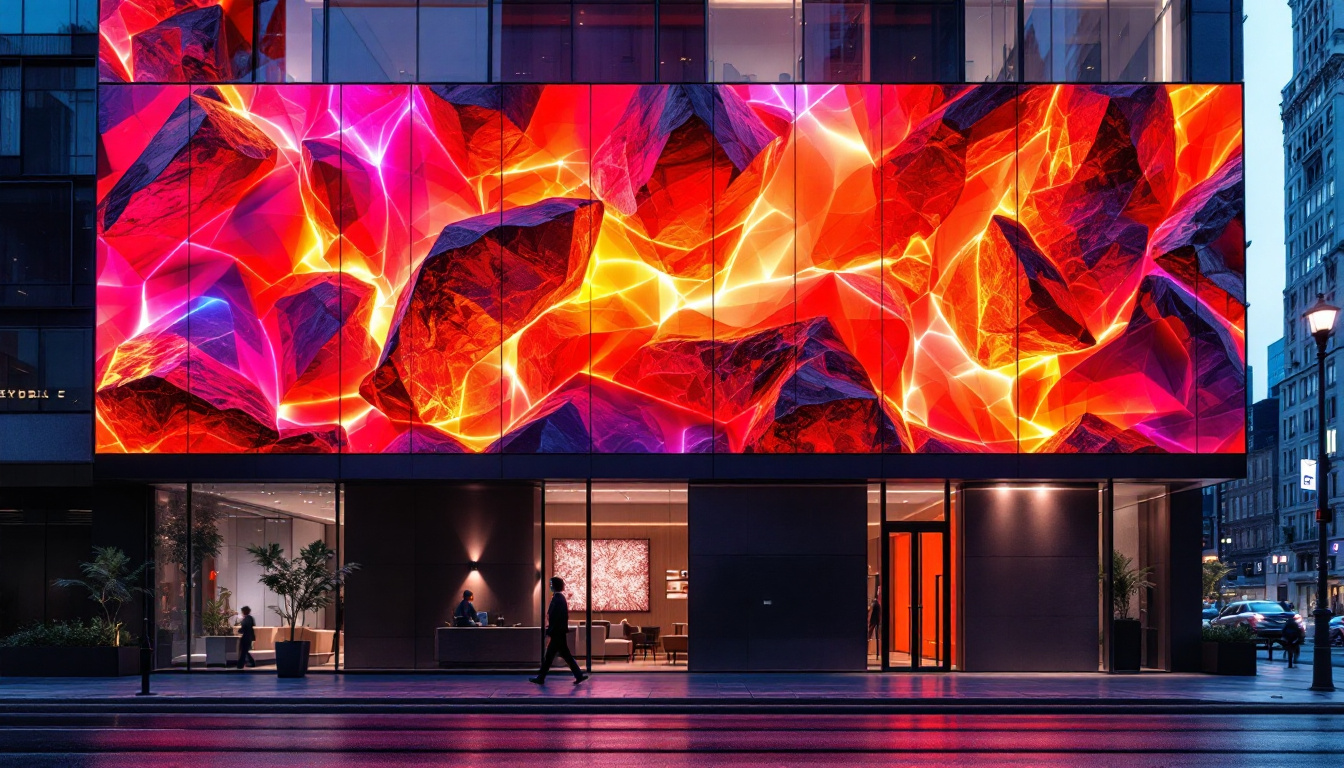
Borderless LED displays are advanced visual panels designed without visible bezels or frames, creating a seamless, uninterrupted screen surface. Unlike conventional LED screens, which often have gaps or borders between panels, borderless displays integrate multiple LED modules with precision engineering to eliminate these interruptions. This results in a continuous, high-resolution image that can span large areas without distracting lines or breaks.
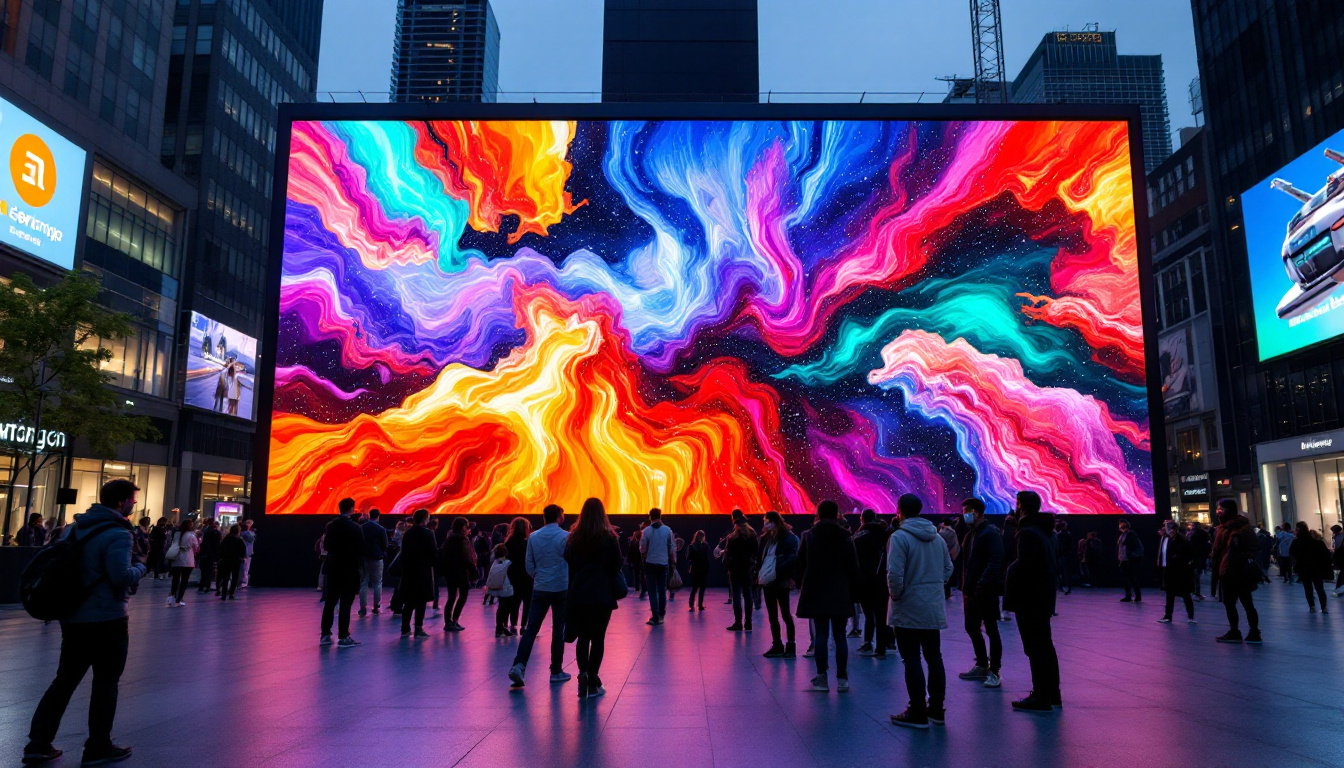
These displays are constructed using cutting-edge micro-LED or mini-LED technology, which allows for smaller pixel pitches and higher pixel densities. This means sharper images, deeper colors, and improved contrast ratios, all crucial for delivering cinematic-quality visuals. The absence of borders not only enhances the aesthetic appeal but also makes these displays ideal for creative applications, such as art installations and immersive environments, where the visual experience is paramount.
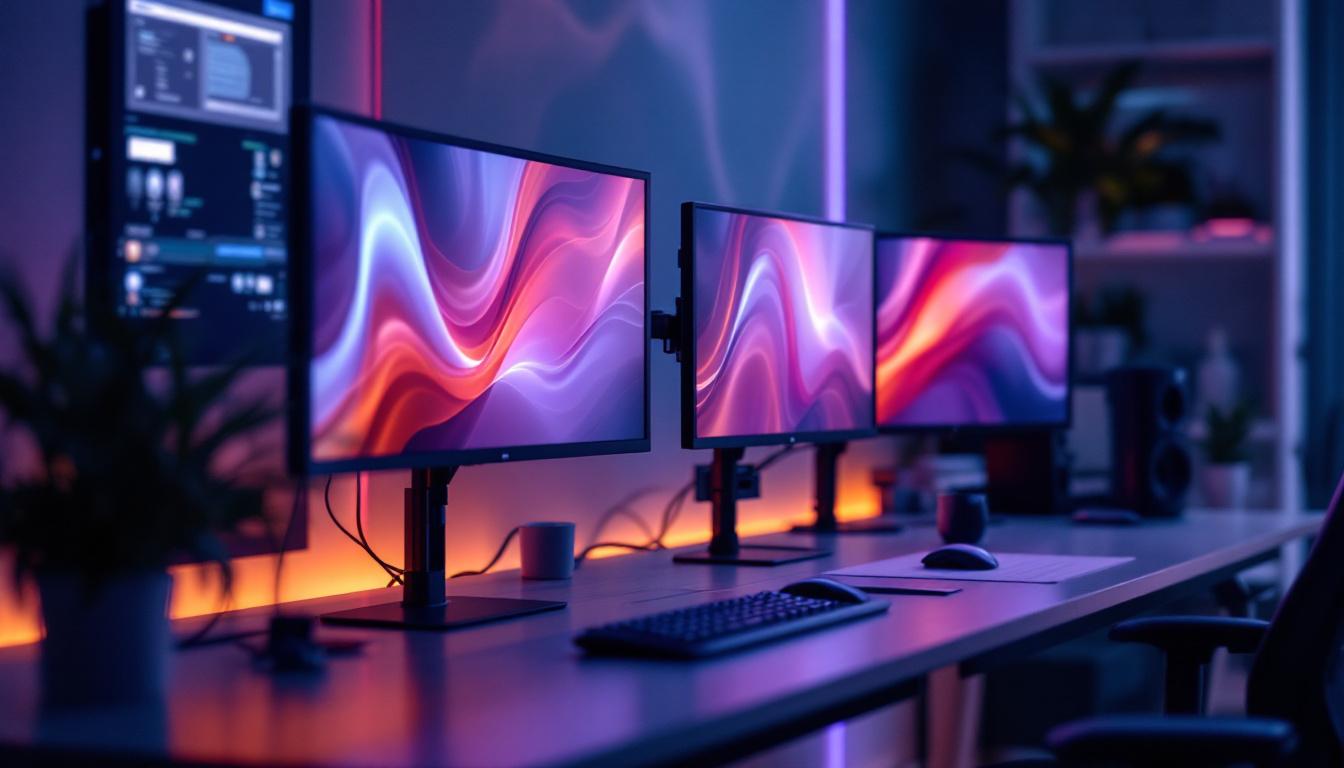
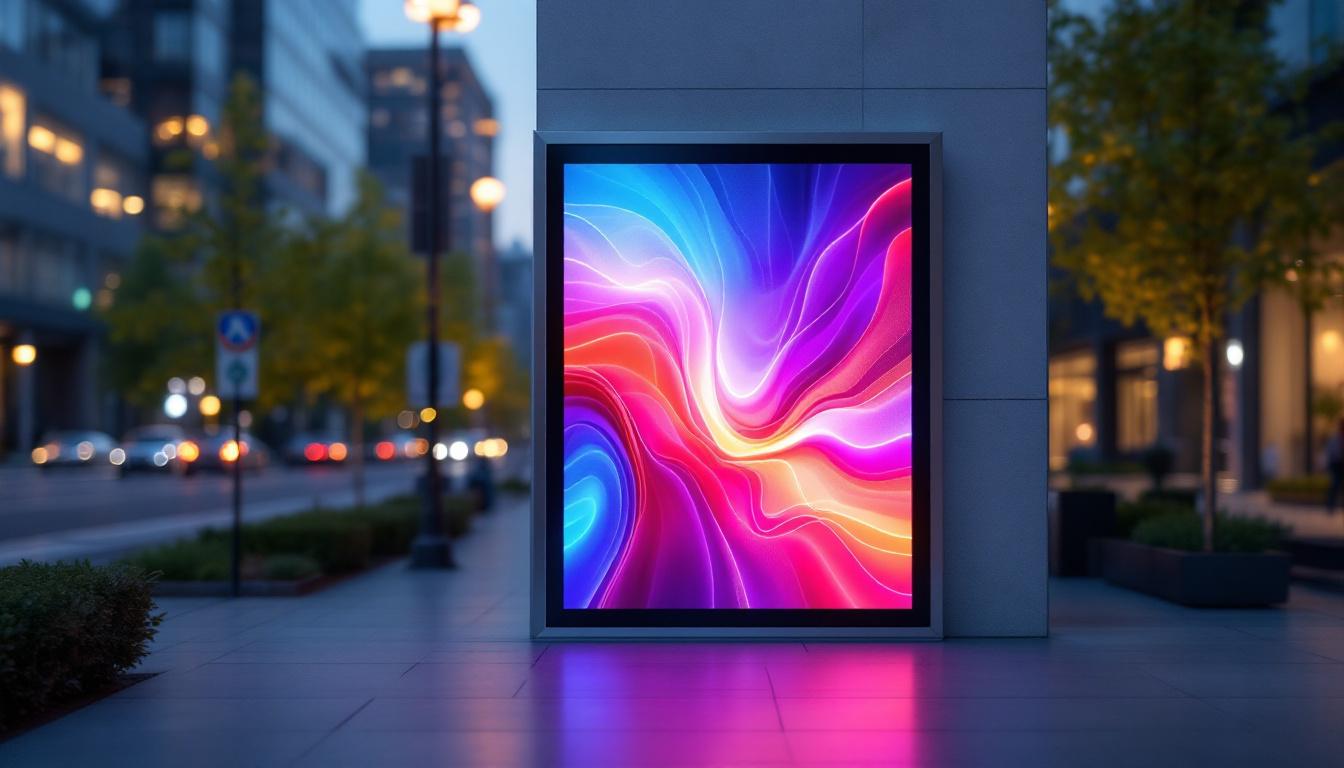
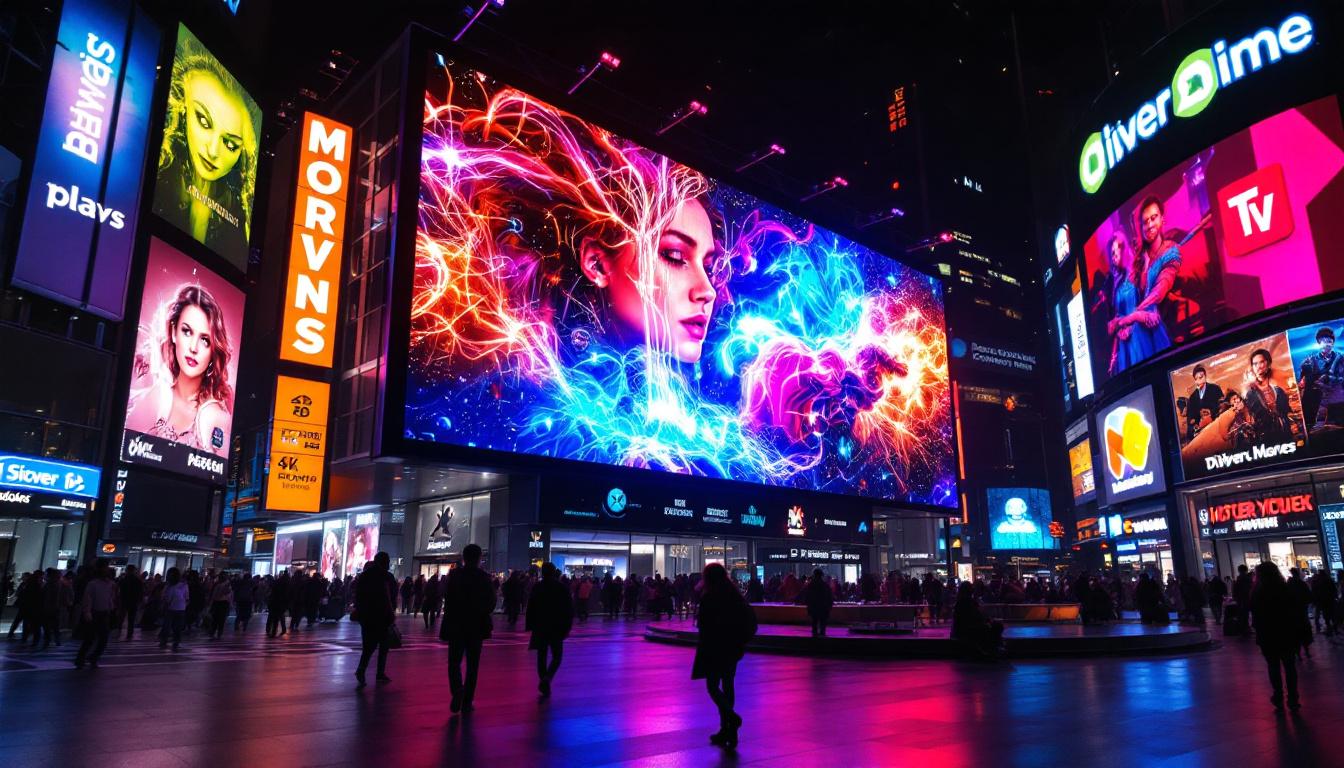
Moreover, borderless LED displays are increasingly being utilized in various sectors, including retail, entertainment, and corporate environments. Their ability to create engaging and immersive content makes them a popular choice for digital signage, where capturing the attention of passersby is essential. As technology continues to evolve, the applications for these displays are expanding, leading to innovative uses in virtual reality and augmented reality experiences.
How Do Borderless LED Displays Work?
The core principle behind borderless LED displays lies in the meticulous alignment and calibration of individual LED modules. Each module contains an array of tiny LEDs that emit light directly, unlike LCDs which rely on backlighting. This direct emission allows for superior brightness and color accuracy. The technology behind these displays also enables them to achieve higher refresh rates, making them suitable for dynamic content such as sports broadcasts and video games, where fluid motion is critical.
To achieve the borderless effect, manufacturers use specialized mounting techniques and ultra-thin bezels, often less than a millimeter thick. The modules are then seamlessly connected with advanced software that synchronizes image rendering across the entire display. This ensures uniform brightness and color consistency, eliminating any visible seams or color shifts. Additionally, many borderless LED displays come equipped with smart features, such as automatic brightness adjustment based on ambient light conditions, enhancing the viewing experience in various environments. As a result, these displays not only provide stunning visuals but also adapt to their surroundings, making them versatile tools for a wide range of applications.
The Role of Borderless LED Displays in Modern Filmmaking
Revolutionizing Production Environments
One of the most significant applications of borderless LED displays is in virtual production studios. These studios use large LED walls as dynamic backgrounds, replacing traditional green screens. This approach offers filmmakers real-time, photorealistic environments that actors can interact with, enhancing performance and immersion.
For example, the acclaimed television series “The Mandalorian” employed massive borderless LED volumes to create immersive alien landscapes. This technology allowed directors to visualize scenes in real-time, adjust lighting dynamically, and reduce post-production costs and time.
Moreover, the use of borderless LED displays has transformed the way directors approach scene composition and framing. With the ability to adjust backgrounds on-the-fly, filmmakers can experiment with different angles and perspectives without the logistical challenges of traditional setups. This adaptability not only saves time but also encourages a more collaborative environment on set, where creative ideas can be rapidly tested and executed. The result is a more fluid and dynamic filmmaking process that aligns with the fast-paced demands of modern audiences.
Enhancing Visual Effects and Cinematography
Borderless LED displays provide unprecedented control over lighting and reflections on set. Since the LED walls emit actual light, they naturally illuminate actors and physical props, creating realistic reflections and shadows that match the virtual environment. This eliminates the need for complex compositing and green screen replacements in post-production.
Furthermore, cinematographers can manipulate the displayed content to simulate different times of day, weather conditions, or fantastical settings without leaving the studio. This flexibility expands creative possibilities and streamlines production workflows.
Additionally, the seamless integration of LED technology allows for innovative storytelling techniques. Filmmakers can create interactive narratives where the environment changes in response to the actors’ performances, enhancing the emotional impact of scenes. For instance, a character’s journey through a stormy landscape can be visually represented by adjusting the LED backdrop in real-time, allowing for a more visceral connection between the actors and their surroundings. This level of interactivity not only captivates audiences but also pushes the boundaries of traditional cinematography, paving the way for a new era of immersive storytelling.
Technical Advantages of Borderless LED Displays in Film
Superior Image Quality and Color Accuracy
Borderless LED displays offer higher brightness levels than traditional projection systems, often exceeding 1,000 nits. This brightness is essential for maintaining vivid images under various lighting conditions on set. Additionally, these displays cover a wide color gamut, including Rec. 709 and DCI-P3 standards, ensuring that colors are reproduced faithfully to the director’s vision.
The high contrast ratio, often greater than 5,000:1, provides deep blacks and vibrant highlights, crucial for cinematic storytelling. This level of image quality enhances the realism of virtual backgrounds and visual effects. Furthermore, the pixel pitch of borderless LED displays can be finely tuned, allowing for high-resolution images that can be viewed up close without any visible pixelation. This is particularly beneficial for productions that utilize close-up shots, where every detail matters, and the audience’s immersion is paramount.
Scalability and Customization
Borderless LED displays can be tailored to fit virtually any size or shape, from small studio sets to massive immersive environments. Their modular design allows for easy expansion or reconfiguration, making them ideal for productions with varying spatial requirements.
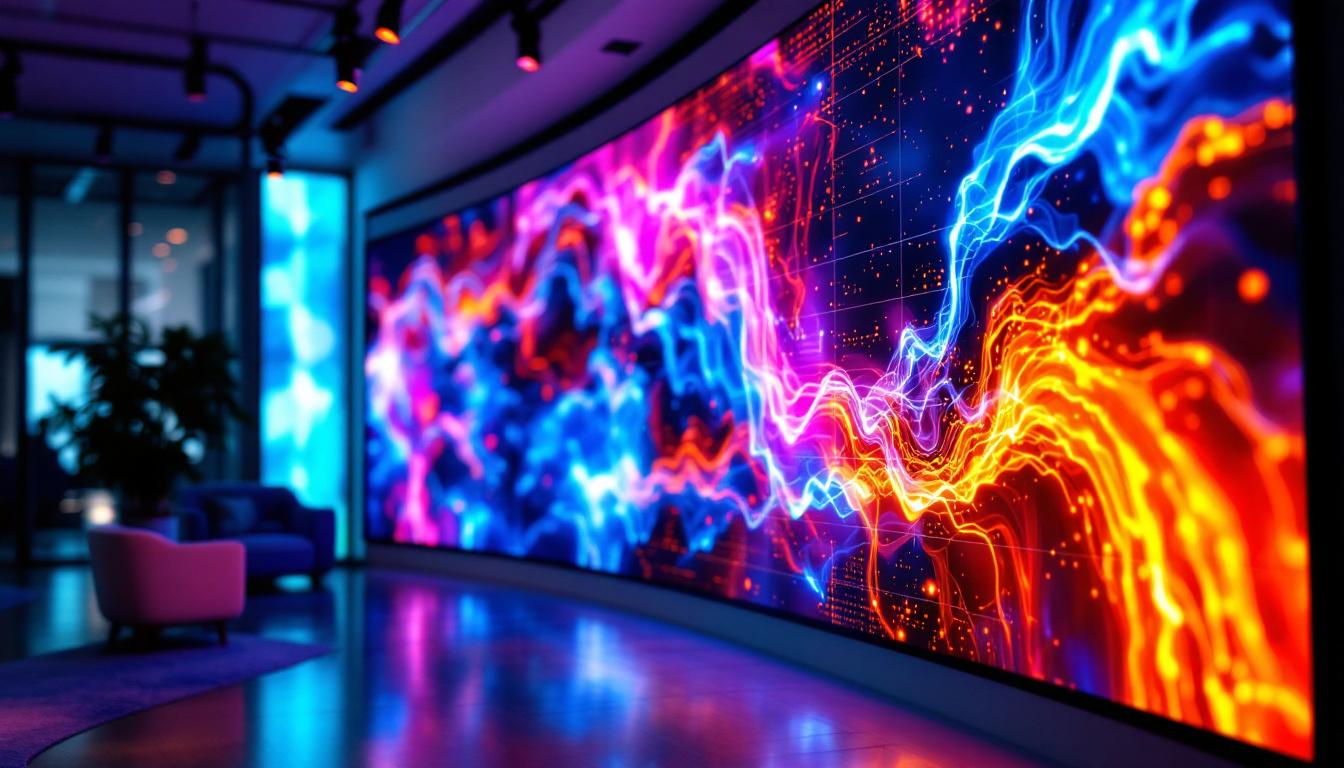
Moreover, curved or angled configurations are possible without compromising image continuity, enabling creative set designs that were previously difficult or impossible to achieve with traditional screens. This adaptability not only enhances the visual storytelling but also allows directors and cinematographers to experiment with unconventional angles and perspectives, pushing the boundaries of traditional filmmaking. The flexibility of these displays also facilitates quick changes to the set design, allowing for seamless transitions between scenes and reducing downtime during production.
Durability and Energy Efficiency
Modern LED technology is remarkably durable, with displays rated for tens of thousands of hours of continuous operation. This reliability is vital for film productions that often require extended shooting schedules.
Energy efficiency is another benefit; LED displays consume less power than conventional projection systems, reducing operational costs and environmental impact. Additionally, LEDs generate less heat, improving comfort and safety on set. The longevity of LED technology also means that productions can invest in these displays with confidence, knowing they will withstand the rigors of filming while maintaining performance over time. This durability translates into fewer maintenance issues, allowing crews to focus on creativity rather than technical difficulties, ultimately contributing to a smoother production process.
Challenges and Considerations
Initial Investment and Setup Complexity
Despite their advantages, borderless LED displays represent a significant upfront investment. High-quality LED panels, control systems, and installation can cost hundreds of thousands of dollars, which may be prohibitive for smaller productions.
Furthermore, setting up these displays requires specialized expertise in calibration, color management, and integration with camera systems. This complexity necessitates collaboration between technical teams, cinematographers, and visual effects artists to achieve optimal results.
Content Creation and Real-Time Rendering
Producing content for borderless LED displays demands powerful real-time rendering engines capable of generating photorealistic environments at high frame rates. Software such as Unreal Engine has become a standard tool in virtual production, but mastering these platforms requires skilled artists and technicians.
Additionally, synchronization between the LED display and camera tracking systems is critical to maintain perspective and parallax effects, ensuring that the virtual background moves naturally with the camera.
The Future of Borderless LED Displays in Cinema
Expanding Creative Horizons
As LED technology continues to advance, the resolution and pixel density of borderless displays will improve, further blurring the line between physical and virtual worlds. Emerging micro-LED technology promises even greater brightness and color fidelity, potentially revolutionizing on-set visualization.
These developments will empower filmmakers to craft more immersive and interactive narratives, pushing the boundaries of storytelling and audience engagement.
Integration with Augmented and Virtual Reality
Borderless LED displays are poised to play a pivotal role in the convergence of cinema with augmented reality (AR) and virtual reality (VR). By combining LED volumes with AR overlays or VR headsets, filmmakers can create hybrid experiences that engage viewers in entirely new ways.
This integration could lead to interactive films where audiences influence the storyline or explore cinematic worlds beyond the screen, heralding a new era of participatory entertainment.
Conclusion
Borderless movie LED displays represent a transformative leap in filmmaking technology. By providing seamless, high-quality visual environments, they enable unprecedented creative freedom and efficiency in production. While challenges remain in terms of cost and technical complexity, the benefits for storytelling, visual effects, and audience immersion are profound.
As the technology matures and becomes more accessible, borderless LED displays are set to become a standard tool in the cinematic toolkit, redefining how movies are made and experienced for years to come.
Discover the Future of Visual Storytelling with LumenMatrix
Embrace the future of filmmaking and visual engagement with LumenMatrix’s cutting-edge LED display solutions. As a pioneer in the industry, LumenMatrix offers an extensive range of products, from Indoor and Outdoor LED Wall Displays to innovative solutions like Vehicle LED Displays, LED Posters, and Transparent Displays. Whether you’re looking to enhance your brand’s visibility or create immersive experiences that captivate and resonate with audiences, LumenMatrix is your partner in revolutionizing visual communication. Check out LumenMatrix LED Display Solutions today and take the first step towards transforming your storytelling and audience engagement.