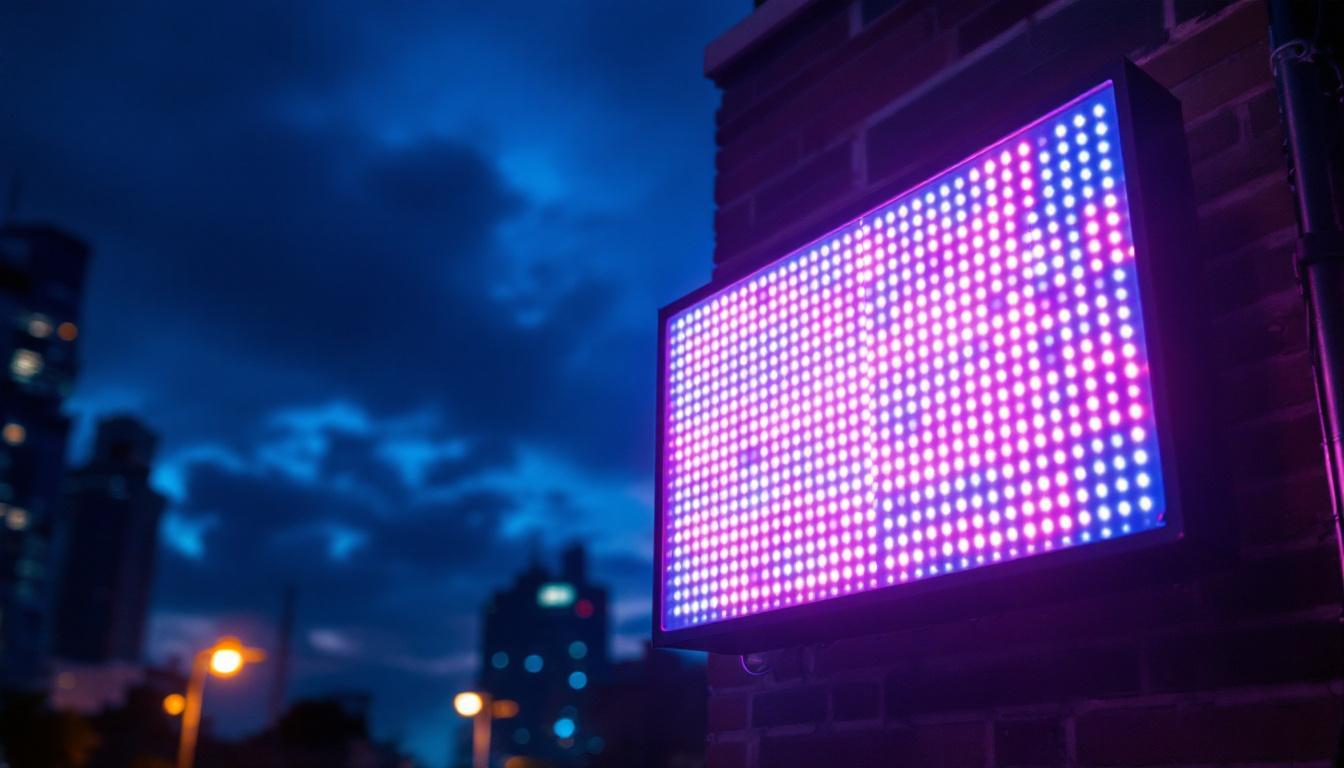
In recent years, LED technology has revolutionized the way we illuminate and communicate in outdoor environments. Among the many innovations, outdoor LED panel lights have emerged as a versatile and energy-efficient solution for everything from street lighting to large-scale digital displays. This article delves into the world of outdoor LED panel lights, explaining their technology, applications, benefits, and considerations for choosing the right LED display for various outdoor settings.
Understanding Outdoor LED Panel Lights
What Are Outdoor LED Panel Lights?
Outdoor LED panel lights are flat, thin lighting fixtures designed specifically for use in exterior environments. Unlike traditional bulbs or tube lights, these panels use light-emitting diodes (LEDs) arranged in a matrix to produce bright, uniform illumination. Their slim profile and durable construction make them ideal for mounting on building facades, street poles, billboards, and other outdoor structures.
These panels are engineered to withstand harsh weather conditions such as rain, snow, extreme temperatures, and dust. Typically, they come with an IP65 or higher rating, indicating strong resistance to water and dust ingress. This durability ensures consistent performance and longevity in outdoor settings. Additionally, many outdoor LED panel lights are designed with UV-resistant materials, preventing degradation from prolonged sun exposure, which is crucial for maintaining their aesthetic appeal and functionality over time.
Moreover, outdoor LED panel lights are often available in various sizes and shapes, allowing for versatile applications. From large-scale installations in commercial spaces to smaller fixtures in residential gardens, these lights can cater to diverse lighting needs. Their sleek design not only enhances the visual appeal of outdoor spaces but also contributes to energy savings, as they consume significantly less power than traditional lighting solutions.
How Do LED Panel Lights Work?
At the core of LED panel lights are numerous tiny LEDs embedded on a circuit board. When electrical current passes through these diodes, they emit light through a process called electroluminescence. Unlike incandescent bulbs that generate heat, LEDs convert most of the energy into light, making them highly efficient.
The light from individual LEDs is diffused through a panel diffuser, which spreads the light evenly across the surface. This eliminates hotspots and glare, creating a soft, uniform glow. Advanced LED panels may include features such as dimming capabilities, color temperature adjustment, and smart controls for enhanced functionality. These features allow users to customize their lighting experience, adapting to different activities or moods. For instance, a cooler light temperature can be used for task-oriented areas such as parking lots, while warmer tones might be preferred for creating a welcoming atmosphere in outdoor dining areas.
Furthermore, many modern outdoor LED panel lights are compatible with smart home systems, enabling remote control and automation. This integration allows users to schedule lighting based on time of day or occupancy, enhancing both convenience and energy efficiency. As technology continues to advance, the potential for incorporating sensors that adjust brightness based on ambient light levels is becoming increasingly common, making outdoor LED panel lights not only a practical choice but also a smart investment for the future.
Applications of Outdoor LED Panel Lights
Street and Public Area Lighting
One of the most common uses of outdoor LED panel lights is in street and public area lighting. Municipalities worldwide are adopting LED panels to replace traditional sodium vapor or fluorescent lamps. The benefits are clear: LED panels provide brighter, more consistent illumination that improves visibility and safety for pedestrians and drivers alike.
According to the U.S. Department of Energy, LED street lighting can reduce energy consumption by up to 50% compared to conventional lighting. This translates to significant cost savings for cities and a reduction in carbon emissions, supporting sustainability goals. Additionally, the longevity of LED lights—often lasting up to 25,000 hours—means less frequent replacements, further minimizing maintenance costs and disruptions to public spaces.
Moreover, the smart technology integrated into many LED street lighting systems allows for adaptive lighting solutions. These systems can adjust brightness based on traffic patterns or time of day, enhancing safety while conserving energy. Some cities are even experimenting with solar-powered LED street lights, which can be a game-changer for remote areas lacking reliable electricity.
Outdoor Advertising and Digital Displays
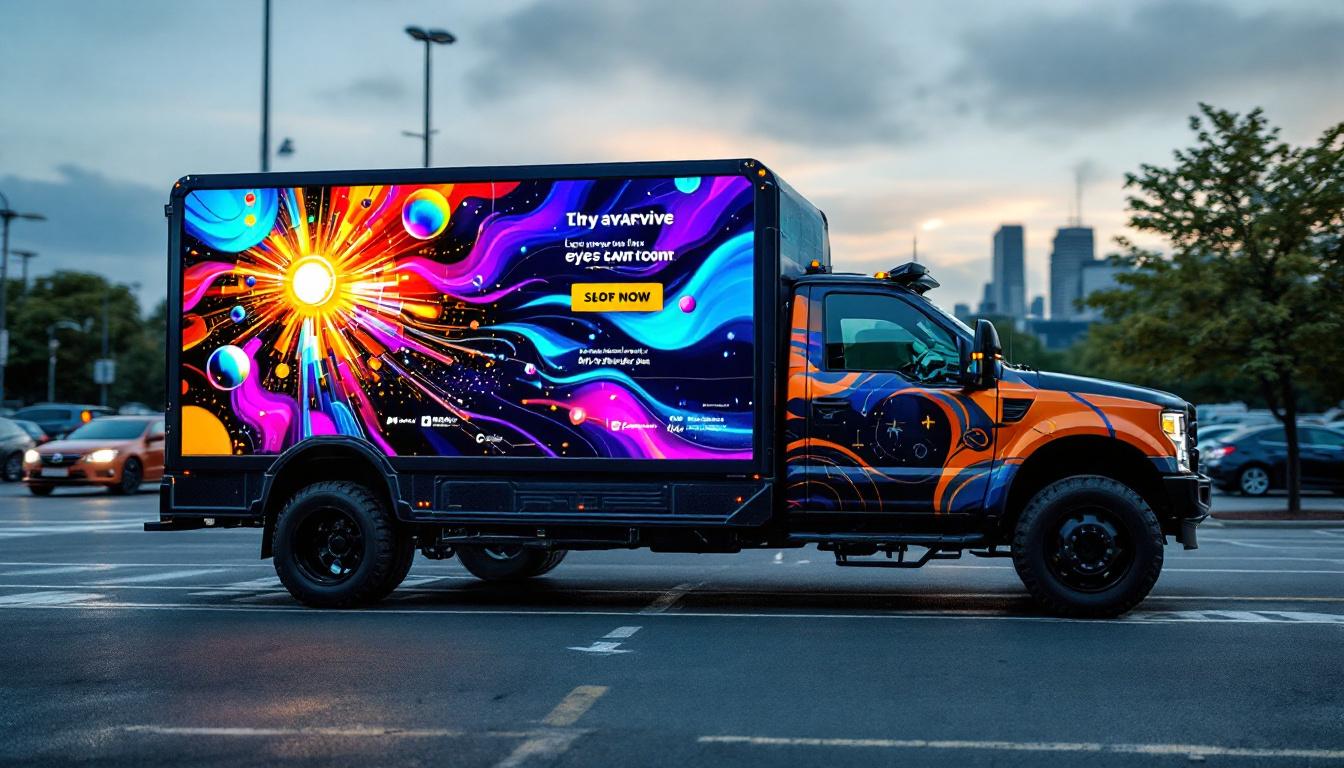
Outdoor LED panel lights are integral to modern digital signage and billboards. These displays use high-resolution LED panels to showcase vibrant advertisements, public information, and entertainment content. The panels’ brightness ensures visibility even in direct sunlight, while their weatherproof design guarantees uninterrupted operation.
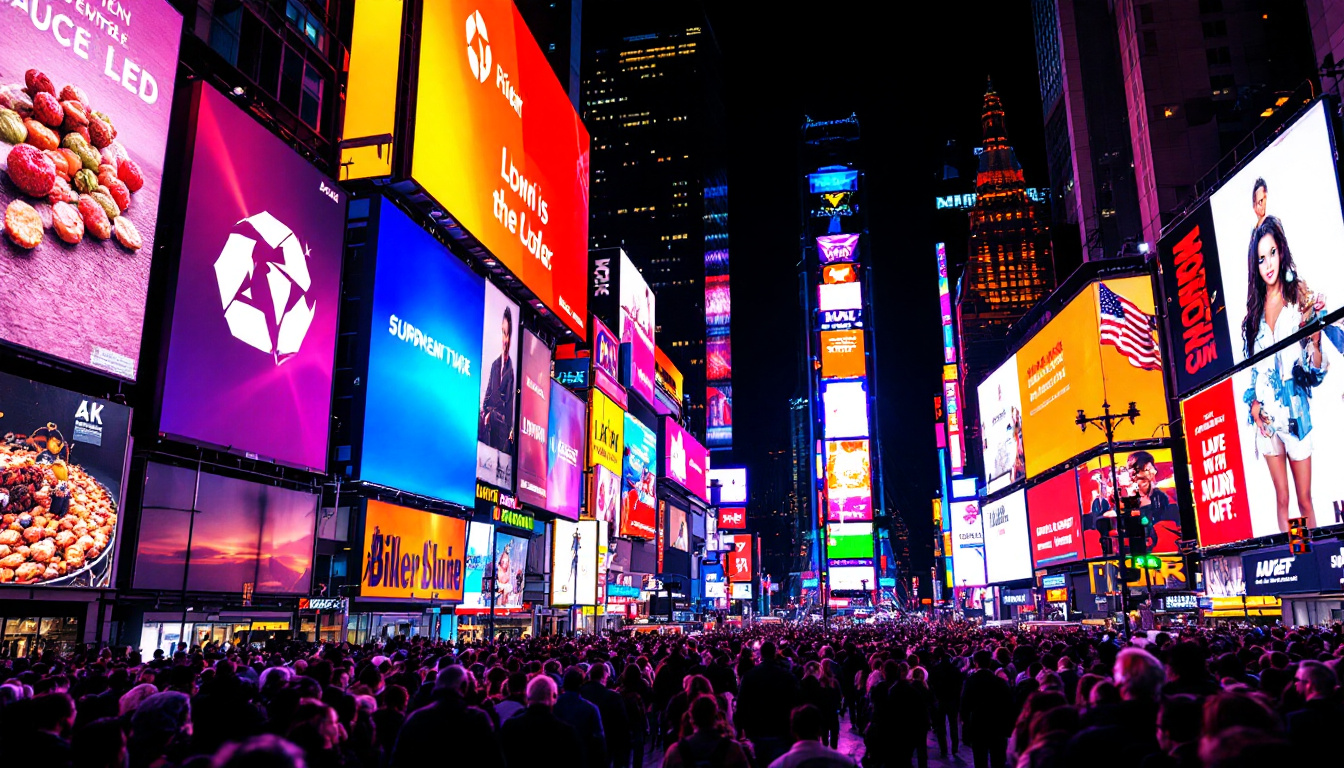
For example, Times Square in New York City features massive LED displays composed of thousands of individual LED panels, creating dynamic and eye-catching visuals. This technology has transformed advertising by enabling real-time content updates and interactive campaigns. Businesses can now tailor their messages based on audience demographics or even the time of day, making advertising more relevant and engaging.
Furthermore, the use of LED panels in outdoor advertising is not limited to large cities. Smaller towns are increasingly adopting this technology for community announcements and local business promotions, fostering a sense of community while enhancing the vibrancy of public spaces. The versatility of LED displays allows for a wide range of applications, from sporting events to cultural festivals, making them a vital tool in modern marketing strategies.
Architectural and Landscape Lighting
Architects and landscape designers use outdoor LED panel lights to highlight building features, monuments, and gardens. The panels’ slim design allows for discreet installation, while their customizable color temperatures can create various moods and effects.
LED panels are also used in façade lighting, where they can be programmed to change colors and patterns, enhancing the aesthetic appeal of structures during events or holidays. This flexibility makes them a favorite choice for creative lighting projects. For instance, many iconic buildings now feature LED lighting that can be synchronized with music or special events, creating a captivating experience for onlookers.
In landscape design, LED panel lights can be strategically placed to illuminate pathways, water features, and plant life, enhancing safety while creating enchanting nighttime environments. The ability to adjust brightness and color allows designers to craft unique atmospheres that can transform a garden or park into a magical space after dark. As outdoor LED technology continues to evolve, we can expect even more innovative applications that push the boundaries of traditional lighting design.
Benefits of Using Outdoor LED Panel Lights
Energy Efficiency and Cost Savings
LED panel lights consume significantly less power than traditional lighting technologies. This efficiency reduces electricity bills and lessens the environmental impact associated with energy production. For large-scale outdoor installations, the cumulative savings can be substantial.
Moreover, LEDs have a longer lifespan—often exceeding 50,000 hours—meaning fewer replacements and lower maintenance costs. This durability is particularly valuable in outdoor settings where access for repairs can be challenging and expensive.
Superior Light Quality and Visibility
Outdoor LED panel lights provide bright, uniform illumination with excellent color rendering. This enhances visibility and safety, particularly in public spaces and roadways. The ability to adjust brightness and color temperature also allows for tailored lighting solutions that suit specific environments and times of day.
High-quality LED panels minimize glare and light pollution, addressing concerns about excessive or misdirected outdoor lighting. This contributes to a more comfortable and visually pleasing environment.
Environmental Sustainability
LED technology is environmentally friendly in several ways. Besides lower energy consumption, LEDs do not contain hazardous materials like mercury, which is common in fluorescent lamps. Additionally, their long lifespan reduces waste generated from frequent bulb replacements.
The adoption of LED panel lights supports global efforts to reduce greenhouse gas emissions and combat climate change. Many cities and organizations are integrating LED lighting into their sustainability strategies as a result.
Key Considerations When Choosing Outdoor LED Panel Lights
Brightness and Color Temperature
Choosing the right brightness level (measured in lumens) is crucial for effective outdoor lighting. Too little light can compromise safety and visibility, while excessive brightness may cause glare and discomfort. It is important to assess the specific requirements of the installation site to select an appropriate lumen output.
Color temperature, measured in Kelvin (K), affects the mood and functionality of outdoor spaces. Cooler temperatures (5000K–6500K) produce a crisp, daylight-like light ideal for security and task lighting. Warmer temperatures (2700K–3500K) create a softer, inviting ambiance suitable for architectural and landscape lighting.
Durability and Weather Resistance
Outdoor LED panel lights must withstand environmental stressors such as rain, wind, dust, and temperature fluctuations. Look for products with high Ingress Protection (IP) ratings—IP65 or higher is recommended for most outdoor applications.
Materials and build quality also impact durability. Panels with corrosion-resistant frames and tempered glass covers provide added protection and longevity.
Installation and Maintenance
Consider the ease of installation and accessibility for maintenance. Some LED panels come with modular designs that simplify replacement of individual components, reducing downtime and service costs.
Smart control features, such as remote dimming and scheduling, can further enhance operational efficiency and reduce manual intervention.
Future Trends in Outdoor LED Panel Lighting
Integration with Smart City Technologies
The rise of smart cities is driving innovation in outdoor LED panel lighting. Modern LED panels are increasingly equipped with sensors and connectivity options that enable adaptive lighting based on real-time conditions such as traffic flow, weather, and pedestrian presence.
This intelligent lighting approach improves energy efficiency and public safety while providing valuable data for urban planning. For instance, streetlights can dim during low-traffic hours and brighten when pedestrians or vehicles are detected, optimizing resource use.
Advancements in Display Resolution and Color Accuracy
Outdoor LED displays continue to evolve with higher pixel densities and improved color gamut. These advancements enable sharper images and more vibrant colors, enhancing the effectiveness of digital signage and advertising.
Emerging technologies like microLED and miniLED promise even greater brightness and energy efficiency, potentially transforming the future of outdoor displays.
Eco-Friendly Materials and Manufacturing
As environmental concerns grow, manufacturers are focusing on sustainable materials and production processes for LED panel lights. This includes using recyclable components, reducing hazardous substances, and improving energy efficiency during manufacturing.
Consumers and municipalities alike are prioritizing eco-friendly products, making sustainability a key factor in purchasing decisions.
Conclusion
Outdoor LED panel lights represent a significant advancement in lighting and display technology, offering energy efficiency, durability, and superior light quality. Their versatility makes them suitable for a wide range of applications, from street lighting and public safety to advertising and architectural enhancement.
When selecting outdoor LED panel lights, it is essential to consider factors such as brightness, color temperature, weather resistance, and maintenance requirements to ensure optimal performance. As technology continues to advance, the integration of smart features and eco-friendly materials will further enhance the value and impact of these lighting solutions.
For cities, businesses, and designers looking to illuminate outdoor spaces effectively and sustainably, outdoor LED panel lights provide a compelling and future-ready option.
Illuminate Your World with LumenMatrix
Ready to elevate your outdoor space with the latest in LED display technology? LumenMatrix is at the forefront of innovation, offering a diverse range of LED display solutions tailored to your unique needs. From enhancing public safety with vibrant street lighting to capturing the attention of audiences through dynamic advertising, our products are designed to make a lasting impression. Experience the difference with our Indoor and Outdoor LED Wall Displays, Vehicle LED Displays, and more. Check out LumenMatrix LED Display Solutions today and transform your visual communication into an unforgettable experience.