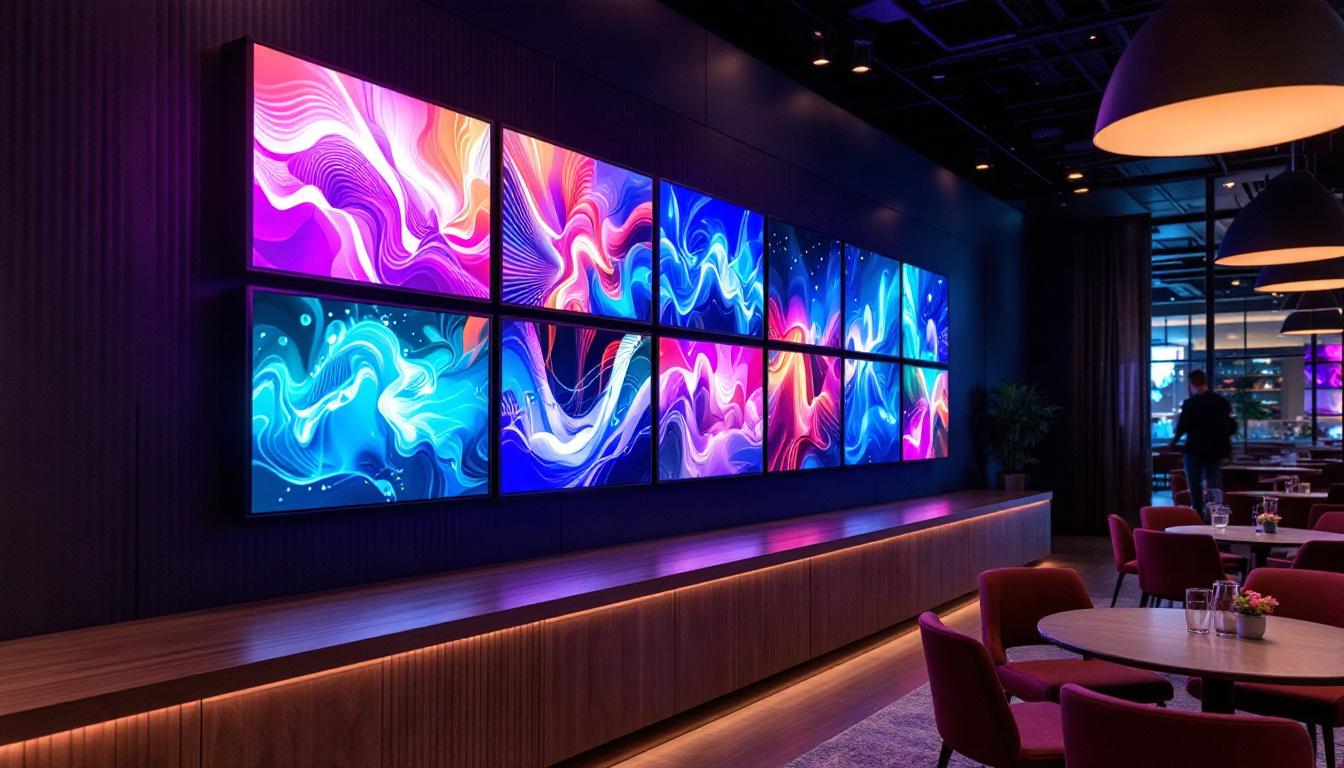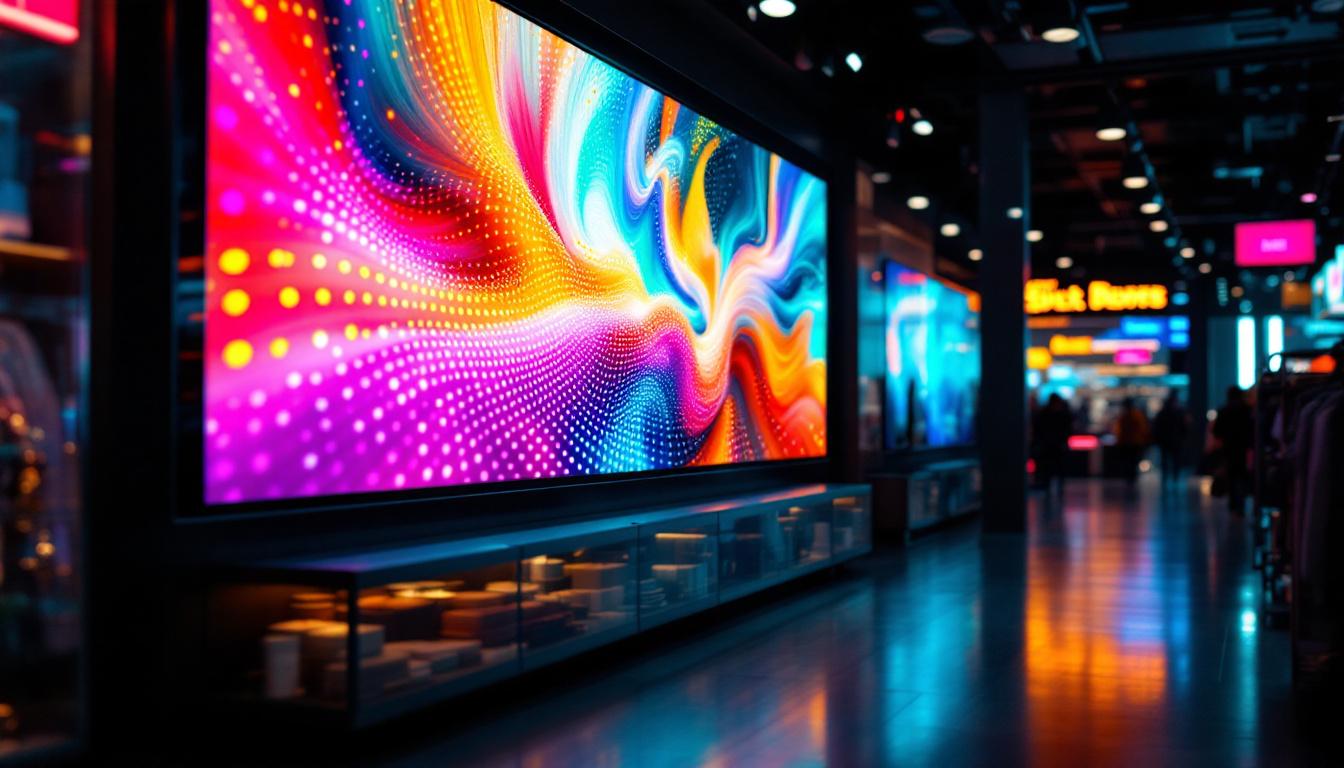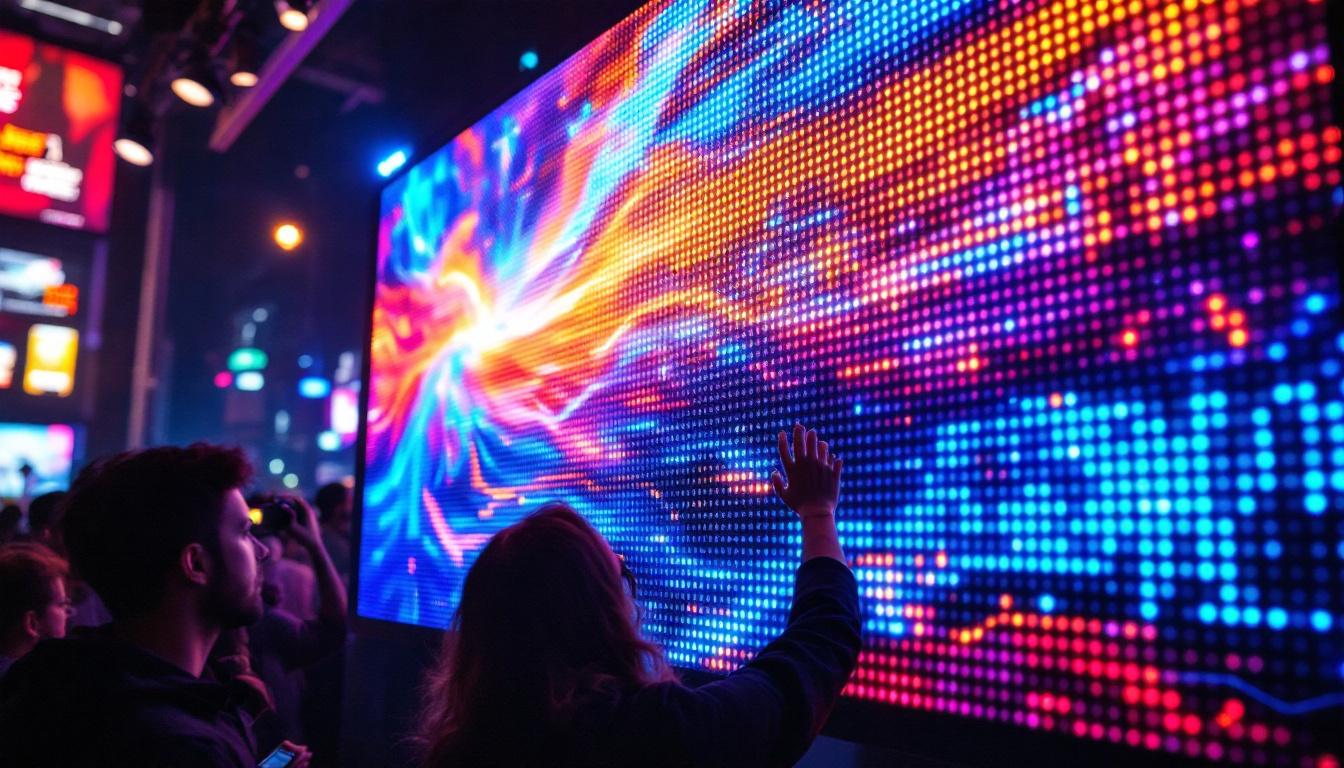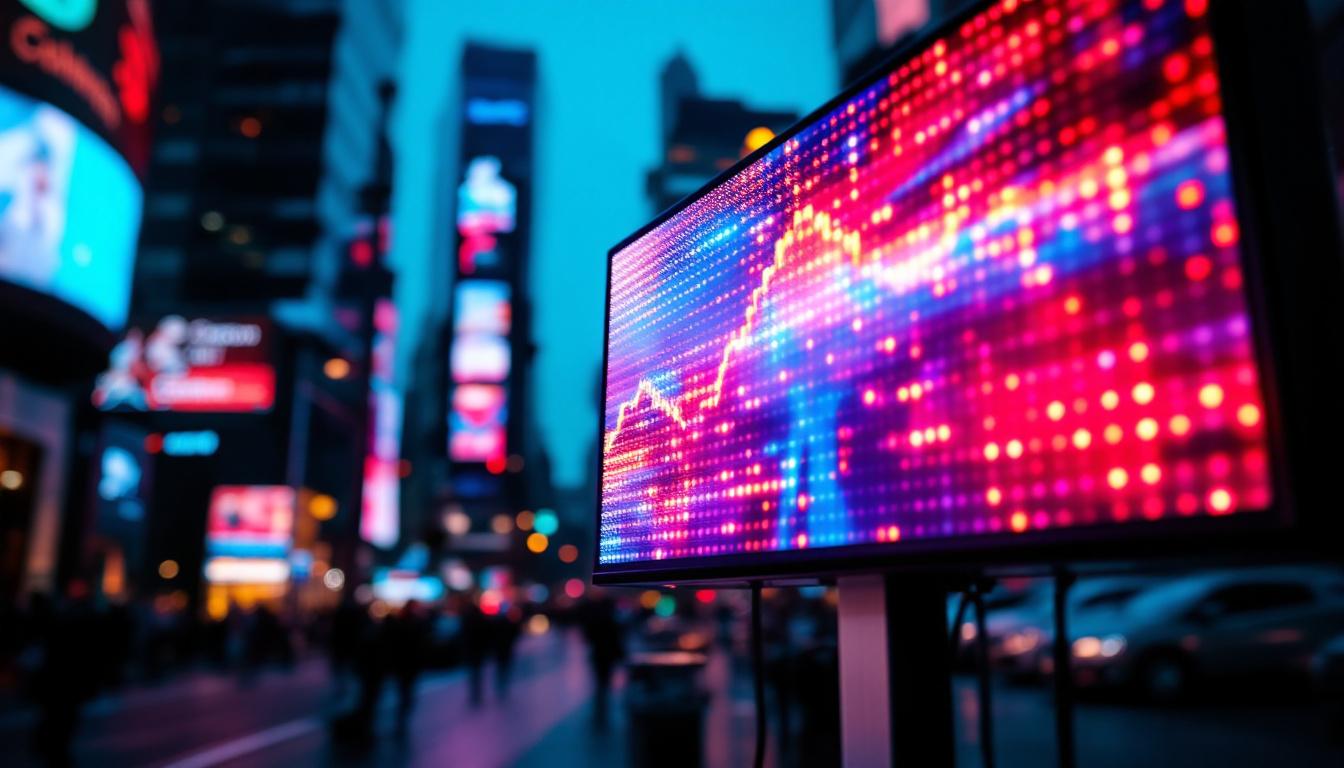
In today’s digital age, LED displays have become an integral part of our visual environment, shaping how information is presented and consumed across multiple industries. From vibrant billboards in city centers to high-resolution screens in stadiums and retail stores, LED technology offers unparalleled brightness, flexibility, and energy efficiency. This article delves into the intricacies of LED displays, exploring their technology, types, applications, and future trends to provide a comprehensive understanding for professionals, enthusiasts, and decision-makers alike.
Understanding LED Display Technology
At its core, an LED display is a flat panel that uses light-emitting diodes (LEDs) as pixels to create images and videos. Unlike traditional LCDs that rely on backlighting, LEDs emit their own light, resulting in brighter and more vivid displays. This fundamental difference underpins many of the advantages LED technology offers. The evolution of LED displays has transformed various industries, from advertising and entertainment to medical imaging and automotive displays, showcasing their versatility and adaptability in diverse applications.
How LEDs Work
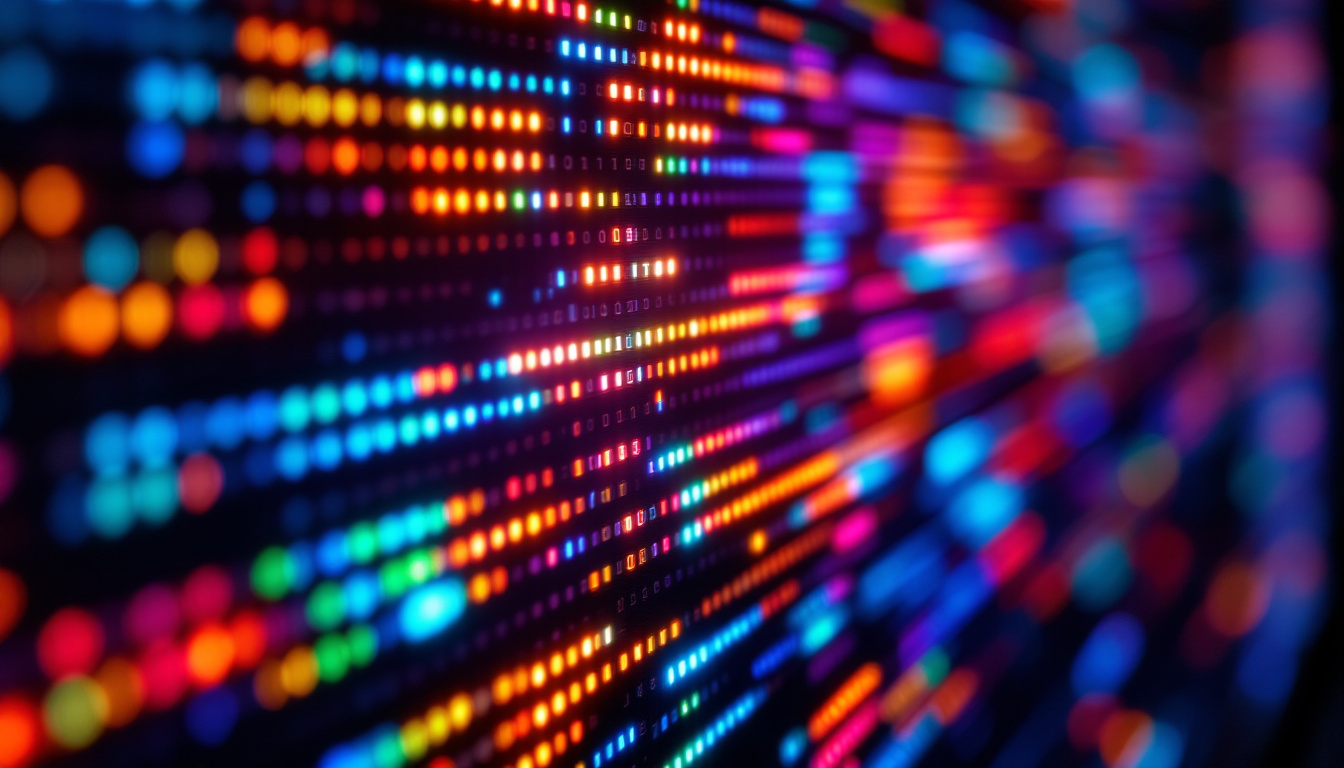
LEDs are semiconductor devices that emit light when an electric current passes through them. The color of the light depends on the materials used in the semiconductor. In LED displays, millions of these tiny diodes are arranged in a matrix to form pixels. Each pixel typically consists of red, green, and blue LEDs, which combine in varying intensities to produce a full spectrum of colors. This RGB configuration allows for the creation of intricate images and videos, as the precise control over each color channel enables stunning visual effects and dynamic content presentation.
The brightness and color accuracy of LED displays are superior to many other technologies because the light source is direct and can be controlled precisely. This allows for high contrast ratios and vibrant visuals even in bright ambient conditions, making LEDs ideal for both indoor and outdoor applications. Furthermore, advancements in LED technology, such as the development of organic LEDs (OLEDs), have pushed the boundaries of display quality even further, offering deeper blacks and improved energy efficiency, thus enhancing user experience across various platforms.
Key Components of LED Displays
LED displays consist of several critical components beyond the diodes themselves:
- Driver ICs: Integrated circuits that control the power and timing of the LEDs, ensuring proper color rendering and brightness.
- Control System: This manages the input signals, processes the image data, and synchronizes the display output.
- Power Supply: Provides stable voltage and current to maintain consistent LED performance.
- Cabinet and Modules: The physical housing and modular panels that make up the display, designed for durability and ease of maintenance.
Understanding these components helps in grasping how LED displays achieve their remarkable performance and reliability. Additionally, the modular design of LED displays allows for easy upgrades and repairs, making them a cost-effective solution for businesses looking to invest in long-term display technology. The ability to customize the size and shape of LED displays also opens up creative possibilities for architects and designers, enabling them to integrate stunning visual elements into their projects seamlessly. As LED technology continues to advance, we can expect even more innovative applications and enhancements that will redefine how we interact with visual media.
Types of LED Displays and Their Applications
LED displays come in various forms tailored to specific use cases. The choice of display type depends on factors such as viewing distance, environment, resolution requirements, and budget.
Indoor LED Displays
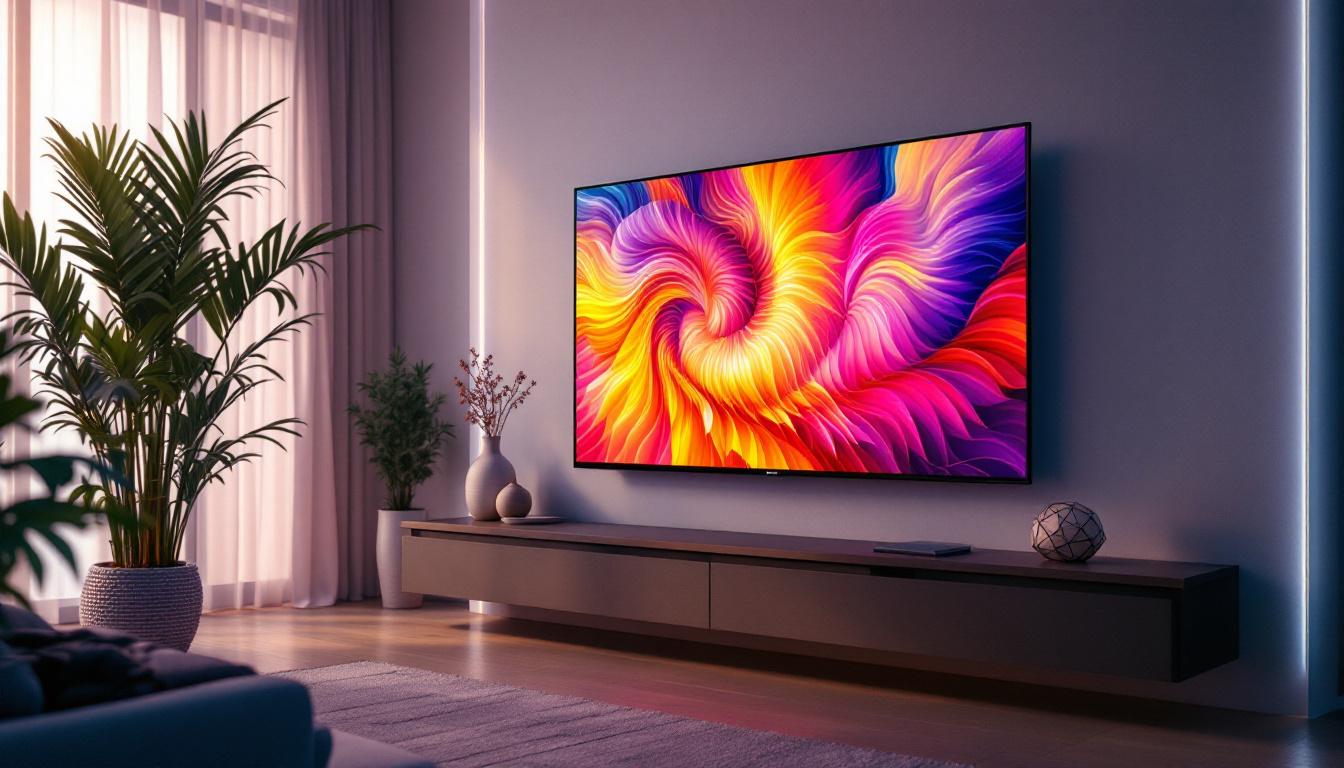
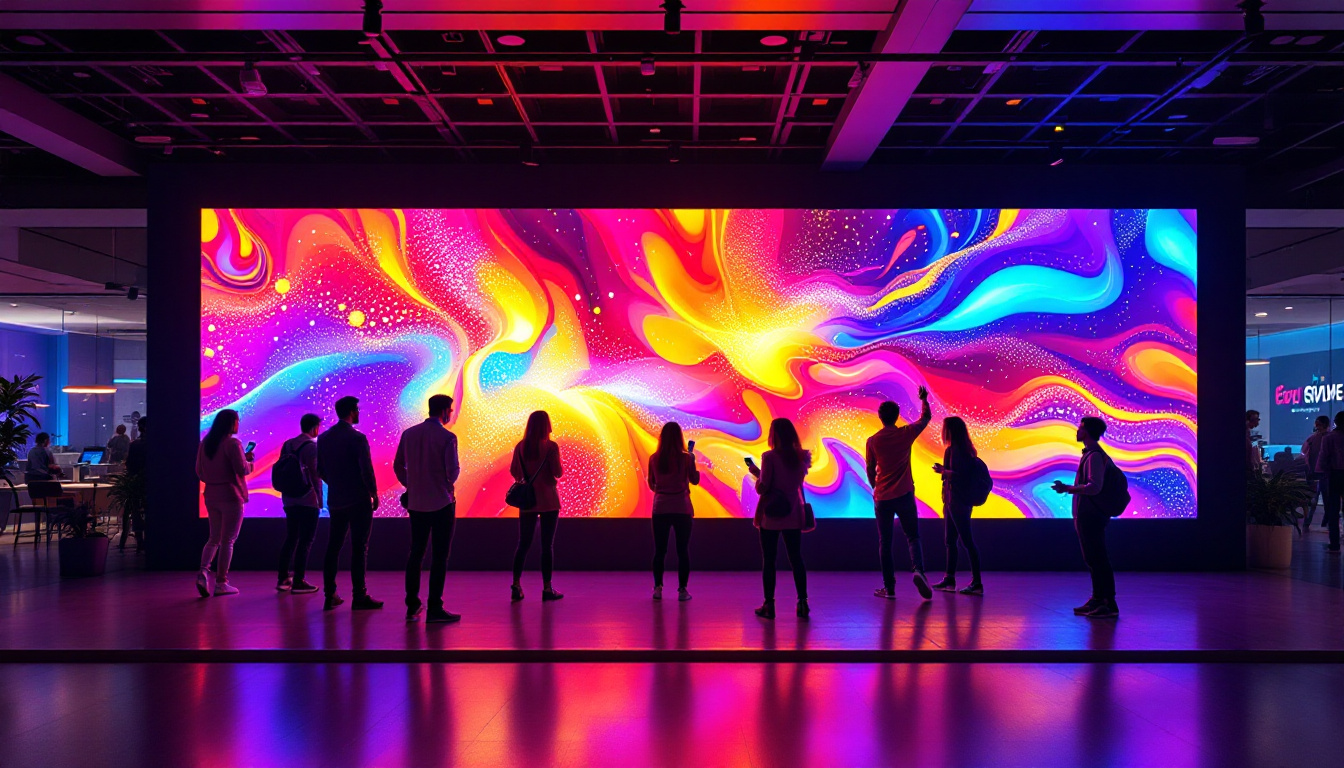
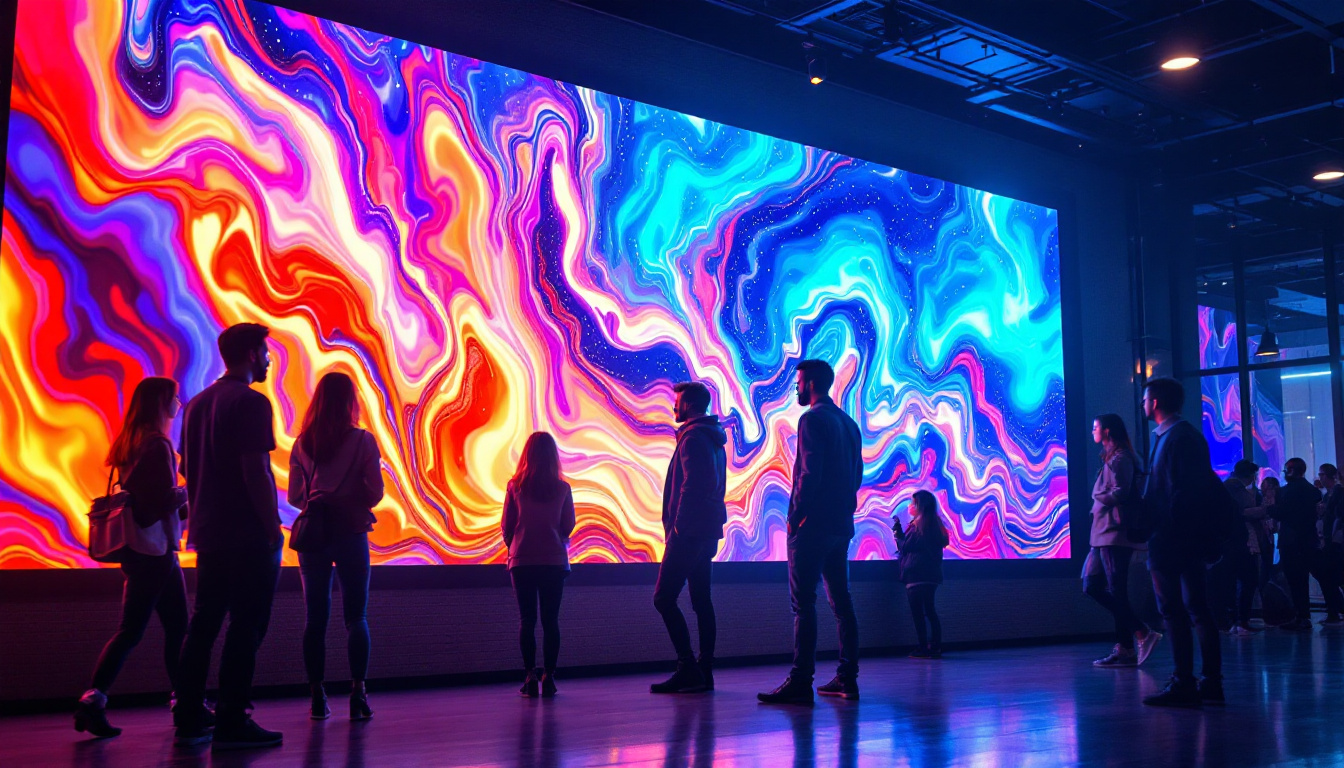
Indoor LED displays are designed for close-range viewing and typically feature smaller pixel pitches (the distance between individual LEDs). This results in higher resolution and sharper images, suitable for environments like conference rooms, retail stores, airports, and control centers.
For example, a pixel pitch of 1.2mm to 2.5mm is common in indoor settings, enabling detailed visuals even at short distances. The high refresh rates and color accuracy make these displays ideal for dynamic content such as videos, presentations, and interactive signage. Furthermore, many indoor LED displays come equipped with advanced features like touch interactivity and integration with content management systems, allowing businesses to engage customers in real-time and adapt their messaging based on audience interaction.
Outdoor LED Displays
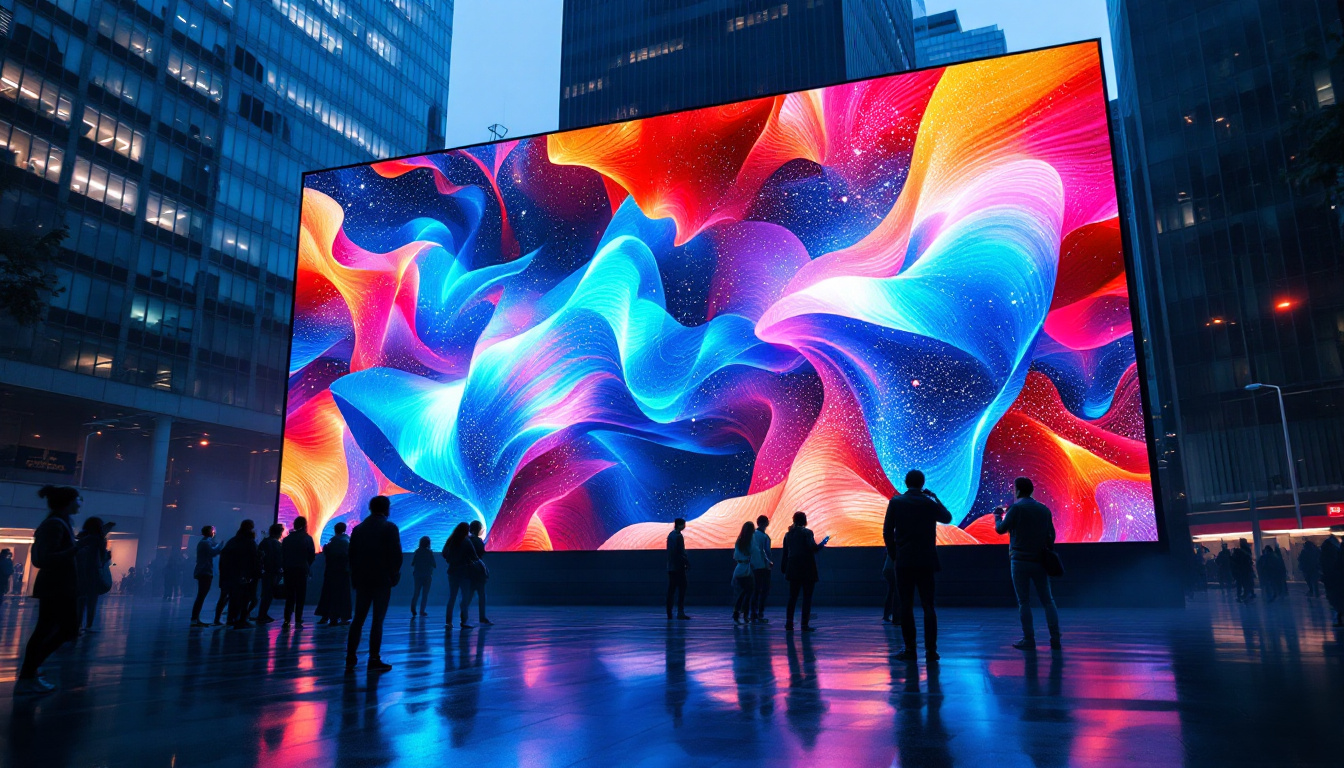
Outdoor LED displays are built to withstand harsh weather conditions and provide high brightness levels to combat sunlight glare. These displays typically have larger pixel pitches, ranging from 4mm to 20mm or more, as they are viewed from greater distances.
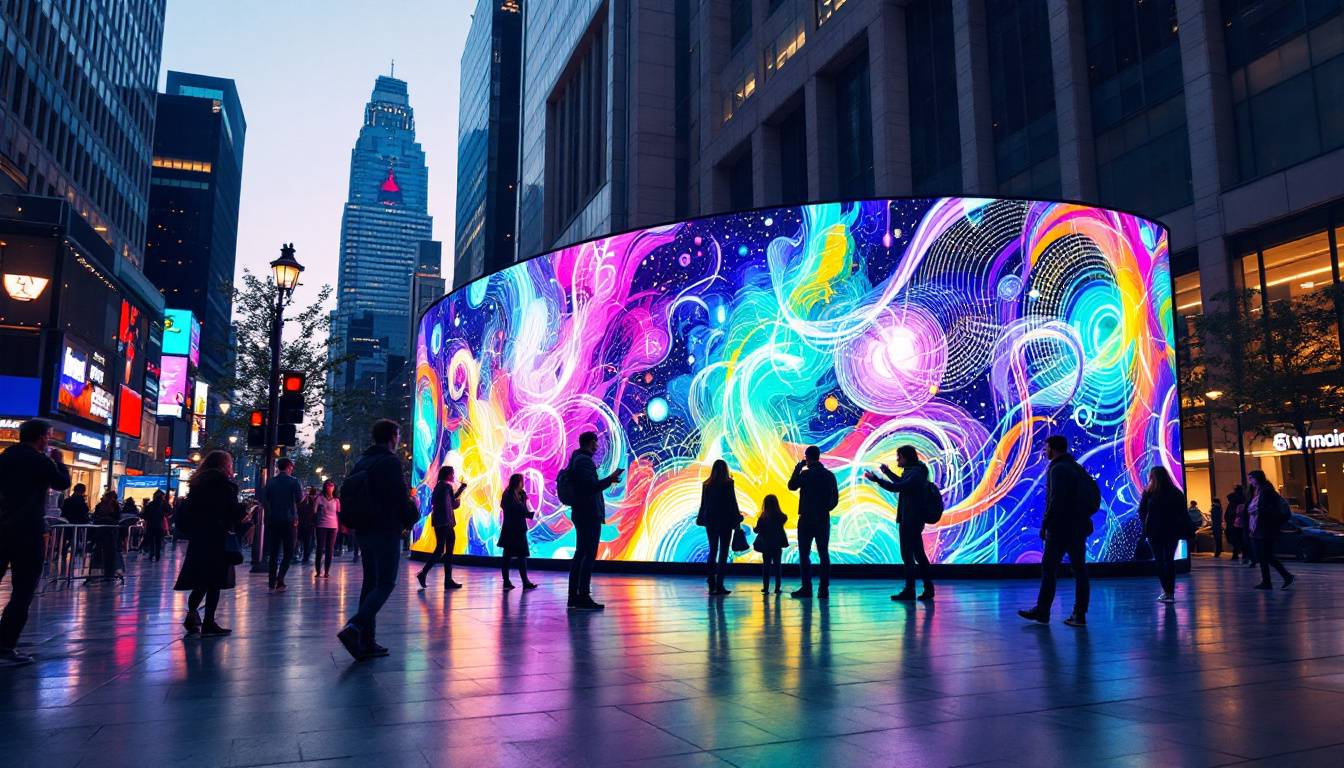
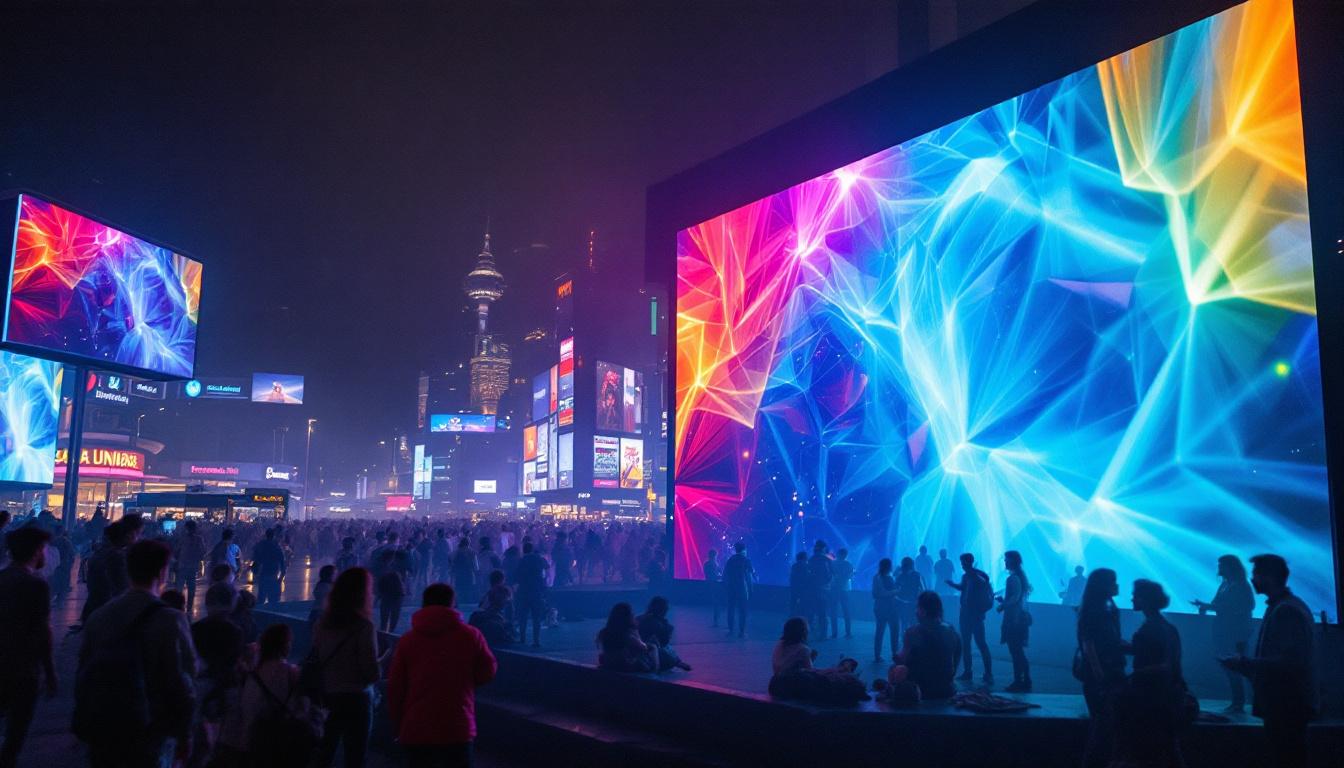
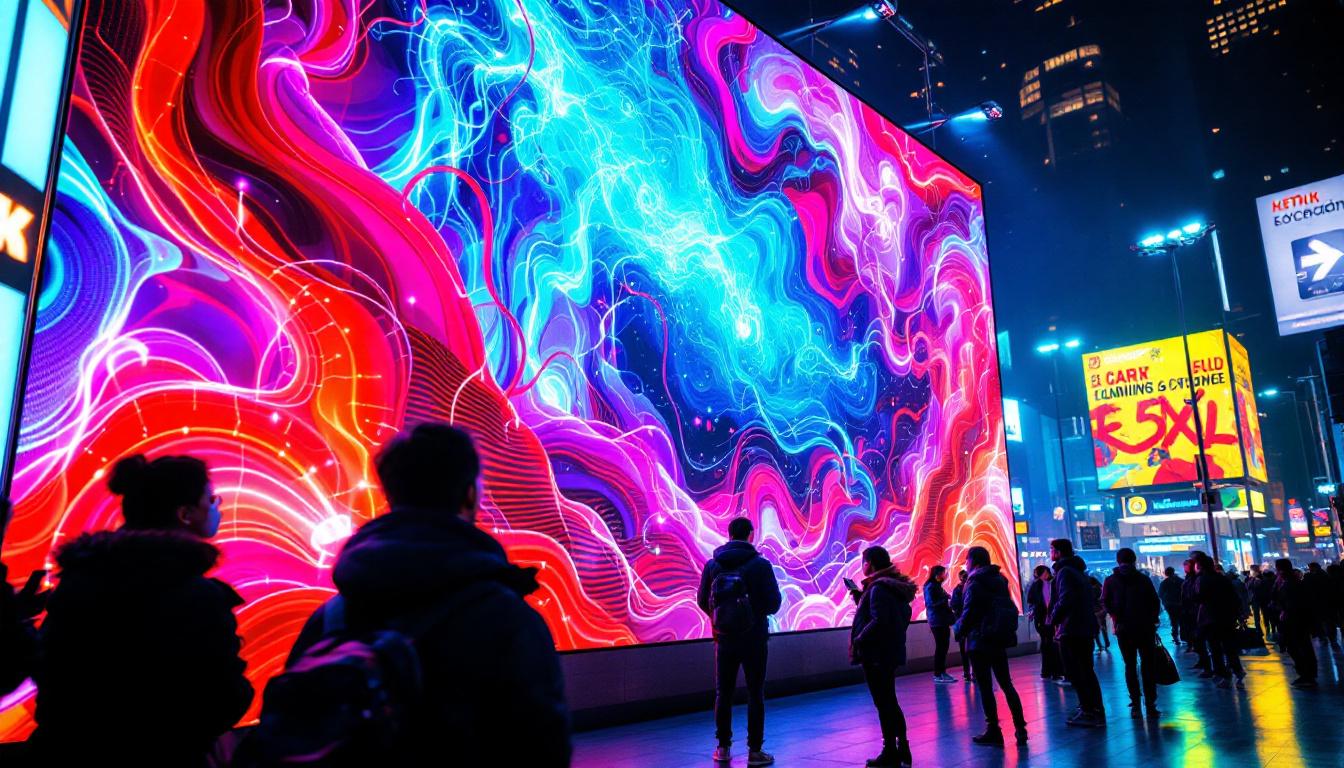
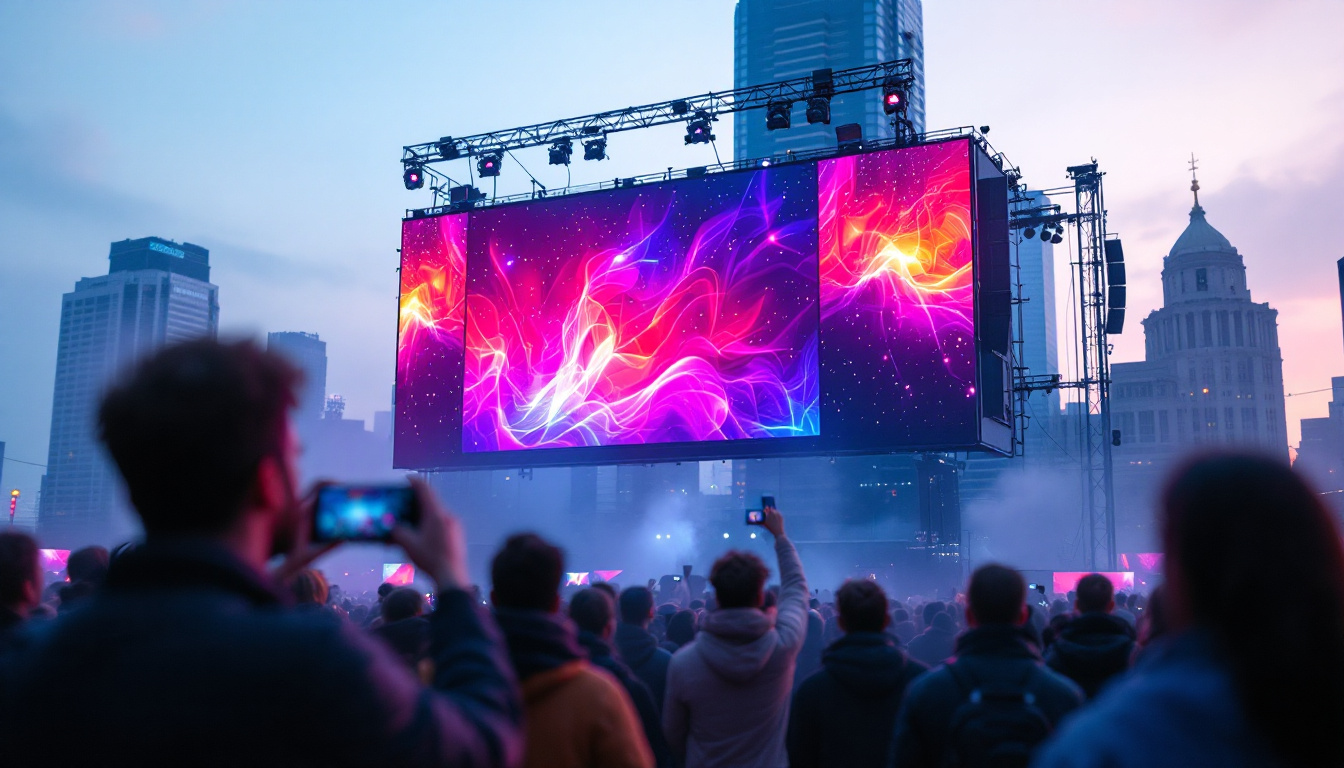
Common applications include advertising billboards, sports arenas, transportation hubs, and public information boards. Outdoor LEDs often incorporate weatherproof enclosures, anti-glare coatings, and advanced cooling systems to ensure durability and optimal performance. Additionally, many outdoor displays utilize energy-efficient technologies, which not only reduce operational costs but also contribute to sustainability efforts. The ability to showcase vibrant advertisements or live event feeds in high-definition makes outdoor LED displays a powerful tool for marketers and event organizers alike.
Transparent and Flexible LED Displays
Innovations in LED technology have led to the development of transparent and flexible LED displays, expanding the possibilities for architectural integration and creative installations.
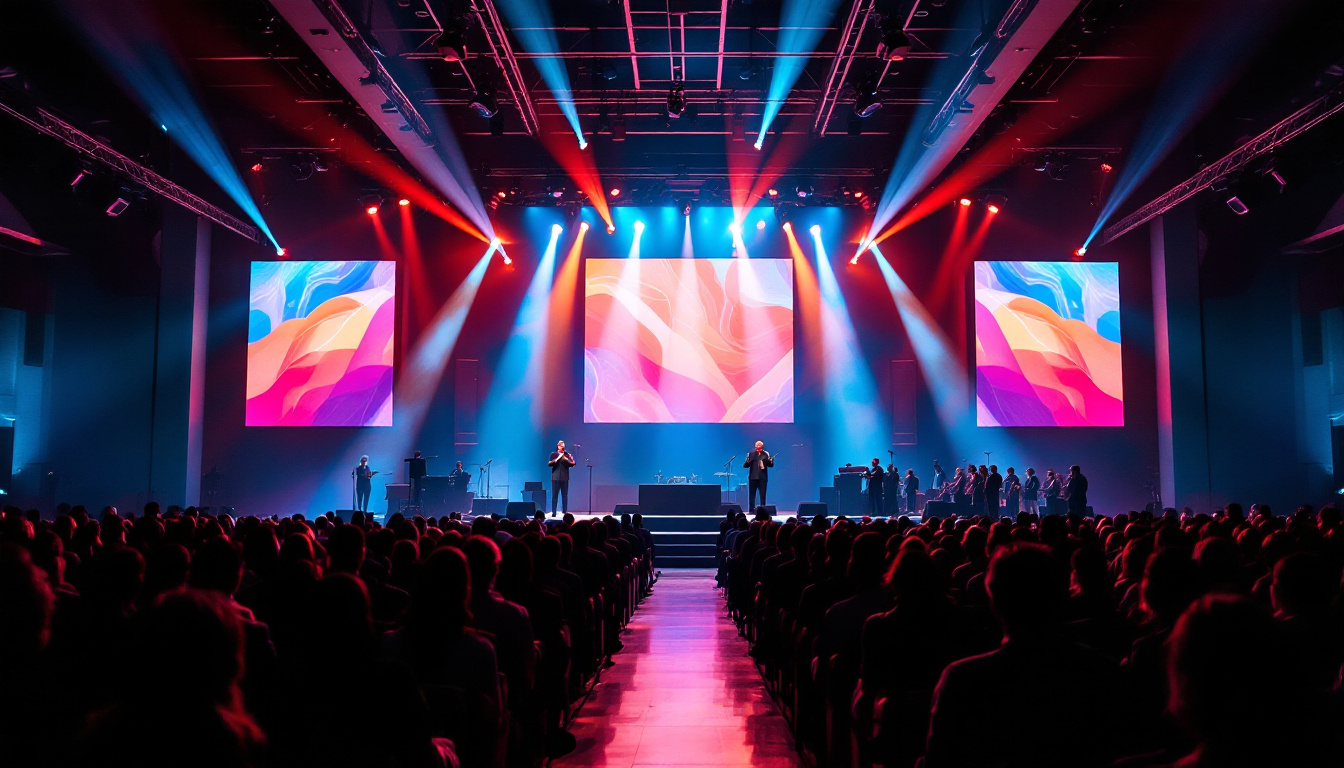
Transparent LED displays allow light to pass through, making them ideal for storefront windows and glass facades where visibility both inside and outside is essential. These displays can be used to create stunning visual effects without obstructing the view, allowing businesses to maintain an open and inviting atmosphere. Flexible LED panels can be curved or bent, enabling unique shapes and designs in exhibitions, stage productions, and advertising. This adaptability not only enhances aesthetic appeal but also allows for innovative branding opportunities, as companies can create immersive environments that captivate audiences and enhance their messaging in ways that traditional displays cannot achieve. As technology continues to evolve, the potential applications for these types of displays are virtually limitless, paving the way for more creative and engaging visual experiences.
Advantages of LED Displays Over Other Technologies
While LCD and OLED displays are widely used, LED displays offer distinct benefits that make them preferable in many scenarios.
Superior Brightness and Visibility
LED displays can reach brightness levels exceeding 5,000 nits, far surpassing typical LCD screens. This makes them highly visible in direct sunlight and outdoor environments, ensuring messages are seen clearly at all times.
Energy Efficiency and Longevity
LEDs consume less power than traditional lighting and display technologies, which translates to lower operational costs and reduced environmental impact. Additionally, LEDs have a long lifespan, often exceeding 100,000 hours, minimizing maintenance and replacement expenses.
High Contrast and Color Accuracy
The ability of LEDs to emit light directly allows for deeper blacks and richer colors, enhancing image quality and viewer engagement. This is particularly important in applications like digital advertising and broadcasting, where visual impact drives effectiveness.
Scalability and Flexibility
LED displays can be constructed in virtually any size and shape by combining modular panels. This scalability makes them suitable for everything from small informational signs to massive stadium screens.
Current Trends and Innovations in LED Display Technology
The LED display industry is rapidly evolving, driven by advances in materials science, manufacturing, and digital processing. Staying abreast of these trends is crucial for businesses and professionals seeking to leverage the latest capabilities.
Mini-LED and Micro-LED Technologies
Mini-LED and Micro-LED represent the next generation of LED displays, featuring significantly smaller diode sizes and pixel pitches. Mini-LEDs use thousands of tiny LEDs as backlighting for LCD panels, improving contrast and brightness. Micro-LEDs, on the other hand, consist of microscopic LEDs that form the actual pixels, enabling even higher resolution and energy efficiency.
These technologies promise to combine the best attributes of OLED and traditional LEDs, offering superior image quality without the burn-in issues associated with OLEDs.
Integration with AI and IoT
Smart LED displays are increasingly integrated with artificial intelligence (AI) and Internet of Things (IoT) platforms. This enables dynamic content adaptation based on audience demographics, environmental conditions, and real-time analytics.
For instance, retail stores use AI-powered LED displays to personalize advertisements based on customer behavior, while smart city initiatives deploy connected LED signage for efficient public communication and safety alerts.
Enhanced Durability and Sustainability
Manufacturers are focusing on creating LED displays with eco-friendly materials and designs that facilitate recycling and reduce electronic waste. Innovations in heat dissipation and protective coatings also extend the lifespan of outdoor displays, reducing the frequency of replacements and environmental impact.
Choosing the Right LED Display: Factors to Consider
Selecting an LED display requires careful consideration of multiple factors to ensure it meets the specific needs of the application and delivers a strong return on investment.
Pixel Pitch and Resolution
Determining the appropriate pixel pitch is critical. Smaller pixel pitches yield higher resolution but come at a higher cost. The viewing distance is a key determinant; for example, a pixel pitch of 3mm is suitable for viewing distances of around 3 meters, while 10mm is better for distances beyond 10 meters.
Brightness and Environmental Conditions
Outdoor displays require higher brightness levels and robust weatherproofing. Indoor environments can utilize lower brightness but may prioritize color accuracy and refresh rates.
Installation and Maintenance
Modular designs simplify installation and future upgrades. Accessibility for maintenance, including LED replacement and cleaning, is essential to minimize downtime and costs.
Budget and Total Cost of Ownership
Beyond initial purchase price, consider energy consumption, maintenance, and potential lifespan. Investing in higher-quality LED displays often results in lower long-term costs and better performance.
Conclusion
LED display technology continues to revolutionize the way visual information is delivered across industries. Its superior brightness, energy efficiency, and versatility make it a preferred choice for applications ranging from advertising and entertainment to public safety and corporate communications.
Understanding the fundamentals of LED technology, the varieties available, and the latest innovations enables informed decisions that maximize the impact and value of LED displays. As the technology advances, LED displays will undoubtedly play an even greater role in shaping the digital landscape of the future.
Discover the Future of Visual Engagement with LumenMatrix
As you contemplate the vast potential and advancements of LED display technology, consider how LumenMatrix can elevate your visual communication strategies. With our comprehensive range of solutions, including Indoor and Outdoor LED Wall Displays, Vehicle LED Displays, LED Poster Displays, LED Sports Displays, Floor LED Displays, Custom LED Displays, All-in-One LED Displays, and LED Transparent Displays, we are at the forefront of innovation. Embrace the future by choosing LumenMatrix to create immersive and dynamic visual experiences that captivate your audience. Check out LumenMatrix LED Display Solutions today and see how we can transform your brand’s visibility and messaging with clarity and impact.