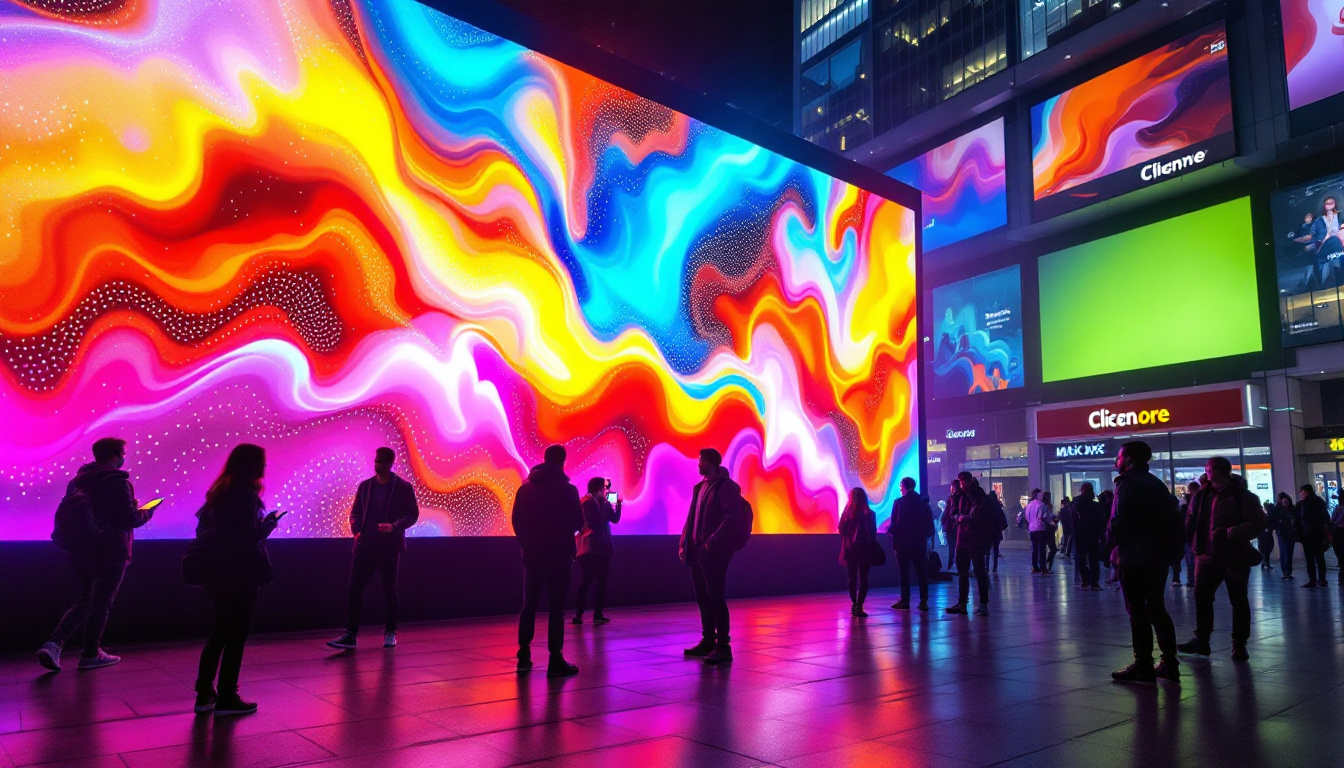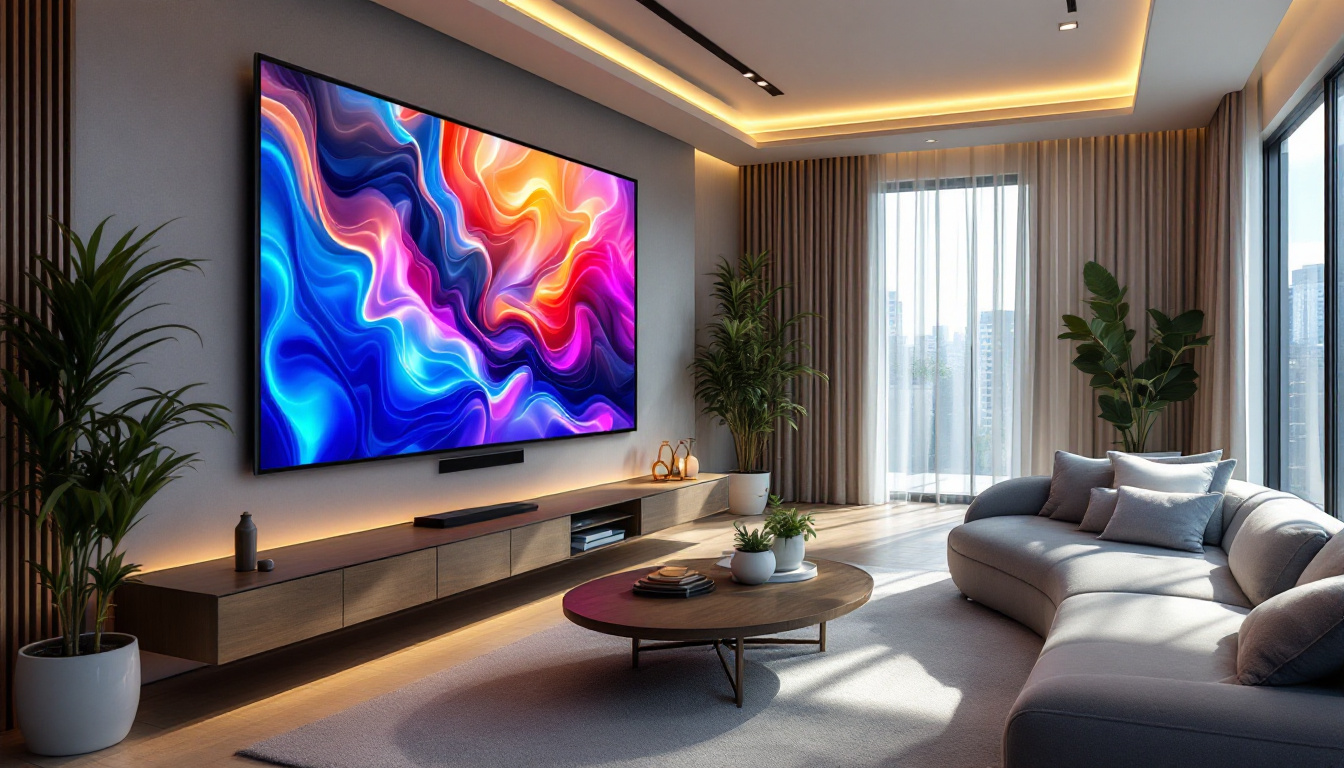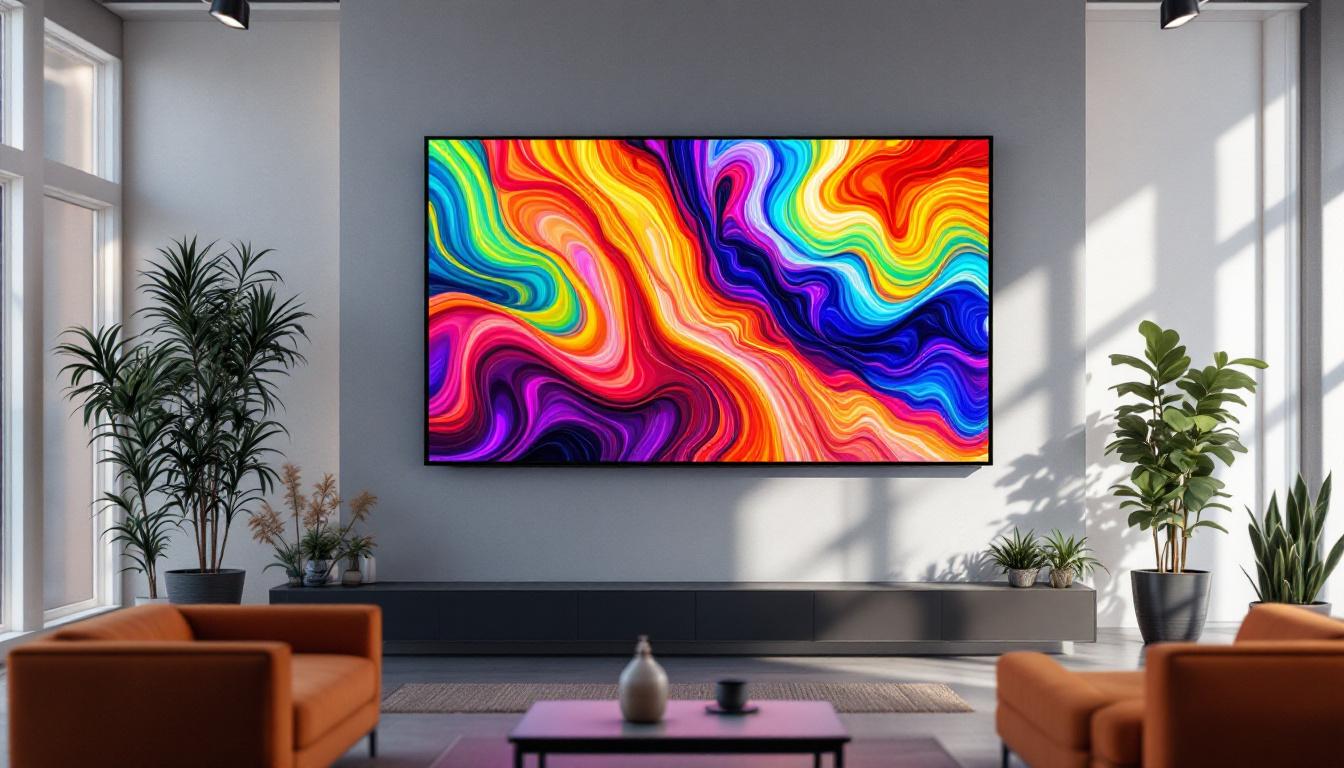
In an era where digital communication dominates, LED displays have become an essential medium for visual storytelling and information sharing. From vibrant billboards lighting up cityscapes to immersive video walls in corporate lobbies, LED technology transforms ordinary walls into dynamic canvases. This article explores the intricacies of LED displays, focusing on their structure, technology, applications, and future trends to provide a comprehensive understanding of how these picture-perfect walls work.
Understanding LED Display Technology
What Is an LED Display?
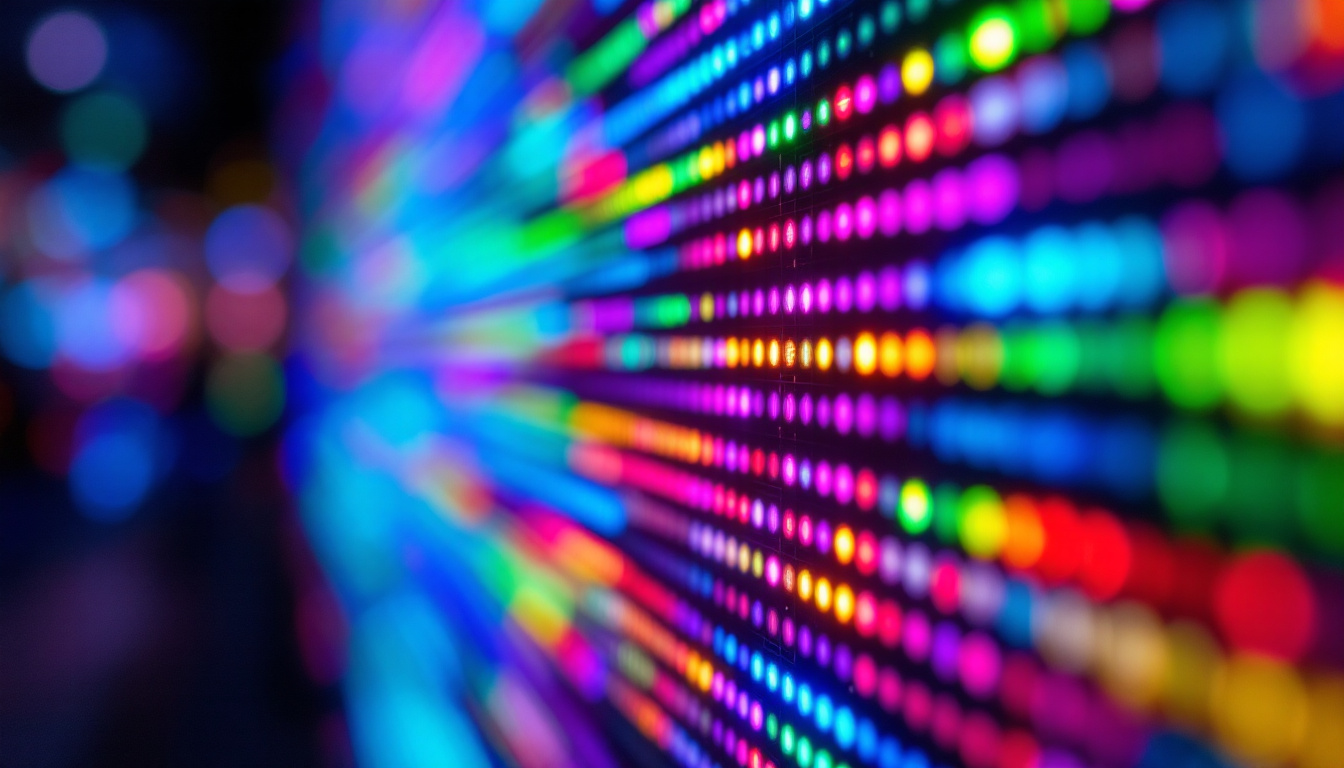
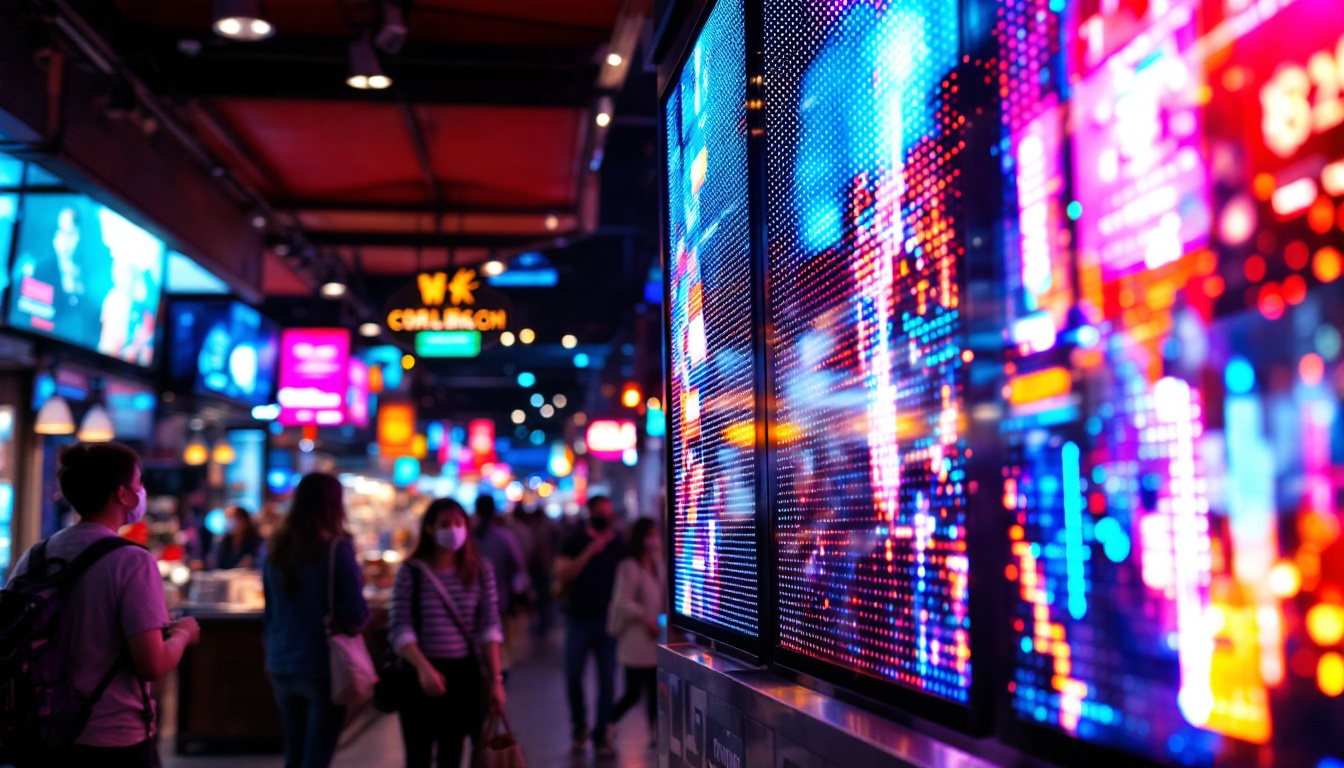
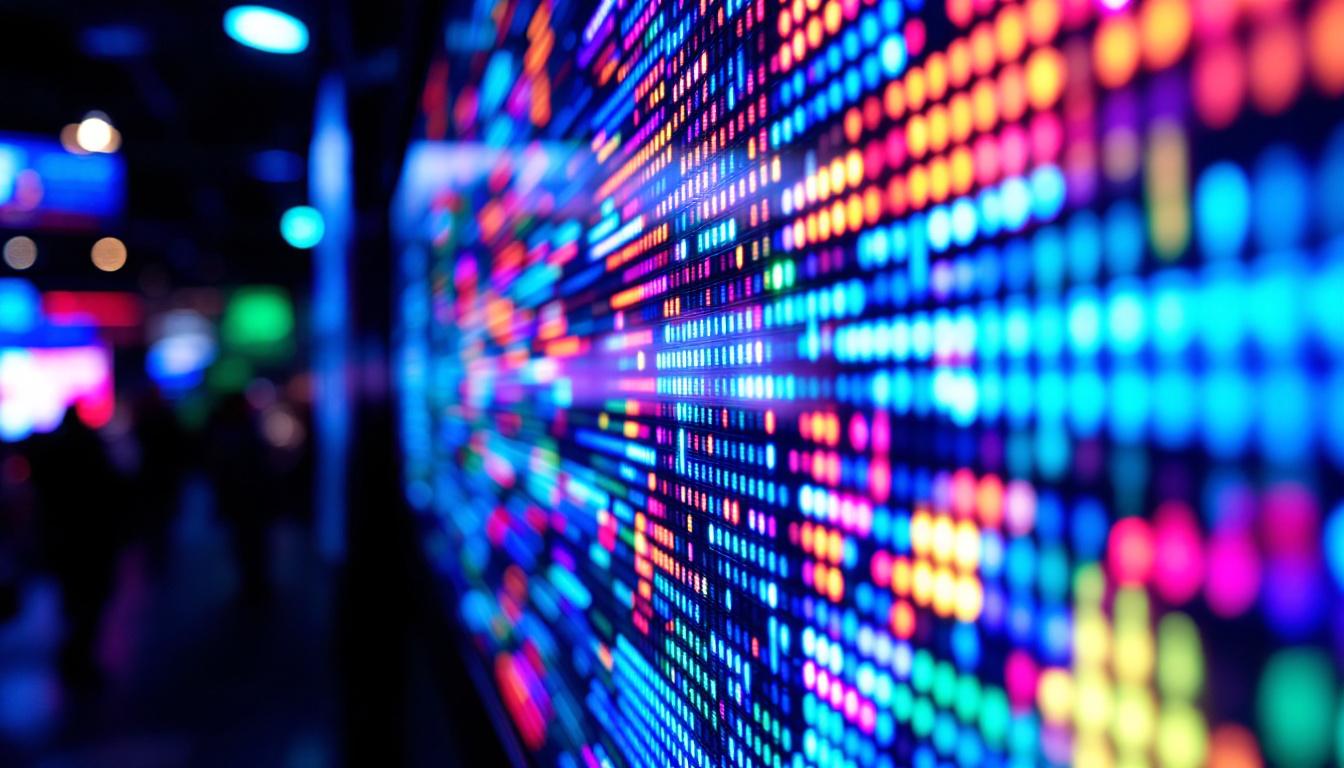
LED stands for Light Emitting Diode, a semiconductor device that emits light when an electric current passes through it. An LED display is essentially a flat panel made up of thousands, sometimes millions, of these tiny diodes arranged in a grid. Each diode acts as a pixel that can emit different colors, combining to form images, videos, or text.
Unlike traditional LCD or plasma screens, LED displays use direct light emission, which results in higher brightness, better contrast, and more vibrant colors. This makes them particularly effective for environments with high ambient light, such as outdoor advertising or large public venues. Moreover, LED technology is energy-efficient, consuming significantly less power compared to older display technologies, which not only reduces operating costs but also contributes to a lower environmental footprint.
In addition to their brightness and energy efficiency, LED displays are also known for their durability and longevity. Unlike traditional screens that may suffer from burn-in or image retention, LED displays can operate for tens of thousands of hours without significant degradation in performance. This resilience makes them an ideal choice for applications ranging from sports arenas to concert stages, where they must withstand the rigors of constant use and varying environmental conditions.
How Do LED Displays Work?
At the core of an LED display is the pixel, composed of red, green, and blue (RGB) LEDs. By adjusting the intensity of each color, the pixel can produce a wide spectrum of colors. These pixels are controlled by a processor that receives digital signals from a media source, such as a computer or video player.
The processor translates the incoming data into electrical signals that modulate the brightness of each LED. This modulation happens thousands of times per second, creating smooth motion and seamless transitions in videos and animations. The resolution of an LED display depends on the pixel pitch — the distance between the centers of two adjacent pixels. Smaller pixel pitches mean higher resolution and sharper images, especially important for close-up viewing.
Furthermore, LED displays can be categorized into different types based on their application and design. For instance, indoor LED displays are optimized for low-light environments, providing high resolution and color accuracy for events such as conferences and exhibitions. On the other hand, outdoor LED displays are engineered to withstand harsh weather conditions, featuring protective coatings and higher brightness levels to ensure visibility even in direct sunlight. This versatility in design allows LED technology to be utilized in a myriad of settings, from retail storefronts to large-scale billboards, making it a cornerstone of modern visual communication.
Types of LED Displays and Their Applications
Indoor vs. Outdoor LED Displays
LED displays are broadly categorized into indoor and outdoor types, each designed to meet specific environmental and performance requirements.
Indoor LED Displays typically have a smaller pixel pitch, often ranging from 1 mm to 4 mm, allowing for high-resolution images viewed at close distances. These are commonly used in conference rooms, retail stores, control centers, and entertainment venues. Indoor displays prioritize color accuracy and detail, with brightness levels typically between 800 to 1500 nits to prevent eye strain in controlled lighting conditions.
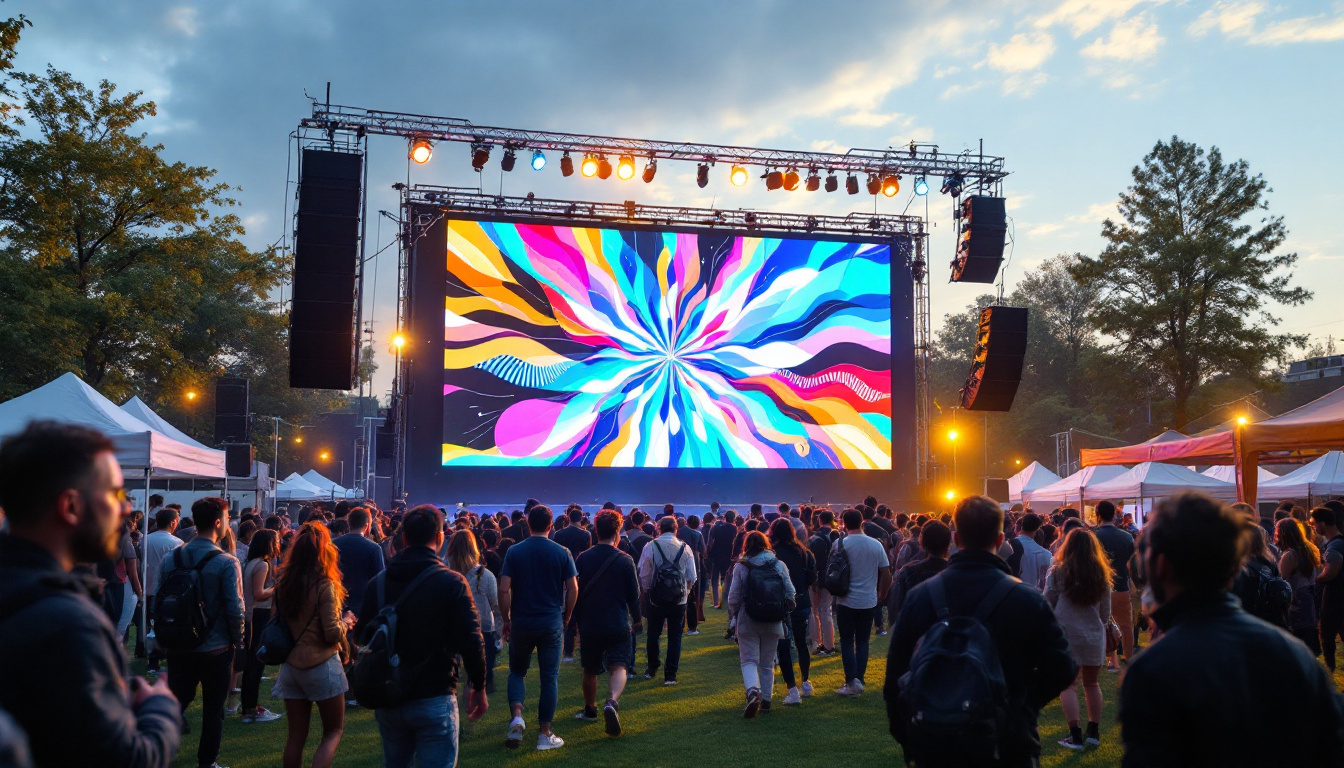
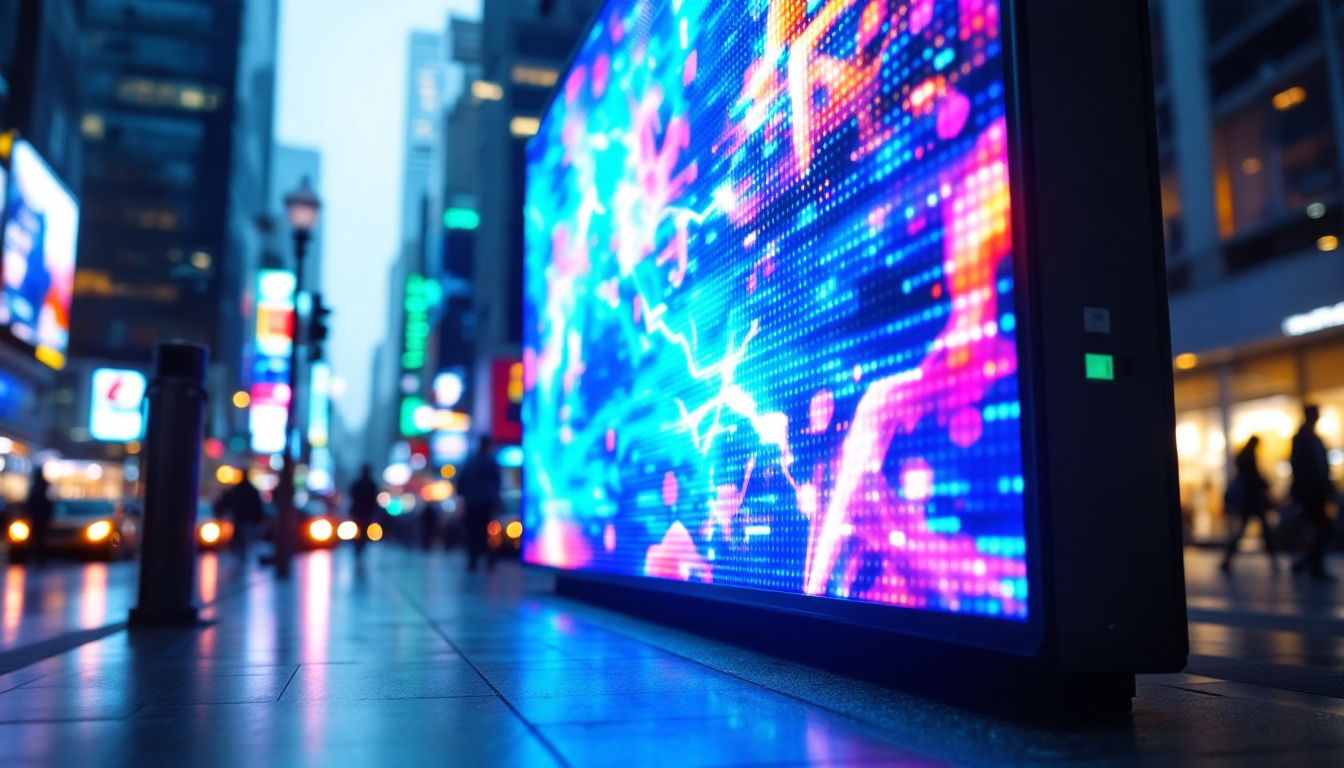
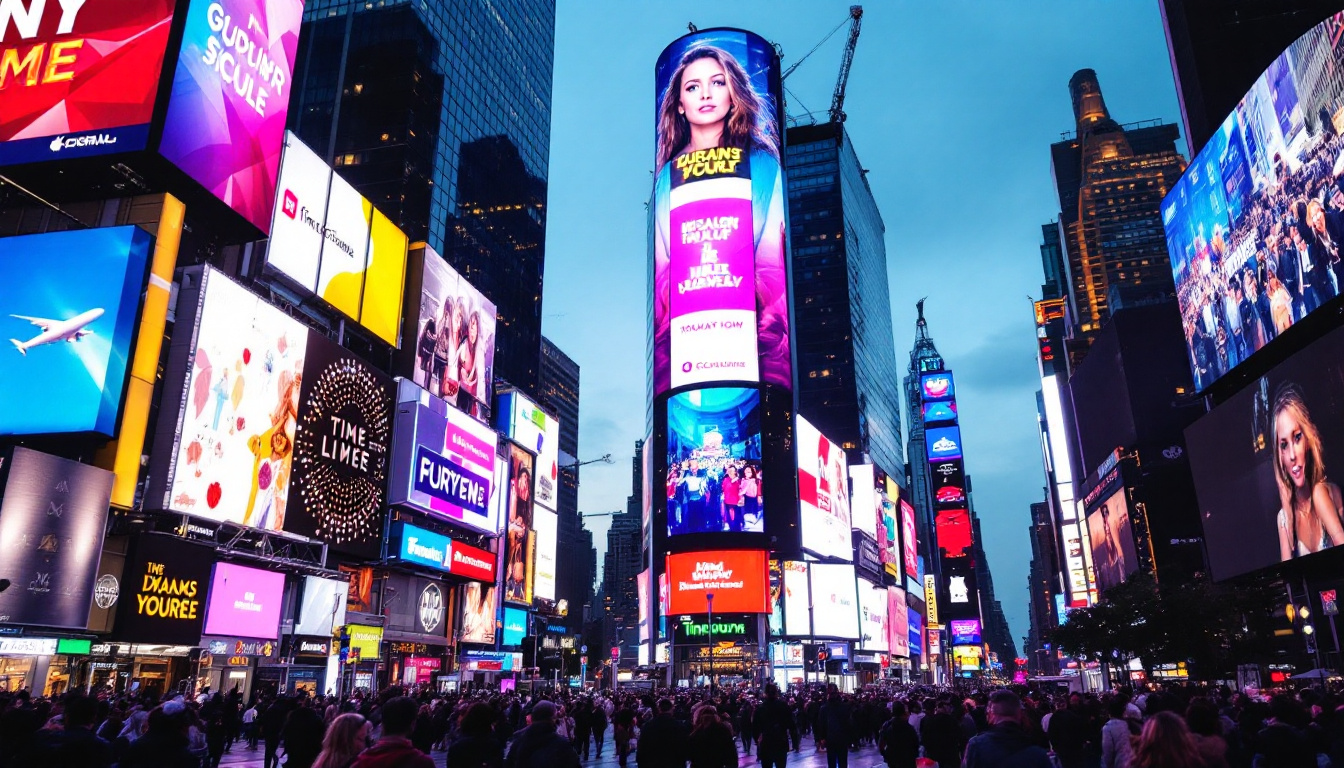
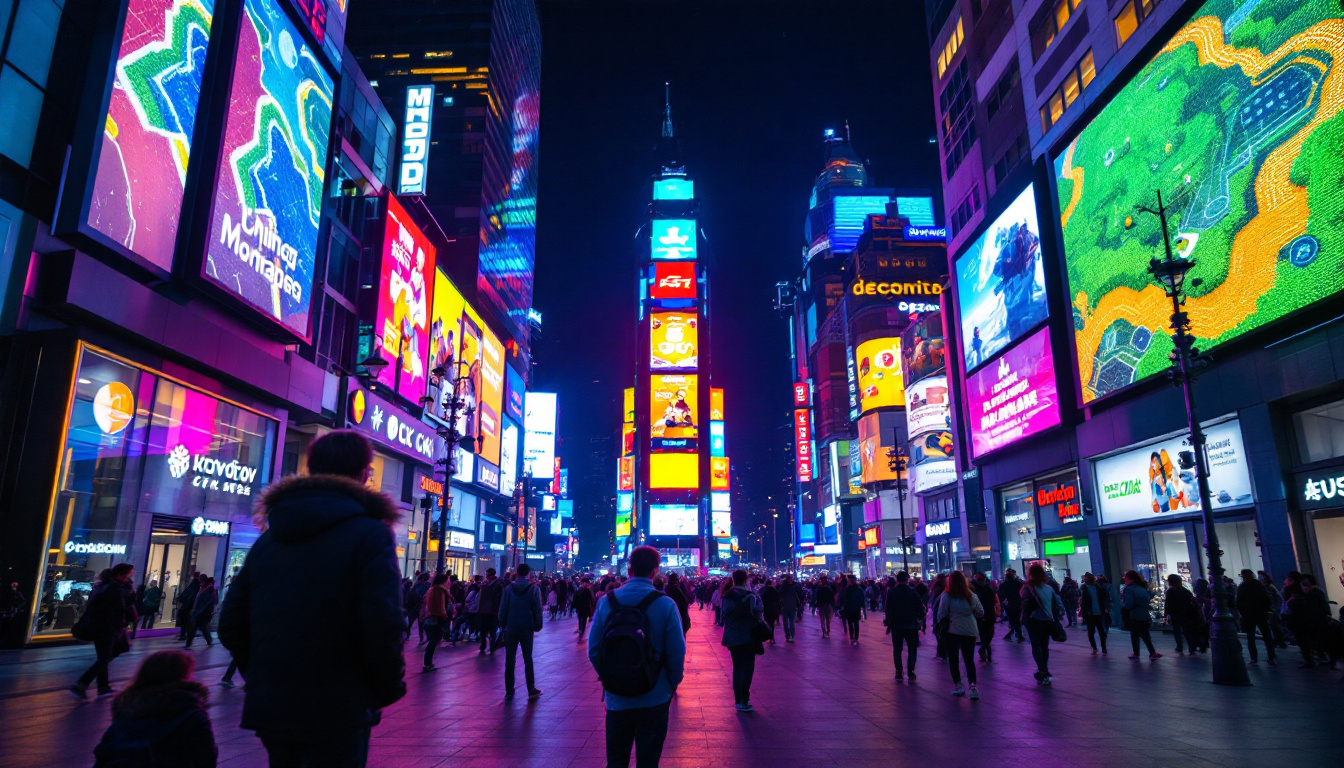
Outdoor LED Displays are built to withstand harsh weather conditions, including rain, dust, and extreme temperatures. Their pixel pitch is usually larger, from 4 mm to 20 mm or more, as viewers tend to observe them from greater distances. Outdoor displays are engineered for higher brightness levels, often exceeding 5,000 nits, to remain visible under direct sunlight. Common applications include digital billboards, sports stadium screens, and transportation hubs.
Specialized LED Displays: Transparent and Flexible Screens
Recent innovations have expanded the versatility of LED technology. Transparent LED displays allow light to pass through the screen, enabling their use on glass surfaces without obstructing views. This makes them ideal for storefronts and architectural installations where maintaining natural light is essential.
Flexible LED displays, on the other hand, use bendable substrates that can curve around surfaces or be shaped into creative forms. These are increasingly popular in experiential marketing, stage design, and art installations, offering designers unprecedented creative freedom.
Key Technical Considerations for Picture-Perfect Walls
Pixel Pitch and Resolution
Pixel pitch is arguably the most critical factor in determining the clarity of an LED display. A smaller pixel pitch means more pixels per square meter, resulting in higher resolution and finer detail. For example, a 1.2 mm pixel pitch display can deliver ultra-high-definition content suitable for close viewing, while a 10 mm pitch is better suited for large-scale outdoor signage viewed from afar.
Choosing the right pixel pitch depends on the viewing distance and the content type. For indoor applications like control rooms or retail displays, where viewers are close, a pixel pitch between 1.2 mm and 3 mm is ideal. For outdoor billboards or stadium screens, pixel pitches from 8 mm to 20 mm provide sufficient image quality without excessive cost.
Brightness and Contrast Ratio
Brightness, measured in nits, determines how well an LED display performs under various lighting conditions. Indoor displays typically require 800 to 1500 nits, whereas outdoor displays need much higher brightness levels, often between 5,000 and 10,000 nits, to overcome sunlight glare.
The contrast ratio, the difference between the darkest black and the brightest white the display can produce, affects image depth and realism. High contrast ratios enhance visual impact, making images appear more vivid and lifelike. Modern LED displays achieve contrast ratios exceeding 5,000:1, significantly improving picture quality over older technologies.
Viewing Angle and Color Accuracy
Viewing angle is the maximum angle at which the display can be viewed without significant loss of image quality. Wide viewing angles, often up to 160 degrees horizontally and vertically, ensure that content remains clear and vibrant even when viewed from the sides. This is particularly important for public displays where audiences are dispersed.
Color accuracy is essential for applications like retail and corporate branding, where brand colors must be reproduced faithfully. Advanced LED displays use calibration techniques and high-quality LEDs to achieve color gamuts that meet or exceed industry standards such as Rec. 709 or DCI-P3.
Installation and Maintenance of LED Picture Walls
Modular Design for Scalability and Repair
Most LED displays are constructed from modular panels, which simplifies installation and maintenance. These panels can be combined to create walls of virtually any size, from small digital signs to massive video walls spanning hundreds of square meters.
The modular approach also facilitates repairs. If a panel malfunctions, technicians can replace it without dismantling the entire display, minimizing downtime and maintenance costs. This design flexibility is a significant advantage for venues that require continuous operation, such as airports or sports arenas.
Power Consumption and Heat Management
LED displays consume significant power, especially large outdoor installations with high brightness settings. Efficient power management systems and energy-saving features, such as automatic brightness adjustment based on ambient light, help reduce operational costs.
Heat dissipation is another critical factor. LEDs generate heat during operation, which can affect performance and lifespan if not properly managed. High-quality displays incorporate heat sinks, ventilation, and sometimes active cooling systems to maintain optimal operating temperatures.
Environmental Considerations and Durability
Outdoor LED displays must be rugged and weather-resistant. They are typically rated with an Ingress Protection (IP) code indicating their resistance to dust and water. For example, an IP65 rating means the display is dust-tight and protected against water jets, suitable for most outdoor environments.
Durability also extends to resistance against UV radiation and temperature fluctuations. Displays designed for extreme climates use specialized materials and coatings to prevent degradation and color shifting over time.
Emerging Trends and Future Outlook
Mini-LED and Micro-LED Technologies
Advancements in LED technology continue to push the boundaries of display quality. Mini-LED and Micro-LED are two emerging technologies that promise even greater resolution, brightness, and energy efficiency.
Mini-LED displays use thousands of tiny LEDs as backlighting units for LCD panels, improving contrast and color accuracy. Micro-LED displays, however, consist of microscopic LEDs that serve as individual pixels, offering superior brightness, contrast, and lifespan without the limitations of traditional backlighting.
Integration with Smart Technologies
Modern LED walls are increasingly integrated with smart systems, enabling real-time content updates, interactivity, and data-driven displays. For instance, digital signage can adapt content based on audience demographics, weather conditions, or time of day, enhancing engagement and relevance.
Moreover, integration with IoT (Internet of Things) devices allows for remote monitoring and predictive maintenance, reducing downtime and operational costs.
Sustainability and Energy Efficiency
With growing emphasis on environmental responsibility, LED display manufacturers are focusing on sustainability. Innovations include the use of recyclable materials, energy-efficient designs, and compliance with global environmental standards.
Energy-saving features such as ambient light sensors and power management software help reduce electricity consumption, making LED displays a greener choice for large-scale digital communication.
Conclusion
LED displays have revolutionized the way information and imagery are presented in public and private spaces. Their ability to transform walls into vibrant, dynamic picture surfaces offers unparalleled opportunities for advertising, entertainment, and communication.
Understanding the technology behind LED displays—from pixel pitch and brightness to modular design and environmental resilience—enables businesses and organizations to make informed decisions when selecting and deploying these systems. As innovations like Micro-LED and smart integration continue to evolve, LED picture walls will become even more versatile, efficient, and impactful in the years ahead.
Whether illuminating a bustling city street or enhancing a corporate environment, LED displays remain a powerful tool for capturing attention and conveying messages with clarity and brilliance.
Illuminate Your Space with LumenMatrix
Ready to elevate your environment with the transformative power of LED displays? LumenMatrix is at the forefront of LED display innovation, offering a wide array of solutions tailored to your unique needs. From Indoor and Outdoor LED Wall Displays to specialized options like Vehicle, Sports, and Floor LED Displays, our products are designed to make your brand shine. Experience the future of visual storytelling with our Custom, All-in-One, and Transparent LED Displays. Check out LumenMatrix LED Display Solutions today and bring your vision to life with unparalleled clarity and impact.